Ingredient Guide · Woods and Mosses
Woods and Mosses Family · Perfumery Note

Cambodian Oud

A sweet, resinous oud prized for its approachable complexity.

Cambodian Oud is a heart-to-base note in perfumery, known for its honeyed, fruity-woody character and smooth diffusion. Its defining sweetness comes from chromone derivatives, with sesquiterpenes adding depth and longevity.

Cambodian Oud
Ingredient Profile

Cambodian Oud

Woods and Mosses Family
Family Woods and Mosses
Note Position Base Note
Usage Level 2%
Key Origins Cambodia, Vietnam, Laos
Iconic In D/Oud Camboodi, Black Aoud
The Ingredient

What does Cambodian Oud smell like and why is it prized in perfumery?

Cambodian Oud, derived from Aquilaria crassna or Aquilaria agallocha, is renowned in perfumery for its uniquely sweet, fruity, and woody scent profile. The primary odorants are chromone derivatives, notably 2-(2-phenylethyl)chromones, which impart a honeyed, dried-fruit sweetness—often described as plummy or berry-like. Sesquiterpenes such as agarospirol and jinkoh-eremol contribute to the deep, woody, and subtly spicy undertones. Unlike Indian or Indonesian ouds, which can be leathery, smoky, or animalic, Cambodian Oud is distinguished by its approachable, less aggressive character. This makes it highly sought after for those seeking an oud note that balances richness with smoothness. In perfumery, Cambodian Oud functions as a heart-to-base note due to its high molecular weight (MW 200–400 g/mol) and low volatility. It is typically used at concentrations ranging from 0.1% to 2% in fine fragrance compositions, depending on the desired intensity and the quality of the oil. Its molecular complexity allows for a nuanced evolution on skin, with the fruity topnotes giving way to resinous, woody, and subtly musky facets over several hours. The presence of both chromones and sesquiterpenes ensures excellent longevity and a complex drydown, making it a versatile anchor in both traditional and modern fragrance architectures. Cambodian Oud interacts with skin chemistry by revealing different facets based on pH and heat, often amplifying its sweetness and reducing the barnyard or medicinal aspects found in other regional ouds. Notable fragrances that exemplify the use of Cambodian Oud include Ormonde Jayne’s Cambodian Oudh (2023), which highlights the note’s smooth, semi-synthetic interpretation, and Montale’s Dark Vanilla (2020), where Cambodian Oud’s fruity-woody core is paired with vanilla and spices. In Mancera’s Intense Cedrat Boise (2021), Cambodian Oud is used as a bridge between citrus and woody notes, demonstrating its ability to harmonize diverse olfactory elements. Cambodian Oud in perfumery is thus valued for its blendability, complexity, and the unique scent profile it brings to both Eastern and Western compositions.

2%
Only about 2% of Aquilaria trees naturally produce agarwood resin, underscoring the rarity and high value of authentic Cambodian Oud oil.
$30,000–80,000/kg
The price range for wild, old-growth Cambodian Oud oil reflects its scarcity and labor-intensive extraction. Plantation oils are more accessible at $3,000–8,000/kg.
12–24+ hours
Natural Cambodian Oud’s longevity on skin is exceptional, driven by high-molecular-weight chromones and sesquiterpenes that evaporate slowly and evolve complexly.
Origin & Extraction

Where Cambodian Oud Comes From — Origin & Extraction

Cambodian Oud’s scent is shaped by the humid, tropical forests of Cambodia, where rich soils and monsoon rains foster resin formation in Aquilaria trees. Regional terroir imparts a distinctive fruity sweetness and smoothness.

Cambodian Oud is sourced from the heartwood of Aquilaria crassna and Aquilaria agallocha trees, native to Southeast Asia. Cambodia’s provinces of Kampong Speu and Koh Kong are renowned for producing high-grade oud, with plantation and wild-harvested sources contributing to the market. Cambodia, along with Laos and Vietnam, forms the core of the Indochinese oud-producing region, accounting for a significant share of the world’s premium oud oil. Annual global oud market value exceeds $6 billion, with Cambodia supplying a substantial portion of the high-end segment. Extraction is typically performed via hydro-distillation or steam distillation of resin-saturated heartwood. The process involves soaking agarwood chips for several days, followed by distillation at low temperatures (often below 100°C) for 48–72 hours to maximize chromone and sesquiterpene yield. Plantation-grown trees (5–8 years old, artificially inoculated) yield lighter, less complex oils, while wild-harvested, old-growth trees (20+ years) produce richer, darker, and more complex oud. CO2 extraction is emerging for higher-quality, solvent-free captures. Yields are extremely low: less than 2% of Aquilaria trees naturally produce agarwood, and it can take 20–30 kg of wood to yield 20–30 ml of oil. The cost of Cambodian Oud varies dramatically by grade and source. Wild, old-growth oils can command $30,000–80,000 USD per kilogram, while plantation oils are more accessible at $3,000–8,000 USD/kg. Synthetic oud accords, by contrast, cost $100–500 USD/kg. Sustainability is a critical concern: Aquilaria species are listed under CITES Appendix II, requiring certification for legal trade. Plantation cultivation and artificial inoculation have become standard to reduce pressure on wild populations and ensure traceability.

KH

Cambodia

Kampong Speu and Koh Kong provinces produce oud with pronounced honeyed, fruity notes due to high humidity, laterite-rich soils, and traditional low-temperature hydro-distillation. Cambodia accounts for a major share of premium oud oil, with wild and plantation sources. CITES certification is mandatory for export.

VN

Vietnam

Central Vietnam’s Quang Nam region yields oud with a lighter, more floral profile, attributed to higher elevation and sandy soils. Vietnamese oud is often blended with Cambodian oils for complexity. Vietnam is a key exporter, with strict sustainability standards.

LA

Laos

Southern Laos produces oud with a slightly greener, less sweet character, influenced by clay-rich soils and longer dry seasons. Lao oud is frequently used to extend Cambodian distillations and diversify scent profiles.

TH

Thailand

Eastern Thailand’s Trat province supplies oud with a spicier, more resinous profile, shaped by volcanic soils and high rainfall. Thai oud is often used in blends to add depth to Cambodian oils.

Chemistry

Natural vs Synthetic Cambodian Oud in Perfumery

Natural Cambodian Oud oil is a complex mixture containing over 300 identified compounds, primarily sesquiterpenes (e.g., agarospirol, jinkoh-eremol, CAS 473-08-5) and chromone derivatives (notably 2-(2-phenylethyl)chromones, CAS 65317-34-8). These molecules are responsible for the material’s signature fruity, honeyed, and woody facets. Synthetic oud, by contrast, is constructed from a blend of engineered aroma chemicals such as Iso E Super (CAS 54464-57-2), Cypriol (CAS 91845-19-1), and Ambermax (CAS 16409-43-1), designed to mimic the woody, smoky, and slightly animalic aspects of natural oud. Performance-wise, natural Cambodian Oud exhibits greater longevity (12–24+ hours on skin) and a more complex, evolving scent profile. Synthetic accords are more linear, typically lasting 8–12 hours, but offer consistency and are less likely to trigger IFRA restrictions. The cost differential is significant: natural Cambodian Oud ranges from $3,000–80,000 USD/kg, while synthetics are $100–500 USD/kg. Most designer and mass-market fragrances use 100% synthetic oud, reserving natural oils for niche and artisanal compositions. Notable natural oud fragrances include Ensar Oud’s Cambodi Caramel and Ormonde Jayne’s Cambodian Oudh, while Tom Ford’s Oud Wood and Mancera’s Intense Cedrat Boise rely on synthetic accords. Sustainability and ethical sourcing are paramount, with the HumanSafe™ platform providing transparency on origin and CITES compliance. Synthetic oud reduces pressure on endangered Aquilaria species and enables broader creative use in perfumery, though it cannot fully replicate the molecular complexity and terroir-specific nuances of natural Cambodian Oud.

Natural
Cambodian Oud Absolute
Cost $3,000–6,000/kg
Method Solvent / CO₂
Character Complex, variable
vs
Synthetic
Safranal & Analogues
Cost $50–200/kg
Method Lab synthesis
Character Consistent, stable
Hall of Fame

Famous Fragrances That Define Cambodian Oud in Perfumery

dominant note

D/Oud Camboodi

Arabian Oud
sandalwoodmusk
2006
bridge note

Black Aoud

Montale
by Pierre Montale
rosepatchouli
2018
dominant note

Golden Dallah

Xerjoff
by Chris Maurice
coffeecocoaspices
2023
heart-to-base note

Cambodian Oudh

Ormonde Jayne
by Linda Pilkington
birch tarsynthetic musks
2021
supporting note

Intense Cedrat Boise

Mancera
by Pierre Montale
cedratleather
2025
accent

Xplicit Vanilla

Mancera
vanillaspices

Cambodian Oud has become a cornerstone of modern oud perfumery, prized for its sweet, approachable character. Notable fragrances include: 1. D/Oud Camboodi by Arabian Oud (2010s): A traditional oil blend using Cambodian Oud as the dominant note, celebrated for its honeyed, woody, and slightly animalic profile. Paired with sandalwood and musk, it exemplifies classic Middle Eastern oud oil traditions. 2. Black Aoud by Montale (2006, Pierre Montale): This pioneering Western oud fragrance uses a Cambodian Oud accord as a bridge note, pairing it with rose and patchouli for a dramatic, long-lasting composition. It helped establish the rose-oud genre in niche perfumery. 3. Golden Dallah by Xerjoff (2018, Chris Maurice): Cambodian Oud functions as a dominant note, layered with coffee, cocoa, and spices. The result is a gourmand-oud hybrid, showcasing the note’s versatility in sweet, edible contexts. 4. Cambodian Oudh by Ormonde Jayne (2023): A modern extrait de parfum that highlights the smooth, semi-synthetic interpretation of Cambodian Oud. The perfumer (Linda Pilkington) uses it as a heart-to-base note, paired with birch tar and synthetic musks for a contemporary, wearable oud. 5. Intense Cedrat Boise by Mancera (2021, Pierre Montale): Cambodian Oud is used as a supporting note, providing woody depth beneath citrus and leather. Its blendability and subtlety allow it to harmonize with a wide range of top and heart notes. 6. Xplicit Vanilla by Mancera (2025): Here, Cambodian Oud is paired with vanilla and spices, demonstrating its compatibility with gourmand and spicy notes. CA Perfume’s collection draws inspiration from this lineage, offering Cambodian Oud fragrances that balance authenticity, sustainability, and modern wearability.

The Accord

How is a captivating Cambodian Oud accord crafted?

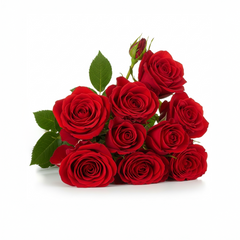
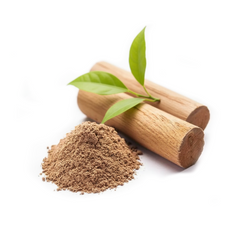
A Cambodian Oud accord balances honeyed-fruity chromones with woody and resinous depth. Typical proportions: Cambodian Oud 30–35%, Rose 20–25%, Sandalwood 20–25%, Vanilla 20–25%. Rose introduces damascenone for floral lift, sandalwood’s santalol smooths the woody base, and vanilla’s vanillin rounds out the sweetness and softens the animalic edge.

35%

Cambodian Oud

30–35% of blend

Provides the core honeyed, fruity, and woody facets via chromone derivatives and sesquiterpenes, ensuring depth and complexity.

25%

Rose

20–25% of blend

Damascenone and phenylethyl alcohol in rose create a molecular bridge, enhancing the fruity-floral interplay and smoothing oud’s sharper facets.

25%

Sandalwood

20–25% of blend

Santalol in sandalwood amplifies the creamy, balsamic undertones, stabilizing the accord and prolonging the woody drydown.

25%

Vanilla

20–25% of blend

Vanillin softens oud’s animalic and smoky aspects through olfactory masking, creating a rounded, gourmand finish.

The Olfactory Layers

How Cambodian Oud Evolves on Skin

Cambodian Oud’s olfactory evolution is marked by a gradual transition from fruity topnotes to deep, resinous base. High-molecular-weight chromones and sesquiterpenes evaporate slowly, ensuring a multi-hour development.

I
Top notes
0–15 min
Honeyed Fruit

Initial impression is dominated by 2-(2-phenylethyl)chromones, producing a honeyed, dried-fruit sweetness—plum, berry, and subtle citrus. These lighter chromones are the first to volatilize, offering a gentle, inviting opening.

fruityhoneyedsoft
II
Heart notes
20–60 min
Smooth Woods

As the top fades, sesquiterpenes like agarospirol and jinkoh-eremol emerge, imparting woody, spicy, and slightly musky nuances. The heart is smooth, with rose and sandalwood often accentuating the floral-woody interplay.

woodyspicyfloral
III
Base notes
Several hours
Resinous Musk

The drydown reveals the full complexity of Cambodian Oud: deep resinous, balsamic, and subtly animalic tones, anchored by high-molecular-weight chromones and persistent sesquiterpenes. Longevity is exceptional, with a soft, lingering trail.

resinousbalsamicmusky
TOP NOTES Honeyed Fruit 0–15 minutes HEART NOTES Smooth Woods 20–60 minutes BASE NOTES Resinous Musk Several hours
Through the Ages

The Story of Cambodian Oud in Perfumery

Cambodian Oud’s history in perfumery spans millennia, from ancient rituals to modern niche fragrances. Its unique profile has shaped both Eastern and Western scent traditions.

2nd century CE

Early Use in Chinese and Indian Rituals

Agarwood, including Cambodian varieties, is documented in Han dynasty China and Indian Ayurvedic texts as a sacred incense and medicinal material. Cambodian oud was prized for its sweet, calming aroma in temple ceremonies.

9th–14th centuries

Khmer Empire Oud Trade

During the Angkor period, Cambodian agarwood was exported along ancient trade routes to China and the Middle East. Khmer inscriptions reference agarwood as a royal commodity, valued for both fragrance and spiritual use.

1970s–1980s

Rise of Cambodian Oud Oil in Middle Eastern Perfumery

Cambodian oud oil gains prominence in Gulf countries, where its sweeter, less animalic profile is favored for personal fragrance and attar blending. Demand drives increased harvesting and trade.

2000s

Cambodian Oud in Western Niche Perfumery

Western niche brands begin incorporating Cambodian Oud into fine fragrances, attracted by its blendability and unique scent profile. Montale’s Black Aoud (2006) and similar launches popularize the note globally.

2018–2025

Sustainable Plantation and Modern Artisanal Use

CITES regulations and plantation cultivation transform Cambodian Oud sourcing. Modern fragrances like Golden Dallah (Xerjoff, 2018) and Ormonde Jayne’s Cambodian Oudh (2023) showcase both natural and semi-synthetic interpretations.

The Art of Layering

How to Layer Cambodian Oud

Understanding how to layer Cambodian Oud is key to unlocking its full olfactory potential. Molecular compatibility with florals, woods, and gourmands allows for nuanced, personalized blends.

01

Enhance Sweetness

Layering Cambodian Oud with vanilla or tonka bean amplifies the sweet chromone facets through olfactory masking, softening any residual animalic notes. Mancera’s Xplicit Vanilla demonstrates this synergy, where vanillin and coumarin interact with oud’s core molecules for a gourmand effect.

02

Add Depth

Pairing with sandalwood or cedarwood introduces santalol and cedrol, which stabilize the woody base and prolong the drydown. Montale’s Dark Vanilla and Black Aoud both use sandalwood to ground Cambodian Oud’s fruity topnotes and enhance longevity.

03

Lighten the Glow

Combining Cambodian Oud with citrus (bergamot, bitter orange) or fresh florals (rose, orris) leverages shared volatile compounds like linalool and damascenone, creating a brighter, more accessible scent. Intense Cedrat Boise by Mancera exemplifies this approach.

Wear It Right

How to Wear Cambodian Oud Like a Pro

Seasonal Guide

Fall & Winter

Cooler temperatures slow the evaporation of chromones and sesquiterpenes, resulting in a denser, longer-lasting scent. Apply to pulse points and under clothing for a rich, enveloping aura. Cambodian Oud’s warmth and depth are ideal for cold weather.

Spring

Moderate temperatures allow the fruity and floral facets to shine. Cambodian Oud pairs well with fresh florals and green notes, creating a balanced, uplifting effect. Apply lightly to avoid overwhelming lighter seasonal scents.

Summer

Heat increases volatility, emphasizing the topnotes and potentially shortening longevity. Use sparingly, focusing on wrists and behind the ears. Layer with citrus or light florals to keep the scent airy and approachable.

Year-Round Tip

Adjust application and layering based on climate and occasion. Cambodian Oud’s molecular weight ensures persistence, but projection can be tailored by concentration and placement. Always allow the scent to develop fully before reapplying.

Application Points

Strategic application enhances Cambodian Oud’s complexity and longevity.

1

Neck

Pulse points on the neck generate heat, accelerating the diffusion of fruity chromones and creating a noticeable initial sillage.

2

Behind the Ears

This area is less exposed to air, allowing the scent to evolve slowly and preserving the woody and musky facets for hours.

3

Inner Wrists

Frequent movement and warmth help project the scent, but avoid rubbing to prevent molecular breakdown and preserve the accord’s integrity.

4

Hair

Hair fibers trap heavier chromones and sesquiterpenes, releasing the scent gradually and extending longevity without overwhelming projection.

Pro Tip

Layer Cambodian Oud with complementary oils (rose, sandalwood, vanilla) on different pulse points to create a multidimensional, evolving scent experience.

Mood Architecture™

Top Cambodian Oud Fragrances by Mood Score

These Cambodian Oud-based fragrances scored highest on the MEI™ Mood Architecture Framework — measuring how a scent may influence your emotional state.

Highest MEI Score
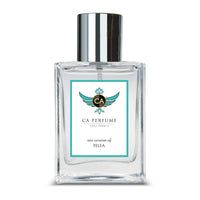
Bianco Puro — Tiziana Terenzi Bianco Puro Alternative Perfume
8.95
MEI™
Primary Confident
Secondary Magnetic
Confidence
9.15
Presence
9.46
Mood Lift
8.98
Identity
9.5
Warmth
9.5
Social Ease
8.45
Energy
4.9
" I am unstoppable.
View full mood profile →
Telea — Tiziana Terenzi Telea Alternative Perfume
7.04
MEI™
Primary Fresh
Secondary Romantic
Confidence
6.76
Presence
7.14
Mood Lift
7.78
Identity
6.65
Warmth
7.03
Social Ease
7.2
Energy
3.5
" I am radiant.
View full mood profile →
HumanSafe™

Top Cambodian Oud Fragrances by HumanSafe™ Score

These Cambodian Oud-based fragrances have the highest product-level HumanSafe™ scores in this ingredient collection.

Highest HumanSafe™ Score
Telea — Tiziana Terenzi Telea Alternative Perfume
A-
HumanSafe™ Score Generally Safe
Safest Evaluated Ingredients EDP
OXACYCLOHEPTADEC-10-EN-2-ONE Evaluated ingredient ISS 10.0
AQUA Solvent / Carrier ISS 10.0
1,4-DIOXACYCLOHEPTADECANE-5,17-DIONE Evaluated ingredient ISS 10.0
LINALYL ACETATE Evaluated ingredient ISS 7.0
LINALOOL Evaluated ingredient ISS 7.0
CYCLOHEXANEPROPANOL, 2,2,6-TRIMETHYL-.ALPHA.-PROPYL- Evaluated ingredient ISS 7.0
View full safety profile →
Bianco Puro — Tiziana Terenzi Bianco Puro Alternative Perfume
A-
HumanSafe™ Score Generally Safe
Safest Evaluated Ingredients EDP
AQUA Solvent / Carrier ISS 10.0
1,4-DIOXACYCLOHEPTADECANE-5,17-DIONE Evaluated ingredient ISS 10.0
3-BUTEN-2-ONE, 3-METHYL-4-(2,6,6-TRIMETHYL-2- Evaluated ingredient ISS 8.0
2H-1-BENZOPYRAN-2-ONE Evaluated ingredient ISS 8.0
1,6,10-DODECATRIEN-3-OL, 3,7,11-TRIMETHYL- Evaluated ingredient ISS 8.0
LINALYL ACETATE Evaluated ingredient ISS 7.0
View full safety profile →
Expert Voices

What Masters Say About Cambodian Oud

Cambodian oud is prized for its honeyed, fruity character—chromone derivatives provide a sweetness that makes it the most approachable oud type for blending in modern perfumery.
CA Perfume Editorial
Animalic depth. The sesquiterpenes in real oud (agarospirol, jinkoheremol, agarofuran) create a low-register animal warmth that synthetics can approximate but not fully capture.
Parfum Central Editorial
Common Questions

Frequently Asked Questions

Answers to common questions about Cambodian Oud in perfumery.

Cambodian Oud in perfume is characterized by a sweet, fruity, and woody scent profile. The opening is often honeyed and plummy, evolving into smooth, resinous, and musky depths. Chromone derivatives provide the fruity sweetness, while sesquiterpenes add woody and spicy undertones. Unlike Indian or Indonesian oud, Cambodian Oud is less animalic and more approachable, making it a favorite for both traditional attars and modern niche fragrances.

Cambodian Oud is primarily a heart-to-base note in fragrance compositions. Its high molecular weight and low volatility ensure a slow evaporation rate, allowing the scent to evolve over many hours. It anchors the fragrance, providing depth and complexity from the heart through the drydown.

Cambodian Oud is favored in niche perfumery for its unique blend of sweetness, fruitiness, and woody depth. Its approachable character allows for versatile blending with florals, spices, and gourmands, while its molecular complexity ensures a dynamic evolution on skin. The note’s rarity and prestige also contribute to its desirability in high-end, artisanal compositions.

Cambodian Oud fragrance uses often include pairing with rose, sandalwood, vanilla, and patchouli. Rose and oud share damascenone, creating a seamless floral-woody bridge. Sandalwood’s santalol stabilizes the base, while vanilla’s vanillin softens oud’s animalic facets. Patchouli and amber add further depth and longevity.

Cambodian Oud can be worn year-round, but its rich, resinous character is best suited for cooler temperatures. In summer, use sparingly and consider layering with citrus or fresh florals to lighten the profile. Heat increases volatility, emphasizing the fruity topnotes but potentially shortening longevity.

Natural Cambodian Oud fragrances typically last 12–24+ hours on skin, thanks to the high molecular weight of chromones and sesquiterpenes. Synthetic oud accords last 8–12 hours. Longevity is influenced by concentration, skin chemistry, and application method.

Yes, Cambodian Oud is highly layerable due to its molecular compatibility with florals, woods, and gourmands. Layer with rose or vanilla for sweetness, sandalwood for depth, or citrus for brightness. This allows for personalized, multidimensional scent experiences.

For beginners, fragrances like Montale’s Black Aoud, Mancera’s Intense Cedrat Boise, and Ormonde Jayne’s Cambodian Oudh offer accessible interpretations of the note. These compositions balance Cambodian Oud’s complexity with supporting notes, making them approachable entry points.

When selecting a Cambodian Oud fragrance at CA Perfume, consider the desired intensity, supporting notes, and seasonality. Look for blends that feature rose, sandalwood, or vanilla for a balanced profile. Sample different concentrations to find the evolution and projection that best suit your preferences.

Cambodian Oud is primarily sweet and fruity, with honeyed and plummy notes dominating the opening. While it can have subtle smoky or resinous undertones, it is less animalic and smoky than Indian or Indonesian oud types. The sweetness is due to chromone derivatives, while any smokiness comes from supporting woods or the distillation process.

Woods and Mosses Collection

Explore Our Top Cambodian Oud Fragrances

Discover the most sought-after Cambodian Oud compositions, from classic attars to modern niche blends. Each fragrance showcases the note’s unique blend of sweetness and woody depth.

Shop all Cambodian Oud fragrances at CA Perfume →

Where Cambodian Oud Comes From — Origin & Extraction

Cambodian Oud is sourced from the heartwood of Aquilaria crassna and Aquilaria agallocha trees, native to Southeast Asia. Cambodia’s provinces of Kampong Speu and Koh Kong are renowned for producing high-grade oud, with plantation and wild-harvested sources contributing to the market. Cambodia, along with Laos and Vietnam, forms the core of the Indochinese oud-producing region, accounting for a significant share of the world’s premium oud oil. Annual global oud market value exceeds $6 billion, with Cambodia supplying a substantial portion of the high-end segment. Extraction is typically performed via hydro-distillation or steam distillation of resin-saturated heartwood. The process involves soaking agarwood chips for several days, followed by distillation at low temperatures (often below 100°C) for 48–72 hours to maximize chromone and sesquiterpene yield. Plantation-grown trees (5–8 years old, artificially inoculated) yield lighter, less complex oils, while wild-harvested, old-growth trees (20+ years) produce richer, darker, and more complex oud. CO2 extraction is emerging for higher-quality, solvent-free captures. Yields are extremely low: less than 2% of Aquilaria trees naturally produce agarwood, and it can take 20–30 kg of wood to yield 20–30 ml of oil. The cost of Cambodian Oud varies dramatically by grade and source. Wild, old-growth oils can command $30,000–80,000 USD per kilogram, while plantation oils are more accessible at $3,000–8,000 USD/kg. Synthetic oud accords, by contrast, cost $100–500 USD/kg. Sustainability is a critical concern: Aquilaria species are listed under CITES Appendix II, requiring certification for legal trade. Plantation cultivation and artificial inoculation have become standard to reduce pressure on wild populations and ensure traceability.

Famous Fragrances That Define Cambodian Oud in Perfumery

Cambodian Oud has become a cornerstone of modern oud perfumery, prized for its sweet, approachable character. Notable fragrances include: 1. D/Oud Camboodi by Arabian Oud (2010s): A traditional oil blend using Cambodian Oud as the dominant note, celebrated for its honeyed, woody, and slightly animalic profile. Paired with sandalwood and musk, it exemplifies classic Middle Eastern oud oil traditions. 2. Black Aoud by Montale (2006, Pierre Montale): This pioneering Western oud fragrance uses a Cambodian Oud accord as a bridge note, pairing it with rose and patchouli for a dramatic, long-lasting composition. It helped establish the rose-oud genre in niche perfumery. 3. Golden Dallah by Xerjoff (2018, Chris Maurice): Cambodian Oud functions as a dominant note, layered with coffee, cocoa, and spices. The result is a gourmand-oud hybrid, showcasing the note’s versatility in sweet, edible contexts. 4. Cambodian Oudh by Ormonde Jayne (2023): A modern extrait de parfum that highlights the smooth, semi-synthetic interpretation of Cambodian Oud. The perfumer (Linda Pilkington) uses it as a heart-to-base note, paired with birch tar and synthetic musks for a contemporary, wearable oud. 5. Intense Cedrat Boise by Mancera (2021, Pierre Montale): Cambodian Oud is used as a supporting note, providing woody depth beneath citrus and leather. Its blendability and subtlety allow it to harmonize with a wide range of top and heart notes. 6. Xplicit Vanilla by Mancera (2025): Here, Cambodian Oud is paired with vanilla and spices, demonstrating its compatibility with gourmand and spicy notes. CA Perfume’s collection draws inspiration from this lineage, offering Cambodian Oud fragrances that balance authenticity, sustainability, and modern wearability.

Natural vs Synthetic Cambodian Oud in Perfumery

Natural Cambodian Oud oil is a complex mixture containing over 300 identified compounds, primarily sesquiterpenes (e.g., agarospirol, jinkoh-eremol, CAS 473-08-5) and chromone derivatives (notably 2-(2-phenylethyl)chromones, CAS 65317-34-8). These molecules are responsible for the material’s signature fruity, honeyed, and woody facets. Synthetic oud, by contrast, is constructed from a blend of engineered aroma chemicals such as Iso E Super (CAS 54464-57-2), Cypriol (CAS 91845-19-1), and Ambermax (CAS 16409-43-1), designed to mimic the woody, smoky, and slightly animalic aspects of natural oud. Performance-wise, natural Cambodian Oud exhibits greater longevity (12–24+ hours on skin) and a more complex, evolving scent profile. Synthetic accords are more linear, typically lasting 8–12 hours, but offer consistency and are less likely to trigger IFRA restrictions. The cost differential is significant: natural Cambodian Oud ranges from $3,000–80,000 USD/kg, while synthetics are $100–500 USD/kg. Most designer and mass-market fragrances use 100% synthetic oud, reserving natural oils for niche and artisanal compositions. Notable natural oud fragrances include Ensar Oud’s Cambodi Caramel and Ormonde Jayne’s Cambodian Oudh, while Tom Ford’s Oud Wood and Mancera’s Intense Cedrat Boise rely on synthetic accords. Sustainability and ethical sourcing are paramount, with the HumanSafe™ platform providing transparency on origin and CITES compliance. Synthetic oud reduces pressure on endangered Aquilaria species and enables broader creative use in perfumery, though it cannot fully replicate the molecular complexity and terroir-specific nuances of natural Cambodian Oud.