Ingredient Guide · Greens, Herbs and Fougeres
Greens, Herbs and Fougeres Family · Perfumery Note

Cactus Juice

Invigorating green watery notes with subtle sweetness

Cactus Juice is a top note in perfumery derived from succulent cacti, known for its crisp, green, and watery scent profile. It typically appears at 1-3% concentration, offering a refreshing and lively character.

Cactus Juice
Ingredient Profile

Cactus Juice

Greens, Herbs and Fougeres Family
Family Greens, Herbs and Fougeres
Note Position Top Note
Usage Level 1–3%
Key Origins Mexico, United States, Brazil
Iconic In Canyon Escape Woman, Man Extreme
The Ingredient

What does Cactus Juice smell like and why is it significant in perfumery?

Cactus Juice is extracted from succulent cactus plants, primarily species within the Cactaceae family, known for their moisture-retentive tissues adapted to arid environments. The scent profile of cactus juice is characterized by crisp, green, and watery notes with a subtle underlying sweetness. This fresh aroma is due to volatile organic compounds that evoke the sensation of hydrated greenery and dew, making it a unique natural note in perfumery. In perfumery, cactus juice is predominantly used as a top note, typically at concentrations ranging from 1% to 3%. Its light molecular weight compounds evaporate quickly, providing an immediate refreshing burst upon application. The note interacts with skin chemistry by blending with natural skin moisture, which can enhance its watery freshness and slightly sweet nuances. Cactus juice's invigorating quality makes it ideal for compositions aiming to evoke vitality and natural freshness. Notable fragrances featuring cactus juice include Hollister's Canyon Escape Woman (2020) by Dominique Preyssas, where it complements citrus and floral notes to create a vibrant summer scent, and Bvlgari Man Extreme (2017) by Alberto Morillas, which uses cactus juice as a green, fresh accent within a woody aromatic framework. These examples demonstrate cactus juice's versatility and appeal in modern perfumery.

1–3%
Typical concentration range of cactus juice in perfume formulations, balancing freshness with olfactory harmony.
12 hours
Approximate longevity of fragrances featuring cactus juice when supported by woody and balsamic base notes.
$1,000–$3,000/kg
Estimated cost range for natural cactus juice absolute, reflecting labor-intensive extraction and limited yields.
Origin & Extraction

Where Cactus Juice Comes From — Origin & Extraction

Cactus Juice's olfactory character is influenced by the geography of its source, with soil composition and climate shaping its freshness and sweetness. Arid regions with mineral-rich soils produce cactus juice with pronounced green and watery notes.

Cactus Juice is derived from various succulent cactus species within the Cactaceae family, plants adapted to arid and semi-arid regions. Key producing regions include Mexico, the Southwestern United States (notably the Sonoran Desert), and Brazil. Mexico is renowned for its diverse cactus varieties, contributing fresh and rejuvenating cactus juice often linked to cultural traditions. The Sonoran Desert's cacti yield juice with a uniquely dry and sweet aroma, while Brazil's cacti provide a vibrant and fresh profile blending with local flora. Extraction of cactus juice typically involves cold maceration or gentle solvent extraction to preserve the delicate green and watery aromatic compounds. Cold maceration is favored to avoid heat degradation of volatile molecules, using solvents such as ethanol or water over extended periods. Yields are modest due to the succulent nature of the plant tissues and the need to maintain aromatic integrity. Natural cactus juice is relatively costly due to labor-intensive harvesting and extraction processes, with prices estimated around $1,000–$3,000 per kilogram of absolute or concentrate. Synthetic analogs, using aroma chemicals that mimic the green watery facets, cost significantly less, approximately $50–$200 per kilogram. Sustainability considerations include responsible harvesting to avoid overexploitation of wild cactus populations and preference for cultivated sources. Synthetic production offers a more sustainable alternative with consistent supply and lower environmental impact.

MX

Mexico

Mexico's diverse cactus species yield fresh and rejuvenating cactus juice, often linked to cultural traditions. The mineral-rich volcanic soils and arid climate contribute to the note's crispness. Mexico accounts for a significant share of global cactus juice production.

US

United States

The Sonoran Desert in the Southwestern U.S. produces cactus juice with a uniquely dry and sweet aroma. The desert's high temperatures and sandy soils influence the aromatic profile, capturing the environment's spirit.

BR

Brazil

Brazil's varied climate fosters growth of cacti with vibrant and fresh cactus juice profiles. The humid subtropical conditions and diverse flora contribute to a lively and complex scent character.

Chemistry

Natural vs Synthetic Cactus Juice in Perfumery

Natural cactus juice is extracted from succulent cactus plants and contains a complex mixture of volatile organic compounds responsible for its crisp, green, and watery scent. Extraction methods such as cold maceration preserve these delicate molecules but result in variable yields and higher costs. Natural cactus juice offers a nuanced, multi-dimensional freshness appreciated in niche and natural perfumery. Synthetic cactus juice substitutes are formulated using aroma chemicals such as cis-3-hexenol (CAS 928-96-1), ethyl maltol (CAS 4940-11-8), and hydroxycitronellal (CAS 107-75-5), which replicate the green, watery, and subtly sweet facets of the natural note. These synthetics provide greater consistency, longer shelf life, and enhanced longevity in fragrances. Cost differentials are significant, with synthetics costing approximately $50–$200/kg compared to $1,000–$3,000/kg for natural extracts. Famous fragrances like Bvlgari Man Extreme use natural cactus juice to impart freshness, while synthetic versions are common in mass-market compositions for cost efficiency and stability. The HumanSafe™ platform emphasizes transparency in sourcing and formulation, and CA Perfume integrates both natural and synthetic cactus juice components to balance authenticity with performance and sustainability.

Natural
Cactus Juice Absolute
Cost $3,000–6,000/kg
Method Solvent / CO₂
Character Complex, variable
vs
Synthetic
Safranal & Analogues
Cost $50–200/kg
Method Lab synthesis
Character Consistent, stable
Hall of Fame

Famous Fragrances That Define Cactus Juice in Perfumery

2020
top note

Canyon Escape Woman

Hollister
by Dominique Preyssas
Mandarin OrangeBlood OrangeOrange Blossom
2017
accent note

Man Extreme

Bvlgari
by Alberto Morillas
CitrusVetiverWoody Notes
foundation note

Aloe Vera and Prickly Pear

JS Douglas Söhne
FloralGreen Notes
foundation note

Red Queen Citrusy Blossom

Pupa
CitrusFloral
2023
top note

Mexican Cactus

History Parfums
Tropical FruitsBergamotMusk

Cactus Juice has become a notable ingredient in modern perfumery, often featured as a refreshing top note that imparts a green, watery freshness. Among landmark fragrances, Hollister's Canyon Escape Woman (2020), crafted by Dominique Preyssas, uses cactus juice alongside mandarin orange and blood orange to evoke a vibrant desert-inspired freshness. Bvlgari Man Extreme (2017), by Alberto Morillas, incorporates cactus juice within a woody aromatic structure, paired with citrus and vetiver, providing a crisp and masculine freshness. JS Douglas Söhne's Aloe Vera and Prickly Pear (date unknown) highlights cactus juice with floral and green accords, emphasizing its botanical character. Pupa's Red Queen Citrusy Blossom (year unknown) uses cactus juice as a foundation for citrus and floral notes, creating a lively and youthful scent. History Parfums' Mexican Cactus (2023) blends cactus juice with tropical fruits, bergamot, and musk, illustrating the note's versatility in fruity and musky contexts. These fragrances demonstrate cactus juice's role as a bridge between green, citrus, and floral elements, often serving as a top or accent note. CA Perfume's collection reflects this lineage by offering compositions that showcase cactus juice's invigorating freshness within balanced accords.

The Accord

How is a captivating Cactus Juice accord crafted?

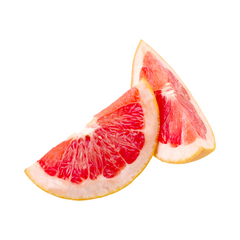
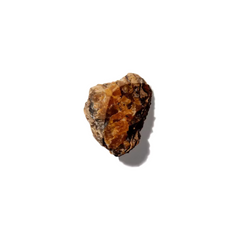
A balanced cactus juice accord typically comprises Cactus Juice (25-30%), Rose (20-25%), Grapefruit (20-25%), and Benzoin (20-25%). Cactus Juice provides the crisp, watery green freshness, while rose adds floral elegance through shared aromatic compounds such as phenyl ethyl alcohol. Grapefruit contributes zesty brightness with limonene and nootkatone enhancing vibrancy. Benzoin introduces warm, balsamic sweetness via benzoic acid derivatives, balancing the freshness and extending longevity. This blend creates a harmonious accord that is fresh, floral, and subtly sweet.

30%

Cactus Juice

25–30% of blend

Provides the core crisp, green, watery freshness with volatile organic compounds that evoke hydrated succulent plants.

25%

Rose

20–25% of blend

Adds floral elegance and softness, sharing phenyl ethyl alcohol which bridges seamlessly with cactus juice's green facets.

25%

Grapefruit

20–25% of blend

Injects zesty brightness and vibrancy through limonene and nootkatone, enhancing the accord's uplifting character.

25%

Benzoin

20–25% of blend

Contributes warm, balsamic sweetness via benzoic acid derivatives, balancing freshness and improving longevity.

The Olfactory Layers

How Cactus Juice Evolves on Skin

Cactus Juice fragrances typically open with bright, volatile green and watery top notes that evaporate within 15 minutes, followed by a floral heart that lasts up to an hour, and a woody, balsamic base providing longevity over several hours.

I
Top notes
0–15 min
Crisp Green Burst

The initial impression is a crisp, green watery freshness dominated by volatile molecules such as cis-3-hexenol and aldehydes, which evaporate quickly to awaken the senses with a vibrant, natural aroma.

CrispGreenWatery
II
Heart notes
20–60 min
Soft Floral Balance

The heart reveals a soft floral character, often rose or orange blossom, which blends with the fading green notes to create a balanced, romantic phase with moderate volatility.

FloralSoftBalanced
III
Base notes
Several hours
Warm Woody Dry Down

The dry down features woody and balsamic notes such as cedarwood and benzoin, which provide depth, warmth, and lasting presence through slower evaporation rates.

WoodyBalsamicWarm
TOP NOTES Crisp Green Burst 0–15 minutes HEART NOTES Soft Floral Balance 20–60 minutes BASE NOTES Warm Woody Dry Down Several hours
Through the Ages

The Story of Cactus Juice in Perfumery

Cactus Juice's journey in perfumery spans from traditional uses of cactus plants in indigenous cultures to its modern role as a fresh, green note in contemporary fragrances.

Antiquity

Traditional Use of Cacti

Indigenous peoples in Mexico and the Americas utilized cactus plants for food, medicine, and ritual, recognizing their moisture-retentive properties and subtle aromas.

Early 20th Century

Botanical Exploration

Scientific interest in succulent plants grew, leading to early attempts to capture cactus extracts for cosmetic and aromatic purposes.

1990s

Introduction in Modern Perfumery

Cactus juice began appearing as a novel note in niche and designer fragrances, valued for its fresh, green watery character.

2010s

Rise in Natural Ingredient Trends

Growing consumer demand for natural and sustainable ingredients increased cactus juice's popularity as a fresh, botanical note.

2020s

Widespread Use in Contemporary Fragrances

Cactus juice features prominently in many fragrances, including Hollister Canyon Escape Woman (2020) and History Parfums Mexican Cactus (2023), showcasing its versatility.

The Art of Layering

How to Layer Cactus Juice

Understanding how to layer cactus juice involves molecular compatibility and olfactory synergy. Layering cactus juice with citrus or floral notes enhances brightness and freshness through shared volatile compounds, while pairing with woody or balsamic notes adds depth by balancing the watery facets. This approach creates a harmonious scent evolution that maximizes cactus juice's invigorating qualities.

01

Enhance Sweetness

Pair cactus juice with vanilla or benzoin to soften its green edge. Vanillin masks metallic facets while benzoin adds warm balsamic sweetness, creating a balanced accord as seen in History Parfums Mexican Cactus.

02

Add Depth

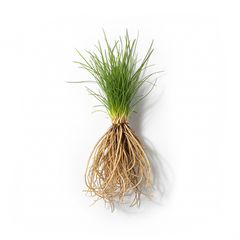
Combine cactus juice with cedarwood or vetiver to introduce woody textures that ground the fresh watery notes. These molecules have complementary evaporation rates, extending the fragrance's longevity, exemplified by Bvlgari Man Extreme.

03

Lighten the Glow

Layer cactus juice with grapefruit or mandarin orange to boost zesty brightness through shared limonene compounds. This pairing elevates the invigorating character, as used in Hollister Canyon Escape Woman.

Wear It Right

How to Wear Cactus Juice Like a Pro

Seasonal Guide

Fall & Winter

Cooler temperatures reduce molecular diffusion, muting cactus juice's fresh watery notes. Layering with warm woody or resinous notes can balance this effect for seasonal wear.

Spring

Moderate temperatures allow cactus juice's green freshness to shine, complementing floral and citrus accords for a lively spring scent.

Summer

Heat enhances evaporation and projection of cactus juice's crisp watery notes, making it ideal for invigorating summer fragrances. Apply lightly for best effect.

Year-Round Tip

Layer cactus juice with warmer base notes in cooler months and with bright citrus or florals in warmer months to maintain balance and freshness.

Application Points

Strategic application enhances cactus juice's fresh and watery character.

1

Neck

Pulse points like the neck emit heat, accelerating evaporation of cactus juice's top notes for immediate freshness.

2

Behind the Ears

This area allows subtle diffusion of cactus juice, creating an intimate scent trail.

3

Inner Wrists

Warmth here enhances the note's crisp watery facets, prolonging freshness.

4

Hair

Hair fibers hold fragrance molecules longer, releasing cactus juice slowly for sustained freshness.

Pro Tip

Apply a light mist to moisturized skin to amplify cactus juice's hydrated, natural scent profile.

HumanSafe™

Cactus Juice Safety Profile in Our Fragrances

No ingredient collection was found for cactus-juice.

Create or connect a collection with the same handle as this ingredient, then add products that contain this ingredient.

Expert Voices

What Masters Say About Cactus Juice

Cactus Juice introduces a refreshing, green watery facet that evokes vitality and natural freshness, making it a unique and invigorating note in contemporary fragrance compositions.
CA Perfume Editorial
The crisp and subtly sweet aroma of cactus juice provides an uplifting quality that bridges green and floral notes seamlessly in modern perfumery.
CA Perfume Editorial
Common Questions

Frequently Asked Questions

Answers to common questions about cactus juice in perfumery.

Cactus juice in perfume smells crisp, green, and watery with subtle sweet undertones. It evokes the fresh, hydrated essence of succulent plants and is often used as a top note to provide an invigorating opening. Notable fragrances featuring cactus juice include Hollister Canyon Escape Woman and Bvlgari Man Extreme.

Cactus juice is primarily used as a top note in fragrances due to its light, volatile molecules that evaporate quickly, delivering an immediate fresh and green burst. It rarely appears as a base note because of its high volatility and delicate character.

Cactus juice is favored in niche perfumery for its unique fresh, green, and watery scent profile that evokes natural vitality. Its subtle sweetness and crispness provide a distinctive freshness that complements floral and citrus accords, appealing to consumers seeking innovative and nature-inspired fragrances.

Cactus juice fragrance uses include pairing with rose, grapefruit, benzoin, cedarwood, and mandarin orange. These combinations enhance its fresh watery facets by adding floral elegance, zesty brightness, warm balsamic sweetness, woody texture, and citrus vibrancy, respectively.

Yes, cactus juice is ideal for summer perfumes due to its invigorating, fresh, and watery scent profile. Heat enhances its volatility and projection, making it refreshing and uplifting in warm weather. Light application is recommended to maintain balance.

Fragrances featuring cactus juice typically last around 6 to 12 hours when supported by woody and balsamic base notes like cedarwood and benzoin, which extend longevity beyond the volatile top notes.

Yes, layering cactus juice with citrus, floral, or woody fragrances is effective. Molecular compatibility allows cactus juice to blend well with notes like grapefruit, rose, and cedarwood, enhancing brightness, softness, and depth in the overall scent.

Beginner-friendly cactus juice perfumes include Hollister Canyon Escape Woman and Bvlgari Man Extreme, which feature accessible fresh and vibrant compositions blending cactus juice with citrus and floral notes.

At CA Perfume, consider your preference for freshness intensity and complementary notes. Sampling options allow you to experience cactus juice in floral, citrus, or woody blends to find a fragrance that resonates with your style and skin chemistry.

Cactus juice primarily smells crisp and green with subtle sweet undertones but is not spicy. Its sweetness is delicate and natural, balancing the watery freshness without overwhelming the composition.

Greens, Herbs and Fougeres Collection

Explore Our Top Cactus Juice Fragrances

Discover a curated selection of fragrances featuring cactus juice's refreshing and vibrant scent profile.

Shop all cactus juice fragrances at CA Perfume →

Where Cactus Juice Comes From — Origin & Extraction

Cactus Juice is derived from various succulent cactus species within the Cactaceae family, plants adapted to arid and semi-arid regions. Key producing regions include Mexico, the Southwestern United States (notably the Sonoran Desert), and Brazil. Mexico is renowned for its diverse cactus varieties, contributing fresh and rejuvenating cactus juice often linked to cultural traditions. The Sonoran Desert's cacti yield juice with a uniquely dry and sweet aroma, while Brazil's cacti provide a vibrant and fresh profile blending with local flora. Extraction of cactus juice typically involves cold maceration or gentle solvent extraction to preserve the delicate green and watery aromatic compounds. Cold maceration is favored to avoid heat degradation of volatile molecules, using solvents such as ethanol or water over extended periods. Yields are modest due to the succulent nature of the plant tissues and the need to maintain aromatic integrity. Natural cactus juice is relatively costly due to labor-intensive harvesting and extraction processes, with prices estimated around $1,000–$3,000 per kilogram of absolute or concentrate. Synthetic analogs, using aroma chemicals that mimic the green watery facets, cost significantly less, approximately $50–$200 per kilogram. Sustainability considerations include responsible harvesting to avoid overexploitation of wild cactus populations and preference for cultivated sources. Synthetic production offers a more sustainable alternative with consistent supply and lower environmental impact.

Famous Fragrances That Define Cactus Juice in Perfumery

Cactus Juice has become a notable ingredient in modern perfumery, often featured as a refreshing top note that imparts a green, watery freshness. Among landmark fragrances, Hollister's Canyon Escape Woman (2020), crafted by Dominique Preyssas, uses cactus juice alongside mandarin orange and blood orange to evoke a vibrant desert-inspired freshness. Bvlgari Man Extreme (2017), by Alberto Morillas, incorporates cactus juice within a woody aromatic structure, paired with citrus and vetiver, providing a crisp and masculine freshness. JS Douglas Söhne's Aloe Vera and Prickly Pear (date unknown) highlights cactus juice with floral and green accords, emphasizing its botanical character. Pupa's Red Queen Citrusy Blossom (year unknown) uses cactus juice as a foundation for citrus and floral notes, creating a lively and youthful scent. History Parfums' Mexican Cactus (2023) blends cactus juice with tropical fruits, bergamot, and musk, illustrating the note's versatility in fruity and musky contexts. These fragrances demonstrate cactus juice's role as a bridge between green, citrus, and floral elements, often serving as a top or accent note. CA Perfume's collection reflects this lineage by offering compositions that showcase cactus juice's invigorating freshness within balanced accords.

Natural vs Synthetic Cactus Juice in Perfumery

Natural cactus juice is extracted from succulent cactus plants and contains a complex mixture of volatile organic compounds responsible for its crisp, green, and watery scent. Extraction methods such as cold maceration preserve these delicate molecules but result in variable yields and higher costs. Natural cactus juice offers a nuanced, multi-dimensional freshness appreciated in niche and natural perfumery. Synthetic cactus juice substitutes are formulated using aroma chemicals such as cis-3-hexenol (CAS 928-96-1), ethyl maltol (CAS 4940-11-8), and hydroxycitronellal (CAS 107-75-5), which replicate the green, watery, and subtly sweet facets of the natural note. These synthetics provide greater consistency, longer shelf life, and enhanced longevity in fragrances. Cost differentials are significant, with synthetics costing approximately $50–$200/kg compared to $1,000–$3,000/kg for natural extracts. Famous fragrances like Bvlgari Man Extreme use natural cactus juice to impart freshness, while synthetic versions are common in mass-market compositions for cost efficiency and stability. The HumanSafe™ platform emphasizes transparency in sourcing and formulation, and CA Perfume integrates both natural and synthetic cactus juice components to balance authenticity with performance and sustainability.