
Ingredient Guide · Gourmand Woody
Gourmand Woody Family · Perfumery Note

Cacao

From raw pod to absolute: the true scent of cacao in perfume.

Cacao is a base note in perfumery, prized for its earthy, bitter, and chocolate-like aroma. Its defining quality comes from solvent-extracted cacao absolute, used at 0.2–2% in gourmand and woody-amber compositions.

Cacao
Ingredient Profile

Cacao

Gourmand Woody Family
Family Gourmand Woody
Note Position Heart Note
Usage Level 0.2–2%
Key Origins Côte d’Ivoire, Ghana, Ecuador
Iconic In Chocolate Greedy, Cacao Porcelana
The Ingredient

What does cacao smell like and why is it a cornerstone of gourmand perfumery?

Cacao in perfumery is derived from the beans of Theobroma cacao, yielding a scent profile that is complex, multifaceted, and distinctly different from sweet chocolate. What does cacao smell like? The answer is a blend of deep, bitter, and earthy tones, with nuances of roasted nuts, subtle smokiness, and a faintly green, almost woody undertone. This complexity is due to the presence of odorant molecules such as theobromine, methylxanthines, and pyrazines, which contribute to its dry, powdery, and slightly astringent aroma. Unlike confectionery chocolate, cacao absolute in perfumery is less sweet and more reminiscent of raw cocoa beans, with a creamy, balsamic richness and a hint of tropical fruit pulp from the fresh pod. Cacao in perfumery is typically classified as a base note, though it can appear in the heart of certain gourmand compositions. Its tenacity and low volatility make it ideal for anchoring blends and providing longevity. In formulas, cacao absolute is used at concentrations ranging from 0.2% to 2%, depending on the desired intensity and the balance with other notes. On skin, cacao interacts with individual chemistry, sometimes amplifying its earthy, woody facets or, in warmer conditions, revealing a creamier, more enveloping sweetness. Its molecular weight and fixative properties allow it to persist for hours, evolving gradually as top and heart notes dissipate. Notable fragrances that exemplify cacao’s role include Montale Chocolate Greedy (2007), where cacao is the dominant note, layered with vanilla and coffee for a photorealistic chocolate effect. Atelier Materi Cacao Porcelana (2019, Marie Hugentobler) showcases the raw, nutty, and woody aspects of cacao, paired with rum, tobacco, and sandalwood. In Tom Ford Noir de Noir (2007, Harry Fremont), cacao is used as a bridge note, linking rose and patchouli with a subtle, bittersweet depth. These examples illustrate cacao’s versatility and its ability to shape the character of both gourmand and woody-amber fragrances.

0.2–2%
Typical concentration of cacao absolute in fine fragrance formulas. Higher percentages risk overpowering other notes due to cacao’s tenacity and bitterness.
5–8 Hours
Average longevity of cacao as a base note on skin, attributed to high-molecular-weight compounds like theobromine and cacao butter.
$800–1,200/kg
Approximate cost of natural cacao absolute, reflecting low extraction yield and labor-intensive processing compared to synthetic substitutes.
Origin & Extraction

Where Cacao Comes From — Origin & Extraction

Cacao’s scent profile varies by origin, with terroir-driven differences in soil, rainfall, and fermentation affecting aroma. Volcanic soils in Ecuador yield beans with pronounced fruitiness, while West African cacao is earthier and more robust.

Cacao used in perfumery is sourced from the seeds of Theobroma cacao, a tree native to Central and South America but now cultivated in tropical regions worldwide. The largest producers are Côte d’Ivoire (Ivory Coast), Ghana, and Indonesia, accounting for over 70% of global cacao bean production, with Côte d’Ivoire alone responsible for approximately 2.2 million metric tons annually. The beans are harvested from ripe cacao pods, fermented for several days to develop their characteristic aroma, then dried and roasted to intensify flavor and olfactory complexity. For perfumery, cacao absolute is obtained through solvent extraction, typically using hexane or ethanol. The process involves grinding roasted cacao beans, extracting with solvent at controlled temperatures (generally below 60°C to preserve volatile aroma compounds), and then evaporating the solvent to yield a thick, dark brown absolute. The yield is low—about 0.5–1% of the starting material—making natural cacao absolute a costly ingredient, often priced at $800–1,200 per kg. By contrast, synthetic substitutes such as ethyl maltol or pyrazines can cost under $100 per kg and offer greater consistency. Sustainability is a significant concern in cacao production. Issues include deforestation, child labor, and fluctuating market prices, prompting initiatives such as UTZ and Rainforest Alliance certification. Some perfumers now favor certified or traceable cacao absolutes to ensure ethical sourcing. The extraction process itself is relatively energy-intensive, but solvent recovery and modern closed-loop systems have reduced environmental impact compared to older methods.

CI

Côte d’Ivoire

The world’s largest cacao producer, especially in the Soubre and Daloa regions. Beans here are robust, earthy, and slightly bitter due to heavy rainfall and clay-rich soils. Annual production exceeds 2.2 million metric tons. UTZ and Rainforest Alliance certifications are common.

GH

Ghana

Ashanti and Brong-Ahafo regions produce cacao with a balanced, nutty profile and moderate bitterness. Ghanaian beans are prized for their consistency and are often used in fine chocolate and perfumery. Production is around 1 million metric tons annually.

EC

Ecuador

Notably the Arriba/Nacional variety from Guayas and Los Ríos. Volcanic soils and unique fermentation yield cacao with floral, fruity, and slightly winey notes. Ecuador supplies about 5% of global cacao but is renowned for high-quality, aromatic beans.

ID

Indonesia

Sulawesi and Sumatra regions produce cacao with smoky, woody undertones, influenced by local drying and fermentation practices. Indonesia is the world’s third-largest producer, with annual output around 650,000 metric tons.

Chemistry

Natural vs Synthetic Cacao in Perfumery

Natural cacao absolute is prized for its depth and authenticity, containing a complex mixture of odorants including theobromine, 2,3,5-trimethylpyrazine (CAS 14667-55-1), and phenethyl alcohol. Synthetic cacao notes are typically built from molecules such as ethyl maltol (CAS 4940-11-8), which imparts a sweet, caramelized effect; 2,3,5,6-tetramethylpyrazine (CAS 1124-11-4), which provides roasted, nutty nuances; and vanillin (CAS 121-33-5), which adds creamy sweetness. Synthetic versions offer greater stability, batch-to-batch consistency, and are less susceptible to oxidation or degradation than natural cacao absolute, which can vary in aroma depending on bean origin and processing. Performance-wise, synthetic cacao notes often exhibit stronger projection and longer-lasting sillage, especially in warm climates. Natural cacao absolute, while more nuanced, may fade faster or shift toward earthy or woody facets over time. Cost is a major factor: natural cacao absolute can be 10–20 times more expensive than synthetic alternatives. Notable fragrances using natural cacao include Atelier Materi Cacao Porcelana and Fueguia 1833 Xocoatl, while many mainstream gourmands rely on synthetic accords for affordability and stability. From a sustainability perspective, synthetics reduce pressure on agricultural land and help avoid ethical issues in cacao farming. CA Perfume’s HumanSafe™ platform provides transparency on ingredient sourcing, ensuring that both natural and synthetic cacao notes meet strict safety and traceability standards.

Natural
Cacao Absolute
Cost $3,000–6,000/kg
Method Solvent / CO₂
Character Complex, variable
vs
Synthetic
Safranal & Analogues
Cost $50–200/kg
Method Lab synthesis
Character Consistent, stable
Hall of Fame

Famous Fragrances That Define Cacao in Perfumery

2007
dominant note

Chocolate Greedy

Montale
vanillacoffeetonka bean
2019
dominant note

Cacao Porcelana

Atelier Materi
by Marie Hugentobler
rumtobaccosandalwoodpatchouli
2007
bridge note

Noir de Noir

Tom Ford
by Harry Fremont
rosepatchoulisaffron
2005
dominant note

Borneo 1834

Serge Lutens
by Christopher Sheldrake
patchoulilabdanumcardamom
2021
dominant note

Cacao2

Maison Tahité – Officine Creative Profumi
tonka beanambervanilla

Cacao has shaped the modern gourmand and woody-amber fragrance landscape, serving as a dominant or supporting note in numerous landmark compositions. Montale Chocolate Greedy (2007) is a reference point for photorealistic chocolate, with cacao absolute as the central note, supported by vanilla and coffee. Atelier Materi Cacao Porcelana (2019, Marie Hugentobler) explores the raw, nutty, and woody dimensions of cacao, paired with rum, tobacco, and sandalwood for a sophisticated, bittersweet effect. Tom Ford Noir de Noir (2007, Harry Fremont) uses cacao as a bridge between rose, patchouli, and saffron, lending a subtle, dark richness to the composition. Serge Lutens Borneo 1834 (2005, Christopher Sheldrake) is a classic example of cacao paired with patchouli, creating a dry, earthy, and slightly powdery accord that has influenced countless niche releases. Maison Tahité Cacao2 (2021) highlights the roasted, slightly smoky side of cacao, balanced by tonka bean and amber. In the mainstream, Mugler Angel (1992, Olivier Cresp and Yves de Chirin) was among the first to use synthetic chocolate notes to create a new gourmand category, blending cacao with caramel, patchouli, and red berries. CA Perfume’s collection draws inspiration from these milestones, offering cacao-forward fragrances that reflect both the raw, earthy origins and the creamy, gourmand possibilities of this note.

The Accord

How is a captivating Cacao accord crafted?

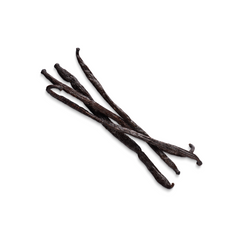
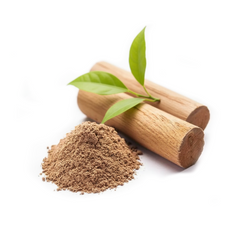
A classic cacao accord balances the bitter, earthy facets of cacao absolute with creamy, sweet, and woody notes. Typical proportions: Cacao Absolute 30–35%, Vanilla Absolute 20–25%, Patchouli 20–25%, Sandalwood 20–25%. Vanilla softens cacao’s bitterness via vanillin, patchouli amplifies earthy depth through patchoulol, and sandalwood adds lactonic warmth for a rounded finish.

35%

Cacao Absolute

30–35% of blend

Provides the core bitter, earthy, and chocolate-like aroma. Rich in methylxanthines and pyrazines, it defines the accord’s character.

25%

Vanilla Absolute

20–25% of blend

Vanillin in vanilla rounds out cacao’s bitterness, adding creamy sweetness and enhancing gourmand appeal through olfactory masking.

25%

Patchouli

20–25% of blend

Patchoulol and related sesquiterpenes deepen cacao’s earthy aspects and extend longevity, creating a powdery, woody base.

25%

Sandalwood

20–25% of blend

Santalol in sandalwood adds lactonic, creamy warmth, smoothing transitions between cacao and other notes for a balanced, lasting accord.

The Olfactory Layers

How Cacao Evolves on Skin

Cacao’s olfactory evolution begins with fleeting fruity and green notes, then deepens into a persistent, earthy heart and a creamy, woody base. High-molecular-weight compounds ensure longevity, while lighter volatiles dissipate quickly.

I
Top notes
0–15 min
Raw Pod Freshness

Initial impression is slightly green and fruity, with hints of fresh cacao pulp and tropical fruit esters. Volatile aldehydes and light pyrazines evaporate rapidly, giving way to deeper facets.

greenfruityfresh
II
Heart notes
20–60 min
Bitter Chocolate Core

The core develops into rich, bitter, and earthy chocolate, dominated by methylxanthines and 2,3,5-trimethylpyrazine. Subtle roasted, nutty, and woody nuances emerge as the scent settles.

bitterearthynutty
III
Base notes
Several hours
Creamy Woody Drydown

Long-lasting creamy, balsamic, and woody notes persist, anchored by cacao butter and patchouli. Fixatives like sandalwood and amber extend the drydown, leaving a soft, powdery trail.

creamywoodybalsamic
TOP NOTES Raw Pod Freshness 0–15 minutes HEART NOTES Bitter Chocolate Core 20–60 minutes BASE NOTES Creamy Woody Drydown Several hours
Through the Ages

The Story of Cacao in Perfumery

Cacao’s journey in perfumery spans from ancient ceremonial use to a defining note in modern gourmand fragrances.

Pre-Columbian Era

Mayan and Aztec Rituals

Cacao beans were used as currency and incense by the Mayans and Aztecs in Central America. Beans were burned for their spicy, bitter aroma in ceremonial contexts.

16th Century

Cacao Arrives in Europe

Spanish explorers introduce cacao to Europe, where it becomes a luxury beverage. The scent of roasted cacao begins to inspire culinary and olfactory experimentation.

19th Century

First Use in French Perfumery

French perfumers experiment with cocoa absolute, extracted via solvents, incorporating it into early oriental and gourmand compositions.

1992

Mugler Angel Launches Gourmand Trend

Olivier Cresp and Yves de Chirin use synthetic chocolate notes in Angel, creating the modern gourmand category and popularizing cacao in perfumery.

2007–2020s

Niche and Mainstream Expansion

Cacao becomes a staple in both niche and designer fragrances, with launches like Montale Chocolate Greedy, Atelier Materi Cacao Porcelana, and Maison Tahité Cacao2 exploring its full olfactory range.

The Art of Layering

How to Layer Cacao

Understanding how to layer cacao is key to maximizing its olfactory impact. How to layer cacao? Pair it with notes that offer molecular compatibility—such as patchouli, vanilla, or citrus—to enhance or balance its bitterness and earthy depth.

01

Enhance Sweetness

Layer cacao with vanilla or tonka bean fragrances. Vanillin and coumarin molecules in these notes mask cacao’s bitterness, creating a creamy, dessert-like effect. Example: Montale Chocolate Greedy layered with Guerlain Tonka Impériale.

02

Add Depth

Pair cacao with patchouli or sandalwood. Patchoulol and santalol molecules reinforce cacao’s earthy, woody facets, resulting in a richer, more persistent scent. Example: Serge Lutens Borneo 1834 with a sandalwood-forward fragrance.

03

Lighten the Glow

Combine cacao with citrus or floral notes. Limonene and linalool provide a fresh, bright contrast, preventing cacao from becoming too heavy. Example: Atelier Materi Cacao Porcelana layered with a neroli or bergamot cologne.

Wear It Right

How to Wear Cacao Like a Pro

Seasonal Guide

Fall & Winter

Cacao’s bitter, earthy, and creamy facets thrive in cold temperatures, as low volatility ensures a persistent, enveloping scent. Apply to pulse points and layer with amber or spice notes for maximum projection and comfort.

Spring

In spring, cacao pairs well with floral or citrus notes, lightening its heaviness and adding a playful contrast. Moderate application is advised, focusing on wrists or behind the ears to avoid overwhelming the senses as temperatures rise.

Summer

High heat increases cacao’s volatility, causing top notes to dissipate rapidly and intensifying the creamy, woody base. Use sparingly, layer with fresh or green notes, and apply to less exposed areas (e.g., inner elbows) to prevent cloying effects.

Year-Round Tip

Cacao’s fixative properties allow it to anchor lighter notes in any season. Adjust application and layering partners based on temperature and humidity to maintain balance and avoid olfactory fatigue.

Application Points

Strategic application enhances cacao’s longevity and olfactory evolution.

1

Neck

Pulse points on the neck radiate heat, accelerating cacao’s transition from green top notes to creamy base. Ideal for colder weather or when maximum projection is desired.

2

Behind the Ears

This area is slightly cooler, allowing cacao’s heart and base notes to develop more slowly. Subtle sillage and a gradual scent evolution are achieved here.

3

Inner Wrists

Frequent movement and warmth from the wrists enhance cacao’s projection, especially its roasted, nutty heart. Reapply as needed for sustained intensity.

4

Hair

Spraying on hair provides a slow, continuous release of cacao’s creamy, woody facets. Hair retains scent molecules longer due to lower temperature and oil content.

Pro Tip

Layer cacao with a light citrus or floral scent on clothing to extend longevity and prevent skin chemistry from muting its complexity. Always patch test to avoid staining.

Mood Architecture™

Top Cacao Fragrances by Mood Score

These Cacao-based fragrances scored highest on the MEI™ Mood Architecture Framework — measuring how a scent may influence your emotional state.

Highest MEI Score
Britannian — Britannia Alternative Perfume
8.87
MEI™
Primary Romantic
Secondary Confident
Confidence
8.33
Presence
8.68
Mood Lift
9.5
Identity
9.09
Warmth
9.5
Social Ease
9.24
Energy
4.3
" I am beautiful.
View full mood profile →
Goddess Girls — Good Girl Alternative Perfume
8.59
MEI™
Primary Romantic
Secondary Confident
Confidence
7.76
Presence
7.74
Mood Lift
9.5
Identity
8.17
Warmth
9.5
Social Ease
9.34
Energy
4.0
" I am beautiful.
View full mood profile →
Code Satin — Giorgio Armani Code Satin Alternative Perfume
8.4
MEI™
Primary Romantic
Secondary Confident
Confidence
7.22
Presence
7.52
Mood Lift
9.5
Identity
7.71
Warmth
9.5
Social Ease
9.31
Energy
4.2
" I am beautiful.
View full mood profile →
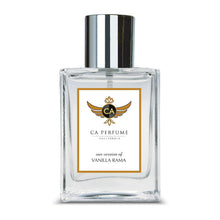
Vanilla Rama — Vanilla Diorama Alternative Perfume
8.01
MEI™
Primary Romantic
Secondary Confident
Confidence
7.28
Presence
7.27
Mood Lift
8.65
Identity
7.51
Warmth
9.5
Social Ease
8.35
Energy
3.9
" I am beautiful.
View full mood profile →
HumanSafe™

Top Cacao Fragrances by HumanSafe™ Score

These Cacao-based fragrances have the highest product-level HumanSafe™ scores in this ingredient collection.

Highest HumanSafe™ Score
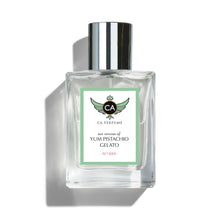
Yum Pistachio Gelato — Yum Pistachio Gelato 33 Alternative Perfume
A-
HumanSafe™ Score Generally Safe
Safest Evaluated Ingredients EDP
AQUA Solvent / Carrier ISS 10.0
AMBROXIDE Evaluated ingredient ISS 9.0
2H-1-BENZOPYRAN-2-ONE Evaluated ingredient ISS 8.0
LINALYL ACETATE Evaluated ingredient ISS 7.0
LINALOOL Evaluated ingredient ISS 7.0
View full safety profile →
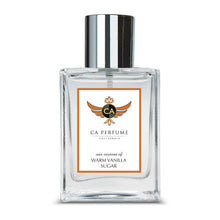
Warm Vanilla Sugar — Bath & Body Work WARM VANILLA SUGAR Alternative Perfume
A-
HumanSafe™ Score Generally Safe
Safest Evaluated Ingredients EDP
AQUA Solvent / Carrier ISS 10.0
2H-1-BENZOPYRAN-6-OL, 3,4-DIHYDRO-2,5,7,8-TETRAMETHYL- Evaluated ingredient ISS 8.0
LINALOOL Evaluated ingredient ISS 7.0
BENZALDEHYDE, 3,4-DIMETHOXY- Evaluated ingredient ISS 7.0
ALCOHOL DENAT. Solvent / Carrier ISS 7.0
1,3,4,6,7,8-HEXAHYDRO-4,6,6,7,8,8-HEXAMETHYLINDENO[5,6- Evaluated ingredient ISS 7.0
View full safety profile →
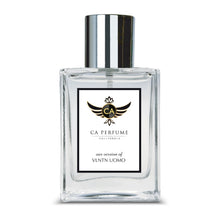
Vlntn Uomo — Uomo Alternative Cologne
#3
Vlntn Uomo — Uomo Alternative Cologne
Starting from $14.99
A-
HumanSafe™ Score Generally Safe
Safest Evaluated Ingredients EDP
AQUA Solvent / Carrier ISS 10.0
1H-3A,7-METHANOAZULEN-6-OL, OCTAHYDRO-3,6,8,8- Evaluated ingredient ISS 9.0
3-BUTEN-2-ONE, 3-METHYL-4-(2,6,6-TRIMETHYL-2- Evaluated ingredient ISS 8.0
2H-1-BENZOPYRAN-2-ONE Evaluated ingredient ISS 8.0
2-HEXENE, 6,6-DIMETHOXY-2,5,5-TRIMETHYL- Evaluated ingredient ISS 8.0
LINALYL ACETATE Evaluated ingredient ISS 7.0
View full safety profile →
Vanilla Rama — Vanilla Diorama Alternative Perfume
A-
HumanSafe™ Score Generally Safe
Safest Evaluated Ingredients EDP
AQUA Solvent / Carrier ISS 10.0
1,4-DIOXACYCLOHEPTADECANE-5,17-DIONE Evaluated ingredient ISS 10.0
3-CYCLOPENTENE-1-ACETALDEHYDE, 2,2,3-TRIMETHYL-, Evaluated ingredient ISS 9.0
AMBERKETAL Evaluated ingredient ISS 8.0
2H-1-BENZOPYRAN-2-ONE Evaluated ingredient ISS 8.0
LINALYL ACETATE Evaluated ingredient ISS 7.0
View full safety profile →
Expert Voices

What Masters Say About Cacao

Cacao pod in perfumery is the whole fruit, not the polished candy. It is the smell of a freshly split husk and the wet, pale pulp clinging to the beans, greenish and slightly bitter, with a faint tropical sweetness that feels more botanical than gourmand.
Fragrantica Editorial
Cacao offers a rich, deep, and complex aroma that is simultaneously sweet, bitter, and slightly earthy. It presents a warm, intense chocolate-like scent with nuanced layers of roasted, nutty, and slightly smoky undertones.
CA Perfume Editorial
Common Questions

Frequently Asked Questions

Answers to the most common questions about cacao in perfumery.

Cacao in perfume smells earthy, bitter, and chocolate-like, with roasted, nutty, and creamy undertones. Unlike confectionery chocolate, it is less sweet and more reminiscent of raw cocoa beans, with subtle smoky and woody nuances. Its complexity comes from molecules such as methylxanthines and pyrazines, which create a powdery, balsamic, and slightly green aroma. Notable examples include Montale Chocolate Greedy and Atelier Materi Cacao Porcelana.

Cacao is primarily used as a base note in perfumery due to its low volatility and high molecular weight. It anchors compositions and provides longevity, though it can sometimes appear in the heart of gourmand or woody-amber fragrances. Its persistence makes it ideal for the base of complex, long-lasting scents.

Cacao’s olfactory complexity—combining bitterness, earthiness, and creamy warmth—makes it a favorite among niche perfumers seeking to create unique, multi-dimensional fragrances. Its versatility allows it to pair with florals, woods, spices, and other gourmand notes, enabling innovative accords that stand out from mainstream offerings.

Cacao fragrance uses include pairing with vanilla, patchouli, sandalwood, amber, tonka bean, rose, and citrus notes. Vanilla and tonka bean soften cacao’s bitterness, patchouli and sandalwood enhance its earthy and woody facets, and citrus or floral notes provide contrast and brightness.

Cacao’s richness and low volatility make it more suitable for cooler weather, where it provides warmth and persistence. In hot weather, its creamy and woody base can become more pronounced, so lighter application and pairing with fresh or citrus notes are recommended to prevent the scent from feeling heavy or cloying.

Cacao’s high-molecular-weight compounds, such as theobromine and cacao butter, ensure that its scent can last 5–8 hours on skin, especially in higher-concentration formats like Parfum or Extrait. Longevity may vary based on skin chemistry and environmental factors.

Yes, cacao is highly versatile for layering. It can be combined with vanilla, patchouli, sandalwood, citrus, or floral fragrances to enhance sweetness, add depth, or lighten the overall profile. Molecular compatibility—such as vanillin with cacao’s pyrazines—ensures harmonious blends.

Beginner-friendly cacao perfumes include Montale Chocolate Greedy for a photorealistic chocolate effect, Atelier Materi Cacao Porcelana for a sophisticated, nutty profile, and Maison Tahité Cacao2 for a balanced, roasted cacao accord. These fragrances showcase cacao’s versatility and accessibility.

Consider your preferred scent profile—whether you favor bitter, earthy, creamy, or sweet interpretations of cacao. CA Perfume’s collection offers a range of cacao-forward fragrances, with detailed descriptions and layering suggestions to help you find the ideal match for your taste and skin chemistry.

Cacao in perfumery is less sweet than chocolate and balances bitterness with creamy, nutty, and woody undertones. Its versatility allows it to be worn daily, especially when layered with complementary notes. Adjust application and pairing to suit your personal preference and the season.

Gourmand Woody Collection

Explore Our Top Cacao Fragrances

Discover CA Perfume’s most popular cacao-based scents, each highlighting the ingredient’s earthy, bitter, and creamy facets.

Shop all cacao fragrances at CA Perfume →

Where Cacao Comes From — Origin & Extraction

Cacao used in perfumery is sourced from the seeds of Theobroma cacao, a tree native to Central and South America but now cultivated in tropical regions worldwide. The largest producers are Côte d’Ivoire (Ivory Coast), Ghana, and Indonesia, accounting for over 70% of global cacao bean production, with Côte d’Ivoire alone responsible for approximately 2.2 million metric tons annually. The beans are harvested from ripe cacao pods, fermented for several days to develop their characteristic aroma, then dried and roasted to intensify flavor and olfactory complexity. For perfumery, cacao absolute is obtained through solvent extraction, typically using hexane or ethanol. The process involves grinding roasted cacao beans, extracting with solvent at controlled temperatures (generally below 60°C to preserve volatile aroma compounds), and then evaporating the solvent to yield a thick, dark brown absolute. The yield is low—about 0.5–1% of the starting material—making natural cacao absolute a costly ingredient, often priced at $800–1,200 per kg. By contrast, synthetic substitutes such as ethyl maltol or pyrazines can cost under $100 per kg and offer greater consistency. Sustainability is a significant concern in cacao production. Issues include deforestation, child labor, and fluctuating market prices, prompting initiatives such as UTZ and Rainforest Alliance certification. Some perfumers now favor certified or traceable cacao absolutes to ensure ethical sourcing. The extraction process itself is relatively energy-intensive, but solvent recovery and modern closed-loop systems have reduced environmental impact compared to older methods.

Famous Fragrances That Define Cacao in Perfumery

Cacao has shaped the modern gourmand and woody-amber fragrance landscape, serving as a dominant or supporting note in numerous landmark compositions. Montale Chocolate Greedy (2007) is a reference point for photorealistic chocolate, with cacao absolute as the central note, supported by vanilla and coffee. Atelier Materi Cacao Porcelana (2019, Marie Hugentobler) explores the raw, nutty, and woody dimensions of cacao, paired with rum, tobacco, and sandalwood for a sophisticated, bittersweet effect. Tom Ford Noir de Noir (2007, Harry Fremont) uses cacao as a bridge between rose, patchouli, and saffron, lending a subtle, dark richness to the composition. Serge Lutens Borneo 1834 (2005, Christopher Sheldrake) is a classic example of cacao paired with patchouli, creating a dry, earthy, and slightly powdery accord that has influenced countless niche releases. Maison Tahité Cacao2 (2021) highlights the roasted, slightly smoky side of cacao, balanced by tonka bean and amber. In the mainstream, Mugler Angel (1992, Olivier Cresp and Yves de Chirin) was among the first to use synthetic chocolate notes to create a new gourmand category, blending cacao with caramel, patchouli, and red berries. CA Perfume’s collection draws inspiration from these milestones, offering cacao-forward fragrances that reflect both the raw, earthy origins and the creamy, gourmand possibilities of this note.

Natural vs Synthetic Cacao in Perfumery

Natural cacao absolute is prized for its depth and authenticity, containing a complex mixture of odorants including theobromine, 2,3,5-trimethylpyrazine (CAS 14667-55-1), and phenethyl alcohol. Synthetic cacao notes are typically built from molecules such as ethyl maltol (CAS 4940-11-8), which imparts a sweet, caramelized effect; 2,3,5,6-tetramethylpyrazine (CAS 1124-11-4), which provides roasted, nutty nuances; and vanillin (CAS 121-33-5), which adds creamy sweetness. Synthetic versions offer greater stability, batch-to-batch consistency, and are less susceptible to oxidation or degradation than natural cacao absolute, which can vary in aroma depending on bean origin and processing. Performance-wise, synthetic cacao notes often exhibit stronger projection and longer-lasting sillage, especially in warm climates. Natural cacao absolute, while more nuanced, may fade faster or shift toward earthy or woody facets over time. Cost is a major factor: natural cacao absolute can be 10–20 times more expensive than synthetic alternatives. Notable fragrances using natural cacao include Atelier Materi Cacao Porcelana and Fueguia 1833 Xocoatl, while many mainstream gourmands rely on synthetic accords for affordability and stability. From a sustainability perspective, synthetics reduce pressure on agricultural land and help avoid ethical issues in cacao farming. CA Perfume’s HumanSafe™ platform provides transparency on ingredient sourcing, ensuring that both natural and synthetic cacao notes meet strict safety and traceability standards.