Ingredient Guide · Woody Gourmand
Woody Gourmand Family · Perfumery Note

Bourbon

A complex note of vanilla, oak, and spice, rooted in tradition.

Bourbon is a base note in perfumery, prized for its sweet, smoky, and woody character. Its olfactory signature is driven by vanillin and oak lactones, with a typical use concentration of 1–5% in gourmand and woody compositions.

Ingredient Profile

Bourbon

Woody Gourmand Family
Family Woody Gourmand
Note Position Base Note
Usage Level 1–5% in concentrate
Key Origins United States (Kentucky), Madagascar, Réunion (Île Bourbon)
Iconic In Spicebomb Extreme, Angels’ Share
The Ingredient

What does Bourbon smell like and why is it significant in perfumery?

Bourbon in perfumery is defined by a multi-layered scent profile that merges sweet, smoky, and woody elements. The dominant molecular contributors are vanillin (4-hydroxy-3-methoxybenzaldehyde, CAS 121-33-5), oak lactones (notably cis- and trans-β-methyl-γ-octalactone), and guaiacol derivatives, which together create an aroma reminiscent of vanilla, caramel, charred oak, and subtle spice. The top notes often reveal a creamy vanilla and caramelized sugar, while deeper layers expose aged whiskey, toasted wood, and a gentle phenolic smokiness. This complexity is due to both the original bourbon distillate and the extraction of aromatic compounds from charred American oak barrels during aging. In perfumery, bourbon is classified as a base note, valued for its tenacity and ability to anchor gourmand, woody, and spicy compositions. Typical usage ranges from 1–5% of the concentrate, depending on the desired intensity and the formula’s volatility balance. On skin, bourbon’s high-molecular-weight components provide a slow, persistent diffusion, while its vanillin content interacts with skin lipids and pH, often amplifying warmth and sweetness. The note is especially effective in compositions where a long-lasting, enveloping sweetness is required, and it can mask or soften harsher woody or leathery facets. Bourbon’s significance in perfumery is exemplified in fragrances such as By Kilian Angels’ Share (2020, Benoist Lapouza), where bourbon’s boozy warmth is paired with tonka bean and cinnamon, and Ellis Brooklyn Après (2021, Jérôme Epinette), which uses bourbon to bridge juniper, pine, and vanilla. These examples highlight bourbon’s versatility as both a dominant and supporting note, shaping the character of modern gourmand and woody fragrances.

1–5% in concentrate
Bourbon is typically used at 1–5% of the fragrance concentrate, balancing tenacity and projection without overwhelming the composition.
6–10 hours longevity
Due to its high-molecular-weight components, bourbon accords persist on skin for 6–10 hours, especially in Parfum and EDP formats.
$15–2,000/kg
Synthetic bourbon aroma chemicals (vanillin, oak lactone) cost $15–25/kg, while natural bourbon extracts or absolutes can exceed $2,000/kg due to limited availability.
Origin & Extraction

Where Bourbon Comes From — Origin & Extraction

Bourbon’s olfactory signature is intimately tied to American white oak from the central United States, where climate and soil yield barrels rich in vanillin and lactones. Madagascar and Réunion contribute vanilla for bourbon-inspired accords, while synthetic production is global.

The bourbon note in perfumery is inspired by the aroma of American bourbon whiskey, itself a product of corn-based distillation and prolonged aging in new, charred American oak barrels. The key aromatic compounds—vanillin, oak lactones, guaiacol, syringaldehyde, and furfural—are extracted from the wood during the aging process, with vanillin concentrations increasing most rapidly in the first 6–12 months. The barrels, typically made from Quercus alba (American white oak), are charred at temperatures exceeding 200°C, a process that generates additional vanillin and opens the wood’s pores for greater spirit interaction. For perfumery, the bourbon note is recreated through a combination of natural extracts and synthetic molecules. Natural bourbon absolute is rarely used due to cost and regulatory constraints; instead, perfumers blend vanillin (natural or synthetic), oakwood absolute, and smoky aroma chemicals such as guaiacol and isoamyl acetate. Synthetic vanillin (CAS 121-33-5) and ethyl vanillin (CAS 121-32-4) are widely used for their purity and consistency. The cost of natural bourbon extracts can exceed $2,000/kg, while synthetic vanillin is available for $15–25/kg. Sustainability is a concern for natural oakwood extraction, as overharvesting can impact forest ecosystems, but most bourbon-inspired notes in perfumery rely on sustainable, lab-produced molecules. The bourbon note’s origin is thus a hybrid of American whiskey tradition and modern aroma chemistry.

US

United States (Kentucky)

Kentucky’s limestone-rich soil and humid climate foster oak trees with high vanillin and lactone content. The region produces over 95% of the world’s bourbon whiskey barrels, which are essential for authentic bourbon aroma extraction.

MG

Madagascar

The Sava region of Madagascar supplies over 80% of the world’s vanilla, including the Bourbon variety (Vanilla planifolia), which is often used in natural bourbon accords for its creamy, sweet profile.

RE

Réunion (Île Bourbon)

Réunion Island is the historical origin of Bourbon vanilla. Its volcanic soil and tropical climate yield vanilla beans with high vanillin content, prized for nuanced, floral-woody undertones.

FR

France (Grasse)

Grasse is a center for synthetic aroma chemical production, including vanillin and oak lactones used in bourbon accords. French laboratories supply high-purity molecules for global perfumery.

Chemistry

Natural vs Synthetic Bourbon in Perfumery

Natural bourbon extracts are derived from the maceration or distillation of aged bourbon whiskey or oakwood, capturing a spectrum of volatile and non-volatile compounds—vanillin, vanillic acid, guaiacol, syringaldehyde, and oak lactones. However, these extracts are expensive, variable, and subject to IFRA restrictions due to potential allergens and batch inconsistencies. Synthetic bourbon notes are constructed from high-purity aroma molecules: vanillin (CAS 121-33-5), ethyl vanillin (CAS 121-32-4), and cis-β-methyl-γ-octalactone (oak lactone, CAS 118-71-8). These synthetics offer superior batch-to-batch consistency, stability, and allergen control, and are the standard in commercial perfumery. Performance-wise, synthetic bourbon accords provide greater longevity, projection, and olfactory clarity, while natural extracts may offer more nuanced, evolving complexity. Notable fragrances using synthetic bourbon notes include Viktor&Rolf Spicebomb Extreme (2015, Carlos Benaïm, Jean-Christophe Hérault) and Maison Margiela By the Fireplace (2015, Marie Salamagne). Sustainability is improved with synthetics, as they reduce pressure on oak forests and distillery byproducts. CA Perfume’s HumanSafe™ platform ensures full transparency of bourbon note sourcing, prioritizing sustainable, IFRA-compliant molecules and traceable supply chains. The modern perfumer’s palette relies on a blend of both, but synthetics dominate for safety, cost, and environmental reasons.

Natural
Bourbon Absolute
Cost $3,000–6,000/kg
Method Solvent / CO₂
Character Complex, variable
vs
Synthetic
Safranal & Analogues
Cost $50–200/kg
Method Lab synthesis
Character Consistent, stable
Hall of Fame

Famous Fragrances That Define Bourbon in Perfumery

2015
dominant note

Spicebomb Extreme

Viktor&Rolf
by Carlos Benaïm, Jean-Christophe Hérault
tobaccoblack peppercumin
2020
dominant note

Angels’ Share

By Kilian
by Benoist Lapouza
oakcinnamontonka bean
2021
bridge note

Après

Ellis Brooklyn
by Jérôme Epinette
juniperpinevanilla
2020
accent

Speakeasy

Harlem Candle Co.
by Vincent Kuczinski
patchoulidark chocolateincense
2022
dominant note

Vanilla in Bourbon

Scents of Wood
vanillamyrrhguaiac wood

Bourbon’s distinctive profile has inspired a range of landmark fragrances, from boozy gourmands to smoky woods. In Viktor&Rolf Spicebomb Extreme (2015, Carlos Benaïm, Jean-Christophe Hérault), bourbon’s warmth is paired with tobacco, black pepper, and cumin, creating a bold, spicy base. By Kilian Angels’ Share (2020, Benoist Lapouza) features a bourbon accord built on oak, cinnamon, and tonka bean, evoking the experience of sipping aged whiskey. Ellis Brooklyn Après (2021, Jérôme Epinette) uses bourbon to bridge juniper, pine, and vanilla, producing a modern, alpine-inspired gourmand. Harlem Candle Co. Speakeasy (2020, Vincent Kuczinski) highlights bourbon’s boozy, smoky facets alongside patchouli and dark chocolate, referencing Prohibition-era cocktails. Scents of Wood Vanilla in Bourbon (2022) blends bourbon with vanilla, myrrh, and guaiac wood, demonstrating the note’s versatility in both masculine and unisex compositions. These fragrances illustrate bourbon’s evolution from a novelty beverage note to a sophisticated anchor for contemporary perfumery. CA Perfume’s collection draws on this lineage, offering bourbon-inspired scents that balance tradition and innovation.

The Accord

How is a captivating Bourbon accord crafted?

A bourbon accord typically blends 30–35% vanillin (for creamy sweetness), 25–30% oakwood absolute (for woody, lactonic depth), 20–25% guaiacol (for smoky, phenolic nuance), and 15–20% caramel lactone or ethyl maltol (for a warm, gourmand finish). Each component is chosen for its molecular ability to replicate the layered complexity of aged bourbon whiskey.

35%

Vanillin

30–35% of blend

Vanillin provides the creamy, sweet core of bourbon’s aroma, mimicking the high vanillin content extracted from charred oak barrels during whiskey aging.

30%

Oakwood Absolute

25–30% of blend

Oakwood absolute supplies lactonic, woody, and slightly smoky facets, echoing the American white oak barrels central to bourbon’s character.

25%

Guaiacol

20–25% of blend

Guaiacol introduces phenolic, smoky nuances, replicating the charred, toasted notes found in aged bourbon and contributing to its depth.

20%

Caramel Lactone / Ethyl Maltol

15–20% of blend

Caramel lactone or ethyl maltol imparts a warm, gourmand sweetness, enhancing the overall richness and evoking the caramelized sugars present in bourbon.

The Olfactory Layers

How Bourbon Evolves on Skin

Bourbon’s olfactory evolution begins with volatile top notes of caramel and vanilla, transitions to a heart of smoky oak and spice, and settles into a persistent base of woody, boozy warmth. High-molecular-weight components ensure longevity and depth.

I
Top notes
0–15 min
Sweet Caramel Opener

The initial impression is dominated by volatile vanillin and caramel lactones, producing a sweet, creamy opening. These molecules have moderate volatility, ensuring a perceptible but not fleeting introduction, often accompanied by a faint citrus or rum nuance from minor esters.

sweet vanillacaramelboozy
II
Heart notes
20–60 min
Smoky Oak Heart

As the top notes dissipate, oak lactones and guaiacol derivatives emerge, imparting smoky, woody, and slightly spicy facets. These mid-weight molecules interact with skin lipids, amplifying warmth and complexity while maintaining projection.

smoky oakspicewoody
III
Base notes
Several hours
Woody Resinous Drydown

The drydown is anchored by persistent vanillin, oakwood absolute, and phenolic compounds, resulting in a long-lasting, enveloping warmth. These high-molecular-weight components provide bourbon’s signature depth and tenacity, lingering on skin and textiles.

woodywarmresinous
TOP NOTES Sweet Caramel Opener 0–15 minutes HEART NOTES Smoky Oak Heart 20–60 minutes BASE NOTES Woody Resinous Drydown Several hours
Through the Ages

The Story of Bourbon in Perfumery

Bourbon’s journey in perfumery spans from 19th-century whiskey-inspired colognes to its modern role as a gourmand and woody anchor.

1860s

Early Whiskey Colognes

Victorian-era American and British perfumers introduce whiskey-inspired colognes, using natural distillates and oak extracts to evoke the aroma of fine spirits.

1940s

Synthetic Vanillin Revolution

The widespread adoption of synthetic vanillin enables affordable, consistent bourbon and vanilla accords, transforming gourmand perfumery.

2015

Spicebomb Extreme Launch

Viktor&Rolf’s Spicebomb Extreme (Carlos Benaïm, Jean-Christophe Hérault) popularizes the modern bourbon note in niche and designer perfumery.

2020

Angels’ Share by Kilian

By Kilian’s Angels’ Share (Benoist Lapouza) sets a new standard for boozy, oak-driven bourbon accords, blending tradition with contemporary gourmand trends.

2022

Bourbon-Vanilla Hybrids

Fragrances like Scents of Wood Vanilla in Bourbon and Nest Vanilla Bourbon (2024) showcase bourbon’s versatility in unisex and gender-fluid compositions.

The Art of Layering

How to Layer Bourbon

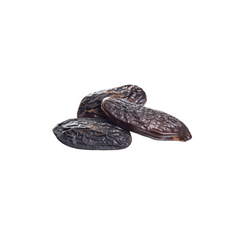
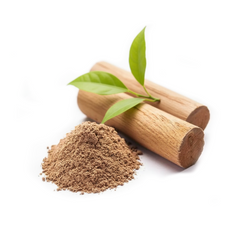
Understanding how to layer bourbon is key to maximizing its complexity. Bourbon’s high vanillin and oak lactone content pairs best with notes that share or complement these molecules, such as tonka bean, tobacco, or sandalwood.

01

Enhance Sweetness

Layer bourbon with vanilla or tonka bean fragrances to amplify creamy, gourmand facets. Both notes share vanillin and coumarin, creating a molecular bridge that smooths transitions and extends the sweet, enveloping drydown. Example: Pairing with Maison Margiela Replica By the Fireplace.

02

Add Depth

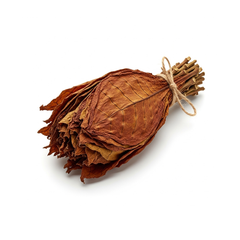
Combine bourbon with tobacco or leather notes to deepen smokiness and complexity. Tobacco absolute contains β-damascenone, which synergizes with bourbon’s oak lactones, resulting in a rich, nuanced base. Example: Viktor&Rolf Spicebomb Extreme demonstrates this pairing.

03

Lighten the Glow

Pair bourbon with citrus or aromatic notes (e.g., bergamot, lavender) to introduce freshness and lift. Limonene and linalool in these notes counterbalance bourbon’s density, enhancing wearability in warmer climates. Example: Ellis Brooklyn Après uses juniper and pine for a modern twist.

Wear It Right

How to Wear Bourbon Like a Pro

Seasonal Guide

Fall & Winter

Cold air suppresses volatility, allowing bourbon’s rich, smoky sweetness to linger. Apply to pulse points and layered clothing for maximum projection. The note’s enveloping warmth is especially suited to cozy, indoor environments.

Spring

Moderate temperatures highlight bourbon’s creamy vanilla and soft spice facets. Use lighter concentrations or pair with citrus or floral notes for a balanced, uplifting effect. Apply sparingly to avoid overwhelming sillage.

Summer

Heat increases volatility, causing bourbon’s top notes to project strongly but fade quickly. Opt for EDT or body mist formats, and apply to cooler skin areas. Pair with fresh, green notes to prevent cloying sweetness.

Year-Round Tip

Adjust application based on climate and occasion. In humid conditions, bourbon’s sweetness intensifies; in dry air, woody and smoky facets dominate. Layer with complementary notes for a tailored, season-appropriate effect.

Application Points

Strategic application enhances bourbon’s projection and longevity. Target warm, pulse-rich areas for optimal diffusion.

1

Neck

The neck’s warmth accelerates evaporation of bourbon’s top notes, creating an immediate, inviting sillage. Ideal for showcasing the creamy, boozy opening.

2

Behind the Ears

This area retains scent due to lower sweat gland density, allowing bourbon’s heart and base notes to persist and evolve gradually.

3

Inner Wrists

Pulse points on the wrists amplify bourbon’s projection, especially during gestures. The skin’s thinness ensures rapid scent diffusion.

4

Hair

Hair fibers absorb and slowly release bourbon’s heavier molecules, extending the fragrance’s presence and emphasizing woody, resinous facets.

Pro Tip

Apply to clothing or scarves for extended longevity, but test for staining due to vanillin content. Layer with unscented moisturizer to lock in bourbon’s warmth.

HumanSafe™

Bourbon Safety Profile in Our Fragrances

No ingredient collection was found for bourbon.

Create or connect a collection with the same handle as this ingredient, then add products that contain this ingredient.

Expert Voices

What Masters Say About Bourbon

The bourbon scent is an inviting mix of sweet vanilla, caramel, and smoky oak—perfect for cozying up any space.
Seventh Avenue Apothecary
Bourbon’s scent profile comes primarily from vanillin and oak lactones, which together produce the distinctive creamy, smoky, and woody character prized in modern gourmand perfumery.
CA Perfume Editorial
Common Questions

Frequently Asked Questions

Answers to common questions about bourbon’s scent, use, and performance in perfumery.

Bourbon in perfume is characterized by a sweet, smoky, and woody aroma, driven by vanillin, oak lactones, and guaiacol derivatives. The scent opens with creamy vanilla and caramel, transitions to smoky oak and spice, and settles into a long-lasting, resinous warmth. Notable fragrances such as By Kilian Angels’ Share and Viktor&Rolf Spicebomb Extreme showcase bourbon’s complexity and versatility.

Bourbon is classified as a base note in perfumery. Its high-molecular-weight components, such as vanillin and oakwood absolute, provide persistence and depth, anchoring the fragrance and ensuring longevity. Bourbon’s base note status allows it to support and enhance lighter, more volatile top and heart notes.

Bourbon is favored in niche perfumery for its ability to impart warmth, complexity, and a distinctive gourmand or boozy signature. Its molecular structure allows for versatile blending with woods, spices, and sweet notes, enabling perfumers to create unique, memorable compositions that stand out in a crowded market.

Bourbon fragrance uses include pairing with vanilla, tonka bean, tobacco, sandalwood, and amber. These notes share molecular affinities—such as vanillin, coumarin, and lactones—that create harmonious, layered accords. Spices like cinnamon and cardamom also complement bourbon’s smoky sweetness.

Bourbon’s rich, sweet profile is best suited to cooler seasons, but it can be worn in summer if applied lightly or paired with fresh, citrus, or aromatic notes. High temperatures increase volatility, so opt for EDT or body mist formats and avoid overapplication in hot, humid conditions.

Bourbon-based fragrances typically last 6–10 hours on skin, depending on concentration and supporting notes. The persistence is due to bourbon’s high-molecular-weight components, which resist rapid evaporation and provide a lingering, enveloping warmth.

Yes, bourbon can be layered with complementary notes such as vanilla, tonka bean, or tobacco to enhance sweetness and depth. For a fresher effect, pair with citrus or aromatic notes. Layering allows for customization and can extend the fragrance’s complexity and longevity.

Recommended entry points include Viktor&Rolf Spicebomb Extreme, By Kilian Angels’ Share, and Ellis Brooklyn Après. These fragrances balance bourbon’s boozy warmth with approachable sweetness and supporting notes, making them accessible for those new to the note.

Consider your preferred balance of sweetness, smokiness, and woody depth. Sample different concentrations (EDP, Parfum) and note pairings (vanilla, tobacco, sandalwood) to find a bourbon fragrance that matches your style and season. CA Perfume offers a curated selection with full ingredient transparency.

Bourbon perfume balances both sweet and smoky facets. The initial impression is creamy and sweet due to vanillin and caramel lactones, while the heart and base reveal smoky, woody, and phenolic notes from oak and guaiacol. The final character depends on the formula’s supporting notes and concentration.

Woody Gourmand Collection

Explore Our Top Bourbon Fragrances

Discover CA Perfume’s best-selling bourbon-inspired scents, each crafted to highlight the note’s creamy sweetness, smoky depth, and woody warmth.

Shop all bourbon fragrances at CA Perfume →

Where Bourbon Comes From — Origin & Extraction

The bourbon note in perfumery is inspired by the aroma of American bourbon whiskey, itself a product of corn-based distillation and prolonged aging in new, charred American oak barrels. The key aromatic compounds—vanillin, oak lactones, guaiacol, syringaldehyde, and furfural—are extracted from the wood during the aging process, with vanillin concentrations increasing most rapidly in the first 6–12 months. The barrels, typically made from Quercus alba (American white oak), are charred at temperatures exceeding 200°C, a process that generates additional vanillin and opens the wood’s pores for greater spirit interaction. For perfumery, the bourbon note is recreated through a combination of natural extracts and synthetic molecules. Natural bourbon absolute is rarely used due to cost and regulatory constraints; instead, perfumers blend vanillin (natural or synthetic), oakwood absolute, and smoky aroma chemicals such as guaiacol and isoamyl acetate. Synthetic vanillin (CAS 121-33-5) and ethyl vanillin (CAS 121-32-4) are widely used for their purity and consistency. The cost of natural bourbon extracts can exceed $2,000/kg, while synthetic vanillin is available for $15–25/kg. Sustainability is a concern for natural oakwood extraction, as overharvesting can impact forest ecosystems, but most bourbon-inspired notes in perfumery rely on sustainable, lab-produced molecules. The bourbon note’s origin is thus a hybrid of American whiskey tradition and modern aroma chemistry.

Famous Fragrances That Define Bourbon in Perfumery

Bourbon’s distinctive profile has inspired a range of landmark fragrances, from boozy gourmands to smoky woods. In Viktor&Rolf Spicebomb Extreme (2015, Carlos Benaïm, Jean-Christophe Hérault), bourbon’s warmth is paired with tobacco, black pepper, and cumin, creating a bold, spicy base. By Kilian Angels’ Share (2020, Benoist Lapouza) features a bourbon accord built on oak, cinnamon, and tonka bean, evoking the experience of sipping aged whiskey. Ellis Brooklyn Après (2021, Jérôme Epinette) uses bourbon to bridge juniper, pine, and vanilla, producing a modern, alpine-inspired gourmand. Harlem Candle Co. Speakeasy (2020, Vincent Kuczinski) highlights bourbon’s boozy, smoky facets alongside patchouli and dark chocolate, referencing Prohibition-era cocktails. Scents of Wood Vanilla in Bourbon (2022) blends bourbon with vanilla, myrrh, and guaiac wood, demonstrating the note’s versatility in both masculine and unisex compositions. These fragrances illustrate bourbon’s evolution from a novelty beverage note to a sophisticated anchor for contemporary perfumery. CA Perfume’s collection draws on this lineage, offering bourbon-inspired scents that balance tradition and innovation.

Natural vs Synthetic Bourbon in Perfumery

Natural bourbon extracts are derived from the maceration or distillation of aged bourbon whiskey or oakwood, capturing a spectrum of volatile and non-volatile compounds—vanillin, vanillic acid, guaiacol, syringaldehyde, and oak lactones. However, these extracts are expensive, variable, and subject to IFRA restrictions due to potential allergens and batch inconsistencies. Synthetic bourbon notes are constructed from high-purity aroma molecules: vanillin (CAS 121-33-5), ethyl vanillin (CAS 121-32-4), and cis-β-methyl-γ-octalactone (oak lactone, CAS 118-71-8). These synthetics offer superior batch-to-batch consistency, stability, and allergen control, and are the standard in commercial perfumery. Performance-wise, synthetic bourbon accords provide greater longevity, projection, and olfactory clarity, while natural extracts may offer more nuanced, evolving complexity. Notable fragrances using synthetic bourbon notes include Viktor&Rolf Spicebomb Extreme (2015, Carlos Benaïm, Jean-Christophe Hérault) and Maison Margiela By the Fireplace (2015, Marie Salamagne). Sustainability is improved with synthetics, as they reduce pressure on oak forests and distillery byproducts. CA Perfume’s HumanSafe™ platform ensures full transparency of bourbon note sourcing, prioritizing sustainable, IFRA-compliant molecules and traceable supply chains. The modern perfumer’s palette relies on a blend of both, but synthetics dominate for safety, cost, and environmental reasons.