Ingredient Guide · Floral
Floral Family · Perfumery Note

Bourbon Geranium

A refined floral note with green and mint nuances

Bourbon Geranium is a middle floral note derived from Pelargonium graveolens leaves and stems, prized for its balanced floral-green scent. It contains key molecules like geraniol and citronellol, typically used at 0.5–1% concentration in fine perfumery.

Bourbon Geranium
Ingredient Profile

Bourbon Geranium

Floral Family
Family Floral
Note Position Base Note
Usage Level 0.5–1%
Key Origins Réunion Island, Madagascar, South Africa
Iconic In Geranium Bourbon, Gerânio Bourbon
The Ingredient

What does Bourbon Geranium smell like and why is it significant in perfumery?

Bourbon Geranium, botanically Pelargonium graveolens, is known for its complex floral scent combining rich rosy facets with fresh green and minty undertones. This scent profile arises from its chemical constituents, primarily geraniol (68-75%) and citronellol (23-40%), which impart a fresh, slightly fruity, and herbaceous aroma. The note is classified as a middle note in perfumery, contributing to the heart of fragrance compositions with typical usage concentrations around 0.5–1%. Bourbon Geranium's balanced volatility allows it to bridge the bright top notes and deeper base notes effectively, enhancing the overall fragrance evolution on skin. In perfumery, Bourbon Geranium is valued for its versatility and ability to blend seamlessly with floral, citrus, woody, and spicy accords. It interacts with skin chemistry by revealing its green and rosy nuances differently depending on individual body chemistry and pH, often adding a fresh yet rounded floral character. Notable fragrances featuring Bourbon Geranium include Miller Harris's Geranium Bourbon (2010s), where it forms a lush floral heart with rose and violet, and Phebo's Gerânio Bourbon (2019), which blends it with citrus and musky base notes. These examples demonstrate Bourbon Geranium's role in creating complex, naturalistic floral compositions in both niche and designer perfumery.

0.5–1%
Typical concentration range of Bourbon Geranium essential oil in fine fragrance formulations to achieve balanced floral-green character without overpowering.
300–400 kg
Approximate weight of leaves required to produce 0.5–1 liter of Bourbon Geranium essential oil, reflecting the ingredient's labor-intensive extraction.
52%
Maximum IFRA recommended concentration of Bourbon Geranium oil in finished products to ensure safety and minimize sensitization risk.
Origin & Extraction

Where Bourbon Geranium Comes From — Origin & Extraction

Bourbon Geranium is cultivated primarily in tropical and subtropical regions with mild climates, rich soils, and adequate rainfall. These geographic factors influence the oil's aromatic profile, contributing to its fresh, floral, and green nuances.

Bourbon Geranium essential oil is extracted from the leaves and stems of Pelargonium graveolens, a perennial aromatic herb native to South Africa. The variety known as Bourbon Geranium is named after Réunion Island (formerly Île Bourbon), where it was introduced by French colonists in the 19th century. Today, the primary production centers are Madagascar and Réunion Island, with Madagascar's Antsirabe region being a key sustainable cultivation site. The plant thrives in mild, frost-free climates with well-drained, humus-rich soils, typically grown at altitudes above 800 meters. Harvesting occurs mainly before flowering, from May to September, to maximize oil quality. Approximately 300 to 400 kilograms of leaves are required to produce 0.5 to 1 liter of essential oil, reflecting a labor-intensive process. Extraction is performed by steam distillation of the leaves and stems, a method preserving the delicate floral and green aromatic compounds such as geraniol and citronellol. The oil is alcohol and oil soluble, suitable for fine perfumery use. The yield and quality depend on precise distillation parameters including temperature control and duration. Natural Bourbon Geranium oil commands prices in the range of several hundred to over a thousand dollars per kilogram, reflecting its artisanal production and complex scent profile. Synthetic substitutes exist but do not fully replicate the nuanced aroma. Sustainability efforts focus on ethical cultivation, fair trade, and environmental stewardship, particularly in Madagascar under associations like Coeur de Forêt.

RE

Réunion Island

Cultivated at altitudes above 800m in the island's western highlands, the rich volcanic soils and temperate climate produce essential oil with refined floral and minty notes. The region maintains artisanal distillation traditions and a sustainable cultivation model.

MG

Madagascar

The Antsirabe region's fertile soils and tropical climate yield Bourbon Geranium oil with a lush, rounded aroma. Sustainable farming practices are administered by associations like Coeur de Forêt, supporting local communities and biodiversity.

ZA

South Africa

Native to South Africa, Pelargonium graveolens grows in mild climates with well-drained soils. Oils from this origin tend to have brighter, greener notes but are less commonly labeled as Bourbon Geranium.

CN

China

China cultivates geranium varieties with distinct aromatic profiles, often used in commercial perfumery. These oils are typically less floral and more herbaceous compared to Bourbon Geranium.

Chemistry

Natural vs Synthetic Bourbon Geranium in Perfumery

Natural Bourbon Geranium essential oil is a complex mixture dominated by geraniol (CAS 106-24-1) and citronellol (CAS 106-22-9), with additional components such as linalool and menthone contributing to its floral, green, and minty facets. Synthetic aroma chemicals like geraniol and citronellol are available commercially and used to mimic parts of the natural scent profile but lack the full complexity and depth of the natural oil. Synthetic versions offer advantages in cost, consistency, and allergen control. Natural Bourbon Geranium oil is more expensive, with prices often exceeding $1,000/kg, while synthetic geraniol costs approximately $50–200/kg. Natural oil can vary between harvests, affecting scent consistency, whereas synthetics provide stable, reproducible notes. Famous fragrances such as Miller Harris Geranium Bourbon use natural Bourbon Geranium oil for its authentic floral-green character, while some designer perfumes may incorporate synthetic geraniol or blends for cost efficiency and stability. Sustainability concerns favor synthetics in reducing environmental impact and resource depletion, but natural Bourbon Geranium remains prized for its olfactory richness. The HumanSafe™ platform ensures transparency and safety compliance for both natural and synthetic Bourbon Geranium ingredients used by CA Perfume.

Natural
Bourbon Geranium Absolute
Cost $3,000–6,000/kg
Method Solvent / CO₂
Character Complex, variable
vs
Synthetic
Safranal & Analogues
Cost $50–200/kg
Method Lab synthesis
Character Consistent, stable
Hall of Fame

Famous Fragrances That Define Bourbon Geranium in Perfumery

dominant note

Geranium Bourbon

Miller Harris
by Lyn Harris, Mark Buxton
RoseBlack PepperVioletPatchouliAmberVanilla
2019
key heart note

Gerânio Bourbon

Phebo
BergamotGrapefruitCedarMuskAmber
supporting note

L’Eau d’Issey Pour Homme Edition Bois

Issey Miyake
Woody notesAromatic accords
accent note

All Of Me

Narciso Rodriguez
MagnoliaRose
supporting note

Forbidden Games

By Kilian
Oriental floral accords

Bourbon Geranium has been a defining note in several notable fragrances, showcasing its versatility and distinctive floral-green character. Miller Harris's Geranium Bourbon (2010s), crafted by perfumers Lyn Harris and Mark Buxton, uses Bourbon Geranium as a dominant middle note, paired with rose, black pepper, and violet, creating a lush, aromatic floral bouquet with woody and vanilla base notes. Phebo's Gerânio Bourbon (2019) features Bourbon Geranium as a key heart note, blending it with citrus top notes like bergamot and grapefruit, and a musky, cedarwood base, resulting in a fresh, green, and comforting scent. Issey Miyake's L’Eau d’Issey Pour Homme Edition Bois (2020s) incorporates Bourbon Geranium as a supporting note, enhancing the aromatic freshness alongside woody accords. Narciso Rodriguez's All Of Me (2020s) uses Bourbon Geranium as an accent note, complementing magnolia and rose for a modern floral composition. By Kilian's Forbidden Games (2010s) employs Bourbon Geranium within a complex oriental floral accord, balancing sweetness and freshness. CA Perfume's collection honors this lineage by featuring Bourbon Geranium in accords that emphasize its floral brightness and aromatic complexity without overpowering other notes.

The Accord

How is a captivating Bourbon Geranium accord crafted?

A Bourbon Geranium accord balances floral, green, and sweet elements to highlight its complex character. The relative proportions within the accord typically include Bourbon Geranium 25-30%, Rose 20-25%, Bergamot 15-20%, and Patchouli 20-25%. Bourbon Geranium provides the core floral-green freshness with minty and apple-like nuances. Rose adds a rich, velvety floral depth through shared aromatic compounds like damascenone. Bergamot contributes citrus brightness and volatility, enhancing the accord's lift. Patchouli grounds the blend with earthy, woody facets, balancing the floral brightness and extending longevity.

30%

Bourbon Geranium

25–30% of blend

Provides the primary floral-green character with minty and apple-like nuances, driven by geraniol and citronellol.

25%

Rose

20–25% of blend

Adds rich, velvety floral depth and harmonizes with Bourbon Geranium via shared aromatic compounds like damascenone.

20%

Bergamot

15–20% of blend

Contributes bright citrus top notes and enhances volatility, lifting the accord's freshness.

25%

Patchouli

20–25% of blend

Provides an earthy, woody base that balances the floral brightness and improves longevity.

The Olfactory Layers

How Bourbon Geranium Evolves on Skin

Bourbon Geranium's olfactory pyramid evolves from bright, green floral top notes to a lush, rosy heart and finally settles into a warm, woody base. The initial volatile compounds like citronellol evaporate quickly, revealing the heart's geraniol-driven floral richness, which gradually mellows into patchouli and amber base notes that provide depth and longevity.

I
Top notes
0–15 min
Fresh Green Mint

The opening features fresh, green, and slightly minty notes primarily from citronellol and menthone. These high-volatility molecules create an invigorating and crisp impression that quickly captures attention.

GreenMintyFresh
II
Heart notes
20–60 min
Rosy Floral Richness

The heart reveals the core floral character dominated by geraniol and linalool, imparting a rich rosy and slightly fruity aroma. This phase is the longest-lasting and defines the perfume's floral identity.

FloralRosyFruity
III
Base notes
Several hours
Warm Woody Sweetness

The base unfolds with woody, earthy, and sweet notes from patchouli and amber, which anchor the fragrance and provide warmth and longevity. These low-volatility molecules evaporate slowly, extending the scent's presence.

WoodyEarthyWarm
TOP NOTES Fresh Green Mint 0–15 minutes HEART NOTES Rosy Floral Richness 20–60 minutes BASE NOTES Warm Woody Sweetness Several hours
Through the Ages

The Story of Bourbon Geranium in Perfumery

Bourbon Geranium's history in perfumery spans from its botanical origins in South Africa to its cultivation in Réunion Island and Madagascar, becoming a staple in modern fragrance compositions.

1690

Introduction of Pelargonium graveolens to Europe

Pelargonium graveolens, the botanical source of Bourbon Geranium, was introduced from South Africa to Europe, marking the beginning of its use in perfumery.

19th century

Cultivation begins on Réunion Island

French colonists introduced Pelargonium graveolens to Réunion Island (then Île Bourbon), where it was cultivated extensively for essential oil production.

1870

Establishment of Bourbon Geranium cultivation

Bourbon Geranium cultivation was established on Réunion Island's high plateaus, producing essential oil prized by perfumers for its refined scent.

20th century

Expansion of production to Madagascar

Due to Réunion's limited land and production capacity, Madagascar became a major producer of Bourbon Geranium essential oil, maintaining traditional cultivation and distillation methods.

2010s

Modern niche perfumery adoption

Bourbon Geranium gained renewed popularity in niche and artisan perfumery, featured prominently in fragrances like Miller Harris Geranium Bourbon.

The Art of Layering

How to Layer Bourbon Geranium

Understanding how to layer Bourbon Geranium at a molecular level enhances fragrance complexity and harmony.

01

Enhance Sweetness

Layering Bourbon Geranium with vanilla or white honey softens its green edges via olfactory masking, where vanillin’s sweet threshold modulates geraniol’s sharpness. This technique is evident in Miller Harris Geranium Bourbon.

02

Add Depth

Combining Bourbon Geranium with patchouli or sandalwood introduces earthy, woody molecules that balance the floral brightness and extend longevity by slowing evaporation.

03

Lighten the Glow

Pairing with bergamot or other citrus oils adds limonene-driven brightness, increasing volatility and freshness, which lifts Bourbon Geranium’s heart note for a vibrant, airy effect.

Wear It Right

How to Wear Bourbon Geranium Like a Pro

Seasonal Guide

Fall & Winter

Cooler temperatures slow molecular evaporation, allowing Bourbon Geranium's warm woody base and floral heart to linger longer. Layer with richer notes like amber or vanilla for enhanced warmth.

Spring

Moderate temperatures highlight the fresh green and rosy floral facets. Light application emphasizes the uplifting, naturalistic character suitable for daytime wear.

Summer

Heat increases volatility, intensifying the minty and citrusy top notes but reducing longevity. Apply sparingly and consider layering with fixatives to maintain balance.

Year-Round Tip

Adjust application based on climate: more generous in cooler months, lighter in heat. Pair with complementary notes like bergamot or patchouli to tailor the scent profile.

Application Points

Strategic application of Bourbon Geranium enhances its olfactory impact and longevity.

1

Neck

Pulse points like the neck emit heat that helps volatilize Bourbon Geranium’s floral-green notes, enhancing projection and scent evolution.

2

Behind the Ears

This warm area allows subtle diffusion of the minty and rosy facets, creating an intimate aura around the wearer.

3

Inner Wrists

Applying here facilitates scent release through movement and warmth, ideal for experiencing the fresh top and heart notes.

4

Hair

Hair holds scent longer; Bourbon Geranium applied lightly here provides a soft, lingering floral trail with natural diffusion.

Pro Tip

Layer Bourbon Geranium with complementary oils or perfumes on moisturized skin to extend longevity and enhance complexity.

Mood Architecture™

Top Bourbon Geranium Fragrances by Mood Score

These Bourbon Geranium-based fragrances scored highest on the MEI™ Mood Architecture Framework — measuring how a scent may influence your emotional state.

Highest MEI Score
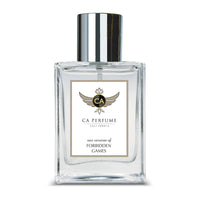
Forbidden Games — By Kilian Forbidden Games Alternative Perfume
6.59
MEI™
Primary Romantic
Secondary Confident
Confidence
5.63
Presence
5.69
Mood Lift
7.72
Identity
5.73
Warmth
7.53
Social Ease
7.14
Energy
3.5
" I am beautiful.
View full mood profile →
HumanSafe™

Top Bourbon Geranium Fragrances by HumanSafe™ Score

These Bourbon Geranium-based fragrances have the highest product-level HumanSafe™ scores in this ingredient collection.

Highest HumanSafe™ Score
Forbidden Games — By Kilian Forbidden Games Alternative Perfume
A-
HumanSafe™ Score Generally Safe
Safest Evaluated Ingredients EDP
AQUA Solvent / Carrier ISS 10.0
ACETIC ACID, PHENYLMETHYL ESTER Evaluated ingredient ISS 10.0
BENZYL SALICYLATE Evaluated ingredient ISS 9.0
CITRONELLOL Evaluated ingredient ISS 7.0
View full safety profile →
Expert Voices

What Masters Say About Bourbon Geranium

“It is this aroma which is so distinctive in fine quality essential oils, such as certain varieties of geranium and neroli, and which is absent in synthetic aromatic chemicals, as instanced by geraniol and nerol (in comparison).”
E. S. Maurer, Perfume Chemist
Bourbon Geranium is prized for its balanced and easily managed green and floral scent, a key note in many early fougère fragrances.
CA Perfume Editorial
Common Questions

Frequently Asked Questions

Answers to common questions about Bourbon Geranium in perfumery.

Bourbon Geranium smells floral with a pronounced rosy character, combined with fresh green and minty undertones. Its scent is driven by geraniol and citronellol molecules, producing a balanced, slightly fruity aroma often described as natural and herbaceous. It is commonly used as a middle note in perfumes like Miller Harris Geranium Bourbon and Phebo Gerânio Bourbon.

Bourbon Geranium is primarily used as a middle note (heart note) in fragrance compositions. It bridges the bright, volatile top notes and the deeper, longer-lasting base notes, contributing floral-green complexity and smooth transitions in the scent evolution.

Bourbon Geranium is favored in niche perfumery for its complex, naturalistic floral-green scent that adds depth and freshness without overwhelming other notes. Its versatility allows it to blend well with various accords, and its artisanal production aligns with niche brands' emphasis on quality and authenticity.

Bourbon Geranium fragrance uses include pairing with rose, white honey, bergamot, patchouli, vanilla, violet, black pepper, and amber. These combinations enhance its floral richness, add sweetness or warmth, and balance its green freshness, creating harmonious and complex accords.

Yes, Bourbon Geranium's fresh, green, and minty facets make it suitable for summer and hot weather. However, higher temperatures increase volatility, so lighter application or layering with fixatives is recommended to maintain balance and longevity.

Bourbon Geranium essential oil can last up to 28 hours on a smelling strip, but in perfumes, longevity depends on concentration and formulation. Typically, it provides moderate to long-lasting floral heart notes, especially in parfum and eau de parfum concentrations.

Yes, layering Bourbon Geranium with complementary notes like vanilla, patchouli, or bergamot can enhance its floral-green character and add complexity. Understanding how to layer Bourbon Geranium at a molecular level helps achieve balanced and harmonious scent blends.

Perfumes like Miller Harris Geranium Bourbon and Phebo Gerânio Bourbon are excellent entry points for beginners, showcasing Bourbon Geranium's floral-green profile in well-balanced, approachable compositions.

Consider the fragrance's concentration, complementary notes, and your scent preferences. CA Perfume offers detailed descriptions and layering advice to help select Bourbon Geranium fragrances that match your desired floral-green character and occasion.

Bourbon Geranium primarily smells floral and green with subtle minty and fruity sweetness. While it can be paired with spicy notes like black pepper, the geranium itself is not inherently spicy but rather fresh and aromatic.

Floral Collection

Explore Our Top Bourbon Geranium Fragrances

Discover curated selections featuring Bourbon Geranium's unique floral-green character in fine perfumery.

Shop all bourbon geranium fragrances at CA Perfume →

Where Bourbon Geranium Comes From — Origin & Extraction

Bourbon Geranium essential oil is extracted from the leaves and stems of Pelargonium graveolens, a perennial aromatic herb native to South Africa. The variety known as Bourbon Geranium is named after Réunion Island (formerly Île Bourbon), where it was introduced by French colonists in the 19th century. Today, the primary production centers are Madagascar and Réunion Island, with Madagascar's Antsirabe region being a key sustainable cultivation site. The plant thrives in mild, frost-free climates with well-drained, humus-rich soils, typically grown at altitudes above 800 meters. Harvesting occurs mainly before flowering, from May to September, to maximize oil quality. Approximately 300 to 400 kilograms of leaves are required to produce 0.5 to 1 liter of essential oil, reflecting a labor-intensive process. Extraction is performed by steam distillation of the leaves and stems, a method preserving the delicate floral and green aromatic compounds such as geraniol and citronellol. The oil is alcohol and oil soluble, suitable for fine perfumery use. The yield and quality depend on precise distillation parameters including temperature control and duration. Natural Bourbon Geranium oil commands prices in the range of several hundred to over a thousand dollars per kilogram, reflecting its artisanal production and complex scent profile. Synthetic substitutes exist but do not fully replicate the nuanced aroma. Sustainability efforts focus on ethical cultivation, fair trade, and environmental stewardship, particularly in Madagascar under associations like Coeur de Forêt.

Famous Fragrances That Define Bourbon Geranium in Perfumery

Bourbon Geranium has been a defining note in several notable fragrances, showcasing its versatility and distinctive floral-green character. Miller Harris's Geranium Bourbon (2010s), crafted by perfumers Lyn Harris and Mark Buxton, uses Bourbon Geranium as a dominant middle note, paired with rose, black pepper, and violet, creating a lush, aromatic floral bouquet with woody and vanilla base notes. Phebo's Gerânio Bourbon (2019) features Bourbon Geranium as a key heart note, blending it with citrus top notes like bergamot and grapefruit, and a musky, cedarwood base, resulting in a fresh, green, and comforting scent. Issey Miyake's L’Eau d’Issey Pour Homme Edition Bois (2020s) incorporates Bourbon Geranium as a supporting note, enhancing the aromatic freshness alongside woody accords. Narciso Rodriguez's All Of Me (2020s) uses Bourbon Geranium as an accent note, complementing magnolia and rose for a modern floral composition. By Kilian's Forbidden Games (2010s) employs Bourbon Geranium within a complex oriental floral accord, balancing sweetness and freshness. CA Perfume's collection honors this lineage by featuring Bourbon Geranium in accords that emphasize its floral brightness and aromatic complexity without overpowering other notes.

Natural vs Synthetic Bourbon Geranium in Perfumery

Natural Bourbon Geranium essential oil is a complex mixture dominated by geraniol (CAS 106-24-1) and citronellol (CAS 106-22-9), with additional components such as linalool and menthone contributing to its floral, green, and minty facets. Synthetic aroma chemicals like geraniol and citronellol are available commercially and used to mimic parts of the natural scent profile but lack the full complexity and depth of the natural oil. Synthetic versions offer advantages in cost, consistency, and allergen control. Natural Bourbon Geranium oil is more expensive, with prices often exceeding $1,000/kg, while synthetic geraniol costs approximately $50–200/kg. Natural oil can vary between harvests, affecting scent consistency, whereas synthetics provide stable, reproducible notes. Famous fragrances such as Miller Harris Geranium Bourbon use natural Bourbon Geranium oil for its authentic floral-green character, while some designer perfumes may incorporate synthetic geraniol or blends for cost efficiency and stability. Sustainability concerns favor synthetics in reducing environmental impact and resource depletion, but natural Bourbon Geranium remains prized for its olfactory richness. The HumanSafe™ platform ensures transparency and safety compliance for both natural and synthetic Bourbon Geranium ingredients used by CA Perfume.