Ingredient Guide · Floral
Floral Family · Perfumery Note

Blue Lotus

Delicate aquatic floral with creamy undertones

Blue Lotus (Nymphaea caerulea) is a heart note in perfumery known for its floral sweetness and aquatic freshness. Extracted primarily by solvent and CO₂ methods, it is used below 5% concentration.

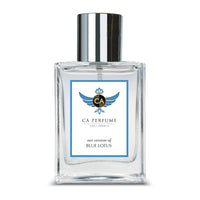
Blue Lotus
Ingredient Profile

Blue Lotus

Floral Family
Family Floral
Note Position Heart Note
Usage Level <5%
Key Origins Egypt, Thailand, Vietnam
Iconic In Blue Lotus, Blue Lotus
The Ingredient

What does Blue Lotus smell like and why is it cherished?

Blue Lotus, botanically known as Nymphaea caerulea, is a water lily species whose fragrance combines floral sweetness with subtle earthy and aquatic freshness. The scent profile includes dewy, watery top notes and a creamy floral heart, producing a transparent but structured aroma. This unique character is due to complex natural compounds extracted mainly by solvent or supercritical CO₂ methods, preserving its delicate nuances. In perfumery, Blue Lotus is classified as a heart note, typically used at concentrations below 5% due to its influential floral profile. It interacts intimately with skin chemistry, developing a soft, creamy floral glow that is close to the skin rather than projecting loudly. Its longevity ranges from 4 to 6 hours, tapering gently. Notable fragrances featuring Blue Lotus include Avon’s Blue Lotus (2017), which highlights its floral and watery facets, and Brocard’s Blue Lotus (2023) by perfumer Ping Wei Ling, where it blends with green, ozonic, and floral notes. These examples demonstrate Blue Lotus’s ability to create serene, calming compositions that evoke tranquility and introspection.

1–2 Sprays
Recommended moderate application to capture Blue Lotus’s delicate essence without overpowering, ensuring balanced diffusion.
4–6 Hours
Typical longevity range for Blue Lotus fragrances, reflecting its moderate volatility and skin-close projection.
<5%
Maximum usage concentration in perfumes due to IFRA restrictions and the ingredient’s potent floral profile.
Origin & Extraction

Where Blue Lotus Comes From — Origin & Extraction

Blue Lotus thrives in warm, sunny climates with calm freshwater bodies, which influence its delicate aquatic floral scent. Soil composition and water purity in these regions contribute to subtle variations in aroma and quality.

Blue Lotus (Nymphaea caerulea) is native to regions with calm waters and sunny climates, notably Egypt, Thailand, and Vietnam. Egypt is historically significant for Blue Lotus, where it symbolized rebirth and divine beauty in ancient rituals. Thailand and Vietnam also cultivate Blue Lotus, integrating it into traditional ceremonies and perfumery for its calming properties. Extraction of Blue Lotus is challenging due to the flower's fragility and low yield of aromatic material. It is primarily extracted via solvent extraction or supercritical CO₂ extraction to preserve its delicate floral and aquatic notes. Steam distillation is unsuitable as it degrades key aromatic compounds. The yield is low, making Blue Lotus absolute a rare and expensive material, costing approximately $3,000 to $6,000 per kilogram. Synthetic analogues, such as safranal and related molecules, are produced via lab synthesis at $50 to $200 per kilogram, offering consistent but less complex character. Sustainability efforts include pesticide-free cultivation in ponds with manual snail removal and water quality monitoring. Partnerships with local farmers in China and Southeast Asia support traceable and sustainable supply chains.

EG

Egypt

Egypt is the historical heartland of Blue Lotus (Nymphaea caerulea), where it grows in Nile riverbanks and ponds. The region’s warm climate and mineral-rich waters contribute to the flower’s ethereal, slightly honeyed floral scent. Egypt remains a key producer, with cultural significance dating back millennia.

TH

Thailand

In Thailand, Blue Lotus is cultivated in man-made ponds under tropical conditions. The humid, sunny environment and careful manual harvesting yield flowers with a serene, calming fragrance prized in local perfumery and rituals.

VN

Vietnam

Vietnamese Blue Lotus is grown in freshwater lakes and ponds, where the tropical climate and traditional harvesting methods produce a floral note with emotional soothing properties, reflecting deep cultural appreciation.

Chemistry

Natural vs Synthetic Blue Lotus in Perfumery

Natural Blue Lotus absolute is obtained through solvent or CO₂ extraction, preserving a complex and variable aromatic profile characterized by floral, aquatic, and creamy nuances. It is costly ($3,000–6,000/kg) and yields are limited due to the flower's fragility and seasonal availability. Synthetic substitutes primarily use safranal (CAS 116-26-7) and analogues to replicate the watery, floral, and slightly sweet facets of Blue Lotus. These synthetics are more stable, consistent, and affordable ($50–200/kg) but lack the full complexity of the natural absolute. Performance-wise, natural Blue Lotus offers a subtle, intimate scent with moderate longevity and skin warmth, while synthetics may project more but can feel linear or sharp if poorly formulated. Famous fragrances like Avon Blue Lotus use natural extracts, whereas many mainstream products rely on synthetic reconstructions. Sustainability considerations favor natural sourcing with ethical farming practices, but synthetic molecules reduce pressure on wild populations. CA Perfume adheres to the HumanSafe™ platform, ensuring transparency and safety in ingredient sourcing and usage.

Natural
Blue Lotus Absolute
Cost $3,000–6,000/kg
Method Solvent / CO₂
Character Complex, variable
vs
Synthetic
Safranal & Analogues
Cost $50–200/kg
Method Lab synthesis
Character Consistent, stable
Hall of Fame

Famous Fragrances That Define Blue Lotus in Perfumery

2017
dominant note

Blue Lotus

Avon
Precious WoodsGreen Notes
2023
heart note

Blue Lotus

Brocard
by Ping Wei Ling
CucumberOzonic notesAmberJasmineRose
accent

L'Eau par Kenzo pour Homme Limited Edition

Kenzo
CitrusFloral notes
supporting note

Sensual Blush

Victoria's Secret
FloralWoody
accent

Surfing Feelings

Zara
AquaticFloral

Blue Lotus has been featured in several notable fragrances that showcase its serene and aquatic floral character. Avon’s Blue Lotus (2017) uses it as a dominant floral heart note, paired with precious woods and green accords, creating a fresh yet sophisticated scent. Brocard’s Blue Lotus (2023), crafted by Ping Wei Ling, blends Blue Lotus with cucumber, ozonic notes, and amber, highlighting its versatility in modern floral-aquatic compositions. Other fragrances incorporating Blue Lotus include Kenzo’s L’Eau par Kenzo pour Homme Limited Edition, Victoria’s Secret’s Sensual Blush, and Zara’s Surfing Feelings, where Blue Lotus functions as an accent or heart note, enhancing freshness and floral softness. These examples demonstrate Blue Lotus’s role as a bridge between aquatic freshness and creamy floral warmth, often paired with jasmine, rose, sandalwood, and vanilla to enrich its tranquil aura. CA Perfume’s collection honors this lineage by offering fragrances that emphasize Blue Lotus’s calming and elegant qualities without overpowering intensity.

The Accord

How is a captivating Blue Lotus accord crafted?

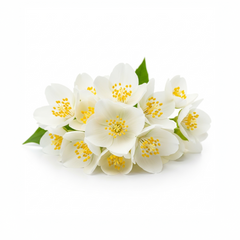
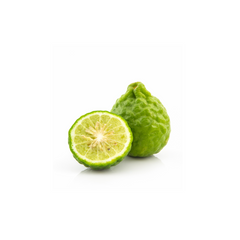
A Blue Lotus accord typically combines 30–40% Blue Lotus absolute to provide its signature floral-aquatic heart. Complementary ingredients include Indian Sandalwood (20–25%) for creamy, woody depth that anchors the accord, Jasmine (15–20%) to amplify floral sweetness via shared lactones, and Bergamot (15–20%) to introduce bright, citrusy top notes that enhance freshness and balance. This blend totals approximately 90–100%, creating a harmonious accord that balances airy aquatic freshness with creamy floral warmth and woody grounding.

40%

Blue Lotus Absolute

30–40% of blend

Provides the core floral-aquatic character with creamy undertones due to complex natural compounds.

25%

Indian Sandalwood

20–25% of blend

Adds creamy, woody depth that anchors and smooths the floral aquatic facets.

20%

Jasmine

15–20% of blend

Enhances floral sweetness and richness through shared lactones and floral molecules.

20%

Bergamot

15–20% of blend

Introduces bright, citrusy top notes that lift and balance the accord’s freshness.

The Olfactory Layers

How Blue Lotus Evolves on Skin

Blue Lotus fragrances evolve from fresh, aquatic top notes to a creamy floral heart and a subtle woody base. The initial dewy molecules evaporate within 15 minutes, revealing the heart note's lactones and floral esters that last up to an hour. Base notes of sandalwood and musk provide lingering warmth over several hours.

I
Top notes
0–15 min
Dewy Aquatic Freshness

The opening is characterized by high-volatility watery and green molecules, producing a dewy, fresh impression reminiscent of a water lily bloom near still water. Compounds such as hexanal and cis-3-hexenol contribute to this aquatic freshness.

DewyAquaticFresh
II
Heart notes
20–60 min
Creamy Floral Heart

The heart reveals creamy floral lactones and esters, including gamma-undecalactone, which impart a soft, slightly honeyed floral aroma. This stage embodies the signature Blue Lotus scent: airy, refined, and emotionally calming.

CreamyFloralSoft
III
Base notes
Several hours
Warm Woody Base

The base develops slowly with woody and musky notes such as sandalwood and ambrette seed, providing a warm, grounding effect that supports the delicate floral heart and extends longevity.

WoodyMuskyWarm
TOP NOTES Dewy Aquatic Freshness 0–15 minutes HEART NOTES Creamy Floral Heart 20–60 minutes BASE NOTES Warm Woody Base Several hours
Through the Ages

The Story of Blue Lotus in Perfumery

Blue Lotus has a rich history spanning ancient Egyptian culture to modern perfumery, evolving from sacred symbolism to a refined fragrance ingredient.

Antiquity

Blue Lotus in Ancient Egypt

Blue Lotus (Nymphaea caerulea) was revered in ancient Egypt as a symbol of rebirth and divine beauty, frequently depicted in art and used in rituals dating back over 3,000 years.

19th Century

Scientific Botanical Identification

Botanists formally classified Nymphaea caerulea, distinguishing it from true lotus species, clarifying its botanical and aromatic identity.

Early 20th Century

Introduction to Western Perfumery

Blue Lotus began to appear as an exotic note in Western perfumery, valued for its unique aquatic floral scent.

2017

Launch of Avon Blue Lotus

Avon released Blue Lotus perfume, highlighting the note’s floral and watery qualities in a modern fragrance.

2023

Brocard Blue Lotus by Ping Wei Ling

Brocard launched Blue Lotus fragrance featuring the note as a heart accord, blending it with green, floral, and amber notes for contemporary appeal.

The Art of Layering

How to Layer Blue Lotus

Understanding how to layer Blue Lotus at a molecular level enhances its serene floral aquatic profile. Its lactones and esters blend synergistically with creamy woods and sweet florals, while citrus top notes provide olfactory masking to balance freshness and sweetness.

01

Enhance Sweetness

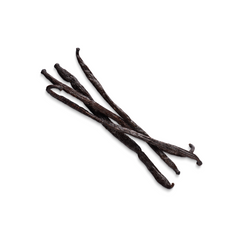
Layering Blue Lotus with vanilla softens its aquatic edge via vanillin’s olfactory masking effect, reducing sharpness and enhancing creamy warmth. This technique is evident in compositions like Kayali Vanilla | 28.

02

Add Depth

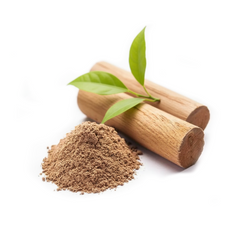
Pairing Blue Lotus with Indian Sandalwood introduces alpha- and beta-santalol molecules that provide creamy, meditative undertones, anchoring the delicate floral notes and extending longevity, as seen in traditional oriental accords.

03

Lighten the Glow

Combining Blue Lotus with bergamot’s limonene and linalyl acetate brightens the blend, adding sparkling citrus facets that complement the floral heart and create a refreshing balance, ideal for daytime wear.

Wear It Right

How to Wear Blue Lotus Like a Pro

Seasonal Guide

Fall & Winter

Cooler temperatures may suppress Blue Lotus’s aquatic freshness but enhance its creamy floral warmth. Layer with warm woods and vanilla to maintain presence.

Spring

Spring’s mild temperatures allow Blue Lotus’s fresh and floral facets to shine, making it ideal for daytime wear with light layering.

Summer

Heat increases volatility, enhancing Blue Lotus’s refreshing aquatic notes. Use lighter concentrations for a cooling effect suitable for hot weather.

Year-Round Tip

Adjust application amount seasonally: lighter sprays in summer, richer layering in winter to balance diffusion and longevity.

Application Points

Strategic application enhances Blue Lotus’s delicate floral and aquatic character.

1

Neck

Pulse points like the neck emit warmth that gently diffuses Blue Lotus’s creamy floral heart, enhancing its intimate aura.

2

Behind the Ears

This area’s subtle warmth allows the fragrance to develop softly, maintaining a close-to-skin effect ideal for Blue Lotus.

3

Inner Wrists

Applying here promotes gradual evaporation of watery top notes, releasing freshness throughout the day.

4

Hair

Hair holds fragrance molecules longer, allowing Blue Lotus’s airy aquatic facets to linger subtly with movement.

Pro Tip

Layer Blue Lotus with complementary notes like sandalwood or vanilla on moisturized skin to enhance longevity and depth.

Mood Architecture™

Top Blue Lotus Fragrances by Mood Score

These Blue Lotus-based fragrances scored highest on the MEI™ Mood Architecture Framework — measuring how a scent may influence your emotional state.

Highest MEI Score
Blue Lotus — Musk Floral Perfume
#1
Blue Lotus — Musk Floral Perfume
Starting from $14.99
6.88
MEI™
Primary Fresh
Secondary Romantic
Confidence
6.4
Presence
6.78
Mood Lift
7.7
Identity
6.52
Warmth
7.45
Social Ease
6.88
Energy
3.4
" I am radiant.
View full mood profile →
HumanSafe™

Top Blue Lotus Fragrances by HumanSafe™ Score

These Blue Lotus-based fragrances have the highest product-level HumanSafe™ scores in this ingredient collection.

Highest HumanSafe™ Score
Blue Lotus — Musk Floral Perfume
#1
Blue Lotus — Musk Floral Perfume
Starting from $14.99
A-
HumanSafe™ Score Generally Safe
Safest Evaluated Ingredients EDP
AQUA Solvent / Carrier ISS 10.0
1,4-DIOXACYCLOHEPTADECANE-5,17-DIONE Evaluated ingredient ISS 10.0
BENZYL SALICYLATE Evaluated ingredient ISS 9.0
7-OCTEN-2-OL, 2,6-DIMETHYL- Evaluated ingredient ISS 9.0
LINALYL ACETATE Evaluated ingredient ISS 7.0
LINALOOL Evaluated ingredient ISS 7.0
View full safety profile →
Expert Voices

What Masters Say About Blue Lotus

The most accurate way to describe blue lotus fragrance is 'transparent but structured.' It is floral, but not powder-heavy. It is sweet, but never candy. It is calming, but not sleepy. The overall blue lotus scent profile feels airy, refined, and emotionally cooling.
Ali Attar, The Perfumist
Blue Lotus is a delicate floral aquatic note that behaves like a fine oil, not a high-alcohol spray. Its subtlety and intimate nature require careful formulation to avoid synthetic sharpness and maintain authenticity.
CA Perfume Editorial
Common Questions

Frequently Asked Questions

Answers to common questions about Blue Lotus in perfumery.

Blue Lotus in perfume smells like a delicate blend of aquatic freshness, floral sweetness, and creamy undertones. It opens with dewy watery notes reminiscent of a fresh bloom near still water, followed by a soft, honeyed floral heart and a warm, woody base. This transparent but structured scent is calming and refined, making it suitable for serene fragrance compositions.

Blue Lotus is primarily used as a heart note in perfumery. Its floral and aquatic characteristics develop after the initial top notes evaporate, providing the core of the fragrance with a creamy, soft floral presence. It is rarely used as a top or base note due to its moderate volatility and delicate nature.

Blue Lotus is favored in niche perfumery for its unique combination of floral sweetness and aquatic freshness, which imparts a serene and sophisticated character. Its rarity, complex aroma, and cultural symbolism add depth and exclusivity to compositions, appealing to perfumers seeking refined, emotionally evocative ingredients.

Blue Lotus fragrance uses pair best with creamy woods like sandalwood, sweet florals such as jasmine and rose, and bright citrus notes like bergamot. These combinations enhance its tranquil aquatic floral profile by adding depth, sweetness, and freshness, creating balanced and harmonious accords.

Yes, Blue Lotus is an excellent choice for summer perfumes. Its fresh and floral qualities provide a cooling effect in hot weather. It performs well in light, airy formulations that emphasize its serene and relaxing attributes, making it perfect for daytime wear during warm months.

Blue Lotus fragrances typically last between 4 to 6 hours. The longevity depends on the formulation and concentration, with well-structured blends maintaining a gentle presence that tapers off softly, leaving a tranquil and intimate scent trail.

Yes, layering Blue Lotus perfume is recommended to personalize and enhance its delicate scent. It blends well with vanilla to soften aquatic edges, sandalwood for creamy depth, and bergamot for citrus brightness. Proper layering balances molecular compatibility and olfactory masking to create harmonious scent profiles.

For beginners, lighter formulations featuring Blue Lotus with soft florals or citrus notes are ideal. Avon Blue Lotus (2017) and Brocard Blue Lotus (2023) offer approachable introductions to the note’s aquatic floral character without overwhelming intensity.

Choosing the right Blue Lotus fragrance at CA Perfume involves considering concentration, complementary notes, and occasion. Opt for EDP or oil formats to appreciate its nuanced floral aquatic profile. Explore blends with sandalwood or vanilla for added depth, and select lighter versions for summer or daytime wear.

Blue Lotus smells predominantly sweet but never candy-like, with a soft floral sweetness balanced by aquatic freshness and subtle creamy undertones. It lacks spicy facets, focusing instead on a transparent, refined floral character that is calming and emotionally cooling.

Floral Collection

Explore Our Top Blue Lotus Fragrances

Discover a curated selection of Blue Lotus perfumes that highlight its serene aquatic floral character and calming qualities.

Shop all blue lotus fragrances at CA Perfume →

Where Blue Lotus Comes From — Origin & Extraction

Blue Lotus (Nymphaea caerulea) is native to regions with calm waters and sunny climates, notably Egypt, Thailand, and Vietnam. Egypt is historically significant for Blue Lotus, where it symbolized rebirth and divine beauty in ancient rituals. Thailand and Vietnam also cultivate Blue Lotus, integrating it into traditional ceremonies and perfumery for its calming properties. Extraction of Blue Lotus is challenging due to the flower's fragility and low yield of aromatic material. It is primarily extracted via solvent extraction or supercritical CO₂ extraction to preserve its delicate floral and aquatic notes. Steam distillation is unsuitable as it degrades key aromatic compounds. The yield is low, making Blue Lotus absolute a rare and expensive material, costing approximately $3,000 to $6,000 per kilogram. Synthetic analogues, such as safranal and related molecules, are produced via lab synthesis at $50 to $200 per kilogram, offering consistent but less complex character. Sustainability efforts include pesticide-free cultivation in ponds with manual snail removal and water quality monitoring. Partnerships with local farmers in China and Southeast Asia support traceable and sustainable supply chains.

Famous Fragrances That Define Blue Lotus in Perfumery

Blue Lotus has been featured in several notable fragrances that showcase its serene and aquatic floral character. Avon’s Blue Lotus (2017) uses it as a dominant floral heart note, paired with precious woods and green accords, creating a fresh yet sophisticated scent. Brocard’s Blue Lotus (2023), crafted by Ping Wei Ling, blends Blue Lotus with cucumber, ozonic notes, and amber, highlighting its versatility in modern floral-aquatic compositions. Other fragrances incorporating Blue Lotus include Kenzo’s L’Eau par Kenzo pour Homme Limited Edition, Victoria’s Secret’s Sensual Blush, and Zara’s Surfing Feelings, where Blue Lotus functions as an accent or heart note, enhancing freshness and floral softness. These examples demonstrate Blue Lotus’s role as a bridge between aquatic freshness and creamy floral warmth, often paired with jasmine, rose, sandalwood, and vanilla to enrich its tranquil aura. CA Perfume’s collection honors this lineage by offering fragrances that emphasize Blue Lotus’s calming and elegant qualities without overpowering intensity.

Natural vs Synthetic Blue Lotus in Perfumery

Natural Blue Lotus absolute is obtained through solvent or CO₂ extraction, preserving a complex and variable aromatic profile characterized by floral, aquatic, and creamy nuances. It is costly ($3,000–6,000/kg) and yields are limited due to the flower's fragility and seasonal availability. Synthetic substitutes primarily use safranal (CAS 116-26-7) and analogues to replicate the watery, floral, and slightly sweet facets of Blue Lotus. These synthetics are more stable, consistent, and affordable ($50–200/kg) but lack the full complexity of the natural absolute. Performance-wise, natural Blue Lotus offers a subtle, intimate scent with moderate longevity and skin warmth, while synthetics may project more but can feel linear or sharp if poorly formulated. Famous fragrances like Avon Blue Lotus use natural extracts, whereas many mainstream products rely on synthetic reconstructions. Sustainability considerations favor natural sourcing with ethical farming practices, but synthetic molecules reduce pressure on wild populations. CA Perfume adheres to the HumanSafe™ platform, ensuring transparency and safety in ingredient sourcing and usage.