Where Black Amber Comes From — Origin & Extraction
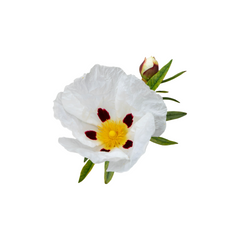
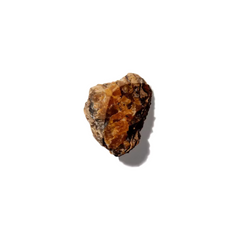
Black Amber as a fragrance note is not derived from a single natural source but is a crafted accord composed of several natural and synthetic ingredients. The primary natural raw materials include labdanum, extracted from the Cistus ladanifer shrub native to the Mediterranean region, especially Spain and Morocco. Labdanum is harvested by collecting the sticky resin from the plant's leaves and stems, then solvent-extracted or steam-distilled to yield a thick, balsamic absolute with yields around 1-3% from raw resin.
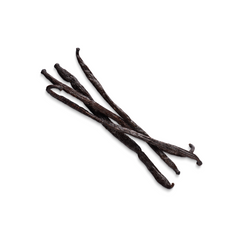
Benzoin resin, sourced mainly from Styrax benzoin trees in Indonesia and Laos, is collected by tapping the bark and then solvent-extracted to produce a sweet, vanilla-like absolute with yields of 5-8%. Vanilla pods from Madagascar and Mexico contribute vanillin, extracted via solvent extraction or CO2 extraction, with vanillin content typically 1-3% in perfume formulations.
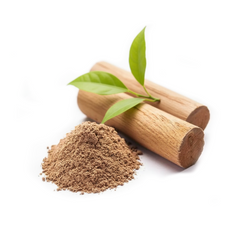
Patchouli oil, from Pogostemon cablin leaves grown in Indonesia and the Philippines, is steam-distilled, yielding 2-4% essential oil rich in patchoulol.
Synthetic molecules such as Ambroxan (CAS 6790-58-5) and Cetalox (CAS 54464-57-2) are often incorporated to replicate ambergris-like warmth and longevity.
Natural raw materials cost approximately $500–$3,000/kg depending on quality and origin, while synthetic aroma chemicals cost $50–$300/kg. Sustainability concerns include deforestation for Styrax trees and vanilla farming's environmental impact, prompting some producers to adopt organic and fair-trade certifications.
Famous Fragrances That Define Black Amber in Perfumery
Black Amber has been a defining accord in several notable fragrances over the past two decades, showcasing its versatility and depth. Agonist's "Black Amber" (circa 2010s) is a landmark oriental spicy fragrance featuring incense, Spanish labdanum, seaweed, and davana in the top notes, with a heart of cypriol oil, cedar, vetiver, and tobacco blossom, anchored by ambergris, styrax, patchouli, vanilla, and sandalwood. This composition highlights Black Amber’s smoky, resinous, and sweet facets, serving as a dominant note that bridges spicy and woody accords.
Zara's "Black Amber" (2016) offers a more accessible interpretation, blending mandarin orange, passionfruit, and tiare flower with a base of musk, vanilla, and amber, where Black Amber functions as a warm, sweet foundation supporting fruity and floral elements.
Other significant fragrances incorporating Black Amber or its components include Serge Lutens' "Ambre Sultan" (2000, perfumer Christopher Sheldrake), which uses labdanum and benzoin to create a rich amber resinous effect; Maison Francis Kurkdjian's "Baccarat Rouge 540" (2015, Francis Kurkdjian), where Ambroxan provides a modern synthetic amber warmth; and Tom Ford’s "Black Orchid" (2006, David Apel), featuring dark amber blended with patchouli and incense.
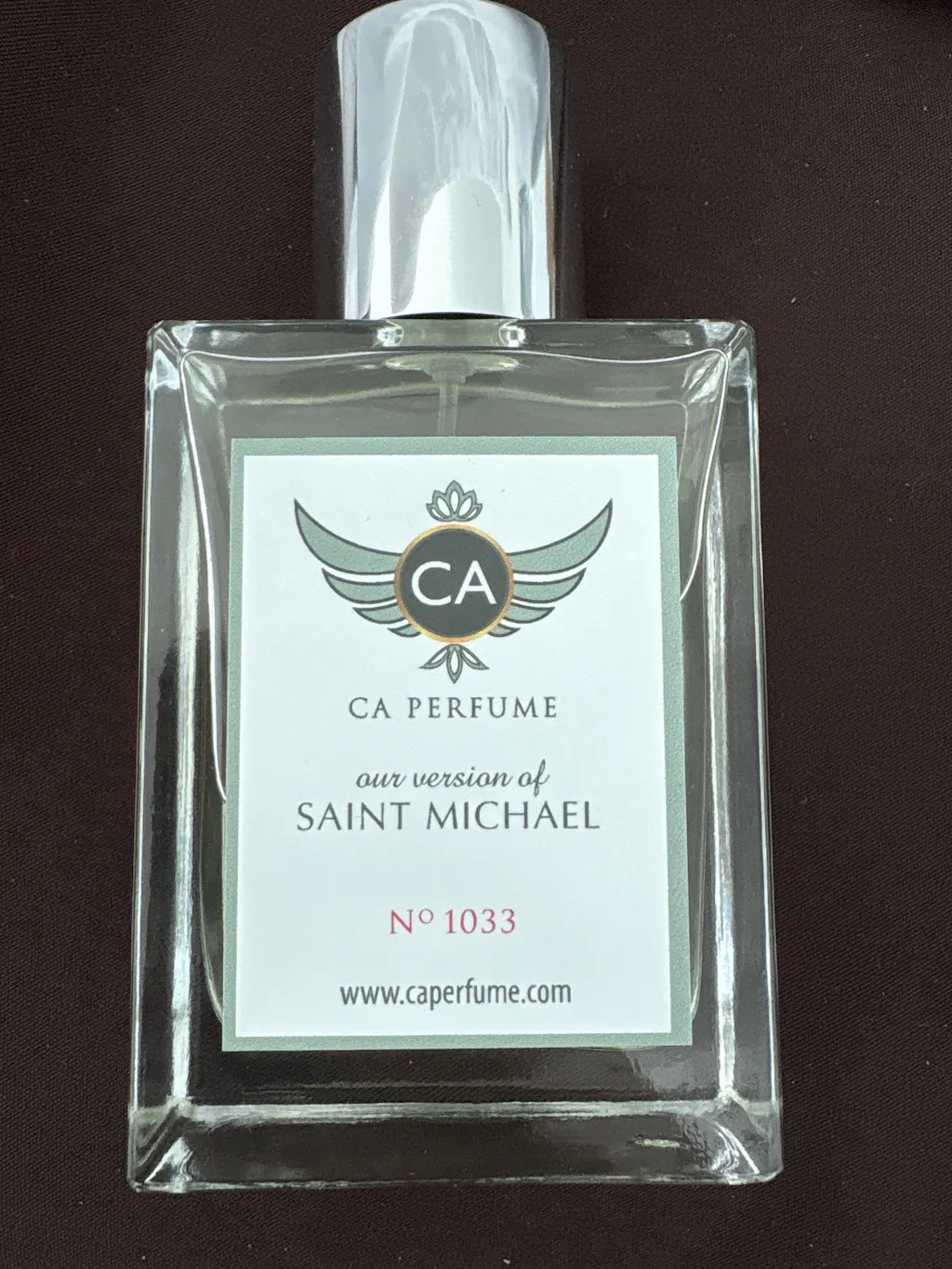
CA Perfume’s collection respects this lineage by offering nuanced amber accords that balance natural resinous depth with modern synthetic clarity.
Natural vs Synthetic Black Amber in Perfumery
Black Amber in perfumery is predominantly a synthetic accord designed to replicate the warm, resinous, and sweet facets of natural resins and ambergris. Natural components include labdanum absolute, benzoin absolute, vanilla absolute, and patchouli oil, each contributing unique molecular profiles such as vanillin, cinnamic acid esters, and patchoulol. These natural ingredients provide complexity and authenticity but are costly and variable in quality.
Synthetic molecules such as Ambroxan (CAS 6790-58-5), Cetalox (CAS 54464-57-2), and Iso E Super (CAS 54464-57-2) are widely used to mimic ambergris warmth, enhance longevity, and improve diffusion. Ambroxan, synthesized from sclareol extracted from clary sage, offers a woody, musky, and ambergris-like scent with excellent stability and projection.
Cost-wise, synthetic ambers are significantly more affordable, priced around $50–$200/kg, compared to natural absolutes costing $1,000–$3,000/kg. Performance-wise, synthetics provide consistent quality, longer shelf life, and stronger sillage.
Famous fragrances like Maison Francis Kurkdjian’s Baccarat Rouge 540 rely heavily on Ambroxan for their signature amber note, while niche brands may prefer natural labdanum and benzoin for artisanal complexity.
CA Perfume uses the HumanSafe™ platform to ensure transparency, favoring ethically sourced natural ingredients complemented by high-quality synthetics to balance sustainability, cost, and olfactory excellence.