Ingredient Guide · Amber Balsamic
Amber Balsamic Family · Perfumery Note

Benzoin

A vanilla-balsamic note anchoring amber and gourmand scents.

Benzoin is a base note resin in perfumery, prized for its sweet, vanilla-like, and balsamic character. Its main aroma compounds—benzoic acid, cinnamic acid esters, and vanillin—define its fixative power and multifaceted warmth.

Benzoin
Ingredient Profile

Benzoin

Amber Balsamic Family
Family Amber Balsamic
Note Position Base Note
Usage Level 1–5% in formula
Key Origins Laos, Indonesia, Vietnam
Iconic In Shalimar, Coromandel
The Ingredient

What does Benzoin smell like and why is it essential in perfumery?

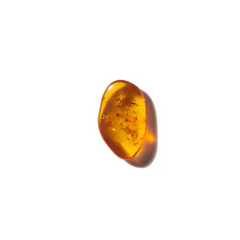
Benzoin is the aromatic resin obtained from trees of the genus Styrax, primarily Styrax benzoin and Styrax tonkinensis. Its scent profile is dominated by sweet, vanilla-like, and balsamic notes, underpinned by benzoic acid, cinnamic acid esters, and vanillin. Siam benzoin, rich in benzoates, delivers a creamy, caramelized vanilla aroma with almond and cinnamon nuances, while Sumatra benzoin, higher in cinnamic acid esters, leans toward a spicier, slightly smokier profile. This complexity makes benzoin a multifaceted ingredient—both a primary olfactive note and a technical enhancer. In perfumery, benzoin is classified as a base note due to its low volatility and high molecular weight. It is typically used at concentrations of 1–5% in the composition, where it acts as a fixative, slowing the evaporation of more volatile notes and extending the longevity of the fragrance. Benzoin’s interaction with skin chemistry is notable: its sweet balsamic character can become more pronounced on warmer, slightly acidic skin, while its powdery facets may emerge more on drier or alkaline skin types. This adaptability is a key reason for its popularity among perfumers. Benzoin in perfumery is exemplified in Guerlain’s Shalimar (1925, Jacques Guerlain), where it forms the backbone of the classic amber accord, and in Maison Francis Kurkdjian’s Grand Soir (2016, Francis Kurkdjian), where it is paired with labdanum and tonka bean for a radiant, resinous warmth. These fragrances showcase how benzoin’s scent profile can anchor and enrich both traditional and modern compositions.

1–5% in formula
Benzoin resinoid is typically used at 1–5% concentration in fine fragrance compositions, balancing olfactive impact with fixative function.
5–12 hours
Benzoin’s base note molecules ensure a fragrance longevity of 5–12 hours, depending on concentration and skin chemistry.
$80–200/kg
Natural Siam benzoin resinoid costs $80–200 per kg, reflecting its labor-intensive harvesting and high demand in perfumery.
Origin & Extraction

Where Benzoin Comes From — Origin & Extraction

Benzoin’s scent character is shaped by the soil, climate, and harvesting practices of Southeast Asia. Resin from Laos and Sumatra is especially prized for its purity and nuanced aroma, reflecting regional biodiversity and traditional tapping methods.

Benzoin is a natural balsamic resin exuded by trees of the genus Styrax, with the primary commercial species being Styrax tonkinensis (Siam benzoin) and Styrax benzoin (Sumatra benzoin). The resin is harvested through deliberate incisions in the tree bark, causing the tree to exude semi-liquid resin tears that harden upon air contact. After six months of curing, the resin is collected, cleaned, and sorted by hand. Laos is the leading producer of Siam benzoin, accounting for approximately 50 metric tons annually, while Indonesia’s North Sumatra region produces about 1,000 metric tons of Sumatra benzoin each year. Vietnam and Malaysia contribute smaller quantities, mainly for regional use. Extraction for perfumery is typically performed via solvent extraction (using ethanol or hexane) to yield benzoin resinoid, a viscous, aromatic concentrate. The process involves macerating the cleaned resin in solvent at ambient temperatures for several hours to days, followed by filtration and solvent evaporation. Yields range from 60–75% depending on resin quality. Steam distillation is rarely used due to the thermal instability of key aroma compounds such as vanillin and cinnamic acid esters. Siam benzoin is preferred in fine fragrance for its lighter color and more refined vanilla profile, while Sumatra benzoin is darker and spicier, often used in soaps and incense. Natural benzoin resinoid costs $80–200 per kg (Siam) and $30–80 per kg (Sumatra), while synthetic substitutes (e.g., vanillin, ethyl vanillin) are available at $10–20 per kg. Sustainability concerns include overharvesting and habitat loss; however, benzoin is generally considered renewable when harvested responsibly. Certification schemes and traceability programs are increasingly used to ensure ethical sourcing.

LA

Laos

Northern Laos, particularly the provinces of Luang Prabang and Oudomxay, produces the world’s finest Siam benzoin. The region’s high-altitude forests, rich in lateritic soils and monsoonal rainfall, yield resin with a creamy, caramelized vanilla scent. Laos accounts for over 90% of global Siam benzoin exports, with annual production around 50 metric tons. Sustainable harvesting and hand-cleaning ensure premium quality.

ID

Indonesia

North Sumatra is the primary source of Sumatra benzoin. The volcanic soils and humid equatorial climate produce resin with a darker, spicier, and slightly smoky aroma. Indonesia supplies about 1,000 metric tons annually, making it the largest global producer. Harvesting is labor-intensive, with block benzoin forms common in trade.

VN

Vietnam

Central and northern Vietnam produce smaller quantities of Siam-type benzoin, mainly for domestic use. The resin is lighter in color and has a delicate, floral-vanilla scent. Vietnamese benzoin is valued for its clarity and is sometimes blended with Laotian resin for export.

MY

Malaysia

Malaysia’s benzoin comes from Peninsular and Bornean forests. The resin is used locally and regionally, with a scent profile intermediate between Siam and Sumatra types. Production volumes are modest, and quality varies with altitude and tree age.

Chemistry

Natural vs Synthetic Benzoin in Perfumery

Natural benzoin resinoid is a complex mixture, with its primary aroma compounds being benzoic acid (CAS 65-85-0), cinnamic acid (CAS 140-10-3), and vanillin (CAS 121-33-5). Synthetic alternatives such as vanillin and ethyl vanillin (CAS 121-32-4) are frequently used to replicate benzoin’s sweet, vanilla-like facets, especially in large-scale production where cost and batch consistency are critical. Synthetic vanillin provides a cleaner, more linear vanilla note but lacks the nuanced balsamic and powdery undertones of natural benzoin. Performance-wise, synthetics offer greater stability and predictability, with enhanced longevity and diffusion, but may lack the depth and warmth of the natural resin. Natural benzoin is favored in high-end and niche perfumery for its complexity and fixative properties, as seen in Guerlain’s Shalimar and Amouage Material. Cost differentials are significant: natural Siam benzoin resinoid can reach $200/kg, while synthetic vanillin is under $20/kg. Sustainability is a key consideration; synthetic production reduces pressure on wild Styrax populations and ensures supply chain stability. CA Perfume’s HumanSafe™ platform provides full transparency on sourcing and allergen content, ensuring both natural and synthetic benzoin derivatives meet regulatory and safety standards.

Natural
Benzoin Absolute
Cost $3,000–6,000/kg
Method Solvent / CO₂
Character Complex, variable
vs
Synthetic
Safranal & Analogues
Cost $50–200/kg
Method Lab synthesis
Character Consistent, stable
Hall of Fame

Famous Fragrances That Define Benzoin in Perfumery

1925
dominant note

Shalimar

Guerlain
by Jacques Guerlain
vanillalabdanumiris
2007
bridge note

Coromandel

Chanel
by Jacques Polge
patchouliwhite chocolateincense
2016
dominant note

Grand Soir

Maison Francis Kurkdjian
by Francis Kurkdjian
labdanumtonka beanamber
2011
supporting note

Prada Candy

Prada
by Daniela Andrier
caramelmuskbenzoin
2021
dominant note

Material

Amouage
by Cécile Zarokian
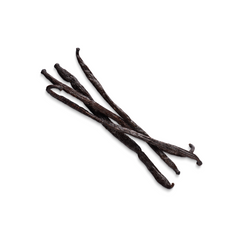
vanillaguaiac woodosmanthus

Benzoin has shaped the character of many landmark fragrances, particularly in the amber, oriental, and gourmand families. In Guerlain’s Shalimar (1925, Jacques Guerlain), benzoin forms the core of the amber accord, blended with vanilla and labdanum for a powdery, sensual base. Chanel’s Coromandel (2007, Jacques Polge) uses benzoin as a bridge note, linking patchouli and white chocolate facets for a plush, enveloping effect. Maison Francis Kurkdjian’s Grand Soir (2016, Francis Kurkdjian) highlights benzoin as a dominant note, paired with labdanum and tonka bean to create a radiant, resinous warmth. Prada Candy (2011, Daniela Andrier) employs benzoin as a supporting note, amplifying the caramel and musk for a modern gourmand signature. Amouage Material (2021, Cécile Zarokian) features benzoin as a dominant note, woven with vanilla and guaiac wood for a rich, balsamic finish. CA Perfume’s collection draws inspiration from this lineage, offering benzoin-centered compositions that honor both classic and contemporary uses.

The Accord

How is a captivating Benzoin accord crafted?

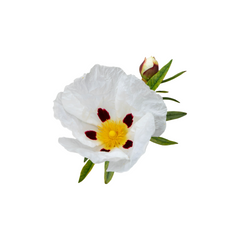
A classic benzoin accord balances sweet, balsamic, and powdery notes. Benzoin resinoid (35–40%) provides the core vanilla-balsamic warmth. Labdanum (20–25%) adds amber depth via its triterpene content. Vanilla absolute (20–25%) amplifies the creamy sweetness through vanillin synergy. Patchouli (15–20%) introduces earthy, woody facets, grounding the blend and enhancing longevity. This structure produces a rounded, long-lasting base for amber and gourmand fragrances.

40%

Benzoin Resinoid

35–40% of blend

Provides the sweet, balsamic, and vanilla-like core. Benzoic and cinnamic acids create warmth and fixative power.

25%

Labdanum

20–25% of blend

Adds amber depth and resinous richness through triterpenes, enhancing the longevity and complexity of the accord.

25%

Vanilla Absolute

20–25% of blend

Amplifies creamy sweetness via vanillin, synergizing with benzoin’s natural vanillin content for a rounded, gourmand effect.

20%

Patchouli

15–20% of blend

Provides earthy, woody undertones and sesquiterpenes that ground the accord and extend its wear on skin.

The Olfactory Layers

How Benzoin Evolves on Skin

Benzoin’s olfactory evolution is gradual, with low-volatility compounds ensuring a long-lasting presence. Initial sweetness gives way to powdery and balsamic depths as heavier esters and acids dominate the drydown.

I
Top notes
0–15 min
Vanilla Airiness

The opening is marked by a fleeting, airy sweetness—vanillin and lighter benzoate esters evaporate first, creating a soft vanilla impression. Subtle floral and almond nuances may appear, especially in Siam benzoin.

vanilla-sweetairysoft
II
Heart notes
20–60 min
Balsamic Warmth

As the lighter molecules dissipate, benzoin’s balsamic and caramel facets emerge. Cinnamic acid esters and resin alcohols provide a creamy, syrupy warmth, with hints of honey and spice. The scent becomes rounder and more enveloping.

balsamiccaramelwarm
III
Base notes
Several hours
Powdery Resin

In the base, heavy benzoic and sumaresinolic acids linger, producing a powdery, resinous, and slightly woody finish. The fixative properties anchor the composition, extending the longevity of both benzoin and other notes.

powderyresinouslong-lasting
TOP NOTES Vanilla Airiness 0–15 minutes HEART NOTES Balsamic Warmth 20–60 minutes BASE NOTES Powdery Resin Several hours
Through the Ages

The Story of Benzoin in Perfumery

Benzoin’s history in perfumery spans millennia, from ancient incense rituals to its central role in modern amber accords.

7th century BCE

Ancient Chinese Use

Benzoin, known as An-si-xiang, is documented in Chinese medicinal texts for its aromatic and therapeutic properties. It was traded via the Parthian Empire and used in incense rituals for purification and healing.

14th Century

Introduction to Europe

Arab traders introduce benzoin to Europe, where it is called ‘frankincense of Java’. It becomes a staple in pomanders, incense, and medicinal preparations, valued for its sweet, balsamic aroma.

19th Century

Amber Accord Development

Benzoin becomes essential in constructing the classic amber accord, combined with labdanum and vanilla. The creation of synthetic vanillin in 1874 offers new possibilities, but natural benzoin remains prized for its complexity.

1925

Shalimar by Guerlain

Jacques Guerlain uses benzoin as a dominant base note in Shalimar, defining the modern oriental fragrance family and showcasing benzoin’s fixative and olfactive power.

2016–Present

Niche Renaissance

Benzoin enjoys renewed popularity in niche and artisanal perfumery, featured in compositions like Maison Francis Kurkdjian Grand Soir and Amouage Material, highlighting its versatility and depth.

The Art of Layering

How to Layer Benzoin

Understanding how to layer benzoin involves molecular compatibility—its sweet, balsamic structure bridges florals, woods, and spices. Knowing how to layer benzoin can create custom amber, gourmand, or oriental effects.

01

Enhance Sweetness

Layer benzoin with vanilla or tonka bean fragrances. Both share vanillin as a key compound, creating a seamless, creamy sweetness. For example, Guerlain’s Spiritueuse Double Vanille demonstrates this synergy, where benzoin amplifies the vanilla’s depth.

02

Add Depth

Pair benzoin with oud or patchouli. The resin’s balsamic and powdery facets soften oud’s sharpness and patchouli’s earthiness through olfactory masking and shared phenolic compounds. Maison Francis Kurkdjian Grand Soir layers benzoin with labdanum and amber for a multidimensional base.

03

Lighten the Glow

Combine benzoin with citrus or floral notes. The lighter molecules in citrus oils contrast benzoin’s heaviness, while shared aldehydes in florals (like rose) create a balanced, radiant effect. Prada Candy’s caramel and musk pairing with benzoin illustrates this approach.

Wear It Right

How to Wear Benzoin Like a Pro

Seasonal Guide

Fall & Winter

In cooler weather, benzoin’s sweet, balsamic warmth is amplified as lower temperatures slow evaporation, allowing its heavier molecules to linger. Apply to pulse points and under clothing for a comforting, enveloping effect.

Spring

Spring’s moderate temperatures help benzoin’s vanilla and powdery facets bloom without overwhelming. Layer with floral or citrus notes to highlight its creamy, uplifting qualities. Apply lightly to avoid excessive sweetness.

Summer

Heat increases volatility, causing benzoin’s top notes to project more strongly but fade faster. Use sparingly or in lighter concentrations (EDT), and pair with fresh or citrus accords for balance. Apply to cooler areas like the inner elbow.

Year-Round Tip

Benzoin’s fixative properties make it a versatile base for layering throughout the year. Adjust application and pairing notes based on climate and personal preference to optimize longevity and sillage.

Application Points

Strategic application enhances benzoin’s longevity and evolution, leveraging pulse points and diffusion zones.

1

Neck

Applying benzoin-rich fragrances to the neck utilizes body heat to accelerate the release of sweet, airy top notes, creating an immediate, inviting aura.

2

Behind the Ears

This area maintains warmth and subtle moisture, allowing benzoin’s balsamic and powdery facets to evolve gradually and linger close to the skin.

3

Inner Wrists

Pulse points on the wrists enhance volatility, intensifying benzoin’s initial sweetness and facilitating the transition to its deeper, resinous base.

4

Hair

Spraying lightly on hair provides sustained diffusion, as benzoin’s heavier molecules adhere to hair fibers and release scent with movement.

Pro Tip

Layer benzoin-based scents over unscented moisturizer to slow evaporation, maximizing longevity and the development of its complex drydown.

Mood Architecture™

Top Benzoin Fragrances by Mood Score

These Benzoin-based fragrances scored highest on the MEI™ Mood Architecture Framework — measuring how a scent may influence your emotional state.

Highest MEI Score
Cacao Noir — Coco Noir Alternative Perfume
8.54
MEI™
Primary Romantic
Secondary Confident
Confidence
8.35
Presence
9.29
Mood Lift
8.75
Identity
9.26
Warmth
9.5
Social Ease
8.03
Energy
3.7
" I am beautiful.
View full mood profile →
Musc Infini — Ex Nihilo Musc Infini Alternative Perfume
8.4
MEI™
Primary Romantic
Secondary Confident
Confidence
7.34
Presence
6.84
Mood Lift
9.5
Identity
7.67
Warmth
9.5
Social Ease
9.5
Energy
4.2
" I am beautiful.
View full mood profile →
Aloura Homme — Chanel Allure Alternative Cologne
8.46
MEI™
Primary Romantic
Secondary Confident
Confidence
7.54
Presence
7.47
Mood Lift
9.5
Identity
7.67
Warmth
9.5
Social Ease
9.0
Energy
5.3
" I am beautiful.
View full mood profile →
Miss Dear 2021 — Miss 2021 Alternative Perfume
8.3
MEI™
Primary Romantic
Secondary Confident
Confidence
7.45
Presence
7.64
Mood Lift
9.11
Identity
7.9
Warmth
9.5
Social Ease
8.9
Energy
3.5
" I am beautiful.
View full mood profile →
HumanSafe™

Top Benzoin Fragrances by HumanSafe™ Score

These Benzoin-based fragrances have the highest product-level HumanSafe™ scores in this ingredient collection.

Highest HumanSafe™ Score
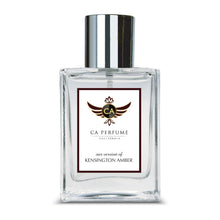
Kensington Amber — Penhaligon's Kensington Amber Alternative Perfume
A
HumanSafe™ Score Very Safe
Safest Evaluated Ingredients EDP
AQUA Solvent / Carrier ISS 10.0
1,4-DIOXACYCLOHEPTADECANE-5,17-DIONE Evaluated ingredient ISS 10.0
2H-1-BENZOPYRAN-2-ONE Evaluated ingredient ISS 8.0
LINALYL ACETATE Evaluated ingredient ISS 7.0
LINALOOL Evaluated ingredient ISS 7.0
ALPHA-CEDRENE Evaluated ingredient ISS 7.0
View full safety profile →
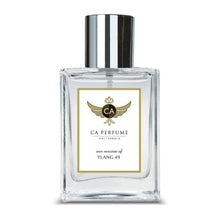
Ylang 49 — Le Labo Ylang 49 Impression Alternative Perfume
A-
HumanSafe™ Score Generally Safe
Safest Evaluated Ingredients EDP
AQUA Solvent / Carrier ISS 10.0
BENZYL SALICYLATE Evaluated ingredient ISS 9.0
LINALOOL Evaluated ingredient ISS 7.0
ALCOHOL DENAT. Solvent / Carrier ISS 7.0
1-[(2-TERT-BUTYL)CYCLOHEXYLOXY]-2-BUTANOL Evaluated ingredient ISS 7.0
View full safety profile →
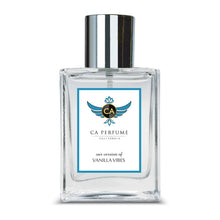
Vanilla Vibes — Juliette Has A Gun Vanilla Vibes Alternative Perfume
A-
HumanSafe™ Score Generally Safe
Safest Evaluated Ingredients EDP
AQUA Solvent / Carrier ISS 10.0
1,4-DIOXACYCLOHEPTADECANE-5,17-DIONE Evaluated ingredient ISS 10.0
BENZYL SALICYLATE Evaluated ingredient ISS 9.0
BENZENEPROPANAL, 4-METHOXY-.ALPHA.-METHYL- Evaluated ingredient ISS 9.0
3-CYCLOPENTENE-1-ACETALDEHYDE, 2,2,3-TRIMETHYL-, Evaluated ingredient ISS 9.0
View full safety profile →
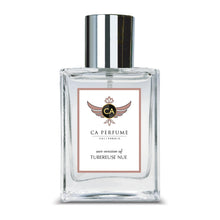
Tubereuse Nue — Tubéreuse Nue Alternative Perfume
A-
HumanSafe™ Score Generally Safe
Safest Evaluated Ingredients EDP
AQUA Solvent / Carrier ISS 10.0
ACETIC ACID, PHENYLMETHYL ESTER Evaluated ingredient ISS 10.0
1,4-DIOXACYCLOHEPTADECANE-5,17-DIONE Evaluated ingredient ISS 10.0
BENZYL SALICYLATE Evaluated ingredient ISS 9.0
BENZOIC ACID, 2-AMINO-, METHYL ESTER Evaluated ingredient ISS 9.0
View full safety profile →
Expert Voices

What Masters Say About Benzoin

Benzoin is as suave as vanilla, and has a touch of cinnamon to it. I use it for feminine and masculine fragrances: it gives an 'openness' and sensuality to fragrances.
Alienor Massenet, Perfumer
Benzoin’s molecular structure allows it to act as a natural fixative, binding volatile components and extending fragrance longevity.
CA Perfume Editorial
Common Questions

Frequently Asked Questions

Answers to common questions about benzoin in perfumery.

Benzoin in perfume smells sweet, balsamic, and vanilla-like, with powdery and caramel undertones. Its scent profile is shaped by benzoic acid, cinnamic acid esters, and vanillin, producing a creamy warmth that anchors amber and gourmand compositions. Siam benzoin is creamier and more caramelized, while Sumatra benzoin is spicier and slightly smoky. Benzoin’s fixative properties also help extend the longevity of other notes in the fragrance.

Benzoin is classified as a base note in perfumery. Its high molecular weight and low volatility ensure it remains on the skin for hours, providing a long-lasting, anchoring effect. Benzoin is typically used at 1–5% concentration and is valued for its ability to fix and extend the life of more volatile top and heart notes.

Benzoin is favored in niche perfumery for its multifaceted scent profile and technical versatility. It offers a natural, complex sweetness that cannot be fully replicated by synthetic vanillin, and its fixative properties enhance the longevity and richness of compositions. Niche brands often use high-quality Siam benzoin for its creamy, nuanced aroma, as seen in fragrances like Maison Francis Kurkdjian Grand Soir.

Benzoin fragrance uses include pairing with vanilla, labdanum, patchouli, amber, and tonka bean for amber and gourmand accords. It also blends well with rose, sandalwood, and oud, where its balsamic sweetness balances floral, woody, or animalic notes. These combinations are found in classic and modern fragrances such as Guerlain Shalimar and Chanel Coromandel.

Benzoin can be worn in summer, but its sweet, balsamic character is more pronounced in cooler weather. In heat, benzoin’s top notes project more strongly but may fade faster. For summer, use lighter concentrations (EDT) or layer with citrus and floral notes to balance its richness. Apply sparingly to avoid overwhelming sweetness.

Benzoin’s base note molecules provide excellent longevity, with fragrances lasting 5–12 hours depending on concentration and skin chemistry. Its fixative properties help anchor other notes, extending the overall wear time of the fragrance.

Yes, benzoin is ideal for layering due to its molecular compatibility with vanilla, amber, patchouli, and floral notes. Layering benzoin with complementary scents can create custom amber or gourmand effects, as demonstrated in fragrances like Guerlain Spiritueuse Double Vanille and Maison Francis Kurkdjian Grand Soir.

Beginner-friendly benzoin perfumes include Prada Candy (2011, Daniela Andrier), which highlights benzoin’s sweet, caramel warmth, and Guerlain Shalimar (1925, Jacques Guerlain), a classic amber composition. Maison Francis Kurkdjian Grand Soir and Chanel Coromandel offer more nuanced, resinous interpretations for those exploring niche perfumery.

To choose the right benzoin fragrance at CA Perfume, consider the style you prefer—amber, gourmand, or woody. Review the scent pyramid and note pairings for each fragrance, and sample different concentrations to find the balance of sweetness and longevity that suits your skin chemistry and seasonal needs.

While benzoin is inherently sweet and balsamic, its versatility allows it to be balanced with woody, spicy, or citrus notes for everyday wear. In lighter concentrations or when paired with fresh notes, benzoin can provide a subtle, comforting base without becoming overpowering. Its adaptability makes it suitable for both daily and special occasion use.

Amber Balsamic Collection

Explore Our Top Benzoin Fragrances

Discover CA Perfume’s curated selection of benzoin-centered scents, from classic amber compositions to modern gourmand blends.

Shop all benzoin fragrances at CA Perfume →

Where Benzoin Comes From — Origin & Extraction

Benzoin is a natural balsamic resin exuded by trees of the genus Styrax, with the primary commercial species being Styrax tonkinensis (Siam benzoin) and Styrax benzoin (Sumatra benzoin). The resin is harvested through deliberate incisions in the tree bark, causing the tree to exude semi-liquid resin tears that harden upon air contact. After six months of curing, the resin is collected, cleaned, and sorted by hand. Laos is the leading producer of Siam benzoin, accounting for approximately 50 metric tons annually, while Indonesia’s North Sumatra region produces about 1,000 metric tons of Sumatra benzoin each year. Vietnam and Malaysia contribute smaller quantities, mainly for regional use. Extraction for perfumery is typically performed via solvent extraction (using ethanol or hexane) to yield benzoin resinoid, a viscous, aromatic concentrate. The process involves macerating the cleaned resin in solvent at ambient temperatures for several hours to days, followed by filtration and solvent evaporation. Yields range from 60–75% depending on resin quality. Steam distillation is rarely used due to the thermal instability of key aroma compounds such as vanillin and cinnamic acid esters. Siam benzoin is preferred in fine fragrance for its lighter color and more refined vanilla profile, while Sumatra benzoin is darker and spicier, often used in soaps and incense. Natural benzoin resinoid costs $80–200 per kg (Siam) and $30–80 per kg (Sumatra), while synthetic substitutes (e.g., vanillin, ethyl vanillin) are available at $10–20 per kg. Sustainability concerns include overharvesting and habitat loss; however, benzoin is generally considered renewable when harvested responsibly. Certification schemes and traceability programs are increasingly used to ensure ethical sourcing.

Famous Fragrances That Define Benzoin in Perfumery

Benzoin has shaped the character of many landmark fragrances, particularly in the amber, oriental, and gourmand families. In Guerlain’s Shalimar (1925, Jacques Guerlain), benzoin forms the core of the amber accord, blended with vanilla and labdanum for a powdery, sensual base. Chanel’s Coromandel (2007, Jacques Polge) uses benzoin as a bridge note, linking patchouli and white chocolate facets for a plush, enveloping effect. Maison Francis Kurkdjian’s Grand Soir (2016, Francis Kurkdjian) highlights benzoin as a dominant note, paired with labdanum and tonka bean to create a radiant, resinous warmth. Prada Candy (2011, Daniela Andrier) employs benzoin as a supporting note, amplifying the caramel and musk for a modern gourmand signature. Amouage Material (2021, Cécile Zarokian) features benzoin as a dominant note, woven with vanilla and guaiac wood for a rich, balsamic finish. CA Perfume’s collection draws inspiration from this lineage, offering benzoin-centered compositions that honor both classic and contemporary uses.

Natural vs Synthetic Benzoin in Perfumery

Natural benzoin resinoid is a complex mixture, with its primary aroma compounds being benzoic acid (CAS 65-85-0), cinnamic acid (CAS 140-10-3), and vanillin (CAS 121-33-5). Synthetic alternatives such as vanillin and ethyl vanillin (CAS 121-32-4) are frequently used to replicate benzoin’s sweet, vanilla-like facets, especially in large-scale production where cost and batch consistency are critical. Synthetic vanillin provides a cleaner, more linear vanilla note but lacks the nuanced balsamic and powdery undertones of natural benzoin. Performance-wise, synthetics offer greater stability and predictability, with enhanced longevity and diffusion, but may lack the depth and warmth of the natural resin. Natural benzoin is favored in high-end and niche perfumery for its complexity and fixative properties, as seen in Guerlain’s Shalimar and Amouage Material. Cost differentials are significant: natural Siam benzoin resinoid can reach $200/kg, while synthetic vanillin is under $20/kg. Sustainability is a key consideration; synthetic production reduces pressure on wild Styrax populations and ensures supply chain stability. CA Perfume’s HumanSafe™ platform provides full transparency on sourcing and allergen content, ensuring both natural and synthetic benzoin derivatives meet regulatory and safety standards.