Ingredient Guide · Spices
Spices Family · Perfumery Note

Bay Leaf

A green, spicy note from the Mediterranean laurel tree

Bay Leaf is a spicy, camphorous note derived from Laurus nobilis leaves, used primarily as a heart or base note in perfumery. Key molecules include eugenol and cineole, contributing to its warm, herbal character.

Bay Leaf
Ingredient Profile

Bay Leaf

Spices Family
Family Spices
Note Position Heart Note
Usage Level 0.5–1.5%
Key Origins Spain, Morocco, Italy
Iconic In Invictus, Blackberry & Bay
The Ingredient

What does Bay Leaf smell like and why is it significant in perfumery?

Bay Leaf, botanically Laurus nobilis, is an evergreen tree native to the Mediterranean region. Its essential oil is extracted primarily from the leaves, yielding a complex aromatic profile dominated by spicy, camphorous, and slightly bitter notes. The key chemical constituents responsible for this scent are eugenol (approximately 50%) and 1,8-cineole, which impart the characteristic warm, herbal, and camphoraceous facets. This note is classified within the spice family and is valued for its robust, slightly resinous green aroma. In perfumery, bay leaf is typically used as a heart or base note, contributing depth and warmth to compositions. It is employed at concentrations ranging from 0.1% to 1%, depending on the desired intensity. Bay leaf interacts dynamically with skin chemistry, often revealing a fresh green top accord that evolves into a warm, spicy heart. Its camphoraceous compounds provide a distinctive aromatic lift that enhances longevity and sillage. Notable fragrances featuring bay leaf include Paco Rabanne's Invictus (2013), where it adds a fresh, green-spicy dimension to the aromatic fougère accord, and Jo Malone London's Blackberry & Bay (2011), which uses bay leaf to bridge fruity and herbal elements. These examples illustrate bay leaf's versatility and its role in both masculine and unisex fragrances, underscoring its importance in modern perfumery.

0.5–1.5%
Typical essential oil yield from steam distillation of fresh bay leaves, reflecting the efficiency of extraction methods.
0.1–1%
Common concentration range of bay leaf essential oil in perfume formulations, balancing potency and safety.
52.54%
Approximate eugenol content in bay leaf essential oil, the primary molecule responsible for its spicy, clove-like aroma.
Origin & Extraction

Where Bay Leaf Comes From — Origin & Extraction

Bay Leaf essential oil production is centered in Mediterranean countries where Laurus nobilis thrives in dry, mountainous climates. Soil composition, altitude, and traditional harvesting methods influence the oil's aromatic profile, contributing to regional scent nuances.

Bay Leaf essential oil is derived from the leaves of the Laurus nobilis tree, an evergreen native to the Mediterranean basin, including countries such as Spain, Morocco, Turkey, and Italy. The global demand for bay leaves exceeds 3,000 tons annually, with significant production concentrated in Mediterranean climates. The leaves are harvested from mature trees, typically over five years old, to ensure optimal oil yield and quality. Extraction is conducted primarily through steam distillation, a process that involves passing steam through the leaf material at temperatures around 100°C. This method preserves the integrity of volatile compounds like eugenol and cineole, which are sensitive to heat. The yield of essential oil ranges from 0.5% to 1.5% by weight of fresh leaves. Fractional distillation can be employed to refine the oil's composition, enhancing specific aromatic qualities. Natural bay leaf oil commands prices between $150 and $400 per kilogram, depending on quality and origin. Synthetic substitutes, based on isolated aroma chemicals, are significantly less expensive, costing approximately $50 to $100 per kilogram. Sustainability concerns focus on responsible harvesting and cultivation practices, as well as the valorization of distillation by-products such as hydrolates and exhausted leaves. Argentina has recently initiated industrial-scale production to meet local demand, complementing traditional Mediterranean sources.

ES

Spain

Spain's Andalusian region produces high-quality bay leaf oil, benefiting from calcareous soils and a Mediterranean climate. Production accounts for approximately 25% of global supply, with hand-harvesting ensuring leaf quality and oil yield.

MA

Morocco

Morocco's Rif Mountains offer ideal conditions with moderate rainfall and rich soils. Moroccan bay leaf oil is prized for its balanced camphoraceous and spicy notes. The country contributes about 20% of the world's production.

IT

Italy

Italy, particularly Liguria and Tuscany, cultivates bay laurel in coastal and hilly terrains. Italian bay leaf oil is noted for its fresh green and herbal nuances, with production focused on small-scale, artisanal distillation.

AR

Argentina

Argentina has recently developed industrial-scale bay leaf oil production in Buenos Aires Province, importing raw leaves and optimizing steam distillation. This emerging source offers consistent quality and contributes to global supply diversification.

Chemistry

Natural vs Synthetic Bay Leaf in Perfumery

Natural bay leaf essential oil is composed predominantly of eugenol (up to 52%), 1,8-cineole, limonene, myrcene, and beta-caryophyllene, which together create its characteristic spicy, camphoraceous, and herbal aroma. Synthetic alternatives replicate these molecules individually or in blends, such as synthetic eugenol (CAS 97-53-0), 1,8-cineole (CAS 470-82-6), and methyl eugenol (CAS 93-15-2). These synthetics offer advantages in consistency, longevity, and cost, with prices ranging from $50 to $100 per kilogram compared to natural oil's $150 to $400 per kilogram. Performance-wise, natural bay leaf oil provides a complex, evolving scent with subtle nuances influenced by terroir and harvest conditions, while synthetics deliver a more stable but sometimes less nuanced profile. Fragrances like Jo Malone's Blackberry & Bay utilize natural bay leaf oil for its authentic green-spicy character, whereas mass-market formulations may rely on synthetic aroma chemicals for cost-effectiveness. Sustainability considerations favor synthetic molecules in reducing agricultural pressure, but natural oil remains valued for its olfactory complexity and traditional appeal. CA Perfume sources only HumanSafe™ verified natural bay leaf oils, ensuring transparency and ethical procurement in its formulations.

Natural
Bay Leaf Absolute
Cost $3,000–6,000/kg
Method Solvent / CO₂
Character Complex, variable
vs
Synthetic
Safranal & Analogues
Cost $50–200/kg
Method Lab synthesis
Character Consistent, stable
Hall of Fame

Famous Fragrances That Define Bay Leaf in Perfumery

2013
heart note

Invictus

Paco Rabanne
by Veronique Nyberg
grapefruitmarine accordsguaiac wood
2011
dominant note

Blackberry & Bay

Jo Malone London
by Christine Nagel
blackberryvetivercedarwood
2000
supporting note

Ambre Sultan

Serge Lutens
by Christopher Sheldrake
amberspicespatchouli
2006
heart note

Thé Noir 29

Le Labo
by Frank Voelkl
black teabergamotsmoky accords
2013
accent note

Bentley for Men Intense

Bentley
by Olivier Polge
black pepperincensecedarwood

Bay leaf has been a notable ingredient in a variety of landmark fragrances, often contributing a fresh, spicy, and camphorous green note that enhances aromatic and woody accords. Paco Rabanne's Invictus (2013), crafted by perfumer Veronique Nyberg, uses bay leaf as a heart note to impart a vibrant herbal freshness that bridges citrus top notes and woody base notes. Jo Malone London's Blackberry & Bay (2011), by Christine Nagel, features bay leaf as a dominant note, creating a green, slightly earthy character that complements the fruity blackberry and woody vetiver. Serge Lutens' Ambre Sultan (2000), by Christopher Sheldrake, incorporates bay leaf as a supporting note within its oriental-spicy composition, adding a subtle camphoraceous warmth. Le Labo's Thé Noir 29 (2006), by Frank Voelkl, uses bay leaf to enhance the smoky, tea-like heart, providing a fresh herbal contrast. Bentley for Men Intense (2013), by Olivier Polge, employs bay leaf as an accent note to enrich its woody-spicy profile. These fragrances demonstrate bay leaf's versatility across masculine, unisex, and oriental categories, underscoring its enduring appeal. CA Perfume's collection honors this lineage by incorporating bay leaf in accords that balance freshness and warmth without overpowering.

The Accord

How is a captivating Bay Leaf accord crafted?

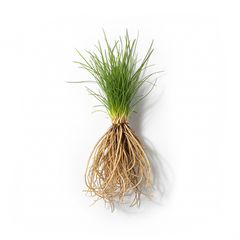
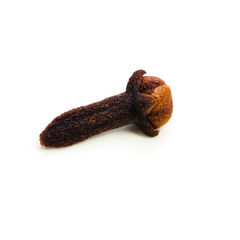
A balanced bay leaf accord typically comprises 20-25% Bay Leaf, 20-25% Vetiver, 25-30% Cedarwood, and 20-25% Clove. Bay Leaf provides the spicy, camphorous green heart, while Vetiver adds earthy, grassy depth through its vetiverol and khusimol compounds. Cedarwood contributes a dry, woody base rich in cedrol, complementing the herbal facets. Clove, rich in eugenol, enhances the warmth and spicy complexity, creating a harmonious, layered accord that evolves elegantly.

25%

Bay Leaf

20–25% of blend

Bay Leaf's eugenol and cineole molecules provide the signature spicy, camphorous green aroma essential to the accord's character.

25%

Vetiver

20–25% of blend

Vetiver's vetiverol and khusimol compounds add earthy, grassy depth, complementing the herbal facets of bay leaf.

30%

Cedarwood

25–30% of blend

Cedarwood's cedrol-rich dry woody base balances the green and spicy notes, anchoring the accord.

25%

Clove

20–25% of blend

Clove's high eugenol content amplifies the warmth and spicy complexity, enhancing the bay leaf's aromatic profile.

The Olfactory Layers

How Bay Leaf Evolves on Skin

Bay leaf's olfactory evolution begins with a fresh, green, and camphorous top impression lasting 0–15 minutes, dominated by volatile cineole molecules. The heart phase (20–60 minutes) reveals spicy, warm eugenol and herbal notes, while the base (several hours) settles into a woody, resinous dry-down with cedrol and beta-caryophyllene contributing to longevity.

I
Top notes
0–15 min
Fresh Camphorous Green

The initial impression is fresh, green, and slightly sharp, driven by highly volatile 1,8-cineole and limonene molecules evaporating rapidly. This stage imparts brightness and a camphorous lift that awakens the senses.

FreshGreenCamphorous
II
Heart notes
20–60 min
Spicy Herbal Warmth

The heart reveals spicy, warm, and herbal facets dominated by eugenol and methyl eugenol, which evaporate more slowly, providing depth and complexity. The note feels aromatic and slightly resinous, bridging top freshness and base warmth.

SpicyWarmHerbal
III
Base notes
Several hours
Woody Earthy Dry-Down

The base is characterized by woody, earthy, and resinous nuances contributed by beta-caryophyllene and cedrol. These molecules have low volatility, ensuring lasting presence and anchoring the fragrance with a warm, dry finish.

WoodyEarthyResinous
TOP NOTES Fresh Camphorous Green 0–15 minutes HEART NOTES Spicy Herbal Warmth 20–60 minutes BASE NOTES Woody Earthy Dry-Down Several hours
Through the Ages

The Story of Bay Leaf in Perfumery

Bay leaf has a rich history in perfumery and culture, spanning from ancient symbolic uses to modern fragrance applications.

Antiquity

Symbol of Victory in Ancient Greece and Rome

Bay laurel wreaths were awarded to victors in the Pythian Games and Roman triumphs, symbolizing glory and honor. This cultural significance established bay leaf as a symbol of victory and protection.

Middle Ages

Medicinal and Culinary Uses

Bay leaves were widely used in herbal medicine and cooking across Europe and the Mediterranean, valued for their aromatic and preservative properties.

19th Century

Introduction to Modern Perfumery

Bay leaf essential oil began to be incorporated into perfumes and colognes, appreciated for its fresh, spicy, and camphorous qualities.

2000

Ambre Sultan by Serge Lutens Launch

This fragrance prominently featured bay leaf as a supporting note, showcasing its role in oriental-spicy compositions.

2010s

Rise in Aromatic Fougere and Unisex Fragrances

Bay leaf gained popularity in modern aromatic fougère and unisex perfumes, exemplified by Paco Rabanne's Invictus and Jo Malone's Blackberry & Bay.

The Art of Layering

How to Layer Bay Leaf

Understanding how to layer bay leaf involves molecular compatibility with complementary notes to enhance or soften its character.

01

Enhance Freshness with Citrus

Layering bay leaf with citrus notes like bergamot or lemon introduces limonene-rich molecules that synergize with bay leaf's cineole, amplifying the fresh, green brightness. This combination is exemplified in Jo Malone's Blackberry & Bay.

02

Add Depth with Woods

Pairing bay leaf with cedarwood or vetiver introduces cedrol and vetiverol, which complement bay leaf's herbal warmth by grounding the accord with earthy, woody facets, as seen in Paco Rabanne's Invictus.

03

Lighten the Glow with Floral

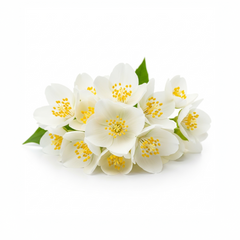
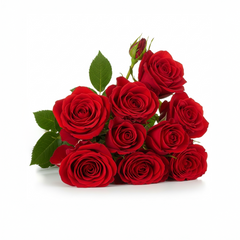
Combining bay leaf with floral notes such as jasmine or rose introduces damascenone and other floral aldehydes that soften bay leaf's camphorous edge through olfactory masking, creating a balanced, nuanced scent profile.

Wear It Right

How to Wear Bay Leaf Like a Pro

Seasonal Guide

Fall & Winter

Cooler temperatures slow evaporation, enhancing bay leaf's warm, spicy, and woody facets. Apply more liberally for stronger projection and longevity. Layer with rich base notes like amber or sandalwood for cozy depth.

Spring

Moderate warmth balances fresh green and spicy notes. Bay leaf's herbal brightness complements floral and citrus accords, making it ideal for daytime wear with lighter application.

Summer

Heat increases volatility, emphasizing fresh camphorous top notes but reducing longevity. Use sparingly and layer with aquatic or citrus notes to maintain freshness without overwhelming.

Year-Round Tip

To maximize bay leaf's complexity, layer with complementary woody or spicy notes and apply on moisturized skin to enhance scent longevity regardless of season.

Application Points

Strategic application enhances bay leaf fragrance projection and longevity.

1

Neck

Pulse points like the neck emit heat, helping bay leaf's volatile top notes to diffuse effectively, creating an inviting aromatic aura.

2

Behind the Ears

This warm area allows gradual scent release, ideal for the evolving spicy and herbal heart notes of bay leaf.

3

Inner Wrists

Applying bay leaf fragrance here leverages pulse heat for immediate fresh camphorous impact, but avoid rubbing wrists to preserve scent integrity.

4

Hair

Hair fibers hold fragrance molecules longer, allowing bay leaf's woody base notes to linger subtly with movement.

★

Pro Tip

Layer bay leaf fragrance with a fragrance-free moisturizer or body oil to enhance scent adherence and extend wear time.

Mood Architecture™

Top Bay Leaf Fragrances by Mood Score

These Bay Leaf-based fragrances scored highest on the MEI™ Mood Architecture Framework — measuring how a scent may influence your emotional state.

Highest MEI Score
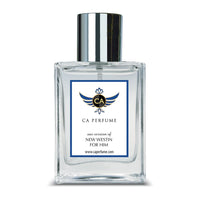
New Westin For Him — New West For Him Alternative Cologne
7.2
MEI™
Primary Romantic
Secondary Confident
Confidence
7.05
Presence
7.95
Mood Lift
7.38
Identity
7.5
Warmth
7.95
Social Ease
6.8
Energy
4.92
" I am beautiful.
View full mood profile →
Invictore — Invictus Alternative Cologne
6.5
MEI™
Primary Magnetic
Secondary Confident
Confidence
6.75
Presence
7.65
Mood Lift
6.72
Identity
7.2
Warmth
6.47
Social Ease
5.5
Energy
3.7
" I am bold.
View full mood profile →
Blackberrie & Bay — Blackberry & Bay Alternative Perfume
6.3
MEI™
Primary Fresh
Secondary Confident
Confidence
6.18
Presence
6.33
Mood Lift
6.95
Identity
6.0
Warmth
6.15
Social Ease
6.3
Energy
3.67
" I am radiant.
View full mood profile →
Patchouli Absolu — Tom Ford Impression Patchouli Absolu Alternative Perfume
5.8
MEI™
Primary Serene
Secondary Confident
Confidence
5.88
Presence
6.38
Mood Lift
5.88
Identity
6.0
Warmth
6.38
Social Ease
5.38
Energy
3.45
" I am enough.
View full mood profile →
HumanSafe™

Top Bay Leaf Fragrances by HumanSafe™ Score

These Bay Leaf-based fragrances have the highest product-level HumanSafe™ scores in this ingredient collection.

Highest HumanSafe™ Score
Spice Blend — Christian Dior Spice Blend Alternative Perfume
A-
HumanSafe™ Score Generally Safe
Safest Evaluated Ingredients EDP
AQUA Solvent / Carrier ISS 10.0
1,4-DIOXACYCLOHEPTADECANE-5,17-DIONE Evaluated ingredient ISS 10.0
7-OCTEN-2-OL, 2,6-DIMETHYL- Evaluated ingredient ISS 9.0
4H-INDEN-4-ONE, 1,2,3,5,6,7-HEXAHYDRO-1,1,2,3,3- Evaluated ingredient ISS 9.0
3-BUTEN-2-ONE, 3-METHYL-4-(2,6,6-TRIMETHYL-2- Evaluated ingredient ISS 8.0
2H-1-BENZOPYRAN-2-ONE Evaluated ingredient ISS 8.0
View full safety profile →
Patchouli Absolu — Tom Ford Impression Patchouli Absolu Alternative Perfume
A-
HumanSafe™ Score Generally Safe
Safest Evaluated Ingredients EDP
AQUA Solvent / Carrier ISS 10.0
4H-INDEN-4-ONE, 1,2,3,5,6,7-HEXAHYDRO-1,1,2,3,3- Evaluated ingredient ISS 9.0
3-BUTEN-2-ONE, 3-METHYL-4-(2,6,6-TRIMETHYL-2- Evaluated ingredient ISS 8.0
2H-1-BENZOPYRAN-2-ONE Evaluated ingredient ISS 8.0
BENZOIC ACID, 2,4-DIHYDROXY-3,6-DIMETHYL-, METHYL Evaluated ingredient ISS 7.0
ALCOHOL DENAT. Solvent / Carrier ISS 7.0
View full safety profile →
New Westin For Him — New West For Him Alternative Cologne
A-
HumanSafe™ Score Generally Safe
Safest Evaluated Ingredients EDP
AQUA Solvent / Carrier ISS 10.0
3-CYCLOHEXENE-1-CARBOXALDEHYDE, 1-METHYL-4-(4- Evaluated ingredient ISS 10.0
7-OCTEN-2-OL, 2,6-DIMETHYL- CAT. 3 Evaluated ingredient ISS 9.0
BENZENEPROPANAL, 4-ETHYL-.ALPHA.,.ALPHA.-DIMETHYL- Evaluated ingredient ISS 8.0
LINALYL ACETATE Evaluated ingredient ISS 7.0
LINALOOL Evaluated ingredient ISS 7.0
View full safety profile →
Invincible Legend — INVICTUS LEGEND Alternative Cologne
A-
HumanSafe™ Score Generally Safe
Safest Evaluated Ingredients EDP
AQUA Solvent / Carrier ISS 10.0
BENZYL SALICYLATE Evaluated ingredient ISS 9.0
BENZENEPROPANAL, 4-METHOXY-.ALPHA.-METHYL- Evaluated ingredient ISS 9.0
7-OCTEN-2-OL, 2,6-DIMETHYL- Evaluated ingredient ISS 9.0
4H-INDEN-4-ONE, 1,2,3,5,6,7-HEXAHYDRO-1,1,2,3,3- Evaluated ingredient ISS 9.0
2H-1-BENZOPYRAN-2-ONE Evaluated ingredient ISS 8.0
View full safety profile →
Expert Voices

What Masters Say About Bay Leaf

“
Bay leaf's camphorous and spicy character, primarily due to eugenol and cineole, makes it a versatile note that adds depth and warmth to herbal and woody compositions.
CA Perfume Editorial
“
In perfumery, bay leaf is often used as a heart or base note to provide a green, aromatic lift that complements both fresh and warm accords.
CA Perfume Editorial
Common Questions

Frequently Asked Questions

Answers to common questions about bay leaf in perfumery.

Bay Leaf in perfume smells aromatic, spicy, and camphorous, with a green herbal freshness followed by warm, slightly resinous undertones. This scent is primarily due to eugenol and 1,8-cineole molecules in the essential oil. It is used in perfumes such as Paco Rabanne's Invictus and Jo Malone's Blackberry & Bay to add depth and complexity.

Bay Leaf is primarily used as a heart or base note in fragrances. While its volatile components provide a fresh green top impression initially, its lasting spicy and woody facets emerge in the heart and base phases, contributing to the perfume's depth and longevity.

Bay Leaf offers a unique combination of fresh green, spicy, and camphorous aromas that add complexity and character to niche perfumes. Its ability to bridge herbal, woody, and spicy accords makes it a versatile ingredient favored by perfumers seeking nuanced, layered compositions.

Bay Leaf fragrance uses best pair with woody notes like cedarwood and vetiver, spicy notes such as clove, and fresh citrus like bergamot. Floral notes like jasmine and rose also complement bay leaf by softening its camphorous edge, creating harmonious and balanced accords.

Yes, Bay Leaf perfumes can be suitable for summer due to their fresh, green, and camphorous top notes that provide an invigorating effect. However, high heat increases volatility, so lighter applications and layering with aquatic or citrus notes are recommended to maintain freshness and avoid overpowering.

Bay Leaf fragrances typically last several hours, with the fresh top notes lasting up to 15 minutes, the spicy herbal heart notes up to an hour, and woody base notes persisting for several hours. Longevity depends on concentration, formulation, and skin chemistry.

Yes, layering Bay Leaf perfume with complementary notes like citrus, woods, and florals enhances its complexity and longevity. Understanding how to layer bay leaf at a molecular level helps create balanced and dynamic scent experiences.

Beginner-friendly Bay Leaf perfumes include Jo Malone London's Blackberry & Bay, Paco Rabanne's Invictus, and Le Labo's Thé Noir 29. These fragrances showcase bay leaf's fresh and spicy facets in accessible, well-balanced compositions.

Choosing the right Bay Leaf fragrance at CA Perfume involves considering your preference for fresh versus warm notes, desired concentration, and complementary accords. CA Perfume offers HumanSafe™ verified formulations with detailed ingredient transparency to guide your selection.

Bay Leaf smells predominantly spicy and camphorous in fragrance, with subtle sweet floral undertones. Its high eugenol content imparts a clove-like spiciness, balanced by green herbal freshness and a slightly resinous warmth.

Spices Collection

Explore Our Top Bay Leaf Fragrances

Discover expertly crafted bay leaf perfumes that showcase its aromatic and spicy qualities.

Shop all bay leaf fragrances at CA Perfume →

Where Bay Leaf Comes From — Origin & Extraction

Bay Leaf essential oil is derived from the leaves of the Laurus nobilis tree, an evergreen native to the Mediterranean basin, including countries such as Spain, Morocco, Turkey, and Italy. The global demand for bay leaves exceeds 3,000 tons annually, with significant production concentrated in Mediterranean climates. The leaves are harvested from mature trees, typically over five years old, to ensure optimal oil yield and quality. Extraction is conducted primarily through steam distillation, a process that involves passing steam through the leaf material at temperatures around 100°C. This method preserves the integrity of volatile compounds like eugenol and cineole, which are sensitive to heat. The yield of essential oil ranges from 0.5% to 1.5% by weight of fresh leaves. Fractional distillation can be employed to refine the oil's composition, enhancing specific aromatic qualities. Natural bay leaf oil commands prices between $150 and $400 per kilogram, depending on quality and origin. Synthetic substitutes, based on isolated aroma chemicals, are significantly less expensive, costing approximately $50 to $100 per kilogram. Sustainability concerns focus on responsible harvesting and cultivation practices, as well as the valorization of distillation by-products such as hydrolates and exhausted leaves. Argentina has recently initiated industrial-scale production to meet local demand, complementing traditional Mediterranean sources.

Famous Fragrances That Define Bay Leaf in Perfumery

Bay leaf has been a notable ingredient in a variety of landmark fragrances, often contributing a fresh, spicy, and camphorous green note that enhances aromatic and woody accords. Paco Rabanne's Invictus (2013), crafted by perfumer Veronique Nyberg, uses bay leaf as a heart note to impart a vibrant herbal freshness that bridges citrus top notes and woody base notes. Jo Malone London's Blackberry & Bay (2011), by Christine Nagel, features bay leaf as a dominant note, creating a green, slightly earthy character that complements the fruity blackberry and woody vetiver. Serge Lutens' Ambre Sultan (2000), by Christopher Sheldrake, incorporates bay leaf as a supporting note within its oriental-spicy composition, adding a subtle camphoraceous warmth. Le Labo's Thé Noir 29 (2006), by Frank Voelkl, uses bay leaf to enhance the smoky, tea-like heart, providing a fresh herbal contrast. Bentley for Men Intense (2013), by Olivier Polge, employs bay leaf as an accent note to enrich its woody-spicy profile. These fragrances demonstrate bay leaf's versatility across masculine, unisex, and oriental categories, underscoring its enduring appeal. CA Perfume's collection honors this lineage by incorporating bay leaf in accords that balance freshness and warmth without overpowering.

Natural vs Synthetic Bay Leaf in Perfumery

Natural bay leaf essential oil is composed predominantly of eugenol (up to 52%), 1,8-cineole, limonene, myrcene, and beta-caryophyllene, which together create its characteristic spicy, camphoraceous, and herbal aroma. Synthetic alternatives replicate these molecules individually or in blends, such as synthetic eugenol (CAS 97-53-0), 1,8-cineole (CAS 470-82-6), and methyl eugenol (CAS 93-15-2). These synthetics offer advantages in consistency, longevity, and cost, with prices ranging from $50 to $100 per kilogram compared to natural oil's $150 to $400 per kilogram. Performance-wise, natural bay leaf oil provides a complex, evolving scent with subtle nuances influenced by terroir and harvest conditions, while synthetics deliver a more stable but sometimes less nuanced profile. Fragrances like Jo Malone's Blackberry & Bay utilize natural bay leaf oil for its authentic green-spicy character, whereas mass-market formulations may rely on synthetic aroma chemicals for cost-effectiveness. Sustainability considerations favor synthetic molecules in reducing agricultural pressure, but natural oil remains valued for its olfactory complexity and traditional appeal. CA Perfume sources only HumanSafe™ verified natural bay leaf oils, ensuring transparency and ethical procurement in its formulations.