
Ingredient Guide · Floral Fruity
Floral Fruity Family · Perfumery Note

Apricot Blossom

Experience the essence of spring with Apricot Blossom.

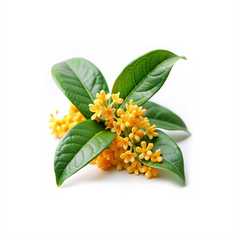
Apricot Blossom is a heart note in perfumery, known for its soft, fruity floral aroma. This note is often constructed synthetically, capturing the essence of the apricot tree's bloom.

Apricot Blossom
Ingredient Profile

Apricot Blossom

Floral Fruity Family
Family Floral Fruity
Note Position Heart Note
Usage Level 5-15%
Key Origins Turkey, Uzbekistan, Iran
The Ingredient

What does Apricot Blossom smell like and why is it significant in perfumery?

Apricot Blossom, derived from the flowers of the Prunus armeniaca tree, presents a delicate floral scent with fruity undertones. This note is characterized by its soft, sweet aroma, often described as airy and uplifting. The primary components of this scent profile include benzaldehyde, gamma-decalactone, and linalool, which contribute to its unique character. In perfumery, it typically serves as a heart note, used at concentrations of 5-15%. Its interaction with skin chemistry can enhance its sweetness, making it a popular choice for spring and summer fragrances. Notably, Apricot Blossom is featured in various modern compositions, bridging the gap between classic florals and contemporary fruity scents. Examples include Lancôme's Trésor and Britney Spears' Circus Fantasy, where it adds a playful and romantic touch to the overall fragrance.

5-15%
Typical concentration of Apricot Blossom in fragrances, allowing for a balanced floral and fruity profile.
3-4 hours
Average longevity of fragrances featuring Apricot Blossom, depending on skin chemistry and application method.
1-2 sprays
Recommended application for optimal projection without overwhelming the senses.
Origin & Extraction

Where Apricot Blossom Comes From — Origin & Extraction

Apricot Blossoms thrive in regions with temperate climates, rich soil, and ample sunlight, contributing to their sweet and fruity scent profile. The unique characteristics of each origin can influence the overall fragrance experience.

Apricot Blossom originates from the Prunus armeniaca tree, commonly found in temperate regions such as Turkey, Uzbekistan, Iran, Italy, China, and Spain. The blossoms typically bloom in early spring, characterized by their pale pink to white flowers. However, it is important to note that Apricot Blossom does not yield an extractable oil; instead, its scent is often created synthetically using aroma chemicals. The primary synthetic components include benzaldehyde (CAS 100-52-7), gamma-decalactone (CAS 706-14-9), and linalool (CAS 78-70-6), which mimic the delicate floral and fruity characteristics of the blossom. The synthetic reconstruction allows perfumers to achieve a consistent and versatile scent profile, making it a popular choice in modern perfumery.

TR

Turkey

Turkey is renowned for its apricot orchards, producing blossoms with a vibrant and fruity scent that reflects its sunny climate and fertile grounds.

UZ

Uzbekistan

Uzbekistan's diverse agricultural landscape allows for the cultivation of apricot trees, resulting in blossoms that are both fragrant and visually appealing.

IR

Iran

Iran's apricot blossoms are celebrated for their rich aroma, often used in traditional perfumes and cultural practices.

IT

Italy

In Italy, apricot trees flourish in regions like Emilia-Romagna, where the blossoms contribute to the local fragrance industry.

CN

China

China's apricot blossoms are known for their delicate fragrance, often incorporated into various artisanal products.

ES

Spain

Spain's warm climate supports the growth of apricot trees, yielding blossoms that enhance the country's perfumery heritage.

Chemistry

Natural vs Synthetic Apricot Blossom in Perfumery

Apricot Blossom is primarily a synthetic reconstruction, as no commercial extraction exists for the actual flower. The scent is typically created using a combination of aroma chemicals, including benzaldehyde, gamma-decalactone, and linalool. These compounds provide the characteristic sweet, floral, and slightly fruity notes associated with Apricot Blossom. The synthetic version allows for greater consistency and versatility in fragrance formulations. While natural materials can offer depth and complexity, synthetic ingredients provide a broader palette for perfumers to create unique olfactory experiences. Notably, the synthetic approach also allows for better control over allergens and irritants, making it a safer choice in many applications.

Natural
Apricot Blossom Absolute
Cost $3,000–6,000/kg
Method Solvent / CO₂
Character Complex, variable
vs
Synthetic
Safranal & Analogues
Cost $50–200/kg
Method Lab synthesis
Character Consistent, stable
Hall of Fame

Famous Fragrances That Define Apricot Blossom in Perfumery

Apricot Blossom has been featured in numerous notable fragrances, showcasing its versatility and appeal. Here are some key examples: 1. **Trésor by Lancôme (1990)** - A classic floral fragrance that incorporates Apricot Blossom as a heart note, blending it with rose and peach for a romantic profile. 2. **Circus Fantasy by Britney Spears (2009)** - This playful scent uses Apricot Blossom to add a fruity floral touch, harmonizing with sweet notes of cotton candy and vanilla. 3. **Jour d'Hermès Absolu by Hermès (2014)** - A sophisticated floral composition where Apricot Blossom enhances the overall brightness and warmth of the fragrance. 4. **Jimmy Choo Floral by Jimmy Choo (2019)** - This modern floral scent features Apricot Blossom, adding a fresh and vibrant character to the blend. 5. **Hypnotic Vanilla by Zara (2020)** - A gourmand fragrance that utilizes Apricot Blossom to balance its sweet vanilla base with a touch of floral elegance. These fragrances highlight the unique role of Apricot Blossom in creating uplifting and joyful scent experiences.

The Accord

How is a captivating Apricot Blossom accord crafted?

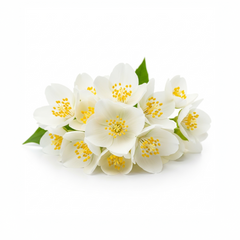
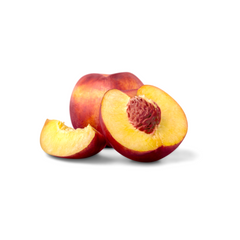
The Apricot Blossom accord is a delicate blend that captures the essence of spring. It typically consists of: - **Apricot Blossom 30-35%**: The core of the accord, providing a soft, floral sweetness. - **Peach 20-25%**: Enhances the fruity aspect, mirroring the sweetness of apricot. - **Jasmine 15-20%**: Adds depth and complexity, complementing the floral notes. - **Benzoin 20-25%**: Provides a warm, resinous base that enriches the overall composition.

30-35%

Apricot Blossom

30-35% of blend

The core of the accord, providing a soft, floral sweetness.

20-25%

Peach

20-25% of blend

Enhances the fruity aspect, mirroring the sweetness of apricot.

15-20%

Jasmine

15-20% of blend

Adds depth and complexity, complementing the floral notes.

20-25%

Benzoin

20-25% of blend

Provides a warm, resinous base that enriches the overall composition.

The Olfactory Layers

How Apricot Blossom Evolves on Skin

The olfactory evolution of Apricot Blossom unfolds in three stages, revealing its complex character over time.

I
Top notes
0–15 min
Opening

Initially, the fragrance opens with a bright burst of fruity sweetness, characterized by the presence of benzaldehyde, which imparts a sharp, almond-like aroma. This stage is lively and inviting, drawing attention to the freshness of the apricot blossom.

FruityBrightInviting
II
Heart notes
20–60 min
Heart

As the fragrance develops, the heart reveals a soft floral character enriched by creamy peach notes. This stage offers a romantic and lush experience, enhancing the overall sweetness and floral complexity.

FloralRomanticLush
III
Base notes
Several hours
Drydown

The dry down presents a warm, resinous quality with hints of vanilla and amber, providing a comforting foundation that lingers on the skin. This finale leaves a gentle trail of sweetness and warmth.

WarmResinousComforting
TOP NOTES Opening 0–15 minutes HEART NOTES Heart 20–60 minutes BASE NOTES Drydown Several hours
Through the Ages

The Story of Apricot Blossom in Perfumery

The history of Apricot Blossom in perfumery reflects its evolution from traditional uses to modern applications.

Ancient Times

Cultural Significance

Apricot blossoms have been celebrated in various cultures for centuries, symbolizing renewal and beauty.

19th Century

Emergence in Perfumery

The use of floral notes in perfumery began to gain popularity, with apricot blossoms being noted for their delicate scent.

20th Century

Synthetic Reconstruction

The development of synthetic aroma chemicals allowed perfumers to recreate the scent of apricot blossoms, leading to its incorporation in modern fragrances.

2000s

Rise in Popularity

Apricot Blossom became a sought-after note in contemporary perfumery, featured in various high-profile fragrances.

2020s

Modern Interpretations

Perfumers continue to explore the versatility of Apricot Blossom, blending it with other notes to create unique compositions.

The Art of Layering

How to Layer Apricot Blossom

When considering how to layer Apricot Blossom, it's essential to focus on complementary notes that enhance its fruity and floral characteristics.

01

Enhance Floral Elegance

Pairing Apricot Blossom with jasmine creates a seamless blend, as both share floral qualities that enhance each other's brightness. This combination is ideal for creating a romantic and uplifting scent profile.

02

Add Fruity Depth

Layering with nectarine or raspberry can amplify the fruity aspect of Apricot Blossom, resulting in a vibrant and lively fragrance. This combination is perfect for summer wear.

03

Create Warmth

Combining Apricot Blossom with warm notes like amber or sandalwood adds depth and longevity, making it suitable for evening wear or cooler weather.

Wear It Right

How to Wear Apricot Blossom Like a Pro

Seasonal Guide

Fall & Winter

While Apricot Blossom can be worn year-round, its fruity freshness shines brightest in warmer months. In colder weather, it may feel less vibrant.

Spring

Spring is the ideal season for Apricot Blossom, as it mirrors the blooming of flowers and the renewal of life, enhancing its uplifting qualities.

Summer

The light and airy nature of Apricot Blossom makes it perfect for summer wear, providing a refreshing and joyful scent during hot days.

Year-Round Tip

For year-round wear, consider layering Apricot Blossom with warmer notes like amber or vanilla to create a comforting fragrance experience.

Application Points

Strategic application of Apricot Blossom enhances its scent profile and longevity.

1

Neck

Applying fragrance to the neck allows for warmth and movement, enhancing projection.

2

Behind the Ears

This pulse point radiates heat, helping the fragrance to develop and diffuse beautifully.

3

Inner Wrists

The inner wrists are ideal for fragrance application, as they can be rubbed together to release the scent throughout the day.

4

Hair

Spraying fragrance on hair provides a subtle scent trail that lingers as you move.

Pro Tip

For a longer-lasting scent, apply a fragrance-free moisturizer before applying Apricot Blossom to help it adhere better to the skin.

Mood Architecture™

Top Apricot Blossom Fragrances by Mood Score

These Apricot Blossom-based fragrances scored highest on the MEI™ Mood Architecture Framework — measuring how a scent may influence your emotional state.

Highest MEI Score
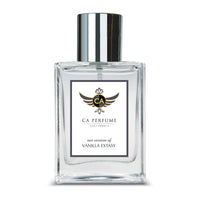
Vanilla Extasy — Montale Vanilla Extasy Alternative Perfume
7.36
MEI™
Primary Romantic
Secondary Confident
Confidence
6.56
Presence
7.0
Mood Lift
7.83
Identity
6.82
Warmth
9.5
Social Ease
7.37
Energy
3.1
" I am beautiful.
View full mood profile →
HumanSafe™

Top Apricot Blossom Fragrances by HumanSafe™ Score

These Apricot Blossom-based fragrances have the highest product-level HumanSafe™ scores in this ingredient collection.

Highest HumanSafe™ Score
Vanilla Extasy — Montale Vanilla Extasy Alternative Perfume
A-
HumanSafe™ Score Generally Safe
Safest Evaluated Ingredients EDP
AQUA Solvent / Carrier ISS 10.0
1,4-DIOXACYCLOHEPTADECANE-5,17-DIONE Evaluated ingredient ISS 10.0
BENZYL SALICYLATE Evaluated ingredient ISS 9.0
4H-INDEN-4-ONE, 1,2,3,5,6,7-HEXAHYDRO-1,1,2,3,3- Evaluated ingredient ISS 9.0
3-CYCLOPENTENE-1-ACETALDEHYDE, 2,2,3-TRIMETHYL-, Evaluated ingredient ISS 9.0
View full safety profile →
Expert Voices

What Masters Say About Apricot Blossom

Apricot Blossom is a fantasy accord, a perfumer's reconstruction of an imagined scent, built from synthetic and semi-synthetic building blocks.
CA Perfume Editorial
The delicate sweetness of Apricot Blossom captures the essence of spring, making it a favorite among perfumers for creating uplifting fragrances.
CA Perfume Editorial
Common Questions

Frequently Asked Questions

Frequently asked questions about Apricot Blossom in perfumery.

Apricot Blossom in perfume offers a delicate floral scent with fruity undertones, characterized by sweetness and warmth. It evokes the essence of spring blooms, making it a popular choice for fresh and uplifting fragrances.

Apricot Blossom is primarily a heart note in fragrances, providing a soft floral character that develops after the initial top notes.

Apricot Blossom's unique blend of floral and fruity characteristics makes it versatile, allowing it to bridge the gap between classic and modern scents, which is highly sought after in niche perfumery.

Apricot Blossom pairs beautifully with white florals like jasmine and gardenia, as well as fruity notes like peach and nectarine, enhancing its sweetness and floral elegance.

Yes, Apricot Blossom is ideal for summer fragrances due to its fresh and fruity characteristics, providing a bright and uplifting experience.

Fragrances featuring Apricot Blossom typically last around 3-4 hours, depending on skin chemistry and application method.

Yes, Apricot Blossom can be layered with other floral or fruity notes to create a unique scent profile, enhancing its delicate sweetness.

For beginners, fragrances like Lancôme's Trésor and Britney Spears' Circus Fantasy are excellent choices, showcasing the beauty of Apricot Blossom in a balanced composition.

To choose the right Apricot Blossom fragrance, consider your personal scent preferences, the occasion, and whether you prefer a lighter or more intense formulation.

Apricot Blossom primarily smells floral with a sweet undertone, capturing the essence of spring blooms while offering a playful fruitiness.

Floral Fruity Collection

Explore Our Top Apricot Blossom Fragrances

Discover the best fragrances featuring the enchanting Apricot Blossom note.

Shop all apricot blossom fragrances at CA Perfume →

Where Apricot Blossom Comes From — Origin & Extraction

Apricot Blossom originates from the Prunus armeniaca tree, commonly found in temperate regions such as Turkey, Uzbekistan, Iran, Italy, China, and Spain. The blossoms typically bloom in early spring, characterized by their pale pink to white flowers. However, it is important to note that Apricot Blossom does not yield an extractable oil; instead, its scent is often created synthetically using aroma chemicals. The primary synthetic components include benzaldehyde (CAS 100-52-7), gamma-decalactone (CAS 706-14-9), and linalool (CAS 78-70-6), which mimic the delicate floral and fruity characteristics of the blossom. The synthetic reconstruction allows perfumers to achieve a consistent and versatile scent profile, making it a popular choice in modern perfumery.

Famous Fragrances That Define Apricot Blossom in Perfumery

Apricot Blossom has been featured in numerous notable fragrances, showcasing its versatility and appeal. Here are some key examples: 1. **Trésor by Lancôme (1990)** - A classic floral fragrance that incorporates Apricot Blossom as a heart note, blending it with rose and peach for a romantic profile. 2. **Circus Fantasy by Britney Spears (2009)** - This playful scent uses Apricot Blossom to add a fruity floral touch, harmonizing with sweet notes of cotton candy and vanilla. 3. **Jour d'Hermès Absolu by Hermès (2014)** - A sophisticated floral composition where Apricot Blossom enhances the overall brightness and warmth of the fragrance. 4. **Jimmy Choo Floral by Jimmy Choo (2019)** - This modern floral scent features Apricot Blossom, adding a fresh and vibrant character to the blend. 5. **Hypnotic Vanilla by Zara (2020)** - A gourmand fragrance that utilizes Apricot Blossom to balance its sweet vanilla base with a touch of floral elegance. These fragrances highlight the unique role of Apricot Blossom in creating uplifting and joyful scent experiences.

Natural vs Synthetic Apricot Blossom in Perfumery

Apricot Blossom is primarily a synthetic reconstruction, as no commercial extraction exists for the actual flower. The scent is typically created using a combination of aroma chemicals, including benzaldehyde, gamma-decalactone, and linalool. These compounds provide the characteristic sweet, floral, and slightly fruity notes associated with Apricot Blossom. The synthetic version allows for greater consistency and versatility in fragrance formulations. While natural materials can offer depth and complexity, synthetic ingredients provide a broader palette for perfumers to create unique olfactory experiences. Notably, the synthetic approach also allows for better control over allergens and irritants, making it a safer choice in many applications.