Ingredient Guide · Floral Fruity
Floral Fruity Family · Perfumery Note

Apple Tree Blossom

A delicate, fresh floral with a crisp, orchard-inspired character.

Apple Tree Blossom is a heart note in perfumery, prized for its light, spring-like floralcy and subtle fruitiness. Its scent profile is shaped by benzaldehyde, cis-3-hexenol, and terpenes, used at 0.5–2% for nuanced freshness.

Apple Tree Blossom
Ingredient Profile

Apple Tree Blossom

Floral Fruity Family
Family Floral Fruity
Note Position Heart Note
Usage Level 0.5–2%
Key Origins China, United States, Poland
Iconic In Tommy Girl, Crab Apple Blossom
The Ingredient

What does Apple Tree Blossom smell like and why is it significant in perfumery?

Apple Tree Blossom, derived from Malus domestica, is classified botanically as a floral note but is unique in its ability to bridge floral and fruity accords. The scent profile is defined by a blend of benzaldehyde (providing almond-like sweetness), cis-3-hexenol (green, dewy freshness), acetylacetone, benzonitrile, benzyl alcohol, and terpenes such as geranilacetone and limonene. These compounds collectively produce a light, airy floralcy with a subtle, crisp fruitiness reminiscent of freshly blossomed orchards in spring. The overall effect is a fantasy floral-fruity character, often described as dewy, slightly sweet, and with a faint green undertone, distinguishing it from more opulent white florals or overtly juicy fruit notes. In perfumery, apple tree blossom is most commonly used as a heart note, where its moderate volatility allows it to persist through the fragrance’s evolution without dominating the composition. Typical usage concentrations range from 0.5% to 2% of the total formula, depending on the desired intensity and the balance with other floral or fruity notes. Its interaction with skin chemistry is subtle—on acidic skin, the green facets may be more pronounced, while warmer, alkaline skin can amplify the sweet, creamy undertones. Apple tree blossom in perfumery is valued for its versatility, seamlessly integrating with both fresh and gourmand compositions. Notable fragrances that exemplify the use of apple tree blossom include Tommy Hilfiger’s Tommy Girl (1996, Calice Becker), where it forms a crisp, youthful floral heart alongside camellia and blackcurrant, and Clive Christian’s Crab Apple Blossom (2020, Beverley Bayne), which highlights the note’s dewy, spring-like qualities in a modern luxury context. These examples demonstrate how apple tree blossom can serve as both a central motif and a supporting nuance in contemporary perfumery.

0.5–2%
Typical concentration of apple tree blossom accord in fine fragrance formulas, balancing projection with subtlety and avoiding overpowering the composition.
180–250 USD/kg
Approximate cost of high-quality synthetic apple blossom accord, reflecting the affordability and sustainability compared to rare natural floral extracts.
4–6 hours
Average longevity of apple tree blossom as a heart note, with projection strongest in the first 2 hours due to the volatility of key esters and aldehydes.
Origin & Extraction

Where Apple Tree Blossom Comes From — Origin & Extraction

The scent character of apple tree blossom is shaped by the climate and soil of temperate regions, where cool springs and well-drained soils yield blossoms with heightened aromatic complexity.

Apple tree blossom is sourced from Malus domestica, a species native to Central Asia but now cultivated globally in temperate regions. Major apple-producing countries include China (over 40 million metric tons annually), the United States, Poland, France, and Italy. However, the use of actual apple tree blossoms in perfumery is exceedingly rare due to the low yield and fragility of the flowers. Instead, the apple blossom note is typically reconstructed as a 'fantasy' accord using a combination of natural isolates and synthetic aroma chemicals. Extraction of apple blossom essential oil by traditional means (steam distillation or solvent extraction) is not commercially viable, as the delicate flowers yield negligible amounts of volatile oil and are prone to degradation. Instead, perfumers employ headspace technology to analyze the volatile compounds emitted by fresh blossoms, then recreate the scent using molecules such as benzaldehyde, cis-3-hexenol, geranilacetone, and limonene. The cost of creating a high-quality apple blossom accord is generally lower than true absolutes, with synthetic blends priced around $180–250 per kilogram, compared to $2,000+/kg for rare natural floral absolutes. Sustainability is a key consideration: the synthetic approach avoids the ecological impact of harvesting large quantities of blossoms, which would disrupt pollination and fruit production. The apple blossom note as used in modern perfumery is thus both environmentally responsible and consistent in quality, with no IFRA restrictions currently in place for the main synthetic components.

CN

China

The Shandong and Shaanxi provinces are major apple producers, with cool, temperate climates and loamy soils. Blossoms here are noted for their pronounced green and fresh facets. China accounts for over 40% of global apple production.

US

United States

Washington State and New York are leading apple regions. The Pacific Northwest’s volcanic soils and cool nights yield blossoms with a crisp, tart aroma. The U.S. produces over 4 million metric tons of apples annually.

PL

Poland

Mazovia and Lubelskie regions are renowned for high-quality apples. The continental climate and mineral-rich soils result in blossoms with a balanced floral and fruity profile. Poland is the EU’s largest apple producer.

FR

France

Normandy and Loire Valley orchards are known for their traditional cultivation and protected designations. Blossoms from these regions have a subtle, creamy floralcy due to the maritime climate and clay-limestone soils.

Chemistry

Natural vs Synthetic Apple Tree Blossom in Perfumery

In perfumery, apple tree blossom is almost exclusively represented by synthetic or 'fantasy' accords due to the impracticality of extracting natural essence from the flowers. The primary molecules used in these reconstructions include benzaldehyde (CAS 100-52-7), which imparts an almond-like sweetness; cis-3-hexenol (CAS 928-96-1), responsible for green, dewy freshness; and geranilacetone (CAS 105-87-3), which adds a subtle floral-woody nuance. Other supporting molecules such as acetylacetone, benzonitrile, and limonene are used to round out the profile. Synthetic apple blossom accords offer superior stability, longevity, and batch-to-batch consistency compared to hypothetical natural extracts. They are also significantly more cost-effective, with synthetic blends costing $180–250/kg versus the prohibitive cost and environmental impact of natural extraction. Notable fragrances using synthetic apple blossom include Tommy Girl (Tommy Hilfiger, 1996) and Crab Apple Blossom (Clive Christian, 2020). The HumanSafe™ platform ensures that all aroma chemicals used in CA Perfume’s apple blossom accords are fully traceable and IFRA-compliant, supporting both safety and transparency. While natural perfumery sometimes employs apple blossom tinctures for artisanal blends, these are rare and lack the projection and clarity of synthetic accords. The use of synthetics also avoids the ecological disruption of blossom harvesting, making it the preferred approach for both mainstream and niche perfumery.

Natural
Apple Tree Blossom Absolute
Cost $3,000–6,000/kg
Method Solvent / CO₂
Character Complex, variable
vs
Synthetic
Safranal & Analogues
Cost $50–200/kg
Method Lab synthesis
Character Consistent, stable
Hall of Fame

Famous Fragrances That Define Apple Tree Blossom in Perfumery

1996
heart note

Tommy Girl

Tommy Hilfiger
by Calice Becker
CamelliaBlackcurrantCitrusMagnolia
2020
dominant note

Crab Apple Blossom

Clive Christian
by Beverley Bayne
Marine NotesBergamotSandalwoodMoss
2019
accent

Mellow Yellow

Anna Sui
PeonyJasmineMusk
2006
supporting note

Lovely Prism

Givenchy
RoseVioletPeach
2007
bridge note

Usher She

Usher
by Honorine Blanc
PeachHoneysuckleCreamy Woods

Apple tree blossom has played a pivotal role in shaping the modern floral-fruity genre, serving as a bridge between crisp fruit and delicate florals. One of the earliest and most influential uses is Tommy Girl by Tommy Hilfiger (1996, Calice Becker), where apple blossom forms the heart of a composition that balances camellia, blackcurrant, and citrus. Clive Christian’s Crab Apple Blossom (2020, Beverley Bayne) revives a historical motif with a contemporary twist, emphasizing the dewy, green, and subtly sweet facets of the note. Anna Sui’s Mellow Yellow (2019) and Givenchy’s Lovely Prism (2006) both utilize apple tree blossom to impart a youthful, luminous quality, pairing it with peony, jasmine, and soft musks. Usher She (2007, Honorine Blanc) demonstrates the note’s versatility in a more gourmand context, blending it with peach, honeysuckle, and creamy woods. Bath & Body Works’ Sunset by the Pool (2014) and Avon’s Local Nature Lavender (2018) showcase apple blossom as a supporting note in accessible, everyday fragrances. Chronologically, the note’s evolution reflects broader shifts in perfumery: from the transparent, aquatic florals of the late 1990s to the layered, gourmand-inflected florals of the 2010s and 2020s. CA Perfume’s collection draws inspiration from this lineage, offering apple blossom accords that capture both the freshness of spring and the comforting sweetness of orchard fruit.

The Accord

How is a captivating Apple Tree Blossom accord crafted?

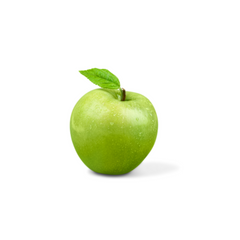
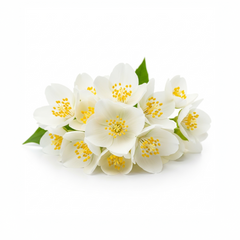
A balanced apple tree blossom accord typically consists of: Apple Blossom (25–30%), Jasmine (20–25%), Green Apple (20–25%), and Musk (25–30%). Apple Blossom provides the core floral-fruity character via benzaldehyde and terpenes. Jasmine adds indolic floralcy and depth, while Green Apple introduces crisp, tart freshness through esters like hexyl acetate. Musk ensures a soft, diffusive drydown, enhancing longevity and rounding off sharp edges.

30%

Apple Tree Blossom

25–30% of blend

Supplies the central floral-fruity character, primarily via benzaldehyde and terpenes, evoking the scent of fresh blossoms.

25%

Jasmine

20–25% of blend

Provides indolic, creamy floralcy, enhancing the naturalistic impression and adding complexity to the heart.

25%

Green Apple

20–25% of blend

Contributes crisp, tart freshness through esters like hexyl acetate, reinforcing the fruitiness of the accord.

30%

Musk

25–30% of blend

Acts as a fixative and softener, increasing diffusion and providing a clean, airy drydown that supports the floral and fruity notes.

The Olfactory Layers

How Apple Tree Blossom Evolves on Skin

Apple tree blossom fragrances evolve from a crisp, green opening to a soft, musky floral heart, finishing with a gentle, woody drydown. High-volatility esters and aldehydes dominate the top, while heavier musks and woods anchor the base.

I
Top notes
0–15 min
Crisp Orchard Dawn

The initial impression is shaped by volatile esters (hexyl acetate, ethyl-2-methyl butyrate) and benzaldehyde, delivering a burst of crisp green apple, dewy petals, and a faint almond sweetness. These molecules evaporate quickly, giving a fresh, airy opening.

CrispDewyGreen
II
Heart notes
20–60 min
Spring Floralcy

As the top fades, the heart reveals the full floralcy of apple tree blossom, supported by jasmine and peony notes. Cis-3-hexenol and geranilacetone provide green and floral nuances, while musks begin to emerge, softening the overall profile.

FloralFruitySoft
III
Base notes
Several hours
Soft Woody Musk

The drydown is anchored by white musk, cedarwood, and subtle amber. These low-volatility molecules provide a clean, slightly woody foundation, ensuring the fragrance lingers with a gentle, comforting aura.

MuskyWoodyClean
TOP NOTES Crisp Orchard Dawn 0–15 minutes HEART NOTES Spring Floralcy 20–60 minutes BASE NOTES Soft Woody Musk Several hours
Through the Ages

The Story of Apple Tree Blossom in Perfumery

Apple tree blossom’s journey in perfumery spans from ancient symbolism to modern synthetic accords, reflecting advances in both agriculture and fragrance chemistry.

Antiquity

Apple Blossom in Ancient Symbolism

Apple blossoms were revered in ancient Greek and Roman cultures as symbols of love and renewal, though not yet used in perfumery due to extraction limitations.

19th Century

Early Botanical Studies

Botanists in Europe, particularly in France and England, catalog apple tree varieties and note the delicate scent of their blossoms, inspiring early attempts at tinctures.

1996

Tommy Girl Launches

Calice Becker’s Tommy Girl for Tommy Hilfiger introduces apple tree blossom as a central heart note, popularizing the floral-fruity genre in mainstream perfumery.

2006–2020

Rise of Synthetic Apple Blossom Accords

Advances in headspace analysis and aroma chemistry enable precise reconstruction of apple blossom’s scent, leading to its widespread use in both niche and designer fragrances.

2020

Clive Christian Crab Apple Blossom

Beverley Bayne revives the historical Crab Apple Blossom motif with a modern, dewy interpretation, cementing apple blossom’s place in luxury perfumery.

The Art of Layering

How to Layer Apple Tree Blossom

Understanding how to layer apple tree blossom is key to maximizing its versatility. Molecular compatibility with musks, vanillin, and citrus esters allows for creative, harmonious blends.

01

Enhance Sweetness

Pairing apple tree blossom with vanilla or tonka bean leverages vanillin’s olfactory masking, which softens the tart green facets and amplifies creamy sweetness. This technique is demonstrated in Usher She, where vanilla rounds out the fruity-floral heart.

02

Add Depth

Layering with woody notes such as cedarwood or sandalwood introduces sesquiterpenes that anchor the volatile esters, increasing longevity and adding a subtle, resinous warmth. Crab Apple Blossom by Clive Christian exemplifies this pairing.

03

Brighten the Freshness

Combining apple tree blossom with citrus notes (bergamot, lemon) utilizes shared aldehydes and esters, reinforcing the crisp, dewy opening. Tommy Girl showcases this synergy, resulting in a sparkling, energetic top accord.

Wear It Right

How to Wear Apple Tree Blossom Like a Pro

Seasonal Guide

Fall & Winter

In cooler weather, the green and musky facets of apple tree blossom are more restrained, resulting in a softer, more intimate scent. Apply to pulse points under clothing to enhance warmth and diffusion. Layer with woody or amber notes for added depth.

Spring

Spring’s mild temperatures allow the floral and fruity aspects to bloom fully. The note projects well in moderate humidity, making it ideal for daytime wear. Pair with other fresh florals for a vibrant, uplifting effect.

Summer

Heat increases the volatility of top notes, amplifying the crisp, dewy freshness of apple tree blossom. Apply sparingly to avoid overwhelming projection, and consider layering with citrus or aquatic notes for a cooling, refreshing impression.

Year-Round Tip

For consistent performance, apply apple tree blossom fragrances to well-moisturized skin and avoid excessive layering in high humidity. Adjust application based on temperature to maintain balance between freshness and longevity.

Application Points

Strategic application enhances the evolving facets of apple tree blossom throughout the day.

1

Neck

Application on the neck leverages body heat to diffuse the crisp, floral top notes, ensuring a fresh, airy opening that is easily perceived by others.

2

Behind the Ears

This area maintains a stable temperature, allowing the musky and floral heart notes to linger and evolve gradually, enhancing the scent’s longevity.

3

Inner Wrists

Pulse points on the wrists accelerate the evaporation of volatile esters, highlighting the green, fruity aspects in the first hour of wear.

4

Hair

Spraying on hair provides a subtle, long-lasting sillage as the fragrance is released with movement, emphasizing the clean, musky drydown.

★

Pro Tip

Layer apple tree blossom with a light, unscented moisturizer to improve adhesion and slow evaporation, resulting in a more balanced scent evolution.

Mood Architecture™

Top Apple Tree Blossom Fragrances by Mood Score

These Apple Tree Blossom-based fragrances scored highest on the MEI™ Mood Architecture Framework — measuring how a scent may influence your emotional state.

Highest MEI Score
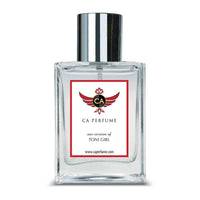
Toni Girl — Tommy Girl Alternative Perfume
7.6
MEI™
Primary Fresh
Secondary Confident
Confidence
7.35
Presence
7.95
Mood Lift
8.5
Identity
7.45
Warmth
7.45
Social Ease
7.42
Energy
5.27
" I am radiant.
View full mood profile →
HumanSafe™

Top Apple Tree Blossom Fragrances by HumanSafe™ Score

These Apple Tree Blossom-based fragrances have the highest product-level HumanSafe™ scores in this ingredient collection.

Highest HumanSafe™ Score
Toni Girl — Tommy Girl Alternative Perfume
A-
HumanSafe™ Score Generally Safe
Safest Evaluated Ingredients EDP
AQUA Solvent / Carrier ISS 10.0
ACETIC ACID, PHENYLMETHYL ESTER Evaluated ingredient ISS 10.0
1,4-DIOXACYCLOHEPTADECANE-5,17-DIONE Evaluated ingredient ISS 10.0
LINALOOL Evaluated ingredient ISS 7.0
CITRONELLOL Evaluated ingredient ISS 7.0
ALCOHOL DENAT. Solvent / Carrier ISS 7.0
View full safety profile →
Expert Voices

What Masters Say About Apple Tree Blossom

“
The apple blossom fragrance, which, in my opinion, is not sufficiently favored by perfumers, has also been studied, although not in such detail. Its main components are benzaldehyde, cis-3-hexenol, acetylacetone, benzonitrile, benzyl alcohol, and terpenes (geranilacetone, limonene, longifolene, β-caryophyllene).
Matvey Yudov, Fragrantica
“
Apple tree blossom is a fantasy floral-fruity note, light and spring-like, constructed using a blend of synthetic aroma chemicals for consistency and sustainability.
CA Perfume Editorial
Common Questions

Frequently Asked Questions

Answers to common questions about apple tree blossom in perfumery.

Apple tree blossom in perfume is characterized by a light, dewy floralcy with subtle fruity and green nuances. The scent is shaped by molecules such as benzaldehyde (almond sweetness), cis-3-hexenol (green freshness), and terpenes, resulting in a profile that is fresh, airy, and slightly tart. It is neither overly sweet nor intensely fruity, making it a versatile heart note in modern floral-fruity compositions.

Apple tree blossom is typically used as a heart note in perfumery. Its moderate volatility allows it to persist after the top notes evaporate, providing a floral-fruity bridge between the opening and the drydown. In most formulas, it appears 10–30 minutes after application and lasts several hours.

Apple tree blossom’s nuanced scent profile—combining floral, fruity, and green facets—makes it highly adaptable for niche perfumery. Its ability to evoke both freshness and subtle sweetness allows perfumers to create innovative, modern compositions that stand out from traditional florals. The note’s synthetic reconstruction also ensures consistency and sustainability.

Apple tree blossom fragrance uses often involve pairing with green apple, jasmine, peony, musk, cedarwood, and bergamot. These notes share compatible molecular structures (esters, aldehydes, musks) that reinforce the crisp, dewy, and soft aspects of the accord. Vanilla and sandalwood can be added for warmth and longevity.

Yes, apple tree blossom’s fresh, airy character makes it particularly well-suited for summer and warm climates. The volatility of its top notes is enhanced by heat, resulting in a lively, uplifting scent. However, application should be moderated to avoid overwhelming projection in high temperatures.

Apple tree blossom fragrances generally last 4–6 hours on the skin, with the heart note persisting for most of this duration. Longevity is influenced by concentration (EDP vs EDT) and the presence of fixatives such as musk and cedarwood.

Yes, apple tree blossom is highly layerable due to its molecular compatibility with musks, vanillin, and citrus esters. Popular layering combinations include vanilla for sweetness, cedarwood for depth, and bergamot for brightness. Layering enhances both projection and complexity.

Tommy Girl (Tommy Hilfiger, 1996) and Crab Apple Blossom (Clive Christian, 2020) are widely recommended for their accessible, balanced use of apple tree blossom. Anna Sui’s Mellow Yellow and Givenchy’s Lovely Prism also offer approachable interpretations.

Consider your preferred scent profile—whether you favor crisp, green freshness or creamy, musky florals. CA Perfume offers a range of apple tree blossom-based fragrances, each designed to highlight different facets of the note. Sampling is recommended to find the best match for your skin chemistry and style.

Apple tree blossom is primarily fresh and floral, with subtle sweetness derived from benzaldehyde and fruity esters. It is not as sweet as gourmand notes like vanilla or caramel, making it suitable for those who prefer a light, clean, and uplifting scent.

Floral Fruity Collection

Explore Our Top Apple Tree Blossom Fragrances

Discover CA Perfume’s curated collection of apple tree blossom scents, each capturing the essence of springtime freshness and floral elegance.

Shop all apple tree blossom fragrances at CA Perfume →

Where Apple Tree Blossom Comes From — Origin & Extraction

Apple tree blossom is sourced from Malus domestica, a species native to Central Asia but now cultivated globally in temperate regions. Major apple-producing countries include China (over 40 million metric tons annually), the United States, Poland, France, and Italy. However, the use of actual apple tree blossoms in perfumery is exceedingly rare due to the low yield and fragility of the flowers. Instead, the apple blossom note is typically reconstructed as a 'fantasy' accord using a combination of natural isolates and synthetic aroma chemicals. Extraction of apple blossom essential oil by traditional means (steam distillation or solvent extraction) is not commercially viable, as the delicate flowers yield negligible amounts of volatile oil and are prone to degradation. Instead, perfumers employ headspace technology to analyze the volatile compounds emitted by fresh blossoms, then recreate the scent using molecules such as benzaldehyde, cis-3-hexenol, geranilacetone, and limonene. The cost of creating a high-quality apple blossom accord is generally lower than true absolutes, with synthetic blends priced around $180–250 per kilogram, compared to $2,000+/kg for rare natural floral absolutes. Sustainability is a key consideration: the synthetic approach avoids the ecological impact of harvesting large quantities of blossoms, which would disrupt pollination and fruit production. The apple blossom note as used in modern perfumery is thus both environmentally responsible and consistent in quality, with no IFRA restrictions currently in place for the main synthetic components.

Famous Fragrances That Define Apple Tree Blossom in Perfumery

Apple tree blossom has played a pivotal role in shaping the modern floral-fruity genre, serving as a bridge between crisp fruit and delicate florals. One of the earliest and most influential uses is Tommy Girl by Tommy Hilfiger (1996, Calice Becker), where apple blossom forms the heart of a composition that balances camellia, blackcurrant, and citrus. Clive Christian’s Crab Apple Blossom (2020, Beverley Bayne) revives a historical motif with a contemporary twist, emphasizing the dewy, green, and subtly sweet facets of the note. Anna Sui’s Mellow Yellow (2019) and Givenchy’s Lovely Prism (2006) both utilize apple tree blossom to impart a youthful, luminous quality, pairing it with peony, jasmine, and soft musks. Usher She (2007, Honorine Blanc) demonstrates the note’s versatility in a more gourmand context, blending it with peach, honeysuckle, and creamy woods. Bath & Body Works’ Sunset by the Pool (2014) and Avon’s Local Nature Lavender (2018) showcase apple blossom as a supporting note in accessible, everyday fragrances. Chronologically, the note’s evolution reflects broader shifts in perfumery: from the transparent, aquatic florals of the late 1990s to the layered, gourmand-inflected florals of the 2010s and 2020s. CA Perfume’s collection draws inspiration from this lineage, offering apple blossom accords that capture both the freshness of spring and the comforting sweetness of orchard fruit.

Natural vs Synthetic Apple Tree Blossom in Perfumery

In perfumery, apple tree blossom is almost exclusively represented by synthetic or 'fantasy' accords due to the impracticality of extracting natural essence from the flowers. The primary molecules used in these reconstructions include benzaldehyde (CAS 100-52-7), which imparts an almond-like sweetness; cis-3-hexenol (CAS 928-96-1), responsible for green, dewy freshness; and geranilacetone (CAS 105-87-3), which adds a subtle floral-woody nuance. Other supporting molecules such as acetylacetone, benzonitrile, and limonene are used to round out the profile. Synthetic apple blossom accords offer superior stability, longevity, and batch-to-batch consistency compared to hypothetical natural extracts. They are also significantly more cost-effective, with synthetic blends costing $180–250/kg versus the prohibitive cost and environmental impact of natural extraction. Notable fragrances using synthetic apple blossom include Tommy Girl (Tommy Hilfiger, 1996) and Crab Apple Blossom (Clive Christian, 2020). The HumanSafe™ platform ensures that all aroma chemicals used in CA Perfume’s apple blossom accords are fully traceable and IFRA-compliant, supporting both safety and transparency. While natural perfumery sometimes employs apple blossom tinctures for artisanal blends, these are rare and lack the projection and clarity of synthetic accords. The use of synthetics also avoids the ecological disruption of blossom harvesting, making it the preferred approach for both mainstream and niche perfumery.