Where Amber Comes From — Origin & Extraction
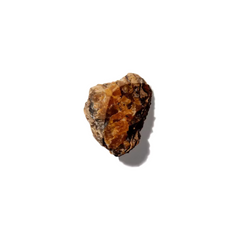
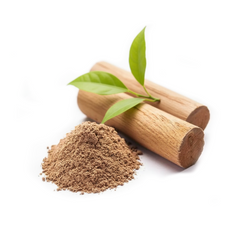
Amber as a perfumery note is a constructed accord, not a direct natural extract. Historically, the term referred to three distinct substances: fossilized amber (succinite, derived from Pinus succinifera and related genera), ambergris (a secretion from Physeter macrocephalus, the sperm whale), and the modern fantasy accord. Fossilized amber is rarely used in perfumery due to its low yield and harsh, phenolic, smoky aroma when destructively distilled (dry distillation at 350–400°C yields less than 1% aromatic oil). Ambergris, once a prized fixative, is now largely replaced by synthetic analogs due to cost (>$20,000/kg) and ethical concerns.
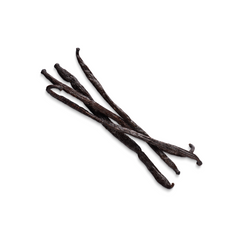
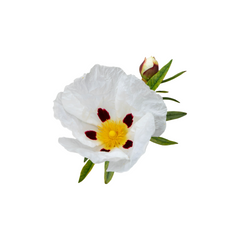
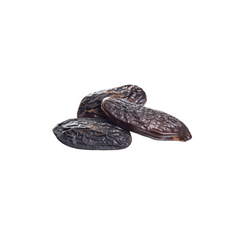
The contemporary amber accord is built from labdanum absolute (solvent-extracted from Cistus ladanifer, primarily produced in Spain and Morocco, global output ~100 metric tons/year), benzoin resinoid (solvent-extracted from Styrax tonkinensis in Laos and Vietnam, ~1,500 metric tons/year), and vanilla or vanillin (Madagascar produces ~80% of global vanilla, but most vanillin is synthetic, at <$20/kg). These ingredients are blended in varying proportions to create the desired warmth, sweetness, and powdery depth. Synthetic molecules such as Ambroxan (from clary sage sclareol, via Firmenich or Symrise, CAS 6790-58-5) and ethyl vanillin (CAS 121-32-4) are used for consistency and performance.
Natural amber oil from fossilized resin is rare and expensive ($3,000–5,000/kg), while synthetic amber accords cost $50–200/kg. Sustainability considerations favor the use of plant-based resins and synthetics over animal-derived ambergris. The shift to synthetic and plant-based amber accords has made the note accessible and ethically viable for modern perfumery.
Famous Fragrances That Define Amber in Perfumery
Amber has shaped the identity of countless fragrances, from early 20th-century orientals to contemporary niche compositions. Guerlain Shalimar (1925, Jacques Guerlain) is often cited as the archetype, using vanillin and labdanum to create a powdery, sweet amber base. Chanel Coco (1984, Jacques Polge) modernized the amber accord with a blend of resins, spices, and florals. Mugler Alien (2005, Dominique Ropion and Laurent Bruyère) features a luminous, modern amber supporting jasmine sambac and cashmeran. Maison Francis Kurkdjian Grand Soir (2016, Francis Kurkdjian) is a minimalist study in amber, focusing on labdanum, benzoin, and vanilla for a radiant, enveloping warmth. Dior Ambre Nuit (2009, François Demachy) uses amber as a bridge between Turkish rose and smoky woods, demonstrating the note’s versatility.
Recent launches such as Giorgio Armani Emporio Armani Stronger With You Amber (2023, Cécile Matton) and Initio Parfums Prives Blessed Baraka (2015) showcase amber’s adaptability in both masculine and unisex contexts. CA Perfume’s collection draws inspiration from this lineage, offering amber-forward compositions that highlight both classic and contemporary interpretations.
Natural vs Synthetic Amber in Perfumery
Natural amber in perfumery may refer to fossilized amber resin or, historically, ambergris. Fossilized amber oil, obtained by dry distillation, is intensely smoky, phenolic, and leathery, with limited use due to its harshness and high cost. Ambergris, a waxy excretion from sperm whales, contains ambrein and ambroxide, imparting marine, animalic, and musky nuances, but is now rarely used due to ethical and regulatory constraints (CITES, IFRA).
Modern amber accords are predominantly synthetic, constructed from molecules such as Ambroxan (CAS 6790-58-5), ethyl vanillin (CAS 121-32-4), and Iso E Super (CAS 54464-57-2). Ambroxan, synthesized from sclareol (clary sage), provides a long-lasting, woody-ambery, musky base with excellent diffusion and stability. Ethyl vanillin and vanillin contribute sweetness and powderiness, while Iso E Super adds transparency and radiance. Synthetic amber accords are more consistent, affordable ($50–200/kg), and sustainable than natural ambergris or fossilized amber oil.
Famous fragrances using natural ambergris include historic Guerlain extraits (pre-1980s), while modern icons such as Dior Ambre Nuit (2009, François Demachy) and Maison Francis Kurkdjian Grand Soir (2016) rely on synthetic amber molecules. The HumanSafe™ platform at CA Perfume ensures full transparency and IFRA compliance for all amber materials, prioritizing plant-based and synthetic sources for ethical and sustainable perfumery.