Ingredient Guide · Amber
Amber Family · Perfumery Note

Amber

A base note that radiates warmth, sweetness, and depth.

Amber is a foundational base note in perfumery, prized for its warm, sweet, and resinous character. Its signature scent comes from a blend of labdanum, benzoin, and vanilla, with typical usage concentrations of 5–20% in oriental and woody compositions.

Amber
Ingredient Profile

Amber

Amber Family
Family Amber
Note Position Heart Note
Usage Level 5–20% in formula
Key Origins Spain, Morocco, Vietnam
Iconic In Shalimar, Coco
The Ingredient

What does Amber smell like and why is it so significant in perfumery?

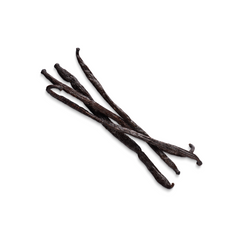
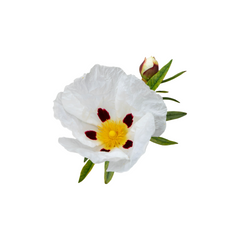
Amber in perfumery is not a single raw material, but a complex accord crafted to evoke warmth, sensuality, and depth. The classic amber scent profile is built from natural resins—primarily labdanum (Cistus ladanifer), benzoin (Styrax tonkinensis or S. benzoin), and vanilla (Vanilla planifolia or synthetic vanillin). These components yield a fragrance that is simultaneously sweet, balsamic, powdery, and slightly spicy, with undertones of honey, tobacco, and soft woods. Key molecules responsible for amber’s character include labdanum’s labdane diterpenes, benzoin’s benzoic acid esters, and vanillin (4-hydroxy-3-methoxybenzaldehyde). Synthetic molecules such as Ambroxan (CAS 6790-58-5) and ethyl vanillin are also frequently used to enhance projection and longevity. In perfumery, amber is almost always classified as a base note due to its high molecular weight and low volatility. It anchors compositions, providing lasting warmth and cohesion between brighter top notes and floral or woody heart notes. Typical concentrations of amber accords in finished fragrances range from 5% in lighter eau de toilettes to over 20% in extrait-strength orientals. Amber’s interaction with skin chemistry is notable: its resins and musks can take on a powdery, creamy, or even animalic nuance depending on individual skin pH and moisture, making it a highly personal and evolving note. Amber in perfumery is exemplified in iconic fragrances such as Maison Francis Kurkdjian Grand Soir (2016), where perfumer Francis Kurkdjian uses labdanum and benzoin to create a luminous, enveloping base, and Mugler Alien (2005), where Dominique Ropion and Laurent Bruyère employ a modern amber accord to support jasmine sambac and cashmeran. These compositions demonstrate how amber’s scent profile can range from golden and sweet to smoky and resinous, depending on the balance of its components.

5–20% in formula
Amber accords are typically used at 5–20% of the total fragrance composition, providing a strong, persistent base without overwhelming the blend.
6–12 hours longevity
Due to its low volatility and fixative properties, amber can last 6–12 hours on skin, with the base notes persisting even longer on fabric or hair.
$50–200/kg (synthetic)
Synthetic amber accords cost $50–200 per kilogram, making them accessible and sustainable compared to natural ambergris or fossilized amber oil, which can exceed $3,000/kg.
Origin & Extraction

Where Amber Comes From — Origin & Extraction

Amber’s scent character is shaped by the origins of its constituent resins. Mediterranean labdanum, Southeast Asian benzoin, and Madagascan vanilla each impart unique nuances, influenced by regional soil, climate, and extraction practices.

Amber as a perfumery note is a constructed accord, not a direct natural extract. Historically, the term referred to three distinct substances: fossilized amber (succinite, derived from Pinus succinifera and related genera), ambergris (a secretion from Physeter macrocephalus, the sperm whale), and the modern fantasy accord. Fossilized amber is rarely used in perfumery due to its low yield and harsh, phenolic, smoky aroma when destructively distilled (dry distillation at 350–400°C yields less than 1% aromatic oil). Ambergris, once a prized fixative, is now largely replaced by synthetic analogs due to cost (>$20,000/kg) and ethical concerns. The contemporary amber accord is built from labdanum absolute (solvent-extracted from Cistus ladanifer, primarily produced in Spain and Morocco, global output ~100 metric tons/year), benzoin resinoid (solvent-extracted from Styrax tonkinensis in Laos and Vietnam, ~1,500 metric tons/year), and vanilla or vanillin (Madagascar produces ~80% of global vanilla, but most vanillin is synthetic, at Natural amber oil from fossilized resin is rare and expensive ($3,000–5,000/kg), while synthetic amber accords cost $50–200/kg. Sustainability considerations favor the use of plant-based resins and synthetics over animal-derived ambergris. The shift to synthetic and plant-based amber accords has made the note accessible and ethically viable for modern perfumery.

ES

Spain

Andalusia is the principal source of labdanum absolute, with Cistus ladanifer thriving in calcareous, sun-drenched soils. Spanish labdanum is prized for its rich, balsamic, leathery aroma and accounts for over 70% of global production.

MA

Morocco

The Rif and Atlas Mountains yield labdanum with a drier, more herbal profile due to higher altitude and arid conditions. Moroccan labdanum is often used for its slightly sharper, more resinous character.

VN

Vietnam

Northern Vietnam is a major producer of benzoin resinoid from Styrax tonkinensis. The region’s humid, subtropical climate produces benzoin with a pronounced vanilla-balsamic sweetness, contributing to the smoothness of amber accords.

MG

Madagascar

Sava and Analanjirofo regions supply most of the world’s natural vanilla. The volcanic soil and tropical climate yield vanilla beans with high vanillin content, imparting creamy, powdery sweetness to amber blends.

Chemistry

Natural vs Synthetic Amber in Perfumery

Natural amber in perfumery may refer to fossilized amber resin or, historically, ambergris. Fossilized amber oil, obtained by dry distillation, is intensely smoky, phenolic, and leathery, with limited use due to its harshness and high cost. Ambergris, a waxy excretion from sperm whales, contains ambrein and ambroxide, imparting marine, animalic, and musky nuances, but is now rarely used due to ethical and regulatory constraints (CITES, IFRA). Modern amber accords are predominantly synthetic, constructed from molecules such as Ambroxan (CAS 6790-58-5), ethyl vanillin (CAS 121-32-4), and Iso E Super (CAS 54464-57-2). Ambroxan, synthesized from sclareol (clary sage), provides a long-lasting, woody-ambery, musky base with excellent diffusion and stability. Ethyl vanillin and vanillin contribute sweetness and powderiness, while Iso E Super adds transparency and radiance. Synthetic amber accords are more consistent, affordable ($50–200/kg), and sustainable than natural ambergris or fossilized amber oil. Famous fragrances using natural ambergris include historic Guerlain extraits (pre-1980s), while modern icons such as Dior Ambre Nuit (2009, François Demachy) and Maison Francis Kurkdjian Grand Soir (2016) rely on synthetic amber molecules. The HumanSafe™ platform at CA Perfume ensures full transparency and IFRA compliance for all amber materials, prioritizing plant-based and synthetic sources for ethical and sustainable perfumery.

Natural
Amber Absolute
Cost $3,000–6,000/kg
Method Solvent / CO₂
Character Complex, variable
vs
Synthetic
Safranal & Analogues
Cost $50–200/kg
Method Lab synthesis
Character Consistent, stable
Hall of Fame

Famous Fragrances That Define Amber in Perfumery

1925
dominant note

Shalimar

Guerlain
by Jacques Guerlain
vanillabergamotiristonka bean
1984
bridge note

Coco

Chanel
by Jacques Polge
cloveroselabdanumpatchouli
2005
supporting note

Alien

Mugler
by Dominique Ropion, Laurent Bruyère
jasmine sambaccashmeranwoodsy notes
2016
dominant note

Grand Soir

Maison Francis Kurkdjian
by Francis Kurkdjian
labdanumbenzointonka beanvanilla
2009
bridge note

Ambre Nuit

Dior
by François Demachy
Turkish rosepink peppercedarambergris

Amber has shaped the identity of countless fragrances, from early 20th-century orientals to contemporary niche compositions. Guerlain Shalimar (1925, Jacques Guerlain) is often cited as the archetype, using vanillin and labdanum to create a powdery, sweet amber base. Chanel Coco (1984, Jacques Polge) modernized the amber accord with a blend of resins, spices, and florals. Mugler Alien (2005, Dominique Ropion and Laurent Bruyère) features a luminous, modern amber supporting jasmine sambac and cashmeran. Maison Francis Kurkdjian Grand Soir (2016, Francis Kurkdjian) is a minimalist study in amber, focusing on labdanum, benzoin, and vanilla for a radiant, enveloping warmth. Dior Ambre Nuit (2009, François Demachy) uses amber as a bridge between Turkish rose and smoky woods, demonstrating the note’s versatility. Recent launches such as Giorgio Armani Emporio Armani Stronger With You Amber (2023, Cécile Matton) and Initio Parfums Prives Blessed Baraka (2015) showcase amber’s adaptability in both masculine and unisex contexts. CA Perfume’s collection draws inspiration from this lineage, offering amber-forward compositions that highlight both classic and contemporary interpretations.

The Accord

How is a captivating Amber accord crafted?

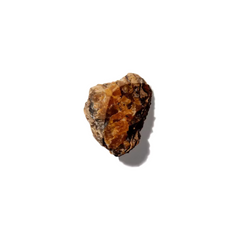
A classic amber accord is constructed from labdanum (25–30%), benzoin (25–30%), vanilla or vanillin (20–25%), and patchouli (15–20%). Labdanum provides balsamic, leathery warmth via labdane diterpenes; benzoin adds sweet, resinous, and slightly spicy facets through benzoic acid esters; vanilla or vanillin imparts powdery sweetness and softens the blend; patchouli introduces earthy, woody depth, enhancing longevity and complexity. Together, these components yield the signature golden, enveloping warmth of amber.

30%

Labdanum

25–30% of blend

Labdanum absolute is rich in labdane diterpenes, providing balsamic, leathery, and slightly animalic warmth that forms the backbone of the amber accord.

30%

Benzoin

25–30% of blend

Benzoin resinoid supplies sweet, resinous, and slightly spicy notes via benzoic acid esters, enhancing the syrupy, enveloping quality of amber.

25%

Vanilla

20–25% of blend

Vanilla or synthetic vanillin imparts powdery, creamy sweetness, masking sharpness and rounding out the accord through olfactory masking of harsher balsamic notes.

20%

Patchouli

15–20% of blend

Patchouli introduces earthy, woody, and slightly camphoraceous depth, increasing the accord’s longevity and adding complexity through patchoulol and sesquiterpenes.

The Olfactory Layers

How Amber Evolves on Skin

Amber’s olfactory evolution is gradual, with low-volatility resins and musks dominating the base. Initial top notes, if present, fade within 15 minutes, revealing the heart’s balsamic warmth, which persists for hours as heavier molecules slowly evaporate.

I
Top notes
0–15 min
Fleeting Sweetness

Amber rarely appears in the top notes due to its low volatility. When present, fleeting aldehydic or citrus nuances from benzoin or vanillin may emerge, providing a brief, sweet brightness before dissipating. These are carried by lighter molecules such as benzaldehyde and vanillin, which evaporate quickly.

SweetFleetingAldehydic
II
Heart notes
20–60 min
Balsamic Warmth

The heart reveals the full resinous, balsamic warmth of labdanum and benzoin. Labdane diterpenes and benzoic acid esters dominate, creating a syrupy, enveloping sensation. Vanilla and patchouli may emerge, adding powdery sweetness and earthy depth as the blend settles on skin.

BalsamicWarmPowdery
III
Base notes
Several hours
Resinous Depth

Amber’s base is defined by persistent, low-volatility molecules: labdanum’s resin acids, benzoin’s vanillin-like sweetness, and synthetic musks or Ambroxan. These compounds provide lasting warmth, creamy smoothness, and a subtle animalic undertone, lingering for 6–12 hours depending on concentration.

ResinousLong-lastingMusky
TOP NOTES Fleeting Sweetness 0–15 minutes HEART NOTES Balsamic Warmth 20–60 minutes BASE NOTES Resinous Depth Several hours
Through the Ages

The Story of Amber in Perfumery

Amber’s history in perfumery spans from ancient incense blends to the modern synthetic amber accord, reflecting shifts in material sourcing and olfactory trends.

Antiquity

Amber Resins in Rituals

Fossilized amber and resins such as labdanum and benzoin were burned as incense in ancient Egypt, Greece, and Rome, valued for their sweet, balsamic aroma and spiritual significance.

18th Century

Ambergris as a Perfume Fixative

Ambergris, excreted by sperm whales, was imported to Europe and used as a fixative and base note in luxury perfumes, prized for its marine, animalic scent and rarity.

1876

Ambre 83 De Laire Accord

French chemist Georges De Laire creates the Ambre 83 accord, blending labdanum, benzoin, and vanillin. This marks the birth of the modern amber note, enabling consistent, animal-free amber scents.

1925

Guerlain Shalimar Launch

Jacques Guerlain’s Shalimar popularizes the powdery, sweet amber accord in fine fragrance, using synthetic vanillin and labdanum to create a new olfactory family.

2000s–Present

Rise of Synthetic Amber Molecules

Ambroxan, Iso E Super, and other synthetic molecules become industry standards, enabling sustainable, long-lasting amber accords in both niche and designer perfumery.

The Art of Layering

How to Layer Amber

Understanding how to layer amber is key to customizing its scent profile. Molecular compatibility with florals, spices, and woods allows for versatile combinations that enhance or soften amber’s warmth.

01

Enhance Sweetness

Layering amber with vanilla or tonka bean amplifies the sweet, powdery facets through shared vanillin and coumarin molecules. This olfactory synergy is demonstrated in Guerlain Shalimar, where vanilla softens labdanum’s balsamic edge, creating a creamy, enveloping warmth.

02

Add Depth

Pairing amber with patchouli or oud introduces earthy, woody undertones via patchoulol and agarwood sesquiterpenes. This molecular contrast deepens the base and extends longevity, as seen in Tom Ford Amber Absolute, where patchouli grounds the amber accord.

03

Lighten the Glow

Combining amber with citrus or green notes (bergamot, neroli) brightens the composition. Limonene and linalool in citrus oils provide a volatile, fresh counterpoint, reducing perceived heaviness and making amber suitable for warmer weather, as in Chanel Coco Mademoiselle.

Wear It Right

How to Wear Amber Like a Pro

Seasonal Guide

Fall & Winter

Amber excels in cold weather, where low temperatures slow evaporation and allow its resins and musks to linger. Apply to pulse points under clothing for a cocooning effect. The balsamic, sweet facets are especially comforting and project well in dry, crisp air.

Spring

In spring, amber pairs well with florals and citrus, providing a grounding base without overwhelming lighter notes. Apply sparingly to avoid overpowering delicate heart notes, and consider layering with green or herbal scents for freshness.

Summer

High temperatures increase amber’s volatility, intensifying its sweetness and projection. Use minimal application, focus on cooler body areas (behind knees, ankles), and layer with citrus or aquatic notes to balance the richness. Opt for EDT or body oil formats for a lighter effect.

Year-Round Tip

Amber’s adaptability allows for creative layering throughout the year. Adjust application and concentration based on climate: higher in winter, lower in summer. Moisturize skin to enhance longevity, and experiment with layering to tailor the scent to seasonal moods.

Application Points

Strategic application maximizes amber’s longevity and evolution. Pulse points and hair offer different diffusion profiles due to heat and movement.

1

Neck

Applying amber to the neck leverages body heat to accelerate the release of top aldehydic and vanillic notes, ensuring a warm, enveloping aura that projects outward.

2

Behind the Ears

This area is slightly cooler, allowing amber’s resins to diffuse slowly and maintain their powdery, musky character for longer periods.

3

Inner Wrists

Pulse points on the wrists enhance evaporation of lighter amber molecules, providing an immediate, sweet impression. Avoid rubbing to preserve molecular integrity.

4

Hair

Spraying amber-infused fragrance on hair offers sustained, gentle diffusion as hair movement releases scent molecules gradually throughout the day.

Pro Tip

Layer amber with unscented moisturizer on skin before application to create a hydrated base, anchoring the resins and extending longevity, especially in dry climates.

Mood Architecture™

Top Amber Fragrances by Mood Score

These Amber-based fragrances scored highest on the MEI™ Mood Architecture Framework — measuring how a scent may influence your emotional state.

Highest MEI Score
Alexandria II — Xerjoff Alexandria II Alternative Perfume
8.87
MEI™
Primary Confident
Secondary Romantic
Confidence
8.92
Presence
9.25
Mood Lift
8.91
Identity
9.23
Warmth
9.5
Social Ease
8.67
Energy
4.5
" I am unstoppable.
View full mood profile →
Black Orchid — Tom Ford Black Orchid Alternative Perfume
8.33
MEI™
Primary Romantic
Secondary Confident
Confidence
7.84
Presence
8.66
Mood Lift
8.87
Identity
8.98
Warmth
9.5
Social Ease
7.93
Energy
3.7
" I am beautiful.
View full mood profile →
Brown Goddess — Bronze Goddess Alternative Perfume
8.24
MEI™
Primary Romantic
Secondary Confident
Confidence
7.43
Presence
7.64
Mood Lift
9.05
Identity
7.88
Warmth
9.5
Social Ease
8.65
Energy
3.5
" I am beautiful.
View full mood profile →
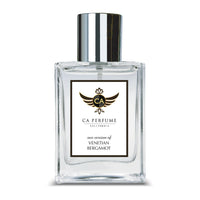
Venetian Bergamot — Tom Ford Venetian Bergamot Alternative Perfume
7.9
MEI™
Primary Fresh
Secondary Romantic
Confidence
6.95
Presence
7.78
Mood Lift
9.26
Identity
7.17
Warmth
8.53
Social Ease
8.15
Energy
3.6
" I am radiant.
View full mood profile →
HumanSafe™

Top Amber Fragrances by HumanSafe™ Score

These Amber-based fragrances have the highest product-level HumanSafe™ scores in this ingredient collection.

Highest HumanSafe™ Score
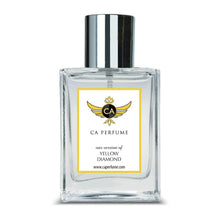
Yellow Diamond — Versace Yellow Diamond Alternative Perfume
A-
HumanSafe™ Score Generally Safe
Safest Evaluated Ingredients EDP
AQUA Solvent / Carrier ISS 10.0
2-(1-(3',3'-DIMETHYL-1'-CYCLOHEXYL)ETHOXY)-2-METHYL Evaluated ingredient ISS 10.0
1,4-DIOXACYCLOHEPTADECANE-5,17-DIONE Evaluated ingredient ISS 10.0
BENZYL SALICYLATE EYE IRRITATION - CAT.2B [H320] Evaluated ingredient ISS 9.0
3-BUTEN-2-ONE, 3-METHYL-4-(2,6,6-TRIMETHYL-2- Evaluated ingredient ISS 8.0
1,6,10-DODECATRIEN-3-OL, 3,7,11-TRIMETHYL- EYE IRRITATION - CAT.2B [H320] Evaluated ingredient ISS 8.0
View full safety profile →
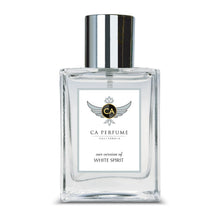
White Spirit — Juliette Has A Gun White Spirit Alternative Perfume
A-
HumanSafe™ Score Generally Safe
Safest Evaluated Ingredients EDP
AQUA Solvent / Carrier ISS 10.0
BENZYL SALICYLATE Evaluated ingredient ISS 9.0
3-CYCLOPENTENE-1-ACETALDEHYDE, 2,2,3-TRIMETHYL-, Evaluated ingredient ISS 9.0
AMBREIN Evaluated ingredient ISS 7.0
View full safety profile →
Venetian Bergamot — Tom Ford Venetian Bergamot Alternative Perfume
A-
HumanSafe™ Score Generally Safe
Safest Evaluated Ingredients EDP
AQUA Solvent / Carrier ISS 10.0
2-BUTEN-1-OL, 2-METHYL-4-(2,2,3-TRIMETHYL-3- Evaluated ingredient ISS 10.0
BENZYL SALICYLATE Evaluated ingredient ISS 9.0
3-BUTEN-2-ONE, 3-METHYL-4-(2,6,6-TRIMETHYL-2- Evaluated ingredient ISS 8.0
LINALYL ACETATE Evaluated ingredient ISS 7.0
View full safety profile →
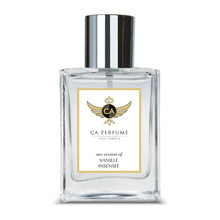
Vanille Insensee — Atelier Cologne Vanille Insensee Alternative Perfume
A-
HumanSafe™ Score Generally Safe
Safest Evaluated Ingredients EDP
CYCLOPENTADECANONE, 3-METHYL- Evaluated ingredient ISS 10.0
AQUA Solvent / Carrier ISS 10.0
1,4-DIOXACYCLOHEPTADECANE-5,17-DIONE Evaluated ingredient ISS 10.0
1,6,10-DODECATRIEN-3-OL, 3,7,11-TRIMETHYL- EYE IRRITATION - CAT. 2B [H320] Evaluated ingredient ISS 8.0
LINALOOL Evaluated ingredient ISS 7.0
BENZOIC ACID, 2,4-DIHYDROXY-3,6-DIMETHYL-, METHYL ESTER Evaluated ingredient ISS 7.0
View full safety profile →
Expert Voices

What Masters Say About Amber

Amber is a fantasy note in modern perfumery, an artistic blend of resins, balsams, vanillic tones, and musky accents designed to evoke a sense of warmth, richness, and exotic depth.
CA Perfume Editorial
Amber’s scent profile is not a single ingredient but a composed accord—most often built from labdanum, benzoin, and vanilla, mimicking the earthy sweetness of ancient amber resins.
CA Perfume Editorial
Common Questions

Frequently Asked Questions

Answers to common questions about amber’s scent, use, and performance in perfumery.

Amber in perfume smells warm, sweet, and resinous, with powdery, balsamic, and slightly spicy undertones. The scent profile is achieved by blending labdanum, benzoin, and vanilla, resulting in a golden, enveloping warmth that lingers for hours. Depending on the formula, amber can also have musky, woody, or even smoky nuances. Iconic examples include Guerlain Shalimar and Maison Francis Kurkdjian Grand Soir.

Amber is almost always used as a base note in fragrance due to its high molecular weight and low volatility. Its resins and musks anchor the composition, providing lasting warmth and depth that persists long after lighter top and heart notes have faded. Amber’s fixative properties also help extend the longevity of other ingredients.

Amber is favored in niche perfumery for its complexity, versatility, and ability to create a rich, sensual base. Its blend of resins and vanillic tones allows for endless customization, supporting both oriental and modern woody compositions. Niche perfumers value amber for its ability to bridge diverse notes and provide a signature warmth that evolves uniquely on each wearer.

Amber fragrance uses include pairing with vanilla, patchouli, sandalwood, tonka bean, rose, jasmine, and spices like cinnamon and clove. These notes share molecular affinities—such as vanillin and coumarin—that enhance amber’s sweetness or add depth. Woody and floral notes balance amber’s richness, while citrus can brighten and lighten the accord.

Amber can be worn in summer if applied lightly and paired with fresher notes like citrus, green herbs, or aquatic accords. High temperatures increase amber’s volatility, intensifying its sweetness and projection. Opt for EDT concentrations or layer with lighter scents to avoid overwhelming the senses in hot weather.

Amber fragrances are known for their longevity, often lasting 6–12 hours or more on skin. The fixative properties of labdanum, benzoin, and synthetic musks ensure that the scent persists well into the day, especially in higher concentrations such as EDP or Parfum.

Yes, amber is highly versatile for layering. It can be combined with florals, woods, spices, or gourmands to enhance sweetness, add depth, or brighten the composition. Molecular compatibility—such as shared vanillin or coumarin—ensures harmonious blends. Experiment with layering to create a personalized scent signature.

Beginner-friendly amber perfumes include Guerlain Shalimar, Dior Ambre Nuit, Maison Francis Kurkdjian Grand Soir, and Mugler Alien. These fragrances showcase amber’s warmth and complexity in accessible, balanced compositions, making them ideal entry points for exploring the note.

To choose the right amber fragrance at CA Perfume, consider your preferred scent profile—whether you favor sweet, powdery, woody, or spicy interpretations. Explore the collection’s scent descriptions and sample sets to experience different amber blends. The HumanSafe™ platform provides ingredient transparency and IFRA compliance for all offerings.

Amber’s sweetness can be tailored by adjusting concentration and pairing notes. While some amber fragrances are rich and powdery, others balance sweetness with woody, spicy, or citrus elements, making them suitable for daily wear. Lighter applications or EDT formats offer a more subtle, versatile experience.

Amber Collection

Explore Our Top Amber Fragrances

Discover CA Perfume’s most-loved amber fragrances, featuring classic and modern interpretations that showcase the note’s warmth, sweetness, and versatility.

Shop all amber fragrances at CA Perfume →

Where Amber Comes From — Origin & Extraction

Amber as a perfumery note is a constructed accord, not a direct natural extract. Historically, the term referred to three distinct substances: fossilized amber (succinite, derived from Pinus succinifera and related genera), ambergris (a secretion from Physeter macrocephalus, the sperm whale), and the modern fantasy accord. Fossilized amber is rarely used in perfumery due to its low yield and harsh, phenolic, smoky aroma when destructively distilled (dry distillation at 350–400°C yields less than 1% aromatic oil). Ambergris, once a prized fixative, is now largely replaced by synthetic analogs due to cost (>$20,000/kg) and ethical concerns. The contemporary amber accord is built from labdanum absolute (solvent-extracted from Cistus ladanifer, primarily produced in Spain and Morocco, global output ~100 metric tons/year), benzoin resinoid (solvent-extracted from Styrax tonkinensis in Laos and Vietnam, ~1,500 metric tons/year), and vanilla or vanillin (Madagascar produces ~80% of global vanilla, but most vanillin is synthetic, at <$20/kg). These ingredients are blended in varying proportions to create the desired warmth, sweetness, and powdery depth. Synthetic molecules such as Ambroxan (from clary sage sclareol, via Firmenich or Symrise, CAS 6790-58-5) and ethyl vanillin (CAS 121-32-4) are used for consistency and performance. Natural amber oil from fossilized resin is rare and expensive ($3,000–5,000/kg), while synthetic amber accords cost $50–200/kg. Sustainability considerations favor the use of plant-based resins and synthetics over animal-derived ambergris. The shift to synthetic and plant-based amber accords has made the note accessible and ethically viable for modern perfumery.

Famous Fragrances That Define Amber in Perfumery

Amber has shaped the identity of countless fragrances, from early 20th-century orientals to contemporary niche compositions. Guerlain Shalimar (1925, Jacques Guerlain) is often cited as the archetype, using vanillin and labdanum to create a powdery, sweet amber base. Chanel Coco (1984, Jacques Polge) modernized the amber accord with a blend of resins, spices, and florals. Mugler Alien (2005, Dominique Ropion and Laurent Bruyère) features a luminous, modern amber supporting jasmine sambac and cashmeran. Maison Francis Kurkdjian Grand Soir (2016, Francis Kurkdjian) is a minimalist study in amber, focusing on labdanum, benzoin, and vanilla for a radiant, enveloping warmth. Dior Ambre Nuit (2009, François Demachy) uses amber as a bridge between Turkish rose and smoky woods, demonstrating the note’s versatility. Recent launches such as Giorgio Armani Emporio Armani Stronger With You Amber (2023, Cécile Matton) and Initio Parfums Prives Blessed Baraka (2015) showcase amber’s adaptability in both masculine and unisex contexts. CA Perfume’s collection draws inspiration from this lineage, offering amber-forward compositions that highlight both classic and contemporary interpretations.

Natural vs Synthetic Amber in Perfumery

Natural amber in perfumery may refer to fossilized amber resin or, historically, ambergris. Fossilized amber oil, obtained by dry distillation, is intensely smoky, phenolic, and leathery, with limited use due to its harshness and high cost. Ambergris, a waxy excretion from sperm whales, contains ambrein and ambroxide, imparting marine, animalic, and musky nuances, but is now rarely used due to ethical and regulatory constraints (CITES, IFRA). Modern amber accords are predominantly synthetic, constructed from molecules such as Ambroxan (CAS 6790-58-5), ethyl vanillin (CAS 121-32-4), and Iso E Super (CAS 54464-57-2). Ambroxan, synthesized from sclareol (clary sage), provides a long-lasting, woody-ambery, musky base with excellent diffusion and stability. Ethyl vanillin and vanillin contribute sweetness and powderiness, while Iso E Super adds transparency and radiance. Synthetic amber accords are more consistent, affordable ($50–200/kg), and sustainable than natural ambergris or fossilized amber oil. Famous fragrances using natural ambergris include historic Guerlain extraits (pre-1980s), while modern icons such as Dior Ambre Nuit (2009, François Demachy) and Maison Francis Kurkdjian Grand Soir (2016) rely on synthetic amber molecules. The HumanSafe™ platform at CA Perfume ensures full transparency and IFRA compliance for all amber materials, prioritizing plant-based and synthetic sources for ethical and sustainable perfumery.