Ingredient Guide · Citrus Aromatic
Citrus Aromatic Family · Perfumery Note

Amalfi Lemon

Zesty, sweet, and sun-drenched citrus from Italy’s famed coast.

Amalfi Lemon is a prized top note in perfumery, renowned for its vibrant, aromatic complexity and sweet, sun-drenched character. Its essential oil, rich in limonene and citral, is typically used at 2–5% in citrus accords, imparting both freshness and longevity.

Amalfi Lemon
Ingredient Profile

Amalfi Lemon

Citrus Aromatic Family
Family Citrus Aromatic
Note Position Top Note
Usage Level <2% IFRA Limit
Key Origins Italy, Spain, Argentina
Iconic In Fico di Amalfi La Riserva, Amalfi Citrus
The Ingredient

What does Amalfi Lemon smell like and why is it prized in perfumery?

Amalfi Lemon (Citrus limon ‘Sfusato Amalfitano’) is celebrated for its uniquely vibrant and aromatic scent profile. Unlike standard lemon varieties, Amalfi Lemon’s aroma is a complex interplay of zesty, sweet, and floral notes, underpinned by high concentrations of limonene (up to 70% in the essential oil), citral, and trace amounts of gamma-terpinene and beta-pinene. The thick, wrinkled peel is especially rich in aromatic oil glands, releasing a fragrance that is both intensely citrusy and subtly herbaceous, with a sun-drenched, slightly sweet undertone and a faint floral nuance. This complexity distinguishes Amalfi Lemon from more acidic, one-dimensional lemon notes and makes it highly sought after for both culinary and olfactory applications. The question 'what does Amalfi Lemon smell like' is best answered as: zesty, sweet, floral, and sunlit, with a pronounced aromatic brightness. In perfumery, Amalfi Lemon is classified as a top note, prized for its ability to impart immediate freshness and lift to a composition. Its essential oil is typically used at concentrations of 2–5% in citrus accords, though in cologne-style fragrances it may reach up to 10%. The high volatility of its main constituents means it evaporates quickly, providing an invigorating opening that interacts dynamically with skin chemistry. On skin, the oil’s aldehydic and terpene components may evolve, sometimes revealing a sweeter, more rounded facet or, on more acidic skin, a sharper, greener edge. Amalfi Lemon in perfumery is favored for its ability to bridge between citrus, floral, and aromatic notes, often forming the backbone of Mediterranean-inspired compositions. Notable fragrances that exemplify the use of Amalfi Lemon include Acqua di Parma Fico di Amalfi La Riserva (2025), which pairs it with fig and orris for a creamy, green citrus effect, and Alfred Dunhill Amalfi Citrus (2020), where perfumer Olivier Gillotin uses it alongside neroli and green tea for a crisp, energetic opening. The White Company’s Amalfi Lemon (2023) layers the note with neroli, jasmine, and cedarwood, demonstrating its versatility as both a dominant and supporting element in modern perfumery.

1,200 Lemons/kg
It takes approximately 1,200 Amalfi lemons to produce 1 kg of essential oil by cold expression, reflecting the high oil content and labor-intensive extraction process.
5–15 Minutes
The vivid citrus top note of Amalfi Lemon typically lasts 5–15 minutes on skin, due to the rapid evaporation of limonene and citral.
<2% IFRA Limit
IFRA restricts natural lemon oil to less than 2% in leave-on products to minimize sensitization risk from citral and limonene allergens.
Origin & Extraction

Where Amalfi Lemon Comes From — Origin & Extraction

Geography and climate shape the aromatic profile of Amalfi Lemon. The volcanic soils, high humidity, and abundant sunlight of the Amalfi Coast yield lemons with thicker peels and higher essential oil content, resulting in a sweeter, more aromatic scent than standard varieties.

Amalfi Lemon, botanically Citrus limon ‘Sfusato Amalfitano’, is indigenous to the Amalfi Coast of southern Italy. Cultivated on terraced cliffs between Vietri sul Mare and Positano, this variety is protected by IGP (Indicazione Geografica Protetta) status since 2001. The region’s volcanic soil, high humidity, and abundant sunlight contribute to the lemon’s large size, elongated shape, and thick, wrinkled peel, which is densely packed with aromatic oil glands. Annual production of Sfusato Amalfitano is estimated at 8,000–10,000 metric tons, representing less than 1% of global lemon output, but commanding a premium due to its unique aromatic profile. Extraction of Amalfi Lemon essential oil is performed exclusively via cold expression (mechanical pressing) of the fresh peel, a process that preserves the integrity of volatile compounds like limonene and citral. The traditional 'sponge method'—where the peel is pressed by hand and the oil absorbed onto natural sponges—has largely been replaced by industrial centrifugation, but the principle remains unchanged: no heat is applied, and only the outermost zest is used. It takes approximately 1,200 Amalfi lemons to yield 1 kg of essential oil, with a typical yield of 4–5% by weight. The oil is then filtered to remove waxes and non-volatile residues. While natural Amalfi Lemon oil can command prices of $120–200/kg, synthetic lemon aroma chemicals (primarily racemic limonene, CAS 138-86-3, and citral, CAS 5392-40-5) are available for $10–20/kg. However, the synthetic versions lack the nuanced floral and herbaceous facets of the natural oil. Sustainability is a key concern: the IGP status enforces strict agricultural practices, including hand-harvesting and limits on pesticide use, to protect both biodiversity and the traditional landscape. The limited scale and labor-intensive methods make Amalfi Lemon oil a rare and valued material in fine perfumery.

IT

Italy

The Amalfi Coast (Campania region) produces IGP-certified Sfusato Amalfitano lemons. Terraced groves at 200–400m altitude, volcanic soil, and Mediterranean climate yield lemons with 30% higher oil content and a pronounced sweet-aromatic profile. Annual production is 8,000–10,000 tons, with strict hand-harvesting and PDO standards.

ES

Spain

Murcia and Valencia regions cultivate Fino and Primofiori lemons, which are smaller and more acidic than Amalfi lemons. Spanish lemon oil is widely used in perfumery for its sharp, clean profile and accounts for over 20% of global lemon oil exports.

AR

Argentina

Tucumán province is the world’s largest producer of lemon oil, accounting for 35% of global supply. The oil is less sweet and more linear than Amalfi Lemon, with a focus on industrial and mass-market fragrance applications.

US

United States

California’s Central Valley produces Eureka and Lisbon lemons, with a bright, acidic oil profile. While not as aromatic as Amalfi Lemon, California lemon oil is used for its consistency and cost-effectiveness in large-scale perfumery.

Chemistry

Natural vs Synthetic Amalfi Lemon in Perfumery

Natural Amalfi Lemon oil is a complex mixture dominated by (R)-limonene (CAS 5989-27-5), citral (CAS 5392-40-5), and beta-pinene (CAS 127-91-3), with minor contributions from gamma-terpinene and neral. Synthetic lemon notes are typically constructed from racemic limonene, citral, and additional aldehydes such as citral dimethyl acetal for stability. Synthetic versions offer greater batch-to-batch consistency, enhanced longevity, and reduced allergenicity, but they lack the subtle floral and herbaceous undertones present in the natural oil. Performance-wise, natural Amalfi Lemon oil is highly volatile, providing a vivid but short-lived top note (5–15 minutes on skin), while synthetic blends can extend the citrus effect for up to 30 minutes. Cost is a major differentiator: natural oil ranges from $120–200/kg, while synthetic blends are $10–20/kg. Iconic fragrances such as Acqua di Parma Fico di Amalfi La Riserva (2025) and Alfred Dunhill Amalfi Citrus (2020) use natural oil for authenticity, while many mass-market colognes rely on synthetic blends for cost and stability. Sustainability and transparency are increasingly important: the HumanSafe™ platform enables traceability of both natural and synthetic sources, ensuring compliance with IFRA and environmental standards. CA Perfume’s approach is to blend natural IGP-certified Amalfi Lemon oil with select synthetics for optimal olfactory impact, safety, and supply chain resilience. Other key aroma chemicals used in synthetic lemon accords include decanal (CAS 112-31-2) and methyl heptenone (CAS 110-93-0), which add green and waxy nuances.

Natural
Amalfi Lemon Absolute
Cost $3,000–6,000/kg
Method Solvent / CO₂
Character Complex, variable
vs
Synthetic
Safranal & Analogues
Cost $50–200/kg
Method Lab synthesis
Character Consistent, stable
Hall of Fame

Famous Fragrances That Define Amalfi Lemon in Perfumery

2025
dominant note

Fico di Amalfi La Riserva

Acqua di Parma
Italian MandarinFigOrrisTonka Bean
2020
dominant note

Amalfi Citrus

Alfred Dunhill
by Olivier Gillotin
NeroliGreen TeaVetiverMusk
2023
dominant note

Amalfi Lemon

The White Company
NeroliJasmineEucalyptusCedarwood
dominant note

Acqua Viva

Profumum Roma
CypressCedar
2024
dominant note

Costa de Amalfi

Riiffs Perfumes
Lemon PeelYuzuGingerClary SageAmber

Amalfi Lemon has inspired a lineage of fragrances that showcase its sunlit, aromatic complexity. In Acqua di Parma Fico di Amalfi La Riserva (2025), the note is paired with Italian mandarin, fig, and orris, creating a creamy, green citrus effect that captures the Mediterranean landscape. Alfred Dunhill Amalfi Citrus (2020), composed by Olivier Gillotin, features Amalfi Lemon as the dominant top note, supported by neroli, green tea, and vetiver for a crisp, energetic profile. The White Company’s Amalfi Lemon (2023) blends the note with neroli, jasmine, eucalyptus, and cedarwood, evoking the freshness of a Mediterranean coastline. Profumum Roma Acqua Viva is another modern classic, using Amalfi Lemon as its leading note, accentuated by cypress and cedar for a sun-drenched, woody citrus accord. Riiffs Perfumes Costa de Amalfi (2024) highlights lemon peel and yuzu, with ginger and clary sage for an aromatic aquatic effect. These fragrances demonstrate the versatility of Amalfi Lemon as both a dominant and bridging note, capable of pairing with florals, woods, and aromatics. CA Perfume’s collection draws inspiration from this lineage, offering compositions that balance authenticity, freshness, and modernity.

The Accord

How is a captivating Amalfi Lemon accord crafted?

A classic Amalfi Lemon accord balances zesty citrus with aromatic and floral nuances. Typical proportions: Amalfi Lemon 30–35%, Neroli 20–25%, Green Tea 20–25%, Cedarwood 20–25%. Amalfi Lemon provides the vibrant, sweet-zesty core via limonene and citral. Neroli introduces floral-linalool facets, green tea imparts a subtle tannic bitterness (from theanine), and cedarwood anchors the accord with woody, slightly resinous notes, enhancing longevity and complexity.

35%

Amalfi Lemon

30–35% of blend

Provides the zesty, sweet, and aromatic citrus core, dominated by limonene and citral, with nuanced floral and herbaceous undertones unique to the Sfusato Amalfitano variety.

25%

Neroli

20–25% of blend

Contributes linalool and nerolidol, adding floral, slightly green facets that complement the lemon’s brightness and extend the top note’s diffusion.

25%

Green Tea

20–25% of blend

Imparts a tannic, slightly bitter nuance via theanine and catechins, balancing the lemon’s sweetness and enhancing aromatic complexity.

25%

Cedarwood

20–25% of blend

Anchors the accord with woody, resinous notes (cedrol, thujopsene), providing fixative properties and a subtle warmth that prolongs the citrus effect.

The Olfactory Layers

How Amalfi Lemon Evolves on Skin

Amalfi Lemon’s olfactory evolution is rapid and dynamic. The top note (0–15 minutes) is dominated by highly volatile monoterpenes (limonene, citral), creating an immediate burst of zesty, sweet citrus. As these evaporate, floral and green facets emerge in the heart, while the base is subtly anchored by residual aldehydes and woody fixatives.

I
Top notes
0–15 min
Zesty Sunburst

A vivid, zesty burst of citrus—dominated by limonene and citral—delivers a sweet, sunlit freshness. The high volatility of these monoterpenes ensures immediate diffusion but rapid evaporation, making the opening both intense and fleeting.

ZestySweetSunlit
II
Heart notes
20–60 min
Floral Herbaceous Veil

Floral and herbaceous nuances (linalool, nerol, and trace aldehydes) emerge as the citrus intensity softens. These molecules bridge the lemon’s brightness with green and slightly bitter facets, creating a rounded, aromatic heart.

FloralHerbaceousGreen
III
Base notes
Several hours
Woody Citrus Trail

The citrus fades, leaving a subtle trail of woody and musky notes (cedrol, ambrettolide) if present in the composition. The base is clean and slightly resinous, with faint aldehydic remnants prolonging the freshness.

WoodyCleanResinous
TOP NOTES Zesty Sunburst 0–15 minutes HEART NOTES Floral Herbaceous Veil 20–60 minutes BASE NOTES Woody Citrus Trail Several hours
Through the Ages

The Story of Amalfi Lemon in Perfumery

Amalfi Lemon’s journey in perfumery spans centuries, from ancient Mediterranean cultivation to modern niche fragrances. Its unique aromatic profile has made it a symbol of Italian citrus artistry.

11th century

Introduction to Amalfi Coast

Arab traders introduce lemon cultivation to the Amalfi Coast, where the Sfusato Amalfitano variety is developed through selective breeding for thick peels and high oil content.

19th century

Cold Expression Extraction Perfected

Italian engineers develop mechanical cold pressing (expression) methods, replacing the manual sponge technique and enabling larger-scale production of high-quality lemon oil.

1922

Profumi di Positano Founded

Gennaro Barba’s family opens Profumi di Positano, creating citrus-based soaps and perfumes that celebrate the unique scent of Amalfi lemons, establishing a regional olfactory identity.

2001

IGP Status Awarded

The Sfusato Amalfitano lemon receives IGP (Indicazione Geografica Protetta) protection, formalizing quality standards and safeguarding traditional cultivation methods.

2025

Modern Niche Perfumery

Acqua di Parma launches Fico di Amalfi La Riserva, showcasing Amalfi Lemon’s aromatic complexity in a contemporary composition, inspiring a new wave of Mediterranean citrus fragrances.

The Art of Layering

How to Layer Amalfi Lemon

Understanding how to layer Amalfi Lemon is key to creating balanced, long-lasting fragrances. Molecular compatibility with florals, woods, and aromatics enables synergistic effects and olfactory masking.

01

Enhance Sweetness

Layer Amalfi Lemon with vanilla or tonka bean. Vanillin and coumarin molecules mask the sharpness of citral, producing a creamy, gourmand citrus effect. This pairing is demonstrated in fragrances like The White Company Amalfi Lemon, where vanilla softens the citrus edge.

02

Add Depth

Combine Amalfi Lemon with cedarwood or vetiver. The sesquiterpenes in woods and vetiver provide a molecular anchor, slowing the evaporation of monoterpenes and extending the citrus freshness. Profumum Roma Acqua Viva exemplifies this synergy.

03

Lighten the Glow

Pair with neroli or green tea. Shared linalool and nerolidol content creates a seamless transition from citrus to floral-green heart, as seen in Alfred Dunhill Amalfi Citrus. This combination enhances brightness while maintaining aromatic complexity.

Wear It Right

How to Wear Amalfi Lemon Like a Pro

Seasonal Guide

Fall & Winter

Cooler temperatures suppress the volatility of citrus oils, reducing projection and longevity. Apply Amalfi Lemon fragrances to pulse points and consider layering with woods or spices to enhance warmth and persistence. Reapply as needed to maintain freshness.

Spring

Mild temperatures and moderate humidity allow Amalfi Lemon’s brightness to shine. The note projects well and maintains its zesty character. Pair with florals or green notes for a balanced, uplifting effect suitable for daytime wear.

Summer

High heat accelerates evaporation, intensifying the citrus burst but shortening its duration. Apply to cooler areas (inner elbows, behind knees) and avoid direct sunlight to minimize phototoxicity. Refresh with light mists throughout the day for continuous vibrancy.

Year-Round Tip

Layer Amalfi Lemon fragrances with complementary notes (neroli, green tea, cedarwood) to adapt to changing conditions. Adjust application amount and placement based on climate and desired intensity for consistent olfactory impact.

Application Points

Strategic application maximizes Amalfi Lemon’s freshness and longevity. Target pulse points and hair for optimal diffusion.

1

Neck

The warmth of the neck accelerates evaporation, amplifying the citrus top note for an immediate, vivid impression. Ideal for showcasing Amalfi Lemon’s zesty opening.

2

Behind the Ears

This area maintains moderate warmth and is less exposed to air, allowing the citrus note to develop more gradually and prolonging its aromatic presence.

3

Inner Wrists

Pulse points on the wrists enhance diffusion, but frequent hand washing may reduce longevity. Reapply as needed to maintain the citrus effect.

4

Hair

Spraying on hair provides a sustained, gentle release of the lemon aroma, as hair fibers trap volatile molecules and release them gradually with movement.

Pro Tip

Layer Amalfi Lemon with a fixative base (such as cedarwood or musk) on skin before applying the citrus note to extend its longevity and create a more nuanced evolution.

Mood Architecture™

Top Amalfi Lemon Fragrances by Mood Score

These Amalfi Lemon-based fragrances scored highest on the MEI™ Mood Architecture Framework — measuring how a scent may influence your emotional state.

Highest MEI Score
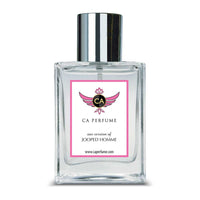
Jooped! Homme — Homme Alternative Cologne
8.81
MEI™
Primary Romantic
Secondary Confident
Confidence
8.5
Presence
8.51
Mood Lift
9.5
Identity
7.98
Warmth
9.5
Social Ease
8.97
Energy
4.6
" I am beautiful.
View full mood profile →
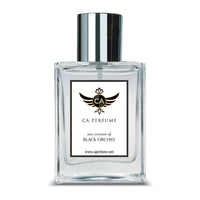
Black Orchid — Tom Ford Black Orchid Alternative Perfume
8.33
MEI™
Primary Romantic
Secondary Confident
Confidence
7.84
Presence
8.66
Mood Lift
8.87
Identity
8.98
Warmth
9.5
Social Ease
7.93
Energy
3.7
" I am beautiful.
View full mood profile →
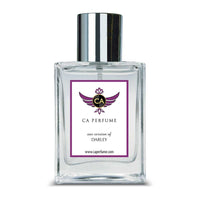
Darley — Parfums De Marly Darley Alternative Cologne
8.05
MEI™
Primary Romantic
Secondary Grounding
Confidence
7.05
Presence
7.04
Mood Lift
8.92
Identity
7.05
Warmth
9.5
Social Ease
8.46
Energy
6.3
" I am beautiful.
View full mood profile →
Cristal Shine — Cristalle Alternative Perfume
7.79
MEI™
Primary Magnetic
Secondary Confident
Confidence
8.03
Presence
8.95
Mood Lift
8.13
Identity
8.1
Warmth
7.52
Social Ease
7.29
Energy
3.1
" I am bold.
View full mood profile →
HumanSafe™

Top Amalfi Lemon Fragrances by HumanSafe™ Score

These Amalfi Lemon-based fragrances have the highest product-level HumanSafe™ scores in this ingredient collection.

Highest HumanSafe™ Score
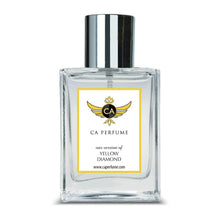
Yellow Diamond — Versace Yellow Diamond Alternative Perfume
A-
HumanSafe™ Score Generally Safe
Safest Evaluated Ingredients EDP
AQUA Solvent / Carrier ISS 10.0
2-(1-(3',3'-DIMETHYL-1'-CYCLOHEXYL)ETHOXY)-2-METHYL Evaluated ingredient ISS 10.0
1,4-DIOXACYCLOHEPTADECANE-5,17-DIONE Evaluated ingredient ISS 10.0
BENZYL SALICYLATE EYE IRRITATION - CAT.2B [H320] Evaluated ingredient ISS 9.0
3-BUTEN-2-ONE, 3-METHYL-4-(2,6,6-TRIMETHYL-2- Evaluated ingredient ISS 8.0
1,6,10-DODECATRIEN-3-OL, 3,7,11-TRIMETHYL- EYE IRRITATION - CAT.2B [H320] Evaluated ingredient ISS 8.0
View full safety profile →
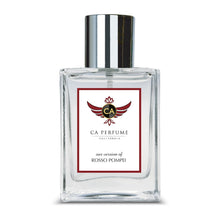
Rosso Pompei — Tiziana Terenzi Rosso Pompei Alternative Perfume
A-
HumanSafe™ Score Generally Safe
Safest Evaluated Ingredients EDP
AQUA Solvent / Carrier ISS 10.0
1,4-DIOXACYCLOHEPTADECANE-5,17-DIONE Evaluated ingredient ISS 10.0
1H-3A,7-METHANOAZULENE, OCTAHYDRO-6-METHOXY-3,6,8,8- Evaluated ingredient ISS 9.0
2-HEXENE, 6,6-DIMETHOXY-2,5,5-TRIMETHYL- Evaluated ingredient ISS 8.0
LINALYL ACETATE Evaluated ingredient ISS 7.0
LINALOOL Evaluated ingredient ISS 7.0
View full safety profile →
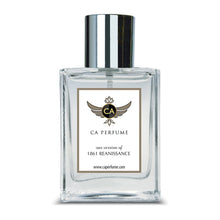
1861 Renaissance — Xerjoff Impression 1861 Renaissance Alternative Perfume
A-
HumanSafe™ Score Generally Safe
Safest Evaluated Ingredients EDP
AQUA Solvent / Carrier ISS 10.0
1H-3A,7-METHANOAZULEN-6-OL, OCTAHYDRO-3,6,8,8- Evaluated ingredient ISS 9.0
CITRAL Evaluated ingredient ISS 8.0
3-BUTEN-2-ONE, 3-METHYL-4-(2,6,6-TRIMETHYL-2- Evaluated ingredient ISS 8.0
LINALYL ACETATE Evaluated ingredient ISS 7.0
LINALOOL Evaluated ingredient ISS 7.0
View full safety profile →
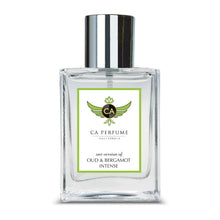
Oud & Bergamot Intense — Cologne Intense Oud & Bergamot Alternative Perfume
A-
HumanSafe™ Score Generally Safe
Safest Evaluated Ingredients EDP
OXACYCLOHEPTADEC-10-EN-2-ONE Evaluated ingredient ISS 10.0
AQUA Solvent / Carrier ISS 10.0
1,4-DIOXACYCLOHEPTADECANE-5,17-DIONE Evaluated ingredient ISS 10.0
LINALYL ACETATE Evaluated ingredient ISS 7.0
LINALOOL Evaluated ingredient ISS 7.0
ALCOHOL DENAT. Solvent / Carrier ISS 7.0
View full safety profile →
Expert Voices

What Masters Say About Amalfi Lemon

The scent profile of the Amalfi lemon is uniquely vibrant and more intensely aromatic than other lemons. Its aroma combines bright citrus notes that are zesty and refreshingly sharp, with a slightly sweeter undertone compared to other lemons.
ScentSeeker Editorial
Amalfi Lemon in perfumery is prized for its sun-drenched, sweet, and aromatic complexity, making it a cornerstone of Mediterranean citrus compositions.
CA Perfume Editorial
Common Questions

Frequently Asked Questions

Frequently asked questions about Amalfi Lemon in perfumery.

Amalfi Lemon in perfume smells zesty, sweet, and sun-drenched, with floral and herbaceous undertones. Its scent is more aromatic and less acidic than standard lemon, thanks to high concentrations of limonene and citral. The note opens with a vivid citrus burst, softens to reveal subtle floral and green nuances, and fades to a clean, woody trail. Fragrances like Acqua di Parma Fico di Amalfi La Riserva and Alfred Dunhill Amalfi Citrus exemplify its unique profile.

Amalfi Lemon is classified as a top note in perfumery. Its high volatility means it provides an immediate, vibrant citrus impression that typically lasts 5–15 minutes on skin before evolving into the heart and base notes. It is rarely used as a base note due to its rapid evaporation.

Niche perfumes value Amalfi Lemon for its aromatic complexity, regional authenticity, and ability to impart a sunlit, Mediterranean character. Its nuanced blend of zesty, sweet, and floral notes allows for sophisticated citrus compositions that stand apart from standard lemon accords. Limited production and IGP certification also add to its exclusivity.

Amalfi Lemon fragrance uses often involve pairing with neroli, green tea, cedarwood, fig, and jasmine. These notes share molecular affinities (linalool, nerolidol, and green aldehydes) that create seamless transitions and enhance aromatic complexity. Vanilla and tonka bean can also be used to soften the citrus edge.

Yes, Amalfi Lemon is especially suited to summer and hot weather due to its refreshing, uplifting character. High temperatures amplify its volatility, intensifying the citrus burst but shortening its duration. Application to cooler skin areas and layering with fixatives can help maintain longevity in heat.

The vivid citrus top note of Amalfi Lemon typically lasts 5–15 minutes on skin, after which floral and woody heart notes become more prominent. In compositions with strong fixatives, the overall fragrance can persist for several hours, but the initial citrus effect is always fleeting due to the volatility of its main components.

Yes, Amalfi Lemon is highly versatile for layering. It pairs well with florals (neroli, jasmine), woods (cedarwood, vetiver), and gourmand notes (vanilla, tonka bean). Layering can extend the citrus freshness, add depth, or create a creamy, rounded effect depending on the chosen combination.

Recommended entry points include Acqua di Parma Fico di Amalfi La Riserva, Alfred Dunhill Amalfi Citrus, and The White Company Amalfi Lemon. These fragrances showcase the note’s aromatic complexity in accessible, balanced compositions suitable for daily wear.

At CA Perfume, explore the Amalfi Lemon collection by considering your preferred style—whether you favor pure citrus, citrus-floral, or citrus-woody blends. Sampling is encouraged to experience how the note interacts with your skin chemistry and personal preferences.

Amalfi Lemon balances both sweet and sharp facets. Its initial impression is zesty and tangy, but the Sfusato Amalfitano variety is notably sweeter and more aromatic than standard lemon, with floral undertones that round out the sharpness. The final effect depends on concentration, pairing notes, and individual skin chemistry.

Citrus Aromatic Collection

Explore Our Top Amalfi Lemon Fragrances

Discover CA Perfume’s curated selection of Amalfi Lemon fragrances, each capturing the sunlit vibrancy and aromatic complexity of Italy’s famed citrus.

Shop all amalfi lemon fragrances at CA Perfume →

Where Amalfi Lemon Comes From — Origin & Extraction

Amalfi Lemon, botanically Citrus limon ‘Sfusato Amalfitano’, is indigenous to the Amalfi Coast of southern Italy. Cultivated on terraced cliffs between Vietri sul Mare and Positano, this variety is protected by IGP (Indicazione Geografica Protetta) status since 2001. The region’s volcanic soil, high humidity, and abundant sunlight contribute to the lemon’s large size, elongated shape, and thick, wrinkled peel, which is densely packed with aromatic oil glands. Annual production of Sfusato Amalfitano is estimated at 8,000–10,000 metric tons, representing less than 1% of global lemon output, but commanding a premium due to its unique aromatic profile. Extraction of Amalfi Lemon essential oil is performed exclusively via cold expression (mechanical pressing) of the fresh peel, a process that preserves the integrity of volatile compounds like limonene and citral. The traditional 'sponge method'—where the peel is pressed by hand and the oil absorbed onto natural sponges—has largely been replaced by industrial centrifugation, but the principle remains unchanged: no heat is applied, and only the outermost zest is used. It takes approximately 1,200 Amalfi lemons to yield 1 kg of essential oil, with a typical yield of 4–5% by weight. The oil is then filtered to remove waxes and non-volatile residues. While natural Amalfi Lemon oil can command prices of $120–200/kg, synthetic lemon aroma chemicals (primarily racemic limonene, CAS 138-86-3, and citral, CAS 5392-40-5) are available for $10–20/kg. However, the synthetic versions lack the nuanced floral and herbaceous facets of the natural oil. Sustainability is a key concern: the IGP status enforces strict agricultural practices, including hand-harvesting and limits on pesticide use, to protect both biodiversity and the traditional landscape. The limited scale and labor-intensive methods make Amalfi Lemon oil a rare and valued material in fine perfumery.

Famous Fragrances That Define Amalfi Lemon in Perfumery

Amalfi Lemon has inspired a lineage of fragrances that showcase its sunlit, aromatic complexity. In Acqua di Parma Fico di Amalfi La Riserva (2025), the note is paired with Italian mandarin, fig, and orris, creating a creamy, green citrus effect that captures the Mediterranean landscape. Alfred Dunhill Amalfi Citrus (2020), composed by Olivier Gillotin, features Amalfi Lemon as the dominant top note, supported by neroli, green tea, and vetiver for a crisp, energetic profile. The White Company’s Amalfi Lemon (2023) blends the note with neroli, jasmine, eucalyptus, and cedarwood, evoking the freshness of a Mediterranean coastline. Profumum Roma Acqua Viva is another modern classic, using Amalfi Lemon as its leading note, accentuated by cypress and cedar for a sun-drenched, woody citrus accord. Riiffs Perfumes Costa de Amalfi (2024) highlights lemon peel and yuzu, with ginger and clary sage for an aromatic aquatic effect. These fragrances demonstrate the versatility of Amalfi Lemon as both a dominant and bridging note, capable of pairing with florals, woods, and aromatics. CA Perfume’s collection draws inspiration from this lineage, offering compositions that balance authenticity, freshness, and modernity.

Natural vs Synthetic Amalfi Lemon in Perfumery

Natural Amalfi Lemon oil is a complex mixture dominated by (R)-limonene (CAS 5989-27-5), citral (CAS 5392-40-5), and beta-pinene (CAS 127-91-3), with minor contributions from gamma-terpinene and neral. Synthetic lemon notes are typically constructed from racemic limonene, citral, and additional aldehydes such as citral dimethyl acetal for stability. Synthetic versions offer greater batch-to-batch consistency, enhanced longevity, and reduced allergenicity, but they lack the subtle floral and herbaceous undertones present in the natural oil. Performance-wise, natural Amalfi Lemon oil is highly volatile, providing a vivid but short-lived top note (5–15 minutes on skin), while synthetic blends can extend the citrus effect for up to 30 minutes. Cost is a major differentiator: natural oil ranges from $120–200/kg, while synthetic blends are $10–20/kg. Iconic fragrances such as Acqua di Parma Fico di Amalfi La Riserva (2025) and Alfred Dunhill Amalfi Citrus (2020) use natural oil for authenticity, while many mass-market colognes rely on synthetic blends for cost and stability. Sustainability and transparency are increasingly important: the HumanSafe™ platform enables traceability of both natural and synthetic sources, ensuring compliance with IFRA and environmental standards. CA Perfume’s approach is to blend natural IGP-certified Amalfi Lemon oil with select synthetics for optimal olfactory impact, safety, and supply chain resilience. Other key aroma chemicals used in synthetic lemon accords include decanal (CAS 112-31-2) and methyl heptenone (CAS 110-93-0), which add green and waxy nuances.