Where Aldehydes Comes From — Origin & Extraction
Aldehydes are a class of organic compounds characterized by the presence of a terminal carbonyl group (–CHO). In perfumery, the most significant aldehydes are synthetic, although many occur naturally in essential oils such as orange rind (octanal, decanal), rose oil (nonanal), and cinnamon bark (cinnamaldehyde). Industrially, aldehydes are produced through chemical synthesis, most commonly via hydroformylation (oxo process), which involves reacting alkenes with carbon monoxide and hydrogen at elevated temperatures (100–150°C) and pressures (10–100 atm) in the presence of a cobalt or rhodium catalyst. This process allows for precise control over chain length and purity, yielding compounds such as undecanal (C-11, CAS 112-44-7) and dodecanal (C-12, CAS 112-54-9).
The primary producers of synthetic aldehydes are chemical manufacturers in Europe (notably Germany and Switzerland), the United States, and China. Production volumes for individual aldehydes are typically in the range of several hundred to several thousand metric tons annually, depending on industrial demand. Natural extraction of aldehydes is limited by low yields and high costs; for example, nonanal and decanal can be isolated from citrus oils, but at a cost exceeding $10,000/kg, compared to $50–200/kg for synthetic equivalents. Sustainability considerations favor synthetic production, as it reduces pressure on agricultural resources and allows for consistent quality and supply. The discovery of aldehydes dates to 1835 (Justus von Liebig), with industrial synthesis methods developed in the early 20th century (notably by Georges Darzens in 1903).
Famous Fragrances That Define Aldehydes in Perfumery
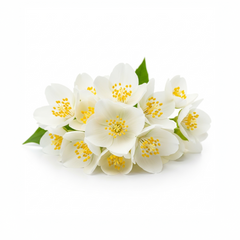
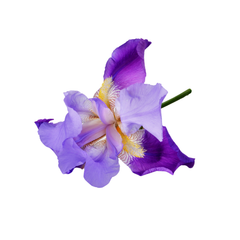
Aldehydes have defined some of the most iconic fragrances in perfumery, particularly from the early 20th century onward. Chanel No. 5 (1921, Ernest Beaux) is the quintessential aldehydic floral, using a blend of C-10, C-11, and C-12 aldehydes to create its legendary sparkling, abstract opening. Houbigant Quelques Fleurs (1912, Robert Bienaimé) was among the first to use aldehydes to amplify a floral bouquet, setting the stage for later innovations. Lanvin Arpège (1927, André Fraysse and Paul Vacher) employed aldehydes to give a luminous, powdery lift to its floral heart. In the modern era, Byredo Blanche (2009, Jérôme Epinette) and Maison Martin Margiela Lazy Sunday Morning (2013, Louise Turner) use aldehydes for a clean, fresh-linen effect, while Le Labo Aldehyde 44 (2006, Yann Vasnier) explores the metallic, effervescent side of the note. These fragrances showcase aldehydes as dominant, bridge, or accent notes, often paired with rose, jasmine, iris, or musk. CA Perfume’s aldehydic collection draws inspiration from this lineage, offering contemporary interpretations that balance tradition and innovation.
Natural vs Synthetic Aldehydes in Perfumery
In perfumery, aldehydes are predominantly synthetic, though many are structurally identical to those found in nature. Key synthetic molecules include undecanal (C-11, CAS 112-44-7), dodecanal (C-12, CAS 112-54-9), and benzaldehyde (CAS 100-52-7). Synthetic aldehydes offer superior consistency, stability, and cost-effectiveness compared to their natural counterparts, which are present in trace amounts in essential oils and are prohibitively expensive to isolate. Performance-wise, synthetic aldehydes provide greater longevity and diffusion, especially in top and heart notes, and are less prone to oxidation than natural extracts.
Famous fragrances such as Chanel No. 5 (1921, Ernest Beaux) and Byredo Blanche (2009, Jérôme Epinette) rely on synthetic aldehydes for their signature effects. Natural aldehydes, while present in materials like rose oil and citrus peel, are rarely used in isolation due to cost and variability. Sustainability is a significant advantage of synthetics, as they reduce the environmental impact associated with large-scale agricultural extraction. The HumanSafe™ platform at CA Perfume ensures transparency in sourcing and safety for all aldehyde-containing formulas, with full IFRA compliance. Other notable aroma chemicals in this class include citral (CAS 5392-40-5), cyclamen aldehyde (CAS 103-95-7), and anisaldehyde (CAS 123-11-5), each contributing distinct olfactory nuances.