Ingredient Guide · Floral Green
Floral Green Family · Perfumery Note

Agave

Serenity and sophistication in every drop

Agave is a heart note in perfumery, blending earthy green freshness with subtle honey-like sweetness. It is used below 5% concentration, primarily sourced from Mexico and the US.

Agave
Ingredient Profile

Agave

Floral Green Family
Family Floral Green
Note Position Heart Note
Usage Level <5%
Key Origins Mexico, United States
Iconic In Blanco, Blue Agave
The Ingredient

What does Agave smell like and why is it valuable in perfumery?

Agave is a succulent plant whose fragrance combines green freshness with a honey-like sweetness, creating an earthy yet subtly sweet aroma. This scent profile arises from complex natural molecules including green-leaf compounds like cis-3-hexenol and waxy notes, sometimes enhanced with smoky-sweet elements such as furfural and cyclotene in cooked variants. Agave is classified as a heart note in perfumery, typically used at concentrations below 5%. It interacts well with skin chemistry, offering a calming and grounded aroma that unfolds over several hours, usually lasting 5 to 8 hours. In perfumery, agave provides richness and tranquility to compositions, often paired with floral notes like rose and jasmine to enhance its floral dimensions, as well as vanilla and benzoin to add sweet warmth. Its moderate volatility and earthy-sweet character make it a versatile ingredient that bridges fresh and warm accords effectively. Notable fragrances featuring agave include Maison Solís's Blanco (2023), which captures fresh agave in a bright, crisp context, and Precious Liquid's Blue Agave (2017) by Richard Herpin, known for its aquatic and clean interpretation. Other examples are Calvin Klein's Reveal Men (2015) and Maison Alhambra's Minerva (2022), both showcasing agave's ability to add depth and freshness in modern compositions.

<5%
Typical maximum usage concentration of agave absolute in perfume formulations to balance potency and skin safety.
5–8 Hours
Average longevity of agave fragrance on skin, reflecting the balance of volatile and fixative molecules.
20–25%
Relative proportion of agave in educational accord blends to showcase its character alongside complementary ingredients.
Origin & Extraction

Where Agave Comes From — Origin & Extraction

Agave's scent character is shaped by its geographic origins, with soil composition, altitude, and climate influencing aromatic nuances. Key producing regions include Mexico's diverse agave-growing areas and the arid southwestern United States, each imparting distinct olfactory traits.

Agave, primarily Agave americana and Agave tequilana species, is native to arid regions of Mexico and the southwestern United States. Mexico is the principal producer, with diverse species cultivated across its varied landscapes, contributing to nuanced aromatic profiles influenced by soil composition and climate. The United States, especially the Southwest, also cultivates agave adapted to dry environments, imparting a distinct scent character. The agave plant is monocarpic, living 5 to 30 years before flowering once and dying. Its flowering stalk can grow up to 9 meters in weeks, one of the fastest growths in the plant kingdom. This biological trait influences harvesting cycles and availability. In perfumery, agave is not commercially extracted as a traditional essential oil. Instead, its fragrance is reconstructed from green-vegetal molecules like cis-3-hexenol, waxy notes, and smoky-sweet compounds such as furfural and cyclotene for cooked variants. Steam distillation of agave leaves is documented in phytochemistry but not widely practiced commercially for fragrance. Natural agave absolute is obtained via solvent extraction or supercritical CO2 extraction, yielding a pale yellow to amber liquid with medium odor strength. Extraction yields are low, and costs range from $3,000 to $6,000 per kilogram. Synthetic analogues, primarily safranal and related molecules, are produced via laboratory synthesis at $50 to $200 per kilogram, offering consistent and stable character. Sustainability considerations include the plant's slow growth and monocarpic lifecycle, necessitating careful agricultural management to avoid overharvesting and ensure long-term supply.

MX

Mexico

Mexico is the primary producer of agave, especially Agave tequilana, cultivated in regions like Jalisco. The volcanic, mineral-rich soils and arid climate contribute to agave's complex green and subtly sweet aroma. Traditional harvesting methods and biodiversity enhance the quality and character of agave used in perfumery. Mexico accounts for over 80% of global agave production.

US

United States

In the southwestern US, agave grows in dry, desert-like conditions, particularly in Arizona and New Mexico. The harsher climate and soil impart a stronger, more austere green scent profile with fibrous and earthy facets. US-grown agave is less voluminous but valued for its distinctive aromatic qualities.

Chemistry

Natural vs Synthetic Agave in Perfumery

Natural agave absolute is a complex, variable mixture extracted mainly by solvent or CO2 methods, characterized by its earthy, green, and subtly sweet facets. Its chemical complexity includes green-leaf molecules such as cis-3-hexenol and waxy compounds, with optional smoky-sweet notes like furfural and cyclotene in cooked variants. The cost of natural agave absolute ranges from $3,000 to $6,000 per kilogram, reflecting the labor-intensive extraction and limited yield. Synthetic agave substitutes are primarily based on safranal (CAS 116-26-7) and related analogues, which replicate the key hay-like, sweet, and slightly metallic aspects of the natural note. These synthetics offer consistent quality, greater stability, and cost efficiency, priced between $50 and $200 per kilogram. Performance-wise, natural agave provides a richer, more nuanced scent profile with subtle variations batch-to-batch, while synthetics deliver reliable longevity and diffusion. Famous fragrances such as Maison Solís's agave-inspired line use natural extracts for authenticity, whereas mass-market products may rely on synthetics for cost-effectiveness. The HumanSafe™ platform supports transparency in sourcing and formulation, encouraging balanced use of natural and synthetic ingredients to optimize sustainability, safety, and olfactory quality.

Natural
Agave Absolute
Cost $3,000–6,000/kg
Method Solvent / CO₂
Character Complex, variable
vs
Synthetic
Safranal & Analogues
Cost $50–200/kg
Method Lab synthesis
Character Consistent, stable
Hall of Fame

Famous Fragrances That Define Agave in Perfumery

2023
dominant note

Blanco

Maison Solís
by Ethan Turner
citruscoconutcedar
2017
heart note

Blue Agave

Precious Liquid
by Richard Herpin
sea saltlimesagedriftwood
2015
supporting note

Reveal Men

Calvin Klein
floralmusk
2022
accent

Minerva

Maison Alhambra
herbswoods
2007
supporting note

St. Barts Men

Tommy Bahama
freshgreen

Agave has become a distinctive note in contemporary perfumery, featured in several notable fragrances that showcase its green, earthy, and subtly sweet character. Maison Solís's Blanco (2023), crafted by perfumer Ethan Turner, captures the freshness of agave's early growth stage, blending it with ripe citrus, coconut, and cedar to evoke Mexican agave fields. This fragrance highlights agave as a dominant note, paired with woody and citrus accords. Precious Liquid's Blue Agave (2017), by Richard Herpin, presents an aromatic aquatic interpretation where agave acts as a heart note, supported by sea salt, lime, sage, and driftwood, creating a fresh and clean summer scent. Calvin Klein's Reveal Men (2015) uses agave as a supporting note, enhancing the fragrance's fresh and slightly sweet profile alongside floral and musky notes. Maison Alhambra's Minerva (2022) employs agave as an accent within a green aromatic composition, paired with herbs and woods. Other fragrances include Tommy Bahama's St. Barts Men (2007), Xinú's Aguamadera (2016), and Abercrombie & Fitch's Naturally Fierce (2021), each utilizing agave to add depth and a naturalistic green touch. CA Perfume's editorial collection acknowledges agave's role in modern niche perfumery as a versatile heart note that bridges fresh and warm accords with a grounded, tranquil character.

The Accord

How is a captivating Agave accord crafted?

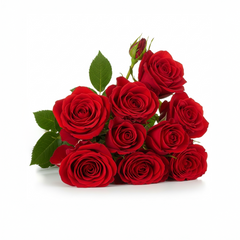
An exquisite agave accord balances earthy green notes with soft florals and sweet balsamic hints to create a tranquil and harmonious scent. Rose (20-25%) adds lush floral complexity that contrasts agave's earthiness. Benzoin (10-15%) contributes a smooth, warm balsamic sweetness deepening the accord's richness. Vanilla (15-20%) provides creamy sweetness that softens agave's green facets through olfactory masking. Vetiver (20-25%) introduces woody, smoky undertones that anchor the accord and enhance longevity. Together, these ingredients total approximately 90-100%, forming a well-rounded agave-centric blend.

25%

Agave

20–25% of blend

Agave forms the core of the accord, providing green, earthy, and subtly sweet facets that define the scent's character.

25%

Rose

20–25% of blend

Rose adds floral richness and shares trace compounds with agave, creating a seamless molecular bridge enhancing sweetness.

15%

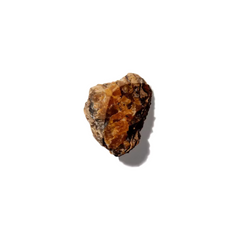
Benzoin

10–15% of blend

Benzoin contributes a smooth, balsamic sweetness that deepens the warmth and richness of the agave accord.

20%

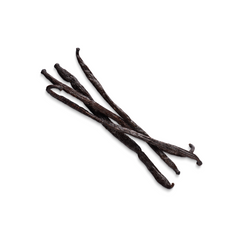
Vanilla

15–20% of blend

Vanilla's vanillin softens agave's green edge via olfactory masking, adding creamy sweetness and balance.

25%

Vetiver

20–25% of blend

Vetiver introduces woody, smoky undertones that anchor the accord and enhance its longevity and depth.

The Olfactory Layers

How Agave Evolves on Skin

Agave's olfactory evolution begins with its green, fresh facets in the top notes, dominated by volatile cis-3-hexenol molecules evaporating within the first 15 minutes. The heart phase reveals the fuller, earthy, and subtly sweet character as less volatile waxy and balsamic compounds emerge over 20 to 60 minutes. Base notes develop over several hours, where woody and smoky undertones from vetiver and benzoin provide lasting depth and warmth.

I
Top notes
0–15 min
Crisp Green Freshness

The initial impression features bright green freshness from cis-3-hexenol and watery aldehydes, producing a crisp, dewy aroma reminiscent of fresh agave leaves and sunlit landscapes. These high-volatility molecules evaporate quickly, creating an opening that is clean and invigorating.

GreenFreshDewy
II
Heart notes
20–60 min
Earthy Sweetness

The heart reveals agave's earthy and subtly sweet facets, with waxy molecules and vanillin derivatives contributing to a warm, honey-like sweetness. Floral notes such as rose and jasmine often emerge here, blending with agave to enhance complexity and depth.

EarthySweetFloral
III
Base notes
Several hours
Woody Warmth

The base is anchored by woody and balsamic notes from vetiver and benzoin, imparting smoky, resinous warmth. These low-volatility compounds provide longevity and a grounded finish, balancing agave's green brightness with depth and richness.

WoodySmokyWarm
TOP NOTES Crisp Green Freshness 0–15 minutes HEART NOTES Earthy Sweetness 20–60 minutes BASE NOTES Woody Warmth Several hours
Through the Ages

The Story of Agave in Perfumery

Agave's use in perfumery is a recent development, emerging from traditional cultural and botanical significance to modern fragrance innovation.

Antiquity

Agave in Indigenous Cultures

Agave has been cultivated by indigenous peoples of Mexico and the Americas for millennia, primarily for food, fiber, and beverage production such as mezcal and tequila, documented in the Florentine Codex (1580). Its aromatic properties were noted but not widely used in perfumery.

20th Century

Botanical and Phytochemical Studies

Scientific studies identified key aromatic compounds in agave, including green-leaf molecules and smoky aldehydes, laying groundwork for perfumery applications. However, commercial extraction for fragrance remained limited.

2010s

Emergence in Niche Perfumery

Agave began appearing as a niche green-vegetal note in desert and mezcal-themed fragrances, reconstructed from aroma chemicals rather than direct extraction, gaining popularity for its unique earthy-sweet profile.

2017

Launch of Blue Agave by Precious Liquid

Richard Herpin created Blue Agave, one of the first widely recognized fragrances featuring agave as a heart note, blending aquatic freshness with green and woody facets.

2023

Maison Solís Agave-Inspired Line

Maison Solís introduced a trilogy of fragrances inspired by tequila expressions, emphasizing agave's aromatic complexity and cultural heritage, crafted by Ethan Turner.

The Art of Layering

How to Layer Agave

Understanding how to layer agave involves molecular compatibility and olfactory synergy. Layering enhances complexity and personal expression.

01

Enhance Sweetness

Pair agave with vanilla or benzoin to soften its green facets through olfactory masking. Vanillin molecules reduce perceived sharpness, creating a smooth, warm sweetness. This combination is exemplified in accords like the agave-vanilla blend in Maison Solís's Añejo.

02

Add Depth

Combine agave with vetiver or sandalwood to introduce woody, smoky undertones that anchor the scent. These molecules complement agave's earthy base, enhancing longevity and richness, as seen in Precious Liquid's Blue Agave.

03

Lighten the Glow

Layer agave with fresh citrus or watery melon notes to highlight its crisp, dewy top notes. The high volatility of citrus aldehydes brightens agave's green freshness, creating a vibrant, uplifting effect, demonstrated in Maison Solís's Blanco.

Wear It Right

How to Wear Agave Like a Pro

Seasonal Guide

Fall & Winter

In cooler temperatures, agave's woody and balsamic base notes become more pronounced, providing comforting warmth. Apply more liberally for better sillage, focusing on pulse points to maximize diffusion despite reduced volatility.

Spring

Spring's mild climate balances agave's green freshness and floral heart. Layer with complementary florals like rose or jasmine to enhance brightness and create a lively, uplifting scent suitable for transitional weather.

Summer

Heat increases agave's top note volatility, emphasizing crisp green and watery facets. Use lighter concentrations or body mists for a refreshing, non-overpowering effect. Avoid heavy layering to maintain clarity.

Year-Round Tip

Adjust application based on temperature: lighter sprays in heat, richer layers in cold. Combining agave with vanilla or benzoin can smooth transitions between seasons by balancing freshness and warmth.

Application Points

Strategic application enhances agave's scent evolution and projection.

1

Neck

Pulse points like the neck emit heat, accelerating evaporation of agave's fresh top notes and enhancing initial brightness.

2

Behind the Ears

This area provides warmth and subtle diffusion, ideal for highlighting agave's floral and sweet heart notes.

3

Inner Wrists

Wrists offer a balance of heat and movement, promoting scent projection and evolution throughout the day.

4

Hair

Hair retains fragrance longer, releasing agave's green and woody notes gradually, creating a soft sillage.

Pro Tip

Layer agave fragrance over unscented moisturizers to enhance longevity and prevent scent distortion from skin dryness.

Mood Architecture™

Top Agave Fragrances by Mood Score

These Agave-based fragrances scored highest on the MEI™ Mood Architecture Framework — measuring how a scent may influence your emotional state.

Highest MEI Score
Marfans — Marfa Alternative Perfume
#1
Marfans — Marfa Alternative Perfume
Starting from $14.99
7.07
MEI™
Primary Romantic
Secondary Confident
Confidence
6.33
Presence
6.77
Mood Lift
7.54
Identity
6.8
Warmth
9.07
Social Ease
7.01
Energy
2.7
" I am beautiful.
View full mood profile →
Marfa Spices — Memo Impression MARFA SPICES Alternative Perfume
6.36
MEI™
Primary Magnetic
Secondary Confident
Confidence
6.2
Presence
6.9
Mood Lift
6.72
Identity
6.75
Warmth
6.62
Social Ease
6.17
Energy
2.6
" I am bold.
View full mood profile →
HumanSafe™

Top Agave Fragrances by HumanSafe™ Score

These Agave-based fragrances have the highest product-level HumanSafe™ scores in this ingredient collection.

Highest HumanSafe™ Score
Marfans — Marfa Alternative Perfume
#1
Marfans — Marfa Alternative Perfume
Starting from $14.99
A-
HumanSafe™ Score Generally Safe
Safest Evaluated Ingredients EDP
AQUA Solvent / Carrier ISS 10.0
1,4-DIOXACYCLOHEPTADECANE-5,17-DIONE Evaluated ingredient ISS 10.0
BENZYL SALICYLATE Evaluated ingredient ISS 9.0
4H-INDEN-4-ONE, 1,2,3,5,6,7-HEXAHYDRO-1,1,2,3,3- Evaluated ingredient ISS 9.0
2H-1-BENZOPYRAN-2-ONE Evaluated ingredient ISS 8.0
View full safety profile →
Marfa Spices — Memo Impression MARFA SPICES Alternative Perfume
A-
HumanSafe™ Score Generally Safe
Safest Evaluated Ingredients EDP
AQUA Solvent / Carrier ISS 10.0
BENZYL SALICYLATE Evaluated ingredient ISS 9.0
2H-1-BENZOPYRAN-2-ONE Evaluated ingredient ISS 8.0
LINALYL ACETATE Evaluated ingredient ISS 7.0
ALCOHOL DENAT. Solvent / Carrier ISS 7.0
View full safety profile →
Expert Voices

What Masters Say About Agave

Agave's scent profile is a complex interplay of green freshness and subtle sweetness, making it a versatile heart note in modern fragrance compositions.
CA Perfume Editorial
The use of agave in perfumery bridges natural botanical character with contemporary scent trends, offering a grounded yet sophisticated aroma.
CA Perfume Editorial
Common Questions

Frequently Asked Questions

Common questions about agave in perfumery answered with technical detail.

Agave in perfume smells green, earthy, and subtly sweet, with a watery freshness reminiscent of sunlit desert landscapes. It combines green-leaf molecules like cis-3-hexenol with waxy and smoky-sweet compounds, creating a balanced heart note that lasts 5 to 8 hours. Notable fragrances featuring agave include Maison Solís's Blanco and Precious Liquid's Blue Agave.

Agave is primarily used as a heart note in perfumery. While it can contribute fresh, green facets that resemble top notes, its fuller earthy and sweet character emerges in the heart phase, providing depth and warmth before transitioning to woody base notes.

Agave's unique green-earthy-sweet profile offers a naturalistic and sophisticated scent that resonates with niche perfumers seeking originality. Its versatility allows blending with florals, woods, and balsamics, making it ideal for compositions inspired by desert landscapes and mezcal culture.

Agave fragrance uses commonly include pairing with rose and jasmine to enhance floral dimensions, vanilla and benzoin for sweet warmth, and vetiver or sandalwood to add woody depth. These combinations create harmonious accords that balance agave's green freshness with rich, warm undertones.

Yes, agave perfumes perform well in summer due to their fresh, watery top notes that provide cooling effects. In heat, agave's green and citrus facets are accentuated, making it refreshing. Lighter concentrations or body mists are recommended to avoid overwhelming the senses.

Agave fragrances typically last between 5 to 8 hours on skin, depending on formulation and concentration. The balance of volatile green molecules and longer-lasting woody and balsamic notes contributes to this moderate longevity.

Yes, layering agave with complementary notes such as vanilla, benzoin, rose, or citrus can enhance complexity and personalize the scent. Understanding how to layer agave involves considering molecular compatibility and olfactory masking to create balanced blends.

For those new to agave, lighter formulations featuring floral and herbal components are recommended to ease into its earthy richness. Fragrances like Maison Solís's Blanco or Precious Liquid's Blue Agave offer approachable introductions to agave's scent profile.

Selecting an agave fragrance involves considering concentration, complementary notes, and personal scent preferences. CA Perfume offers a curated collection verified for quality and transparency through the HumanSafe™ platform, ensuring authentic and safe agave experiences.

Agave primarily smells subtly sweet with earthy and green facets rather than spicy. Its sweetness is honey-like and balanced by vegetal and woody undertones, making it a versatile note that complements rather than competes with spicy elements.

Floral Green Collection

Explore Our Top Agave Fragrances

Discover a curated selection of fragrances featuring agave's unique green and sweet character, perfect for diverse scent preferences.

Shop all agave fragrances at CA Perfume →

Where Agave Comes From — Origin & Extraction

Agave, primarily Agave americana and Agave tequilana species, is native to arid regions of Mexico and the southwestern United States. Mexico is the principal producer, with diverse species cultivated across its varied landscapes, contributing to nuanced aromatic profiles influenced by soil composition and climate. The United States, especially the Southwest, also cultivates agave adapted to dry environments, imparting a distinct scent character. The agave plant is monocarpic, living 5 to 30 years before flowering once and dying. Its flowering stalk can grow up to 9 meters in weeks, one of the fastest growths in the plant kingdom. This biological trait influences harvesting cycles and availability. In perfumery, agave is not commercially extracted as a traditional essential oil. Instead, its fragrance is reconstructed from green-vegetal molecules like cis-3-hexenol, waxy notes, and smoky-sweet compounds such as furfural and cyclotene for cooked variants. Steam distillation of agave leaves is documented in phytochemistry but not widely practiced commercially for fragrance. Natural agave absolute is obtained via solvent extraction or supercritical CO2 extraction, yielding a pale yellow to amber liquid with medium odor strength. Extraction yields are low, and costs range from $3,000 to $6,000 per kilogram. Synthetic analogues, primarily safranal and related molecules, are produced via laboratory synthesis at $50 to $200 per kilogram, offering consistent and stable character. Sustainability considerations include the plant's slow growth and monocarpic lifecycle, necessitating careful agricultural management to avoid overharvesting and ensure long-term supply.

Famous Fragrances That Define Agave in Perfumery

Agave has become a distinctive note in contemporary perfumery, featured in several notable fragrances that showcase its green, earthy, and subtly sweet character. Maison Solís's Blanco (2023), crafted by perfumer Ethan Turner, captures the freshness of agave's early growth stage, blending it with ripe citrus, coconut, and cedar to evoke Mexican agave fields. This fragrance highlights agave as a dominant note, paired with woody and citrus accords. Precious Liquid's Blue Agave (2017), by Richard Herpin, presents an aromatic aquatic interpretation where agave acts as a heart note, supported by sea salt, lime, sage, and driftwood, creating a fresh and clean summer scent. Calvin Klein's Reveal Men (2015) uses agave as a supporting note, enhancing the fragrance's fresh and slightly sweet profile alongside floral and musky notes. Maison Alhambra's Minerva (2022) employs agave as an accent within a green aromatic composition, paired with herbs and woods. Other fragrances include Tommy Bahama's St. Barts Men (2007), Xinú's Aguamadera (2016), and Abercrombie & Fitch's Naturally Fierce (2021), each utilizing agave to add depth and a naturalistic green touch. CA Perfume's editorial collection acknowledges agave's role in modern niche perfumery as a versatile heart note that bridges fresh and warm accords with a grounded, tranquil character.

Natural vs Synthetic Agave in Perfumery

Natural agave absolute is a complex, variable mixture extracted mainly by solvent or CO2 methods, characterized by its earthy, green, and subtly sweet facets. Its chemical complexity includes green-leaf molecules such as cis-3-hexenol and waxy compounds, with optional smoky-sweet notes like furfural and cyclotene in cooked variants. The cost of natural agave absolute ranges from $3,000 to $6,000 per kilogram, reflecting the labor-intensive extraction and limited yield. Synthetic agave substitutes are primarily based on safranal (CAS 116-26-7) and related analogues, which replicate the key hay-like, sweet, and slightly metallic aspects of the natural note. These synthetics offer consistent quality, greater stability, and cost efficiency, priced between $50 and $200 per kilogram. Performance-wise, natural agave provides a richer, more nuanced scent profile with subtle variations batch-to-batch, while synthetics deliver reliable longevity and diffusion. Famous fragrances such as Maison Solís's agave-inspired line use natural extracts for authenticity, whereas mass-market products may rely on synthetics for cost-effectiveness. The HumanSafe™ platform supports transparency in sourcing and formulation, encouraging balanced use of natural and synthetic ingredients to optimize sustainability, safety, and olfactory quality.