Where African Orange Flower Comes From — Origin & Extraction
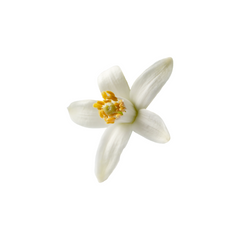
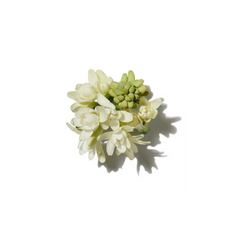
African Orange Flower is sourced from the blossoms of the bitter orange tree (Citrus aurantium var. amara), a species native to Southeast Asia but now widely cultivated in Mediterranean and North African regions. The primary producing countries are Tunisia (notably the Cap Bon and Nabeul regions, accounting for the majority of global production), Morocco (Rabat and Fez regions), and Egypt (southern Nile valley). Tunisia alone cultivates orange blossom on approximately 600 hectares, with an annual yield of up to 1,000 metric tons of fresh flowers.
Extraction methods vary depending on the desired product. Orange blossom absolute is obtained via solvent extraction, yielding a concrete that is then washed with ethanol to produce the absolute. This process preserves heavier, less volatile molecules, resulting in a richer, more indolic scent profile. Neroli essential oil, by contrast, is produced through steam distillation of freshly picked flowers, capturing the lighter, greener, and more citrus-forward facets. The yield for neroli is extremely low: 1,000 kg of fresh flowers produce only 1–1.3 kg of neroli oil, while orange blossom absolute yields are similarly limited (1.2–1.4 kg per 1,000 kg of flowers). Extraction temperatures are carefully controlled (typically below 60°C) to prevent degradation of key aroma compounds such as linalool and methyl anthranilate.
Natural orange blossom absolute commands high prices, ranging from $4,000–6,000 USD per kg, while neroli oil is slightly less expensive but still premium. Synthetic substitutes, using molecules like linalool and methyl anthranilate, cost significantly less ($50–200 USD per kg) and offer greater consistency. Sustainability is a concern due to the labor-intensive harvesting and the vulnerability of bitter orange groves to climate change and overharvesting. Some producers are experimenting with regenerative agriculture and fair-trade practices to ensure long-term viability.
Famous Fragrances That Define African Orange Flower in Perfumery
African Orange Flower has played a pivotal role in both classic and contemporary perfumery. Armani Code pour Femme (Giorgio Armani, 2006, Dominique Ropion, Carlos Benaïm, Olivier Polge) features African orange flower as a luminous heart, paired with ginger and honey for a modern, sensual floral signature. Elie Saab Le Parfum (2011, Francis Kurkdjian) centers on African orange flower, enveloped by jasmine and patchouli, creating a radiant, elegant trail. Serge Lutens Fleurs d'Oranger (2003, Christopher Sheldrake) explores the indolic, narcotic side of orange blossom, blending it with tuberose and white jasmine. Jo Malone Orange Blossom Cologne (2003, Jean-Claude Delville) highlights the fresh, green, and slightly citrusy facets of African orange flower, complemented by clementine and water lily. Frazer Parfum African Soliflore Orange Blossom (Tammy Frazer) is a soliflore composition that showcases the full spectrum of African orange flower, from green citrus top notes to honeyed, animalic base nuances, paired with bergamot, opoponax, and ambergris.
These fragrances demonstrate the versatility of African Orange Flower as both a dominant note and a bridge between citrus, floral, and oriental accords. CA Perfume’s collection draws inspiration from this lineage, offering interpretations that honor both the natural and synthetic facets of this iconic floral note.
Natural vs Synthetic African Orange Flower in Perfumery
Natural African Orange Flower extracts—namely orange blossom absolute (CAS 8030-28-2) and neroli oil—are prized for their olfactory complexity, containing dozens of aromatic compounds including linalool, nerolidol, indole, methyl anthranilate, and limonene. These natural extracts offer a nuanced, evolving scent profile but are subject to batch variability and potential allergens.
Synthetic versions are built around key molecules such as linalool (CAS 78-70-6), methyl anthranilate (CAS 134-20-3), and hydroxycitronellal (CAS 107-75-5). These provide greater stability, longevity, and cost efficiency, with prices as low as $50–200 USD per kg. Synthetic orange flower notes are widely used in mass-market perfumery for their consistency and IFRA-compliant allergen profiles. Notable fragrances such as Elie Saab Le Parfum (2011) use a blend of natural and synthetic materials to balance radiance and performance, while some niche brands prioritize natural absolutes for authenticity.
From a sustainability perspective, synthetics reduce pressure on agricultural resources and offer a more reliable supply chain. However, natural extracts remain essential for high-end and artisanal perfumery. The HumanSafe™ platform provides transparency on sourcing and allergen content, ensuring both ethical and safe use of African Orange Flower in CA Perfume’s offerings.