Ingredient Guide · Floral
Floral Family · Perfumery Note

Absolute of Jasmine

The King of Perfumery's rich, sweet, and musky essence

Absolute of Jasmine is a richly fragrant middle note extracted primarily from Jasminum grandiflorum and Jasminum sambac via solvent extraction. It contains key molecules such as benzyl acetate, indole, and linalool, used typically at 0.1–2% concentration in fine fragrances.

Absolute of Jasmine
Ingredient Profile

Absolute of Jasmine

Floral Family
Family Floral
Note Position Heart Note
Usage Level 0.1–2%
Key Origins India, Egypt, Morocco
Iconic In Chanel No. 5, Good Girl Jasmine Absolute
The Ingredient

What does Absolute of Jasmine smell like and why is it essential in perfumery?

Absolute of Jasmine is a concentrated aromatic extract derived from the petals of Jasminum grandiflorum (Royal Jasmine) and Jasminum sambac (Arabian Jasmine). Its scent profile is intensely floral, sweet, and musky, characterized by key chemical constituents such as benzyl acetate (approx. 30-35%), benzyl alcohol (5%), linalool (8%), cis-jasmone (3%), and indole (2.5%). Indole contributes to the note's animalic and slightly fecal nuances, which add depth and complexity. In perfumery, Absolute of Jasmine functions predominantly as a middle note, used at concentrations typically ranging from 0.1% to 2%. Its role is to provide a rich, sensual floral heart that bridges top citrus or fruity notes with deeper woody or musky bases. The absolute’s interaction with skin chemistry varies; its indolic compounds may react differently depending on individual skin pH and oils, causing subtle scent shifts. Famous perfumes illustrating its use include Chanel No. 5 (1921), where jasmine absolute forms a core floral accord alongside rose absolute, and Carolina Herrera's Good Girl Jasmine Absolute (2025), which features jasmine as a dominant note paired with gourmand elements like toffee and tonka bean.

8,000 blooms per ml
Approximately 8,000 hand-picked jasmine flowers are required to produce one milliliter of jasmine absolute, reflecting its high cost and labor intensity.
0.1–2%
Typical concentration range of jasmine absolute in fine fragrance formulations, balancing potency with skin safety and olfactory harmony.
$8,000–15,000/kg
Approximate market price range for natural jasmine absolute, influenced by harvest yield, extraction complexity, and quality.
Origin & Extraction

Where Absolute of Jasmine Comes From — Origin & Extraction

Absolute of Jasmine is sourced from key jasmine-producing countries where climate and soil conditions optimize aromatic expression. These origins impart distinctive nuances to the absolute’s scent profile.

Absolute of Jasmine is extracted mainly from two species: Jasminum grandiflorum (Royal Jasmine) and Jasminum sambac (Arabian Jasmine). These species are cultivated primarily in India (notably Tamil Nadu and Karnataka), Egypt, and Morocco. India is a leading producer, with jasmine fields harvested at dawn to capture peak aromatic expression. Extraction is performed via solvent extraction using food-grade solvents such as hexane or ethanol, replacing the traditional enfleurage method. This process involves soaking fresh jasmine petals in solvent to dissolve aromatic compounds, followed by solvent evaporation to yield the absolute. The absolute is a thin, reddish-brown liquid containing the full aromatic complexity of the flower. Steam distillation is avoided due to the flower's delicate nature and heat sensitivity of key molecules like indole. Natural jasmine absolute costs approximately $8,000–15,000 per kilogram due to the vast quantity of flowers required—around 8,000 blooms per milliliter of absolute—and labor-intensive harvesting. Synthetic jasmine molecules cost significantly less, around $50–200/kg. Sustainability concerns include water use and labor conditions in jasmine farming regions, with efforts ongoing to improve ethical sourcing.

IN

India

Regions like Tamil Nadu and Karnataka provide warm climates and rich soils ideal for Jasminum grandiflorum cultivation. Flowers are handpicked at dawn to capture peak aroma. India is a leading producer, supplying a significant portion of the global jasmine absolute market.

EG

Egypt

Egyptian jasmine fields produce a slightly lighter, fresher absolute with subtle fruity and musky undertones. The Nile Delta’s fertile soils and moderate climate contribute to this distinctive profile.

MA

Morocco

Moroccan jasmine absolute is known for its rich floral intensity with green and honeyed facets. The Mediterranean climate and traditional harvesting methods influence its unique scent characteristics.

FR

France (Grasse)

Historically the center of jasmine absolute production, Grasse jasmine is prized for its balanced floral and fruity notes. Though production has declined, it remains a benchmark for quality jasmine absolute.

Chemistry

Natural vs Synthetic Absolute of Jasmine in Perfumery

Natural Absolute of Jasmine contains a complex mixture of hundreds of aromatic compounds, including benzyl acetate (CAS 140-11-4), benzyl alcohol (CAS 100-51-6), linalool (CAS 78-70-6), and indole (CAS 120-72-9). These contribute to its rich, evolving scent profile with floral, fruity, musky, and animalic facets. However, natural absolutes vary in quality and scent depending on harvest conditions. Synthetic jasmine molecules such as Hedione (methyl dihydrojasmonate, CAS 24851-98-7), indole, and benzyl acetate are used to replicate and amplify jasmine’s scent with greater consistency, longevity, and diffusion. Synthetics are less allergenic and more cost-effective, priced around $50–200/kg compared to natural absolute’s $8,000–15,000/kg. Famous fragrances like Chanel No. 5 use natural jasmine absolute, while others incorporate synthetics for cost and stability. The HumanSafe™ platform ensures transparency about ingredient sourcing and safety. CA Perfume balances natural and synthetic jasmine use to optimize scent complexity, performance, and sustainability.

Natural
Absolute of Jasmine Absolute
Cost $3,000–6,000/kg
Method Solvent / CO₂
Character Complex, variable
vs
Synthetic
Safranal & Analogues
Cost $50–200/kg
Method Lab synthesis
Character Consistent, stable
Hall of Fame

Famous Fragrances That Define Absolute of Jasmine in Perfumery

1921
dominant note

Chanel No. 5

Chanel
by Ernest Beaux
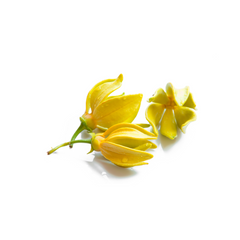
Rose AbsoluteAldehydesYlang-Ylang
2025
dominant note

Good Girl Jasmine Absolute

Carolina Herrera
by Louise Turner, Quentin Bisch
ToffeeTonka BeanBlackcurrant
2009
dominant note

Jasmin Rouge

Tom Ford
by Harry Fremont
SpicesWoods
2023
dominant note

J'adore L'Or

Christian Dior
by François Demachy
Floral NotesFruity Notes
2017
dominant note

Gucci Bloom

Gucci
by Alberto Morillas
TuberoseRangoon Creeper

Absolute of Jasmine has been a cornerstone ingredient in perfumery for over a century. Chanel No. 5 (Chanel, 1921), created by Ernest Beaux, famously uses jasmine absolute as a dominant heart note paired with rose absolute, aldehydes, and ylang-ylang, establishing the modern floral bouquet. Christian Dior’s J'adore L'Or (2023) blends jasmine absolute with rich floral and fruity notes, emphasizing its sweet and musky facets. Carolina Herrera’s Good Girl Jasmine Absolute (2025), by perfumers Louise Turner and Quentin Bisch, features jasmine absolute as a dominant note alongside gourmand toffee and tonka bean, creating a sensual floral gourmand. Tom Ford’s Jasmin Rouge (2009) utilizes indolic jasmine absolute to impart a rich, animalic floral heart, paired with spices and woods. Gucci Bloom (2017) highlights jasmine absolute’s creamy floral character in a white floral bouquet with tuberose and Rangoon creeper. These examples illustrate jasmine absolute’s versatility as a bridge and dominant note in floral, oriental, and gourmand compositions. CA Perfume’s offerings honor this lineage by emphasizing natural jasmine absolute’s complexity and layering potential.

The Accord

How is a captivating Absolute of Jasmine accord crafted?

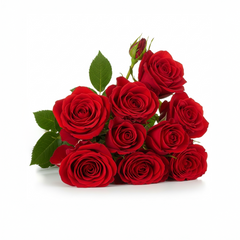
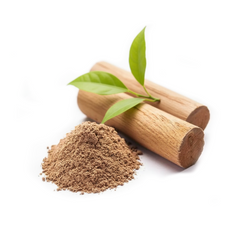
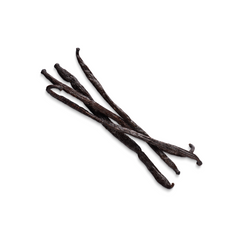
A typical jasmine accord balances the floral intensity with complementary notes to enhance its complexity. Jasmine Absolute constitutes 30-35% of the accord, providing the core floral heart. Rose Absolute (20-25%) shares molecular components like damascenone, creating a smooth floral bridge. Sandalwood (25-30%) adds creamy, woody warmth through α- and β-santalol compounds, grounding the accord. Vanilla (15-20%) contributes vanillin, softening jasmine’s indolic facets and adding sweetness. This blend totals approximately 90-100%, creating a rich, harmonious floral accord.

35%

Absolute of Jasmine

30–35% of blend

Provides the intensely floral, sweet, and musky heart with complex aromatic molecules including benzyl acetate and indole.

25%

Rose Absolute

20–25% of blend

Shares damascenone and other floral compounds with jasmine, creating a seamless floral bridge and enhancing richness.

30%

Sandalwood

25–30% of blend

Adds creamy, woody warmth via α- and β-santalol, grounding the floral notes and extending longevity.

20%

Vanilla

15–20% of blend

Softens jasmine’s indolic edge with vanillin’s sweet, creamy aroma, balancing the accord.

The Olfactory Layers

How Absolute of Jasmine Evolves on Skin

Absolute of Jasmine unfolds over time, beginning with bright, fresh floral facets that transition into a rich, warm heart dominated by indolic and musky molecules. The evaporation of high-volatility compounds like linalool occurs within the first 15 minutes, while heavier molecules such as benzyl acetate and indole persist for hours, providing depth and longevity.

I
Top notes
0–15 min
Fresh Floral Brightness

The initial impression features fresh, green, and slightly fruity floral notes dominated by linalool and benzyl acetate. These high-volatility molecules evaporate quickly, imparting a bright, sweet floral opening with subtle citrusy undertones.

FreshFloralFruity
II
Heart notes
20–60 min
Rich Floral Heart

The heart reveals the core jasmine absolute character with rich, warm, and intensely floral aromas. Indole and benzyl alcohol contribute animalic and musky nuances, while cis-jasmone adds a slightly green, herbal facet, creating a complex floral bouquet.

RichMuskyWarm
III
Base notes
Several hours
Creamy Honeyed Drydown

The base is characterized by lingering sweet, honeyed, and creamy floral notes, supported by heavier benzyl benzoate and other fixatives. These molecules provide lasting depth and a sensual drydown that melds with woody or amber base notes in the full fragrance.

CreamyHoneyedSensual
TOP NOTES Fresh Floral Brightness 0–15 minutes HEART NOTES Rich Floral Heart 20–60 minutes BASE NOTES Creamy Honeyed Drydown Several hours
Through the Ages

The Story of Absolute of Jasmine in Perfumery

The history of Absolute of Jasmine traces from ancient extraction methods to modern perfumery innovations, marking its enduring significance.

Antiquity

Early Use of Jasmine in Perfume and Rituals

Jasmine was used in ancient India, China, and Egypt for perfuming baths and religious ceremonies, marking its early cultural importance.

17th Century

Introduction of Jasmine to Europe

Jasmine cultivation spread to Europe, especially France, where it became central to the emerging perfume industry in Grasse.

19th Century

Development of Enfleurage Extraction

The traditional enfleurage method was used to extract jasmine’s delicate scent, involving cold fat absorption before solvent extraction became prevalent.

Mid-20th Century

Shift to Solvent Extraction

Chemical solvent extraction replaced enfleurage, improving yield and preserving jasmine’s complex aromatic profile.

1921

Chanel No. 5 Launch

Ernest Beaux’s iconic fragrance prominently featured jasmine absolute, cementing its status as the 'King of Perfumery.'

2025

Modern Innovations in Jasmine Absolute Use

Contemporary fragrances like Carolina Herrera’s Good Girl Jasmine Absolute showcase jasmine’s versatility in floral gourmand compositions.

The Art of Layering

How to Layer Absolute of Jasmine

Understanding how to layer Absolute of Jasmine involves molecular compatibility and olfactory synergy to enhance or balance its facets.

01

Enhance Sweetness

Pairing jasmine with vanilla (vanillin) softens its indolic edge through olfactory masking, creating a creamy, warm floral accord. This is exemplified in Carolina Herrera’s Good Girl Jasmine Absolute, where toffee and tonka bean enrich jasmine’s sweetness.

02

Add Depth

Layering jasmine with sandalwood introduces α- and β-santalol compounds that ground the floral brightness with woody warmth and longevity. This molecular synergy is evident in Gucci Bloom, where jasmine and sandalwood create a balanced floral-woody heart.

03

Lighten the Glow

Combining jasmine with citrus notes like bergamot or neroli brightens the accord by adding fresh, volatile monoterpenes that elevate jasmine’s top notes. This technique is used in Versace Eros Pour Femme to create a lively, fresh floral opening.

Wear It Right

How to Wear Absolute of Jasmine Like a Pro

Seasonal Guide

Fall & Winter

Cooler temperatures slow evaporation, allowing jasmine’s rich, indolic, and musky facets to emerge fully. Layer with warm woods or amber to enhance longevity and depth.

Spring

Moderate temperatures balance fresh floral brightness with warm heart notes. Apply moderately for balanced projection and sillage.

Summer

Heat increases volatility, intensifying jasmine’s fresh and fruity top notes but potentially reducing longevity. Use lighter concentrations or layer with citrus to maintain freshness.

Year-Round Tip

Adjust application amount and layering based on temperature and humidity to optimize jasmine’s scent profile and wearability.

Application Points

Strategic application enhances Absolute of Jasmine’s scent projection and longevity.

1

Neck

Pulse points generate heat, accelerating evaporation of jasmine’s top and heart notes for optimal diffusion.

2

Behind the Ears

Warmth in this area enhances jasmine’s sensual musky facets, creating an intimate aura.

3

Inner Wrists

Frequent movement here helps release jasmine’s complex floral layers throughout the day.

4

Hair

Hair holds fragrance well, allowing a subtle, lingering jasmine trail with each movement.

★

Pro Tip

Layer jasmine absolute with unscented moisturizer to extend scent longevity and soften indolic edges.

HumanSafe™

Absolute of Jasmine Safety Profile in Our Fragrances

No ingredient collection was found for absolute-of-jasmine.

Create or connect a collection with the same handle as this ingredient, then add products that contain this ingredient.

Expert Voices

What Masters Say About Absolute of Jasmine

“
“Jasmine is the King of Perfumery, known for its sultry, calming scent that is warm, heavy, fruity, intensely floral, animalic, and hypnotic.”
CA Perfume Editorial
“
“The genius of perfumers is knowing just what they have to do, to blend those into perfectly constructed scents for us to wear.”
Matvey Yudov, Fragrantica Contributor
Common Questions

Frequently Asked Questions

Common questions about Absolute of Jasmine answered with technical detail and practical guidance.

Absolute of Jasmine smells intensely floral with sweet, musky, and slightly fruity nuances. Its scent is complex due to molecules like benzyl acetate, indole, and linalool. It evolves from fresh, bright top notes to a rich, warm floral heart and creamy, honeyed base, creating a sensual and enduring floral experience.

Absolute of Jasmine is primarily used as a middle (heart) note in perfumery. It provides the rich floral core that bridges the initial bright top notes with deeper base notes, contributing complexity and longevity to the fragrance.

Its complex, multi-faceted scent profile with floral, musky, and animalic nuances makes Absolute of Jasmine indispensable for creating rich, sophisticated compositions. Its ability to blend seamlessly with other notes and its historical prestige contribute to its frequent use in niche perfumery.

Absolute of Jasmine pairs well with rose, sandalwood, vanilla, ylang-ylang, bergamot, tuberose, amber, and musk. These combinations balance jasmine’s floral intensity, soften its indolic edges, or enhance its warmth and longevity.

Yes, but application should be lighter in hot weather as heat increases volatility, intensifying jasmine’s fresh top notes but potentially reducing longevity. Layering with citrus or lighter notes can maintain freshness and wearability in summer.

Depending on concentration and formulation, fragrances with Absolute of Jasmine can last from 6 to 12 hours. Its heavier aromatic molecules like benzyl benzoate and indole contribute to extended longevity, especially in parfum and oil formats.

Yes, layering is effective with notes like vanilla to soften, sandalwood to ground, or citrus to brighten. Molecular compatibility ensures harmonious blending, enhancing the overall scent complexity and personalizing the fragrance.

Chanel No. 5 offers a classic jasmine experience with balanced floral and aldehydic notes. Carolina Herrera’s Good Girl Jasmine Absolute provides a modern, gourmand take with accessible sweetness. These are approachable introductions to jasmine’s complexity.

Consider your preference for jasmine’s facets—whether fresh, creamy, or musky—and the fragrance family (floral, oriental, gourmand). CA Perfume offers detailed descriptions and layering advice to help select a scent that suits your style and occasion.

Absolute of Jasmine primarily smells sweet and floral with musky and animalic undertones. While it can be blended with spicy notes, the absolute itself is not inherently spicy but may exhibit subtle green or fruity nuances depending on origin and extraction.

Floral Collection

Explore Our Top Absolute of Jasmine Fragrances

Discover a curated selection of perfumes featuring Absolute of Jasmine, showcasing its versatile floral heart in diverse compositions.

Shop all absolute of jasmine fragrances at CA Perfume →

Where Absolute of Jasmine Comes From — Origin & Extraction

Absolute of Jasmine is extracted mainly from two species: Jasminum grandiflorum (Royal Jasmine) and Jasminum sambac (Arabian Jasmine). These species are cultivated primarily in India (notably Tamil Nadu and Karnataka), Egypt, and Morocco. India is a leading producer, with jasmine fields harvested at dawn to capture peak aromatic expression. Extraction is performed via solvent extraction using food-grade solvents such as hexane or ethanol, replacing the traditional enfleurage method. This process involves soaking fresh jasmine petals in solvent to dissolve aromatic compounds, followed by solvent evaporation to yield the absolute. The absolute is a thin, reddish-brown liquid containing the full aromatic complexity of the flower. Steam distillation is avoided due to the flower's delicate nature and heat sensitivity of key molecules like indole. Natural jasmine absolute costs approximately $8,000–15,000 per kilogram due to the vast quantity of flowers required—around 8,000 blooms per milliliter of absolute—and labor-intensive harvesting. Synthetic jasmine molecules cost significantly less, around $50–200/kg. Sustainability concerns include water use and labor conditions in jasmine farming regions, with efforts ongoing to improve ethical sourcing.

Famous Fragrances That Define Absolute of Jasmine in Perfumery

Absolute of Jasmine has been a cornerstone ingredient in perfumery for over a century. Chanel No. 5 (Chanel, 1921), created by Ernest Beaux, famously uses jasmine absolute as a dominant heart note paired with rose absolute, aldehydes, and ylang-ylang, establishing the modern floral bouquet. Christian Dior’s J'adore L'Or (2023) blends jasmine absolute with rich floral and fruity notes, emphasizing its sweet and musky facets. Carolina Herrera’s Good Girl Jasmine Absolute (2025), by perfumers Louise Turner and Quentin Bisch, features jasmine absolute as a dominant note alongside gourmand toffee and tonka bean, creating a sensual floral gourmand. Tom Ford’s Jasmin Rouge (2009) utilizes indolic jasmine absolute to impart a rich, animalic floral heart, paired with spices and woods. Gucci Bloom (2017) highlights jasmine absolute’s creamy floral character in a white floral bouquet with tuberose and Rangoon creeper. These examples illustrate jasmine absolute’s versatility as a bridge and dominant note in floral, oriental, and gourmand compositions. CA Perfume’s offerings honor this lineage by emphasizing natural jasmine absolute’s complexity and layering potential.

Natural vs Synthetic Absolute of Jasmine in Perfumery

Natural Absolute of Jasmine contains a complex mixture of hundreds of aromatic compounds, including benzyl acetate (CAS 140-11-4), benzyl alcohol (CAS 100-51-6), linalool (CAS 78-70-6), and indole (CAS 120-72-9). These contribute to its rich, evolving scent profile with floral, fruity, musky, and animalic facets. However, natural absolutes vary in quality and scent depending on harvest conditions. Synthetic jasmine molecules such as Hedione (methyl dihydrojasmonate, CAS 24851-98-7), indole, and benzyl acetate are used to replicate and amplify jasmine’s scent with greater consistency, longevity, and diffusion. Synthetics are less allergenic and more cost-effective, priced around $50–200/kg compared to natural absolute’s $8,000–15,000/kg. Famous fragrances like Chanel No. 5 use natural jasmine absolute, while others incorporate synthetics for cost and stability. The HumanSafe™ platform ensures transparency about ingredient sourcing and safety. CA Perfume balances natural and synthetic jasmine use to optimize scent complexity, performance, and sustainability.