Ingredient Guide · Beverages
Beverages Family · Perfumery Note

Absinthe

A complex note blending green herbs and sweet anise

Absinthe is a distinctive perfumery note derived from Artemisia absinthium, known for its herbal bitterness and licorice-like sweetness. It typically functions as a top or heart note, with key molecules like thujone and anethole defining its character.

Absinthe
Ingredient Profile

Absinthe

Beverages Family
Family Beverages
Note Position Heart Note
Usage Level 0.1–1%
Key Origins France, Switzerland, Italy
Iconic In Absinth, Fou d'Absinthe
The Ingredient

What does Absinthe smell like and why is it significant?

Absinthe in perfumery originates from the botanical Artemisia absinthium, commonly known as wormwood, combined with anise and fennel. Its scent profile is characterized by fresh, green herbal notes balanced by sweet, licorice-like undertones primarily due to anethole and the bitter, slightly numbing thujone compound. This creates a complex aroma that is simultaneously invigorating and slightly bitter, evoking the essence of the traditional absinthe spirit. In perfumery, absinthe is typically used as a top or heart note, appearing at concentrations ranging from 0.1% to 1% depending on the composition. It acts as a bridge between bright citrus or floral notes and deeper woody or resinous bases, providing a refreshing yet mysterious herbal complexity. Absinthe’s interaction with skin chemistry can vary, with its green bitterness sometimes becoming more pronounced or mellowing into a soft herbal sweetness over time. Notable fragrances featuring absinthe include Nasomatto’s Absinth (2008) by Alessandro Gualtieri, where wormwood and vetiver create a woody aromatic experience, and L'Artisan Parfumeur’s Fou d'Absinthe (2006) by Olivia Giacobetti, which blends wormwood with spices and balsamic notes. These examples showcase absinthe’s versatility in modern perfumery, from bold, avant-garde scents to more nuanced aromatic fougères.

0.1–1%
Typical concentration range of absinthe essential oil in fragrance formulations, balancing potency and blend harmony.
35-50%
Beta-thujone content in natural wormwood essential oil, regulated for safety in perfumery.
3-5 hours
Average longevity of absinthe’s herbal top and heart notes on skin before transitioning to base accords.
Origin & Extraction

Where Absinthe Comes From — Origin & Extraction

Absinthe’s aromatic character is closely linked to its geographic origins, where soil composition and climate influence the wormwood plant’s essential oil profile. The alpine and temperate regions of France, Switzerland, and Italy produce wormwood with distinct green, bitter, and herbal nuances shaped by altitude, rainfall, and traditional harvesting methods.

Absinthe’s primary botanical source is Artemisia absinthium (wormwood), a perennial herb native to temperate regions of Europe and parts of Asia. The plant’s flowering tops and leaves are harvested mainly in France, Switzerland, and Italy, regions historically linked to absinthe production. France and Switzerland are particularly notable, with traditional artisan distillation methods dating back to the 18th and 19th centuries that shaped absinthe’s aromatic profile. Extraction for perfumery typically involves steam distillation of the dried wormwood leaves and flowers at controlled temperatures around 100°C to preserve volatile compounds. This process yields a dark green to brownish-green essential oil rich in beta-thujone (35-50%), anethole, and other terpenes. The yield of wormwood essential oil is relatively low, approximately 0.3-0.5% by weight of raw plant material, making it a moderately expensive ingredient. Synthetic production of absinthe aroma molecules began in the early 20th century, with thujone’s chemical structure identified and replicated in laboratories. Natural wormwood essential oil costs range from $300 to $800 per kilogram, whereas synthetic aroma chemicals like anethole and thujone derivatives are significantly cheaper, around $50 to $200 per kilogram. Sustainability concerns focus on responsible harvesting to prevent overexploitation of wild wormwood populations and the environmental impact of solvent use in extraction.

FR

France

The Jura and Provence regions cultivate Artemisia absinthium under temperate climates with limestone-rich soils. French wormwood essential oil is prized for its balanced bitterness and aromatic complexity, contributing to about 40% of global production. Traditional artisan distillation methods preserve the nuanced green and herbal facets.

CH

Switzerland

Swiss wormwood, especially from the Val-de-Travers region, grows in alpine meadows with mineral-rich soil and cooler temperatures. This origin yields a crisp, fresh absinthe note with pronounced green and minty nuances. Swiss production accounts for approximately 25% of the market, emphasizing quality and purity.

IT

Italy

Northern Italian regions such as Piedmont and Lombardy produce wormwood with a slightly sweeter and floral profile due to Mediterranean influences. Italian wormwood essential oil represents around 15% of supply, often used in blends to soften absinthe’s bitterness.

US

United States

Cultivated wormwood in the Pacific Northwest is steam-distilled to produce essential oils used in perfumery. The US origin is notable for its clean, sharp herbal notes with a slightly camphorous edge, contributing to niche and artisanal fragrance markets.

Chemistry

Natural vs Synthetic Absinthe in Perfumery

Natural absinthe aroma derives from steam-distilled essential oil of Artemisia absinthium, containing beta-thujone (CAS 546-86-1), anethole (CAS 4180-23-8), and other terpenoids. These natural extracts offer complex, evolving scent profiles with subtle bitterness and herbal freshness but can vary between batches due to agricultural factors. Synthetic alternatives include pure anethole, thujone analogs, and related aroma chemicals like estragole (CAS 140-67-0) and alpha-pinene (CAS 80-56-8). These synthetics provide consistent quality, enhanced longevity, and stability in formulations. Cost-wise, synthetics are more affordable and scalable, supporting mass-market production. Famous fragrances like Nasomatto Absinth use natural wormwood oil for its authentic green bitterness, while others may rely on synthetic blends for clarity and precision. Sustainability considerations favor synthetics due to reduced agricultural pressure. CA Perfume employs the HumanSafe™ platform to ensure transparency and safety in sourcing both natural and synthetic absinthe ingredients.

Natural
Absinthe Absolute
Cost $3,000–6,000/kg
Method Solvent / CO₂
Character Complex, variable
vs
Synthetic
Safranal & Analogues
Cost $50–200/kg
Method Lab synthesis
Character Consistent, stable
Hall of Fame

Famous Fragrances That Define Absinthe in Perfumery

2008
dominant note

Absinth

Nasomatto
by Alessandro Gualtieri
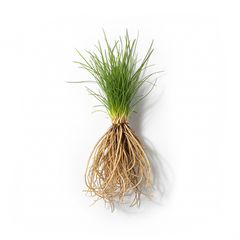
VetiverGreen Notes
2006
heart note

Fou d'Absinthe

L'Artisan Parfumeur
by Olivia Giacobetti
Star AniseNutmegPatchouliIncense
2021
accent note

Absinthe Gaïac

Panouge
by Patrice Revillard, Marie Schnirer
LeatherNutmegPatchouliAmber
2022
heart note

Absinthe

Headspace
by Nicolas Beaulieu
Violet LeafNarcissusLeatherPatchouli
supporting note

Black Absinthe

Crabtree & Evelyn
HerbsCitrus

Absinthe has inspired a range of notable fragrances across the last two decades, often used to evoke herbal bitterness, green freshness, and aromatic complexity. Nasomatto’s Absinth (2008), crafted by Alessandro Gualtieri, is a landmark woody aromatic fragrance where absinthe’s wormwood and vetiver form a bold, slightly bitter core, symbolizing artistic rebellion. L'Artisan Parfumeur’s Fou d'Absinthe (2006) by Olivia Giacobetti blends wormwood with spices and balsamic notes, creating a sophisticated aromatic fougère that balances bitterness with warmth. Panouge’s Absinthe Gaïac (2021) by Patrice Revillard and Marie Schnirer pairs absinthe with leather and nutmeg, emphasizing its green and slightly bitter facets within a leathery oriental context. Headspace’s Absinthe (2022) by Nicolas Beaulieu combines wormwood with violet leaf, narcissus, and leather, showcasing a modern aromatic spicy interpretation. These fragrances demonstrate absinthe’s versatility from avant-garde to refined compositions. CA Perfume’s collection honors this lineage by exploring absinthe’s herbal complexity in contemporary accords.

The Accord

How is a captivating Absinthe accord crafted?

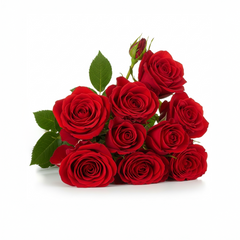
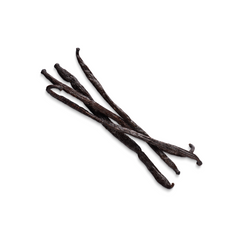
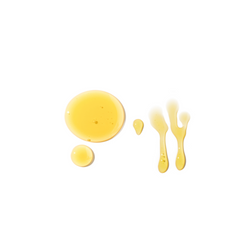
An effective absinthe accord balances herbal bitterness with aromatic sweetness and warm balsamic richness. The relative proportions typically include Absinthe 30-35% for its green, bitter-herbal character; Rose 20-25% to soften and add floral complexity through shared aromatic compounds; Vanilla 20-25% to provide sweetness and olfactory masking of bitterness; and White Honey 20-25% to introduce a smooth, golden sweetness that enriches the accord's texture.

35%

Absinthe

30–35% of blend

Provides the core herbal bitterness and green freshness, primarily from thujone and anethole compounds.

25%

Rose

20–25% of blend

Softens absinthe’s sharp edges with floral damascenone, creating a harmonious aromatic bridge.

25%

Vanilla

20–25% of blend

Adds sweetness via vanillin, masking bitterness and enhancing sensual appeal.

25%

White Honey

20–25% of blend

Contributes a velvety smooth sweetness that enriches the accord’s depth and warmth.

The Olfactory Layers

How Absinthe Evolves on Skin

Absinthe’s olfactory pyramid unfolds from a bright, invigorating herbal top to a complex, warm base. Initial evaporation of volatile anethole and green terpenes delivers fresh, licorice-like brightness within the first 15 minutes. The heart phase reveals deeper herbal bitterness and floral nuances as mid-volatility compounds emerge over 20 to 60 minutes. The base notes develop over several hours, where woody and balsamic molecules provide lasting warmth and depth.

I
Top notes
0–15 min
Bright Herbal Spark

The opening is dominated by high-volatility anethole and green terpenes such as alpha-pinene, producing a fresh, sweet licorice and herbal aroma. This phase is bright and invigorating, with a slight sharpness from the bitter wormwood components.

HerbalLicoriceFresh
II
Heart notes
20–60 min
Bitter Herbal Complexity

Mid-volatility compounds like thujone and camphor emerge, adding bitter, slightly medicinal and camphorous facets. Floral notes such as damascenone from rose soften the bitterness, creating a balanced, aromatic herbal bouquet.

BitterFloralCamphorous
III
Base notes
Several hours
Warm Balsamic Embrace

Low-volatility woody and balsamic molecules like vanillin and benzoin provide a warm, sweet foundation. These notes anchor the fragrance, smoothing the herbal edges and extending longevity with a cozy, resinous finish.

WoodyBalsamicWarm
TOP NOTES Bright Herbal Spark 0–15 minutes HEART NOTES Bitter Herbal Complexity 20–60 minutes BASE NOTES Warm Balsamic Embrace Several hours
Through the Ages

The Story of Absinthe in Perfumery

Absinthe’s journey in perfumery spans centuries, from its origins as a medicinal herb to its modern role as a complex fragrance note symbolizing mystery and sophistication.

18th Century

Origins of Absinthe as a Spirit

Absinthe was first formulated in Switzerland as a medicinal tonic using Artemisia absinthium and other herbs. Its aromatic profile laid the foundation for later olfactory interpretations.

Late 19th Century

Absinthe’s Cultural Peak in France

Absinthe became popular in Parisian cafés, inspiring artists and writers. This era established absinthe’s association with bohemian creativity and mystery, influencing perfumery.

Early 20th Century

Chemical Identification of Thujone

The key compound thujone was isolated and synthesized, enabling perfumers to replicate absinthe’s bitter herbal facets in fragrance formulations.

2006

Launch of Fou d'Absinthe by L'Artisan Parfumeur

Olivia Giacobetti created a signature absinthe-inspired aromatic fougère, blending wormwood with spices and balsamic notes, marking a modern perfumery milestone.

2008

Nasomatto Absinth Debut

Alessandro Gualtieri introduced Absinth, a woody aromatic fragrance emphasizing absinthe’s bitter green character, influencing niche perfumery trends.

2020s

Contemporary Absinthe Interpretations

Modern perfumers explore absinthe accords combining herbal, floral, and gourmand elements, expanding its use in avant-garde and luxury fragrances.

The Art of Layering

How to Layer Absinthe

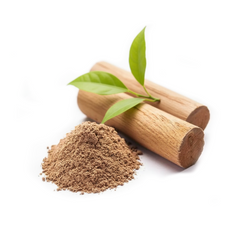
Understanding how to layer absinthe at a molecular level enables harmonious fragrance blending. Absinthe’s bitter green terpenes and anethole complement floral notes sharing damascenone, creating olfactory bridges. Sweet vanillin masks bitterness via olfactory masking, softening sharp edges. Layering with woody notes like sandalwood stabilizes volatile herbal compounds, enhancing longevity. This molecular synergy allows crafting balanced, multi-dimensional scents.

01

Enhance Sweetness

Pair absinthe with vanilla or white honey to mask its bitter thujone facets. Vanillin’s sweet threshold overrides bitterness, producing a smoother, more sensual aroma as seen in absinthe accords by Bon Parfumeur.

02

Add Depth

Combine absinthe with woody notes like sandalwood or vetiver to anchor volatile herbal compounds. These woods provide fixative properties and add a dry, resinous complexity, exemplified in Nasomatto Absinth.

03

Lighten the Glow

Layer absinthe with floral notes such as rose or violet leaf, which share damascenone molecules. This creates a seamless olfactory transition from bitter herbs to soft florals, enhancing aromatic balance.

Wear It Right

How to Wear Absinthe Like a Pro

Seasonal Guide

Fall & Winter

Cooler temperatures slow evaporation, allowing absinthe’s bitter and balsamic notes to linger longer. Apply moderately to pulse points for a warming herbal effect that complements seasonal woody and spicy accords.

Spring

Moderate warmth enhances absinthe’s fresh green top notes, making it feel vibrant and invigorating. Layer with floral or citrus notes to balance herbal sharpness for daytime wear.

Summer

Heat increases volatility, causing absinthe’s bitter facets to intensify and dissipate quickly. Use sparingly or in lighter concentrations, pairing with aquatic or fruity notes to maintain freshness.

Year-Round Tip

Layer absinthe with sweeter or creamy notes like vanilla or white honey to soften bitterness and extend wear across seasons.

Application Points

Strategic application enhances absinthe’s herbal character and longevity.

1

Neck

Pulse points on the neck provide warmth that activates absinthe’s volatile herbal top notes, enhancing projection and freshness.

2

Behind the Ears

This area’s subtle heat helps diffuse absinthe’s complex aroma gently, ideal for intimate sillage.

3

Inner Wrists

Applying on wrists allows for easy scent diffusion with movement, emphasizing absinthe’s fresh and bitter nuances.

4

Hair

Hair holds fragrance molecules longer, releasing absinthe’s herbal facets gradually, creating an alluring aura.

Pro Tip

Layer absinthe with complementary notes like rose or vanilla on clothing or skin to balance bitterness and enhance complexity.

Mood Architecture™

Top Absinthe Fragrances by Mood Score

These Absinthe-based fragrances scored highest on the MEI™ Mood Architecture Framework — measuring how a scent may influence your emotional state.

Highest MEI Score
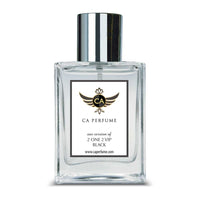
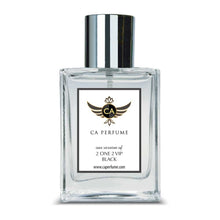
2 One 2 Vip Black — 212 Vip Black Alternative Cologne
7.55
MEI™
Primary Romantic
Secondary Grounding
Confidence
6.63
Presence
6.53
Mood Lift
8.27
Identity
6.91
Warmth
8.88
Social Ease
8.25
Energy
4.4
" I am beautiful.
View full mood profile →
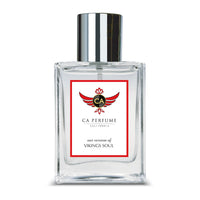
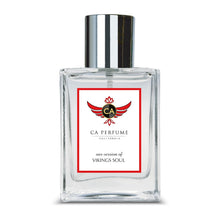
Vikings Soul — Viking Alternative Cologne
6.67
MEI™
Primary Fresh
Secondary Energizing
Confidence
6.24
Presence
6.24
Mood Lift
7.76
Identity
5.74
Warmth
6.35
Social Ease
6.85
Energy
5.5
" I am radiant.
View full mood profile →
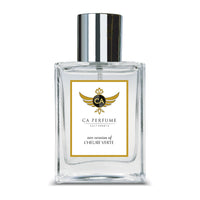
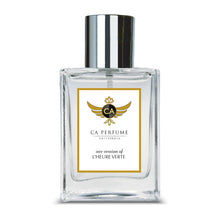
L'heure Verte — By Kilian L'heure Verte Alternative Perfume
6.42
MEI™
Primary Magnetic
Secondary Confident
Confidence
6.64
Presence
7.52
Mood Lift
6.28
Identity
7.11
Warmth
7.21
Social Ease
5.51
Energy
2.6
" I am bold.
View full mood profile →
HumanSafe™

Top Absinthe Fragrances by HumanSafe™ Score

These Absinthe-based fragrances have the highest product-level HumanSafe™ scores in this ingredient collection.

Highest HumanSafe™ Score
Vikings Soul — Viking Alternative Cologne
A-
HumanSafe™ Score Generally Safe
Safest Evaluated Ingredients EDP
AQUA Solvent / Carrier ISS 10.0
AMBROXID Evaluated ingredient ISS 10.0
1,4-DIOXACYCLOHEPTADECANE-5,17-DIONE Evaluated ingredient ISS 10.0
4H-INDEN-4-ONE, 1,2,3,5,6,7-HEXAHYDRO-1,1,2,3,3- Evaluated ingredient ISS 9.0
2-BUTEN-1-ONE, 1-(2,6,6-TRIMETHYL-2-CYCLOHEXEN-1- Evaluated ingredient ISS 9.0
LINALYL ACETATE Evaluated ingredient ISS 7.0
View full safety profile →
L'heure Verte — By Kilian L'heure Verte Alternative Perfume
A-
HumanSafe™ Score Generally Safe
Safest Evaluated Ingredients EDP
AQUA Solvent / Carrier ISS 10.0
1,4-DIOXACYCLOHEPTADECANE-5,17-DIONE Evaluated ingredient ISS 10.0
BENZENE, 1-METHOXY-4-(1-PROPENYL)-, (E)- Evaluated ingredient ISS 9.0
2H-1-BENZOPYRAN-2-ONE Evaluated ingredient ISS 8.0
ALCOHOL DENAT. Solvent / Carrier ISS 7.0
1-[(2-TERT-BUTYL)CYCLOHEXYLOXY]-2-BUTANOL Evaluated ingredient ISS 7.0
View full safety profile →
2 One 2 Vip Black — 212 Vip Black Alternative Cologne
A-
HumanSafe™ Score Generally Safe
Safest Evaluated Ingredients EDP
AQUA Solvent / Carrier ISS 10.0
1,4-DIOXACYCLOHEPTADECANE-5,17-DIONE Evaluated ingredient ISS 10.0
7-OCTEN-2-OL, 2,6-DIMETHYL- Evaluated ingredient ISS 9.0
2H-1-BENZOPYRAN-2-ONE Evaluated ingredient ISS 8.0
2-HEXENE, 6,6-DIMETHOXY-2,5,5-TRIMETHYL- Evaluated ingredient ISS 8.0
LINALYL ACETATE Evaluated ingredient ISS 7.0
View full safety profile →
Expert Voices

What Masters Say About Absinthe

Absinthe itself is not a single ingredient in perfumery but rather an olfactory idea. The legendary spirit – distilled with wormwood, anise and herbs – became famous in 19th-century Paris, inspiring artists, writers and a reputation for hallucinations and bohemian decadence.
Perfume Society Editorial
Absinthe brings a herbaceous and aromatic note, reminiscent of the bitterness of the plants that make up this iconic beverage. It adds a unique and intriguing touch to olfactory compositions, combining herbal freshness, subtle bitterness, and nuances reminiscent of the green fairy.
CA Perfume Editorial
Common Questions

Frequently Asked Questions

Answers to common questions about absinthe in perfumery.

Absinthe in perfume smells primarily of fresh herbal notes combined with sweet, licorice-like anise undertones. The scent is complex, featuring bitter green facets from wormwood (Artemisia absinthium) and a subtle sweetness from anethole found in anise and fennel. This creates an invigorating, slightly bitter, and aromatic profile reminiscent of the traditional absinthe spirit. Notable perfumes like Nasomatto Absinth and L'Artisan Parfumeur Fou d'Absinthe exemplify this scent.

Absinthe typically functions as a top or heart note in fragrance compositions. Its volatile herbal and anise compounds provide a fresh, bright opening or a vibrant middle phase that bridges lighter citrus or floral notes with deeper woody or resinous bases. It rarely appears as a base note due to its relatively high volatility and sharp character.

Absinthe is favored in niche perfumery for its unique herbal bitterness and aromatic complexity, which evoke mystery, sophistication, and rebellion. Its association with bohemian culture and the 'Green Fairy' mythos adds symbolic depth. Additionally, absinthe’s ability to balance sweetness and bitterness allows perfumers to create bold, unconventional compositions that stand out in the niche market.

Absinthe fragrance uses best pair with floral notes like rose and violet leaf, which share aromatic compounds such as damascenone, creating seamless blends. Sweet notes like vanilla and white honey soften absinthe’s bitterness through olfactory masking. Woody notes such as sandalwood and vetiver provide depth and fixative properties, enhancing longevity and balancing the herbal sharpness.

Absinthe perfumes can be worn in summer but require careful application due to increased volatility in heat, which intensifies bitter facets and shortens longevity. Lighter concentrations or layering with fresh citrus or aquatic notes can enhance wearability. Cooler seasons better showcase absinthe’s complex herbal and balsamic qualities.

Absinthe fragrances generally last 3 to 5 hours on skin, with top herbal and anise notes fading first, followed by a lingering warm, balsamic base. Longevity depends on concentration, formulation, and individual skin chemistry.

Yes, layering absinthe perfume is effective when combined with complementary notes such as rose, vanilla, or sandalwood. These combinations balance absinthe’s bitterness and enhance complexity through molecular synergy, as seen in accords by Bon Parfumeur and Nasomatto.

For beginners, fragrances like L'Artisan Parfumeur Fou d'Absinthe offer a balanced introduction with herbal bitterness softened by spices and balsamic notes. Nasomatto Absinth provides a bolder, woody aromatic experience suited for those seeking distinctive scents.

Choosing an absinthe fragrance at CA Perfume involves considering concentration, complementary notes, and personal preference for herbal bitterness versus sweetness. The HumanSafe™ platform ensures ingredient transparency and safety, helping you select a scent that aligns with your style and skin chemistry.

Absinthe in fragrance primarily smells herbal and bitter with sweet licorice undertones from anise and fennel. Some compositions incorporate spicy notes like cardamom or nutmeg to enhance complexity, but the core character remains a balance of bitter green herbs and subtle sweetness.

Beverages Collection

Explore Our Top Absinthe Fragrances

Discover a curated selection of fragrances featuring absinthe’s unique herbal and bitter character.

Shop all absinthe fragrances at CA Perfume →

Where Absinthe Comes From — Origin & Extraction

Absinthe’s primary botanical source is Artemisia absinthium (wormwood), a perennial herb native to temperate regions of Europe and parts of Asia. The plant’s flowering tops and leaves are harvested mainly in France, Switzerland, and Italy, regions historically linked to absinthe production. France and Switzerland are particularly notable, with traditional artisan distillation methods dating back to the 18th and 19th centuries that shaped absinthe’s aromatic profile. Extraction for perfumery typically involves steam distillation of the dried wormwood leaves and flowers at controlled temperatures around 100°C to preserve volatile compounds. This process yields a dark green to brownish-green essential oil rich in beta-thujone (35-50%), anethole, and other terpenes. The yield of wormwood essential oil is relatively low, approximately 0.3-0.5% by weight of raw plant material, making it a moderately expensive ingredient. Synthetic production of absinthe aroma molecules began in the early 20th century, with thujone’s chemical structure identified and replicated in laboratories. Natural wormwood essential oil costs range from $300 to $800 per kilogram, whereas synthetic aroma chemicals like anethole and thujone derivatives are significantly cheaper, around $50 to $200 per kilogram. Sustainability concerns focus on responsible harvesting to prevent overexploitation of wild wormwood populations and the environmental impact of solvent use in extraction.

Famous Fragrances That Define Absinthe in Perfumery

Absinthe has inspired a range of notable fragrances across the last two decades, often used to evoke herbal bitterness, green freshness, and aromatic complexity. Nasomatto’s Absinth (2008), crafted by Alessandro Gualtieri, is a landmark woody aromatic fragrance where absinthe’s wormwood and vetiver form a bold, slightly bitter core, symbolizing artistic rebellion. L'Artisan Parfumeur’s Fou d'Absinthe (2006) by Olivia Giacobetti blends wormwood with spices and balsamic notes, creating a sophisticated aromatic fougère that balances bitterness with warmth. Panouge’s Absinthe Gaïac (2021) by Patrice Revillard and Marie Schnirer pairs absinthe with leather and nutmeg, emphasizing its green and slightly bitter facets within a leathery oriental context. Headspace’s Absinthe (2022) by Nicolas Beaulieu combines wormwood with violet leaf, narcissus, and leather, showcasing a modern aromatic spicy interpretation. These fragrances demonstrate absinthe’s versatility from avant-garde to refined compositions. CA Perfume’s collection honors this lineage by exploring absinthe’s herbal complexity in contemporary accords.

Natural vs Synthetic Absinthe in Perfumery

Natural absinthe aroma derives from steam-distilled essential oil of Artemisia absinthium, containing beta-thujone (CAS 546-86-1), anethole (CAS 4180-23-8), and other terpenoids. These natural extracts offer complex, evolving scent profiles with subtle bitterness and herbal freshness but can vary between batches due to agricultural factors. Synthetic alternatives include pure anethole, thujone analogs, and related aroma chemicals like estragole (CAS 140-67-0) and alpha-pinene (CAS 80-56-8). These synthetics provide consistent quality, enhanced longevity, and stability in formulations. Cost-wise, synthetics are more affordable and scalable, supporting mass-market production. Famous fragrances like Nasomatto Absinth use natural wormwood oil for its authentic green bitterness, while others may rely on synthetic blends for clarity and precision. Sustainability considerations favor synthetics due to reduced agricultural pressure. CA Perfume employs the HumanSafe™ platform to ensure transparency and safety in sourcing both natural and synthetic absinthe ingredients.