Ingredient Guide · Citrus
Citrus Family · Perfumery Note

Yellow Mandarin

A radiant citrus note, balancing juicy sweetness and floral freshness.

Yellow Mandarin is a top note in perfumery, prized for its bright, juicy, and gently floral character. Its essential oil, cold-pressed from Citrus reticulata peels, is dominated by limonene (up to 85%), lending a vivid, sunlit aroma with subtle tang and smoothness.

Yellow Mandarin
Ingredient Profile

Yellow Mandarin

Citrus Family
Family Citrus
Note Position Heart Note
Usage Level 1–3% in formula
Key Origins Italy, Spain, Brazil
Iconic In Buongiorno Gioco del Destino, Toy 2 Yummy
The Ingredient

What does Yellow Mandarin smell like and why is it prized in perfumery?

Yellow Mandarin (Citrus reticulata Blanco) occupies a unique position among citrus ingredients in perfumery. Its essential oil, extracted from the semi-ripe yellow stage of the fruit, is characterized by a bright, juicy, and slightly floral scent profile. The dominant molecule, d-limonene (up to 85%), imparts a vivid citrus freshness, while minor constituents such as gamma-terpinene, linalool, and sabinene contribute subtle tangy, green, and sweet nuances. Unlike green mandarin (herbaceous, bitter) or red mandarin (rich, syrupy), yellow mandarin strikes a balance—offering a classic citrus aroma that is smooth, round, and gently floral, with a sunlit, uplifting quality. In perfumery, yellow mandarin is classified as a top note due to its high volatility and immediate impact. It is typically used at concentrations of 1–3% in Eau de Toilette and Eau de Parfum formulations, though in colognes it may reach 5%. Its volatility means it provides the initial burst of freshness but can also persist into the heart notes when blended with fixatives or floral partners. Yellow mandarin interacts with skin chemistry by opening with a sparkling, juicy brightness that may evolve toward a softer, more floral or slightly musky character depending on the wearer’s skin pH and warmth. Its clean, non-bitter profile makes it highly versatile for both feminine and unisex compositions. Notable fragrances exemplifying yellow mandarin’s role include Moschino Toy 2 Yummy (2026, perfumer unknown), where it forms the opening with bergamot and incense, and Acqua di Parma Buongiorno Gioco del Destino (2026), which features yellow mandarin alongside green mandarin and lemon for a lively, sunlit introduction. In both, yellow mandarin is used to create a radiant, cheerful top accord that transitions seamlessly into floral and musky heart notes. Yellow mandarin in perfumery thus provides a signature of Mediterranean brightness and optimism, anchoring both classic and modern scent architectures.

1–3% in formula
Yellow mandarin oil is typically used at 1–3% concentration in Eau de Parfum and Eau de Toilette, balancing vivid freshness with safety and stability.
0.5–1.5% yield
Cold pressing yields 0.5–1.5% oil by weight of fresh peel. This efficiency makes yellow mandarin more costly than some other citrus oils.
Up to 85% d-limonene
Yellow mandarin oil’s aroma is dominated by d-limonene, which can comprise up to 85% of its composition, ensuring a true-to-fruit citrus profile.
Origin & Extraction

Where Yellow Mandarin Comes From — Origin & Extraction

Yellow mandarin’s scent is shaped by Mediterranean and subtropical terroirs—soil minerals, rainfall, and sun exposure influence its aromatic complexity.

Yellow Mandarin essential oil is derived from the partially ripened fruits of Citrus reticulata Blanco, a member of the Rutaceae family. The fruit is harvested during its yellow stage, between green (unripe) and red (fully ripe), to capture a balanced aromatic profile. Major producing countries include Italy (notably Calabria and Sicily), Spain (Valencia region), Brazil, and China. Italian and Spanish yellow mandarin oils are particularly valued in fine perfumery for their nuanced, floral-citrus aroma, with Italy and Spain together accounting for over 60% of global mandarin oil exports. Extraction is performed via cold pressing (expression) of the fruit peel, a process that preserves the delicate volatile compounds. The peels are mechanically punctured and pressed at ambient temperatures (below 30°C), yielding a pale yellow to golden oil. Typical yields are 0.5–1.5% by weight of fresh peel. The process avoids heat, which would degrade key molecules like limonene and linalool. The resulting oil is filtered to remove waxes and stored in dark glass to prevent oxidation. Cold-pressed yellow mandarin oil is more expensive than red mandarin, with prices ranging from $150–$300/kg for high-grade Italian oil, compared to $80–$120/kg for red mandarin. Synthetic substitutes, based on d-limonene or aroma blends, can cost as little as $20–$40/kg. Sustainability is a growing concern: mandarin cultivation is water-intensive, and pesticide use is monitored under EU and Chinese regulations. Leading producers are adopting integrated pest management and drip irrigation to reduce environmental impact. Organic-certified yellow mandarin oil commands a price premium and is increasingly sought after by niche perfumers. No significant IFRA restrictions exist for yellow mandarin oil, but phototoxicity is minimal compared to bitter orange or bergamot.

IT

Italy

Calabria and Sicily produce yellow mandarin oils with pronounced floral and green facets due to volcanic soils and mild winters. Italy supplies ~30% of global mandarin oil, with harvests from late October to November. PDO standards apply in select regions.

ES

Spain

Valencia’s yellow mandarin is noted for its intense sweetness and tang, attributed to alluvial soils and Mediterranean climate. Spain accounts for ~25% of global production, with hand-harvesting ensuring minimal peel damage.

BR

Brazil

São Paulo and Paraná regions yield yellow mandarin oil with a juicy, vibrant profile. Brazil’s tropical climate and sandy soils produce oils with higher limonene content. Brazil is a major exporter, supplying up to 15% of the world market.

CN

China

Guangdong and Guangxi provinces focus on industrial-scale production. Chinese yellow mandarin oil is valued for its cost-effectiveness and consistency, though it may lack the nuanced floral notes of Mediterranean origins.

Chemistry

Natural vs Synthetic Yellow Mandarin in Perfumery

Natural yellow mandarin oil is dominated by d-limonene (CAS 138-86-3), with supporting molecules like gamma-terpinene (CAS 99-85-4), linalool (CAS 78-70-6), and sabinene (CAS 3387-41-5). These compounds provide the signature juicy, floral-citrus profile. Natural oil offers complexity and subtle variation by terroir, but is less stable and more prone to oxidation than synthetics. Synthetic yellow mandarin accords are typically constructed from isolated d-limonene, supplemented with linalool and aldehydes (such as citral, CAS 5392-40-5) to mimic the natural oil’s freshness and longevity. These synthetics are favored for their batch-to-batch consistency, stability, and cost-effectiveness. Synthetic blends can extend the citrus freshness in a formula, as natural mandarin’s top note can fade quickly. Notable aroma chemicals used in synthetic mandarin accords include decanal (CAS 112-31-2) for waxy citrus brightness and methyl anthranilate (CAS 134-20-3) for floral nuance. Famous fragrances using natural yellow mandarin include Acqua di Parma Buongiorno Gioco del Destino (2026) and Sora Dora 7 (2024), while synthetic mandarin is often found in mass-market colognes for its stability and cost. Sustainability and traceability are increasingly important; the HumanSafe™ platform enables CA Perfume to verify both natural and synthetic sources, ensuring transparency and safety for all yellow mandarin materials.

Natural
Yellow Mandarin Absolute
Cost $3,000–6,000/kg
Method Solvent / CO₂
Character Complex, variable
vs
Synthetic
Safranal & Analogues
Cost $50–200/kg
Method Lab synthesis
Character Consistent, stable
Hall of Fame

Famous Fragrances That Define Yellow Mandarin in Perfumery

2026
dominant note

Buongiorno Gioco del Destino

Acqua di Parma
Green MandarinLemonWheat AbsoluteMusk
2026
dominant note

Toy 2 Yummy

Moschino
BergamotIncenseGeraniumJasmine SambacBulgarian RoseVetiver
2024
dominant note

7

Sora Dora
by Margaux Le Paih Guérin
BergamotNutmegWhite ThymeMyrrhPatchouliSandalwoodAmbroxan
—
accent

Costa Azzurra

Tom Ford
BergamotOakwoodSeaweedDriftwood
—
bridge note

Visa Gold Limited Edition

Robert Piguet
PearPeachOsmanthusPatchouliVanilla

Yellow mandarin has become a signature ingredient in both niche and designer fragrances, prized for its ability to impart a radiant, juicy opening. In Acqua di Parma Buongiorno Gioco del Destino (2026), yellow mandarin is paired with green mandarin and lemon to create a vibrant, sunlit top accord, transitioning into a musky, wheat-infused base. Moschino Toy 2 Yummy (2026) features yellow mandarin alongside bergamot and incense, providing a sparkling, effervescent introduction that evolves into a floral-woody heart with jasmine sambac and Bulgarian rose. Sora Dora 7 (2024, perfumer Margaux Le Paih Guérin) utilizes Italian yellow mandarin essential oil in its top notes, blending it with bergamot for a zesty, aromatic opening that leads into a complex, resinous heart and woody base. Other notable examples include Tom Ford Costa Azzurra, where yellow mandarin is used to evoke Mediterranean coastal freshness, and Robert Piguet Visa Gold Limited Edition, which employs yellow mandarin to lift a rich, floral-chypre structure. L’Erbolario Osmanthus and Keiko Mecheri Ray-Flection also feature yellow mandarin as a key top note, demonstrating its versatility in both citrus-forward and floral compositions. CA Perfume’s collection draws inspiration from this lineage, offering yellow mandarin as a bridge between classic Mediterranean colognes and contemporary, multi-layered scent architectures.

The Accord

How is a captivating Yellow Mandarin accord crafted?

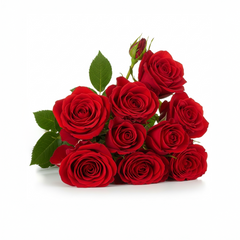
A yellow mandarin accord balances citrus brightness with floral smoothness and woody depth. Typical proportions: Yellow Mandarin 30–35%, Rose 20–25%, Sandalwood 20–25%, Vanilla 20–25%. Each ingredient is selected for molecular synergy—rose’s ionones enhance floralcy, sandalwood’s santalol provides creamy support, and vanilla’s vanillin rounds the citrus tang.

35%

Yellow Mandarin

30–35% of blend

Provides the core juicy, floral-citrus brightness via d-limonene and linalool, forming the signature top note.

25%

Rose

20–25% of blend

Ionones and damascenone in rose bridge yellow mandarin’s citrus with floral heart notes, enhancing smoothness and longevity.

25%

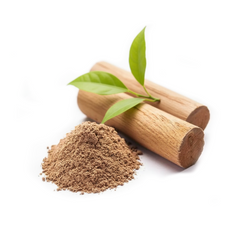
Sandalwood

20–25% of blend

Santalol in sandalwood provides creamy, woody depth, stabilizing volatile citrus molecules and extending the accord’s evolution.

25%

Vanilla

20–25% of blend

Vanillin softens yellow mandarin’s tang, creating a sweet, enveloping drydown that balances citrus acidity.

The Olfactory Layers

How Yellow Mandarin Evolves on Skin

Yellow mandarin’s olfactory evolution begins with a rapid, effervescent citrus burst (0–15 min), softens to floral and green heart notes (20–60 min), and settles into a gentle, musky base. High-volatility terpenes evaporate first, while minor aldehydes and esters linger.

I
Top notes
0–15 min
Juicy Citrus Burst

A vivid, juicy citrus explosion dominated by d-limonene and gamma-terpinene. The initial impression is bright, sparkling, and slightly tangy, with fleeting green and floral nuances. This stage is marked by high volatility and rapid evaporation, delivering immediate freshness.

Juicy CitrusEffervescentBright
II
Heart notes
20–60 min
Floral Green Veil

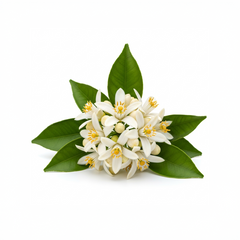
As top notes dissipate, linalool and minor aldehydes emerge, lending a soft floral and green character. The scent becomes rounder and more delicate, with a subtle sweetness and a hint of orange blossom. This phase bridges citrus with floral and woody accords.

FloralGreenSmooth
III
Base notes
Several hours
Creamy Musk Drydown

The drydown is gentle and musky, with faint traces of residual terpenes and the influence of fixatives like sandalwood or musk. The overall effect is a soft, skin-like warmth, with the citrus brightness fading into a creamy, subtle finish.

MuskyCreamySubtle
TOP NOTES Juicy Citrus Burst 0–15 minutes HEART NOTES Floral Green Veil 20–60 minutes BASE NOTES Creamy Musk Drydown Several hours
Through the Ages

The Story of Yellow Mandarin in Perfumery

Yellow mandarin’s journey in perfumery spans from ancient Asian cultivation to modern Mediterranean extraction and global fragrance innovation.

Ancient China

Cultivation and Symbolism

Mandarin fruits, including yellow varieties, were cultivated in southern China for centuries. Mandarins were exchanged as symbols of prosperity and abundance during festivals and New Year celebrations.

19th Century

Introduction to Europe

Mandarin trees were introduced to Italy and Spain, where the yellow variety found ideal growing conditions. Mediterranean cultivation flourished, and mandarin oil began to appear in early cologne formulas.

1940s

Cold Expression Extraction

Advances in cold pressing technology enabled efficient extraction of yellow mandarin oil, preserving its delicate aroma for use in fine perfumery. Italian and Spanish producers established quality standards.

2000s

Rise in Niche Perfumery

Yellow mandarin gained popularity in niche and artisanal fragrances, valued for its nuanced, floral-citrus profile. Sustainable sourcing initiatives expanded in Calabria and Valencia.

2026

Contemporary Fragrance Launches

Major releases such as Acqua di Parma Buongiorno Gioco del Destino and Moschino Toy 2 Yummy feature yellow mandarin as a signature top note, highlighting its versatility in modern scent architecture.

The Art of Layering

How to Layer Yellow Mandarin

Understanding how to layer yellow mandarin enables you to customize its brightness and longevity. The key is molecular compatibility—pairing with notes that share or complement its dominant compounds.

01

Enhance Floralcy

Layer yellow mandarin with rose or orange blossom fragrances. Both share linalool and ionones, creating a seamless transition from citrus to floral. Shay & Blue’s Wild Roses demonstrates this synergy, where rose dew veils the citrus, yielding a crisp, airy effect.

02

Deepen with Woods

Pair yellow mandarin with sandalwood or vetiver. Santalol and vetiverol molecules anchor the citrus, extending its presence and adding creamy or earthy depth. Sora Dora 7 exemplifies this, blending yellow mandarin with sandalwood and patchouli for a lasting, sophisticated drydown.

03

Boost Sweetness

Combine yellow mandarin with vanilla or amber accords. Vanillin and amber molecules mask citrus volatility, enhancing perceived sweetness and warmth. Moschino Toy 2 Yummy uses this technique, balancing yellow mandarin’s brightness with creamy, musky undertones.

Wear It Right

How to Wear Yellow Mandarin Like a Pro

Seasonal Guide

Fall & Winter

In cooler months, yellow mandarin’s brightness cuts through dense, warm air, providing a refreshing lift. Cold temperatures slow evaporation, allowing the citrus to linger longer. Apply to pulse points under clothing for a subtle, cheerful aura.

Spring

Spring’s moderate temperatures and rising humidity enhance yellow mandarin’s projection and freshness. The note pairs well with florals and green accords, echoing the season’s renewal. Apply to exposed skin for a radiant, optimistic effect.

Summer

Heat and humidity accelerate yellow mandarin’s evaporation, making the initial burst intense but short-lived. Layer with woody or musky notes to extend longevity. Reapply as needed to maintain brightness during hot days.

Year-Round Tip

For consistent performance, layer yellow mandarin fragrances with a neutral body lotion or unscented oil. This creates a barrier that slows evaporation and enhances sillage, regardless of season.

Application Points

Strategic application maximizes yellow mandarin’s freshness and projection. Focus on pulse points and layering for best results.

1

Neck

Applying yellow mandarin to the neck takes advantage of body heat, amplifying the citrus top note and ensuring a vibrant, immediate impression.

2

Behind the Ears

This area is slightly cooler, allowing yellow mandarin’s volatile molecules to diffuse gradually, prolonging the freshness and enhancing sillage.

3

Inner Wrists

Pulse points on the wrists intensify the citrus burst, but frequent hand washing may reduce longevity. Reapply as needed for a continuous effect.

4

Hair

Spraying yellow mandarin lightly on hair provides a gentle, lingering scent trail. Hair retains volatile compounds longer than skin, extending the citrus freshness.

★

Pro Tip

Layer yellow mandarin fragrance over unscented moisturizer or oil to slow evaporation and boost projection, especially in dry or cold climates.

Mood Architecture™

Top Yellow Mandarin Fragrances by Mood Score

These Yellow Mandarin-based fragrances scored highest on the MEI™ Mood Architecture Framework — measuring how a scent may influence your emotional state.

Highest MEI Score
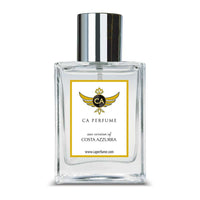
Costa Azzurra — Tom Ford Costa Azzurra Alternative Perfume
7.2
MEI™
Primary Fresh
Secondary Romantic
Confidence
6.66
Presence
7.2
Mood Lift
7.85
Identity
7.2
Warmth
7.45
Social Ease
7.29
Energy
5.37
" I am radiant.
View full mood profile →
HumanSafe™

Top Yellow Mandarin Fragrances by HumanSafe™ Score

These Yellow Mandarin-based fragrances have the highest product-level HumanSafe™ scores in this ingredient collection.

Highest HumanSafe™ Score
Costa Azzurra — Tom Ford Costa Azzurra Alternative Perfume
A-
HumanSafe™ Score Generally Safe
Safest Evaluated Ingredients EDP
AQUA Solvent / Carrier ISS 10.0
4H-INDEN-4-ONE, 1,2,3,5,6,7-HEXAHYDRO-1,1,2,3,3- Evaluated ingredient ISS 9.0
2-OXABICYCLO[2.2.2]OCTANE, 1,3,3-TRIMETHYL- Evaluated ingredient ISS 9.0
LINALYL ACETATE Evaluated ingredient ISS 7.0
LINALOOL Evaluated ingredient ISS 7.0
ALCOHOL DENAT. Solvent / Carrier ISS 7.0
View full safety profile →
Expert Voices

What Masters Say About Yellow Mandarin

“
Yellow mandarin is prized for its radiant, juicy profile—striking a balance between the sharpness of green mandarin and the syrupy sweetness of red. Its essential oil lends a sunlit, uplifting quality to modern fragrance compositions.
CA Perfume Editorial
“
The opening is super fresh and juicy from the mandarin, but it quickly dries down to a warm, decadent finish of white chocolate and plum. This pairing is the epitome of Gender-Fluid / Non-Binary Profiles; its perfectly unisex and shared by my partner because it balances the tartness of fruit with the creaminess of wood.
Dom De Vetta, Shay & Blue
Common Questions

Frequently Asked Questions

Answers to common questions about yellow mandarin in perfumery.

Yellow mandarin in perfume smells bright, juicy, and slightly floral, with a sunlit citrus character. Its scent profile is dominated by d-limonene, giving a vivid, uplifting freshness, while minor notes of linalool and gamma-terpinene add smooth, green, and sweet nuances. The result is a clean, non-bitter citrus aroma that is both radiant and smooth, suitable for a wide range of fragrance styles.

Yellow mandarin is classified as a top note in perfumery due to its high volatility and immediate impact. It provides the initial burst of citrus freshness but can persist into the heart notes when blended with fixatives or floral partners. Its volatility means it is most prominent in the first 15–30 minutes after application.

Yellow mandarin is favored in niche perfumes for its nuanced, balanced citrus profile—brighter than red mandarin, smoother than green. Its ability to impart a radiant, juicy opening and transition smoothly into floral or woody hearts makes it ideal for complex, layered compositions. Its Mediterranean origin and sustainable sourcing also appeal to artisanal brands.

Yellow mandarin fragrance uses include pairing with rose, orange blossom, sandalwood, vanilla, and vetiver. These notes share molecular affinities—linalool, ionones, and santalol—that create seamless transitions and enhance longevity. Woody and musky bases help anchor the citrus, while florals amplify its smoothness.

Yes, yellow mandarin is ideal for summer and hot weather due to its refreshing, uplifting character. However, high temperatures accelerate evaporation, so the citrus burst may be short-lived. Layering with fixatives or reapplying throughout the day can help maintain brightness in warm climates.

Yellow mandarin’s top note is most prominent for 15–30 minutes, but with proper formulation and fixatives, its floral and musky undertones can persist for several hours. In Eau de Parfum, the citrus freshness may linger into the heart, while in cologne or EDT, it fades more quickly.

Yes, yellow mandarin is highly layerable. It pairs well with florals (rose, orange blossom), woods (sandalwood, vetiver), and gourmands (vanilla, amber). Layering enhances molecular compatibility, extending longevity and creating custom scent profiles. For example, pairing with rose creates a crisp, airy effect, while sandalwood adds creamy depth.

Beginner-friendly yellow mandarin perfumes include Moschino Toy 2 Yummy (2026), which offers a bright, juicy citrus opening, and Acqua di Parma Buongiorno Gioco del Destino (2026), which balances yellow mandarin with green mandarin and lemon. Both showcase the ingredient’s versatility and approachable character.

When selecting a yellow mandarin fragrance at CA Perfume, consider the supporting notes—floral, woody, or gourmand—and the desired concentration (EDT for freshness, EDP for longevity). The HumanSafe™ platform provides transparency on ingredient sourcing, ensuring both natural and synthetic yellow mandarin materials are verified for safety and quality.

Yellow mandarin’s scent is balanced—neither overly sweet nor sharply tart. It combines juicy, sunlit sweetness with a gentle tang and subtle floral undertones. This makes it more approachable than green mandarin (bitter) or red mandarin (syrupy), offering a classic citrus profile that is both uplifting and smooth.

Citrus Collection

Explore Our Top Yellow Mandarin Fragrances

Discover CA Perfume’s curated selection of yellow mandarin fragrances, each highlighting the note’s radiant citrus character and versatility in modern scent design.

Shop all yellow mandarin fragrances at CA Perfume →

Where Yellow Mandarin Comes From — Origin & Extraction

Yellow Mandarin essential oil is derived from the partially ripened fruits of Citrus reticulata Blanco, a member of the Rutaceae family. The fruit is harvested during its yellow stage, between green (unripe) and red (fully ripe), to capture a balanced aromatic profile. Major producing countries include Italy (notably Calabria and Sicily), Spain (Valencia region), Brazil, and China. Italian and Spanish yellow mandarin oils are particularly valued in fine perfumery for their nuanced, floral-citrus aroma, with Italy and Spain together accounting for over 60% of global mandarin oil exports. Extraction is performed via cold pressing (expression) of the fruit peel, a process that preserves the delicate volatile compounds. The peels are mechanically punctured and pressed at ambient temperatures (below 30°C), yielding a pale yellow to golden oil. Typical yields are 0.5–1.5% by weight of fresh peel. The process avoids heat, which would degrade key molecules like limonene and linalool. The resulting oil is filtered to remove waxes and stored in dark glass to prevent oxidation. Cold-pressed yellow mandarin oil is more expensive than red mandarin, with prices ranging from $150–$300/kg for high-grade Italian oil, compared to $80–$120/kg for red mandarin. Synthetic substitutes, based on d-limonene or aroma blends, can cost as little as $20–$40/kg. Sustainability is a growing concern: mandarin cultivation is water-intensive, and pesticide use is monitored under EU and Chinese regulations. Leading producers are adopting integrated pest management and drip irrigation to reduce environmental impact. Organic-certified yellow mandarin oil commands a price premium and is increasingly sought after by niche perfumers. No significant IFRA restrictions exist for yellow mandarin oil, but phototoxicity is minimal compared to bitter orange or bergamot.

Famous Fragrances That Define Yellow Mandarin in Perfumery

Yellow mandarin has become a signature ingredient in both niche and designer fragrances, prized for its ability to impart a radiant, juicy opening. In Acqua di Parma Buongiorno Gioco del Destino (2026), yellow mandarin is paired with green mandarin and lemon to create a vibrant, sunlit top accord, transitioning into a musky, wheat-infused base. Moschino Toy 2 Yummy (2026) features yellow mandarin alongside bergamot and incense, providing a sparkling, effervescent introduction that evolves into a floral-woody heart with jasmine sambac and Bulgarian rose. Sora Dora 7 (2024, perfumer Margaux Le Paih Guérin) utilizes Italian yellow mandarin essential oil in its top notes, blending it with bergamot for a zesty, aromatic opening that leads into a complex, resinous heart and woody base. Other notable examples include Tom Ford Costa Azzurra, where yellow mandarin is used to evoke Mediterranean coastal freshness, and Robert Piguet Visa Gold Limited Edition, which employs yellow mandarin to lift a rich, floral-chypre structure. L’Erbolario Osmanthus and Keiko Mecheri Ray-Flection also feature yellow mandarin as a key top note, demonstrating its versatility in both citrus-forward and floral compositions. CA Perfume’s collection draws inspiration from this lineage, offering yellow mandarin as a bridge between classic Mediterranean colognes and contemporary, multi-layered scent architectures.

Natural vs Synthetic Yellow Mandarin in Perfumery

Natural yellow mandarin oil is dominated by d-limonene (CAS 138-86-3), with supporting molecules like gamma-terpinene (CAS 99-85-4), linalool (CAS 78-70-6), and sabinene (CAS 3387-41-5). These compounds provide the signature juicy, floral-citrus profile. Natural oil offers complexity and subtle variation by terroir, but is less stable and more prone to oxidation than synthetics. Synthetic yellow mandarin accords are typically constructed from isolated d-limonene, supplemented with linalool and aldehydes (such as citral, CAS 5392-40-5) to mimic the natural oil’s freshness and longevity. These synthetics are favored for their batch-to-batch consistency, stability, and cost-effectiveness. Synthetic blends can extend the citrus freshness in a formula, as natural mandarin’s top note can fade quickly. Notable aroma chemicals used in synthetic mandarin accords include decanal (CAS 112-31-2) for waxy citrus brightness and methyl anthranilate (CAS 134-20-3) for floral nuance. Famous fragrances using natural yellow mandarin include Acqua di Parma Buongiorno Gioco del Destino (2026) and Sora Dora 7 (2024), while synthetic mandarin is often found in mass-market colognes for its stability and cost. Sustainability and traceability are increasingly important; the HumanSafe™ platform enables CA Perfume to verify both natural and synthetic sources, ensuring transparency and safety for all yellow mandarin materials.