Where White Wood Comes From — Origin & Extraction
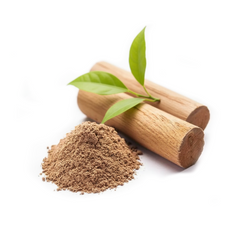
White Wood is not a single botanical extract but a perfumery accord constructed from a blend of naturally derived and synthetic woody and musky materials. The core components often include sandalwood (Santalum album, primarily sourced from Australia and India), white cedar (Chamaecyparis thyoides, North America), and white musk aroma chemicals such as Galaxolide and Ambrettolide. Major producing countries for sandalwood include Australia (over 80% of global legal supply, with annual yields exceeding 200 metric tons) and India (historically dominant, but now restricted due to overharvesting). Cedarwood oil is primarily produced in the United States and Canada, with yields of 1–2% by steam distillation of wood chips.
Extraction methods for the natural woody components involve steam distillation (for cedarwood and sandalwood oils, typically at 100–120°C for 8–12 hours), solvent extraction (for more delicate lactonic or creamy notes), and molecular distillation for isolating specific aroma fractions. Synthetic white musk molecules are produced via multistep organic synthesis, with Galaxolide (CAS 1222-05-5) and Ambrettolide (CAS 3738-68-3) being the most common. The cost of natural sandalwood oil ranges from $2,000–4,000/kg, while synthetic white musk compounds are significantly less expensive ($30–100/kg), making the white wood accord both affordable and scalable for modern perfumery.
Sustainability is a critical consideration: Australian sandalwood is managed under strict replanting and harvest quotas, while synthetic musks are favored for their lower environmental impact and absence of animal-derived ingredients. The white wood accord thus represents a balance between natural extraction and synthetic innovation, with leading manufacturers in France (Grasse), the US, and Japan supplying both natural and synthetic components.
Famous Fragrances That Define White Wood in Perfumery
White Wood has become a defining note in contemporary fragrance, prized for its versatility and subtlety. One of the earliest and most influential uses is Clean White Woods (2013, Harry Fremont), which established the note’s identity as a clean, musky-woody heart with creamy undertones. Balma Venitia White Wood (2023, Marie Duchêne) further explores the note’s potential by pairing it with fig, sandalwood, and white musk, creating a gender-neutral, modern signature. Marc Jacobs Daisy Dream (2014, Alberto Morillas) uses white wood to anchor its airy floral-fruity composition, providing a soft, persistent base. Le Labo’s white woods compositions (various, perfumer Frank Voelkl) are known for their dry cedar and creamy sandalwood interplay, softened by musks and light florals. Amouroud White Woods (2017, perfumer unknown) exemplifies the note’s use in niche perfumery, blending it with gardenia, jasmine, and amber for a luminous, enveloping effect.
Across these examples, white wood functions as a bridge note or dominant heart, often paired with vanilla, musk, citrus, and soft florals. CA Perfume’s collection draws inspiration from this lineage, offering white wood-centered fragrances that emphasize transparency, comfort, and modern elegance.
Natural vs Synthetic White Wood in Perfumery
The White Wood accord in perfumery is typically a blend of both natural and synthetic materials. Natural components include sandalwood oil (Santalum album, CAS 8006-87-9), cedarwood oil (Juniperus virginiana, CAS 8000-27-9), and sometimes cypress or pine extracts. Synthetic molecules such as Iso E Super (CAS 54464-57-2), Galaxolide (CAS 1222-05-5), and Ambrettolide (CAS 3738-68-3) are commonly used to replicate and enhance the creamy, musky, and airy facets of white wood. Synthetic versions offer greater consistency, stability, and lower allergenic potential compared to naturals, and are less expensive (Iso E Super: $40–80/kg; Galaxolide: $30–60/kg) than natural sandalwood or cedarwood oils.
Performance-wise, synthetic white wood accords provide superior longevity (6–10 hours) and diffusion, with musks and Iso E Super acting as fixatives. Notable fragrances such as Clean White Woods (2013, Harry Fremont) and Marc Jacobs Daisy Dream (2014, Alberto Morillas) rely heavily on synthetic musks and woody molecules for their signature softness and persistence. Sustainability is improved with synthetics, as they avoid overharvesting of slow-growing sandalwood and reduce pressure on endangered species. The HumanSafe™ platform at CA Perfume ensures transparency in sourcing and allergen disclosure, prioritizing both natural and synthetic ingredients that meet safety and environmental standards.