Ingredient Guide · Woods and Mosses
Woods and Mosses Family · Perfumery Note

White Oud

A modern oud—airy, creamy, and delicately woody.

White Oud is a contemporary interpretation of oud in perfumery, positioned as a heart or base note with a lighter, creamy-woody character. Its defining quality is the absence of the animalic, smoky facets typical of traditional oud, resulting from extraction from healthy Aquilaria heartwood.

White Oud
Ingredient Profile

White Oud

Woods and Mosses Family
Family Woods and Mosses
Note Position Heart Note
Usage Level 0.5–1.5% yield
Key Origins Vietnam, Laos, Thailand
Iconic In The Muse, In The Stars
The Ingredient

What does White Oud smell like and why is it significant in modern perfumery?

White Oud, also known as Agarwood White, is derived from the heartwood of healthy Aquilaria trees and is classified within the woods and mosses family. Unlike traditional oud, which is formed by the tree’s resinous response to infection, White Oud is extracted from uninfected or minimally infected heartwood, resulting in a much lighter color and a distinctive scent profile. The molecular composition is less dominated by the dense, resinous sesquiterpenes (such as agarol, jinkoh-eremol, and guaiene) that give classic oud its animalic, smoky, and leathery facets. Instead, White Oud’s scent profile is defined by airy, creamy, and delicately woody notes with subtle floral and sweet undertones. The absence of heavy resin content means it lacks the barnyard or medicinal aspects of traditional oud, making it more approachable and versatile for a wider audience. In terms of olfactory impression, White Oud is often described as clean, soft, and slightly sweet—sometimes with a faintly powdery or musky nuance. Its scent profile is sometimes compared to a blend of sandalwood, light musk, and a trace of white florals, with a creamy, almost translucent woodiness that lingers on the skin. In perfumery, White Oud is typically used as a heart or base note, contributing structure and longevity without overpowering the composition. Its lighter molecular weight and lower resin content allow it to be used at higher concentrations (often 1–3% in the concentrate) compared to traditional oud, which is usually dosed at 0.1–0.5% due to its intensity. The ingredient’s relatively neutral, creamy-woody character makes it highly adaptable, allowing perfumers to pair it with florals, citrus, and musks without risk of olfactory clash. On skin, White Oud interacts subtly with body chemistry, amplifying creamy and musky aspects in warmer, humid conditions, while remaining clean and airy in cooler environments. Its performance is marked by moderate projection and excellent longevity, especially when used in oil-based or extrait formats. Notable fragrances that exemplify the use of White Oud include ZARKOPERFUME The Muse, where it provides a creamy, woody backbone to a modern floral-amber composition, and Bath & Body Works In The Stars, which uses White Oud to add a soft, woody depth beneath sparkling citrus and amber notes. These examples highlight how White Oud in perfumery offers a contemporary, versatile alternative to the more polarizing traditional oud, expanding the creative palette for both niche and mainstream fragrance houses.

0.5–1.5% yield
Extraction of White Oud oil from healthy Aquilaria heartwood yields 0.5–1.5% by weight, reflecting its lower resin content compared to traditional oud.
6–10 hours
White Oud fragrances typically last 6–10 hours on skin, with creamy, musky base notes persisting due to low-volatility molecules such as ambrettolide and galaxolide.
$800–1,500/kg
Natural White Oud oil costs $800–1,500 per kg, significantly less than traditional oud oil due to higher availability and lower resin content.
Origin & Extraction

Where White Oud Comes From — Origin & Extraction

White Oud’s scent is shaped by the geography and climate of its source regions. The lighter, creamier profile is a direct result of healthy Aquilaria heartwood grown in humid, tropical environments with well-drained soils and moderate elevation.

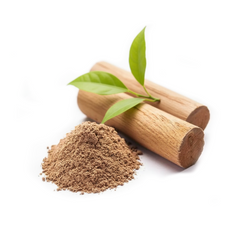
White Oud is sourced from the heartwood of Aquilaria species (notably Aquilaria malaccensis and Aquilaria crassna), native to Southeast Asia, including countries such as Vietnam, Laos, Cambodia, and Thailand. Unlike traditional oud, which forms when the tree is infected by fungi (notably Phialophora parasitica) and produces a dark, resinous heartwood, White Oud is harvested from healthy or only minimally infected trees. This results in a pale, almost ivory-colored wood with a significantly lower resin content. The extraction process for White Oud typically involves steam or water distillation of finely ground heartwood chips at temperatures between 90–110°C. The yield is lower in aromatic sesquiterpenes compared to traditional oud oil, and the resulting essential oil is lighter in both color and olfactory weight. Extraction yields for White Oud are typically 0.5–1.5% by weight, compared to 2–3% for heavily resinous agarwood. The cost of natural White Oud oil is generally lower than that of traditional oud, ranging from $800–1,500 per kg, versus $10,000–50,000 per kg for high-grade wild oud oil. Major producing countries include Vietnam (estimated 35% of global White Oud supply), Laos (25%), and Thailand (20%), with the remainder from Cambodia and managed plantations in Malaysia and Indonesia. Sustainability is a key concern: White Oud production is less damaging to wild Aquilaria populations, as it does not require harvesting infected, old-growth trees. Many plantations now cultivate Aquilaria specifically for White Oud extraction, using managed, renewable forestry practices. Synthetic White Oud accords are also produced, typically using aroma chemicals such as Iso E Super, Javanol, and synthetic musks to replicate the creamy-woody effect. These synthetics cost $50–200 per kg and are widely used in commercial perfumery for consistency and ethical sourcing.

VN

Vietnam

Central Vietnam (notably Quang Nam and Ha Tinh provinces) produces White Oud with a creamy, slightly floral profile due to high humidity, acidic soils, and careful plantation management. Vietnam accounts for roughly 35% of global White Oud supply, with most production from managed plantations to ensure sustainability.

LA

Laos

Southern Laos, particularly Champasak and Attapeu, is known for White Oud with a soft, powdery character. The region’s loamy soils and consistent rainfall yield heartwood with low resin content, ideal for lighter oud extractions. Laos supplies about 25% of the market.

TH

Thailand

Northern Thailand (Chiang Mai, Nan) cultivates Aquilaria trees for both traditional and White Oud. The region’s higher altitude and cooler nights produce wood with a subtle, almost musky undertone. Thailand contributes approximately 20% of global White Oud output.

KH

Cambodia

Kampong Thom and Preah Vihear provinces in Cambodia are recognized for White Oud with a slightly sweet, green-woody nuance. Cambodian White Oud is valued for its sustainable plantation practices and consistent quality, representing about 10% of the market.

Chemistry

Natural vs Synthetic White Oud in Perfumery

Natural White Oud is distilled from the heartwood of healthy Aquilaria trees and is characterized by a lighter, creamier, and less resinous scent compared to traditional oud. The main molecular components are low-resin sesquiterpenes and subtle lactonic notes. Synthetic White Oud accords are constructed using a blend of aroma chemicals, most notably Iso E Super (CAS 54464-57-2), Javanol (CAS 199111-50-7), and Cashmeran (CAS 33704-61-9). These molecules provide the creamy, woody, and musky facets associated with White Oud, but with greater consistency, stability, and cost-effectiveness. Synthetic White Oud is often preferred in large-scale perfumery due to its batch-to-batch uniformity and absence of supply chain volatility. In terms of performance, synthetic White Oud accords offer excellent longevity and projection, with a more linear evolution compared to the subtle complexity of natural White Oud oil. Notable fragrances using synthetic White Oud include Bath & Body Works In The Stars and Avon Far Away Splendoria. Sustainability is a major advantage of synthetics, as they reduce pressure on wild Aquilaria populations and support ethical sourcing. The HumanSafe™ platform at CA Perfume ensures full transparency regarding the natural or synthetic origin of White Oud in each formula, allowing consumers to make informed choices. While natural White Oud offers nuanced, evolving complexity, synthetics provide reliability and accessibility for a broader range of fragrance applications.

Natural
White Oud Absolute
Cost $3,000–6,000/kg
Method Solvent / CO₂
Character Complex, variable
vs
Synthetic
Safranal & Analogues
Cost $50–200/kg
Method Lab synthesis
Character Consistent, stable
Hall of Fame

Famous Fragrances That Define White Oud in Perfumery

2016
dominant note

The Muse

ZARKOPERFUME
by Zarko Ahlmann Pavlov
musksoft florals
2018
supporting note

In The Stars

Bath & Body Works
ambercitrusmusk
2021
bridge note

Chiron

Tiziana Terenzi
by Paolo Terenzi
fruity notesmuskwoody notes
2022
supporting note

Far Away Splendoria

Avon
floralsambermusk
2014
dominant note

White Oud

Thomas Kosmala
by Thomas Kosmala
white rosegardeniavanillaamber

White Oud has become a signature note in contemporary perfumery, especially in compositions seeking a creamy, woody depth without the intensity of traditional oud. ZARKOPERFUME The Muse (2016, Zarko Ahlmann Pavlov) uses White Oud as a dominant note, blending it with musk and soft florals for a modern, minimalist effect. Bath & Body Works In The Stars (2018) features a White Oud accord as a supporting note, paired with amber and citrus to create a sparkling, approachable woody-amber scent. Tiziana Terenzi Chiron (2021, Paolo Terenzi) employs White Oud as a bridge note, connecting fruity top notes with a musky, woody base. Avon Far Away Splendoria (2022) utilizes White Oud to add creamy, woody depth beneath floral and amber notes, making it suitable for both day and evening wear. Thomas Kosmala White Oud (2014, Thomas Kosmala) is a niche example, where White Oud is paired with white florals and vanilla for a soft, elegant trail. These fragrances demonstrate the versatility of White Oud in perfumery—functioning as a dominant, bridge, or supporting note, and pairing seamlessly with musks, florals, amber, and citrus. CA Perfume’s collection draws inspiration from this lineage, offering White Oud compositions that balance modernity and tradition.

The Accord

How is a captivating White Oud accord crafted?

A modern White Oud accord is built around 25–30% White Oud (natural or synthetic), 20–25% sandalwood for creamy woodiness, 20–25% white musk for softness and diffusion, and 25–30% citrus (bergamot or mandarin) for brightness. Each ingredient is selected for molecular compatibility: sandalwood’s santalol enhances creamy facets, musk amplifies diffusion, and citrus provides a volatile, sparkling lift.

30%

White Oud

25–30% of blend

White Oud provides the creamy, airy woody backbone, with low-resin sesquiterpenes and subtle lactonic notes for a modern, soft oud effect.

25%

Sandalwood

20–25% of blend

Sandalwood’s high santalol content (CAS 115-71-9) enhances the creamy, milky facets of White Oud and stabilizes the accord’s woody structure.

25%

White Musk

20–25% of blend

White musk (e.g., Galaxolide, CAS 1222-05-5) boosts diffusion and imparts a soft, clean finish, masking any residual sharpness from the oud.

30%

Bergamot

25–30% of blend

Bergamot’s limonene and linalyl acetate provide a volatile, sparkling top that brightens the creamy woodiness and ensures a modern, uplifting opening.

The Olfactory Layers

How White Oud Evolves on Skin

White Oud’s olfactory evolution is marked by a bright, citrusy opening that quickly transitions to creamy, woody heart notes and a soft, musky base. The top notes evaporate within 10–20 minutes, revealing the persistent, low-volatility molecules that define the heart and base.

I
Top notes
0–15 min
Citrus Airiness

The initial impression is airy and sparkling, dominated by volatile citrus molecules such as limonene and linalool from bergamot or mandarin. These high-volatility compounds evaporate rapidly, providing a fresh, uplifting effect that sets the stage for the creamy woodiness to follow.

airycitrus-brightfresh
II
Heart notes
20–60 min
Creamy Woods

As the citrus fades, the creamy, woody character of White Oud emerges, driven by low-resin sesquiterpenes and lactonic notes. Sandalwood and white musk molecules (santalol, galaxolide) blend with the oud, creating a soft, enveloping heart with subtle floral and powdery nuances.

creamywoodysoft-floral
III
Base notes
Several hours
Musky Drydown

The drydown is defined by persistent musks and woody molecules, including ambrettolide and synthetic musks, which anchor the scent with a clean, powdery finish. The oud’s subtle sweetness and sandalwood’s creamy undertone linger for 6–10 hours, providing a gentle, skin-like aura.

muskypowderyskin-like
TOP NOTES Citrus Airiness 0–15 minutes HEART NOTES Creamy Woods 20–60 minutes BASE NOTES Musky Drydown Several hours
Through the Ages

The Story of White Oud in Perfumery

White Oud’s journey in perfumery reflects both ancient traditions and modern innovation, evolving from a regional specialty to a global fragrance phenomenon.

Antiquity

Agarwood Revered in Southeast Asia

Aquilaria heartwood, the source of all oud, is used in incense and traditional medicine throughout Southeast Asia. Early uses focus on highly resinous wood, but lighter heartwood is valued for its subtle aroma in Buddhist and Vietnamese rituals.

1970s

Introduction to Western Perfumery

Oud enters Western perfumery, initially as a rare, exotic note. Early compositions use traditional oud, but perfumers begin experimenting with lighter, less resinous extracts—precursors to modern White Oud.

2010

Emergence of White Oud as a Distinct Note

Niche fragrance houses in Europe and the Middle East begin marketing White Oud as a softer, more wearable alternative to classic oud. Extraction from healthy Aquilaria heartwood becomes standardized, enabling consistent supply.

2016

ZARKOPERFUME The Muse Launches

ZARKOPERFUME The Muse (2016, Zarko Ahlmann Pavlov) popularizes White Oud as a dominant note in minimalist, modern compositions, influencing a wave of similar fragrances across Europe and Asia.

2022

Mainstream Adoption and Synthetic Accords

White Oud becomes widely used in both niche and mass-market fragrances, often as a synthetic accord. Brands like Bath & Body Works and Avon introduce White Oud-based scents, making the note accessible to a global audience.

The Art of Layering

How to Layer White Oud

Understanding how to layer White Oud is key to creating a personalized scent signature. The creamy, woody molecules of White Oud interact synergistically with florals, musks, and citrus, allowing for versatile layering options.

01

Enhance Sweetness

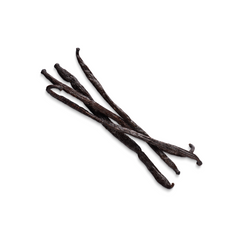
Layer White Oud with vanilla or tonka bean fragrances to amplify the creamy, gourmand facets. Vanillin (CAS 121-33-5) and coumarin in tonka bean create olfactory masking, softening any woody sharpness and producing a warm, enveloping effect. Examples: Avon Far Away Splendoria, Bath & Body Works In The Stars.

02

Add Depth

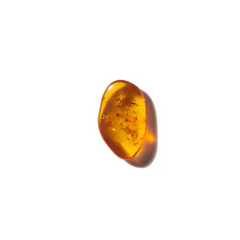
Pair White Oud with sandalwood or amber-based scents. Santalol and labdanum molecules reinforce the woody-musky base, increasing longevity and adding complexity. This technique is demonstrated in ZARKOPERFUME The Muse and Tiziana Terenzi Chiron.

03

Lighten the Glow

Combine White Oud with citrus or green notes (bergamot, neroli) to emphasize its airy, fresh facets. Limonene and linalool in citrus provide a volatile lift, while green notes add brightness. This approach is ideal for summer or daytime wear, as seen in Bath & Body Works In The Stars.

Wear It Right

How to Wear White Oud Like a Pro

Seasonal Guide

Fall & Winter

In cooler weather, White Oud’s creamy, musky base is more pronounced, as lower temperatures slow the evaporation of volatile top notes. Apply to pulse points under clothing to maximize warmth and projection. The scent remains soft and enveloping, perfect for layering with amber or vanilla.

Spring

Spring’s moderate temperatures allow both citrus and creamy wood facets to shine. Increased humidity enhances projection, while the lighter airiness of White Oud feels fresh and uplifting. Pair with floral or green notes for a seasonal twist.

Summer

In hot weather, White Oud’s volatility increases, emphasizing citrus and airy notes while reducing longevity. Apply sparingly to avoid overwhelming the senses, and consider layering with light citrus or aquatic accords for a refreshing effect.

Year-Round Tip

White Oud’s balanced profile makes it suitable for all seasons. Adjust application quantity and pairing notes to suit climate—use more in winter for warmth, less in summer for freshness. Its clean, creamy character adapts seamlessly to changing environments.

Application Points

Strategic application of White Oud maximizes its creamy, musky effect and ensures even diffusion.

1

Neck

Applying White Oud to the neck leverages body heat to enhance the creamy, musky facets, ensuring the scent projects gently and lingers close to the skin.

2

Behind the Ears

This area retains fragrance well due to lower sebaceous activity, allowing White Oud’s soft, powdery notes to persist and subtly diffuse throughout the day.

3

Inner Wrists

Pulse points on the wrists amplify the citrus top notes and creamy heart, but frequent hand washing may reduce longevity—reapply as needed for sustained effect.

4

Hair

Spraying White Oud on hair provides a slow, continuous release of the creamy, woody aroma, as hair fibers trap and gradually release volatile molecules.

Pro Tip

Layer White Oud with a complementary musk or sandalwood oil on pulse points for enhanced longevity and a more pronounced creamy-woody signature.

Mood Architecture™

Top White Oud Fragrances by Mood Score

These White Oud-based fragrances scored highest on the MEI™ Mood Architecture Framework — measuring how a scent may influence your emotional state.

Highest MEI Score
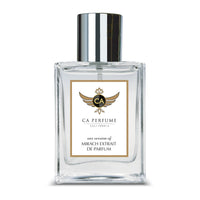
Mirach Extrait De Parfum— Mirach Extrait De Parfum Alternative Perfume
8.28
MEI™
Primary Romantic
Secondary Confident
Confidence
8.18
Presence
8.65
Mood Lift
8.33
Identity
8.85
Warmth
9.5
Social Ease
7.87
Energy
3.5
" I am beautiful.
View full mood profile →
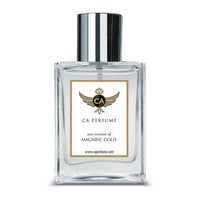
Magnific Gold — Magnificent Gold Alternative Perfume
7.5
MEI™
Primary Romantic
Secondary Confident
Confidence
7.09
Presence
7.16
Mood Lift
7.58
Identity
7.41
Warmth
9.5
Social Ease
7.34
Energy
3.5
" I am beautiful.
View full mood profile →
HumanSafe™

Top White Oud Fragrances by HumanSafe™ Score

These White Oud-based fragrances have the highest product-level HumanSafe™ scores in this ingredient collection.

Highest HumanSafe™ Score
Mirach Extrait De Parfum— Mirach Extrait De Parfum Alternative Perfume
A-
HumanSafe™ Score Generally Safe
Safest Evaluated Ingredients EDP
AQUA Solvent / Carrier ISS 10.0
1,4-DIOXACYCLOHEPTADECANE-5,17-DIONE Evaluated ingredient ISS 10.0
BENZYL SALICYLATE Evaluated ingredient ISS 9.0
3-CYCLOPENTENE-1-ACETALDEHYDE, 2,2,3-TRIMETHYL-, Evaluated ingredient ISS 9.0
TRICYCLO[6.3.1.02,5]DODECAN-1-OL, 4,4,8-TRIMETHYL-, Evaluated ingredient ISS 8.0
View full safety profile →
Magnific Gold — Magnificent Gold Alternative Perfume
A-
HumanSafe™ Score Generally Safe
Safest Evaluated Ingredients EDP
AQUA Solvent / Carrier ISS 10.0
1,4-DIOXACYCLOHEPTADECANE-5,17-DIONE Evaluated ingredient ISS 10.0
BENZYL SALICYLATE Evaluated ingredient ISS 9.0
AMBROXIDE Evaluated ingredient ISS 9.0
View full safety profile →
Expert Voices

What Masters Say About White Oud

White Oud offers a more delicate and refined scent profile compared to traditional oud. It is characterized by a lighter, slightly floral, and creamy aroma.
The Scent Library Editorial
White Oud’s lighter molecular structure allows for higher usage levels in modern compositions, providing creamy woodiness without the animalic intensity of classic oud.
CA Perfume Editorial
Common Questions

Frequently Asked Questions

Frequently asked questions about White Oud’s scent, use, and performance in perfumery.

White Oud in perfume is airy, creamy, and delicately woody, with subtle musky and floral undertones. Unlike traditional oud, it lacks animalic, smoky, or medicinal facets. Its scent profile is shaped by low-resin sesquiterpenes and lactonic notes, resulting in a clean, soft, and persistent aroma. Notable examples include ZARKOPERFUME The Muse and Bath & Body Works In The Stars, where White Oud provides a modern, approachable woody base.

White Oud is typically used as a heart or base note in perfumery. Its low volatility and creamy, woody character anchor the fragrance’s structure, providing longevity and a soft, musky drydown. In most compositions, it appears after the initial citrus or floral top notes fade, persisting for several hours on the skin.

White Oud is favored in niche perfumery for its versatility and modern, wearable profile. It provides creamy, woody depth without the polarizing intensity of traditional oud, making it suitable for a wider audience. Its ability to blend seamlessly with florals, musks, and citrus allows perfumers to create innovative, contemporary compositions that appeal to both oud enthusiasts and newcomers.

White Oud fragrance uses often involve pairing with sandalwood, vanilla, amber, white musk, rose, and citrus. These notes enhance different facets: sandalwood and vanilla amplify creaminess, amber and musk add warmth and diffusion, while rose and citrus provide brightness and lift. This molecular compatibility enables a wide range of layering and blending options.

Yes, White Oud’s airy, creamy character makes it suitable for summer and hot climates. Its lower resin content and lighter molecular weight prevent it from becoming overwhelming in heat. In high temperatures, the citrus and airy notes are more pronounced, while the creamy base remains soft and unobtrusive. Apply sparingly and consider layering with citrus or aquatic notes for added freshness.

White Oud fragrances generally last 6–10 hours on skin, depending on concentration and format. The creamy, musky base notes persist due to low-volatility molecules such as ambrettolide and galaxolide. Longevity is enhanced in oil-based or extrait formats, while Eau de Toilette versions may be lighter and shorter-lived.

Absolutely. White Oud is ideal for layering due to its creamy, woody neutrality. It pairs well with vanilla, sandalwood, amber, rose, and citrus, allowing for personalized scent signatures. Layering at a molecular level enables olfactory masking and synergy, enhancing both projection and complexity. Examples include pairing with vanilla for warmth or citrus for brightness.

For beginners, accessible options include Bath & Body Works In The Stars (a soft, woody-amber with White Oud), Avon Far Away Splendoria (creamy, floral-woody), and ZARKOPERFUME The Muse (modern, minimalist White Oud). These fragrances showcase the note’s versatility and are well-suited for daily wear.

At CA Perfume, you can explore White Oud fragrances by considering your preferred scent profile (creamy, woody, musky, or citrus-bright) and desired concentration (EDP, Parfum, oil). The HumanSafe™ platform provides transparency on natural vs. synthetic sourcing, allowing you to make informed choices based on sustainability and ingredient preferences.

White Oud is characterized by a clean, creamy, and airy scent profile, lacking the smoky, animalic, or medicinal facets of traditional oud. Its lighter molecular structure ensures a soft, powdery drydown and a modern, unobtrusive woody effect, making it suitable for a wide range of fragrance styles and occasions.

Woods and Mosses Collection

Explore Our Top White Oud Fragrances

Discover CA Perfume’s curated selection of White Oud fragrances, each showcasing the creamy, airy, and modern woody character of this unique note.

Shop all white oud fragrances at CA Perfume →

Where White Oud Comes From — Origin & Extraction

White Oud is sourced from the heartwood of Aquilaria species (notably Aquilaria malaccensis and Aquilaria crassna), native to Southeast Asia, including countries such as Vietnam, Laos, Cambodia, and Thailand. Unlike traditional oud, which forms when the tree is infected by fungi (notably Phialophora parasitica) and produces a dark, resinous heartwood, White Oud is harvested from healthy or only minimally infected trees. This results in a pale, almost ivory-colored wood with a significantly lower resin content. The extraction process for White Oud typically involves steam or water distillation of finely ground heartwood chips at temperatures between 90–110°C. The yield is lower in aromatic sesquiterpenes compared to traditional oud oil, and the resulting essential oil is lighter in both color and olfactory weight. Extraction yields for White Oud are typically 0.5–1.5% by weight, compared to 2–3% for heavily resinous agarwood. The cost of natural White Oud oil is generally lower than that of traditional oud, ranging from $800–1,500 per kg, versus $10,000–50,000 per kg for high-grade wild oud oil. Major producing countries include Vietnam (estimated 35% of global White Oud supply), Laos (25%), and Thailand (20%), with the remainder from Cambodia and managed plantations in Malaysia and Indonesia. Sustainability is a key concern: White Oud production is less damaging to wild Aquilaria populations, as it does not require harvesting infected, old-growth trees. Many plantations now cultivate Aquilaria specifically for White Oud extraction, using managed, renewable forestry practices. Synthetic White Oud accords are also produced, typically using aroma chemicals such as Iso E Super, Javanol, and synthetic musks to replicate the creamy-woody effect. These synthetics cost $50–200 per kg and are widely used in commercial perfumery for consistency and ethical sourcing.

Famous Fragrances That Define White Oud in Perfumery

White Oud has become a signature note in contemporary perfumery, especially in compositions seeking a creamy, woody depth without the intensity of traditional oud. ZARKOPERFUME The Muse (2016, Zarko Ahlmann Pavlov) uses White Oud as a dominant note, blending it with musk and soft florals for a modern, minimalist effect. Bath & Body Works In The Stars (2018) features a White Oud accord as a supporting note, paired with amber and citrus to create a sparkling, approachable woody-amber scent. Tiziana Terenzi Chiron (2021, Paolo Terenzi) employs White Oud as a bridge note, connecting fruity top notes with a musky, woody base. Avon Far Away Splendoria (2022) utilizes White Oud to add creamy, woody depth beneath floral and amber notes, making it suitable for both day and evening wear. Thomas Kosmala White Oud (2014, Thomas Kosmala) is a niche example, where White Oud is paired with white florals and vanilla for a soft, elegant trail. These fragrances demonstrate the versatility of White Oud in perfumery—functioning as a dominant, bridge, or supporting note, and pairing seamlessly with musks, florals, amber, and citrus. CA Perfume’s collection draws inspiration from this lineage, offering White Oud compositions that balance modernity and tradition.

Natural vs Synthetic White Oud in Perfumery

Natural White Oud is distilled from the heartwood of healthy Aquilaria trees and is characterized by a lighter, creamier, and less resinous scent compared to traditional oud. The main molecular components are low-resin sesquiterpenes and subtle lactonic notes. Synthetic White Oud accords are constructed using a blend of aroma chemicals, most notably Iso E Super (CAS 54464-57-2), Javanol (CAS 199111-50-7), and Cashmeran (CAS 33704-61-9). These molecules provide the creamy, woody, and musky facets associated with White Oud, but with greater consistency, stability, and cost-effectiveness. Synthetic White Oud is often preferred in large-scale perfumery due to its batch-to-batch uniformity and absence of supply chain volatility. In terms of performance, synthetic White Oud accords offer excellent longevity and projection, with a more linear evolution compared to the subtle complexity of natural White Oud oil. Notable fragrances using synthetic White Oud include Bath & Body Works In The Stars and Avon Far Away Splendoria. Sustainability is a major advantage of synthetics, as they reduce pressure on wild Aquilaria populations and support ethical sourcing. The HumanSafe™ platform at CA Perfume ensures full transparency regarding the natural or synthetic origin of White Oud in each formula, allowing consumers to make informed choices. While natural White Oud offers nuanced, evolving complexity, synthetics provide reliability and accessibility for a broader range of fragrance applications.