Ingredient Guide · Floral
Floral Family · Perfumery Note

White Iris

A refined note of iris root's powdery suede aroma

White Iris in perfumery is a powdery floral note derived from the rhizomes of Iris pallida. It features a suede-like, slightly woody scent with irones as key molecules.

White Iris
Ingredient Profile

White Iris

Floral Family
Family Floral
Note Position Base Note
Usage Level 0.1–1%
Key Origins Italy (Tuscany), Morocco, Greece
Iconic In White Iris, White Iris
The Ingredient

What does White Iris smell like and why is it significant in perfumery?

White Iris derives from the rhizomes of Iris pallida and related species, processed into orris butter or absolute after aging for 3-5 years. Its scent profile is uniquely powdery and floral with suede-like, woody, and slightly earthy nuances, primarily due to irones such as α-irone and γ-irone molecules. This powdery suede aroma distinguishes it from other floral notes. In perfumery, White Iris is classified mostly as a base note due to its low volatility and excellent fixative properties. It is typically used at concentrations between 0.1% and 1% in fine fragrances. Its powdery and woody facets help it blend well with other floral, woody, and amber notes, and it interacts with skin chemistry by softening and extending the longevity of the overall composition. Notable perfumes featuring White Iris include La Perla's White Iris (2015) where it forms a powdery floral heart with heliotrope and orris, and Borsalino's White Iris (2025) which uses iris concrete as a star ingredient combined with jasmine and almond. These examples demonstrate White Iris's versatility in creating elegant, sophisticated fragrance accords.

0.1–1%
Typical concentration range of White Iris absolute in fine fragrance formulations to balance potency and blendability.
3–5 years
Aging period for iris rhizomes to develop irones responsible for the characteristic powdery suede scent.
€30,000+ per kg
Approximate market price for high-quality natural iris absolute, reflecting its rarity and labor-intensive production.
Origin & Extraction

Where White Iris Comes From — Origin & Extraction

White Iris's olfactory character is deeply influenced by its geographic origin. The soil composition, altitude, and climate of production regions such as Tuscany in Italy and parts of Morocco contribute to the quality and scent nuances of the iris rhizomes. These factors affect the irone concentration and the powdery suede aroma that defines White Iris in perfumery.

White Iris is primarily extracted from the rhizomes of Iris pallida, Iris germanica, and Iris florentina, members of the Iridaceae family. The rhizomes are harvested after 3-5 years of growth and undergo a lengthy drying and aging process, often lasting up to 5 years, during which starches convert into aromatic irones. The main production centers are in Tuscany, Italy, known for its Iris pallida cultivation, and Morocco. Italy commands a significant share of the global iris root market, with Tuscan iris rhizomes considered the highest quality. Extraction involves peeling, washing, and drying the rhizomes, followed by solvent extraction using petroleum ether or benzene to yield orris butter or orris concrete. Steam distillation is less common due to heat sensitivity of irones. The yield is low, approximately 0.1-0.2% oil from fresh rhizomes, contributing to the high cost of natural iris absolute, which can exceed €30,000 per kilogram. Synthetic irones were discovered in the late 19th century and provide a more affordable alternative. Sustainability concerns include the labor-intensive harvesting and long aging period, prompting some producers to explore synthetic blends or sustainable farming practices.

IT

Italy (Tuscany)

Tuscany is the primary producer of Iris pallida rhizomes, known for their high irone content and superior powdery suede scent. The region's calcareous soil and moderate climate foster optimal iris growth. Production volume is significant, with Tuscan iris commanding premium prices and PDO-like quality recognition.

MA

Morocco

Morocco produces iris rhizomes with a slightly earthier and woody character due to its varied soil types and warmer climate. While smaller in volume than Italy, Moroccan iris is valued for its distinctive aromatic profile and is used in niche perfumery.

GR

Greece

Greece cultivates iris with a fresh and green nuance, influenced by Mediterranean climate and soil. Production is smaller scale but contributes to the diversity of iris scent profiles in perfumery.

Chemistry

Natural vs Synthetic White Iris in Perfumery

Natural White Iris is prized for its complex powdery, woody, and suede-like aroma, derived from aged rhizomes rich in irones (CAS 90045-90-2). It offers exceptional longevity and fixative properties, with a tenacity exceeding 24 hours on skin. However, its high cost and limited supply have encouraged the use of synthetic aroma chemicals such as α-irone, γ-irone, and ionones (CAS 127-40-2), which replicate the violet-powder facets affordably and with consistent quality. Synthetic iris molecules provide enhanced stability and projection but may lack the full depth and creamy nuances of natural orris butter. Famous fragrances like Serge Lutens Iris Silver Mist use a blend of natural and synthetic iris materials to achieve complexity. CA Perfume employs the HumanSafe™ platform to ensure transparency and safety in sourcing both natural and synthetic iris ingredients, balancing sustainability with olfactory excellence.

Natural
White Iris Absolute
Cost $3,000–6,000/kg
Method Solvent / CO₂
Character Complex, variable
vs
Synthetic
Safranal & Analogues
Cost $50–200/kg
Method Lab synthesis
Character Consistent, stable
Hall of Fame

Famous Fragrances That Define White Iris in Perfumery

2015
heart note

White Iris

La Perla
heliotropealmondorrisvanillatonka bean
2025
dominant note

White Iris

Borsalino
by Nicolas Bonneville
jasmineorange blossompralinecedarwoodpatchouli
1994
dominant note

Iris Silver Mist

Serge Lutens
by Maurice Roucel
iris buttersynthetic irones
1971
heart note

Chanel No. 19

Chanel
by Henri Robert
leathermossgalbanum
1999
heart note

Hiris

Hermès
by Jean-Claude Ellena
green notesluminous florals

White Iris has been a defining note in numerous landmark fragrances, showcasing its powdery suede character and versatility. La Perla's White Iris (2015), crafted by an anonymous perfumer, highlights iris with heliotrope, almond, and orris in a floral heart, anchored by vanilla and tonka bean. Borsalino's White Iris (2025), by Nicolas Bonneville, uses iris concrete as the star, combined with jasmine, orange blossom, and praline for a luminous, elegant trail. Serge Lutens Iris Silver Mist (1994), by Maurice Roucel, is a classical iris fragrance blending natural iris butter and synthetic irones for a cool, soft, and elegant expression. Chanel No. 19 (1971), by Henri Robert, features iris wrapped in leather and moss, with a vibrant green top note, existing in multiple concentrations emphasizing iris differently. Hermès Hiris (1999), by Jean-Claude Ellena, offers a sheer, tender watercolor of iris with luminous top notes and a green heart. These fragrances demonstrate White Iris's capacity to act as a powdery floral heart or a woody, fixative base, contributing to both feminine and unisex compositions. CA Perfume's collection honors this lineage with nuanced iris accords reflecting this heritage.

The Accord

How is a captivating White Iris accord crafted?

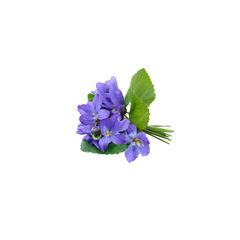
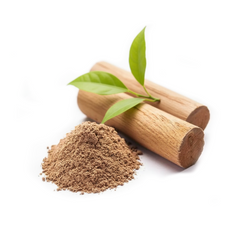
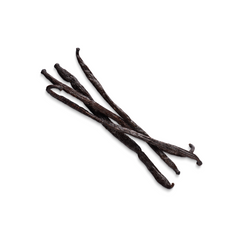
A balanced White Iris accord typically blends 30-35% White Iris absolute or concrete, providing the powdery suede core. 25-30% Violet adds a floral, slightly sweet bridge sharing ionone compounds with iris. 20-25% Sandalwood contributes creamy, woody warmth that softens iris's powdery facets. 15-20% Vanilla or Tonka Bean introduces vanillin, which masks metallic edges and enhances perceived sweetness and longevity. This combination creates a sophisticated, powdery floral accord with depth and lasting power.

35%

White Iris

30–35% of blend

Provides the powdery, suede-like core with irones responsible for violet and woody nuances.

30%

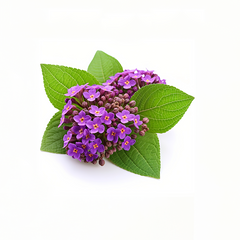
Violet

25–30% of blend

Shares ionone molecules with iris, creating a seamless floral bridge and enhancing powderiness.

25%

Sandalwood

20–25% of blend

Adds creamy, woody warmth that balances iris's powdery facets and extends longevity.

20%

Vanilla

15–20% of blend

Vanillin softens metallic edges of iris through olfactory masking, enhancing sweetness and fixative effect.

The Olfactory Layers

How White Iris Evolves on Skin

White Iris fragrances evolve from a subtle floral powdery opening to a rich, suede-like heart and a warm, woody base. The irones responsible for the powdery character evaporate slowly, allowing the note to linger in the heart and base phases, supported by woody and vanilla molecules that enhance tenacity and diffusion over several hours.

I
Top notes
0–15 min
Fresh Powdery Floral

The initial impression is a soft floral powderiness with subtle green and violet facets from high-volatility ionones. These molecules provide a fresh yet delicate opening that transitions quickly to the heart.

PowderyFloralFresh
II
Heart notes
20–60 min
Suede and Woody Nuances

The heart reveals the suede-like, creamy facets of iris butter and orris concrete. Low-volatility irones dominate, imparting a warm, woody, and slightly earthy character that defines White Iris's signature scent profile.

SuedeWoodyCreamy
III
Base notes
Several hours
Warm Vanilla and Sandalwood

The base is anchored by sandalwood, vanilla, and tonka bean molecules that provide warmth, sweetness, and longevity. These fixatives slow evaporation, allowing the iris accord to persist with a soft powdery trail.

WarmSweetLong-lasting
TOP NOTES Fresh Powdery Floral 0–15 minutes HEART NOTES Suede and Woody Nuances 20–60 minutes BASE NOTES Warm Vanilla and Sandalwood Several hours
Through the Ages

The Story of White Iris in Perfumery

White Iris's history in perfumery spans centuries, from ancient uses of iris roots to modern luxury fragrances. Key milestones highlight its evolution as a prized, labor-intensive ingredient with a unique powdery suede scent.

Antiquity

Iris used in ancient Egypt and Greece

Iris roots were used in perfumes and cosmetics in ancient Egypt and Greece, valued for their violet-like aroma and symbolic associations with gods and royalty.

19th Century

Iris becomes a luxury perfumery ingredient

Iris absolute and orris butter gained prominence in European perfumery, with labor-intensive aging processes established to develop its signature scent.

Late 19th Century

Discovery of synthetic irones

Synthetic irones were identified and synthesized, enabling affordable replication of iris's violet-powder facets and expanding its use in perfumery.

1971

Launch of Chanel No. 19

Chanel No. 19 featured iris prominently, wrapped in leather and moss, showcasing its versatility in green woody floral compositions.

1994

Serge Lutens Iris Silver Mist released

Maurice Roucel created Iris Silver Mist, a complex blend of natural and synthetic iris materials, exemplifying the powdery suede elegance of White Iris.

The Art of Layering

How to Layer White Iris

Understanding how to layer White Iris involves molecular compatibility and olfactory synergy. Its powdery suede facets blend well with woody, vanilla, and floral notes that share or complement irones and vanillin compounds, enhancing depth and longevity.

01

Enhance Sweetness

Layering White Iris with vanilla softens its metallic edges through vanillin's olfactory masking, creating a warm, sweet balance. This pairing is exemplified in La Perla White Iris, where heliotrope and vanilla enrich the iris accord.

02

Add Depth

Combining White Iris with sandalwood introduces creamy lactonic molecules that complement iris's powdery facets. This synergy extends longevity and adds a velvety texture, as seen in Serge Lutens Iris Silver Mist.

03

Lighten the Glow

Pairing White Iris with violet enhances the floral powderiness via shared ionone compounds, creating a luminous and fresh effect. Prada Infusion d’Iris demonstrates this bright, elegant layering.

Wear It Right

How to Wear White Iris Like a Pro

Seasonal Guide

Fall & Winter

In cooler temperatures, White Iris's powdery suede and woody notes become more pronounced and long-lasting. Apply moderately to pulse points for a warm, enveloping scent that complements the season's cozy atmosphere.

Spring

Spring's mild weather highlights the fresh floral and green facets of White Iris. Layer with light citrus or green notes to enhance brightness and freshness, creating an uplifting yet elegant fragrance.

Summer

Heat increases volatility, making White Iris's powdery top notes more prominent but potentially shortening longevity. Use sparingly and consider layering with musk or light woods to maintain balance and prevent overwhelming intensity.

Year-Round Tip

Adjust application based on temperature and humidity. In dry climates, moisturizing skin before application helps maintain scent diffusion and longevity. Layer with complementary notes to tailor the fragrance to your environment.

Application Points

Strategic application of White Iris enhances its powdery suede character and longevity.

1

Neck

Pulse points at the neck provide warmth that activates the iris's powdery and woody facets, enhancing projection and depth.

2

Behind the Ears

Applying behind the ears allows subtle diffusion with natural movement, ideal for intimate scent presence.

3

Inner Wrists

Wrists offer a warm, accessible area for scent release, balancing freshness and longevity of White Iris.

4

Hair

Hair holds fragrance well, releasing the powdery iris scent gently over time, creating a soft trail.

Pro Tip

Layer White Iris with complementary vanilla or sandalwood body lotion to extend wear and enhance creamy warmth.

Mood Architecture™

Top White Iris Fragrances by Mood Score

These White Iris-based fragrances scored highest on the MEI™ Mood Architecture Framework — measuring how a scent may influence your emotional state.

Highest MEI Score
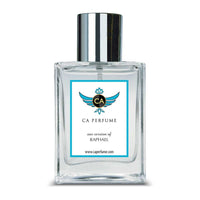
Raphael — Ralph Alternative Perfume
#1
Raphael — Ralph Alternative Perfume
Starting from $14.99
4.91
MEI™
Primary Fresh
Secondary Romantic
Confidence
4.1
Presence
4.29
Mood Lift
6.02
Identity
4.54
Warmth
4.52
Social Ease
5.83
Energy
2.9
" I am free.
View full mood profile →
HumanSafe™

Top White Iris Fragrances by HumanSafe™ Score

These White Iris-based fragrances have the highest product-level HumanSafe™ scores in this ingredient collection.

Highest HumanSafe™ Score
Raphael — Ralph Alternative Perfume
#1
Raphael — Ralph Alternative Perfume
Starting from $14.99
A-
HumanSafe™ Score Generally Safe
Safest Evaluated Ingredients EDP
OXACYCLOHEPTADEC-10-EN-2-ONE Evaluated ingredient ISS 10.0
AQUA Solvent / Carrier ISS 10.0
ACETIC ACID, PHENYLMETHYL ESTER Evaluated ingredient ISS 10.0
7-OCTEN-2-OL, 2,6-DIMETHYL- Evaluated ingredient ISS 9.0
3-CYCLOPENTENE-1-ACETALDEHYDE, 2,2,3-TRIMETHYL-, Evaluated ingredient ISS 9.0
3-DECEN-5-OL, 4-METHYL- Evaluated ingredient ISS 8.0
View full safety profile →
Expert Voices

What Masters Say About White Iris

Maurice Roucel added every iris aromatic he could find, natural and synthetic, to Iris Silver Mist to achieve its complex, suave character.
Maurice Roucel, Perfumer
White Iris's powdery suede facets, primarily from irones, create a sophisticated and enduring fragrance note prized in luxury perfumery.
CA Perfume Editorial
Common Questions

Frequently Asked Questions

Frequently asked questions about White Iris in perfumery, addressing scent, usage, and pairing.

White Iris in perfume smells powdery, floral, and suede-like with woody and slightly earthy undertones. Its scent derives from irones in aged iris rhizomes, producing a complex aroma reminiscent of violet, suede, and soft woods. It is often used as a base or heart note in fragrances like La Perla White Iris (2015) and Borsalino White Iris (2025), where it adds elegance and longevity.

White Iris primarily functions as a base or heart note in fragrances due to its low volatility and fixative properties. Its powdery suede facets emerge after the initial top notes fade, providing depth and longevity. Occasionally, it appears in top notes to impart a fresh, powdery floral burst, but this is less common.

White Iris is favored in niche perfumery for its unique powdery suede scent and exceptional fixative qualities. Its labor-intensive extraction and high cost make it a luxury ingredient that adds complexity and refinement. Niche perfumers use it to create sophisticated, elegant compositions that stand out for their depth and longevity.

White Iris fragrance uses often include pairing with violet, sandalwood, vanilla, heliotrope, amber, patchouli, musk, leather, and jasmine. These notes complement iris's powdery suede facets by enhancing floral brightness, adding creamy warmth, or extending longevity through fixative effects.

White Iris can be worn in summer, but heat increases volatility, emphasizing its powdery top notes and potentially shortening longevity. Lighter formulations or layering with musk or light woods can balance intensity and maintain freshness, making it suitable for warmer climates.

White Iris fragrances typically last 6-8 hours or more, depending on concentration and formulation. The low volatility of irones and supporting woody and vanilla notes contribute to extended longevity and a persistent powdery trail.

Yes, layering White Iris with complementary notes like vanilla, sandalwood, or violet enhances its powdery suede character and longevity. Molecular compatibility, such as shared ionones and vanillin compounds, ensures harmonious blends that elevate the overall scent.

Beginner-friendly White Iris perfumes include La Perla White Iris (2015) for its balanced floral heart, and Borsalino White Iris (2025) for a luminous, elegant interpretation. These offer accessible introductions to iris's powdery suede character without overwhelming complexity.

Choosing the right White Iris fragrance involves considering concentration, complementary notes, and personal scent preferences. CA Perfume offers detailed descriptions and layering advice to help select compositions that highlight iris's powdery elegance while matching your style.

White Iris primarily smells powdery and suede-like rather than sweet or spicy. Its subtle sweetness comes from vanillin when paired with vanilla or tonka bean, but the iris itself is characterized by a refined, soft powdery floral aroma with woody and earthy undertones.

Floral Collection

Explore Our Top White Iris Fragrances

Discover expertly curated White Iris perfumes showcasing powdery suede elegance and floral sophistication.

Shop all white iris fragrances at CA Perfume →

Where White Iris Comes From — Origin & Extraction

White Iris is primarily extracted from the rhizomes of Iris pallida, Iris germanica, and Iris florentina, members of the Iridaceae family. The rhizomes are harvested after 3-5 years of growth and undergo a lengthy drying and aging process, often lasting up to 5 years, during which starches convert into aromatic irones. The main production centers are in Tuscany, Italy, known for its Iris pallida cultivation, and Morocco. Italy commands a significant share of the global iris root market, with Tuscan iris rhizomes considered the highest quality. Extraction involves peeling, washing, and drying the rhizomes, followed by solvent extraction using petroleum ether or benzene to yield orris butter or orris concrete. Steam distillation is less common due to heat sensitivity of irones. The yield is low, approximately 0.1-0.2% oil from fresh rhizomes, contributing to the high cost of natural iris absolute, which can exceed €30,000 per kilogram. Synthetic irones were discovered in the late 19th century and provide a more affordable alternative. Sustainability concerns include the labor-intensive harvesting and long aging period, prompting some producers to explore synthetic blends or sustainable farming practices.

Famous Fragrances That Define White Iris in Perfumery

White Iris has been a defining note in numerous landmark fragrances, showcasing its powdery suede character and versatility. La Perla's White Iris (2015), crafted by an anonymous perfumer, highlights iris with heliotrope, almond, and orris in a floral heart, anchored by vanilla and tonka bean. Borsalino's White Iris (2025), by Nicolas Bonneville, uses iris concrete as the star, combined with jasmine, orange blossom, and praline for a luminous, elegant trail. Serge Lutens Iris Silver Mist (1994), by Maurice Roucel, is a classical iris fragrance blending natural iris butter and synthetic irones for a cool, soft, and elegant expression. Chanel No. 19 (1971), by Henri Robert, features iris wrapped in leather and moss, with a vibrant green top note, existing in multiple concentrations emphasizing iris differently. Hermès Hiris (1999), by Jean-Claude Ellena, offers a sheer, tender watercolor of iris with luminous top notes and a green heart. These fragrances demonstrate White Iris's capacity to act as a powdery floral heart or a woody, fixative base, contributing to both feminine and unisex compositions. CA Perfume's collection honors this lineage with nuanced iris accords reflecting this heritage.

Natural vs Synthetic White Iris in Perfumery

Natural White Iris is prized for its complex powdery, woody, and suede-like aroma, derived from aged rhizomes rich in irones (CAS 90045-90-2). It offers exceptional longevity and fixative properties, with a tenacity exceeding 24 hours on skin. However, its high cost and limited supply have encouraged the use of synthetic aroma chemicals such as α-irone, γ-irone, and ionones (CAS 127-40-2), which replicate the violet-powder facets affordably and with consistent quality. Synthetic iris molecules provide enhanced stability and projection but may lack the full depth and creamy nuances of natural orris butter. Famous fragrances like Serge Lutens Iris Silver Mist use a blend of natural and synthetic iris materials to achieve complexity. CA Perfume employs the HumanSafe™ platform to ensure transparency and safety in sourcing both natural and synthetic iris ingredients, balancing sustainability with olfactory excellence.