Ingredient Guide · Woody Spicy
Woody Spicy Family · Perfumery Note

Virginia Cedar

A grounding, woody note with pencil-shaving clarity and balsamic depth.

Virginia Cedar is a heart-to-base note in perfumery, valued for its dry, woody, and subtly sweet character. Its defining aroma comes from sesquiterpenes and cedrol, used at concentrations below 3% for structure and longevity.

Virginia Cedar
Ingredient Profile

Virginia Cedar

Woody Spicy Family
Family Woody Spicy
Note Position Base Note
Usage Level <3%
Key Origins United States, Canada, Mexico
Iconic In Féminité du Bois, Tam Dao
The Ingredient

What does Virginia Cedar smell like and why is it a perfumery essential?

Virginia Cedar, botanically Juniperus virginiana, is not a true cedar but a juniper species native to eastern North America. Its scent profile is defined by dry, woody, and pencil-like facets, underpinned by a mild sweetness and subtle balsamic undertones. The primary molecular contributors are sesquiterpenes (notably cedrol, CAS 77-53-2) and thujopsene, which together create the signature clean, slightly spicy woodiness. The aroma is often likened to freshly sharpened pencils, with a faint earthiness and a resinous, grounding quality. This nuanced complexity answers the question, "what does Virginia Cedar smell like," distinguishing it from Atlas or Himalayan cedar by its drier, less resinous, and more linear profile. In perfumery, Virginia Cedar is classified as a heart-to-base note, typically used at concentrations below 3%. Its molecular weight and volatility allow it to anchor compositions, providing structure and longevity without overpowering the blend. Virginia Cedar in perfumery is prized for its ability to bridge citrus, floral, and spicy notes, smoothing transitions and enhancing overall balance. Its interaction with skin chemistry is notable: on acidic skin, the woodiness is accentuated, while alkaline skin may bring out its sweeter, balsamic nuances. Iconic fragrances demonstrating Virginia Cedar’s versatility include Serge Lutens Féminité du Bois (1992, perfumer Christopher Sheldrake), where it forms the core woody accord with violet and plum, and Matiere Premiere Parisian Musc (2019, Aurélien Guichard), where Virginia Cedar’s clean, musky woodiness is paired with ambrette and ambroxan for a modern, skin-like effect. These examples showcase Virginia Cedar’s role as both a structural backbone and a character-defining note in contemporary perfumery.

2–3 Sprays
This dosage is sufficient for a noticeable yet balanced projection, as cedar’s sesquiterpenes are potent and can dominate a blend if overapplied.
4–6 Hours
Average longevity for Virginia Cedar as a heart-base note, with cedrol and widdrol providing persistence on skin and fabric.
<3%
Typical maximum concentration in fine fragrance formulations, ensuring structure and longevity without overpowering other notes.
Origin & Extraction

Where Virginia Cedar Comes From — Origin & Extraction

Virginia Cedar’s scent is shaped by the soils and climates of North America, with sandy, well-drained soils and temperate rainfall producing the driest, cleanest wood oils. Regional differences in extraction and tree age yield subtle variations in aroma.

Virginia Cedarwood is sourced from Juniperus virginiana, commonly known as Eastern Red Cedar, native to the eastern United States and parts of Canada. The primary producing regions are Virginia, North Carolina, and Texas, with the U.S. accounting for the majority of global supply. Annual production of Virginia cedarwood oil is estimated at several hundred metric tons, with the U.S. holding over 80% market share. The trees thrive in well-drained, sandy soils and are often harvested as a byproduct of the timber and furniture industries. Extraction is performed via steam distillation of wood chips, sawdust, and heartwood residues. The process operates at temperatures of 100–120°C for 8–12 hours, yielding a pale yellow to amber essential oil rich in cedrol (up to 20–30% by GC analysis). Hydrodistillation is preferred for its ability to preserve the delicate sesquiterpene profile, while solvent extraction (using hexane or CO₂) is occasionally used for absolute production, yielding a more complex, resinous extract. Typical oil yields are 1–2% by weight of dry wood. Natural Virginia cedarwood oil is relatively affordable, costing $20–40/kg for essential oil and $3,000–6,000/kg for absolute. Synthetic substitutes, such as cedrol (CAS 77-53-2) and isocamphylcyclohexanol, are produced at $50–200/kg, offering greater consistency and stability. Sustainability is a key consideration; Virginia Cedar is not endangered, and its use of timber industry byproducts minimizes ecological impact. However, overharvesting in some regions has led to localized depletion, prompting certification schemes and responsible sourcing initiatives.

US

United States

Virginia and North Carolina are the primary sources, with sandy soils and moderate rainfall fostering trees rich in cedrol and thujopsene. The U.S. supplies over 80% of global Virginia cedarwood oil, with annual production exceeding 200 metric tons. Sustainable harvesting and byproduct utilization are standard.

CA

Canada

Canadian Virginia Cedar, especially from Ontario and Quebec, grows in cooler, protected forests. The oil is slightly fuller-bodied, with a fresher, earthier aroma due to slower tree growth and higher moisture retention. Canada accounts for 10–15% of supply.

MX

Mexico

Northern Mexico produces small quantities, with arid conditions yielding a drier, sharper cedarwood oil. Mexican oils are sometimes blended with U.S. material to standardize aroma.

Chemistry

Natural vs Synthetic Virginia Cedar in Perfumery

Natural Virginia Cedar oil is composed primarily of sesquiterpenes, with cedrol (CAS 77-53-2), thujopsene (CAS 473-13-2), and widdrol as dominant constituents. Synthetic alternatives include cedrol (nature-identical), isocamphylcyclohexanol (CAS 28219-61-6), and methyl cedryl ether (CAS 19870-74-7). These aroma chemicals are used to replicate the dry, woody, and pencil-like facets of the natural oil. Performance-wise, synthetic cedar molecules offer greater stability, batch-to-batch consistency, and enhanced longevity, particularly in high-humidity or high-temperature environments. Natural Virginia Cedar oil, while more complex and nuanced, can vary in composition depending on source and extraction method, leading to subtle differences in scent profile and performance. Cost is a significant differentiator: natural oil ranges from $20–40/kg (essential oil) to $3,000–6,000/kg (absolute), while synthetics are available at $50–200/kg. Famous fragrances using natural Virginia Cedar include Serge Lutens Féminité du Bois and Diptyque Tam Dao, which rely on the oil’s complexity for depth and realism. In contrast, mainstream and mass-market fragrances often use synthetic cedrol or methyl cedryl ether for cost efficiency and stability. Sustainability and supply chain transparency are increasingly important; the HumanSafe™ platform enables traceability of both natural and synthetic cedar sources, ensuring responsible harvesting and minimizing environmental impact. CA Perfume prioritizes HumanSafe™-verified cedar materials in all formulations.

Natural
Virginia Cedar Absolute
Cost $3,000–6,000/kg
Method Solvent / CO₂
Character Complex, variable
vs
Synthetic
Safranal & Analogues
Cost $50–200/kg
Method Lab synthesis
Character Consistent, stable
Hall of Fame

Famous Fragrances That Define Virginia Cedar in Perfumery

1992
dominant note

Féminité du Bois

Serge Lutens
by Christopher Sheldrake
plumvioletspices
2003
dominant note

Tam Dao

Diptyque
by Daniel Molière
sandalwoodcypressrose
2019
heart note

Parisian Musc

Matiere Premiere
by Aurélien Guichard
ambretteambroxanmusk
2015
base note

By the Fireplace

Maison Martin Margiela
by Marie Salamagne
guaiac woodchestnutvanilla
2010
supporting note

Another 13

Le Labo
by Nathalie Lorson
ambroxaniso E supermusk

Virginia Cedar has played a pivotal role in shaping the modern woody fragrance family. Serge Lutens Féminité du Bois (1992, Christopher Sheldrake) is a landmark composition, using Virginia Cedar as the dominant note to create a dry, pencil-shaving woodiness, balanced by plum and violet. Diptyque Tam Dao (2003, Daniel Molière) showcases Virginia Cedar’s creamy, linear character, paired with sandalwood and cypress for a meditative, clean wood accord. Matiere Premiere Parisian Musc (2019, Aurélien Guichard) employs Virginia Cedar as a heart note, blending it with ambrette and ambroxan for a musky, skin-like effect that highlights the note’s smoothness. Maison Martin Margiela By the Fireplace (2015, Marie Salamagne) uses Virginia Cedar in the base, supporting smoky guaiac wood and chestnut for a comforting, fireside impression. Le Labo Another 13 (2010, Nathalie Lorson) features Virginia Cedar as a structural backbone, anchoring ambroxan and iso E super in a minimalist, woody-musky composition. These fragrances exemplify the versatility of Virginia Cedar, functioning as dominant, bridge, or supporting notes in both niche and mainstream perfumery. CA Perfume’s collection draws inspiration from this lineage, offering Virginia Cedar-centered creations that reflect the note’s enduring appeal.

The Accord

How is a captivating Virginia Cedar accord crafted?

A classic Virginia Cedar accord balances dry woodiness, gentle sweetness, and subtle spice. Virginia Cedar 30–35%, Sandalwood 25–30%, Violet Leaf 15–20%, and Iso E Super 20–25%. Sandalwood’s lactones soften cedar’s dryness, violet leaf bridges with green, ionone-rich facets, and Iso E Super amplifies transparency and sillage, creating a modern, linear woody accord.

35%

Virginia Cedar

30–35% of blend

Provides the dry, pencil-shaving woodiness via cedrol and thujopsene, forming the accord’s structural backbone.

30%

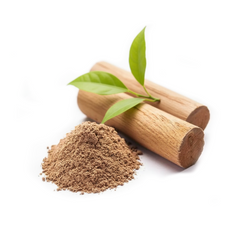
Sandalwood

25–30% of blend

Rich in santalol, sandalwood’s creamy, lactonic profile softens cedar’s dryness and adds longevity.

20%

Violet Leaf

15–20% of blend

Ionones in violet leaf bridge cedar’s woodiness with green, slightly floral facets, enhancing complexity.

25%

Iso E Super

20–25% of blend

A synthetic woody molecule (CAS 54464-57-2) that amplifies cedar’s radiance and provides a modern, diffusive sillage.

The Olfactory Layers

How Virginia Cedar Evolves on Skin

Virginia Cedar’s olfactory evolution begins with a crisp, dry woodiness that emerges within minutes, transitioning to a warm, subtly sweet heart, and settling into a persistent, balsamic base. High-volatility terpenes evaporate quickly, while cedrol and widdrol anchor the scent for hours.

I
Top notes
0–15 min
Crisp Dryness

The initial impression is clean, dry, and pencil-like, driven by volatile monoterpenes and light sesquiterpenes. This stage is marked by a fleeting sharpness and faint citrus-woody brightness, quickly giving way to the heart.

drypencil-shavingcrisp
II
Heart notes
20–60 min
Warm Wood

The heart reveals Virginia Cedar’s signature warmth and subtle sweetness, as cedrol and thujopsene dominate. The woodiness becomes rounder, with balsamic and slightly spicy undertones, providing structure and balance to the composition.

woodywarmbalsamic
III
Base notes
Several hours
Smooth Persistence

In the base, persistent cedrol and widdrol molecules linger, imparting a smooth, grounding, and faintly musky woodiness. This stage is linear and long-lasting, with the dry, resinous character remaining prominent.

persistentmuskyresinous
TOP NOTES Crisp Dryness 0–15 minutes HEART NOTES Warm Wood 20–60 minutes BASE NOTES Smooth Persistence Several hours
Through the Ages

The Story of Virginia Cedar in Perfumery

Virginia Cedar’s journey in perfumery spans indigenous use, industrial extraction, and modern niche innovation, reflecting its enduring appeal and versatility.

Pre-19th Century

Indigenous and Colonial Use

Eastern Red Cedar (Juniperus virginiana) was used by Native American tribes for ceremonial incense and by early settlers for moth-repellent chests and furniture, valued for its aromatic, insect-resistant wood.

1882

First Steam Distillation

Commercial steam distillation of Virginia Cedarwood oil began in the southeastern United States, supplying the emerging fragrance and soap industries with a stable, affordable woody note.

1992

Féminité du Bois Launch

Serge Lutens and Christopher Sheldrake’s Féminité du Bois redefined the woody fragrance category, placing Virginia Cedar at the heart of a gender-transcending composition.

2003

Tam Dao by Diptyque

Tam Dao popularized the clean, meditative use of Virginia Cedar, blending it with sandalwood and cypress for a contemporary, minimalist woody accord.

2019

Parisian Musc by Matiere Premiere

Aurélien Guichard’s Parisian Musc showcased Virginia Cedar’s compatibility with modern musks and ambroxan, cementing its role in skin-like, transparent compositions.

The Art of Layering

How to Layer Virginia Cedar

Understanding how to layer Virginia Cedar involves pairing it with notes that share molecular bridges or offer complementary olfactory effects. This enhances complexity and personalizes the scent.

01

Enhance Sweetness

Layer Virginia Cedar with vanilla or tonka bean. Vanillin (from vanilla) and coumarin (from tonka) mask cedar’s dryness, creating a creamy, gourmand effect. This synergy is demonstrated in By Kilian’s Straight to Heaven, where cedar and vanilla intertwine for a smooth, addictive base.

02

Add Depth

Combine Virginia Cedar with patchouli or vetiver. Patchouli’s patchoulol and vetiver’s vetiverol share earthy, woody facets, deepening cedar’s base and adding complexity. Diptyque Tam Dao exemplifies this pairing, blending cedar with sandalwood and cypress for a meditative, layered accord.

03

Lighten the Glow

Layer with citrus notes like bergamot or grapefruit. Limonene and citral in citrus oils enhance cedar’s brightness and lift the composition, creating a fresh, airy impression. Maison Martin Margiela’s By the Fireplace uses citrus top notes to balance the woody base.

Wear It Right

How to Wear Virginia Cedar Like a Pro

Seasonal Guide

Fall & Winter

Cool, dry air slows evaporation, allowing Virginia Cedar’s woody, balsamic base to linger and project. Apply to pulse points and under clothing for a comforting, grounding effect. Layer with spices or amber for added warmth.

Spring

Moderate temperatures highlight the cedar’s clean, linear facets. Pair with green or floral notes for a fresh, uplifting effect. Apply lightly to avoid overwhelming lighter spring compositions.

Summer

Heat increases volatility, causing the pencil-shaving top note to dissipate quickly. Use sparingly and layer with citrus or aquatic notes for a refreshing, airy impression. Avoid overapplication to prevent cloying.

Year-Round Tip

Adjust application based on climate: higher humidity amplifies projection, while dry air enhances longevity. Experiment with layering to tailor Virginia Cedar’s profile to seasonal moods and occasions.

Application Points

Strategic application of Virginia Cedar fragrances optimizes projection, longevity, and scent evolution.

1

Neck

Pulse points on the neck provide warmth, accelerating the diffusion of cedar’s top notes and enhancing projection. Ideal for immediate impact.

2

Behind the Ears

This area retains heat and is less exposed, allowing the woody heart and base notes to develop gradually and persist throughout the day.

3

Inner Wrists

Frequent movement and warmth from the wrists facilitate scent diffusion, making the cedar note more noticeable during gestures.

4

Hair

Hair fibers trap cedar molecules, providing a subtle, long-lasting sillage as the scent is released with movement.

★

Pro Tip

Apply to clothing or scarf for extended longevity, as cedar’s sesquiterpenes bind well to fabric. Avoid direct contact with delicate materials to prevent staining.

Mood Architecture™

Top Virginia Cedar Fragrances by Mood Score

These Virginia Cedar-based fragrances scored highest on the MEI™ Mood Architecture Framework — measuring how a scent may influence your emotional state.

Highest MEI Score
Rosh has Man — Rochas Man Alternative Cologne
7.5
MEI™
Primary Romantic
Secondary Confident
Confidence
6.88
Presence
7.45
Mood Lift
7.72
Identity
7.2
Warmth
9.5
Social Ease
7.19
Energy
4.22
" I am beautiful.
View full mood profile →
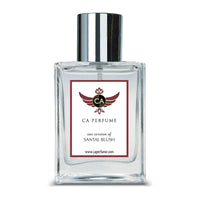
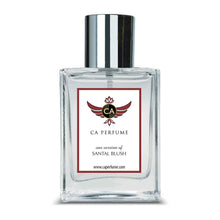
Santal Blush — Tom Ford Santal Blush Alternative Perfume
7.4
MEI™
Primary Romantic
Secondary Confident
Confidence
7.18
Presence
7.6
Mood Lift
7.8
Identity
7.45
Warmth
8.25
Social Ease
6.92
Energy
3.35
" I am beautiful.
View full mood profile →
My Wayne — My Way Alternative Perfume for Women
7.3
MEI™
Primary Fresh
Secondary Romantic
Confidence
6.33
Presence
6.4
Mood Lift
8.99
Identity
6.45
Warmth
8.1
Social Ease
7.66
Energy
3.45
" I am radiant.
View full mood profile →
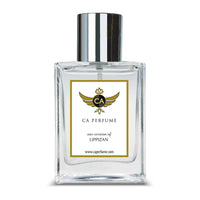
Lippizan — Parfums De Marly Lippizan Alternative Cologne
7.3
MEI™
Primary Romantic
Secondary Confident
Confidence
6.72
Presence
7.3
Mood Lift
7.92
Identity
7.0
Warmth
8.05
Social Ease
7.44
Energy
4.12
" I am beautiful.
View full mood profile →
HumanSafe™

Top Virginia Cedar Fragrances by HumanSafe™ Score

These Virginia Cedar-based fragrances have the highest product-level HumanSafe™ scores in this ingredient collection.

Highest HumanSafe™ Score
Three Midnight Rose — Tresor Midnight Rose Alternative Perfume
A-
HumanSafe™ Score Generally Safe
Safest Evaluated Ingredients EDP
AQUA Solvent / Carrier ISS 10.0
3-BUTEN-2-ONE, 3-METHYL-4-(2,6,6-TRIMETHYL-2- Evaluated ingredient ISS 8.0
LINALYL ACETATE Evaluated ingredient ISS 7.0
LINALOOL Evaluated ingredient ISS 7.0
CYCLOHEXANEPROPANOL, 2,2,6-TRIMETHYL-.ALPHA.-PROPYL- Evaluated ingredient ISS 7.0
CITRONELLOL Evaluated ingredient ISS 7.0
View full safety profile →
Supreme Cedar — Super Cedar Alternative Perfume
A-
HumanSafe™ Score Generally Safe
Safest Evaluated Ingredients EDP
AQUA Solvent / Carrier ISS 10.0
1,4-DIOXACYCLOHEPTADECANE-5,17-DIONE Evaluated ingredient ISS 10.0
1H-3A,7-METHANOAZULEN-6-OL, OCTAHYDRO-3,6,8,8- Evaluated ingredient ISS 9.0
AMBERKETAL Evaluated ingredient ISS 8.0
2H-1-BENZOPYRAN-6-OL, 3,4-DIHYDRO-2,5,7,8- Evaluated ingredient ISS 8.0
CEDROL Evaluated ingredient ISS 7.0
View full safety profile →
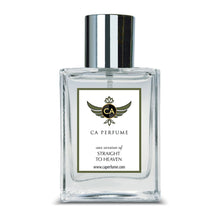
Straight To Heaven — By Kilian Straight To Heaven Alternative Cologne
A-
HumanSafe™ Score Generally Safe
Safest Evaluated Ingredients EDP
AQUA Solvent / Carrier ISS 10.0
1,4-DIOXACYCLOHEPTADECANE-5,17-DIONE Evaluated ingredient ISS 10.0
CYCLOHEXANEPROPANOL, 2,2,6-TRIMETHYL-.ALPHA.-PROPYL- Evaluated ingredient ISS 7.0
ALCOHOL DENAT. Solvent / Carrier ISS 7.0
2,6-DI-TERT-BUTYL-P-CRESOL Evaluated ingredient ISS 7.0
1,6-METHANONAPHTHALEN-1(2H)-OL, OCTAHYDRO- Evaluated ingredient ISS 7.0
View full safety profile →
Santal Blush — Tom Ford Santal Blush Alternative Perfume
A-
HumanSafe™ Score Generally Safe
Safest Evaluated Ingredients EDP
AQUA Solvent / Carrier ISS 10.0
BENZYL SALICYLATE Evaluated ingredient ISS 9.0
4H-INDEN-4-ONE, 1,2,3,5,6,7-HEXAHYDRO-1,1,2,3,3- Evaluated ingredient ISS 9.0
3-CYCLOPENTENE-1-ACETALDEHYDE, 2,2,3-TRIMETHYL-, Evaluated ingredient ISS 9.0
CYCLOHEXANEPROPANOIC ACID, 2-PROPENYL ESTER Evaluated ingredient ISS 8.0
3-BUTEN-2-ONE, 3-METHYL-4-(2,6,6-TRIMETHYL-2- Evaluated ingredient ISS 8.0
View full safety profile →
Expert Voices

What Masters Say About Virginia Cedar

“
Virginia Cedar is cleaner and smoother, also the favorite choice of perfumers. In other words, in a serious brand fragrance they put only this cedar, ie. the one it's hard to find in the aroma bottle market.
Tony Balkan, Fragrantica Forum
“
Virginia Cedar’s dry, pencil-shaving woodiness provides structure and clarity, making it indispensable in modern woody accords.
CA Perfume Editorial
Common Questions

Frequently Asked Questions

Answers to common questions about Virginia Cedar in perfumery.

Virginia Cedar in perfume is characterized by a dry, woody, and pencil-shaving aroma, with subtle sweetness and balsamic undertones. Its scent profile is linear and persistent, providing a clean, grounding effect that anchors both modern and classic compositions. The note is less resinous than Atlas Cedar and less smoky than Texas Cedar, making it versatile for a range of fragrance styles.

Virginia Cedar is typically used as a heart-to-base note in perfumery. Its molecular weight and volatility allow it to provide structure and longevity, supporting both the heart and base of a fragrance. In most compositions, it emerges after the top notes dissipate and persists for several hours, anchoring the scent’s evolution.

Virginia Cedar is favored in niche perfumery for its clean, linear woodiness and its ability to provide clarity and structure without overwhelming other notes. Its dry, pencil-shaving character is highly versatile, pairing well with florals, spices, and musks. Iconic niche fragrances like Serge Lutens Féminité du Bois and Matiere Premiere Parisian Musc showcase its central role in modern woody accords.

Virginia Cedar fragrance uses often involve pairing it with sandalwood, patchouli, vetiver, amber, vanilla, and floral notes like rose or violet. These combinations leverage molecular bridges—such as ionones in violet leaf or santalol in sandalwood—to enhance complexity and create balanced, multidimensional accords.

Virginia Cedar can be worn in summer, especially when blended with citrus or aquatic notes that highlight its airy, dry facets. In hot weather, its volatility increases, making the scent lighter and more diffusive. To avoid overwhelming projection, apply sparingly and choose compositions that emphasize freshness.

Fragrances featuring Virginia Cedar as a heart or base note typically last 4–6 hours on skin, thanks to the persistence of cedrol and widdrol. Longevity may be extended when applied to clothing or layered with fixatives like amber or musk.

Yes, Virginia Cedar is highly layerable due to its clean, linear profile. It pairs well with vanilla for sweetness, patchouli for depth, and citrus for brightness. Layering allows you to customize the scent’s evolution and create a unique signature.

Beginners may enjoy lighter compositions that feature Virginia Cedar alongside floral or aquatic notes, such as Diptyque Tam Dao or Le Labo Another 13. These blends showcase the note’s warmth without overpowering, making them approachable and versatile for daily wear.

Explore CA Perfume’s collection by considering your preferred scent profile—whether you favor woody, floral, or spicy compositions. Look for HumanSafe™-verified ingredients and sample different concentrations to find the ideal balance of projection and longevity for your needs.

Virginia Cedar is known for its clean, dry, and pencil-shaving woodiness, rather than a smoky character. While it can support smoky notes in blends, its primary olfactory impression is linear and transparent, making it suitable for both minimalist and complex compositions.

Woody Spicy Collection

Explore Our Top Virginia Cedar Fragrances

Discover CA Perfume’s curated selection of Virginia Cedar-centered fragrances, each highlighting the note’s dry, woody elegance and versatility.

Shop all Virginia Cedar fragrances at CA Perfume →

Where Virginia Cedar Comes From — Origin & Extraction

Virginia Cedarwood is sourced from Juniperus virginiana, commonly known as Eastern Red Cedar, native to the eastern United States and parts of Canada. The primary producing regions are Virginia, North Carolina, and Texas, with the U.S. accounting for the majority of global supply. Annual production of Virginia cedarwood oil is estimated at several hundred metric tons, with the U.S. holding over 80% market share. The trees thrive in well-drained, sandy soils and are often harvested as a byproduct of the timber and furniture industries. Extraction is performed via steam distillation of wood chips, sawdust, and heartwood residues. The process operates at temperatures of 100–120°C for 8–12 hours, yielding a pale yellow to amber essential oil rich in cedrol (up to 20–30% by GC analysis). Hydrodistillation is preferred for its ability to preserve the delicate sesquiterpene profile, while solvent extraction (using hexane or CO₂) is occasionally used for absolute production, yielding a more complex, resinous extract. Typical oil yields are 1–2% by weight of dry wood. Natural Virginia cedarwood oil is relatively affordable, costing $20–40/kg for essential oil and $3,000–6,000/kg for absolute. Synthetic substitutes, such as cedrol (CAS 77-53-2) and isocamphylcyclohexanol, are produced at $50–200/kg, offering greater consistency and stability. Sustainability is a key consideration; Virginia Cedar is not endangered, and its use of timber industry byproducts minimizes ecological impact. However, overharvesting in some regions has led to localized depletion, prompting certification schemes and responsible sourcing initiatives.

Famous Fragrances That Define Virginia Cedar in Perfumery

Virginia Cedar has played a pivotal role in shaping the modern woody fragrance family. Serge Lutens Féminité du Bois (1992, Christopher Sheldrake) is a landmark composition, using Virginia Cedar as the dominant note to create a dry, pencil-shaving woodiness, balanced by plum and violet. Diptyque Tam Dao (2003, Daniel Molière) showcases Virginia Cedar’s creamy, linear character, paired with sandalwood and cypress for a meditative, clean wood accord. Matiere Premiere Parisian Musc (2019, Aurélien Guichard) employs Virginia Cedar as a heart note, blending it with ambrette and ambroxan for a musky, skin-like effect that highlights the note’s smoothness. Maison Martin Margiela By the Fireplace (2015, Marie Salamagne) uses Virginia Cedar in the base, supporting smoky guaiac wood and chestnut for a comforting, fireside impression. Le Labo Another 13 (2010, Nathalie Lorson) features Virginia Cedar as a structural backbone, anchoring ambroxan and iso E super in a minimalist, woody-musky composition. These fragrances exemplify the versatility of Virginia Cedar, functioning as dominant, bridge, or supporting notes in both niche and mainstream perfumery. CA Perfume’s collection draws inspiration from this lineage, offering Virginia Cedar-centered creations that reflect the note’s enduring appeal.

Natural vs Synthetic Virginia Cedar in Perfumery

Natural Virginia Cedar oil is composed primarily of sesquiterpenes, with cedrol (CAS 77-53-2), thujopsene (CAS 473-13-2), and widdrol as dominant constituents. Synthetic alternatives include cedrol (nature-identical), isocamphylcyclohexanol (CAS 28219-61-6), and methyl cedryl ether (CAS 19870-74-7). These aroma chemicals are used to replicate the dry, woody, and pencil-like facets of the natural oil. Performance-wise, synthetic cedar molecules offer greater stability, batch-to-batch consistency, and enhanced longevity, particularly in high-humidity or high-temperature environments. Natural Virginia Cedar oil, while more complex and nuanced, can vary in composition depending on source and extraction method, leading to subtle differences in scent profile and performance. Cost is a significant differentiator: natural oil ranges from $20–40/kg (essential oil) to $3,000–6,000/kg (absolute), while synthetics are available at $50–200/kg. Famous fragrances using natural Virginia Cedar include Serge Lutens Féminité du Bois and Diptyque Tam Dao, which rely on the oil’s complexity for depth and realism. In contrast, mainstream and mass-market fragrances often use synthetic cedrol or methyl cedryl ether for cost efficiency and stability. Sustainability and supply chain transparency are increasingly important; the HumanSafe™ platform enables traceability of both natural and synthetic cedar sources, ensuring responsible harvesting and minimizing environmental impact. CA Perfume prioritizes HumanSafe™-verified cedar materials in all formulations.