Ingredient Guide · Woody
Woody Family · Perfumery Note

Vetiver

Rooted, smoky, and endlessly nuanced — the backbone of classic perfumery.

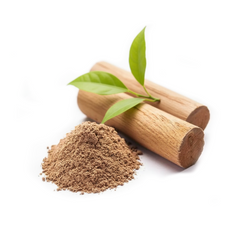
Vetiver is a foundational base note in perfumery, prized for its earthy, woody, and smoky aroma extracted from the roots of Chrysopogon zizanioides. Its essential oil, rich in sesquiterpenes, is used at 1–10% concentration to anchor and extend fragrance longevity.

Vetiver
Ingredient Profile

Vetiver

Woody Family
Family Woody
Note Position Base Note
Usage Level 0.5–1% Yield
Key Origins Haiti, Indonesia (Java), India
Iconic In Vetiver, Encre Noire
The Ingredient

What does Vetiver smell like and why is it so significant in perfumery?

Vetiver (Chrysopogon zizanioides) is a perennial grass native to India, now cultivated in tropical regions worldwide. Its essential oil is extracted from the plant’s extensive root system, which can reach depths of up to 3–5 meters. The vetiver scent profile is complex and multifaceted: earthy, woody, smoky, and sometimes nutty or slightly sweet, with green and balsamic undertones. The primary odorant molecules are sesquiterpenes such as khusimol, vetiverol, vetivone, and isovalencenol, which together create the characteristic aroma. Haitian vetiver is renowned for its clean, green, and slightly floral facets, while Javanese vetiver is notably smokier and more leathery. The chemical complexity of vetiver oil—containing over 100 identified compounds—makes it impossible to fully replicate with a single synthetic molecule. In perfumery, vetiver is classified as a base note due to its low volatility and high molecular weight. It is typically used at concentrations ranging from 1% to 10% in the concentrate, though some classic formulas (such as vintage Guerlain Vetiver) have included up to 30%. Vetiver’s fixative properties help anchor lighter, more volatile notes, extending the overall longevity and evolution of a fragrance. Its interaction with skin chemistry is notable: on acidic skin, vetiver can become sharper and more rooty, while on alkaline skin, its smoky and woody facets are accentuated. The ingredient’s ability to harmonize and ground a composition is why it is considered indispensable in both classic and modern perfumery. Vetiver in perfumery is exemplified by landmark fragrances such as Guerlain Vetiver (1959, Jean-Paul Guerlain), which set the standard for the note’s use in masculine perfumery, and Lalique Encre Noire (2006, Nathalie Lorson), which showcases the ingredient’s dark, inky, and woody aspects. Tom Ford Grey Vetiver (2009, Harry Fremont) offers a modern, citrus-infused interpretation, while Chanel Sycomore (2008, Jacques Polge and Christopher Sheldrake) highlights the smoky, elegant side of vetiver. These examples demonstrate the versatility and enduring appeal of vetiver as both a dominant and supporting note.

0.5–1% Yield
Steam distillation of vetiver roots yields only 0.5–1% essential oil by weight, requiring 100–200 kg of roots for 1 kg of oil. This low yield contributes to vetiver’s value and complexity.
5–8 Hours
Vetiver’s base note character provides 5–8 hours of olfactory persistence on skin, with its heavy sesquiterpenes evaporating slowly and anchoring lighter notes.
<2% IFRA Limit
IFRA restricts vetiver oil to less than 2% in finished fragrance products due to potential skin sensitization, ensuring safe use in commercial perfumery.
Origin & Extraction

Where Vetiver Comes From — Origin & Extraction

Vetiver’s scent profile is profoundly shaped by its terroir. Soil composition, rainfall, and altitude influence the balance of earthy, smoky, and green facets in the oil. Haitian vetiver is prized for its clean, green, and slightly floral aroma, while Javanese vetiver is smokier and more resinous.

Vetiver is sourced from the roots of Chrysopogon zizanioides, a perennial grass in the Poaceae family. The plant is native to India, where it is known as khus, but is now cultivated extensively in Haiti (which supplies approximately 50–80% of the world’s vetiver oil, with annual production around 100–150 metric tons), as well as in Java (Indonesia), Réunion (Bourbon vetiver), Madagascar, and India (notably Tamil Nadu and Kerala). The roots are harvested after 18–24 months of growth, when their aromatic content is highest. Harvesting involves digging up the roots, washing, sun-drying, and chopping them before extraction. The primary extraction method is steam distillation, often lasting 18–24 hours, using 150–1000 kg of dried roots to yield 1–10 kg of essential oil (yield: 0.5–1%). The resulting oil is viscous, amber to olive-brown, and contains a high proportion of sesquiterpenes. In Java and Indonesia, high-pressure steam distillation is sometimes used to extract smokier, more resinous oils. Solvent extraction and CO2 extraction are less common but can yield different olfactory profiles, with solvent-extracted vetiver being more resinous and sweet. Natural vetiver oil costs $350–600/kg for Haitian quality, while synthetic substitutes (such as vetiveryl acetate) are priced at $50–150/kg. Sustainability is a key consideration: vetiver cultivation stabilizes soil, prevents erosion, and requires minimal irrigation or pesticides. However, overharvesting and monoculture can threaten biodiversity if not managed responsibly. Most commercial vetiver is now traceable to specific cooperatives or certified sustainable sources.

HT

Haiti

Les Cayes, in southern Haiti, produces over 50% of global vetiver oil (approx. 80 tons/year). The region’s clay-rich soils and humid climate yield a clean, green, and slightly floral oil with high khusimol content. Haitian vetiver is the industry standard for luxury perfumery.

ID

Indonesia (Java)

Central Java’s volcanic soils and high rainfall produce a vetiver oil that is distinctly smoky, leathery, and resinous. Java supplies around 20% of the world’s vetiver, with oil favored for its bold, dark character in modern and niche compositions.

IN

India

Tamil Nadu and Kerala are historic vetiver producers. Indian vetiver (khus) is bitter, earthy, and sometimes medicinal, with a high proportion of vetiverol. Production is smaller scale, but the oil is used in both perfumery and traditional medicine.

RE

Réunion (Bourbon)

Bourbon vetiver from Réunion Island is now rare, but historically prized for its fine, earthy, slightly rosy aroma. The mineral-rich volcanic soils and unique microclimate produced oil with deep balsamic sweetness and nutty undertones.

Chemistry

Natural vs Synthetic Vetiver in Perfumery

Natural vetiver oil is composed of hundreds of sesquiterpenes, with khusimol (CAS 2462-96-8), vetiverol (CAS 110-27-0), and β-vetivone (CAS 473-08-5) as key odorants. Synthetic alternatives include vetiveryl acetate (CAS 141-02-6), Vertofix Coeur (cedryl methyl ketone, CAS 32388-55-9), and epivone (a biosynthetic β-vetivone analog). Vetiveryl acetate is often used for its clean, woody, and slightly grapefruit-like aroma, providing greater batch consistency and stability. Synthetic vetiver notes offer improved stability and cost efficiency—$50–150/kg compared to $350–600/kg for natural oil—but lack the full complexity and evolving character of the natural extract. Many modern fragrances use a blend of natural and synthetic vetiver materials to balance cost, performance, and olfactory nuance. For example, Tom Ford Grey Vetiver and Creed Original Vetiver both use significant proportions of vetiveryl acetate for brightness and longevity. Sustainability is a major advantage of synthetic vetiver, as it reduces pressure on agricultural land and mitigates supply chain disruptions from climate or political instability. However, natural vetiver remains prized for its depth and complexity, especially in niche and luxury perfumery. The HumanSafe™ platform at CA Perfume ensures full ingredient traceability and IFRA compliance, with both natural and synthetic vetiver sources transparently documented.

Natural
Vetiver Absolute
Cost $3,000–6,000/kg
Method Solvent / CO₂
Character Complex, variable
vs
Synthetic
Safranal & Analogues
Cost $50–200/kg
Method Lab synthesis
Character Consistent, stable
Hall of Fame

Famous Fragrances That Define Vetiver in Perfumery

1959
dominant note

Vetiver

Guerlain
by Jean-Paul Guerlain
citrustobaccospices
2006
dominant note

Encre Noire

Lalique
by Nathalie Lorson
cypressmuskcashmere wood
2008
dominant note

Sycomore

Chanel
by Jacques Polge, Christopher Sheldrake
tobaccovioletaldehydes
2009
dominant note

Grey Vetiver

Tom Ford
by Harry Fremont
citrussageorris
2004
dominant note

Original Vetiver

Creed
by Olivier Creed, Erwin Creed
bergamotsandalwoodiris
2009
dominant note

Fat Electrician

Etat Libre d’Orange
by Antoine Maisondieu
myrrhvanillachestnut cream

Vetiver has been a cornerstone of perfumery since the 19th century, with its first documented use in European formulas dating to the early 1800s. Guerlain Vetiver (1959, Jean-Paul Guerlain) established the archetype for vetiver fragrances, blending the root’s earthy, woody facets with citrus and tobacco. Lalique Encre Noire (2006, Nathalie Lorson) is a modern classic, emphasizing the dark, inky, and smoky character of Javanese vetiver. Chanel Sycomore (2008, Jacques Polge and Christopher Sheldrake) pays homage to the smoky, elegant Bourbon vetiver of Réunion, while Tom Ford Grey Vetiver (2009, Harry Fremont) uses vetiveryl acetate for a crisp, contemporary take. Creed Original Vetiver (2004, Olivier and Erwin Creed) highlights the green, fresh aspects of Haitian vetiver, blending it with citrus and sandalwood. Etat Libre d’Orange Fat Electrician (2009, Antoine Maisondieu) explores the nutty, creamy side of vetiver with a gourmand twist. These fragrances demonstrate the versatility of vetiver as both a dominant and supporting note, paired variously with citrus, tobacco, spices, florals, and resins. CA Perfume’s collection draws inspiration from this lineage, offering both classic and innovative vetiver-forward compositions.

The Accord

How is a captivating Vetiver accord crafted?

A classic vetiver accord balances rooty, smoky, and green facets with complementary notes. Vetiver root oil (35–40%) forms the backbone, providing earthy depth via khusimol and vetiverol. Bergamot (20–25%) adds a bright, citrus lift through limonene and linalool, while sandalwood (20–25%) brings creamy, woody smoothness (santalol). Black pepper (15–20%) introduces spicy, resinous piquancy via piperine, enhancing diffusion and complexity. This blend creates a multidimensional, long-lasting accord.

40%

Vetiver Root Oil

35–40% of blend

Provides the earthy, smoky, and woody backbone via sesquiterpenes like khusimol and vetiverol, anchoring the accord with long-lasting depth.

25%

Bergamot

20–25% of blend

Limonene and linalool in bergamot oil brighten the accord, enhancing top-note freshness and balancing vetiver’s rooty heaviness.

25%

Sandalwood

20–25% of blend

Santalol molecules in sandalwood smooth vetiver’s edges, adding creamy, woody warmth and improving fixative properties.

20%

Black Pepper

15–20% of blend

Piperine in black pepper introduces spicy, resinous facets, increasing diffusion and adding complexity to the accord.

The Olfactory Layers

How Vetiver Evolves on Skin

Vetiver’s olfactory evolution is gradual, with top notes fading quickly and the base persisting for hours. High-volatility terpenes evaporate first, revealing the root’s earthy, smoky depth as heavier sesquiterpenes emerge.

I
Top notes
0–15 min
Green Awakening

Initial impression is fresh, green, and slightly citrusy, often due to trace monoterpenes and blending with bergamot or grapefruit. Volatile aldehydes and light esters provide a fleeting brightness before the rooty core emerges.

GreenCitrusFresh
II
Heart notes
20–60 min
Earthy Core

The heart reveals vetiver’s earthy, woody, and nutty facets. Khusimol and vetiverol dominate, creating a warm, rooty character with subtle floral and balsamic nuances. This stage is shaped by the oil’s origin and extraction method.

EarthyWoodyNutty
III
Base notes
Several hours
Smoky Depth

Long-lasting smoky, resinous, and slightly sweet undertones persist, anchored by β-vetivone and isovalencenol. The base is rich, complex, and tenacious, providing structure and fixative power to the entire composition.

SmokyResinousSweet
TOP NOTES Green Awakening 0–15 minutes HEART NOTES Earthy Core 20–60 minutes BASE NOTES Smoky Depth Several hours
Through the Ages

The Story of Vetiver in Perfumery

Vetiver’s use in perfumery spans millennia, from ancient Ayurvedic medicine to modern niche fragrances. Its journey reflects both cultural tradition and technical innovation.

10th century BCE

Ayurvedic Use in Ancient India

Vetiver roots are documented in Ayurvedic texts for their cooling, aromatic, and medicinal properties. Used in incense, woven mats, and perfumed screens, vetiver’s scent was prized for both ritual and practical applications.

1809

Vetiver in European Perfumery

J. Delcroix’s Mousseline des Indes, one of the earliest vetiver-based fragrances, is mentioned in C.F. Bertrand’s Le Parfumeur Impérial. Vetiver is valued for its insect-repellent and aromatic qualities in imported Indian textiles.

1959

Guerlain Vetiver Sets the Standard

Jean-Paul Guerlain launches Vetiver, blending the root’s earthy aroma with citrus and tobacco. The fragrance becomes the archetype for vetiver in masculine perfumery and inspires generations of perfumers.

2006

Modern Niche Vetiver: Encre Noire

Nathalie Lorson creates Lalique Encre Noire, emphasizing the dark, smoky, and woody facets of Javanese vetiver. The fragrance becomes a cult favorite and redefines vetiver’s role in contemporary perfumery.

2008–2010

Vetiver in Unisex and Artistic Perfumery

Chanel Sycomore (2008) and Tom Ford Grey Vetiver (2009) showcase vetiver’s versatility, blending it with aldehydes, citrus, and spices. Vetiver becomes a staple in both masculine and unisex compositions.

The Art of Layering

How to Layer Vetiver

Understanding how to layer vetiver is key to maximizing its olfactory complexity. Vetiver’s molecular structure pairs well with citrus, mint, and sweet resins, allowing for nuanced, multidimensional blends.

01

Brighten with Citrus

Layering vetiver with citrus notes such as bergamot or lime leverages shared monoterpenes (limonene, linalool), creating a fresh, uplifting opening that tempers vetiver’s earthy depth. This technique is demonstrated in Tom Ford Grey Vetiver and Creed Original Vetiver.

02

Add Cool Energy

Pairing vetiver with mint or green tea introduces menthol and green aldehydes, which provide a cooling, sharp contrast to the root’s smoky warmth. This molecular interplay is ideal for spring and summer, as seen in niche blends like Byredo Bal d’Afrique.

03

Soften with Sweet Resins

Combining vetiver with vanilla, tonka bean, or amber utilizes olfactory masking, where vanillin and coumarin soften vetiver’s sharp, earthy facets. This synergy is evident in Etat Libre d’Orange Fat Electrician and Guerlain Vetiver Extreme.

Wear It Right

How to Wear Vetiver Like a Pro

Seasonal Guide

Fall & Winter

In cooler months, vetiver’s smoky, woody, and resinous facets become more pronounced as lower temperatures slow evaporation. Apply to pulse points under clothing to enhance warmth and diffusion. Layer with spicy or amber notes for added richness.

Spring

Spring’s moderate temperatures highlight vetiver’s green, fresh, and slightly floral facets. The scent remains balanced and uplifting. Pair with citrus or herbal notes for a crisp, invigorating effect suitable for daytime wear.

Summer

Heat increases vetiver’s volatility, amplifying its fresh, grassy, and citrus aspects while shortening longevity. Apply lightly to exposed skin and consider layering with light florals or mint for a cooling effect. Avoid overapplication in direct sun.

Year-Round Tip

Vetiver’s fixative properties make it a versatile base for layering in any season. Adjust application and pairing notes to suit temperature and humidity, ensuring optimal projection and evolution.

Application Points

Strategic application enhances vetiver’s longevity and evolution. Target pulse points and areas with moderate warmth for optimal diffusion.

1

Neck

Application to the neck leverages body heat to accelerate vetiver’s top-to-base evolution, enhancing projection and sillage.

2

Behind the Ears

Behind the ears is a classic spot for vetiver, as the skin is thin and warm, allowing the smoky, woody facets to diffuse gradually.

3

Inner Wrists

Inner wrists provide a moderate heat source, ideal for sampling vetiver’s evolving scent profile throughout the day. Avoid rubbing to preserve the molecular structure.

4

Hair

Lightly misting hair allows for slow, sustained release of vetiver’s aroma, as the oil adheres to hair fibers and diffuses with movement.

Pro Tip

Layer vetiver-based fragrances over unscented moisturizer to enhance longevity and diffusion, especially in dry or cold climates.

Mood Architecture™

Top Vetiver Fragrances by Mood Score

These Vetiver-based fragrances scored highest on the MEI™ Mood Architecture Framework — measuring how a scent may influence your emotional state.

Highest MEI Score
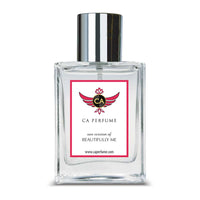
Beautifully Me — Estee Lauder Beautiful Alternative Perfume
8.56
MEI™
Primary Romantic
Secondary Confident
Confidence
7.87
Presence
8.75
Mood Lift
9.5
Identity
8.27
Warmth
9.49
Social Ease
8.35
Energy
4.5
" I am beautiful.
View full mood profile →
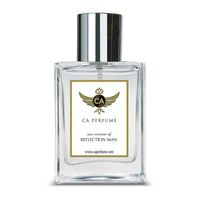
Reflection Man — Amouage Reflection Man Alternative Cologne
8.53
MEI™
Primary Fresh
Secondary Romantic
Confidence
8.12
Presence
8.71
Mood Lift
9.5
Identity
8.37
Warmth
8.3
Social Ease
8.78
Energy
4.1
" I am radiant.
View full mood profile →
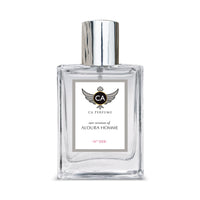
Aloura Homme — Chanel Allure Alternative Cologne
8.46
MEI™
Primary Romantic
Secondary Confident
Confidence
7.54
Presence
7.47
Mood Lift
9.5
Identity
7.67
Warmth
9.5
Social Ease
9.0
Energy
5.3
" I am beautiful.
View full mood profile →
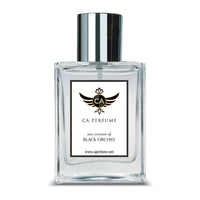
Black Orchid — Tom Ford Black Orchid Alternative Perfume
8.33
MEI™
Primary Romantic
Secondary Confident
Confidence
7.84
Presence
8.66
Mood Lift
8.87
Identity
8.98
Warmth
9.5
Social Ease
7.93
Energy
3.7
" I am beautiful.
View full mood profile →
HumanSafe™

Top Vetiver Fragrances by HumanSafe™ Score

These Vetiver-based fragrances have the highest product-level HumanSafe™ scores in this ingredient collection.

Highest HumanSafe™ Score
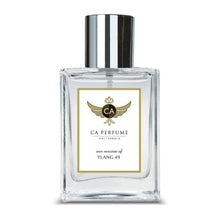
Ylang 49 — Le Labo Ylang 49 Impression Alternative Perfume
A-
HumanSafe™ Score Generally Safe
Safest Evaluated Ingredients EDP
AQUA Solvent / Carrier ISS 10.0
BENZYL SALICYLATE Evaluated ingredient ISS 9.0
LINALOOL Evaluated ingredient ISS 7.0
ALCOHOL DENAT. Solvent / Carrier ISS 7.0
1-[(2-TERT-BUTYL)CYCLOHEXYLOXY]-2-BUTANOL Evaluated ingredient ISS 7.0
View full safety profile →
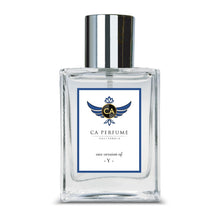
Y — YSL Y Alternative Cologne
#2
Y — YSL Y Alternative Cologne
Starting from $14.99
A-
HumanSafe™ Score Generally Safe
Safest Evaluated Ingredients EDP
AQUA Solvent / Carrier ISS 10.0
1,4-DIOXACYCLOHEPTADECANE-5,17-DIONE Evaluated ingredient ISS 10.0
7-OCTEN-2-OL, 2,6-DIMETHYL- Evaluated ingredient ISS 9.0
2-HEXENE, 6,6-DIMETHOXY-2,5,5-TRIMETHYL- Evaluated ingredient ISS 8.0
LINALYL ACETATE Evaluated ingredient ISS 7.0
LINALOOL Evaluated ingredient ISS 7.0
View full safety profile →
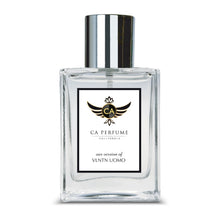
Vlntn Uomo — Uomo Alternative Cologne
#3
Vlntn Uomo — Uomo Alternative Cologne
Starting from $14.99
A-
HumanSafe™ Score Generally Safe
Safest Evaluated Ingredients EDP
AQUA Solvent / Carrier ISS 10.0
1H-3A,7-METHANOAZULEN-6-OL, OCTAHYDRO-3,6,8,8- Evaluated ingredient ISS 9.0
3-BUTEN-2-ONE, 3-METHYL-4-(2,6,6-TRIMETHYL-2- Evaluated ingredient ISS 8.0
2H-1-BENZOPYRAN-2-ONE Evaluated ingredient ISS 8.0
2-HEXENE, 6,6-DIMETHOXY-2,5,5-TRIMETHYL- Evaluated ingredient ISS 8.0
LINALYL ACETATE Evaluated ingredient ISS 7.0
View full safety profile →
Vetiver Extraordinaire — Frederic Malle Vetiver Extraordinaire Alternative Cologne
A-
HumanSafe™ Score Generally Safe
Safest Evaluated Ingredients EDP
AQUA Solvent / Carrier ISS 10.0
AMBROXIDE Evaluated ingredient ISS 9.0
BENZENEPROPANAL, 4-ETHYL-.ALPHA.,.ALPHA.-DIMETHYL- Evaluated ingredient ISS 8.0
3-BUTEN-2-ONE, 3-METHYL-4-(2,6,6-TRIMETHYL-2- Evaluated ingredient ISS 8.0
LINALYL ACETATE Evaluated ingredient ISS 7.0
LINALOOL Evaluated ingredient ISS 7.0
View full safety profile →
Expert Voices

What Masters Say About Vetiver

I would describe vetiver’s scent as woody, masculine, and powerful, so much so that when this exceptional note is included in a fragrance, it brings real presence and character.
Beatriz Hidalgo, Perfumer at Iberchem
Vetiver’s complexity arises from its hundreds of odorous compounds, making it impossible to replicate with a single synthetic molecule.
CA Perfume Editorial
Common Questions

Frequently Asked Questions

Frequently asked questions about vetiver in perfumery, covering scent, usage, and performance.

Vetiver in perfume smells earthy, woody, and smoky, with green, nutty, and sometimes sweet undertones. Its scent profile varies by origin: Haitian vetiver is clean and slightly floral, while Javanese vetiver is smoky and resinous. The complexity comes from sesquiterpenes such as khusimol and vetiverol, which create a multidimensional, long-lasting aroma. Vetiver’s base note character anchors and extends the composition, making it a staple in both classic and modern fragrances.

Vetiver is classified as a base note in perfumery due to its high molecular weight and low volatility. Its sesquiterpene-rich essential oil evaporates slowly, providing long-lasting depth and fixative power. Vetiver is typically used at 1–10% concentration in the fragrance concentrate, anchoring lighter top and heart notes and ensuring a gradual, evolving drydown.

Vetiver’s aromatic complexity and versatility make it a favorite in niche perfumery. Its multifaceted scent profile—ranging from earthy and smoky to green and slightly sweet—allows perfumers to create unique, characterful compositions. Vetiver’s fixative properties also enhance longevity and evolution, supporting both classic and avant-garde blends. Niche brands often use high-quality Haitian or Bourbon vetiver to showcase its depth and terroir.

Vetiver fragrance uses include pairing with citrus (bergamot, lime), woods (sandalwood, cedar), spices (black pepper, nutmeg), florals (jasmine, iris), and sweet resins (vanilla, tonka bean). These combinations leverage molecular affinities—such as limonene in citrus or santalol in sandalwood—to balance vetiver’s earthy depth and enhance olfactory complexity.

Vetiver is well-suited to summer and hot weather due to its fresh, green, and cooling facets. In high temperatures, its volatility increases, amplifying the grassy and citrus aspects while shortening longevity. Light application and pairing with mint or citrus notes create a refreshing effect ideal for warm climates. Vetiver’s earthy base also prevents the scent from becoming overly fleeting.

A vetiver fragrance typically lasts 5–8 hours on skin, with its base note character providing persistent earthy, woody, and smoky undertones. Longevity depends on concentration (Parfum, EDP, EDT), oil quality, and skin chemistry. Vetiver’s heavy sesquiterpenes ensure a gradual, evolving drydown that anchors lighter notes.

Yes, vetiver can be layered with a wide range of notes, including citrus, mint, woods, and sweet resins. Understanding how to layer vetiver involves leveraging molecular compatibility: citrus brightens, mint cools, and vanilla softens the earthy core. Layering techniques are demonstrated in fragrances like Tom Ford Grey Vetiver and Etat Libre d’Orange Fat Electrician.

For beginners, Guerlain Vetiver (1959), Tom Ford Grey Vetiver (2009), and Creed Original Vetiver (2004) are excellent introductions. These fragrances showcase vetiver’s versatility, blending it with citrus, woods, and spices for balanced, approachable compositions. Lalique Encre Noire (2006) offers a darker, more niche interpretation for those seeking depth.

Choosing the right vetiver fragrance at CA Perfume involves considering your preferred scent profile (fresh, smoky, woody, or sweet) and desired concentration (EDT, EDP, Parfum). Explore the collection’s detailed scent descriptions and layering guides to find a vetiver-forward composition that suits your style and season.

Vetiver can smell both smoky and clean, depending on its origin and extraction. Haitian vetiver is known for its clean, green, and slightly floral aroma, while Javanese vetiver is distinctly smoky and resinous. The balance of these facets is influenced by soil, climate, and distillation method, allowing perfumers to tailor the scent to the desired effect.

Woody Collection

Explore Our Top Vetiver Fragrances

Discover CA Perfume’s curated selection of vetiver-forward fragrances, from classic woody blends to innovative modern compositions.

Shop all vetiver fragrances at CA Perfume →

Where Vetiver Comes From — Origin & Extraction

Vetiver is sourced from the roots of Chrysopogon zizanioides, a perennial grass in the Poaceae family. The plant is native to India, where it is known as khus, but is now cultivated extensively in Haiti (which supplies approximately 50–80% of the world’s vetiver oil, with annual production around 100–150 metric tons), as well as in Java (Indonesia), Réunion (Bourbon vetiver), Madagascar, and India (notably Tamil Nadu and Kerala). The roots are harvested after 18–24 months of growth, when their aromatic content is highest. Harvesting involves digging up the roots, washing, sun-drying, and chopping them before extraction. The primary extraction method is steam distillation, often lasting 18–24 hours, using 150–1000 kg of dried roots to yield 1–10 kg of essential oil (yield: 0.5–1%). The resulting oil is viscous, amber to olive-brown, and contains a high proportion of sesquiterpenes. In Java and Indonesia, high-pressure steam distillation is sometimes used to extract smokier, more resinous oils. Solvent extraction and CO2 extraction are less common but can yield different olfactory profiles, with solvent-extracted vetiver being more resinous and sweet. Natural vetiver oil costs $350–600/kg for Haitian quality, while synthetic substitutes (such as vetiveryl acetate) are priced at $50–150/kg. Sustainability is a key consideration: vetiver cultivation stabilizes soil, prevents erosion, and requires minimal irrigation or pesticides. However, overharvesting and monoculture can threaten biodiversity if not managed responsibly. Most commercial vetiver is now traceable to specific cooperatives or certified sustainable sources.

Famous Fragrances That Define Vetiver in Perfumery

Vetiver has been a cornerstone of perfumery since the 19th century, with its first documented use in European formulas dating to the early 1800s. Guerlain Vetiver (1959, Jean-Paul Guerlain) established the archetype for vetiver fragrances, blending the root’s earthy, woody facets with citrus and tobacco. Lalique Encre Noire (2006, Nathalie Lorson) is a modern classic, emphasizing the dark, inky, and smoky character of Javanese vetiver. Chanel Sycomore (2008, Jacques Polge and Christopher Sheldrake) pays homage to the smoky, elegant Bourbon vetiver of Réunion, while Tom Ford Grey Vetiver (2009, Harry Fremont) uses vetiveryl acetate for a crisp, contemporary take. Creed Original Vetiver (2004, Olivier and Erwin Creed) highlights the green, fresh aspects of Haitian vetiver, blending it with citrus and sandalwood. Etat Libre d’Orange Fat Electrician (2009, Antoine Maisondieu) explores the nutty, creamy side of vetiver with a gourmand twist. These fragrances demonstrate the versatility of vetiver as both a dominant and supporting note, paired variously with citrus, tobacco, spices, florals, and resins. CA Perfume’s collection draws inspiration from this lineage, offering both classic and innovative vetiver-forward compositions.

Natural vs Synthetic Vetiver in Perfumery

Natural vetiver oil is composed of hundreds of sesquiterpenes, with khusimol (CAS 2462-96-8), vetiverol (CAS 110-27-0), and β-vetivone (CAS 473-08-5) as key odorants. Synthetic alternatives include vetiveryl acetate (CAS 141-02-6), Vertofix Coeur (cedryl methyl ketone, CAS 32388-55-9), and epivone (a biosynthetic β-vetivone analog). Vetiveryl acetate is often used for its clean, woody, and slightly grapefruit-like aroma, providing greater batch consistency and stability. Synthetic vetiver notes offer improved stability and cost efficiency—$50–150/kg compared to $350–600/kg for natural oil—but lack the full complexity and evolving character of the natural extract. Many modern fragrances use a blend of natural and synthetic vetiver materials to balance cost, performance, and olfactory nuance. For example, Tom Ford Grey Vetiver and Creed Original Vetiver both use significant proportions of vetiveryl acetate for brightness and longevity. Sustainability is a major advantage of synthetic vetiver, as it reduces pressure on agricultural land and mitigates supply chain disruptions from climate or political instability. However, natural vetiver remains prized for its depth and complexity, especially in niche and luxury perfumery. The HumanSafe™ platform at CA Perfume ensures full ingredient traceability and IFRA compliance, with both natural and synthetic vetiver sources transparently documented.