Ingredient Guide · Spicy
Spicy Family · Perfumery Note

Turmeric

Earthy, spicy, and grounding — turmeric’s unique olfactory signature.

Turmeric is a heart note in perfumery, prized for its warm, earthy, and slightly spicy character. Its defining quality comes from ar-turmerone and β-turmerone, which impart a creamy, root-like warmth at concentrations below 3%.

Turmeric
Ingredient Profile

Turmeric

Spicy Family
Family Spicy
Note Position Heart Note
Usage Level <3%
Key Origins India, Bangladesh, Pakistan
Iconic In Turmeric Latte Perfume, Rose Prick
The Ingredient

What does Turmeric smell like and why is it a unique addition to perfumery?

Turmeric (Curcuma longa) is botanically a rhizome in the ginger family, and its scent profile is defined by a complex interplay of ar-turmerone, β-turmerone, and curcumene. What does turmeric smell like? Its aroma is warm, earthy, and slightly spicy, with creamy undertones and a subtle ginger-like brightness. The turmeric scent profile is further characterized by faint woody and powdery nuances, and a gentle bitterness that distinguishes it from sweeter spices. These qualities make turmeric in perfumery a grounding, comforting presence, often described as golden, peppery, and root-like. In perfumery, turmeric is classified as a heart note, typically used at concentrations below 3%. Its moderate volatility allows it to bridge top citrus notes and deeper woody or resinous bases, providing both warmth and a subtle dryness. On skin, turmeric’s aromatic compounds interact with individual pH and moisture levels, sometimes amplifying its earthy or spicy facets. Its presence can enhance the longevity of floral or oriental compositions, and it is frequently paired with rose, sandalwood, or iris for a sophisticated, modern effect. Notable fragrances that exemplify turmeric’s use include Tom Ford Rose Prick (2020, perfumer: unknown), where turmeric is paired with rose and Sichuan pepper to create a spicy-floral heart, and Lush Turmeric Latte (2019), which highlights turmeric’s creamy, spicy warmth alongside vanilla and tonka bean. These examples demonstrate turmeric’s versatility in both niche and mainstream perfumery, contributing a distinctive, contemporary edge to a wide range of scent families.

<3%
Turmeric is typically used at concentrations below 3% in fine fragrance formulas, ensuring its earthy, spicy warmth remains balanced and non-overpowering.
5–8 Hours
Turmeric’s moderate volatility and fixative properties allow it to persist for 5–8 hours on skin, especially when paired with woody or resinous base notes.
$3,000–6,000/kg
Natural turmeric absolute commands a high price due to low extraction yields and labor-intensive processing, compared to $50–200/kg for synthetic analogues.
Origin & Extraction

Where Turmeric Comes From — Origin & Extraction

Turmeric’s olfactory character is shaped by the terroir of its origin, with soil composition, rainfall, and altitude influencing the concentration of key sesquiterpenes. Indian turmeric is renowned for its intensity and warmth, while Bangladeshi and Pakistani varieties offer subtle aromatic differences.

Turmeric is derived from the rhizome of Curcuma longa, a perennial plant native to South and Southeast Asia. The primary producing countries are India (accounting for over 80% of global production, with annual output exceeding 900,000 metric tons), Bangladesh, Pakistan, and China. The rhizomes are harvested, boiled, dried, and ground into powder, but for perfumery, the dried rhizome is further processed to extract essential oil or absolute. The main extraction method for turmeric essential oil is steam distillation of the dried, powdered rhizome. This process typically operates at 100°C for 3–5 hours, yielding an essential oil rich in ar-turmerone, β-turmerone, and α-curcumene. Solvent extraction (using hexane or ethanol) and supercritical CO₂ extraction are also employed to produce turmeric absolute, which offers a more complete aromatic profile but at a lower yield (typically 1–2% by weight of dried rhizome). The cost of natural turmeric absolute ranges from $3,000–6,000 per kg, while synthetic analogues can be produced for $50–200 per kg. Sustainability concerns include soil depletion in intensive farming regions and the risk of adulteration with synthetic dyes or fillers. Certified organic turmeric and traceability protocols are increasingly important, especially for high-grade perfumery material. Synthetic turmeric aroma compounds (notably ar-turmerone, CAS 8024-37-1) are used to ensure consistency and reduce pressure on natural resources.

IN

India

Andhra Pradesh and Tamil Nadu are leading regions, producing over 80% of global turmeric. Volcanic soils and monsoon rainfall yield rhizomes with high ar-turmerone content, resulting in a robust, earthy, and spicy aroma. India’s turmeric is often certified organic and subject to strict quality standards.

BD

Bangladesh

Rajshahi and Bogura districts are known for organic cultivation. The alluvial soils and humid climate produce turmeric with a softer, slightly sweeter scent profile, and annual output of approximately 100,000 metric tons.

PK

Pakistan

Punjab and Sindh regions yield turmeric with a warm, rich aroma. The semi-arid climate and traditional sun-drying methods contribute to a distinctive, slightly bitter edge and strong persistence.

CN

China

Yunnan province supplies a smaller share of the global market. Chinese turmeric is valued for its mild, lemony undertones, attributed to unique soil minerals and cooler growing conditions.

Chemistry

Natural vs Synthetic Turmeric in Perfumery

Natural turmeric extracts contain a complex mixture of sesquiterpenes, with ar-turmerone (CAS 8024-37-1), β-turmerone, and α-curcumene as the primary odorants. These compounds provide a creamy, earthy, and spicy aroma that is variable depending on origin and extraction method. Synthetic alternatives, such as ar-turmerone, safranal (CAS 116-26-7), and β-sesquiphellandrene, are used to replicate or accentuate turmeric’s key facets. Synthetic forms offer greater batch-to-batch consistency, enhanced stability, and improved longevity in finished fragrances. Cost is a significant differentiator: natural turmeric absolute commands $3,000–6,000/kg, while synthetic ar-turmerone or safranal can be sourced for $50–200/kg. Famous fragrances such as Tom Ford Rose Prick and Lush Turmeric Latte utilize both natural and synthetic turmeric, depending on formulation needs and supply chain considerations. Sustainability is a growing concern, as natural turmeric farming can lead to soil depletion and adulteration with non-permitted dyes (e.g., lead chromate, metanil yellow). The HumanSafe™ platform is increasingly used to verify the authenticity and safety of turmeric-derived ingredients, ensuring transparency from farm to fragrance.

Natural
Turmeric Absolute
Cost $3,000–6,000/kg
Method Solvent / CO₂
Character Complex, variable
vs
Synthetic
Safranal & Analogues
Cost $50–200/kg
Method Lab synthesis
Character Consistent, stable
Hall of Fame

Famous Fragrances That Define Turmeric in Perfumery

2019
dominant note

Turmeric Latte Perfume

Lush
VanillaTonka BeanBenzoin
2020
heart note, bridge note

Rose Prick

Tom Ford
RoseSichuan PepperPatchouli
2024
accent, heart note

Shine Despite Everything

Atkinsons
PimentoIrisCedarwood
2022
supporting note

Madurai

Memo Paris
JasmineSandalwoodCitrus
2024
accent

Néroli Plein Sud

Guerlain
NeroliCitrusSpices

Turmeric’s emergence as a perfumery note can be traced through a series of landmark fragrances. Lush Turmeric Latte Perfume (2019) is perhaps the most prominent, with turmeric as a dominant note, paired with vanilla, tonka bean, and benzoin to evoke the creamy, spicy warmth of its namesake beverage. Tom Ford Rose Prick (2020) features turmeric in the heart, where it bridges rose, Sichuan pepper, and patchouli, adding a golden, spicy complexity. Atkinsons Shine Despite Everything (2024) uses turmeric alongside pimento and iris to create a spicy-floral accord with earthy undertones. Memo Paris Madurai (2022) incorporates turmeric as a supporting note, enhancing the composition’s Indian jasmine and sandalwood facets. Guerlain Néroli Plein Sud (2024) employs turmeric to add an earthy, spicy nuance to its citrus-floral structure. These fragrances demonstrate turmeric’s versatility as both a dominant and supporting note, often paired with florals, spices, and woods. CA Perfume’s turmeric-inspired collection draws on this lineage, offering contemporary interpretations that highlight the note’s grounding warmth and modern appeal.

The Accord

How is a captivating Turmeric accord crafted?

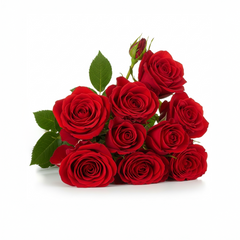
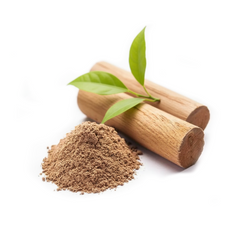
A turmeric accord balances earthy warmth, gentle spice, and creamy undertones. Typical proportions: Turmeric 20–25%, Rose 15–20%, Sandalwood 25–30%, Iris 25–30%. Rose provides a floral bridge via shared damascenone, sandalwood anchors the blend with lactonic, woody facets, and iris adds powdery, buttery smoothness, enhancing turmeric’s creamy-spicy complexity.

25%

Turmeric

20–25% of blend

Turmeric provides the core earthy, spicy warmth, driven by ar-turmerone and β-turmerone, creating a golden, root-like foundation.

20%

Rose

15–20% of blend

Rose introduces damascenone and β-ionone, which molecularly bridge turmeric’s earthiness with floral brightness, enhancing complexity.

30%

Sandalwood

25–30% of blend

Sandalwood’s santalol molecules add creamy, woody depth, amplifying turmeric’s lactonic undertones and improving accord longevity.

30%

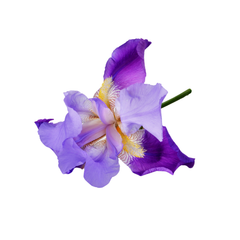
Iris

25–30% of blend

Iris (irones) imparts powdery, buttery smoothness, softening turmeric’s spice and supporting the overall accord’s elegance.

The Olfactory Layers

How Turmeric Evolves on Skin

Turmeric’s olfactory evolution unfolds over several hours. The top notes (0–15 min) feature high-volatility sesquiterpenes, giving a spicy, golden opening. The heart (20–60 min) reveals creamy, earthy warmth as ar-turmerone dominates. The base (several hours) is anchored by persistent woody and powdery undertones, with slow-evaporating molecules contributing to lasting depth.

I
Top notes
0–15 min
Spicy Golden Burst

The initial impression is a vibrant, spicy burst, dominated by volatile sesquiterpenes like α-curcumene and β-sesquiphellandrene. These molecules evaporate quickly, delivering a peppery, ginger-like freshness with subtle lemony nuances. This stage is bright and energizing, setting the stage for the heart.

SpicyGoldenFresh
II
Heart notes
20–60 min
Earthy Creamy Warmth

As the top fades, ar-turmerone and β-turmerone become prominent, imparting a creamy, earthy warmth with subtle powdery and floral undertones. This phase is grounding and enveloping, with the turmeric note providing a bridge between lighter top notes and deeper base materials.

EarthyCreamyWarm
III
Base notes
Several hours
Woody Powdery Drydown

The drydown is characterized by persistent woody and powdery undertones, with sandalwood and iris often supporting turmeric’s slow-evaporating molecules. The result is a soft, slightly sweet, and powdery finish that lingers, reflecting the fixative properties of turmeric’s heavier sesquiterpenes.

WoodyPowderyPersistent
TOP NOTES Spicy Golden Burst 0–15 minutes HEART NOTES Earthy Creamy Warmth 20–60 minutes BASE NOTES Woody Powdery Drydown Several hours
Through the Ages

The Story of Turmeric in Perfumery

Turmeric’s journey in perfumery spans centuries, from ancient rituals to modern niche fragrances. Its use has evolved from medicinal and ceremonial applications to a celebrated note in contemporary compositions.

Antiquity

Turmeric in Ancient Rituals

Turmeric is used in Indian and Southeast Asian religious ceremonies and traditional medicine, valued for its color, aroma, and symbolic purity.

1815

Curcumin Isolated

Vogel and Pelletier isolate curcumin from Curcuma longa, laying the groundwork for scientific study of turmeric’s aromatic and coloring properties.

1970s

First Use in Modern Perfumery

Turmeric essential oil appears in experimental niche fragrances, appreciated for its earthy, spicy complexity and ability to bridge floral and woody notes.

2019

Turmeric Latte by Lush Launches

Lush introduces Turmeric Latte Perfume, showcasing turmeric as a dominant note in a gourmand-spicy context, paired with vanilla and tonka bean.

2020

Tom Ford Rose Prick Features Turmeric

Tom Ford’s Rose Prick elevates turmeric to a heart note, blending it with rose and Sichuan pepper for a modern, spicy-floral signature.

2024

Turmeric in Niche and Designer Fragrances

Turmeric is embraced by brands like Atkinsons and Guerlain, cementing its status as a versatile, contemporary perfumery note.

The Art of Layering

How to Layer Turmeric

Understanding how to layer turmeric is key to maximizing its olfactory impact. Layering turmeric with complementary notes exploits molecular bridges and olfactory masking, creating new dimensions in both spicy and floral compositions.

01

Enhance Sweetness

Layer turmeric with vanilla or tonka bean to soften its spicy, earthy edge. Vanillin and coumarin molecules mask turmeric’s bitterness, resulting in a creamy, gourmand effect. Lush Turmeric Latte demonstrates this pairing, where turmeric’s spice is enveloped in sweet, lactonic warmth.

02

Add Depth

Pair turmeric with sandalwood or patchouli to deepen its earthy, woody undertones. Santalol and patchoulol molecules interact with ar-turmerone, extending longevity and adding complexity. Tom Ford Rose Prick uses sandalwood to anchor turmeric’s heart note.

03

Brighten the Spice

Combine turmeric with citrus (bergamot, lemon) or green notes (lemongrass, galbanum) to highlight its fresh, peppery facets. Shared terpenes create a seamless transition, as seen in Memo Paris Madurai, where turmeric supports jasmine and citrus top notes.

Wear It Right

How to Wear Turmeric Like a Pro

Seasonal Guide

Fall & Winter

In cooler months, turmeric’s earthy, creamy warmth is accentuated, providing a comforting, enveloping effect. Lower temperatures slow molecular diffusion, allowing the heavier, root-like notes to linger. Apply to pulse points under clothing for optimal projection and longevity.

Spring

Spring’s moderate temperatures balance turmeric’s spice and floral pairings. The note’s golden warmth complements fresh florals and green notes, while increased humidity enhances sillage. Layer with citrus or light florals for a vibrant, uplifting effect.

Summer

In hot weather, turmeric’s volatile top notes become more pronounced, creating a lively, spicy brightness. High temperatures increase evaporation, so use lighter concentrations or layer with citrus to avoid overwhelming intensity. Apply sparingly to exposed skin.

Year-Round Tip

Turmeric’s versatility allows it to be worn year-round. Adjust application and layering partners based on temperature and humidity, and experiment with different concentrations to tailor projection and longevity to seasonal needs.

Application Points

Strategic application of turmeric fragrances enhances their olfactory evolution and projection.

1

Neck

Applying to the neck leverages body heat and pulse points, accelerating the release of turmeric’s spicy top notes and ensuring a dynamic scent evolution.

2

Behind the Ears

This area maintains moderate warmth and is less exposed to air, allowing turmeric’s creamy, earthy heart to develop gradually and persistently.

3

Inner Wrists

The thin skin and high blood flow on the wrists enhance volatility, making turmeric’s spicy and powdery facets more noticeable during the first hour.

4

Hair

Spraying lightly on hair provides a subtle, long-lasting sillage, as hair fibers trap heavier molecules and release them gradually throughout the day.

Pro Tip

Layer turmeric fragrances with sandalwood or rose on different pulse points to create a multidimensional scent trail, leveraging molecular compatibility for a seamless blend.

Mood Architecture™

Top Turmeric Fragrances by Mood Score

These Turmeric-based fragrances scored highest on the MEI™ Mood Architecture Framework — measuring how a scent may influence your emotional state.

Highest MEI Score
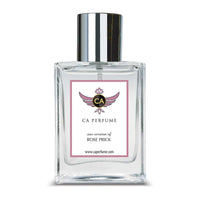
Rose Prick — Tom Ford Rose Prick Alternative Perfume
6.86
MEI™
Primary Romantic
Secondary Confident
Confidence
6.55
Presence
6.93
Mood Lift
7.32
Identity
7.14
Warmth
7.61
Social Ease
6.66
Energy
3.2
" I am beautiful.
View full mood profile →
HumanSafe™

Top Turmeric Fragrances by HumanSafe™ Score

These Turmeric-based fragrances have the highest product-level HumanSafe™ scores in this ingredient collection.

Highest HumanSafe™ Score
Rose Prick — Tom Ford Rose Prick Alternative Perfume
A-
HumanSafe™ Score Generally Safe
Safest Evaluated Ingredients EDP
AQUA Solvent / Carrier ISS 10.0
1,4-DIOXACYCLOHEPTADECANE-5,17-DIONE Evaluated ingredient ISS 10.0
ALCOHOL DENAT. Solvent / Carrier ISS 7.0
2-BUTEN-1-OL, 2-ETHYL-4-(2,2,3-TRIMETHYL-3- Evaluated ingredient ISS 7.0
1,6-METHANONAPHTHALEN-1(2H)-OL, OCTAHYDRO- Evaluated ingredient ISS 7.0
1,3,4,6,7,8-HEXAHYDRO-4,6,6,7,8,8- Evaluated ingredient ISS 7.0
View full safety profile →
Expert Voices

What Masters Say About Turmeric

Turmeric’s scent in fragrance is creamy, carrot-like with woodiness but also a background ginger zing. Applied in neo-chypre contexts, turmeric conveys both spice and dryness, connecting well with tea-tinged top-note citruses such as lemongrass, papery midrange florals like iris, as well as creamy base-note counterparts such as sandalwood.
Eddie Bulliqi, Fragrantica
Turmeric in perfumery adds a grounding, golden warmth that bridges spicy and floral notes, creating a unique, contemporary signature.
CA Perfume Editorial
Common Questions

Frequently Asked Questions

Frequently asked questions about turmeric in perfumery.

Turmeric in perfume smells warm, earthy, and slightly spicy, with creamy, root-like undertones and a subtle ginger-like brightness. Its scent profile is defined by ar-turmerone and β-turmerone, which give it a golden, peppery character. Depending on the blend, turmeric can also reveal powdery, woody, or even faintly bitter nuances, making it a versatile heart note in both spicy and floral compositions.

Turmeric is primarily used as a heart note in perfumery. Its moderate volatility allows it to bridge the transition between bright top notes (such as citrus or green) and deeper base notes (like sandalwood or amber). This positioning ensures that turmeric’s earthy, spicy warmth is present throughout the fragrance’s evolution, providing both structure and complexity.

Turmeric is favored in niche perfumery for its unique, grounding character and its ability to add depth and complexity to modern compositions. Its earthy, spicy profile stands out from more common spices, and its associations with wellness and exoticism appeal to contemporary fragrance enthusiasts seeking novel olfactory experiences. Turmeric’s versatility allows it to complement florals, woods, and orientals alike.

Turmeric fragrance uses often involve pairing it with rose, sandalwood, iris, vanilla, and patchouli. These notes share molecular bridges or complementary olfactory facets, such as damascenone in rose or santalol in sandalwood, which enhance turmeric’s warmth and complexity. Citrus and green notes can also brighten turmeric’s spicy edge, while amber and myrrh deepen its earthy base.

Turmeric can be worn year-round, but its spicy, earthy warmth is best showcased in cooler months or in lighter concentrations during summer. In hot weather, turmeric’s volatile top notes become more pronounced, so it is often layered with citrus or green notes for freshness. Apply sparingly to avoid overwhelming intensity, and consider Eau de Toilette formats for a lighter effect.

Turmeric’s moderate volatility and fixative properties allow it to persist for 5–8 hours on skin, especially when paired with woody or resinous base notes. Its longevity is influenced by concentration, skin chemistry, and environmental factors, but it generally provides a lasting, evolving presence throughout the day.

Yes, turmeric is highly compatible with a range of notes for layering. It can be paired with vanilla or tonka bean for sweetness, sandalwood or patchouli for depth, and citrus or green notes for brightness. Layering turmeric with complementary fragrances creates multidimensional blends, as demonstrated in Tom Ford Rose Prick and Lush Turmeric Latte.

For those new to turmeric in perfumery, Lush Turmeric Latte Perfume (2019) offers a creamy, gourmand introduction, while Tom Ford Rose Prick (2020) presents a modern, spicy-floral take. Atkinsons Shine Despite Everything (2024) and Memo Paris Madurai (2022) provide more nuanced, niche interpretations. Sampling these fragrances can help you discover turmeric’s versatility and appeal.

Choosing the right turmeric fragrance involves considering your preferred scent profile (spicy, floral, woody, or gourmand) and desired intensity. CA Perfume’s collection includes a range of turmeric-inspired blends, each highlighting different facets of the note. Use the scent profile descriptions and layering recommendations to find a fragrance that matches your style and seasonal needs.

Turmeric in fragrance is primarily spicy and earthy, with only a gentle, creamy sweetness in the background. Its sweetness is subtle and often enhanced by pairing with vanilla or tonka bean, but the dominant impression is one of golden, peppery warmth and root-like earthiness, rather than overt sweetness.

Spicy Collection

Explore Our Top Turmeric Fragrances

Discover the most popular turmeric-inspired scents in the CA Perfume collection, each showcasing the note’s earthy, spicy warmth and modern versatility.

Shop all turmeric fragrances at CA Perfume →

Where Turmeric Comes From — Origin & Extraction

Turmeric is derived from the rhizome of Curcuma longa, a perennial plant native to South and Southeast Asia. The primary producing countries are India (accounting for over 80% of global production, with annual output exceeding 900,000 metric tons), Bangladesh, Pakistan, and China. The rhizomes are harvested, boiled, dried, and ground into powder, but for perfumery, the dried rhizome is further processed to extract essential oil or absolute. The main extraction method for turmeric essential oil is steam distillation of the dried, powdered rhizome. This process typically operates at 100°C for 3–5 hours, yielding an essential oil rich in ar-turmerone, β-turmerone, and α-curcumene. Solvent extraction (using hexane or ethanol) and supercritical CO₂ extraction are also employed to produce turmeric absolute, which offers a more complete aromatic profile but at a lower yield (typically 1–2% by weight of dried rhizome). The cost of natural turmeric absolute ranges from $3,000–6,000 per kg, while synthetic analogues can be produced for $50–200 per kg. Sustainability concerns include soil depletion in intensive farming regions and the risk of adulteration with synthetic dyes or fillers. Certified organic turmeric and traceability protocols are increasingly important, especially for high-grade perfumery material. Synthetic turmeric aroma compounds (notably ar-turmerone, CAS 8024-37-1) are used to ensure consistency and reduce pressure on natural resources.

Famous Fragrances That Define Turmeric in Perfumery

Turmeric’s emergence as a perfumery note can be traced through a series of landmark fragrances. Lush Turmeric Latte Perfume (2019) is perhaps the most prominent, with turmeric as a dominant note, paired with vanilla, tonka bean, and benzoin to evoke the creamy, spicy warmth of its namesake beverage. Tom Ford Rose Prick (2020) features turmeric in the heart, where it bridges rose, Sichuan pepper, and patchouli, adding a golden, spicy complexity. Atkinsons Shine Despite Everything (2024) uses turmeric alongside pimento and iris to create a spicy-floral accord with earthy undertones. Memo Paris Madurai (2022) incorporates turmeric as a supporting note, enhancing the composition’s Indian jasmine and sandalwood facets. Guerlain Néroli Plein Sud (2024) employs turmeric to add an earthy, spicy nuance to its citrus-floral structure. These fragrances demonstrate turmeric’s versatility as both a dominant and supporting note, often paired with florals, spices, and woods. CA Perfume’s turmeric-inspired collection draws on this lineage, offering contemporary interpretations that highlight the note’s grounding warmth and modern appeal.

Natural vs Synthetic Turmeric in Perfumery

Natural turmeric extracts contain a complex mixture of sesquiterpenes, with ar-turmerone (CAS 8024-37-1), β-turmerone, and α-curcumene as the primary odorants. These compounds provide a creamy, earthy, and spicy aroma that is variable depending on origin and extraction method. Synthetic alternatives, such as ar-turmerone, safranal (CAS 116-26-7), and β-sesquiphellandrene, are used to replicate or accentuate turmeric’s key facets. Synthetic forms offer greater batch-to-batch consistency, enhanced stability, and improved longevity in finished fragrances. Cost is a significant differentiator: natural turmeric absolute commands $3,000–6,000/kg, while synthetic ar-turmerone or safranal can be sourced for $50–200/kg. Famous fragrances such as Tom Ford Rose Prick and Lush Turmeric Latte utilize both natural and synthetic turmeric, depending on formulation needs and supply chain considerations. Sustainability is a growing concern, as natural turmeric farming can lead to soil depletion and adulteration with non-permitted dyes (e.g., lead chromate, metanil yellow). The HumanSafe™ platform is increasingly used to verify the authenticity and safety of turmeric-derived ingredients, ensuring transparency from farm to fragrance.