Ingredient Guide · Floral
Floral Family · Perfumery Note

Turkish Rose

The plush, honeyed rose that defines modern floral perfumery.

Turkish Rose is a heart note in perfumery, prized for its jammy, honeyed, and slightly spicy character. Its defining scent comes from high levels of citronellol and geraniol, with a typical concentration of 0.2–1% in fine fragrance compositions.

Turkish Rose
Ingredient Profile

Turkish Rose

Floral Family
Family Floral
Note Position Heart Note
Usage Level 0.2–1%
Key Origins Turkey, Bulgaria, Morocco
Iconic In Delina, Oud Satin Mood
The Ingredient

What does Turkish Rose smell like and why is it prized in perfumery?

Turkish Rose, derived from Rosa x damascena cultivated primarily in the Isparta region, is renowned in perfumery for its plush, multi-faceted scent. The Turkish rose scent profile is defined by a honeyed, jammy sweetness with subtle spicy and powdery undertones. This complexity arises from a rich chemical composition, with key odorants including citronellol, geraniol, phenylethyl alcohol, and trace amounts of β-damascenone and eugenol. Compared to Bulgarian rose, Turkish Rose leans warmer and more voluptuous, with less sharp green facets and more of a velvety, almost waxy depth. In perfumery, Turkish Rose is classified as a heart (middle) note, typically used at concentrations of 0.2–1% in the overall formula. Its molecular complexity—over 400 identified compounds—allows it to interact with skin chemistry in nuanced ways. On skin, Turkish Rose can shift from fresh and dewy to rich and powdery, depending on pH and individual skin microbiome. The high content of citronellol and geraniol not only imparts the signature floralcy but also enhances the longevity and diffusion of the note within a composition. Turkish Rose in perfumery is exemplified by its use in Parfums de Marly Delina (2017, Quentin Bisch), where it forms the luminous, tart floral heart, and Maison Francis Kurkdjian Oud Satin Mood (2015, Francis Kurkdjian), where it bridges oud and vanilla with a jammy, spicy floralcy. These fragrances demonstrate how Turkish Rose can serve as both a central theme and a harmonizing bridge in complex modern compositions.

3,500–4,500 kg
Amount of fresh rose petals required to produce 1 kg of Turkish Rose oil via hydrodistillation, reflecting the ingredient’s rarity and high cost.
0.2–1%
Typical concentration of Turkish Rose absolute or oil in fine fragrance formulas, sufficient to impart a dominant floral character.
6–10 hours
Average longevity of Turkish Rose as a heart note in EDP or Parfum concentrations, due to its complex molecular composition and fixative interactions.
Origin & Extraction

Where Turkish Rose Comes From — Origin & Extraction

The terroir of Turkish Rose is shaped by the mineral-rich, well-drained soils and temperate climate of Isparta and Burdur, where cool nights and sunny days intensify the flower’s essential oil content and jammy, honeyed aroma.

Turkish Rose essential oil and absolute are derived from Rosa x damascena Mill., a hybrid rose species cultivated extensively in Turkey’s Isparta and Burdur provinces. Turkey accounts for approximately 60–65% of global rose oil production, processing around 7,000 metric tons of fresh petals annually to yield about 1,600 kg of rose oil and 2,400 kg of rose concrete. The rose bushes, often productive for 20–30 years, are grown in small, family-owned plots interspersed with other crops, with harvests occurring from mid-May to mid-June. Extraction of Turkish Rose oil (rose otto) is performed via hydrodistillation: 400–500 kg of fresh petals and 1,500–2,000 L of water are charged into 3,000-L copper or stainless steel stills. The distillation lasts 1.5 hours at condenser temperatures of 35°C. The yield is extremely low—about 0.02% by weight—requiring 3,500–4,500 kg of petals for 1 kg of oil. Rose concrete is produced by n-hexane extraction, yielding about 1 kg of concrete from 400 kg of petals. Rose absolute, less common in Turkey, is obtained by ethanol extraction of the concrete. Natural Turkish Rose oil commands prices of $3,300–$4,200 per kg (2024), while rose concrete is priced around $475–$500 per kg. Synthetic rose aroma chemicals, such as geraniol (CAS 106-24-1) and phenylethyl alcohol (CAS 60-12-8), cost $20–$100 per kg, offering a cost-effective alternative for volume applications. Sustainability considerations include the long productive lifespan of rose bushes, manual harvesting, and the use of animal manure as fertilizer. The Turkish rose industry is characterized by cooperative distillation facilities, ensuring quality and traceability.

TR

Turkey

Isparta province is the epicenter of Turkish Rose cultivation, with small, family-owned fields producing over 60% of global rose oil. The region’s unique microclimate—cool, humid nights and warm, sunny days—enhances the density of citronellol and geraniol, resulting in a richer, more voluptuous rose oil. Annual production averages 1,600 kg of rose oil, with strict quality controls and cooperative distillation facilities.

BG

Bulgaria

The Rose Valley (Kazanlak) produces a softer, rounder rose oil with pronounced green and berry notes. Bulgaria accounts for about 25% of global rose oil, with a focus on traditional steam distillation and protected geographical indication (PGI) status.

MA

Morocco

The Dades Valley yields a lighter, more citrusy rose oil, with smaller production volumes and a focus on rose absolute for niche perfumery. Moroccan rose oil is valued for its fresh, airy character.

IR

Iran

Kashan and Isfahan regions produce rose water and oil with a distinctive spicy, slightly smoky profile. Iranian rose oil is used mainly in traditional attars and culinary applications, with limited export for fine perfumery.

Chemistry

Natural vs Synthetic Turkish Rose in Perfumery

Natural Turkish Rose oil is a complex mixture of over 400 compounds, with citronellol, geraniol, and phenylethyl alcohol as dominant constituents. Synthetic rose notes are constructed from these and additional molecules, such as rose oxide (CAS 16409-43-1), β-damascenone (CAS 23726-93-4), and β-ionone (CAS 14901-07-6), to achieve a desired olfactory effect. Synthetic blends allow perfumers to fine-tune the rose character—emphasizing green, fruity, or powdery facets—while ensuring batch-to-batch consistency and reducing allergen load. Performance-wise, synthetic rose accords generally offer greater stability, projection, and longevity, especially in high-temperature or high-humidity environments. Natural Turkish Rose oil, however, provides a depth and nuance that is difficult to replicate, with subtle variations depending on terroir and harvest conditions. Cost is a significant differentiator: natural rose oil is up to 40–100 times more expensive than synthetic alternatives. Notable fragrances using natural Turkish Rose include Parfums de Marly Delina and Maison Francis Kurkdjian Oud Satin Mood, while many mainstream designer fragrances employ synthetic rose accords for scalability. From a sustainability perspective, synthetic molecules reduce pressure on agricultural land and water resources, and can be sourced from upcycled materials (e.g., linalool from wood pulp). CA Perfume’s HumanSafe™ platform ensures full transparency regarding the origin and composition of rose notes in its fragrances, allowing consumers to make informed choices.

Natural
Turkish Rose Absolute
Cost $3,000–6,000/kg
Method Solvent / CO₂
Character Complex, variable
vs
Synthetic
Safranal & Analogues
Cost $50–200/kg
Method Lab synthesis
Character Consistent, stable
Hall of Fame

Famous Fragrances That Define Turkish Rose in Perfumery

2017
dominant note

Delina

Parfums de Marly
by Quentin Bisch
lycheerhubarbvanillamusk
2015
bridge note

Oud Satin Mood

Maison Francis Kurkdjian
by Francis Kurkdjian
oudvanillabenzoinviolet
2020
dominant note

Rose Prick

Tom Ford
by Antoine Maisondieu
Bulgarian roseSichuan pepperpatchoulitonka bean
2019
dominant note

Atomic Rose

Initio Parfums Privés
by Maurice Roucel, Alexandra Carlin
hedionevanillaamberjasmine
2007
supporting note

Paul Smith Rose

Paul Smith
by Antoine Maisondieu
green teavioletmusk

Turkish Rose has been a cornerstone of both classical and contemporary perfumery, serving as a dominant note, bridge, or accent in a wide range of compositions. In Parfums de Marly Delina (2017, Quentin Bisch), Turkish Rose absolute forms the luminous, tart floral heart, paired with lychee, rhubarb, and vanilla for a modern, vibrant effect. Maison Francis Kurkdjian Oud Satin Mood (2015, Francis Kurkdjian) uses Turkish Rose as a bridge note, harmonizing rich oud and sweet vanilla, with a jammy, spicy floralcy that softens the oud’s intensity. Tom Ford Rose Prick (2020, Antoine Maisondieu) features Turkish Rose as a dominant note, blended with Sichuan pepper, turmeric, and patchouli to create a spicy, edgy floral. Initio Parfums Atomic Rose (2019, Maurice Roucel and Alexandra Carlin) showcases Turkish Rose as the central floral, layered with hedione, vanilla, and amber for a radiant, modern interpretation. Paul Smith Rose (2007, Antoine Maisondieu) employs Turkish Rose oil as a supporting note, enhancing the fresh, dewy character of the composition alongside green tea and violet. Historically, Chanel Coco Mademoiselle (2001, Jacques Polge) and Maison Francis Kurkdjian Oud Satin Mood (2015) have used Turkish Rose to bridge citrus, patchouli, and oriental notes, demonstrating its versatility. CA Perfume’s collection draws inspiration from this lineage, offering both natural and synthetic rose interpretations for a range of olfactory experiences.

The Accord

How is a captivating Turkish Rose accord crafted?

A Turkish Rose accord balances floralcy, sweetness, and subtle spice. Typical proportions: Turkish Rose absolute 35–40%, Geraniol 20–25%, Patchouli 15–20%, Ambrette Seed 20–25%. Geraniol amplifies the rosy core, patchouli adds earthy depth and longevity, and ambrette seed introduces a musky, slightly fruity nuance. This structure mimics the natural complexity of Turkish Rose while providing stability and projection.

40%

Turkish Rose Absolute

35–40% of blend

Provides the jammy, honeyed, and slightly spicy floral core, rich in citronellol and geraniol, essential for authentic rose character.

25%

Geraniol

20–25% of blend

Enhances the fresh, rosy, and slightly green facets; increases projection and mimics the natural top notes of rose oil.

20%

Patchouli

15–20% of blend

Adds earthy, woody depth and fixative power, supporting the longevity of the rose accord through its sesquiterpene content.

25%

Ambrette Seed

20–25% of blend

Contributes a musky, slightly fruity undertone, smoothing the blend and enhancing the natural warmth of Turkish Rose.

The Olfactory Layers

How Turkish Rose Evolves on Skin

Turkish Rose fragrances evolve from fresh, dewy top notes to a rich, honeyed heart and a powdery, musky base. Volatile terpenes dominate the initial phase, while heavier alcohols and esters persist through the drydown.

I
Top notes
0–15 min
Dewy Citrus Petals

The opening is marked by fresh, green, and slightly citrusy facets, driven by high-volatility compounds like citronellol and geraniol. These molecules evaporate quickly, creating a dewy, sparkling impression reminiscent of freshly picked rose petals with subtle hints of lychee and citrus.

dewycitrusygreen
II
Heart notes
20–60 min
Jammy Honeyed Bloom

As the top notes dissipate, the heart reveals the jammy, honeyed, and slightly spicy core of Turkish Rose. Phenylethyl alcohol and β-damascenone contribute to the lush, fruity-floral character, while eugenol adds a gentle spiciness. This stage is plush and enveloping, with a velvety texture.

jammyhoneyedspicy
III
Base notes
Several hours
Powdery Musky Veil

The drydown is characterized by powdery, musky, and slightly woody nuances, as heavier alcohols and esters linger. Ambrette seed and patchouli, if present, reinforce the musky and earthy undertones, while the rose’s own waxy components provide a soft, lasting finish.

powderymuskywoody
TOP NOTES Dewy Citrus Petals 0–15 minutes HEART NOTES Jammy Honeyed Bloom 20–60 minutes BASE NOTES Powdery Musky Veil Several hours
Through the Ages

The Story of Turkish Rose in Perfumery

Turkish Rose has a centuries-long history in perfumery, from Ottoman distillation to its modern role in niche and luxury fragrances.

17th century

Ottoman Rose Cultivation Begins

Rose cultivation for oil and water production is documented in European Turkey, with distillation techniques introduced from Persia. The Isparta region emerges as a key center.

Late 19th century

Industrialization of Rose Oil Production

Modern factories and cooperative distillation facilities are established in Isparta and Burdur, replacing cottage industry methods and standardizing quality.

1934

Cooperative System Established

The Turkish government supports the formation of rose oil cooperatives, ensuring fair pricing and traceability for small farmers.

2001

Chanel Coco Mademoiselle Launches

Turkish Rose becomes a key bridge note in Jacques Polge’s iconic composition, influencing a generation of modern florals.

2017

Delina by Parfums de Marly

Quentin Bisch’s Delina showcases Turkish Rose absolute as a luminous, tart floral heart, cementing its status in contemporary niche perfumery.

The Art of Layering

How to Layer Turkish Rose

Understanding how to layer Turkish Rose involves molecular compatibility—shared aroma compounds and olfactory masking create harmonious blends. Knowing how to layer Turkish Rose allows for customized scent signatures.

01

Enhance Sweetness

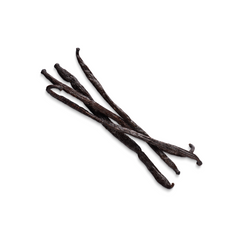
Pair Turkish Rose with vanilla or tonka bean to amplify the honeyed, jammy facets. Vanillin and coumarin molecules mask green or sharp notes, resulting in a plush, gourmand effect as seen in Parfums de Marly Delina.

02

Add Depth

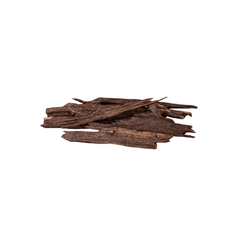
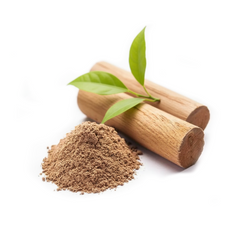
Layer with oud, patchouli, or amber to introduce earthy, resinous undertones. Patchoulol and agarwood sesquiterpenes interact with rose’s phenylethyl alcohol, producing a rich, long-lasting accord exemplified by Maison Francis Kurkdjian Oud Satin Mood.

03

Brighten the Floralcy

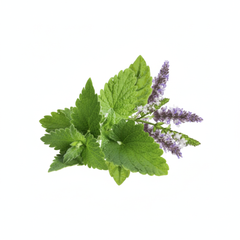
Combine with citrus (bergamot, grapefruit) or green notes to highlight the fresh, dewy aspects. Shared terpenes like linalool and geraniol create a seamless transition, as in Paul Smith Rose.

Wear It Right

How to Wear Turkish Rose Like a Pro

Seasonal Guide

Fall & Winter

In cooler temperatures, Turkish Rose’s jammy, honeyed heart is more pronounced, while volatility is reduced, leading to a closer, more intimate sillage. Apply to pulse points and layer with amber or oud for added warmth and longevity.

Spring

Spring’s moderate temperatures allow the full spectrum of Turkish Rose’s facets to shine, from dewy top notes to plush heart and powdery base. Pair with green or citrus notes for a fresh, uplifting effect.

Summer

Heat increases the volatility of top notes, emphasizing the fresh, citrusy facets but causing the heart to emerge more quickly. Apply sparingly to avoid overwhelming projection, and consider layering with airy musks or light woods.

Year-Round Tip

Adjust application based on climate: use lighter concentrations or oil-based formats in hot weather, and richer EDP or Parfum in cooler months. Layer with complementary notes to tailor the rose’s character to the season.

Application Points

Strategic application enhances Turkish Rose’s evolution and projection, maximizing its multi-faceted character.

1

Neck

Pulse points on the neck provide gentle warmth, accelerating the transition from dewy top to plush heart notes and enhancing sillage.

2

Behind the Ears

This area retains fragrance longer due to lower sebaceous activity, allowing the powdery, musky drydown of Turkish Rose to linger.

3

Inner Wrists

Body heat and movement encourage full olfactory evolution, but frequent washing may reduce longevity—reapply as needed.

4

Hair

Spraying on hair or a brush provides a subtle, diffusive trail, as the rose’s heavier molecules adhere well to hair fibers.

Pro Tip

Layer Turkish Rose with a neutral or lightly scented moisturizer to anchor volatile top notes and extend the plush heart’s presence.

Mood Architecture™

Top Turkish Rose Fragrances by Mood Score

These Turkish Rose-based fragrances scored highest on the MEI™ Mood Architecture Framework — measuring how a scent may influence your emotional state.

Highest MEI Score
Criminal Of Love — By Kilian Criminal Of Love Alternative Perfume
8.38
MEI™
Primary Magnetic
Secondary Confident
Confidence
8.65
Presence
9.5
Mood Lift
8.56
Identity
9.5
Warmth
9.04
Social Ease
7.2
Energy
3.4
" I am bold.
View full mood profile →
Opera — Xerjoff Sospiro Opera Alternative Perfume
8.31
MEI™
Primary Romantic
Secondary Confident
Confidence
7.44
Presence
8.59
Mood Lift
9.02
Identity
8.42
Warmth
9.5
Social Ease
8.42
Energy
3.9
" I am beautiful.
View full mood profile →
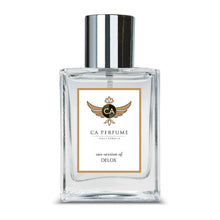
Delox — Tiziana Terenzi Delox Alternative Perfume
8.26
MEI™
Primary Romantic
Secondary Confident
Confidence
7.07
Presence
7.2
Mood Lift
9.45
Identity
7.55
Warmth
9.5
Social Ease
9.06
Energy
4.1
" I am beautiful.
View full mood profile →
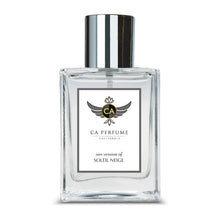
Soleil Neige — Tom Ford Soleil Neige Alternative Perfume
8.25
MEI™
Primary Romantic
Secondary Confident
Confidence
6.98
Presence
6.95
Mood Lift
9.5
Identity
7.4
Warmth
9.5
Social Ease
9.29
Energy
3.9
" I am beautiful.
View full mood profile →
HumanSafe™

Top Turkish Rose Fragrances by HumanSafe™ Score

These Turkish Rose-based fragrances have the highest product-level HumanSafe™ scores in this ingredient collection.

Highest HumanSafe™ Score
Delox — Tiziana Terenzi Delox Alternative Perfume
A
HumanSafe™ Score Very Safe
Safest Evaluated Ingredients EDP
AQUA Solvent / Carrier ISS 10.0
1,4-DIOXACYCLOHEPTADECANE-5,17-DIONE Evaluated ingredient ISS 10.0
N° TURKISH REACH: 01-0000453802-44- Evaluated ingredient ISS 7.0
CITRONELLOL Evaluated ingredient ISS 7.0
BENZENEMETHANOL, 4-METHOXY-, ACETATE Evaluated ingredient ISS 7.0
View full safety profile →
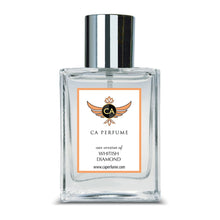
Whitish Diamond — White Diamonds Alternative Perfume
A-
HumanSafe™ Score Generally Safe
Safest Evaluated Ingredients EDP
AQUA Solvent / Carrier ISS 10.0
ACETIC ACID, PHENYLMETHYL ESTER Evaluated ingredient ISS 10.0
BENZYL SALICYLATE EYE IRRITATION - CAT.2B [H320] Evaluated ingredient ISS 9.0
OCTANAL, 2-(PHENYLMETHYLENE)- Evaluated ingredient ISS 8.0
2H-1-BENZOPYRAN-2-ONE Evaluated ingredient ISS 8.0
LINALYL ACETATE Evaluated ingredient ISS 7.0
View full safety profile →
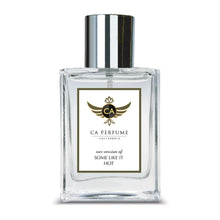
Some Like It Hot — By Kilian Some Like It Hot Alternative Perfume
A-
HumanSafe™ Score Generally Safe
Safest Evaluated Ingredients EDP
AQUA Solvent / Carrier ISS 10.0
1,7-OCTANEDIOL, 3,7-DIMETHYL- Evaluated ingredient ISS 9.0
2H-1-BENZOPYRAN-2-ONE Evaluated ingredient ISS 8.0
1,6,10-DODECATRIEN-3-OL, 3,7,11-TRIMETHYL- EYE IRRITATION - CAT. 2B [H320] Evaluated ingredient ISS 8.0
LINALYL ACETATE Evaluated ingredient ISS 7.0
LINALOOL Evaluated ingredient ISS 7.0
View full safety profile →
Soleil Neige — Tom Ford Soleil Neige Alternative Perfume
A-
HumanSafe™ Score Generally Safe
Safest Evaluated Ingredients EDP
AQUA Solvent / Carrier ISS 10.0
AMBROXID Evaluated ingredient ISS 10.0
1,4-DIOXACYCLOHEPTADECANE-5,17-DIONE Evaluated ingredient ISS 10.0
BENZYL SALICYLATE Evaluated ingredient ISS 9.0
BENZENEPROPANAL, 4-METHOXY-.ALPHA.-METHYL- Evaluated ingredient ISS 9.0
View full safety profile →
Expert Voices

What Masters Say About Turkish Rose

The Turkish rose is the spiciest, with animalic and gourmand confectionery nuances.
Fragrantica Editorial
Turkish Rose’s scent profile is defined by a honeyed, jammy sweetness with subtle spicy and powdery undertones, making it a cornerstone of modern floral perfumery.
CA Perfume Editorial
Common Questions

Frequently Asked Questions

Answers to common questions about Turkish Rose in perfumery.

Turkish Rose in perfume is characterized by a plush, honeyed, and jammy floralcy with subtle spicy and powdery undertones. Its scent is richer and warmer than Bulgarian rose, with high levels of citronellol and geraniol providing a dewy, citrusy opening, while phenylethyl alcohol and β-damascenone create a fruity, jammy heart. The drydown is soft, musky, and slightly woody, making Turkish Rose a versatile and multi-dimensional note in both classic and modern compositions.

Turkish Rose is classified as a heart (middle) note in perfumery. It typically emerges after the initial top notes dissipate, lasting from 20 minutes to several hours. Its molecular composition—dominated by phenylethyl alcohol, citronellol, and geraniol—ensures a rich, lingering presence that bridges the transition from fresh top notes to deeper base accords.

Turkish Rose is favored in niche perfumery for its complex, multi-faceted scent profile and its ability to harmonize with a wide range of notes. Its jammy, honeyed, and slightly spicy character provides both depth and luminosity, allowing perfumers to craft unique, memorable compositions. The ingredient’s artisanal origin and high cost also contribute to its prestige in luxury and niche fragrances.

Turkish Rose fragrance uses often involve pairing with oud, patchouli, vanilla, amber, and sandalwood to enhance its depth and longevity. Citrus and green notes can brighten its dewy facets, while spices like saffron or cardamom add complexity. Jasmine and white florals create a seamless floral bouquet, as seen in many modern niche fragrances.

Turkish Rose can be worn year-round, but its performance in hot weather depends on concentration and pairing. In summer, its fresh, dewy top notes are more pronounced, while the jammy heart emerges quickly due to increased volatility. Lighter concentrations (EDT, oil) and layering with airy musks or citrus notes are recommended for a balanced, refreshing effect.

A Turkish Rose fragrance in EDP or Parfum concentration typically lasts 6–10 hours. The longevity is due to the presence of heavier alcohols and esters, as well as fixatives like patchouli or ambrette seed. Oil-based formats may sit closer to the skin but provide a subtle, long-lasting trail.

Yes, Turkish Rose is highly versatile for layering. It can be combined with vanilla or tonka bean to enhance sweetness, oud or patchouli for depth, or citrus and green notes for brightness. Molecular compatibility—such as shared terpenes or olfactory masking—ensures harmonious blends, as demonstrated in fragrances like Delina and Oud Satin Mood.

For those new to Turkish Rose, Paul Smith Rose offers a fresh, approachable introduction, while Parfums de Marly Delina provides a modern, vibrant interpretation. Tom Ford Rose Prick and Initio Atomic Rose are excellent choices for those seeking a more complex, niche experience.

Explore the CA Perfume collection by considering your preferred style—fresh and dewy, jammy and sweet, or spicy and woody. Review the scent pyramid and note pairings for each fragrance, and sample different concentrations to find the evolution and projection that best suit your preferences.

While Turkish Rose is known for its honeyed, jammy facets, its complexity and balance with green, spicy, or woody notes prevent it from being overwhelmingly sweet. Properly blended, it offers a sophisticated, versatile floralcy suitable for both everyday and special occasions.

Floral Collection

Explore Our Top Turkish Rose Fragrances

Discover Turkish Rose’s versatility in CA Perfume’s curated selection, from luminous florals to rich, jammy blends—each showcasing the ingredient’s unique facets.

Shop all turkish rose fragrances at CA Perfume →

Where Turkish Rose Comes From — Origin & Extraction

Turkish Rose essential oil and absolute are derived from Rosa x damascena Mill., a hybrid rose species cultivated extensively in Turkey’s Isparta and Burdur provinces. Turkey accounts for approximately 60–65% of global rose oil production, processing around 7,000 metric tons of fresh petals annually to yield about 1,600 kg of rose oil and 2,400 kg of rose concrete. The rose bushes, often productive for 20–30 years, are grown in small, family-owned plots interspersed with other crops, with harvests occurring from mid-May to mid-June. Extraction of Turkish Rose oil (rose otto) is performed via hydrodistillation: 400–500 kg of fresh petals and 1,500–2,000 L of water are charged into 3,000-L copper or stainless steel stills. The distillation lasts 1.5 hours at condenser temperatures of 35°C. The yield is extremely low—about 0.02% by weight—requiring 3,500–4,500 kg of petals for 1 kg of oil. Rose concrete is produced by n-hexane extraction, yielding about 1 kg of concrete from 400 kg of petals. Rose absolute, less common in Turkey, is obtained by ethanol extraction of the concrete. Natural Turkish Rose oil commands prices of $3,300–$4,200 per kg (2024), while rose concrete is priced around $475–$500 per kg. Synthetic rose aroma chemicals, such as geraniol (CAS 106-24-1) and phenylethyl alcohol (CAS 60-12-8), cost $20–$100 per kg, offering a cost-effective alternative for volume applications. Sustainability considerations include the long productive lifespan of rose bushes, manual harvesting, and the use of animal manure as fertilizer. The Turkish rose industry is characterized by cooperative distillation facilities, ensuring quality and traceability.

Famous Fragrances That Define Turkish Rose in Perfumery

Turkish Rose has been a cornerstone of both classical and contemporary perfumery, serving as a dominant note, bridge, or accent in a wide range of compositions. In Parfums de Marly Delina (2017, Quentin Bisch), Turkish Rose absolute forms the luminous, tart floral heart, paired with lychee, rhubarb, and vanilla for a modern, vibrant effect. Maison Francis Kurkdjian Oud Satin Mood (2015, Francis Kurkdjian) uses Turkish Rose as a bridge note, harmonizing rich oud and sweet vanilla, with a jammy, spicy floralcy that softens the oud’s intensity. Tom Ford Rose Prick (2020, Antoine Maisondieu) features Turkish Rose as a dominant note, blended with Sichuan pepper, turmeric, and patchouli to create a spicy, edgy floral. Initio Parfums Atomic Rose (2019, Maurice Roucel and Alexandra Carlin) showcases Turkish Rose as the central floral, layered with hedione, vanilla, and amber for a radiant, modern interpretation. Paul Smith Rose (2007, Antoine Maisondieu) employs Turkish Rose oil as a supporting note, enhancing the fresh, dewy character of the composition alongside green tea and violet. Historically, Chanel Coco Mademoiselle (2001, Jacques Polge) and Maison Francis Kurkdjian Oud Satin Mood (2015) have used Turkish Rose to bridge citrus, patchouli, and oriental notes, demonstrating its versatility. CA Perfume’s collection draws inspiration from this lineage, offering both natural and synthetic rose interpretations for a range of olfactory experiences.

Natural vs Synthetic Turkish Rose in Perfumery

Natural Turkish Rose oil is a complex mixture of over 400 compounds, with citronellol, geraniol, and phenylethyl alcohol as dominant constituents. Synthetic rose notes are constructed from these and additional molecules, such as rose oxide (CAS 16409-43-1), β-damascenone (CAS 23726-93-4), and β-ionone (CAS 14901-07-6), to achieve a desired olfactory effect. Synthetic blends allow perfumers to fine-tune the rose character—emphasizing green, fruity, or powdery facets—while ensuring batch-to-batch consistency and reducing allergen load. Performance-wise, synthetic rose accords generally offer greater stability, projection, and longevity, especially in high-temperature or high-humidity environments. Natural Turkish Rose oil, however, provides a depth and nuance that is difficult to replicate, with subtle variations depending on terroir and harvest conditions. Cost is a significant differentiator: natural rose oil is up to 40–100 times more expensive than synthetic alternatives. Notable fragrances using natural Turkish Rose include Parfums de Marly Delina and Maison Francis Kurkdjian Oud Satin Mood, while many mainstream designer fragrances employ synthetic rose accords for scalability. From a sustainability perspective, synthetic molecules reduce pressure on agricultural land and water resources, and can be sourced from upcycled materials (e.g., linalool from wood pulp). CA Perfume’s HumanSafe™ platform ensures full transparency regarding the origin and composition of rose notes in its fragrances, allowing consumers to make informed choices.