Ingredient Guide · Musk, Amber, Animalic Smells
Musk, Amber, Animalic Smells Family · Perfumery Note

Tolu Balsam

A balsamic base note with rich, honeyed warmth

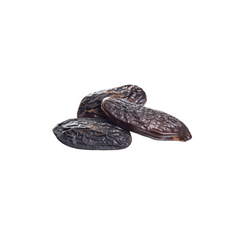
Tolu Balsam is a natural resin from Myroxylon balsamum used as a base note in perfumery, prized for its warm, sweet, and balsamic character. It contains cinnamic acid and vanillin, typically used at 0.5–3% concentration.

Tolu Balsam
Ingredient Profile

Tolu Balsam

Musk, Amber, Animalic Smells Family
Family Musk, Amber, Animalic Smells
Note Position Base Note
Usage Level 0.5–3%
Key Origins Colombia, Venezuela, Peru
Iconic In Tolu, Centaurus
The Ingredient

What does Tolu Balsam smell like and why is it significant in perfumery?

Tolu Balsam, derived from the resin of the Myroxylon balsamum var. balsamum tree native to northern South America, emits a warm, sweet, and balsamic scent profile. Its aroma is characterized by cinnamic acid and benzoic acid (about 15%), benzyl benzoate and benzyl cinnamate esters (about 40%), and trace vanillin, producing a rich, honeyed sweetness with spicy cinnamon and vanilla nuances. This complex molecular composition results in a resinous note that is softer and rounder than Peru balsam and spicier than benzoin. In perfumery, Tolu Balsam functions primarily as a base note, used at concentrations ranging from 0.5% to 3% in fine fragrance formulations. It acts as a natural fixative, enhancing longevity and smoothing transitions between heart and base notes. Its interaction with skin chemistry reveals a warm, vanillic dry-down with a soft, clean finish, making it suitable for oriental, amber, and chypre accords. Notable fragrances featuring Tolu Balsam include Ormonde Jayne's Tolu (2002, perfumer Geza Schoen), where it forms the resinous heart paired with amber and florals, and Creed's Centaurus (1996), which uses Tolu to add warmth and depth to a fresh, citrusy opening. These examples demonstrate Tolu Balsam's versatility and enduring appeal in perfumery.

0.5–3%
Typical concentration range of Tolu Balsam in fine fragrance formulations to achieve optimal scent impact without overpowering.
3 kg/tree/year
Approximate annual yield of crude Tolu Balsam resin per Myroxylon balsamum tree under sustainable tapping practices.
1.5–7%
Yield range of essential oil obtained via steam distillation from crude Tolu Balsam, contributing to its volatile aromatic profile.
Origin & Extraction

Where Tolu Balsam Comes From — Origin & Extraction

Tolu Balsam's scent character is shaped by its South American origins, where tropical climate and soil conditions influence resin composition. Colombia and Venezuela produce the majority of global supply, with traditional tapping methods preserving quality and sustainability.

Tolu Balsam is the hardened exudate of the Myroxylon balsamum var. balsamum tree, a leguminous species native to the tropical forests of northern South America, primarily Colombia and Venezuela. The name originates from Santiago de Tolú, a Colombian port town historically significant as the first export point for the resin in the 16th century. Trees must reach approximately twenty years of age before tapping begins. Harvesters make V-shaped incisions into the bark and attach calabash gourds to collect the slow exudate. Each tree yields about 3 kilograms of crude balsam annually, and tapping can continue for over a century without harming the tree. The crude resin is a yellow-brown viscous semi-solid that hardens into brittle amber-like flakes. Extraction for perfumery involves solvent extraction to produce a resinoid, typically yielding 60–70% of the crude balsam. Steam distillation yields 1.5–7% of a pale yellow essential oil (CAS 8024-03-1) with a sweet, resinous, faintly floral character. Natural Tolu Balsam resinoid costs approximately $3,000–5,000 per kilogram, reflecting its labor-intensive harvest and limited supply. Synthetic substitutes, based on benzyl benzoate and benzyl cinnamate esters, cost significantly less, around $100–300 per kilogram. Sustainability efforts focus on responsible tapping practices to avoid tree damage and maintain long-term yields.

CO

Colombia

The primary source of Tolu Balsam, especially from the Caribbean coastal region near Santiago de Tolú. The tropical climate and sandy soils contribute to a resin with balanced sweetness and spicy cinnamic notes. Colombia accounts for approximately 70% of global production, with sustainable tapping practices ensuring long-term yield.

VE

Venezuela

A significant producer of Tolu Balsam, Venezuelan resin is noted for its slightly fresher and lighter balsamic profile. The resin is harvested from mature Myroxylon balsamum trees in humid tropical forests. Production volume is smaller than Colombia but important for market diversity.

PE

Peru

While primarily known for Peru Balsam, Peru also produces some Tolu Balsam from Myroxylon species. The resin here tends to be darker and heavier, with more pronounced vanilla and smoky notes, contributing to regional aromatic variation.

Chemistry

Natural vs Synthetic Tolu Balsam in Perfumery

Natural Tolu Balsam is a complex resinous material containing cinnamic acid, benzoic acid, benzyl benzoate, benzyl cinnamate, and vanillin, which contribute to its warm, sweet, and balsamic scent profile. The natural resinoid offers excellent tenacity and a smooth transition between heart and base notes, making it a prized fixative in oriental and amber accords. Synthetic reconstructions typically combine benzyl benzoate (CAS 120-51-4), benzyl cinnamate (CAS 103-41-3), vanillin (CAS 121-33-5), and ethyl cinnamate (CAS 103-36-6) to mimic the layered warmth of natural Tolu. These synthetics provide greater stability, longer shelf life, and cost efficiency, with prices ranging from $100 to $300 per kilogram compared to $3,000–5,000 per kilogram for natural resinoid. Famous fragrances such as Ormonde Jayne Tolu and Creed Centaurus use natural Tolu Balsam for its authentic depth, while some modern formulations employ synthetics to achieve similar effects with regulatory and economic advantages. The HumanSafe™ platform verifies ingredient transparency and safety, ensuring responsible sourcing and formulation practices for both natural and synthetic Tolu Balsam.

Natural
Tolu Balsam Absolute
Cost $3,000–6,000/kg
Method Solvent / CO₂
Character Complex, variable
vs
Synthetic
Safranal & Analogues
Cost $50–200/kg
Method Lab synthesis
Character Consistent, stable
Hall of Fame

Famous Fragrances That Define Tolu Balsam in Perfumery

2002
heart note

Tolu

Ormonde Jayne
by Geza Schoen
amberfrankincensejasmineorange blossom
1996
base note

Centaurus

Creed
citrusgreen notesamberflorals
2015
base note

Old Fashioned

By Kilian
spiceswoodshoney
1953
base note

Youth-Dew

Estée Lauder
spicesambervanilla
2015
base note

By the Fireplace

Maison Martin Margiela
woodvanillaresin

Tolu Balsam has been a foundational ingredient in numerous landmark fragrances, valued for its warm, balsamic richness and fixative properties. Ormonde Jayne's Tolu (2002), composed by Geza Schoen, places Tolu Balsam at its heart, blending it with amber, frankincense, and florals like jasmine and orange blossom to create an exotic, elegant oriental scent. Creed's Centaurus (1996) uses Tolu to add a creamy resinous glow beneath fresh citrus and green notes, enhancing depth and longevity. By Kilian's Old Fashioned (2015) incorporates Tolu Balsam as a warm, honeyed base supporting spices and woods, contributing to its sophisticated oriental character. Estée Lauder's Youth-Dew (1953) features Tolu Balsam to enrich its spicy, ambery accord, while Maison Martin Margiela's By the Fireplace (2015) uses it to impart a cozy, resinous warmth reminiscent of burning wood and sweet vanilla. These fragrances demonstrate Tolu Balsam's versatility across decades and styles, from classic orientals to modern niche compositions. CA Perfume's collection honors this tradition by including fragrances that showcase Tolu's unique ability to balance warmth, sweetness, and resinous depth.

The Accord

How is a captivating Tolu Balsam accord crafted?

A typical Tolu Balsam accord balances the resin's warm sweetness with complementary spices, woods, and florals to create a rich, harmonious base. The relative proportions reflect the accord's internal balance rather than absolute formula concentration.

30%

Tolu Balsam

25–30% of blend

Provides the core warm, balsamic, and cinnamic sweetness that anchors the accord with natural fixative properties.

20%

Cinnamon

15–20% of blend

Adds spicy cinnamic notes that molecularly complement Tolu's cinnamic acid fraction, enhancing warmth and complexity.

30%

Amber

25–30% of blend

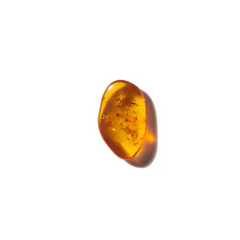
Contributes vanillic and ambery facets that blend seamlessly with Tolu’s vanillin content, softening and rounding the accord.

25%

Frankincense

20–25% of blend

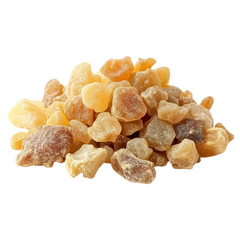
Introduces resinous, slightly woody notes that enhance the accord’s depth and provide a dry, incense-like counterpoint to Tolu’s sweetness.

The Olfactory Layers

How Tolu Balsam Evolves on Skin

Tolu Balsam's olfactory evolution unfolds over hours, beginning with a bright cinnamic and spicy top impression that quickly settles into a warm, honeyed resinous heart. The base phase reveals vanillic and woody nuances, sustained by the resin's fixative properties that slow evaporation.

I
Top notes
0–15 min
Spicy Cinnamic Lift

Initial perception includes a bright cinnamic lift with spicy cinnamon and clove facets, contributed by free cinnamic acid and related esters. These volatile molecules evaporate quickly, imparting a warm, spicy opening.

spicybrightcinnamic
II
Heart notes
20–60 min
Sweet Balsamic Warmth

The heart reveals a rich, sweet balsamic character with vanillin and benzyl benzoate esters creating a creamy, honeyed warmth. The resinous core is balanced by subtle floral undertones from volatile oils, such as hyacinth-like notes.

balsamicsweetcreamy
III
Base notes
Several hours
Vanillic and Woody Dry-Down

The base phase is dominated by vanillic and woody notes, with benzyl cinnamate and benzoic acid providing depth and longevity. The resin’s fixative nature ensures a persistent, soft, and warm dry-down that anchors the fragrance.

vanillicwoodylong-lasting
TOP NOTES Spicy Cinnamic Lift 0–15 minutes HEART NOTES Sweet Balsamic Warmth 20–60 minutes BASE NOTES Vanillic and Woody Dry-Down Several hours
Through the Ages

The Story of Tolu Balsam in Perfumery

Tolu Balsam has a rich history from indigenous use in South America to its integration into European perfumery and modern niche fragrances.

16th Century

First Export from Colombia

Tolu Balsam was first exported from the port town of Santiago de Tolú, Colombia, to Europe, where it gained popularity as a medicinal and aromatic resin.

19th Century

Chemical Isolation of Toluene

French chemist Henri Sainte-Claire Deville isolated toluene by dry-distilling Tolu Balsam, marking a significant advancement in organic chemistry.

1950s

Use in Classic Fragrances

Tolu Balsam featured in iconic perfumes like Estée Lauder's Youth-Dew (1953), contributing to its warm, ambery base.

2002

Launch of Ormonde Jayne Tolu

Geza Schoen created Ormonde Jayne's Tolu, a signature fragrance highlighting Tolu Balsam's resinous heart and amber warmth.

2020s

Renewed Interest in Natural Resins

Artisanal and niche perfumers increasingly embrace Tolu Balsam for its complex scent and natural fixative properties amid sustainability trends.

The Art of Layering

How to Layer Tolu Balsam

Understanding how to layer Tolu Balsam involves molecular compatibility and olfactory synergy, enhancing its warm, resinous character without overpowering.

01

Enhance Sweetness

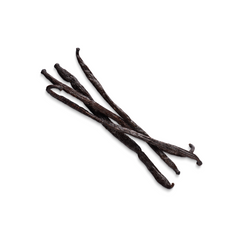
Layering Tolu with vanilla (vanillin) softens its spicy cinnamic edge through olfactory masking, creating a creamy, smooth sweetness. This pairing is evident in fragrances like Ormonde Jayne Tolu, where vanilla rounds the balsamic core.

02

Add Depth

Combining Tolu with patchouli introduces earthy, woody notes that complement benzyl benzoate's resinous facets, deepening the base and enhancing longevity. This technique is used in oriental compositions to create complexity.

03

Lighten the Glow

Pairing Tolu with citrus or green notes (e.g., bergamot, juniper) brightens its dense warmth by adding volatile top notes that contrast with the resin's heaviness, as seen in Creed Centaurus, balancing freshness and depth.

Wear It Right

How to Wear Tolu Balsam Like a Pro

Seasonal Guide

Fall & Winter

Cooler temperatures slow molecular evaporation, allowing Tolu's warm, balsamic sweetness and spicy notes to project richly and linger longer. Apply moderately for cozy, enveloping scent experiences.

Spring

Mild weather enhances Tolu's spicy and floral undertones. Layer with fresh florals or citrus to balance warmth and brightness. Light application prevents heaviness in transitional weather.

Summer

Heat increases volatility, which can make Tolu's sweetness more pronounced but reduce longevity. Use sparingly or blend with cooling notes like mint or green accords to maintain freshness.

Year-Round Tip

Layer Tolu Balsam with vanilla or light woods to soften its intensity and adapt its warmth to different climates and occasions.

Application Points

Strategic application of Tolu Balsam fragrances enhances their warm, resinous qualities and longevity.

1

Neck

Pulse points like the neck provide warmth that activates Tolu's spicy and balsamic molecules, enhancing projection and scent evolution.

2

Behind the Ears

This area offers subtle heat and discreet diffusion, ideal for intimate scent release of Tolu's creamy and sweet facets.

3

Inner Wrists

Wrists allow easy scent activation through movement and warmth, highlighting Tolu's spicy top notes and smooth transition.

4

Hair

Hair fibers retain fragrance oils well, releasing Tolu's warm balsamic aroma gradually, providing a soft, lingering trail.

★

Pro Tip

Apply Tolu Balsam fragrances on moisturized skin to enhance longevity and soften the resinous edges for a smoother scent experience.

Mood Architecture™

Top Tolu Balsam Fragrances by Mood Score

These Tolu Balsam-based fragrances scored highest on the MEI™ Mood Architecture Framework — measuring how a scent may influence your emotional state.

Highest MEI Score
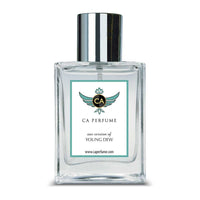
Young Dew — Youth Dew Alternative Perfume
7.5
MEI™
Primary Romantic
Secondary Confident
Confidence
6.87
Presence
7.65
Mood Lift
8.1
Identity
7.45
Warmth
8.45
Social Ease
7.44
Energy
5.56
" I am beautiful.
View full mood profile →
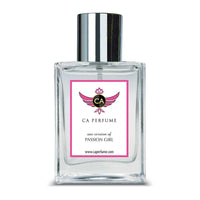
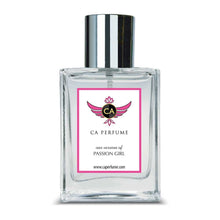
Passion Girl — Poison Girl Alternative Perfume
7.4
MEI™
Primary Romantic
Secondary Grounding
Confidence
6.69
Presence
6.75
Mood Lift
7.7
Identity
7.1
Warmth
9.5
Social Ease
7.34
Energy
4.89
" I am beautiful.
View full mood profile →
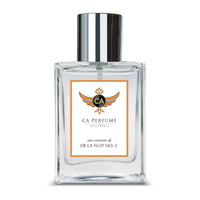
De La Nuit No: 2 — De La Nuit No. 2 Alternative Perfume
7.0
MEI™
Primary Magnetic
Secondary Confident
Confidence
7.08
Presence
8.1
Mood Lift
6.9
Identity
7.65
Warmth
7.92
Social Ease
6.06
Energy
4.19
" I am bold.
View full mood profile →
Winter Place — Winter Palace Alternative Perfume
6.2
MEI™
Primary Fresh
Secondary Energizing
Confidence
5.38
Presence
5.38
Mood Lift
7.95
Identity
4.75
Warmth
6.0
Social Ease
6.27
Energy
4.18
" I am radiant.
View full mood profile →
HumanSafe™

Top Tolu Balsam Fragrances by HumanSafe™ Score

These Tolu Balsam-based fragrances have the highest product-level HumanSafe™ scores in this ingredient collection.

Highest HumanSafe™ Score
Young Dew — Youth Dew Alternative Perfume
A-
HumanSafe™ Score Generally Safe
Safest Evaluated Ingredients EDP
AQUA Solvent / Carrier ISS 10.0
ACETIC ACID, PHENYLMETHYL ESTER Evaluated ingredient ISS 10.0
BENZYL SALICYLATE EYE IRRITATION - CAT.2B [H320] Evaluated ingredient ISS 9.0
2H-1-BENZOPYRAN-2-ONE Evaluated ingredient ISS 8.0
LINALYL ACETATE Evaluated ingredient ISS 7.0
LINALOOL Evaluated ingredient ISS 7.0
View full safety profile →
Winter Place — Winter Palace Alternative Perfume
A-
HumanSafe™ Score Generally Safe
Safest Evaluated Ingredients EDP
AQUA Solvent / Carrier ISS 10.0
1,4-DIOXACYCLOHEPTADECANE-5,17-DIONE Evaluated ingredient ISS 10.0
CITRAL Evaluated ingredient ISS 8.0
2H-1-BENZOPYRAN-2-ONE Evaluated ingredient ISS 8.0
LINALYL ACETATE Evaluated ingredient ISS 7.0
LINALOOL Evaluated ingredient ISS 7.0
View full safety profile →
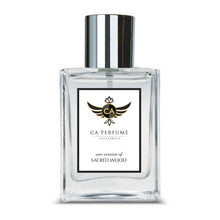
Sacred Wood — By Kilian Sacred Wood Alternative Perfume
A-
HumanSafe™ Score Generally Safe
Safest Evaluated Ingredients EDP
AQUA Solvent / Carrier ISS 10.0
3-CYCLOPENTENE-1-ACETALDEHYDE, 2,2,3-TRIMETHYL-, Evaluated ingredient ISS 9.0
SANTALOL Evaluated ingredient ISS 8.0
3-BUTEN-2-ONE, 3-METHYL-4-(2,6,6-TRIMETHYL-2- Evaluated ingredient ISS 8.0
AMBREIN Evaluated ingredient ISS 7.0
ALCOHOL DENAT. Solvent / Carrier ISS 7.0
View full safety profile →
Passion Girl — Poison Girl Alternative Perfume
A-
HumanSafe™ Score Generally Safe
Safest Evaluated Ingredients EDP
AQUA Solvent / Carrier ISS 10.0
4H-INDEN-4-ONE, 1,2,3,5,6,7-HEXAHYDRO-1,1,2,3,3- Evaluated ingredient ISS 9.0
3-CYCLOPENTENE-1-ACETALDEHYDE, 2,2,3-TRIMETHYL-, Evaluated ingredient ISS 9.0
3-BUTEN-2-ONE, 3-METHYL-4-(2,6,6-TRIMETHYL-2- Evaluated ingredient ISS 8.0
LINALYL ACETATE Evaluated ingredient ISS 7.0
LINALOOL Evaluated ingredient ISS 7.0
View full safety profile →
Expert Voices

What Masters Say About Tolu Balsam

“
Funny how the official descriptions just say it smells balsamic. If someone asks a perfumer what balsamic means, we’d hand them a pot of Tolu. It’s one of those sticky, deep dark resins that you have to smell next to each other to spot the difference, another of those thousand-year-old base notes… In traditional perfumery, you’d use it to blend with the top and mid notes, leaving the mixture to macerate for months to give it weight and depth, and to help keep the lighter molecules from flying away too rapidly.
Sarah McCartney, perfumer at 4160 Tuesdays
“
Tolu Balsam’s aroma feels like a glorious smell. It does more things to your mind and body than just set off your scent sensors. It makes your perfume do more than just smell good. It starts a conversation with the 'still small voice of calm'.
Sarah McCartney, perfumer at 4160 Tuesdays
Common Questions

Frequently Asked Questions

Answers to common questions about Tolu Balsam's scent, use, and characteristics in perfumery.

Tolu Balsam smells warm, sweet, and balsamic with prominent cinnamic and vanillic notes. It features a spicy cinnamon and clove opening that evolves into a creamy, honeyed resinous heart with subtle floral undertones. Its dry-down is soft, vanillic, and woody, making it a versatile base note in oriental and amber fragrances such as Ormonde Jayne Tolu and Creed Centaurus.

Tolu Balsam is primarily used as a base note in perfumery. Its molecular composition, including heavy esters like benzyl benzoate and benzyl cinnamate, contributes to its low volatility and long-lasting presence, anchoring fragrances and smoothing transitions between heart and base notes.

Niche perfumers favor Tolu Balsam for its complex, natural resinous profile that adds depth, warmth, and longevity to compositions. Its ability to blend seamlessly with spices, woods, and florals allows for sophisticated, multi-dimensional fragrances that stand out in a crowded market.

Tolu Balsam fragrance uses often pair it with vanilla, amber, cinnamon, frankincense, and patchouli. These notes complement its cinnamic and vanillic compounds, enhancing warmth, sweetness, and resinous depth, as seen in fragrances like Ormonde Jayne Tolu and By Kilian Old Fashioned.

Tolu Balsam perfumes can be worn in summer but should be applied sparingly due to increased volatility and potential sweetness amplification in heat. Layering with fresh or green notes can balance its warmth, making it suitable for warmer climates with careful formulation.

Tolu Balsam contributes to excellent longevity in fragrances, with lasting power often exceeding 6–8 hours on skin and over 400 hours on smelling strips, due to its resinous and fixative properties.

Yes, layering Tolu Balsam with complementary notes like vanilla, patchouli, or citrus can enhance its warm, balsamic character or lighten its intensity. Understanding molecular compatibility helps achieve harmonious blends without overpowering.

Beginner-friendly Tolu Balsam perfumes include Ormonde Jayne Tolu and Creed Centaurus, which showcase the resin’s warmth balanced with fresh and floral notes, providing approachable yet sophisticated introductions to this ingredient.

Consider your preference for intensity, complementary notes, and seasonality. CA Perfume offers a curated selection of Tolu Balsam fragrances emphasizing natural sourcing and balanced compositions, suitable for diverse tastes and occasions.

Tolu Balsam exhibits both sweet and spicy facets. Its cinnamic acid esters impart a warm, spicy cinnamon and clove aroma, while vanillin and benzyl benzoate contribute creamy, sweet, and honeyed nuances, creating a complex, layered scent.

Musk, Amber, Animalic Smells Collection

Explore Our Top Tolu Balsam Fragrances

Discover a curated selection of fragrances featuring Tolu Balsam’s warm, balsamic richness and sophisticated resinous character.

Shop all tolu balsam fragrances at CA Perfume →

Where Tolu Balsam Comes From — Origin & Extraction

Tolu Balsam is the hardened exudate of the Myroxylon balsamum var. balsamum tree, a leguminous species native to the tropical forests of northern South America, primarily Colombia and Venezuela. The name originates from Santiago de Tolú, a Colombian port town historically significant as the first export point for the resin in the 16th century. Trees must reach approximately twenty years of age before tapping begins. Harvesters make V-shaped incisions into the bark and attach calabash gourds to collect the slow exudate. Each tree yields about 3 kilograms of crude balsam annually, and tapping can continue for over a century without harming the tree. The crude resin is a yellow-brown viscous semi-solid that hardens into brittle amber-like flakes. Extraction for perfumery involves solvent extraction to produce a resinoid, typically yielding 60–70% of the crude balsam. Steam distillation yields 1.5–7% of a pale yellow essential oil (CAS 8024-03-1) with a sweet, resinous, faintly floral character. Natural Tolu Balsam resinoid costs approximately $3,000–5,000 per kilogram, reflecting its labor-intensive harvest and limited supply. Synthetic substitutes, based on benzyl benzoate and benzyl cinnamate esters, cost significantly less, around $100–300 per kilogram. Sustainability efforts focus on responsible tapping practices to avoid tree damage and maintain long-term yields.

Famous Fragrances That Define Tolu Balsam in Perfumery

Tolu Balsam has been a foundational ingredient in numerous landmark fragrances, valued for its warm, balsamic richness and fixative properties. Ormonde Jayne's Tolu (2002), composed by Geza Schoen, places Tolu Balsam at its heart, blending it with amber, frankincense, and florals like jasmine and orange blossom to create an exotic, elegant oriental scent. Creed's Centaurus (1996) uses Tolu to add a creamy resinous glow beneath fresh citrus and green notes, enhancing depth and longevity. By Kilian's Old Fashioned (2015) incorporates Tolu Balsam as a warm, honeyed base supporting spices and woods, contributing to its sophisticated oriental character. Estée Lauder's Youth-Dew (1953) features Tolu Balsam to enrich its spicy, ambery accord, while Maison Martin Margiela's By the Fireplace (2015) uses it to impart a cozy, resinous warmth reminiscent of burning wood and sweet vanilla. These fragrances demonstrate Tolu Balsam's versatility across decades and styles, from classic orientals to modern niche compositions. CA Perfume's collection honors this tradition by including fragrances that showcase Tolu's unique ability to balance warmth, sweetness, and resinous depth.

Natural vs Synthetic Tolu Balsam in Perfumery

Natural Tolu Balsam is a complex resinous material containing cinnamic acid, benzoic acid, benzyl benzoate, benzyl cinnamate, and vanillin, which contribute to its warm, sweet, and balsamic scent profile. The natural resinoid offers excellent tenacity and a smooth transition between heart and base notes, making it a prized fixative in oriental and amber accords. Synthetic reconstructions typically combine benzyl benzoate (CAS 120-51-4), benzyl cinnamate (CAS 103-41-3), vanillin (CAS 121-33-5), and ethyl cinnamate (CAS 103-36-6) to mimic the layered warmth of natural Tolu. These synthetics provide greater stability, longer shelf life, and cost efficiency, with prices ranging from $100 to $300 per kilogram compared to $3,000–5,000 per kilogram for natural resinoid. Famous fragrances such as Ormonde Jayne Tolu and Creed Centaurus use natural Tolu Balsam for its authentic depth, while some modern formulations employ synthetics to achieve similar effects with regulatory and economic advantages. The HumanSafe™ platform verifies ingredient transparency and safety, ensuring responsible sourcing and formulation practices for both natural and synthetic Tolu Balsam.