
Smells like heaven. Fast shipping. I will purchase from this company again.
Best customer service, the scent is great but only lasted 2 hrs on me.
Everything is as advertised and the packaging and presentation was awesome
A nuanced heart note blending hay, leather, and dry florals.
Tobacco blossom is a heart note in perfumery, prized for its dry, hay-like, subtly leathery floral aroma. Its defining quality is the absence of smoky or ashy facets, instead offering a clean, crisp floral with green and earthy undertones.

Tobacco blossom (Nicotiana alata) is distinct from the more familiar cured tobacco leaf note. In perfumery, tobacco blossom is valued for its nuanced, dry floral scent profile, which is characterized by a blend of hay, subtle leather, and green facets. Unlike the smoky, sweet, or resinous qualities of tobacco leaf absolute, the blossom’s aroma is lighter and more inviting, with a crispness that comes from volatile compounds such as benzyl alcohol and methyl salicylate. The scent is often described as a combination of dry hay, faint leather, and a powdery, slightly spicy floralcy. Notably, it lacks the ashy or pipe tobacco character, instead offering a clean, earthy freshness. In perfumery, tobacco blossom is typically used as a heart note, where its moderate volatility allows it to bridge top citrus or herbal notes with deeper woody or resinous bases. Its concentration in fine fragrance formulas generally ranges from 0.2% to 1% of the total composition, depending on whether a natural extract or a synthetic accord is used. On skin, tobacco blossom’s green and hay-like molecules interact with individual skin chemistry, sometimes amplifying the floral aspect on warmer, more acidic skin, or emphasizing the leather nuance on drier, more alkaline skin. Tobacco blossom in perfumery is exemplified in Tom Ford’s Tobacco Vanille (2007), where it adds a dry, floral lift to the otherwise dense vanilla-tobacco accord. Versace’s The Dreamer (1996) uses tobacco blossom as a bridge between aromatic herbs and powdery tonka, demonstrating its versatility. These fragrances highlight how the note can add complexity and a subtle, non-smoky depth to both masculine and unisex compositions.
Tobacco blossom’s scent profile is shaped by climate and soil. Warm, humid regions yield blossoms with pronounced floralcy and green notes, while drier soils produce more hay-like, leathery facets.
Tobacco blossom is derived from the flowers of Nicotiana alata, a species native to South America and widely cultivated for ornamental and perfumery use. While the tobacco plant is primarily grown for its leaves (Nicotiana tabacum), the blossoms are harvested in smaller quantities, mainly in Brazil, the United States (notably Kentucky and Virginia), and parts of southern Europe. Global production volumes for tobacco blossom are not tracked separately from tobacco leaf, but the flower is a niche crop, with most commercial extraction occurring at a micro-scale for perfumery. Extraction of tobacco blossom’s scent is technically challenging due to the delicate nature of the floral volatiles. Solvent extraction (using hexane or ethanol) is the primary method, as steam distillation tends to degrade key aroma compounds such as benzyl alcohol and methyl salicylate. The yield from fresh blossoms is extremely low—often less than 0.05% by weight—making natural tobacco blossom absolute rare and expensive (typically $3,000–$6,000/kg). As a result, most perfumery houses rely on synthetic accords to replicate the note, blending molecules such as methyl salicylate (CAS 119-36-8), benzyl alcohol (CAS 100-51-6), and coumarin (CAS 91-64-5) to mimic the dry, hay-like and floral-leather facets. Sustainability concerns are minimal due to the limited scale of tobacco blossom extraction, but the broader tobacco agriculture industry faces scrutiny for pesticide use and land impact. Synthetic production offers a more consistent and environmentally controlled supply, with nature-identical molecules produced at a fraction of the cost (often $50–$200/kg for key aroma chemicals).
Southern Brazil (Rio Grande do Sul) produces Nicotiana alata with robust, sweet floralcy due to high humidity and fertile soils. Production is small-scale, focused on ornamental and perfumery crops, with no official PDO/PGI designations.
Kentucky and Virginia fields yield tobacco blossoms with a drier, more hay-like aroma, influenced by well-drained soils and moderate rainfall. US-grown flowers are primarily used for research and niche perfumery.
Tuscany’s sandy soils and Mediterranean climate produce blossoms with a pronounced green, earthy nuance. Production is limited, often for local artisan perfumers.
Grasse cultivators occasionally grow Nicotiana alata for experimental extraction, yielding blossoms with a soft, powdery floralcy. Output is minimal and not tracked in national statistics.
Natural tobacco blossom absolute is rarely used in modern perfumery due to its low extraction yield and high cost. Most fragrances employ synthetic accords to replicate the note’s signature dry, hay-like, and floral-leather aroma. Key synthetic molecules include methyl salicylate (CAS 119-36-8), benzyl alcohol (CAS 100-51-6), and coumarin (CAS 91-64-5). These compounds provide the crisp, slightly spicy floralcy and subtle green undertones characteristic of tobacco blossom. Performance-wise, synthetic tobacco blossom accords offer greater batch-to-batch consistency, improved stability, and enhanced longevity compared to natural extracts, which can vary based on harvest conditions and extraction parameters. Famous fragrances such as Tom Ford Tobacco Vanille and Versace The Dreamer rely on synthetic interpretations of the note, ensuring reliable supply and olfactory uniformity. The cost differential is significant: natural absolute can exceed $5,000/kg, while synthetic blends are typically under $200/kg. From a sustainability perspective, synthetic production reduces agricultural land use and avoids the environmental impact of large-scale tobacco farming. The HumanSafe™ platform at CA Perfume ensures full transparency on ingredient sourcing, with all tobacco blossom accords verified for safety and environmental responsibility. Additional aroma chemicals sometimes used in tobacco blossom accords include hexyl cinnamic aldehyde (CAS 101-86-0) for green facets and isoeugenol (CAS 97-54-1) for subtle spice.
Tobacco blossom has been featured in several landmark fragrances, often as a heart note that bridges aromatic, floral, and woody accords. Tom Ford’s Tobacco Vanille (2007, perfumer Olivier Gillotin) is perhaps the most iconic, using a tobacco blossom accord to lift the dense vanilla-tobacco base with a dry, floral nuance. Versace The Dreamer (1996, Jean-Pierre Bethouart) employs tobacco blossom as a bridge between lavender, sage, and tonka, resulting in a powdery, aromatic signature. Xerjoff Uden Overdose (2018, Chris Maurice) integrates tobacco blossom with citrus and sandalwood, highlighting its versatility in fresh-woody contexts. Casamorati 1888 Bouquet Ideale (2010, Jacques Flori) uses tobacco blossom to add a hay-like, floral complexity to a cinnamon-vanilla-cedar base. Clean Radiant Nectar (2020, Mathieu Nardin) demonstrates the note’s modern, gender-neutral appeal, pairing it with ambrette and pear for a fresh, airy effect. Other notable uses include Bvlgari BLV Pour Homme (2001, Alberto Morillas), where tobacco blossom is paired with ginger and sandalwood for a spicy-woody profile, and Atelier Cologne Oolang Infini (2011, Jérôme Epinette), which combines tobacco blossom with oolong tea and bergamot. CA Perfume’s collection draws inspiration from these benchmarks, offering tobacco blossom-centered fragrances that honor this lineage.
A balanced tobacco blossom accord typically blends 25–30% tobacco blossom (natural or synthetic), 20–25% hay absolute for dry, grassy undertones, 20–25% iris for powdery floralcy, and 25–30% sandalwood for creamy, woody depth. Hay absolute provides coumarin and green notes that echo the natural flower, while iris introduces powdery, rooty facets. Sandalwood acts as a fixative, smoothing the blend and enhancing longevity.
Provides the dry, hay-like, and subtly leathery floral core, primarily via methyl salicylate and benzyl alcohol.
Adds coumarin-driven grassy, sweet, and green nuances, amplifying the natural dryness of tobacco blossom.
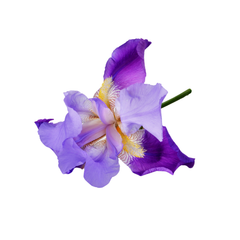
Contributes powdery, rooty, and slightly woody facets, enhancing the floral dimension and softening sharpness.
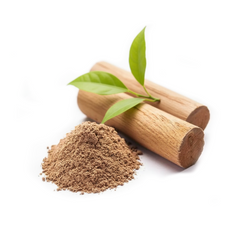
Acts as a creamy, woody fixative, extending longevity and smoothing the blend’s transitions.
Tobacco blossom fragrances evolve from crisp, green top notes to a hay-leather floral heart, settling into a soft, musky base. Volatile green molecules dissipate quickly, while heavier floral and woody components linger.
Initial impression is fresh, green, and slightly spicy, dominated by volatile molecules like methyl salicylate and green aldehydes. The opening is crisp and airy, quickly transitioning as these high-volatility compounds evaporate.
The core reveals dry, hay-like floralcy with subtle leather and powdery facets. Benzyl alcohol and coumarin derivatives provide the main character, supported by iris and hay absolute for depth and complexity.
As the fragrance dries down, sandalwood and musk emerge, softening the floral-leather accord. Fixatives like sandalwood lactones and muscone extend longevity, leaving a gentle, earthy-musky trail.
Tobacco blossom’s journey in perfumery spans indigenous ritual use, 19th-century European experimentation, and modern niche fragrance artistry.
Native peoples in South America cultivate Nicotiana species for ceremonial and medicinal purposes, using both leaves and blossoms for their aromatic properties.
Christopher Columbus brings tobacco plants to Europe, sparking botanical interest. Early European gardens experiment with both leaves and blossoms for scent.
Tobacco blossom appears in Victorian-era floral waters and colognes, prized for its clean, hay-like aroma distinct from cured tobacco.
Versace The Dreamer (Jean-Pierre Bethouart) introduces tobacco blossom as a heart note in a mainstream fragrance, blending it with lavender and tonka.
Tom Ford Tobacco Vanille (Olivier Gillotin) elevates tobacco blossom as a key component in a dense, vanilla-tobacco composition, influencing a generation of niche perfumery.
Tobacco blossom is featured in Xerjoff Uden Overdose, Clean Radiant Nectar, and other contemporary releases, demonstrating its versatility beyond traditional masculine scents.
Understanding how to layer tobacco blossom involves molecular compatibility: green, floral, and woody notes interact to create harmonious blends. Knowing how to layer tobacco blossom allows you to tailor its evolution and projection.
Layer with iris or violet fragrances. Both share ionone and methyl salicylate derivatives, amplifying the powdery, floral dimension. Versace The Dreamer demonstrates this synergy, with tobacco blossom and iris creating a seamless, soft heart.
Pair with sandalwood or cedar-based scents. The creamy, lactonic molecules in sandalwood (such as santalol) mask sharpness and extend the hay-leather accord. Xerjoff Uden Overdose uses this technique for a smooth, woody finish.
Combine with bergamot or lemon. Citrus aldehydes boost the green top notes and provide a fresh opening, balancing the floral-leather heart. Clean Radiant Nectar pairs tobacco blossom with pear and ambrette for a luminous, modern effect.
In cooler months, tobacco blossom’s hay and leather facets are more subdued, allowing the powdery floralcy to shine. Lower temperatures slow molecular diffusion, resulting in closer-to-skin wear. Apply to pulse points and layer with woody or amber notes for added warmth.
Spring’s moderate temperatures highlight the green and floral aspects, creating a fresh, uplifting effect. Increased humidity enhances projection, making the scent more noticeable. Pair with citrus or herbal notes for a bright, clean impression.
Heat increases volatility, causing the green top notes to dissipate quickly and bringing the floral heart to the forefront. Apply sparingly to avoid overwhelming projection, and consider layering with light, aquatic notes for balance.
Adjust application based on climate: more in dry, cold weather; less in hot, humid conditions. Layer with complementary notes to tailor the scent’s character to the season.
Strategic application enhances tobacco blossom’s nuanced evolution and projection.
The neck’s warmth accelerates the release of green and floral molecules, creating an immediate, crisp impression.
This area maintains a stable temperature, allowing the hay-leather heart to develop gradually and linger longer.
Pulse points on the wrists intensify the floralcy and facilitate nuanced transitions from green to powdery notes.
Hair fibers trap and slowly release the scent, preserving the heart and base notes for extended wear.
Apply to fabric (scarf or collar) to prolong the powdery floral drydown and minimize skin chemistry variation.
These Tobacco Blossom-based fragrances scored highest on the MEI™ Mood Architecture Framework — measuring how a scent may influence your emotional state.
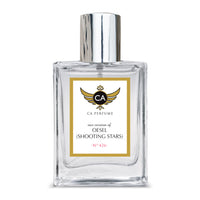
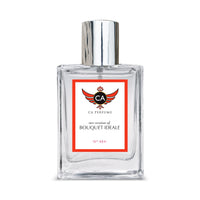
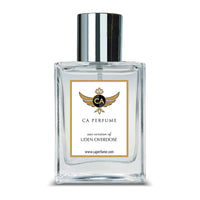
These Tobacco Blossom-based fragrances have the highest product-level HumanSafe™ scores in this ingredient collection.
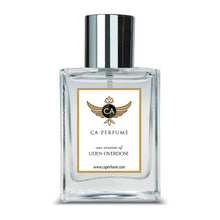
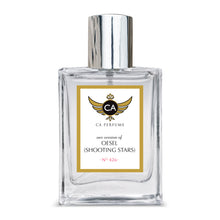
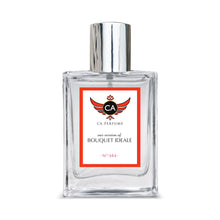
Tobacco blossom brings a unique and delicate floral note to perfumes, distinct from the rich, smoky scent of cured tobacco leaves. Its aroma is soft, sweet, and lightly spicy, with subtle green and earthy undertones.
Tobacco blossom’s dry, hay-like, and powdery floralcy makes it a versatile heart note, bridging green top notes and woody bases with understated elegance.
Tobacco blossom pairs well with a range of floral, woody, and gourmand ingredients, enhancing its complexity and versatility.
Answers to common questions about tobacco blossom’s scent, use, and performance in perfumery.
Tobacco blossom in perfume smells dry, hay-like, and subtly floral, with powdery and faintly leathery undertones. Unlike cured tobacco leaf, it lacks smoky or ashy facets, instead offering a clean, green, and slightly spicy floralcy. This makes it ideal for adding nuanced complexity to both masculine and unisex fragrances, as seen in Tom Ford Tobacco Vanille and Versace The Dreamer.
Tobacco blossom is typically used as a heart note in perfumery. Its moderate volatility allows it to bridge fresh top notes (like citrus or green herbs) with deeper base notes (such as sandalwood or amber). In most compositions, it appears 20–60 minutes after application, providing a dry, floral-leather transition.
Tobacco blossom is favored in niche perfumery for its unique ability to add dry, hay-like, and powdery floral complexity without the heaviness or smokiness of tobacco leaf. Its subtle, non-sweet character allows perfumers to craft innovative, gender-neutral compositions that stand out from mainstream offerings.
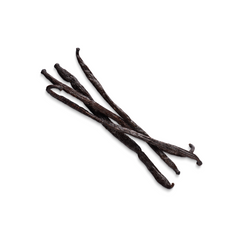
Tobacco blossom fragrance uses include pairing with vanilla, iris, sandalwood, and hay absolute for a balanced, nuanced accord. These ingredients share molecular affinities—such as coumarin and ionones—that enhance the floral, powdery, and woody facets of tobacco blossom, resulting in harmonious blends.
Yes, tobacco blossom’s dry, green, and powdery floralcy makes it suitable for summer, especially in lighter concentrations like Eau de Toilette. Heat accelerates the evaporation of green top notes, bringing the floral heart to the forefront. Apply sparingly in hot weather to avoid overwhelming projection.
A tobacco blossom-centered fragrance in Eau de Parfum format typically lasts 5–8 hours on skin. Longevity depends on concentration, supporting notes, and individual skin chemistry. Oil-based or extrait formats can extend wear time, while lighter EDTs may fade more quickly.
Yes, tobacco blossom is highly versatile for layering. It blends well with iris, sandalwood, vanilla, and citrus notes. Layering works best when molecular affinities are considered—shared compounds like ionones and coumarin create seamless transitions and enhance the overall scent evolution.
Tom Ford Tobacco Vanille, Versace The Dreamer, and Clean Radiant Nectar are excellent entry points for those new to tobacco blossom. These fragrances showcase the note’s dry, floral-leather character in accessible, balanced compositions suitable for a range of preferences.
Consider your preferred scent profile—whether you favor powdery florals, woody bases, or green freshness. CA Perfume offers a curated selection of tobacco blossom fragrances, each with detailed scent descriptions and layering recommendations to help you find your ideal match.
Tobacco blossom smells clean, dry, and floral in fragrance, never smoky or ashy. Its scent is defined by hay-like, powdery, and subtly leathery facets, making it distinct from the rich, smoky aroma of cured tobacco leaf.
Discover CA Perfume’s curated selection of tobacco blossom-centered scents, each highlighting the note’s dry, powdery floral complexity and versatile layering potential.
Shop all tobacco blossom fragrances at CA Perfume →Tobacco blossom is derived from the flowers of Nicotiana alata, a species native to South America and widely cultivated for ornamental and perfumery use. While the tobacco plant is primarily grown for its leaves (Nicotiana tabacum), the blossoms are harvested in smaller quantities, mainly in Brazil, the United States (notably Kentucky and Virginia), and parts of southern Europe. Global production volumes for tobacco blossom are not tracked separately from tobacco leaf, but the flower is a niche crop, with most commercial extraction occurring at a micro-scale for perfumery. Extraction of tobacco blossom’s scent is technically challenging due to the delicate nature of the floral volatiles. Solvent extraction (using hexane or ethanol) is the primary method, as steam distillation tends to degrade key aroma compounds such as benzyl alcohol and methyl salicylate. The yield from fresh blossoms is extremely low—often less than 0.05% by weight—making natural tobacco blossom absolute rare and expensive (typically $3,000–$6,000/kg). As a result, most perfumery houses rely on synthetic accords to replicate the note, blending molecules such as methyl salicylate (CAS 119-36-8), benzyl alcohol (CAS 100-51-6), and coumarin (CAS 91-64-5) to mimic the dry, hay-like and floral-leather facets. Sustainability concerns are minimal due to the limited scale of tobacco blossom extraction, but the broader tobacco agriculture industry faces scrutiny for pesticide use and land impact. Synthetic production offers a more consistent and environmentally controlled supply, with nature-identical molecules produced at a fraction of the cost (often $50–$200/kg for key aroma chemicals).
Tobacco blossom has been featured in several landmark fragrances, often as a heart note that bridges aromatic, floral, and woody accords. Tom Ford’s Tobacco Vanille (2007, perfumer Olivier Gillotin) is perhaps the most iconic, using a tobacco blossom accord to lift the dense vanilla-tobacco base with a dry, floral nuance. Versace The Dreamer (1996, Jean-Pierre Bethouart) employs tobacco blossom as a bridge between lavender, sage, and tonka, resulting in a powdery, aromatic signature. Xerjoff Uden Overdose (2018, Chris Maurice) integrates tobacco blossom with citrus and sandalwood, highlighting its versatility in fresh-woody contexts. Casamorati 1888 Bouquet Ideale (2010, Jacques Flori) uses tobacco blossom to add a hay-like, floral complexity to a cinnamon-vanilla-cedar base. Clean Radiant Nectar (2020, Mathieu Nardin) demonstrates the note’s modern, gender-neutral appeal, pairing it with ambrette and pear for a fresh, airy effect. Other notable uses include Bvlgari BLV Pour Homme (2001, Alberto Morillas), where tobacco blossom is paired with ginger and sandalwood for a spicy-woody profile, and Atelier Cologne Oolang Infini (2011, Jérôme Epinette), which combines tobacco blossom with oolong tea and bergamot. CA Perfume’s collection draws inspiration from these benchmarks, offering tobacco blossom-centered fragrances that honor this lineage.
Natural tobacco blossom absolute is rarely used in modern perfumery due to its low extraction yield and high cost. Most fragrances employ synthetic accords to replicate the note’s signature dry, hay-like, and floral-leather aroma. Key synthetic molecules include methyl salicylate (CAS 119-36-8), benzyl alcohol (CAS 100-51-6), and coumarin (CAS 91-64-5). These compounds provide the crisp, slightly spicy floralcy and subtle green undertones characteristic of tobacco blossom. Performance-wise, synthetic tobacco blossom accords offer greater batch-to-batch consistency, improved stability, and enhanced longevity compared to natural extracts, which can vary based on harvest conditions and extraction parameters. Famous fragrances such as Tom Ford Tobacco Vanille and Versace The Dreamer rely on synthetic interpretations of the note, ensuring reliable supply and olfactory uniformity. The cost differential is significant: natural absolute can exceed $5,000/kg, while synthetic blends are typically under $200/kg. From a sustainability perspective, synthetic production reduces agricultural land use and avoids the environmental impact of large-scale tobacco farming. The HumanSafe™ platform at CA Perfume ensures full transparency on ingredient sourcing, with all tobacco blossom accords verified for safety and environmental responsibility. Additional aroma chemicals sometimes used in tobacco blossom accords include hexyl cinnamic aldehyde (CAS 101-86-0) for green facets and isoeugenol (CAS 97-54-1) for subtle spice.