Ingredient Guide · Floral
Floral Family · Perfumery Note

Tincture of Rose

A versatile floral note with fresh and green nuances

Tincture of Rose is a floral note used in various perfume families, from floral to citrus accords. It is characterized by a fresh, subtly green rose scent with complex aromatic molecules. Typically used at low concentrations to add depth and realism.

Tincture of Rose
Ingredient Profile

Tincture of Rose

Floral Family
Family Floral
Note Position Heart Note
Usage Level 0.1–1%
Key Origins Turkey, Bulgaria, France
Iconic In L'Air du Temps, Idylle
The Ingredient

What does Tincture of Rose smell like and why is it significant in perfumery?

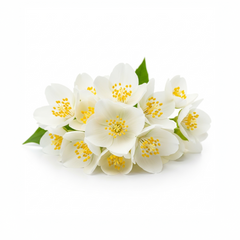
Tincture of Rose is a complex aromatic extract derived from rose petals, capturing a fresh, floral scent with subtle green and herbal undertones. Its scent profile is shaped by key molecules such as phenylethyl alcohol, citronellol, geraniol, and nerol, which contribute to its natural rose aroma with a slight verdant freshness. This note is often described as a realistic, freshly plucked rose scent, sometimes with nuances reminiscent of jasmine or gardenia due to overlapping aromatic compounds. In perfumery, tincture of rose functions primarily as a heart note but can also appear in top or base layers depending on the composition. It is typically used at concentrations ranging from 0.1% to 1% to provide a naturalistic floral character without overpowering other notes. The tincture interacts with skin chemistry by blending with the wearer's natural oils, often enhancing the perception of freshness and softness. It is valued for adding a nuanced, less sweet and more green facet to rose accords. Notable perfumes featuring tincture of rose include Guerlain's Idylle (2009) by Jean-Paul Guerlain, where it bridges fresh florals and musky woods, and Nina Ricci's L'Air du Temps (1948) by André Fraysse, which uses it to evoke a soft, romantic rose bouquet. These examples demonstrate tincture of rose's versatility in both classic and modern perfumery.

0.1–1%
Typical concentration range of tincture of rose in perfume formulations to achieve balanced floral character without overpowering.
4,000 kg
Approximate amount of rose petals required to produce 1 kg of rose essential oil via steam distillation, highlighting the labor intensity.
1–3 months
Common maceration duration for tincture of rose extraction, allowing full aromatic compound dissolution and scent profile development.
Origin & Extraction

Where Tincture of Rose Comes From — Origin & Extraction

Tincture of Rose originates from rose species cultivated in specific geographic regions where soil composition, climate, and harvesting methods influence scent quality. These factors contribute to the unique aromatic profiles of tinctures from different countries.

Tincture of Rose is derived from the petals of specific rose species, primarily Rosa damascena (Damask rose) and Rosa centifolia (Cabbage or May rose). These species are prized for their rich aromatic profiles and are cultivated mainly in Turkey, Bulgaria, and the Grasse region of France. Turkey and Bulgaria together account for approximately 70-80% of the global rose oil production, with Grasse contributing a smaller but highly esteemed share. Extraction of tincture of rose involves soaking fresh rose petals in ethanol or perfumer's alcohol for extended periods, typically weeks to months, allowing the alcohol to dissolve the aromatic compounds gently. This maceration process captures a fuller, softer, and more atmospheric scent profile than steam distillation or solvent extraction, preserving delicate green and floral nuances. The tincture is then filtered and aged to enhance clarity and scent depth. Compared to steam-distilled rose essential oil, tinctures retain more of the fresh, green facets and less of the heavier, sometimes metallic notes. Steam distillation requires about 4,000 kg of rose petals to produce 1 kg of rose oil, making it labor-intensive and costly. Solvent extraction yields rose concrete and absolute, which differ chemically and olfactorily from tinctures. Synthetic aroma chemicals such as phenylethyl alcohol (CAS 60-12-8), citronellol (CAS 106-22-9), and geraniol (CAS 106-24-1) are often used to replicate or enhance rose tincture notes at a lower cost. Natural tinctures cost significantly more, often several thousand dollars per kilogram, reflecting the labor and raw material intensity. Sustainability concerns focus on the environmental impact of large-scale rose farming and solvent use, with organic and biodynamic cultivation practices gaining traction.

TR

Turkey

The Isparta region in Turkey is renowned for Rosa damascena cultivation. The area's calcareous soil and Mediterranean climate produce roses with a rich, spicy floral scent. Turkey accounts for approximately 50% of global rose oil production. Harvesting is done by hand early morning to preserve aromatic compounds.

BG

Bulgaria

The Rose Valley near Kazanlak is famous for Rosa damascena and Rosa centifolia. The region's fertile soil and temperate climate yield roses with a balanced floral and green aroma. Bulgaria contributes about 30% of the world's rose oil. Traditional harvesting and solvent extraction methods are common.

FR

France

Grasse in southern France cultivates Rosa centifolia, known as Rose de Mai. The region's limestone soil and mild climate produce roses with a honeyed, fruity scent. Grasse is a historic center of perfumery, with small-scale, high-quality rose tincture production emphasizing artisanal methods.

Chemistry

Natural vs Synthetic Tincture of Rose in Perfumery

Natural tincture of rose is produced by macerating rose petals in alcohol, capturing a complex bouquet of aromatic molecules including phenylethyl alcohol, citronellol, geraniol, and nerol. This natural extract offers a nuanced, green-floral scent with subtle variations depending on the rose species and growing conditions. However, natural tinctures are costly, batch-variable, and have limited supply due to labor-intensive harvesting and extraction. Synthetic rose aroma chemicals, such as phenylethyl alcohol (CAS 60-12-8), citronellol (CAS 106-22-9), and beta-damascenone (CAS 23726-93-4), provide perfumers with consistent, scalable, and cost-effective alternatives. These synthetics allow precise control over scent profiles, enhancing longevity and projection. Synthetic molecules are often produced via sustainable, upcycled processes, reducing environmental impact compared to natural rose farming. Famous fragrances like Chanel No. 5 (1921) utilize synthetic rose compounds for stability and signature scent, while niche brands like Dilli House emphasize natural tinctures for authenticity and skin-friendly formulations. CA Perfume's approach balances natural and synthetic ingredients, leveraging the HumanSafe™ platform for transparency and safety, ensuring high-quality, ethically sourced materials. The choice between natural and synthetic depends on desired scent complexity, sustainability goals, and formulation needs.

Natural
Tincture of Rose Absolute
Cost $3,000–6,000/kg
Method Solvent / CO₂
Character Complex, variable
vs
Synthetic
Safranal & Analogues
Cost $50–200/kg
Method Lab synthesis
Character Consistent, stable
Hall of Fame

Famous Fragrances That Define Tincture of Rose in Perfumery

1948
heart note

L'Air du Temps

Nina Ricci
by André Fraysse
carnationjasmine
2009
bridge note

Idylle

Guerlain
by Jean-Paul Guerlain
fresh floralsmusky woods
2019
heart note

L'Eau de Tarocco

Diptyque
citruswhite florals
2014
heart note

Rose Oud

By Kilian
oudamber
2012
heart note

Replica Flower Market

Maison Martin Margiela
by Dominique Ropion
fresh flowersgreen notes

Tincture of Rose has been a defining note in numerous landmark fragrances, showcasing its versatility and depth. In 1948, Nina Ricci's L'Air du Temps, crafted by perfumer André Fraysse, used rose tincture to evoke a soft, romantic floral bouquet, blending it with carnation and jasmine to create a timeless classic. Jean-Paul Guerlain's Idylle (2009) features tincture of rose as a bridge note between fresh florals and musky woods, highlighting its ability to add naturalistic freshness. Diptyque's L'Eau de Tarocco (2019) employs tincture of rose to complement citrus and white florals, demonstrating its role in modern, fresh compositions. By Kilian's Rose Oud (2014) uses tincture of rose as a heart note layered with oud and amber, creating a rich, oriental floral accord. Maison Martin Margiela's Replica Flower Market (2012) incorporates tincture of rose to capture the scent of freshly cut flowers, emphasizing its realistic floral character. These fragrances illustrate tincture of rose's adaptability across styles and decades. CA Perfume's collection honors this lineage by offering nuanced rose accords that reflect both traditional and contemporary uses.

The Accord

How is a captivating Tincture of Rose accord crafted?

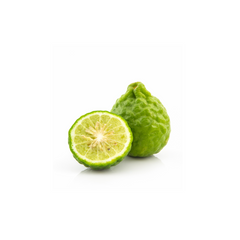
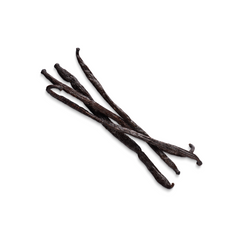
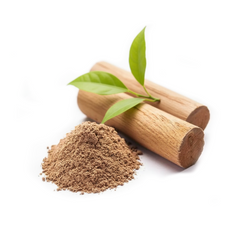
A tincture of rose accord is typically composed of 25-30% tincture of rose, providing the core floral character. 20-25% bergamot or other citrus notes add brightness and lift, balancing the floral with fresh acidity. 20-25% sandalwood or cedarwood contributes creamy, woody warmth that anchors the accord. 20-25% vanilla or benzoin introduces a soft, sweet resinous facet that smooths the composition and enhances longevity. Each ingredient is selected for molecular compatibility: bergamot’s citral complements rose’s phenylethyl alcohol, while sandalwood’s alpha-santalol interacts with vanillin in vanilla to create a harmonious base.

30%

Tincture of Rose

25–30% of blend

Provides the core floral character with fresh, green, and natural rose nuances due to phenylethyl alcohol and citronellol content.

25%

Bergamot

20–25% of blend

Adds bright citrus top notes rich in citral and linalyl acetate, enhancing freshness and balancing floral sweetness.

25%

Sandalwood

20–25% of blend

Contributes creamy, woody warmth via alpha- and beta-santalol compounds, providing depth and longevity.

25%

Vanilla

20–25% of blend

Introduces sweet, resinous vanillin that softens the floral and woody notes, enhancing smoothness and persistence.

The Olfactory Layers

How Tincture of Rose Evolves on Skin

Tincture of Rose evolves through the fragrance pyramid with initial fresh green and citrusy top notes lasting 0–15 minutes, transitioning to a floral heart dominated by phenylethyl alcohol and geraniol compounds over 20–60 minutes, and finally settling into a warm, woody base with vanillin and sandalwood derivatives lasting several hours.

I
Top notes
0–15 min
Fresh and Green

The top notes present a fresh, slightly green and citrusy impression due to volatile aldehydes and esters in the tincture, such as citronellol and linalool. These high-volatility molecules evaporate quickly, providing an immediate bright and airy sensation.

FreshGreenCitrusy
II
Heart notes
20–60 min
Floral and Natural

The heart reveals the core floral character dominated by phenylethyl alcohol and geraniol, which impart a natural rose aroma with subtle herbal and fruity facets. These molecules have moderate volatility, sustaining the floral presence during this phase.

FloralNaturalHerbal
III
Base notes
Several hours
Warm and Woody

The base notes consist of woody and sweet resinous molecules such as vanillin from vanilla and alpha-santalol from sandalwood, which have low volatility and provide lasting warmth and depth to the fragrance.

WoodyWarmResinous
TOP NOTES Fresh and Green 0–15 minutes HEART NOTES Floral and Natural 20–60 minutes BASE NOTES Warm and Woody Several hours
Through the Ages

The Story of Tincture of Rose in Perfumery

The history of tincture of rose in perfumery spans centuries, from early enfleurage and distillation techniques to modern maceration methods, with key developments marking its evolution as a valued floral ingredient.

Antiquity

Early Use of Roses in Fragrance

Ancient civilizations such as the Persians and Romans prized rose petals for their scent, using enfleurage and maceration techniques to extract aromatic compounds for perfumes and cosmetics.

Middle Ages

Development of Distillation

Arabian alchemists refined steam distillation methods, enabling more efficient extraction of rose essential oils, laying groundwork for modern perfumery.

18th Century

Rise of Rose Absolutes

Solvent extraction techniques emerged, producing rose concretes and absolutes with richer scent profiles, expanding rose's use in perfumery.

20th Century

Introduction of Tinctures

Maceration of rose petals in alcohol to create tinctures gained popularity for capturing softer, more atmospheric rose scents, used by niche and artisanal perfumers.

21st Century

Modern Synthesis and Sustainability

Advances in synthetic aroma chemicals and sustainable farming practices have influenced the production and use of tincture of rose, balancing natural authenticity with environmental concerns.

The Art of Layering

How to Layer Tincture of Rose

Understanding how to layer tincture of rose involves molecular compatibility and olfactory synergy to enhance or balance its floral character.

01

Enhance Sweetness

Layering tincture of rose with vanilla leverages vanillin's sweet, creamy molecules to mask any metallic edges of rose, creating a smooth, warm floral gourmand. This pairing is exemplified in fragrances like By Kilian's Rose Oud.

02

Add Depth

Combining tincture of rose with resinous notes like labdanum or benzoin introduces balsamic, slightly smoky molecules that deepen the floral heart and add longevity. Guerlain's Idylle demonstrates this effect.

03

Lighten the Glow

Pairing tincture of rose with citrus notes such as bergamot or lemon introduces high-volatility aldehydes and esters that brighten and lift the rose, enhancing freshness and clarity. Diptyque's L'Eau de Tarocco uses this approach.

Wear It Right

How to Wear Tincture of Rose Like a Pro

Seasonal Guide

Fall & Winter

Cooler temperatures reduce volatility, allowing tincture of rose's warm, woody base notes to shine. Layering with resins or vanilla enhances warmth and longevity. Apply moderately to avoid heaviness.

Spring

Mild temperatures favor the fresh, green facets of tincture of rose. Light application highlights floral brightness. Pair with citrus or light woods for a vibrant, airy scent.

Summer

Heat increases evaporation, emphasizing top green and citrus notes but shortening longevity. Use lighter sprays and consider layering with fresh aquatic or citrus notes to maintain balance.

Year-Round Tip

Adjust application amount and layering according to temperature and humidity to maintain desired scent intensity and character throughout the year.

Application Points

Strategic application enhances tincture of rose's scent experience.

1

Neck

Pulse points at the neck provide warmth that activates tincture of rose's floral heart, enhancing diffusion and scent evolution.

2

Behind the Ears

This area offers subtle heat and movement, allowing the rose tincture to unfold naturally with skin contact.

3

Inner Wrists

Wrists are ideal for initial scent release, showcasing the fresh and green top notes of tincture of rose.

4

Hair

Hair holds fragrance longer and releases it gradually, softening the tincture's floral intensity for a delicate aura.

Pro Tip

Layer tincture of rose with complementary notes on clothing or scarf for extended scent longevity without overwhelming the skin.

HumanSafe™

Tincture of Rose Safety Profile in Our Fragrances

No ingredient collection was found for tincture-of-rose.

Create or connect a collection with the same handle as this ingredient, then add products that contain this ingredient.

Expert Voices

What Masters Say About Tincture of Rose

Tinctures capture a softer, fuller, more atmospheric version of rose than essential oils or isolates, adding depth and individuality to fragrance compositions.
CA Perfume Editorial
Synthetic rose molecules allow perfumers to craft precise rose accords with greater control over longevity and projection, complementing natural tinctures in modern perfumery.
CA Perfume Editorial
Common Questions

Frequently Asked Questions

Frequently asked questions about tincture of rose in perfumery.

Tincture of rose smells like a fresh, natural rose with subtle green and herbal undertones. It is less sweet and more realistic than typical rose absolutes, featuring key molecules such as phenylethyl alcohol and citronellol that provide a soft floral heart with a fresh, slightly green edge. It is used in perfumes like Guerlain Idylle and Nina Ricci L'Air du Temps to add depth and authenticity.

Tincture of rose is primarily used as a heart note in perfumery, providing the main floral character. However, depending on the composition, it can also appear in top notes due to its fresh green facets or in base notes when blended with woody and resinous ingredients to enhance longevity.

Niche perfumers favor tincture of rose for its complex, naturalistic scent that captures the true essence of rose petals, including green and herbal nuances often lost in synthetic or distilled oils. Its artisanal extraction method and unique aromatic profile allow for distinctive, authentic floral compositions valued in niche perfumery.

Tincture of rose pairs well with citrus notes like bergamot for brightness, vanilla for sweetness and warmth, sandalwood for creamy depth, and resins such as benzoin or labdanum for balsamic richness. These combinations enhance the rose's natural complexity and longevity.

Yes, tincture of rose perfumes can be suitable for summer due to their fresh, green facets that provide a cooling effect. However, heat increases volatility, so lighter applications and layering with citrus or aquatic notes are recommended to maintain balance and prevent rapid scent dissipation.

The longevity of tincture of rose in a fragrance depends on concentration and formulation but generally lasts 4-6 hours in eau de parfum concentrations. Its base note components, when blended with woods and resins, can extend wear to 8 hours or more.

Yes, layering tincture of rose with complementary notes such as vanilla, sandalwood, or citrus can enhance its complexity and longevity. Proper layering techniques involve applying lighter notes first and heavier base notes later to avoid overpowering the delicate rose character.

Beginner-friendly tincture of rose perfumes include Guerlain Idylle, Nina Ricci L'Air du Temps, and Diptyque L'Eau de Tarocco. These offer balanced, approachable rose accords with fresh and warm elements, making them ideal introductions to rose tincture fragrances.

Choosing the right tincture of rose fragrance involves considering your preference for freshness, warmth, and longevity. CA Perfume offers a range of rose tincture-based scents with detailed descriptions and layering advice to help you find a fragrance that suits your style and occasion.

Tincture of rose primarily smells floral and fresh with subtle green and herbal notes rather than overt sweetness or spiciness. Any spicy nuances usually come from accompanying ingredients like cinnamon or clove in the fragrance composition.

Floral Collection

Explore Our Top Tincture of Rose Fragrances

Discover a curated selection of perfumes featuring tincture of rose, highlighting its fresh floral character and versatile applications.

Shop all tincture of rose fragrances at CA Perfume →

Where Tincture of Rose Comes From — Origin & Extraction

Tincture of Rose is derived from the petals of specific rose species, primarily Rosa damascena (Damask rose) and Rosa centifolia (Cabbage or May rose). These species are prized for their rich aromatic profiles and are cultivated mainly in Turkey, Bulgaria, and the Grasse region of France. Turkey and Bulgaria together account for approximately 70-80% of the global rose oil production, with Grasse contributing a smaller but highly esteemed share. Extraction of tincture of rose involves soaking fresh rose petals in ethanol or perfumer's alcohol for extended periods, typically weeks to months, allowing the alcohol to dissolve the aromatic compounds gently. This maceration process captures a fuller, softer, and more atmospheric scent profile than steam distillation or solvent extraction, preserving delicate green and floral nuances. The tincture is then filtered and aged to enhance clarity and scent depth. Compared to steam-distilled rose essential oil, tinctures retain more of the fresh, green facets and less of the heavier, sometimes metallic notes. Steam distillation requires about 4,000 kg of rose petals to produce 1 kg of rose oil, making it labor-intensive and costly. Solvent extraction yields rose concrete and absolute, which differ chemically and olfactorily from tinctures. Synthetic aroma chemicals such as phenylethyl alcohol (CAS 60-12-8), citronellol (CAS 106-22-9), and geraniol (CAS 106-24-1) are often used to replicate or enhance rose tincture notes at a lower cost. Natural tinctures cost significantly more, often several thousand dollars per kilogram, reflecting the labor and raw material intensity. Sustainability concerns focus on the environmental impact of large-scale rose farming and solvent use, with organic and biodynamic cultivation practices gaining traction.

Famous Fragrances That Define Tincture of Rose in Perfumery

Tincture of Rose has been a defining note in numerous landmark fragrances, showcasing its versatility and depth. In 1948, Nina Ricci's L'Air du Temps, crafted by perfumer André Fraysse, used rose tincture to evoke a soft, romantic floral bouquet, blending it with carnation and jasmine to create a timeless classic. Jean-Paul Guerlain's Idylle (2009) features tincture of rose as a bridge note between fresh florals and musky woods, highlighting its ability to add naturalistic freshness. Diptyque's L'Eau de Tarocco (2019) employs tincture of rose to complement citrus and white florals, demonstrating its role in modern, fresh compositions. By Kilian's Rose Oud (2014) uses tincture of rose as a heart note layered with oud and amber, creating a rich, oriental floral accord. Maison Martin Margiela's Replica Flower Market (2012) incorporates tincture of rose to capture the scent of freshly cut flowers, emphasizing its realistic floral character. These fragrances illustrate tincture of rose's adaptability across styles and decades. CA Perfume's collection honors this lineage by offering nuanced rose accords that reflect both traditional and contemporary uses.

Natural vs Synthetic Tincture of Rose in Perfumery

Natural tincture of rose is produced by macerating rose petals in alcohol, capturing a complex bouquet of aromatic molecules including phenylethyl alcohol, citronellol, geraniol, and nerol. This natural extract offers a nuanced, green-floral scent with subtle variations depending on the rose species and growing conditions. However, natural tinctures are costly, batch-variable, and have limited supply due to labor-intensive harvesting and extraction. Synthetic rose aroma chemicals, such as phenylethyl alcohol (CAS 60-12-8), citronellol (CAS 106-22-9), and beta-damascenone (CAS 23726-93-4), provide perfumers with consistent, scalable, and cost-effective alternatives. These synthetics allow precise control over scent profiles, enhancing longevity and projection. Synthetic molecules are often produced via sustainable, upcycled processes, reducing environmental impact compared to natural rose farming. Famous fragrances like Chanel No. 5 (1921) utilize synthetic rose compounds for stability and signature scent, while niche brands like Dilli House emphasize natural tinctures for authenticity and skin-friendly formulations. CA Perfume's approach balances natural and synthetic ingredients, leveraging the HumanSafe™ platform for transparency and safety, ensuring high-quality, ethically sourced materials. The choice between natural and synthetic depends on desired scent complexity, sustainability goals, and formulation needs.