Ingredient Guide · Woody
Woody Family · Perfumery Note

Teak Wood

Rich, earthy, and slightly spicy woodsy aroma

Teak Wood is a prominent woody note in perfumery, often used as a heart or base note with warm, earthy, and musky characteristics. It typically appears at 1-3% concentration, contributing complexity and depth.

Teak Wood
Ingredient Profile

Teak Wood

Woody Family
Family Woody
Note Position Heart Note
Usage Level 1–3%
Key Origins India, Myanmar, Thailand
Iconic In Teak Wood, Mahogany Teakwood
The Ingredient

What does Teak Wood smell like and why is it significant in perfumery?

Teak Wood, botanically derived from Tectona grandis, is known for its bold, woody scent characterized by warm, earthy, and slightly spicy facets. Its scent profile includes musky undertones and a subtle freshness that distinguishes it from other woods. The note is often described as a "blond" woody aroma, combining richness and a pleasant earthiness. In perfumery, teak wood is typically used as a heart or base note, appearing in concentrations ranging from 1% to 3%. It interacts with skin chemistry by blending with natural oils, which can enhance its warm and musky qualities over time. This note is valued for adding depth and a grounded character to compositions without overpowering other elements. Notable fragrances featuring teak wood include Gandini 1896's Teak Wood (2010), where it is paired with kiwi, pineapple, and violet leaf for a woody-spicy effect, and Bath & Body Works' Mahogany Teakwood (2023), which combines mahogany, lavender, and teak wood to create a masculine, earthy scent. These examples illustrate teak wood's versatility and its role in both niche and mainstream perfumery.

1–3%
Typical concentration range of teak wood absolute or accord in fragrance formulations to balance presence without overpowering.
4–6 hours
Average longevity of teak wood-based fragrances on skin, depending on concentration and formulation.
30–50 USD/kg
Approximate cost range for synthetic teak wood aroma chemicals, compared to $2,000–5,000/kg for natural extracts.
Origin & Extraction

Where Teak Wood Comes From — Origin & Extraction

Teak wood originates primarily from South and Southeast Asia, where the tropical climate and rich soils contribute to its distinctive scent profile. The wood's natural oils and rubber content are influenced by regional factors such as rainfall and altitude, affecting aroma intensity and quality.

Teak Wood is harvested from the tropical hardwood tree species Tectona grandis, native to South and Southeast Asia, including countries such as India, Myanmar, Thailand, and Indonesia. The tree can grow over 130 feet tall and is prized for its durability, natural oils, and resistance to rot and weathering, making it a preferred material for furniture and boat building. The extraction of teak wood fragrance in perfumery is typically achieved through solvent extraction or enfleurage to capture its complex woody aroma, as steam distillation is less common due to the heat sensitivity of key aromatic compounds. The resulting absolute or accord reflects the wood's rich, warm, and slightly spicy character. Natural teak wood absolute is relatively rare and costly, with prices ranging from $2,000 to $5,000 per kilogram depending on quality and source. Synthetic accords and aroma chemicals that mimic teak wood's scent are more affordable and widely used in commercial perfumery. Sustainability concerns exist due to overharvesting and deforestation in some regions, prompting efforts to source teak wood from certified plantations and sustainable forestry programs to reduce environmental impact.

IN

India

India's teak wood, mainly from the states of Kerala and Karnataka, is known for its dense grain and high oil content, producing a rich, warm aroma. India accounts for approximately 25% of global teak production, with sustainable forestry practices increasingly adopted.

MM

Myanmar

Myanmar is the largest producer of teak wood, contributing about 50% of the world's supply. The teak from this region is prized for its durability and aromatic richness, grown in tropical forests with high rainfall and fertile soil.

TH

Thailand

Thailand produces teak wood primarily in the northern regions, where the wood is slightly lighter in color with a smooth texture. Thai teak is harvested under regulated forestry programs to ensure sustainability.

ID

Indonesia

Indonesia's teak wood comes from plantations in Java and Sumatra, known for its balanced aroma and resilience. The country is a significant exporter, with efforts to certify sustainable harvesting to protect natural forests.

Chemistry

Natural vs Synthetic Teak Wood in Perfumery

Natural teak wood fragrance is derived from the Tectona grandis tree through solvent extraction or enfleurage, capturing a complex blend of woody, musky, and slightly spicy notes. However, natural extracts can vary in scent profile due to differences in harvest, climate, and extraction methods, and are costly and less consistent. Synthetic teak wood accords are created using aroma chemicals such as Iso E Super (CAS 54464-57-2), Cashmeran (CAS 5413-60-5), and Woody Acetates, which replicate the warm, woody, and musky facets of natural teak wood. These synthetics offer enhanced longevity, diffusion, and batch-to-batch consistency at a fraction of the cost, approximately $100–500 per kilogram. Famous fragrances like Gandini 1896 Teak Wood utilize natural extracts, while Bath & Body Works Mahogany Teakwood employs synthetic accords for affordability and stability. The HumanSafe™ platform ensures transparency and safety for both natural and synthetic ingredients, reflecting CA Perfume's commitment to ethical sourcing and consumer safety.

Natural
Teak Wood Absolute
Cost $3,000–6,000/kg
Method Solvent / CO₂
Character Complex, variable
vs
Synthetic
Safranal & Analogues
Cost $50–200/kg
Method Lab synthesis
Character Consistent, stable
Hall of Fame

Famous Fragrances That Define Teak Wood in Perfumery

2010
heart note

Teak Wood

Gandini 1896
by Maestri Profumieri
KiwiPineappleViolet LeafCashmere WoodSandalwood
2023
base note

Mahogany Teakwood

Bath & Body Works
MahoganyLavender
base note

Dark Purple

Montale
PatchouliAmber
2020
supporting note

Bat Edition 2020

Zoologist Perfumes
Woody accordsSpices
base note

Bois Doré

Van Cleef & Arpels
Floral notesAmber

Teak wood has been featured in a variety of notable fragrances, demonstrating its versatility and appeal in both niche and mainstream markets. Gandini 1896's Teak Wood (2010) by Maestri Profumieri uses teak wood as a heart note, paired with kiwi, pineapple, and violet leaf to create a woody-spicy composition with exotic fruity nuances. Bath & Body Works' Mahogany Teakwood (2023) combines teak wood with mahogany and lavender, serving as a woody, earthy base that adds masculinity and warmth. Montale's Dark Purple (year unknown) incorporates teak wood in its base, blending it with patchouli and amber for a rich, resinous finish. Zoologist Perfumes' Bat Edition 2020 features teak wood as part of a complex woody accord, enhancing the fragrance's depth. Van Cleef & Arpels' Bois Doré (year unknown) also utilizes teak wood to provide a refined woody backbone. These fragrances illustrate teak wood's role as a bridge and base note, often paired with spices, florals, and other woods to enrich the olfactory experience. CA Perfume's collection honors this lineage by offering compositions that explore teak wood's multifaceted character.

The Accord

How is a captivating Teak Wood accord crafted?

A teak wood accord typically blends 30-35% Teak Wood absolute or accord, providing the core woody and slightly spicy character. 25-30% Sandalwood is added to introduce creamy, warm, and exotic nuances that soften teak's sharper edges. 20-25% Patchouli contributes earthy, musky depth and enhances longevity. Finally, 15-20% Amber rounds out the blend with resinous sweetness and warmth, balancing the accord and improving sillage.

35%

Teak Wood

30–35% of blend

Forms the bold woody backbone with warm, spicy, and musky facets essential to the accord's character.

30%

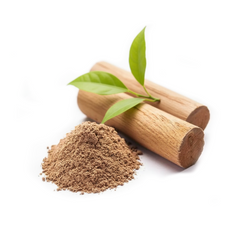
Sandalwood

25–30% of blend

Adds creamy, soft, and exotic warmth that complements and balances teak wood's dryness.

25%

Patchouli

20–25% of blend

Provides earthy, musky depth and enhances the accord's longevity and complexity.

20%

Amber

15–20% of blend

Contributes resinous sweetness and warmth, smoothing transitions and boosting sillage.

The Olfactory Layers

How Teak Wood Evolves on Skin

Teak wood fragrance evolves from an initial woody and slightly spicy impression to a warm, musky heart and finally settles into a rich, earthy base. The top notes evaporate within 15 minutes, revealing heart molecules that provide depth for up to an hour, while base notes linger for several hours, offering lasting warmth and complexity.

I
Top notes
0–15 min
Fresh Woody Opening

The initial phase features the brighter, more volatile compounds such as light musk and subtle spice, which provide a fresh yet bold woody opening. These molecules evaporate quickly, setting the stage for deeper notes.

WoodySpicyFresh
II
Heart notes
20–60 min
Warm Earthy Core

The heart reveals the core teak wood character, blending warm, earthy, and musky molecules that create a rich and complex woody aroma. This stage is marked by a balance of warmth and subtle spice, sustained by medium volatility compounds.

WarmEarthyMusky
III
Base notes
Several hours
Deep Resinous Finish

The base anchors the fragrance with long-lasting woody, amber, and patchouli molecules that provide depth and persistence. These low volatility compounds ensure the scent remains present on skin for hours with a smooth, resinous finish.

ResinousDeepPersistent
TOP NOTES Fresh Woody Opening 0–15 minutes HEART NOTES Warm Earthy Core 20–60 minutes BASE NOTES Deep Resinous Finish Several hours
Through the Ages

The Story of Teak Wood in Perfumery

Teak wood's use in perfumery has evolved from traditional woodworking and aromatic applications to a recognized fragrance note in modern compositions, reflecting its rich history and expanding role in scent design.

Antiquity

Traditional Use of Teak Wood

Teak wood was historically valued in South and Southeast Asia for its durability and natural oils, used in boat building and furniture, with its aroma appreciated in cultural practices.

19th Century

Introduction to Western Markets

Teak wood began to be exported globally, gaining recognition for its strength and unique scent, influencing early aromatic uses beyond its native regions.

Early 20th Century

Emergence in Fragrance Industry

Perfumers started experimenting with teak wood extracts and accords, incorporating its woody aroma into niche and luxury fragrances.

2010

Launch of Gandini 1896 Teak Wood

This fragrance prominently featured teak wood as a heart note, combining it with exotic fruits and spices, marking a modern milestone in teak wood perfumery.

2023

Mahogany Teakwood by Bath & Body Works

A mainstream fragrance that popularized teak wood in a masculine, woody composition paired with mahogany and lavender, expanding its commercial appeal.

The Art of Layering

How to Layer Teak Wood

Understanding how to layer teak wood involves molecular compatibility to enhance or soften its woody and spicy facets, creating harmonious blends.

01

Enhance Sweetness

Layering teak wood with vanilla introduces vanillin molecules that mask sharp edges and add creamy warmth, as seen in Bath & Body Works Mahogany Teakwood.

02

Add Depth

Combining teak wood with patchouli creates synergistic earthy and musky undertones, reinforcing longevity and complexity, exemplified in Montale Dark Purple.

03

Lighten the Glow

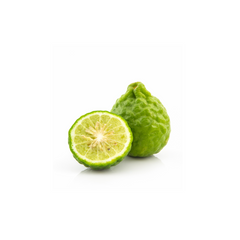
Pairing teak wood with bergamot or citrus top notes introduces limonene and other volatile molecules that brighten the accord, balancing warmth with freshness.

Wear It Right

How to Wear Teak Wood Like a Pro

Seasonal Guide

Fall & Winter

Cooler temperatures slow molecular evaporation, allowing teak wood's warm, spicy, and musky facets to linger longer, creating a cozy, enveloping aura. Apply more liberally for enhanced sillage in cold weather.

Spring

Moderate temperatures balance volatility and warmth, highlighting teak wood's fresh and earthy nuances. Layer with florals or citrus for a vibrant, seasonally appropriate scent.

Summer

Heat increases volatility, causing faster diffusion of teak wood's top notes but potentially reducing longevity. Use lighter application or combine with fresh aquatic notes to maintain balance and avoid overpowering warmth.

Year-Round Tip

Adjust application based on temperature and humidity. Layer teak wood with complementary notes like sandalwood or amber to enhance depth and maintain scent stability across seasons.

Application Points

Strategic application enhances teak wood's scent projection and longevity.

1

Neck

Pulse points on the neck emit heat, accelerating evaporation of teak wood's top and heart notes for a balanced scent release.

2

Behind the Ears

This warm, moist area helps diffuse teak wood's woody and musky facets subtly throughout the day.

3

Inner Wrists

Applying here allows for easy scent refresh and close proximity to the nose, enhancing personal scent experience.

4

Hair

Hair holds fragrance molecules longer, releasing teak wood's warm and spicy notes gradually with movement.

Pro Tip

Avoid rubbing applied perfume to preserve molecular integrity; layer teak wood with complementary scents for a unique signature.

Mood Architecture™

Top Teak Wood Fragrances by Mood Score

These Teak Wood-based fragrances scored highest on the MEI™ Mood Architecture Framework — measuring how a scent may influence your emotional state.

Highest MEI Score
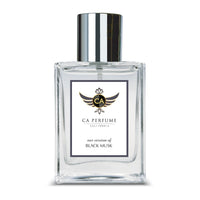
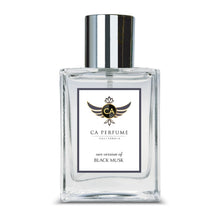
Black Musk — Montale Black Musk Alternative Perfume
8.21
MEI™
Primary Romantic
Secondary Confident
Confidence
7.38
Presence
7.54
Mood Lift
9.15
Identity
7.96
Warmth
9.5
Social Ease
8.47
Energy
3.5
" I am beautiful.
View full mood profile →
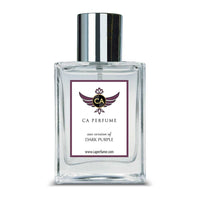
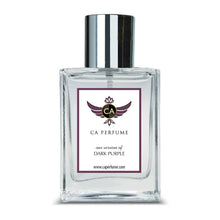
Dark Purple — Montale Dark Purple Alternative Perfume
7.19
MEI™
Primary Romantic
Secondary Confident
Confidence
6.7
Presence
7.12
Mood Lift
7.75
Identity
7.3
Warmth
7.78
Social Ease
7.43
Energy
3.5
" I am beautiful.
View full mood profile →
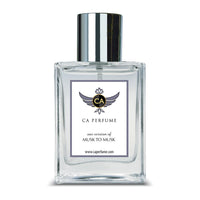
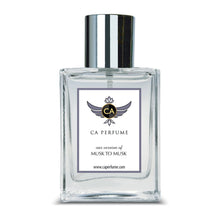
Musk To Musk — Montale Impression Musk To Musk Alternative Perfume
6.17
MEI™
Primary Confident
Secondary Magnetic
Confidence
6.48
Presence
6.75
Mood Lift
5.88
Identity
6.51
Warmth
7.16
Social Ease
5.5
Energy
2.7
" I am powerful.
View full mood profile →
HumanSafe™

Top Teak Wood Fragrances by HumanSafe™ Score

These Teak Wood-based fragrances have the highest product-level HumanSafe™ scores in this ingredient collection.

Highest HumanSafe™ Score
Musk To Musk — Montale Impression Musk To Musk Alternative Perfume
A-
HumanSafe™ Score Generally Safe
Safest Evaluated Ingredients EDP
AQUA Solvent / Carrier ISS 10.0
1,4-DIOXACYCLOHEPTADECANE-5,17-DIONE Evaluated ingredient ISS 10.0
BENZYL SALICYLATE Evaluated ingredient ISS 9.0
4H-INDEN-4-ONE, 1,2,3,5,6,7-HEXAHYDRO-1,1,2,3,3- Evaluated ingredient ISS 9.0
CITRONELLOL Evaluated ingredient ISS 7.0
View full safety profile →
Dark Purple — Montale Dark Purple Alternative Perfume
A-
HumanSafe™ Score Generally Safe
Safest Evaluated Ingredients EDP
BENZENEMETHANOL, .ALPHA.-(TRICHLOROMETHYL)-, ACETATE Evaluated ingredient ISS 10.0
AQUA Solvent / Carrier ISS 10.0
3-CYCLOHEXENE-1-CARBOXALDEHYDE, 1-METHYL-4-(4- Evaluated ingredient ISS 10.0
3-BUTEN-2-ONE, 3-METHYL-4-(2,6,6-TRIMETHYL-2- Evaluated ingredient ISS 8.0
CITRONELLOL Evaluated ingredient ISS 7.0
View full safety profile →
Black Musk — Montale Black Musk Alternative Perfume
A-
HumanSafe™ Score Generally Safe
Safest Evaluated Ingredients EDP
AQUA Evaluated ingredient ISS 10.0
NOPYL ACETATE Evaluated ingredient ISS 8.5
METHYL IONONES Evaluated ingredient ISS 8.5
DIHYDRO PENTAMETHYLINDANONE Evaluated ingredient ISS 8.5
5,5,6-TRIMETHYLBICYCLOHEPT-2-YLCYCLOHEXANOL Evaluated ingredient ISS 7.5
TETRAHYDRO-METHYL-METHYLPROPYL)-PYRAN-4-OL Evaluated ingredient ISS 7.0
View full safety profile →
Expert Voices

What Masters Say About Teak Wood

“Teakwood smells like polished wood warmed by sunlight—earthy, musky, and softly spiced with a refined finish.”
CA Perfume Editorial
“Teak wood accords provide a bold, woody backbone with warm and slightly spicy nuances that add complexity and depth to modern compositions.”
CA Perfume Editorial
Common Questions

Frequently Asked Questions

Frequently asked questions about teak wood in perfumery, answering common scent and usage queries.

Teak wood in perfume smells woody, warm, and slightly spicy with earthy and musky undertones. It is often described as a bold, masculine scent that balances freshness with depth. Notable fragrances like Gandini 1896 Teak Wood and Bath & Body Works Mahogany Teakwood showcase these characteristics.

Teak wood is primarily used as a heart or base note in fragrances due to its rich, warm, and long-lasting woody qualities. It provides depth and complexity that emerge after the initial top notes evaporate.

Teak wood is favored in niche perfumes for its unique woody-spicy profile that adds sophistication and complexity. Its rarity and distinctive aroma make it a prized ingredient for creating signature, artisanal scents.

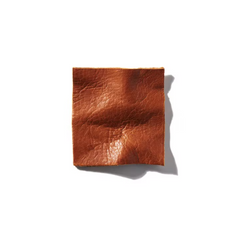
Teak wood fragrance uses pair well with sandalwood, patchouli, amber, bergamot, leather, musk, cinnamon, lavender, and vetiver. These combinations enhance teak wood's woody, spicy, and warm facets, creating balanced and layered compositions.

Teak wood perfumes can be worn in summer, but due to increased volatility in heat, lighter application or blending with fresh citrus or aquatic notes is recommended to maintain balance and avoid overpowering warmth.

Teak wood fragrances typically last 4 to 6 hours on skin, depending on concentration and formulation. Parfum and Eau de Parfum concentrations offer the best longevity for this note.

Yes, you can layer teak wood with complementary notes like vanilla to soften its edges, patchouli for depth, or bergamot for brightness. Understanding molecular compatibility helps create harmonious blends.

Beginner-friendly teak wood perfumes include Bath & Body Works Mahogany Teakwood for its approachable woody-earthy scent and Gandini 1896 Teak Wood for a more exotic, fruity-woody experience.

Choose a teak wood fragrance based on your preference for woody intensity, complementary notes, and concentration. CA Perfume offers detailed descriptions and layering advice to help find a scent that suits your style and occasion.

Teak wood in fragrance smells primarily woody and warm with a subtle spicy undertone. It is not typically sweet but can be softened by pairing with sweeter notes like vanilla or amber.

Woody Collection

Explore Our Top Teak Wood Fragrances

Discover a curated selection of fragrances featuring teak wood's distinctive woody warmth and complexity.

Shop all teak wood fragrances at CA Perfume →

Where Teak Wood Comes From — Origin & Extraction

Teak Wood is harvested from the tropical hardwood tree species Tectona grandis, native to South and Southeast Asia, including countries such as India, Myanmar, Thailand, and Indonesia. The tree can grow over 130 feet tall and is prized for its durability, natural oils, and resistance to rot and weathering, making it a preferred material for furniture and boat building. The extraction of teak wood fragrance in perfumery is typically achieved through solvent extraction or enfleurage to capture its complex woody aroma, as steam distillation is less common due to the heat sensitivity of key aromatic compounds. The resulting absolute or accord reflects the wood's rich, warm, and slightly spicy character. Natural teak wood absolute is relatively rare and costly, with prices ranging from $2,000 to $5,000 per kilogram depending on quality and source. Synthetic accords and aroma chemicals that mimic teak wood's scent are more affordable and widely used in commercial perfumery. Sustainability concerns exist due to overharvesting and deforestation in some regions, prompting efforts to source teak wood from certified plantations and sustainable forestry programs to reduce environmental impact.

Famous Fragrances That Define Teak Wood in Perfumery

Teak wood has been featured in a variety of notable fragrances, demonstrating its versatility and appeal in both niche and mainstream markets. Gandini 1896's Teak Wood (2010) by Maestri Profumieri uses teak wood as a heart note, paired with kiwi, pineapple, and violet leaf to create a woody-spicy composition with exotic fruity nuances. Bath & Body Works' Mahogany Teakwood (2023) combines teak wood with mahogany and lavender, serving as a woody, earthy base that adds masculinity and warmth. Montale's Dark Purple (year unknown) incorporates teak wood in its base, blending it with patchouli and amber for a rich, resinous finish. Zoologist Perfumes' Bat Edition 2020 features teak wood as part of a complex woody accord, enhancing the fragrance's depth. Van Cleef & Arpels' Bois Doré (year unknown) also utilizes teak wood to provide a refined woody backbone. These fragrances illustrate teak wood's role as a bridge and base note, often paired with spices, florals, and other woods to enrich the olfactory experience. CA Perfume's collection honors this lineage by offering compositions that explore teak wood's multifaceted character.

Natural vs Synthetic Teak Wood in Perfumery

Natural teak wood fragrance is derived from the Tectona grandis tree through solvent extraction or enfleurage, capturing a complex blend of woody, musky, and slightly spicy notes. However, natural extracts can vary in scent profile due to differences in harvest, climate, and extraction methods, and are costly and less consistent. Synthetic teak wood accords are created using aroma chemicals such as Iso E Super (CAS 54464-57-2), Cashmeran (CAS 5413-60-5), and Woody Acetates, which replicate the warm, woody, and musky facets of natural teak wood. These synthetics offer enhanced longevity, diffusion, and batch-to-batch consistency at a fraction of the cost, approximately $100–500 per kilogram. Famous fragrances like Gandini 1896 Teak Wood utilize natural extracts, while Bath & Body Works Mahogany Teakwood employs synthetic accords for affordability and stability. The HumanSafe™ platform ensures transparency and safety for both natural and synthetic ingredients, reflecting CA Perfume's commitment to ethical sourcing and consumer safety.