Ingredient Guide · Citrus Aromatic
Citrus Aromatic Family · Perfumery Note

Sicilian Mandarin

A vibrant citrus note, radiant with Mediterranean freshness.

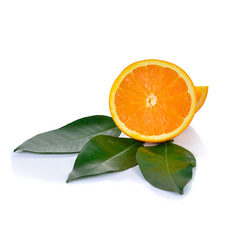
Sicilian Mandarin is a top note in perfumery, prized for its juicy, zesty, and green character. Its essential oil, extracted via cold expression from Citrus reticulata peels, imparts a sparkling, sweet-tart freshness and is typically used at 2–5% concentration in citrus accords.

Sicilian Mandarin
Ingredient Profile

Sicilian Mandarin

Citrus Aromatic Family
Family Citrus Aromatic
Note Position Top Note
Usage Level 0.7–1.2% yield
Key Origins Italy (Sicily), Italy (Calabria), Brazil
Iconic In Mandarino di Sicilia, Sicilian Mandarin
The Ingredient

What does Sicilian Mandarin smell like and why is it prized in perfumery?

Sicilian Mandarin (Citrus reticulata Blanco) is renowned in perfumery for its sweet, juicy, and tangy scent profile, marked by a vibrant, sunlit freshness. The essential oil is dominated by d-limonene (up to 75–80%), which imparts a bright, zesty citrus character, while minor constituents such as gamma-terpinene, linalool, and beta-pinene contribute green, slightly floral, and subtly spicy nuances. Unlike sharper citrus notes like lemon or grapefruit, Sicilian Mandarin is rounder and more mellow, often described as having a soft, almost candy-like sweetness balanced by a gentle tartness. This unique molecular composition creates an olfactory signature that is both uplifting and comforting, making it a staple in the citrus fragrance family. The scent profile of Sicilian Mandarin is further shaped by the terroir of Sicily, where volcanic soils and Mediterranean climate intensify the fruit’s aromatic complexity. In perfumery, Sicilian Mandarin is classified as a top note due to its high volatility and immediate impact upon application. It is typically used at concentrations of 2–5% in citrus accords, though in cologne-style fragrances, it may reach up to 10%. Its rapid evaporation rate means it delivers an initial burst of freshness, but its molecular weight and oil composition allow traces to linger into the heart of a fragrance, especially when paired with fixatives or blended with other citrus and green notes. On skin, the perception of Sicilian Mandarin can shift depending on individual pH and moisture, with acidic skin amplifying its tart facets and warmer skin enhancing its sweetness. This dynamic interaction with skin chemistry is one reason why Sicilian Mandarin in perfumery is so valued for its lively, evolving character. Several modern and classic fragrances showcase the versatility of Sicilian Mandarin. Acqua di Parma’s Mandarino di Sicilia (2024) highlights green mandarin’s effervescent, juicy opening, paired with bergamot and blood orange for a radiant Mediterranean impression. Ermenegildo Zegna’s Sicilian Mandarin (2012), composed by Harry Frémont and others, uses the note as a dominant top accord, supported by petitgrain, spearmint, and moss, creating a crisp, aromatic citrus structure. These examples illustrate how Sicilian Mandarin can serve as both a star ingredient and a harmonizing element in complex compositions.

0.7–1.2% yield
Cold expression of Sicilian Mandarin peels yields approximately 0.7–1.2% essential oil by weight, depending on fruit ripeness and extraction efficiency.
<2% in formula
IFRA restricts natural mandarin oil to less than 2% in leave-on products due to phototoxicity risk, ensuring safe use in modern perfumery.
9–10 hours longevity
When paired with fixatives, Sicilian Mandarin can persist for 9–10 hours on skin, though its vivid top note fades within the first hour.
Origin & Extraction

Where Sicilian Mandarin Comes From — Origin & Extraction

Sicilian Mandarin’s scent is shaped by Mediterranean terroir—volcanic soils, coastal breezes, and high solar exposure intensify its aromatic profile. Regional differences in soil mineral content and harvest timing yield subtle variations in oil composition.

Sicilian Mandarin essential oil is derived from the fruit peel of Citrus reticulata Blanco, a member of the Rutaceae family. The species is believed to have originated in Southeast Asia but was introduced to Europe in the early 19th century. Today, Italy—particularly Sicily and Calabria—stands as a primary producer, with Sicily accounting for a significant share of high-quality mandarin oil used in perfumery. Annual Italian production of mandarin oil is estimated at 150–200 metric tons, with Sicily’s unique volcanic soils and Mediterranean climate contributing to the fruit’s aromatic intensity and complexity. Extraction of Sicilian Mandarin oil is performed via cold expression (also known as cold pressing), a mechanical process that preserves the delicate volatile compounds. Fresh peels are mechanically punctured and pressed at temperatures below 30°C, yielding an oil rich in d-limonene, gamma-terpinene, and minor aldehydes. The yield from cold expression is approximately 0.7–1.2% by weight of fresh peel. The oil is then centrifuged and filtered to remove impurities. Unlike steam distillation, cold expression avoids thermal degradation of key aroma molecules, ensuring a true-to-fruit scent profile. The resulting oil is thin, yellow-orange, and highly volatile. Natural Sicilian Mandarin oil commands a premium price, typically ranging from $120–180 per kg for standard grades, with certified organic or PDO (Protected Designation of Origin) Sicilian oils reaching $200–250 per kg. Synthetic alternatives, such as nature-identical d-limonene (CAS 5989-27-5) or formulated citrus bases, cost as little as $10–20 per kg, but lack the nuanced complexity of the natural product. Sustainability is a growing concern: cold-pressed mandarin oil production is relatively low-impact, but monoculture farming and pesticide use in Sicily are under scrutiny. Several producers, including Robertet and Capua 1880, have implemented traceability and integrated pest management to ensure environmental and social responsibility.

IT

Italy (Sicily)

Sicily’s Catania and Palermo provinces produce the highest-grade mandarin oil, with volcanic soils and mild winters yielding fruit rich in d-limonene and gamma-terpinene. Sicily accounts for over 60% of Italy’s mandarin oil output, with PDO designations for select groves.

IT

Italy (Calabria)

Calabria’s Reggio Calabria region is known for both bergamot and mandarin cultivation. Calabrian mandarin oil is slightly greener and more herbaceous, with a higher proportion of beta-pinene. Annual production is approximately 40 metric tons.

BR

Brazil

Brazil’s São Paulo state is a major global supplier, focusing on volume rather than artisanal quality. Brazilian mandarin oil is typically sweeter and less complex, with lower levels of minor aldehydes due to intensive farming methods.

ES

Spain (Valencia)

Valencia’s Mediterranean climate and sandy soils produce mandarins with a lighter, more floral oil profile. Spanish mandarin oil is favored for its clean, delicate aroma and is widely used in European perfumery.

Chemistry

Natural vs Synthetic Sicilian Mandarin in Perfumery

Natural Sicilian Mandarin oil is a complex mixture of volatile compounds, with d-limonene (CAS 5989-27-5), gamma-terpinene (CAS 99-85-4), and linalool (CAS 78-70-6) as major constituents. Synthetic versions typically use nature-identical d-limonene and may include additional aroma chemicals such as methyl anthranilate (CAS 134-20-3) and octanal (CAS 124-13-0) to replicate the sweet, juicy facets of mandarin. While natural oil offers a multidimensional, evolving scent, synthetics provide batch-to-batch consistency, enhanced stability, and longer-lasting projection—critical for mainstream perfumery where longevity is prioritized. The cost differential is significant: natural Sicilian Mandarin oil ranges from $120–250 per kg, while synthetic blends can be produced for under $20 per kg. Many commercial fragrances, including Escentric Molecules Molecule 01 + Mandarin, use a combination of natural and synthetic materials to balance authenticity and performance. Notably, IFRA (International Fragrance Association) restricts the use of natural citrus oils due to potential phototoxicity, limiting their concentration in finished products (typically Sustainability and supply chain transparency are increasingly important. Synthetic d-limonene is often derived from citrus industry byproducts, reducing waste, while natural oil production in Sicily is moving toward integrated pest management and traceability. The HumanSafe™ platform provides verified sourcing and allergen disclosure for both natural and synthetic mandarin ingredients, supporting informed consumer choice and responsible formulation.

Natural
Sicilian Mandarin Absolute
Cost $3,000–6,000/kg
Method Solvent / CO₂
Character Complex, variable
vs
Synthetic
Safranal & Analogues
Cost $50–200/kg
Method Lab synthesis
Character Consistent, stable
Hall of Fame

Famous Fragrances That Define Sicilian Mandarin in Perfumery

2024
dominant note

Mandarino di Sicilia

Acqua di Parma
Green MandarinBlood OrangeBergamotPetitgrainSpearmintCedarwoodMusk
2012
dominant note

Sicilian Mandarin

Ermenegildo Zegna
by Harry Frémont, Pierre Negrin, Frank Voelkl, Jacques Cavallier Belletrud
Calabrian BergamotSpearmintPetitgrainMoss
2018
bridge note

Aqua Vitae Forte

Maison Francis Kurkdjian
by Francis Kurkdjian
Sicilian MandarinLemonCardamomSandalwood
2018
accent

Paris–Biarritz

Chanel
by Olivier Polge
Sicilian MandarinLily-of-the-ValleyVetiver
2007
dominant note

Aqua Allegoria Mandarine Basilic

Guerlain
by Marie Salamagne
MandarinBasilGreen TeaPeony

Sicilian Mandarin has played a defining role in both niche and mainstream perfumery, often serving as a vibrant top note or a bridging element in citrus and aromatic compositions. Acqua di Parma’s Mandarino di Sicilia (2024) exemplifies the modern use of green mandarin, opening with a burst of green mandarin, blood orange, and bergamot, and transitioning into a heart of petitgrain and spearmint. The fragrance is lauded for its photorealistic citrus impression and Mediterranean freshness. Ermenegildo Zegna’s Sicilian Mandarin (2012), composed by Harry Frémont, Pierre Negrin, Frank Voelkl, and Jacques Cavallier Belletrud, utilizes Sicilian Mandarin as a dominant top note, supported by Calabrian bergamot, spearmint, petitgrain, and moss. This composition is notable for its crisp, aromatic citrus structure and above-average longevity for a citrus fragrance (9–10 hours on skin). Maison Francis Kurkdjian’s Aqua Vitae Forte (2018) and Amyris Homme (2012) both feature Sicilian Mandarin as a luminous opening, paired with floral and woody notes to create a seamless transition from top to heart. Chanel’s Paris–Biarritz (2018) and Light Blue by Dolce & Gabbana (2001) also showcase Sicilian Mandarin in their opening accords, emphasizing its versatility and universal appeal. Guerlain’s Aqua Allegoria Mandarine Basilic (2007) is another benchmark, blending mandarin with basil and green tea for a sparkling, herbal citrus effect. CA Perfume’s collection draws inspiration from these landmark fragrances, offering interpretations that highlight the authentic, sunlit character of Sicilian Mandarin while ensuring transparency and sustainability in sourcing.

The Accord

How is a captivating Sicilian Mandarin accord crafted?

A Sicilian Mandarin accord balances zesty citrus with green, aromatic, and woody elements. Typical proportions: Sicilian Mandarin 30–35%, Bergamot 20–25%, Petitgrain 20–25%, Spearmint 20–25%. Mandarin provides the juicy, sweet-tart core (d-limonene, gamma-terpinene), bergamot adds a floral-green lift (linalyl acetate), petitgrain introduces leafy bitterness (linalool, nerolidol), and spearmint supplies a cooling, aromatic edge (carvone). This structure mimics the natural complexity of a freshly peeled mandarin.

35%

Sicilian Mandarin

30–35% of blend

Provides the juicy, sweet-tart citrus core via d-limonene and gamma-terpinene, imparting photorealistic fruitiness.

25%

Bergamot

20–25% of blend

Adds a floral-green lift through linalyl acetate and limonene, enhancing brightness and extending the citrus effect.

25%

Petitgrain

20–25% of blend

Contributes leafy, slightly bitter facets via linalool and nerolidol, reinforcing the green, aromatic dimension.

25%

Spearmint

20–25% of blend

Supplies a cooling, aromatic edge through carvone, which complements citrus volatiles and increases perceived freshness.

The Olfactory Layers

How Sicilian Mandarin Evolves on Skin

Sicilian Mandarin’s olfactory evolution is rapid and dynamic. Top notes (0–15 min) are dominated by high-volatility monoterpenes, delivering an immediate burst of juicy citrus. Heart notes (20–60 min) reveal green and aromatic facets as mid-weight molecules emerge. Base notes (several hours) are subtle, with faint woody and musky traces lingering as the citrus fades.

I
Top notes
0–15 min
Juicy Citrus Burst

A photorealistic burst of juicy, zesty mandarin, driven by d-limonene and gamma-terpinene. The initial impression is intensely fresh, sweet-tart, and slightly green, with aldehydic sparkle and a fleeting floral undertone. Volatility is high, so these molecules evaporate quickly, creating an immediate but short-lived impact.

JuicyZestyGreen
II
Heart notes
20–60 min
Green Aromatic Glow

As the top notes dissipate, petitgrain and spearmint emerge, introducing leafy, aromatic, and slightly bitter facets. Linalool and nerolidol contribute a soft, green-floral dimension, while the sweetness of mandarin lingers in a more subdued form. The transition is smooth, with the citrus gradually yielding to herbal and woody nuances.

AromaticLeafyHerbal
III
Base notes
Several hours
Woody-Musk Drydown

The drydown features faint traces of cedarwood, musk, and patchouli, anchored by residual citrus aldehydes. These heavier molecules provide a clean, woody-musky foundation, extending the perception of freshness even as the mandarin fades. The overall effect is subtle, with a lingering sense of sunlit cleanliness.

WoodyMuskyClean
TOP NOTES Juicy Citrus Burst 0–15 minutes HEART NOTES Green Aromatic Glow 20–60 minutes BASE NOTES Woody-Musk Drydown Several hours
Through the Ages

The Story of Sicilian Mandarin in Perfumery

Sicilian Mandarin’s journey in perfumery spans from 19th-century Mediterranean cultivation to its modern role as a signature citrus note in global fragrance.

1805

Mandarin Introduced to Europe

Mandarin trees, originally from Southeast Asia, are introduced to Italy and Spain. Sicily’s climate and volcanic soils soon make it a center for high-quality mandarin cultivation.

1860s

Cold Expression Extraction Perfected

The cold expression technique is refined in Italy, enabling large-scale production of mandarin essential oil for use in eaux de cologne and early citrus perfumes.

1970s

Rise of Citrus Colognes

Mandarin becomes a staple in European colognes, valued for its sweet, approachable freshness. Italian and French houses begin to specify Sicilian origin for premium blends.

2012

Ermenegildo Zegna Sicilian Mandarin Launch

The Essenze collection spotlights Sicilian Mandarin as a dominant note, composed by Harry Frémont and others, setting a new standard for photorealistic citrus in luxury perfumery.

2024

Acqua di Parma Mandarino di Sicilia Debuts

Acqua di Parma releases Mandarino di Sicilia, emphasizing green mandarin’s aromatic complexity and reinforcing Sicily’s global reputation for citrus excellence.

The Art of Layering

How to Layer Sicilian Mandarin

Understanding how to layer Sicilian Mandarin involves molecular compatibility—pairing with notes that share or complement its key compounds, such as linalool, nerolidol, or vanillin, to create harmonious or contrasting effects.

01

Enhance Sweetness

Layer with vanilla or tonka bean fragrances. Vanillin and coumarin molecules mask mandarin’s tartness, creating a creamy, gourmand citrus effect as seen in Guerlain’s Aqua Allegoria Mandarine Basilic.

02

Add Depth

Combine with woody or amber notes. Cedarwood and amber molecules (e.g., cedrol, ambroxan) slow the evaporation of citrus volatiles, extending the mandarin’s presence and adding complexity, as in Acqua di Parma’s Mandarino di Sicilia.

03

Lighten the Glow

Pair with green or herbal notes like petitgrain, basil, or mint. Shared terpenes (linalool, carvone) create a seamless transition from citrus to green, enhancing freshness and clarity, as demonstrated in Tom Ford’s Neroli Portofino.

Wear It Right

How to Wear Sicilian Mandarin Like a Pro

Seasonal Guide

Fall & Winter

Cooler temperatures suppress volatility, causing Sicilian Mandarin’s top notes to linger longer but project less. Layer with woody or spicy fragrances to add warmth and depth, and apply to pulse points under clothing for better diffusion.

Spring

Moderate temperatures allow the full spectrum of mandarin’s freshness to shine. Pair with green or floral notes for a crisp, uplifting effect. Apply to exposed skin for maximum projection and a sense of renewal.

Summer

Heat increases molecular diffusion, amplifying projection but shortening longevity. Apply lightly to avoid overwhelming freshness, and consider layering with aquatic or herbal notes to enhance the Mediterranean vibe.

Year-Round Tip

For all-day wear, layer Sicilian Mandarin with a fixative-rich base (musk, woods) or reapply as needed. Adjust application to climate—more in cool, less in heat—to maintain balance and avoid olfactory fatigue.

Application Points

Strategic application maximizes Sicilian Mandarin’s fleeting brightness and ensures even diffusion.

1

Neck

Pulse points on the neck generate heat, accelerating the evaporation of volatile citrus molecules for an immediate, vivid impression.

2

Behind the Ears

This area is slightly cooler, allowing the mandarin note to linger longer and providing a subtle, close-to-skin freshness.

3

Inner Wrists

Wrist warmth enhances diffusion, but frequent hand washing may reduce longevity. Reapply as needed for a consistent citrus burst.

4

Hair

Spraying on hair or a hairbrush enables gradual release of mandarin volatiles, extending the perception of freshness throughout the day.

Pro Tip

Layer Sicilian Mandarin with a base-heavy fragrance on clothing or scarves to anchor the citrus and prolong its presence without risking skin phototoxicity.

Mood Architecture™

Top Sicilian Mandarin Fragrances by Mood Score

These Sicilian Mandarin-based fragrances scored highest on the MEI™ Mood Architecture Framework — measuring how a scent may influence your emotional state.

Highest MEI Score
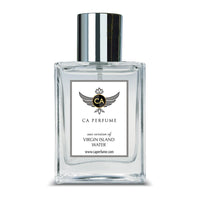
Virgin Island Water — Virgin Island Water Alternative Perfume
7.74
MEI™
Primary Romantic
Secondary Confident
Confidence
6.91
Presence
7.51
Mood Lift
8.67
Identity
7.35
Warmth
8.52
Social Ease
7.88
Energy
5.1
" I am beautiful.
View full mood profile →
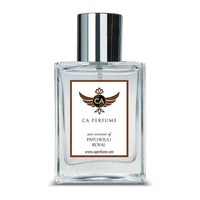
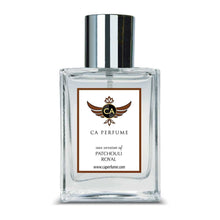
Patchouli Royal — La Collection Privee Patchouli Imperial Alternative Cologne
7.09
MEI™
Primary Confident
Secondary Romantic
Confidence
6.92
Presence
7.66
Mood Lift
6.86
Identity
7.38
Warmth
9.05
Social Ease
6.27
Energy
3.9
" I am powerful.
View full mood profile →
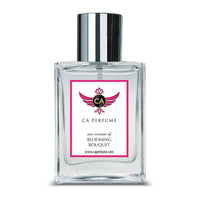
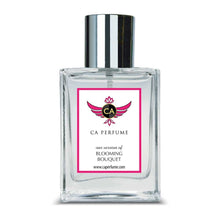
Blooming Bouquet — Christian Dior Blooming Bouquet Alternative Perfume
6.03
MEI™
Primary Fresh
Secondary Romantic
Confidence
4.93
Presence
4.78
Mood Lift
7.42
Identity
5.55
Warmth
6.06
Social Ease
7.22
Energy
3.0
" I am radiant.
View full mood profile →
HumanSafe™

Top Sicilian Mandarin Fragrances by HumanSafe™ Score

These Sicilian Mandarin-based fragrances have the highest product-level HumanSafe™ scores in this ingredient collection.

Highest HumanSafe™ Score
Virgin Island Water — Virgin Island Water Alternative Perfume
A-
HumanSafe™ Score Generally Safe
Safest Evaluated Ingredients EDP
AQUA Solvent / Carrier ISS 10.0
HEXYL SALICYLATE Evaluated ingredient ISS 9.0
BENZYL SALICYLATE Evaluated ingredient ISS 9.0
2-OXABICYCLO[2.2.2]OCTANE, 1,3,3-TRIMETHYL- Evaluated ingredient ISS 9.0
CITRAL Evaluated ingredient ISS 8.0
View full safety profile →
Patchouli Royal — La Collection Privee Patchouli Imperial Alternative Cologne
A-
HumanSafe™ Score Generally Safe
Safest Evaluated Ingredients EDP
AQUA Solvent / Carrier ISS 10.0
1,4-DIOXACYCLOHEPTADECANE-5,17-DIONE Evaluated ingredient ISS 10.0
LINALYL ACETATE Evaluated ingredient ISS 7.0
LINALOOL Evaluated ingredient ISS 7.0
CITRONELLOL Evaluated ingredient ISS 7.0
View full safety profile →
Blooming Bouquet — Christian Dior Blooming Bouquet Alternative Perfume
A-
HumanSafe™ Score Generally Safe
Safest Evaluated Ingredients EDP
OXACYCLOHEPTADEC-10-EN-2-ONE Evaluated ingredient ISS 10.0
AQUA Solvent / Carrier ISS 10.0
1,4-DIOXACYCLOHEPTADECANE-5,17-DIONE Evaluated ingredient ISS 10.0
BENZYL SALICYLATE Evaluated ingredient ISS 9.0
3-BUTEN-2-ONE, 3-METHYL-4-(2,6,6-TRIMETHYL-2- Evaluated ingredient ISS 8.0
View full safety profile →
Expert Voices

What Masters Say About Sicilian Mandarin

Mandarin is a very sunny citrus note. It possesses more character than bergamot; it is also bitterer and greener than bergamot. This note is also different because its scent is impregnated with the skin of the citrus fruit; it brings a big smile to the perfume.
Sylvaine Delacourte, Perfume Creative Director
Sicilian Mandarin’s scent profile is defined by d-limonene and gamma-terpinene, creating a juicy, zesty, and green aroma that is both photorealistic and uplifting.
CA Perfume Editorial
Common Questions

Frequently Asked Questions

Frequently asked questions about Sicilian Mandarin in perfumery.

Sicilian Mandarin in perfume smells juicy, zesty, and green, with a sweet-tart freshness and subtle floral undertones. Its aroma is dominated by d-limonene and gamma-terpinene, which create a photorealistic impression of freshly peeled mandarin. The scent is less sharp than lemon or grapefruit, offering a rounder, more mellow citrus experience. Notable fragrances such as Acqua di Parma Mandarino di Sicilia and Ermenegildo Zegna Sicilian Mandarin showcase its vibrant, sunlit character.

Sicilian Mandarin is classified as a top note in perfumery due to its high volatility and immediate impact. It delivers a vivid burst of citrus freshness upon application but fades relatively quickly, typically within the first 30–60 minutes. However, when paired with fixatives or blended with green and woody notes, traces of mandarin can linger into the heart of a fragrance.

Sicilian Mandarin is favored in niche perfumery for its authentic, photorealistic citrus character and its ability to evoke Mediterranean landscapes. Its nuanced scent profile, shaped by terroir and cold expression extraction, offers a complexity that synthetic citrus notes cannot fully replicate. Niche brands value Sicilian Mandarin for its uplifting, mood-enhancing qualities and its versatility in both fresh and complex compositions.

Sicilian Mandarin fragrance uses often involve pairing with other citrus notes (bergamot, lemon, blood orange), green notes (petitgrain, basil), florals (neroli, jasmine), and woods (cedarwood, sandalwood). These combinations create molecular bridges—shared terpenes and aldehydes—that enhance freshness, extend longevity, and add depth to the composition.

Yes, Sicilian Mandarin’s high volatility and bright, juicy character make it ideal for summer and warm climates. Heat amplifies its projection, creating an immediate, refreshing effect. However, longevity may be reduced in hot weather, so lighter application or layering with fixatives is recommended for extended wear.

Sicilian Mandarin’s vivid top note typically lasts 30–60 minutes, but when supported by fixatives or blended with woods and musks, the overall fragrance can persist for 6–10 hours. Longevity depends on concentration, skin chemistry, and environmental factors.

Yes, Sicilian Mandarin layers well with a variety of notes. For example, pairing with vanilla or tonka bean enhances sweetness, while combining with woods or amber adds depth. Layering with green or herbal notes (basil, mint) increases freshness. Successful layering depends on molecular compatibility and shared volatiles.

Recommended entry points include Acqua di Parma Mandarino di Sicilia, Guerlain Aqua Allegoria Mandarine Basilic, and Ermenegildo Zegna Sicilian Mandarin. These fragrances highlight mandarin’s photorealistic freshness and are approachable for those new to citrus notes.

Consider your preferred style—fresh, green, or gourmand—and look for supporting notes that complement mandarin’s character. CA Perfume’s collection offers transparent sourcing and a range of interpretations, allowing you to select based on season, longevity, and olfactory profile.

Sicilian Mandarin balances both sweet and tart facets. Its d-limonene content provides juicy sweetness, while gamma-terpinene and minor aldehydes contribute a gentle tartness and green undertone. The final impression depends on formulation and skin chemistry, but most describe it as sweet-tart, photorealistic citrus.

Citrus Aromatic Collection

Explore Our Top Sicilian Mandarin Fragrances

Discover CA Perfume’s curated selection of Sicilian Mandarin fragrances, each highlighting the note’s juicy, sunlit character and Mediterranean freshness.

Shop all Sicilian Mandarin fragrances at CA Perfume →

Where Sicilian Mandarin Comes From — Origin & Extraction

Sicilian Mandarin essential oil is derived from the fruit peel of Citrus reticulata Blanco, a member of the Rutaceae family. The species is believed to have originated in Southeast Asia but was introduced to Europe in the early 19th century. Today, Italy—particularly Sicily and Calabria—stands as a primary producer, with Sicily accounting for a significant share of high-quality mandarin oil used in perfumery. Annual Italian production of mandarin oil is estimated at 150–200 metric tons, with Sicily’s unique volcanic soils and Mediterranean climate contributing to the fruit’s aromatic intensity and complexity. Extraction of Sicilian Mandarin oil is performed via cold expression (also known as cold pressing), a mechanical process that preserves the delicate volatile compounds. Fresh peels are mechanically punctured and pressed at temperatures below 30°C, yielding an oil rich in d-limonene, gamma-terpinene, and minor aldehydes. The yield from cold expression is approximately 0.7–1.2% by weight of fresh peel. The oil is then centrifuged and filtered to remove impurities. Unlike steam distillation, cold expression avoids thermal degradation of key aroma molecules, ensuring a true-to-fruit scent profile. The resulting oil is thin, yellow-orange, and highly volatile. Natural Sicilian Mandarin oil commands a premium price, typically ranging from $120–180 per kg for standard grades, with certified organic or PDO (Protected Designation of Origin) Sicilian oils reaching $200–250 per kg. Synthetic alternatives, such as nature-identical d-limonene (CAS 5989-27-5) or formulated citrus bases, cost as little as $10–20 per kg, but lack the nuanced complexity of the natural product. Sustainability is a growing concern: cold-pressed mandarin oil production is relatively low-impact, but monoculture farming and pesticide use in Sicily are under scrutiny. Several producers, including Robertet and Capua 1880, have implemented traceability and integrated pest management to ensure environmental and social responsibility.

Famous Fragrances That Define Sicilian Mandarin in Perfumery

Sicilian Mandarin has played a defining role in both niche and mainstream perfumery, often serving as a vibrant top note or a bridging element in citrus and aromatic compositions. Acqua di Parma’s Mandarino di Sicilia (2024) exemplifies the modern use of green mandarin, opening with a burst of green mandarin, blood orange, and bergamot, and transitioning into a heart of petitgrain and spearmint. The fragrance is lauded for its photorealistic citrus impression and Mediterranean freshness. Ermenegildo Zegna’s Sicilian Mandarin (2012), composed by Harry Frémont, Pierre Negrin, Frank Voelkl, and Jacques Cavallier Belletrud, utilizes Sicilian Mandarin as a dominant top note, supported by Calabrian bergamot, spearmint, petitgrain, and moss. This composition is notable for its crisp, aromatic citrus structure and above-average longevity for a citrus fragrance (9–10 hours on skin). Maison Francis Kurkdjian’s Aqua Vitae Forte (2018) and Amyris Homme (2012) both feature Sicilian Mandarin as a luminous opening, paired with floral and woody notes to create a seamless transition from top to heart. Chanel’s Paris–Biarritz (2018) and Light Blue by Dolce & Gabbana (2001) also showcase Sicilian Mandarin in their opening accords, emphasizing its versatility and universal appeal. Guerlain’s Aqua Allegoria Mandarine Basilic (2007) is another benchmark, blending mandarin with basil and green tea for a sparkling, herbal citrus effect. CA Perfume’s collection draws inspiration from these landmark fragrances, offering interpretations that highlight the authentic, sunlit character of Sicilian Mandarin while ensuring transparency and sustainability in sourcing.

Natural vs Synthetic Sicilian Mandarin in Perfumery

Natural Sicilian Mandarin oil is a complex mixture of volatile compounds, with d-limonene (CAS 5989-27-5), gamma-terpinene (CAS 99-85-4), and linalool (CAS 78-70-6) as major constituents. Synthetic versions typically use nature-identical d-limonene and may include additional aroma chemicals such as methyl anthranilate (CAS 134-20-3) and octanal (CAS 124-13-0) to replicate the sweet, juicy facets of mandarin. While natural oil offers a multidimensional, evolving scent, synthetics provide batch-to-batch consistency, enhanced stability, and longer-lasting projection—critical for mainstream perfumery where longevity is prioritized. The cost differential is significant: natural Sicilian Mandarin oil ranges from $120–250 per kg, while synthetic blends can be produced for under $20 per kg. Many commercial fragrances, including Escentric Molecules Molecule 01 + Mandarin, use a combination of natural and synthetic materials to balance authenticity and performance. Notably, IFRA (International Fragrance Association) restricts the use of natural citrus oils due to potential phototoxicity, limiting their concentration in finished products (typically <2% for leave-on skin applications). Sustainability and supply chain transparency are increasingly important. Synthetic d-limonene is often derived from citrus industry byproducts, reducing waste, while natural oil production in Sicily is moving toward integrated pest management and traceability. The HumanSafe™ platform provides verified sourcing and allergen disclosure for both natural and synthetic mandarin ingredients, supporting informed consumer choice and responsible formulation.