Ingredient Guide · Spices
Spices Family · Perfumery Note

Sesame

Toasted seeds with gourmand and woody nuances

Sesame is a rare spice note in perfumery, derived from Sesamum indicum seeds, known for its nutty, toasted, and warm character. It is primarily extracted via CO2 extraction to preserve its natural aroma.

Sesame
Ingredient Profile

Sesame

Spices Family
Family Spices
Note Position Heart Note
Usage Level <1%
Key Origins India, Sudan, Myanmar
Iconic In Ambre Narguile, L'Interdit Eau de Parfum Intense
The Ingredient

What does Sesame smell like and why is it significant in perfumery?

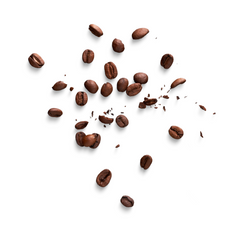
Sesame's scent profile is characterized by a nutty, toasted, and warm aroma reminiscent of caramelized hazelnuts, warm bread, maple syrup, coffee, and peanut. This olfactory signature arises from the complex mixture of lipids and aromatic compounds in the seeds of Sesamum indicum, the botanical source. The note is classified within the spices family and is used sparingly in perfumery due to its rarity and distinctive gourmand facets. In perfumery, sesame typically functions as a heart or base note, employed at concentrations generally below 1% to impart a soft, comforting warmth and subtle earthiness. Its interaction with skin chemistry can enhance the perception of gourmand and woody accords, often blending seamlessly with vanilla, amber, and woody notes. The note's molecular complexity includes unsaturated fatty acids and aromatic heterocycles that contribute to its toasted and slightly spicy nuances. Sesame's use in perfumery is relatively rare but notable in fragrances such as Hermès' Ambre Narguile (2003, perfumer Jean-Claude Ellena), where it adds a warm, nutty depth to the amber accord, and Givenchy's L'Interdit Eau de Parfum Intense (2021, perfumer Fanny Bal), which incorporates sesame for a gourmand nuance alongside vanilla and tonka bean. These examples demonstrate sesame's capacity to enrich compositions with gourmand and oriental facets while maintaining subtlety.

<1%
Typical concentration range of sesame extract in fragrance formulations to maintain balance and avoid overpowering gourmand notes.
3-6 hours
Average longevity of sesame's gourmand facets on skin in Eau de Parfum concentrations, influenced by skin chemistry.
60-70°C
Maximum temperature during CO2 extraction to preserve sesame's delicate aromatic compounds without degradation.
Origin & Extraction

Where Sesame Comes From — Origin & Extraction

Sesame's scent character is influenced by its geographic origin, with soil composition and climate affecting seed aroma. Regions with well-drained, sandy loam soils and warm climates produce seeds with richer, nuttier profiles favored in perfumery.

Sesame (Sesamum indicum) is an annual plant belonging to the Pedaliaceae family, native to Central Africa and the Orient, with cultivation now spanning over 60 countries. The Indian variety is the most widely used in perfumery and culinary applications. The plant grows between 60 cm and 2 meters tall, bearing capsules that resemble snapdragons, each containing approximately sixty small oleaginous seeds. The top producers of sesame seeds include Sudan, Myanmar, and India, with India being the largest market share holder. Sesame seeds come in white, brown, and black varieties, with white and black seeds being most common in perfumery and cuisine. The seeds are harvested and can be consumed raw, dehydrated, roasted, or toasted, each method affecting the scent and flavor profile. For perfumery, sesame is primarily extracted using supercritical CO2 extraction, a solvent-free method that preserves the delicate toasted and nutty aroma without heat degradation. This process involves pressurizing CO2 to a supercritical state to dissolve aromatic compounds, yielding an extract that retains the natural scent profile with minimal alteration. Cold-pressing is used for sesame oil in cosmetics but is less common for fragrance extraction. Natural sesame extract is costly, with prices ranging from $3,000 to $6,000 per kilogram, reflecting its labor-intensive harvesting and extraction. Synthetic aroma chemicals mimicking sesame's facets are less common but include nutty and toasted aldehydes. Sustainability concerns focus on agricultural practices and the environmental impact of large-scale cultivation, with organic and fair-trade sesame gaining traction.

IN

India

The largest producer of sesame seeds, especially in states like Gujarat and Rajasthan. Indian sesame seeds are prized for their rich, warm, and slightly spicy aroma due to the semi-arid climate and sandy soils. India accounts for approximately 30% of global production, with traditional harvesting methods preserving seed quality.

SD

Sudan

Sudan is a major exporter of sesame seeds, producing a variety with a robust, earthy scent profile. The Nile basin's alluvial soils and hot climate contribute to seeds with pronounced toasted and nutty notes. Sudanese sesame accounts for about 20% of the global market.

MM

Myanmar

Myanmar produces sesame seeds with a mild, sweet nuttiness favored in perfumery. The tropical monsoon climate and fertile soils yield seeds with balanced aroma intensity. Myanmar holds roughly 15% of the global production share.

ET

Ethiopia

Known for black sesame seeds with a deeper, earthier scent. The highland climate and volcanic soils impart unique aromatic qualities, making Ethiopian sesame sought after for niche perfumery applications.

Chemistry

Natural vs Synthetic Sesame in Perfumery

Natural sesame extract is derived from Sesamum indicum seeds primarily through CO2 extraction, preserving its characteristic nutty, toasted, and warm aroma. The extract contains complex mixtures of unsaturated fatty acids, aromatic heterocycles, and Maillard reaction products formed during roasting, which contribute to its gourmand facets. Synthetic substitutes for sesame are rare due to the complexity of its scent profile but may include aroma chemicals such as benzaldehyde (almond-like), furaneol (caramellic), and maltol (toasty-sweet), which replicate facets of sesame's aroma. These synthetics offer advantages in cost, consistency, and stability, with prices typically under $200 per kilogram compared to natural extracts costing thousands. Performance-wise, natural sesame extracts provide a richer, more nuanced scent but may vary between batches due to agricultural factors. Synthetic molecules offer longer shelf life, greater diffusion, and predictable olfactory profiles. Famous fragrances like Hermès Ambre Narguile and Givenchy L'Interdit Eau de Parfum Intense use natural sesame for its authentic gourmand warmth, while niche perfumers may blend synthetics to approximate sesame's facets. CA Perfume employs the HumanSafe™ platform to ensure transparency and safety in sourcing both natural and synthetic ingredients, balancing sustainability with olfactory quality.

Natural
Sesame Absolute
Cost $3,000–6,000/kg
Method Solvent / CO₂
Character Complex, variable
vs
Synthetic
Safranal & Analogues
Cost $50–200/kg
Method Lab synthesis
Character Consistent, stable
Hall of Fame

Famous Fragrances That Define Sesame in Perfumery

2003
supporting note

Ambre Narguile

Hermès
by Jean-Claude Ellena
ambervanillatonka bean
2021
accent

L'Interdit Eau de Parfum Intense

Givenchy
by Fanny Bal
tonka beanvanillapatchouli
2019
supporting note

L'Eau Papier

Diptyque
woodyfloralearthy
2020
accent

Meant To Be Seen

Nishane
spicywoodytoasted nuts
2023
base note

Polo 67 Eau de Parfum

Ralph Lauren
creamywarmwoody
2014
supporting note

Pour La Fin Du Monde

Etat Libre d'Orange
spicyresinousgourmand
2022
dominant note

Tonka Sesame

EPC Experimental Perfume Club
by Emmanuelle Moeglin
hazelnuttonka beanvanillapatchouli

Sesame's gourmand and toasted facets have been masterfully incorporated into several landmark fragrances over the past two decades. Hermès' Ambre Narguile (2003), crafted by Jean-Claude Ellena, uses sesame as a supporting note to enrich the amber and vanilla accords, adding a warm, nutty depth that enhances the composition's oriental character. Givenchy's L'Interdit Eau de Parfum Intense (2021), by Fanny Bal, features sesame as an accent note, blending it with tonka bean and vanilla to create a gourmand yet sophisticated aura. Diptyque's L'Eau Papier (2019) incorporates sesame subtly to provide a comforting, earthy softness within its woody-floral structure. Nishane's Meant To Be Seen (2020) uses sesame to add a toasted, nutty layer that complements its spicy and woody accords. Ralph Lauren's Polo 67 Eau de Parfum (2023) integrates sesame as a base note, contributing to the fragrance's creamy and warm profile. Other notable mentions include Etat Libre d'Orange's Pour La Fin Du Monde (2014), where sesame adds a gourmand nuance to the spicy and resinous composition, and EPC Experimental Perfume Club's Tonka Sesame (2022), which highlights sesame as a dominant gourmand note alongside hazelnut and tonka bean. CA Perfume's collection respects this lineage by exploring sesame's subtle gourmand qualities in modern compositions, emphasizing its role as a nuanced, comforting ingredient rather than a loud gourmand.

The Accord

How is a captivating Sesame accord crafted?

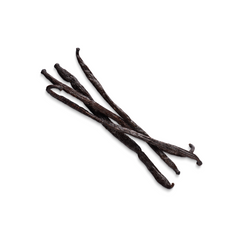
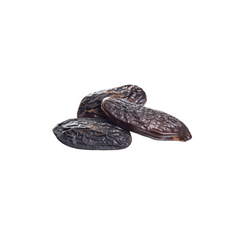
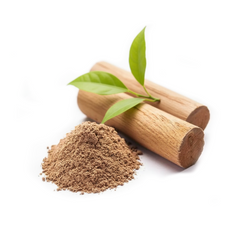
A balanced sesame accord typically blends Sesame CO2 extract (20-25%) for its nutty, toasted core with Vanilla absolute (25-30%) to soften and add creamy sweetness. Woody notes like Sandalwood (25-30%) provide a smooth, warm base that complements sesame's earthiness. Tonka bean (20-25%) enhances the gourmand facet with its almond-like, slightly spicy nuances. Together, these components create a warm, softly sweet, and inviting accord that highlights sesame's unique character while maintaining harmony.

25%

Sesame CO2 Extract

20–25% of blend

Provides the distinctive nutty, toasted aroma with gourmand and spicy undertones, forming the accord’s core.

30%

Vanilla Absolute

25–30% of blend

Softens sesame’s sharpness with creamy sweetness, enhancing gourmand warmth through vanillin molecules.

30%

Sandalwood

25–30% of blend

Adds smooth, woody warmth that complements sesame’s earthiness and extends longevity via santalol compounds.

25%

Tonka Bean

20–25% of blend

Contributes almond-like, slightly spicy facets from coumarin, enhancing the accord’s gourmand complexity.

The Olfactory Layers

How Sesame Evolves on Skin

Sesame's olfactory evolution begins with subtle top notes of toasted nuts and warm spices that emerge within the first 15 minutes due to volatile Maillard reaction compounds. The heart phase (20–60 minutes) reveals the full gourmand and bread-like facets from fatty acids and caramellic molecules. The base notes (several hours) linger with soft woody and creamy vanillin undertones, sustained by low-volatility sesquiterpenes and coumarins.

I
Top notes
0–15 min
Toasty Nutty Warmth

Initial impression is of warm, toasted sesame seeds with light nutty and spicy nuances. These arise from high-volatility heterocyclic compounds formed during roasting, providing a fresh yet comforting opening.

toastednuttyspicy
II
Heart notes
20–60 min
Gourmand Bread and Caramel

The heart reveals a rich gourmand profile with warm bread, caramel, and maple syrup facets. Fatty acids and Maillard reaction products dominate, creating a soft, edible aroma that deepens the fragrance.

gourmandcaramellicbread-like
III
Base notes
Several hours
Creamy Woody Sweetness

The base is smooth and creamy, featuring woody sandalwood, vanilla, and tonka bean nuances. Low-volatility molecules such as santalol and coumarin provide lasting warmth and subtle sweetness.

woodycreamywarm
TOP NOTES Toasty Nutty Warmth 0–15 minutes HEART NOTES Gourmand Bread and Caramel 20–60 minutes BASE NOTES Creamy Woody Sweetness Several hours
Through the Ages

The Story of Sesame in Perfumery

Sesame's rich history in perfumery spans ancient skincare uses to modern gourmand fragrances, reflecting evolving extraction and olfactory appreciation.

6th century BC

Ancient Use of Sesame Oil for Skincare

Wealthy Assyrians used sesame oil for skincare, marking one of the earliest recorded cosmetic applications of sesame.

9th century

Enfleurage Technique Using Sesame Seeds

In Persia, sesame seeds were used in enfleurage to extract aromatic oils from flowers, an early perfumery technique.

17th century

Introduction of Enfleurage in France

The enfleurage process, involving sesame seeds and fats, was introduced in France, advancing aromatic extraction methods.

Early 2000s

Sesame Featured in Hermès Ambre Narguile

Jean-Claude Ellena incorporated sesame as a supporting note, highlighting its gourmand warmth in a luxury amber fragrance.

2020s

Rise of Sesame in Niche Perfumery

Sesame gains recognition as a rare gourmand note in niche perfumes like Givenchy L'Interdit Eau de Parfum Intense and EPC Tonka Sesame.

The Art of Layering

How to Layer Sesame

Understanding how to layer sesame involves molecular compatibility and olfactory synergy. Sesame's nutty and toasted compounds blend well with creamy vanillin and woody santalol molecules, creating a smooth gourmand accord. Layering sesame with vanilla softens its slight bitterness through olfactory masking, while pairing with sandalwood enhances longevity via complementary sesquiterpenes. Combining sesame with amber resins introduces warm, skin-like balsamic facets that deepen the scent's sensuality.

01

Enhance Sweetness

Layering sesame with vanilla exploits vanillin's sweet masking effect on sesame's toasted edges, producing a creamy gourmand warmth seen in Givenchy L'Interdit.

02

Add Depth

Combining sesame with sandalwood leverages santalol's woody smoothness to extend scent longevity and enrich the base, as in Hermès Ambre Narguile.

03

Lighten the Glow

Pairing sesame with soft musks creates a second-skin effect, balancing sesame's richness with subtle clean warmth, enhancing wearability.

Wear It Right

How to Wear Sesame Like a Pro

Seasonal Guide

Fall & Winter

Cooler temperatures slow molecular evaporation, allowing sesame's rich, warm, and toasted notes to fully develop and linger. Apply moderately for cozy, comforting effect.

Spring

Mild weather balances sesame's gourmand facets with fresher notes. Layer with florals or light woods to maintain freshness without losing warmth.

Summer

Heat increases volatility, potentially diminishing sesame's subtle gourmand nuances. Use lighter applications or blend with citrus and aquatic notes for balance.

Year-Round Tip

Layer sesame with creamy vanillas or soft musks to enhance longevity and create a smooth, skin-like scent regardless of season.

Application Points

Strategic application of sesame-based fragrances enhances their warm, gourmand character and longevity.

1

Neck

Pulse points like the neck provide warmth that helps release sesame's toasted and nutty facets gradually.

2

Behind the Ears

This area offers subtle heat and proximity to olfactory receptors, enhancing sesame's soft gourmand nuances.

3

Inner Wrists

Wrists allow for moderate diffusion and warmth, ideal for sesame's delicate toasted and creamy notes to unfold.

4

Hair

Hair fibers hold fragrance molecules longer, releasing sesame's warm, nutty aroma softly over time.

★

Pro Tip

Layer sesame fragrances with complementary vanilla or woody notes on clothing for extended scent longevity.

Mood Architecture™

Top Sesame Fragrances by Mood Score

These Sesame-based fragrances scored highest on the MEI™ Mood Architecture Framework — measuring how a scent may influence your emotional state.

Highest MEI Score
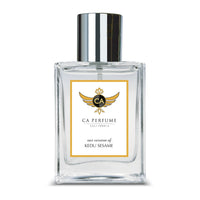
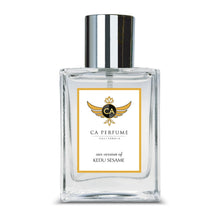
Kedu Sesame — Memo Kedu Sesame Alternative Perfume
6.3
MEI™
Primary Fresh
Secondary Romantic
Confidence
5.78
Presence
6.05
Mood Lift
7.3
Identity
5.93
Warmth
6.07
Social Ease
6.83
Energy
3.77
" I am radiant.
View full mood profile →
HumanSafe™

Top Sesame Fragrances by HumanSafe™ Score

These Sesame-based fragrances have the highest product-level HumanSafe™ scores in this ingredient collection.

Highest HumanSafe™ Score
Kedu Sesame — Memo Kedu Sesame Alternative Perfume
A-
HumanSafe™ Score Generally Safe
Safest Evaluated Ingredients EDP
OXACYCLOHEPTADEC-10-EN-2-ONE Evaluated ingredient ISS 10.0
AQUA Solvent / Carrier ISS 10.0
2-HEXENE, 6,6-DIMETHOXY-2,5,5-TRIMETHYL- Evaluated ingredient ISS 8.0
1,6,10-DODECATRIEN-3-OL, 3,7,11-TRIMETHYL- Evaluated ingredient ISS 8.0
LINALYL ACETATE Evaluated ingredient ISS 7.0
LINALOOL Evaluated ingredient ISS 7.0
View full safety profile →
Expert Voices

What Masters Say About Sesame

“
Sesame is one of those quiet, unexpected notes that feels familiar before you can even place it. Warm. Nutty. Slightly toasted. Softly sweet without being sugary.
Victoria Petrish, Fragrance Moderator
“
Sesame's scent in perfumery is remarkably faithful to the seed one consumes. It is at once exotic and spicy, with an unsweetened gourmand facet redolent of caramelised hazelnuts.
CA Perfume Editorial
Common Questions

Frequently Asked Questions

Common questions about sesame in perfumery answered with technical detail.

Sesame in perfume smells nutty, toasted, and warm, reminiscent of roasted seeds, warm bread, and caramelized nuts. It has gourmand facets with subtle spicy and coffee-like undertones. Notable perfumes featuring sesame include Hermès Ambre Narguile and Givenchy L'Interdit Eau de Parfum Intense.

Sesame is primarily used as a heart or base note in perfumery due to its warm, toasted, and gourmand characteristics. It provides depth and longevity, typically appearing after the initial volatile top notes have evaporated.

Sesame's rarity and complex gourmand profile make it a prized ingredient in niche perfumery. It adds a unique toasted, nutty warmth that complements woody, vanilla, and oriental accords, offering a sophisticated alternative to more common gourmand notes.

Sesame fragrance uses include pairing with vanilla, tonka bean, sandalwood, amber, and patchouli. These combinations enhance sesame's nutty and toasted facets while providing creamy, woody, and resinous balance.

Sesame perfumes are generally better suited for cooler seasons as heat can diminish the subtle gourmand facets. However, lighter applications or blending with fresh, citrus, or aquatic notes can make sesame wearable in summer.

Sesame's gourmand and toasted notes typically last 3 to 6 hours on skin in Eau de Parfum concentrations, influenced by individual skin chemistry and environmental factors.

Yes, sesame layers well with creamy vanillas, soft woods like sandalwood or cashmere wood, clean musks, and gentle ambers. These combinations create a balanced, warm, and softly sensual scent.

For beginners, perfumes like Hermès Ambre Narguile and Givenchy L'Interdit Eau de Parfum Intense offer approachable sesame notes blended with familiar gourmand and woody accords, providing a smooth introduction to the note.

Consider the fragrance's concentration, note composition, and seasonality. CA Perfume offers detailed descriptions and layering advice to help select sesame fragrances that suit your preferences and occasions.

Sesame in fragrance is softly sweet with a toasted, nutty warmth and a subtle spicy undertone derived from Maillard reaction compounds, creating a complex gourmand character without overt sweetness.

Spices Collection

Explore Our Top Sesame Fragrances

Discover a curated selection of perfumes featuring sesame's warm, nutty, and toasted character.

Shop all sesame fragrances at CA Perfume →

Where Sesame Comes From — Origin & Extraction

Sesame (Sesamum indicum) is an annual plant belonging to the Pedaliaceae family, native to Central Africa and the Orient, with cultivation now spanning over 60 countries. The Indian variety is the most widely used in perfumery and culinary applications. The plant grows between 60 cm and 2 meters tall, bearing capsules that resemble snapdragons, each containing approximately sixty small oleaginous seeds. The top producers of sesame seeds include Sudan, Myanmar, and India, with India being the largest market share holder. Sesame seeds come in white, brown, and black varieties, with white and black seeds being most common in perfumery and cuisine. The seeds are harvested and can be consumed raw, dehydrated, roasted, or toasted, each method affecting the scent and flavor profile. For perfumery, sesame is primarily extracted using supercritical CO2 extraction, a solvent-free method that preserves the delicate toasted and nutty aroma without heat degradation. This process involves pressurizing CO2 to a supercritical state to dissolve aromatic compounds, yielding an extract that retains the natural scent profile with minimal alteration. Cold-pressing is used for sesame oil in cosmetics but is less common for fragrance extraction. Natural sesame extract is costly, with prices ranging from $3,000 to $6,000 per kilogram, reflecting its labor-intensive harvesting and extraction. Synthetic aroma chemicals mimicking sesame's facets are less common but include nutty and toasted aldehydes. Sustainability concerns focus on agricultural practices and the environmental impact of large-scale cultivation, with organic and fair-trade sesame gaining traction.

Famous Fragrances That Define Sesame in Perfumery

Sesame's gourmand and toasted facets have been masterfully incorporated into several landmark fragrances over the past two decades. Hermès' Ambre Narguile (2003), crafted by Jean-Claude Ellena, uses sesame as a supporting note to enrich the amber and vanilla accords, adding a warm, nutty depth that enhances the composition's oriental character. Givenchy's L'Interdit Eau de Parfum Intense (2021), by Fanny Bal, features sesame as an accent note, blending it with tonka bean and vanilla to create a gourmand yet sophisticated aura. Diptyque's L'Eau Papier (2019) incorporates sesame subtly to provide a comforting, earthy softness within its woody-floral structure. Nishane's Meant To Be Seen (2020) uses sesame to add a toasted, nutty layer that complements its spicy and woody accords. Ralph Lauren's Polo 67 Eau de Parfum (2023) integrates sesame as a base note, contributing to the fragrance's creamy and warm profile. Other notable mentions include Etat Libre d'Orange's Pour La Fin Du Monde (2014), where sesame adds a gourmand nuance to the spicy and resinous composition, and EPC Experimental Perfume Club's Tonka Sesame (2022), which highlights sesame as a dominant gourmand note alongside hazelnut and tonka bean. CA Perfume's collection respects this lineage by exploring sesame's subtle gourmand qualities in modern compositions, emphasizing its role as a nuanced, comforting ingredient rather than a loud gourmand.

Natural vs Synthetic Sesame in Perfumery

Natural sesame extract is derived from Sesamum indicum seeds primarily through CO2 extraction, preserving its characteristic nutty, toasted, and warm aroma. The extract contains complex mixtures of unsaturated fatty acids, aromatic heterocycles, and Maillard reaction products formed during roasting, which contribute to its gourmand facets. Synthetic substitutes for sesame are rare due to the complexity of its scent profile but may include aroma chemicals such as benzaldehyde (almond-like), furaneol (caramellic), and maltol (toasty-sweet), which replicate facets of sesame's aroma. These synthetics offer advantages in cost, consistency, and stability, with prices typically under $200 per kilogram compared to natural extracts costing thousands. Performance-wise, natural sesame extracts provide a richer, more nuanced scent but may vary between batches due to agricultural factors. Synthetic molecules offer longer shelf life, greater diffusion, and predictable olfactory profiles. Famous fragrances like Hermès Ambre Narguile and Givenchy L'Interdit Eau de Parfum Intense use natural sesame for its authentic gourmand warmth, while niche perfumers may blend synthetics to approximate sesame's facets. CA Perfume employs the HumanSafe™ platform to ensure transparency and safety in sourcing both natural and synthetic ingredients, balancing sustainability with olfactory quality.