Ingredient Guide · Floral Aquatic
Floral Aquatic Family · Perfumery Note

Sea Daffodil

A luminous, aquatic white floral with creamy warmth

Sea Daffodil is a complex white floral note used primarily as a heart note in aquatic, solar, and Mediterranean-themed perfumes. It is characterized by a saline-floral aroma with creamy and slightly sweet nuances, often reconstructed with hedione, methyl benzoate, and calone. Concentrations typically range from 0.1% to 1% in fine perfumery.

Sea Daffodil
Ingredient Profile

Sea Daffodil

Floral Aquatic Family
Family Floral Aquatic
Note Position Heart Note
Usage Level 0.1–1%
Key Origins Italy (Southern Coast), Greece (Aegean Islands), Spain (Mediterranean Coast)
Iconic In Sea Daffodil, Sea Daffodil Edizione Millesimata
The Ingredient

What does Sea Daffodil smell like and why is it significant in perfumery?

Sea Daffodil (Pancratium maritimum) is a bulbous white flower native to Mediterranean coastal regions, known for its saline, fresh, and creamy floral scent. The note's scent profile is complex, combining marine freshness with white floral sweetness and a subtle creamy warmth. Key aroma chemicals used in its synthetic reconstruction include hedione (methyl dihydrojasmonate) for radiant white-floral lift, methyl benzoate for lily-like sweetness, and calone (methylbenzodioxepinone) for marine transparency. Traces of indole and linalool add naturalness and complexity. In perfumery, sea daffodil functions mainly as a heart note, bridging aquatic or marine top notes with musky or woody bases. It is typically used at concentrations from 0.1% to 1%, depending on the desired intensity and composition. Its saline-floral character interacts with skin chemistry by providing a fresh yet creamy aura that evolves into a soft, musky dry-down. Notable fragrances featuring sea daffodil include Jo Malone London's Sea Daffodil (2022, perfumer Alexis Dadier), where it is paired with ylang-ylang, mandarin, sandalwood, and vanilla to create a luminous, solar floral. Another example is Trussardi's Sea Daffodil Edizione Millesimata (2024, perfumer Véronique Nyberg), which combines sea daffodil with jasmine sambac, immortelle, and vanilla for a creamy, salty floral accord. These examples illustrate sea daffodil's versatility in aquatic-floral and Mediterranean-inspired compositions.

0.1–1%
Typical concentration range of sea daffodil accord in fine fragrances, balancing presence and blending.
2022
Year Jo Malone London launched Sea Daffodil, marking a significant milestone in popularizing the note.
3–5 hours
Average longevity of sea daffodil-based fragrances on skin, depending on concentration and formulation.
Origin & Extraction

Where Sea Daffodil Comes From — Origin & Extraction

Sea Daffodil is native to Mediterranean coastal regions where the saline soil and maritime climate influence its unique scent profile. The plant thrives on sandy beaches with high salt exposure, which imparts the characteristic saline facets to the flower's aroma.

Sea Daffodil (Pancratium maritimum) is a protected bulbous flowering plant native to Mediterranean coastal regions, including southern Italy, Greece, and parts of North Africa. It grows on salt-blown sandy beaches and dunes, thriving in saline environments. The plant contains lycorine alkaloids (C₁₆H₁₇NO₄), but no commercial natural extract is available due to conservation status and low yield. Because natural extraction is not commercially viable or sustainable, the sea daffodil note in perfumery is typically created synthetically. Its scent is reconstructed using aroma chemicals such as hedione (methyl dihydrojasmonate), methyl benzoate, calone (methylbenzodioxepinone), indole, and linalool. These molecules simulate the saline, floral, and creamy facets of the flower. Extraction methods for these synthetics include chemical synthesis and purification processes. The synthetic ingredients offer consistent quality and supply, with costs significantly lower than rare natural absolutes. Sustainability is enhanced by avoiding wild harvesting of the protected plant. Synthetic sea daffodil accords are used in concentrations typically ranging from 0.1% to 1% in fine fragrance. The note's Mediterranean origin and ecological sensitivity have led perfumers to favor synthetic reconstructions to preserve natural populations while capturing the unique coastal floral character.

IT

Italy (Southern Coast)

Southern Italian coasts provide the natural habitat for sea daffodil, where salt-laden winds and sandy soils contribute to the flower's saline and fresh aroma. The region is known for its protected status of the plant, limiting natural extraction and encouraging synthetic use.

GR

Greece (Aegean Islands)

The Aegean Islands' Mediterranean climate and coastal environment foster sea daffodil growth. The unique microclimate and soil composition enhance the flower's bright white floral and marine notes.

ES

Spain (Mediterranean Coast)

Spanish Mediterranean shores host sea daffodil populations, where the combination of sun exposure and sea breeze influences the aromatic profile, emphasizing fresh and saline characteristics.

MA

Morocco (Northern Coast)

Northern Moroccan coastal areas offer a warm, saline environment that shapes the sea daffodil's scent, contributing to its creamy and slightly sweet floral nuances.

Chemistry

Natural vs Synthetic Sea Daffodil in Perfumery

Sea Daffodil as a natural extract is not commercially available due to the plant's protected status and low extraction yield. Consequently, perfumery relies almost exclusively on synthetic aroma chemicals to recreate its scent profile. Key synthetic molecules include hedione (CAS 24851-98-7), methyl benzoate (CAS 93-58-3), and calone (methylbenzodioxepinone, CAS 182933-25-5). These synthetics provide radiant white floral, lily-like sweetness, and marine transparency, respectively. Performance-wise, synthetic sea daffodil accords offer superior consistency, stability, and longevity compared to any natural counterpart, which is unavailable. The synthetic note diffuses well, maintains clarity over time, and integrates seamlessly with other ingredients. Cost-wise, synthetic aroma chemicals range from $100 to $500 per kilogram, significantly more affordable than rare natural absolutes. Famous fragrances using synthetic sea daffodil include Jo Malone London's Sea Daffodil and Trussardi's Sea Daffodil Edizione Millesimata. Sustainability considerations favor synthetics, as they prevent overharvesting of the protected plant and reduce ecological impact. The HumanSafe™ platform verifies the safety and transparency of synthetic ingredients used. Overall, the synthetic sea daffodil accord is essential for capturing the unique saline-floral character in modern perfumery with ethical and practical advantages.

Natural
Sea Daffodil Absolute
Cost $3,000–6,000/kg
Method Solvent / CO₂
Character Complex, variable
vs
Synthetic
Safranal & Analogues
Cost $50–200/kg
Method Lab synthesis
Character Consistent, stable
Hall of Fame

Famous Fragrances That Define Sea Daffodil in Perfumery

2022
dominant heart note

Sea Daffodil

Jo Malone London
by Alexis Dadier
Ylang-YlangMandarin OrangePink PepperSandalwoodVanillaVetiver
2024
heart note

Sea Daffodil Edizione Millesimata

Trussardi
by Véronique Nyberg
Jasmine SambacImmortelleBergamotHazelnutCoconutVanillaCedarCypress
2016
supporting note

Magnetic Wood

The Harmonist
Woody NotesAquatic Notes
2025
accent note

Rubus Maris

Laura Biagiotti
Aromatic NotesSalty Floral
2009
accent note

Les Voyages Olfactifs 02 Paris-New York

Guerlain
Woody NotesFloral Notes

Sea Daffodil has gained recognition as a distinctive white floral note in contemporary aquatic and Mediterranean-themed fragrances. Notable examples include: 1. Jo Malone London - Sea Daffodil (2022), perfumer Alexis Dadier. Here, sea daffodil serves as a luminous heart note paired with ylang-ylang, mandarin orange, pink pepper, sandalwood, vanilla, and vetiver, creating a radiant, solar floral accord evocative of coastal daydreams. 2. Trussardi - Sea Daffodil Edizione Millesimata (2024), perfumer Véronique Nyberg. This fragrance features sea daffodil at its core with jasmine sambac, immortelle, bergamot, hazelnut, coconut, vanilla, cedar, and cypress, producing a creamy, salty floral bouquet that recalls Mediterranean beaches at sunset. 3. The Harmonist - Magnetic Wood (2016). Sea daffodil contributes to the woody-aquatic composition, enhancing its aromatic and fresh qualities. 4. Laura Biagiotti - Rubus Maris (2025). Incorporates sea daffodil to add a natural, salty floral facet within a complex aromatic structure. 5. Guerlain - Les Voyages Olfactifs 02 Paris-New York (2009). Uses sea daffodil to evoke coastal freshness blended with woody and floral notes. These fragrances illustrate sea daffodil's role as a bridge between aquatic freshness and creamy floral warmth, often paired with citrus, vanilla, sandalwood, and aromatic spices. CA Perfume's collection honors this lineage by exploring the saline-floral theme with nuanced modern interpretations.

The Accord

How is a captivating Sea Daffodil accord crafted?

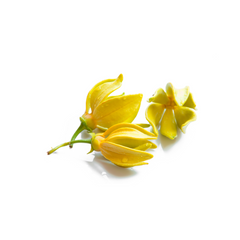
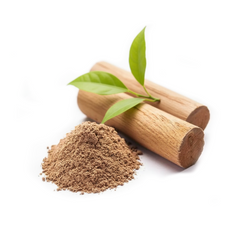
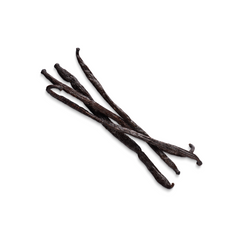
A typical sea daffodil accord blends approximately 25-30% Sea Daffodil synthetic accord, 20-25% Ylang-Ylang for creamy tropical floral facets, 20-25% Calone or aquatic molecules for marine transparency, and 25-30% Sandalwood and Vanilla for warmth and smoothness. Hedione (methyl dihydrojasmonate) is often included to enhance radiant white floral lift, while methyl benzoate adds lily-like sweetness. This balance creates a luminous, saline-floral heart that bridges fresh aquatic top notes with creamy, woody bases.

30%

Sea Daffodil Accord

25–30% of blend

Provides the core saline-floral character with synthetic molecules mimicking the natural flower's aroma.

25%

Ylang-Ylang

20–25% of blend

Adds creamy, tropical floral facets that complement the sea daffodil's brightness.

25%

Calone

20–25% of blend

Introduces marine transparency and watery freshness, enhancing the coastal impression.

30%

Sandalwood & Vanilla

25–30% of blend

Provides warmth, creaminess, and smoothness, balancing the floral and marine notes.

The Olfactory Layers

How Sea Daffodil Evolves on Skin

Sea Daffodil's olfactory evolution begins with fresh, bright top notes of citrus and pink pepper that evaporate within 15 minutes, revealing the heart's saline-floral character dominated by synthetic accords of hedione and methyl benzoate. The heart phase lasts up to an hour, where creamy ylang-ylang and marine calone molecules provide depth. The base notes emerge over several hours, with sandalwood, vanilla, and vetiver creating a warm, smooth dry-down anchored by musk-like compounds.

I
Top notes
0–15 min
Bright Citrus & Spicy Spark

The initial impression features volatile molecules such as limonene from mandarin orange and the spicy warmth of pink pepper. These high-volatility compounds evaporate quickly, delivering a fresh, sparkling opening that prepares the skin for the floral heart.

FreshCitrusySpicy
II
Heart notes
20–60 min
Saline Floral Radiance

The heart reveals the sea daffodil accord, constructed from hedione for radiant white floral lift, methyl benzoate for lily-like sweetness, and calone for marine transparency. Ylang-ylang adds creamy tropical floral facets. This phase balances freshness with creamy warmth, creating a luminous, saline floral bouquet.

SalineFloralCreamy
III
Base notes
Several hours
Creamy Woody Warmth

The base unfolds with sandalwood and vanilla providing creamy, smooth warmth, while vetiver adds woody depth. Musk compounds such as habanolide and ethylene brassylate anchor the scent with a skin-like dry-down, extending longevity and diffusion.

WoodyWarmMusky
TOP NOTES Bright Citrus & Spicy Spark 0–15 minutes HEART NOTES Saline Floral Radiance 20–60 minutes BASE NOTES Creamy Woody Warmth Several hours
Through the Ages

The Story of Sea Daffodil in Perfumery

The history of sea daffodil in perfumery is recent, emerging with modern synthetic techniques that allow its complex scent to be recreated without natural extraction.

Antiquity

Sea Daffodil in Ancient Art

Sea daffodils were depicted in frescoes dating back nearly 3,000 years in Akrotiri on Santorini, indicating early cultural significance in Mediterranean regions.

Late 20th Century

Synthetic Aroma Chemicals Development

Advances in organic chemistry enabled the synthesis of molecules like hedione and calone, foundational for recreating marine and white floral notes including sea daffodil.

2016

Magnetic Wood by The Harmonist

One of the earliest modern fragrances to incorporate sea daffodil synthetic accords, blending aquatic and woody elements.

2022

Jo Malone London Launches Sea Daffodil

Perfumer Alexis Dadier introduced sea daffodil as a central note in a unisex aromatic aquatic fragrance, highlighting its saline-floral character.

2024

Trussardi's Sea Daffodil Edizione Millesimata

Véronique Nyberg crafted a creamy, salty floral fragrance featuring sea daffodil, jasmine sambac, and immortelle, further popularizing the note.

The Art of Layering

How to Layer Sea Daffodil

Understanding how to layer sea daffodil involves molecular compatibility with citrus, woody, and creamy notes to enhance its saline-floral character without overpowering. Layering can modulate brightness, warmth, and longevity.

01

Enhance Freshness with Citrus

Pairing sea daffodil with citrus notes like mandarin or bergamot leverages shared volatile terpenes (limonene, linalool), enhancing the fresh, sparkling opening. Jo Malone's Sea Daffodil demonstrates this with mandarin orange top notes.

02

Add Depth with Woody Notes

Woody bases such as sandalwood and vetiver complement sea daffodil by providing creamy, warm molecular backbones (santalol, vetiverol) that balance the floral brightness and extend longevity. Trussardi's Edizione Millesimata uses this approach effectively.

03

Lighten the Glow with Soft Spices

Soft spices like pink pepper introduce piperine compounds that add a subtle warmth and complexity, preventing the floral accord from becoming flat. This layering creates a dynamic scent evolution, as seen in Jo Malone's Sea Daffodil.

Wear It Right

How to Wear Sea Daffodil Like a Pro

Seasonal Guide

Fall & Winter

In cooler months, sea daffodil's creamy vanilla and sandalwood base notes become more prominent, providing warmth and comfort. Apply moderately to pulse points to avoid overpowering in enclosed spaces.

Spring

Spring's mild temperatures highlight the floral and marine heart of sea daffodil. Layer with light citrus or green notes for a fresh, uplifting effect ideal for daytime wear.

Summer

Heat increases volatility, emphasizing sea daffodil's fresh, saline, and citrus top notes. Use lighter concentrations like EDT or cologne for a refreshing, airy scent that suits hot weather.

Year-Round Tip

Adjust application quantity and layering to balance sea daffodil's fresh and creamy facets according to temperature and humidity for optimal wear.

Application Points

Strategic application enhances sea daffodil's evolving scent profile and projection.

1

Neck

Pulse points at the neck provide warmth that activates sea daffodil's creamy and musky base notes, extending longevity.

2

Behind the Ears

Applying behind the ears allows subtle diffusion of fresh floral and marine notes, creating an intimate aura.

3

Inner Wrists

Wrists offer a balance of warmth and air exposure, enhancing the note's radiant white floral facets.

4

Hair

Hair holds fragrance molecules longer, releasing sea daffodil's fresh and creamy notes gradually with movement.

★

Pro Tip

Layer sea daffodil with complementary citrus or woody scents on clothing for a multi-dimensional, lasting effect.

Mood Architecture™

Top Sea Daffodil Fragrances by Mood Score

These Sea Daffodil-based fragrances scored highest on the MEI™ Mood Architecture Framework — measuring how a scent may influence your emotional state.

Highest MEI Score
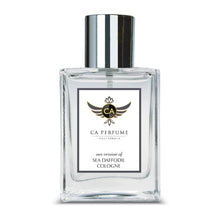
Sea Daffodil Cologne — Sea Daffodil Alternative Cologne
7.1
MEI™
Primary Romantic
Secondary Confident
Confidence
6.56
Presence
7.18
Mood Lift
7.28
Identity
6.9
Warmth
9.19
Social Ease
6.81
Energy
3.08
" I am beautiful.
View full mood profile →
HumanSafe™

Top Sea Daffodil Fragrances by HumanSafe™ Score

These Sea Daffodil-based fragrances have the highest product-level HumanSafe™ scores in this ingredient collection.

Highest HumanSafe™ Score
Sea Daffodil Cologne — Sea Daffodil Alternative Cologne
A-
HumanSafe™ Score Generally Safe
Safest Evaluated Ingredients EDP
AQUA Solvent / Carrier ISS 10.0
1,4-DIOXACYCLOHEPTADECANE-5,17-DIONE Evaluated ingredient ISS 10.0
HEXYL SALICYLATE Evaluated ingredient ISS 9.0
BENZYL SALICYLATE EYE IRRITATION - CAT. 2B [H320] Evaluated ingredient ISS 9.0
LINALYL ACETATE Evaluated ingredient ISS 7.0
LINALOOL Evaluated ingredient ISS 7.0
View full safety profile →
Expert Voices

What Masters Say About Sea Daffodil

“
Sea daffodil functions as a concept note bridging aquatic-marine top notes and musky or woody bases, introducing a white-floral presence with saline edges that suggests coastline without synthetic ocean clichés.
Première Peau Editorial
“
The essence of daydreaming in the dunes captured in a bottle of luminous, sensual never-ending sunshine.
Jo Malone London
Common Questions

Frequently Asked Questions

Common questions about sea daffodil in perfumery answered with technical detail.

Sea Daffodil in perfume smells like a fresh, saline white floral with creamy and slightly sweet undertones. It evokes the sensation of coastal breezes mingled with tropical florals and soft vanilla warmth. This scent profile is achieved using synthetic molecules such as hedione, methyl benzoate, and calone, which replicate the flower's radiant, marine, and lily-like facets.

Sea Daffodil is primarily used as a heart note in perfumery. It bridges fresh aquatic or marine top notes with creamy, musky, or woody base notes, providing a luminous white floral presence with saline edges. Its volatility and molecular composition make it unsuitable as a top or base note alone.

Sea Daffodil is favored in niche perfumery for its unique saline-floral character that evokes Mediterranean coastal atmospheres without relying on synthetic oceanic clichés. Its complex scent profile adds sophistication and freshness, allowing perfumers to craft evocative aquatic-floral and solar accords that stand out in niche collections.

Sea Daffodil fragrance uses best pair with citrus notes like mandarin orange for brightness, ylang-ylang for creamy tropical florals, sandalwood and vanilla for warmth and smoothness, and soft spices such as pink pepper for subtle complexity. These combinations balance the saline-floral character and enhance the overall accord.

Yes, Sea Daffodil perfumes are well-suited for summer and hot weather due to their fresh, saline, and floral profile. The note's marine transparency and citrus top notes provide a cooling effect, while lighter concentrations like EDT or cologne enhance wearability in heat.

Sea Daffodil-based fragrances typically last 3 to 5 hours on the skin, depending on concentration and formulation. Parfum concentrations extend longevity by emphasizing creamy and musky base notes, while lighter EDTs highlight fresh top and heart notes with moderate persistence.

Yes, layering Sea Daffodil perfume with complementary scents like citrus, woody, or soft spicy notes enhances its complexity and longevity. Molecular compatibility allows for smooth blending, as seen in combinations with mandarin orange, sandalwood, or pink pepper, creating personalized and evolving scent profiles.

For beginners, Jo Malone London's Sea Daffodil (2022) is an accessible introduction, offering a balanced, luminous aquatic floral with familiar citrus and vanilla notes. Trussardi's Sea Daffodil Edizione Millesimata (2024) provides a richer, creamier experience for those seeking depth with floral and gourmand nuances.

Choosing the right Sea Daffodil fragrance involves considering concentration, complementary notes, and personal preference for freshness versus creaminess. CA Perfume offers detailed descriptions and layering advice to help select a scent that matches your style and season, supported by the HumanSafe™ platform for ingredient transparency.

Sea Daffodil primarily smells sweet and saline with creamy floral nuances rather than spicy. However, it is often paired with soft spicy notes like pink pepper to add subtle warmth and complexity, balancing the sweetness without overpowering the delicate floral character.

Floral Aquatic Collection

Explore Our Top Sea Daffodil Fragrances

Discover luminous, saline floral perfumes featuring sea daffodil in various concentrations and accords.

Shop all sea daffodil fragrances at CA Perfume →

Where Sea Daffodil Comes From — Origin & Extraction

Sea Daffodil (Pancratium maritimum) is a protected bulbous flowering plant native to Mediterranean coastal regions, including southern Italy, Greece, and parts of North Africa. It grows on salt-blown sandy beaches and dunes, thriving in saline environments. The plant contains lycorine alkaloids (C₁₆H₁₇NO₄), but no commercial natural extract is available due to conservation status and low yield. Because natural extraction is not commercially viable or sustainable, the sea daffodil note in perfumery is typically created synthetically. Its scent is reconstructed using aroma chemicals such as hedione (methyl dihydrojasmonate), methyl benzoate, calone (methylbenzodioxepinone), indole, and linalool. These molecules simulate the saline, floral, and creamy facets of the flower. Extraction methods for these synthetics include chemical synthesis and purification processes. The synthetic ingredients offer consistent quality and supply, with costs significantly lower than rare natural absolutes. Sustainability is enhanced by avoiding wild harvesting of the protected plant. Synthetic sea daffodil accords are used in concentrations typically ranging from 0.1% to 1% in fine fragrance. The note's Mediterranean origin and ecological sensitivity have led perfumers to favor synthetic reconstructions to preserve natural populations while capturing the unique coastal floral character.

Famous Fragrances That Define Sea Daffodil in Perfumery

Sea Daffodil has gained recognition as a distinctive white floral note in contemporary aquatic and Mediterranean-themed fragrances. Notable examples include: 1. Jo Malone London - Sea Daffodil (2022), perfumer Alexis Dadier. Here, sea daffodil serves as a luminous heart note paired with ylang-ylang, mandarin orange, pink pepper, sandalwood, vanilla, and vetiver, creating a radiant, solar floral accord evocative of coastal daydreams. 2. Trussardi - Sea Daffodil Edizione Millesimata (2024), perfumer Véronique Nyberg. This fragrance features sea daffodil at its core with jasmine sambac, immortelle, bergamot, hazelnut, coconut, vanilla, cedar, and cypress, producing a creamy, salty floral bouquet that recalls Mediterranean beaches at sunset. 3. The Harmonist - Magnetic Wood (2016). Sea daffodil contributes to the woody-aquatic composition, enhancing its aromatic and fresh qualities. 4. Laura Biagiotti - Rubus Maris (2025). Incorporates sea daffodil to add a natural, salty floral facet within a complex aromatic structure. 5. Guerlain - Les Voyages Olfactifs 02 Paris-New York (2009). Uses sea daffodil to evoke coastal freshness blended with woody and floral notes. These fragrances illustrate sea daffodil's role as a bridge between aquatic freshness and creamy floral warmth, often paired with citrus, vanilla, sandalwood, and aromatic spices. CA Perfume's collection honors this lineage by exploring the saline-floral theme with nuanced modern interpretations.

Natural vs Synthetic Sea Daffodil in Perfumery

Sea Daffodil as a natural extract is not commercially available due to the plant's protected status and low extraction yield. Consequently, perfumery relies almost exclusively on synthetic aroma chemicals to recreate its scent profile. Key synthetic molecules include hedione (CAS 24851-98-7), methyl benzoate (CAS 93-58-3), and calone (methylbenzodioxepinone, CAS 182933-25-5). These synthetics provide radiant white floral, lily-like sweetness, and marine transparency, respectively. Performance-wise, synthetic sea daffodil accords offer superior consistency, stability, and longevity compared to any natural counterpart, which is unavailable. The synthetic note diffuses well, maintains clarity over time, and integrates seamlessly with other ingredients. Cost-wise, synthetic aroma chemicals range from $100 to $500 per kilogram, significantly more affordable than rare natural absolutes. Famous fragrances using synthetic sea daffodil include Jo Malone London's Sea Daffodil and Trussardi's Sea Daffodil Edizione Millesimata. Sustainability considerations favor synthetics, as they prevent overharvesting of the protected plant and reduce ecological impact. The HumanSafe™ platform verifies the safety and transparency of synthetic ingredients used. Overall, the synthetic sea daffodil accord is essential for capturing the unique saline-floral character in modern perfumery with ethical and practical advantages.