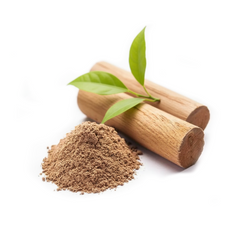
Where Sapodilla Comes From — Origin & Extraction
Sapodilla is derived from the fruit of Manilkara zapota, an evergreen tree native to southern Mexico, Central America, and the Caribbean. Today, major commercial production is centered in Mexico, Guatemala, and Belize, with smaller cultivation in India and Southeast Asia. Mexico remains the largest exporter, accounting for an estimated 60% of global sapodilla fruit output, though precise volumes for perfumery-grade extraction are not widely published.
For fragrance use, sapodilla absolute is obtained primarily through solvent extraction (using food-grade hexane or ethanol) or supercritical CO₂ extraction. The fruit is sliced, freeze-dried to retain volatile esters, and then subjected to solvent extraction at temperatures below 40°C to prevent degradation of key aroma compounds. Yields are low—approximately 0.05–0.1% by weight of fresh fruit—contributing to the high cost of natural sapodilla absolute, which ranges from $3,000–6,000 per kilogram. Steam distillation has been patented for sapodilla essential oil, but this method is less common due to the thermal sensitivity of the fruit’s aromatic profile.
Synthetic sapodilla notes are produced using molecules such as maltol, ethyl maltol, and safranal analogues, at a fraction of the cost ($50–200/kg) and with greater batch-to-batch consistency. Sustainability considerations include the energy and water required for fruit cultivation and extraction, but the use of by-products from the food industry can mitigate waste. Synthetic alternatives reduce pressure on tropical agriculture and offer a more stable supply chain.
Famous Fragrances That Define Sapodilla in Perfumery
Sapodilla has become a signature note in several modern fragrances, especially within the gourmand and transparent floral-woody genres. Byredo Mojave Ghost (2014, Ben Gorham) is perhaps the most influential, using sapodilla as a translucent, sweet opening paired with ambrette, magnolia, and sandalwood. The sapodilla here is rendered through a blend of natural and synthetic materials, creating a unique, musky fruitiness that is both comforting and ethereal.
Oakcha Desert Glass (2025) builds on this DNA, placing sapodilla at the forefront and accenting it with violet, magnolia, and ambergris, resulting in a warm, sunlit sweetness. Sand + Fog Violet Sandalwood (2023) uses sapodilla as a bridge note, connecting creamy sandalwood with powdery violet for a soft, enveloping effect. Coyotl Yum Kaax (2022) explores sapodilla’s tropical character, pairing it with mango, coconut, and benzoin for a lush, exotic composition.
Skylar Fruitful Bliss (2021) employs sapodilla as a supporting note, enhancing the juicy, pear-like sweetness of the blend, while Wicked Good Brown Sugar Oud (2020) uses sapodilla to round out the sharpness of oud and add a caramelized depth. CA Perfume’s collection draws inspiration from these landmark fragrances, offering sapodilla-centered blends that showcase both its gourmand and tropical versatility.
Natural vs Synthetic Sapodilla in Perfumery
Natural sapodilla absolute is a complex mixture of sugars, esters, and lactones, with maltol (CAS 118-71-8), ethyl maltol (CAS 4940-11-8), and safranal (CAS 116-26-7) contributing to its characteristic caramel and creamy facets. The natural extract is prized for its nuanced, evolving scent and subtle earthy undertones, but it is costly ($3,000–6,000/kg), variable in quality, and limited by seasonal fruit harvests.
Synthetic sapodilla notes are constructed from a combination of maltol, ethyl maltol, and safranal analogues, sometimes with the addition of gamma-undecalactone (CAS 104-67-6) for a fruity, peachy nuance. These aroma chemicals offer high stability, consistent performance, and excellent longevity, with costs as low as $50–200/kg. Synthetics are widely used in mainstream and niche perfumery, including in Byredo Mojave Ghost, where the sapodilla effect is largely achieved through a blend of synthetics for reproducibility and IFRA compliance.
From a sustainability perspective, synthetics reduce the environmental impact associated with tropical fruit cultivation and allow for transparent sourcing, as verified by the HumanSafe™ platform. CA Perfume prioritizes traceable, IFRA-compliant aroma chemicals and uses natural sapodilla absolute only when it can be sourced as a by-product of the food industry. This approach balances olfactory authenticity with environmental responsibility and supply chain resilience.