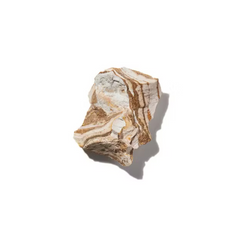
Salt in perfumery is not derived from sodium chloride itself, but is a constructed olfactory effect achieved through a blend of aroma chemicals and natural materials. The 'salt' scent profile is defined by mineralic, ozonic, and slightly briny facets, often described as reminiscent of sea air, sun-warmed skin, and wet stones. Key molecules responsible for this effect include Calone (CAS 28940-11-6), which imparts a marine, watermelon-like freshness, and Ambroxan (CAS 6790-58-5), which adds a skin-like, musky, and subtly salty undertone. Other contributors include Helional and various aldehydes for airy, aquatic brightness. The result is a scent that is simultaneously fresh, mineral, and subtly animalic, evoking both the ocean and the intimate scent of skin after a day at the beach.
In perfumery, salt is typically used as a heart or accent note, rarely as a dominant top or base. Its concentration in finished fragrances usually ranges from trace amounts up to 2%, depending on the desired effect. Salt interacts with skin chemistry by amplifying mineral and ozonic facets, often enhancing the perception of other notes such as citrus, white florals, or woods. On skin, salt notes can shift from crisp and breezy to warmer and more skin-like, depending on pH and moisture levels. Its volatility is moderate, contributing to the heart and early drydown phases rather than the initial top or long-lasting base.
Notable fragrances that exemplify salt in perfumery include Ellis Brooklyn Salt Eau de Parfum (2020), which pairs vegan ambergris, Tahitian tiare, and sandalwood to create a beachy, mineralic effect, and Jo Malone London Wood Sage & Sea Salt (2014), where salt is used to evoke windswept coastal air alongside sage and ambrette. These compositions highlight salt’s versatility as both a modern aquatic note and a bridge between floral, woody, and gourmand accords.