Ingredient Guide · Aquatic
Aquatic Family · Perfumery Note

Salt

Evoking ocean air, sun-warmed skin, and mineral freshness.

Salt is a fantasy note in perfumery, classified as a heart or accent note, used to evoke mineral, ozonic, and skin-like sensations. Its effect is achieved through blends of synthetic molecules such as Calone and Ambroxan, typically at concentrations below 2%.

Salt
Ingredient Profile

Salt

Aquatic Family
Family Aquatic
Note Position Heart Note
Usage Level <2%
Key Origins France, United States, Japan
Iconic In Wood Sage & Sea Salt, Salt Eau de Parfum
The Ingredient

What does Salt smell like and why is it significant in perfumery?

Salt in perfumery is not derived from sodium chloride itself, but is a constructed olfactory effect achieved through a blend of aroma chemicals and natural materials. The 'salt' scent profile is defined by mineralic, ozonic, and slightly briny facets, often described as reminiscent of sea air, sun-warmed skin, and wet stones. Key molecules responsible for this effect include Calone (CAS 28940-11-6), which imparts a marine, watermelon-like freshness, and Ambroxan (CAS 6790-58-5), which adds a skin-like, musky, and subtly salty undertone. Other contributors include Helional and various aldehydes for airy, aquatic brightness. The result is a scent that is simultaneously fresh, mineral, and subtly animalic, evoking both the ocean and the intimate scent of skin after a day at the beach. In perfumery, salt is typically used as a heart or accent note, rarely as a dominant top or base. Its concentration in finished fragrances usually ranges from trace amounts up to 2%, depending on the desired effect. Salt interacts with skin chemistry by amplifying mineral and ozonic facets, often enhancing the perception of other notes such as citrus, white florals, or woods. On skin, salt notes can shift from crisp and breezy to warmer and more skin-like, depending on pH and moisture levels. Its volatility is moderate, contributing to the heart and early drydown phases rather than the initial top or long-lasting base. Notable fragrances that exemplify salt in perfumery include Ellis Brooklyn Salt Eau de Parfum (2020), which pairs vegan ambergris, Tahitian tiare, and sandalwood to create a beachy, mineralic effect, and Jo Malone London Wood Sage & Sea Salt (2014), where salt is used to evoke windswept coastal air alongside sage and ambrette. These compositions highlight salt’s versatility as both a modern aquatic note and a bridge between floral, woody, and gourmand accords.

<2%
Salt accords are typically used at concentrations below 2% of the total fragrance formula, as higher levels can overwhelm and disrupt olfactory balance.
4–6 Hours
Salt-based fragrances have moderate longevity, with the marine and mineralic heart lasting 4–6 hours before fading to a soft, woody skin scent.
3–4 Sprays
Optimal application is 3–4 sprays, focusing on pulse points and hair to maximize projection and evolution without oversaturating the skin.
Origin & Extraction

Where Salt Comes From — Origin & Extraction

Salt notes in perfumery are constructed in laboratories worldwide, but the inspiration often comes from coastal regions with unique mineral compositions and marine climates.

In perfumery, the 'salt' note is a fantasy accord rather than a direct extraction of sodium chloride. Historically, freshly harvested sea salt was noted to have a faint floral or violet-like aroma, attributed to trace magnesium compounds and organic material present before purification. However, purified sodium chloride (NaCl) is odorless to the human nose. The olfactory impression of salt is constructed using synthetic molecules such as Calone (discovered by Pfizer in 1966), Ambroxan (originally isolated from ambergris), and Helional, as well as natural materials like ambergris or seaweed extracts. Calone is produced via organic synthesis from cyclopentanone derivatives, while Ambroxan is synthesized from sclareol (extracted from clary sage, Salvia sclarea) or via total synthesis. Major manufacturers of these molecules include Firmenich, Givaudan, and Symrise, with production centered in Europe and the US. Calone and Ambroxan are produced at industrial scale, with Calone priced around $100–$300/kg and Ambroxan at $400–$800/kg, compared to the prohibitive cost of natural ambergris ($20,000+/kg). Sustainability is a key consideration; synthetic salt notes reduce reliance on marine animal products and minimize environmental impact. The use of NaturePrint™ and other biomimetic technologies allows for vegan, cruelty-free salt accords in modern perfumery.

FR

France

Grasse and the French Riviera inspire many marine and salt accords, with Mediterranean sea air and mineral-rich coastlines influencing the olfactory profile. France is a leading center for aroma chemical production and perfumery innovation.

US

United States

The Atlantic and Pacific coasts, especially California, inspire salt notes with their briny, ozonic breezes. Major aroma chemical manufacturers are based in New Jersey and Texas, producing Calone and Ambroxan at scale.

JP

Japan

Japanese perfumery draws on the mineral freshness of the Seto Inland Sea and Pacific coast, with a focus on subtle, transparent salt effects. Japan is a key market for aquatic and mineralic fragrances.

IT

Italy

The Tyrrhenian and Adriatic coasts inspire salt accords with Mediterranean herbs and citrus. Italian perfumers often blend salt with bergamot and neroli for a sunlit, breezy effect.

Chemistry

Natural vs Synthetic Salt in Perfumery

The salt note in perfumery is almost exclusively synthetic, as sodium chloride itself is odorless. The effect is achieved through molecules such as Calone (CAS 28940-11-6), Ambroxan (CAS 6790-58-5), and Helional (CAS 141-13-9). Calone provides a marine, ozonic freshness; Ambroxan imparts a skin-like, mineralic warmth; Helional adds airy, aquatic brightness. Synthetic salt accords offer superior stability, longevity, and batch consistency compared to natural marine extracts. Natural sources such as ambergris (containing ambrein and related compounds) were historically used for salty, animalic nuances, but are now largely replaced by vegan synthetics due to cost, ethical, and regulatory factors. Synthetic salt notes are used in fragrances like Jo Malone Wood Sage & Sea Salt and Maison Margiela Replica Sailing Day, while natural ambergris is rare and reserved for luxury niche perfumery. The HumanSafe™ platform ensures full ingredient transparency and vegan compliance for salt notes in CA Perfume’s collection.

Natural
Salt Absolute
Cost $3,000–6,000/kg
Method Solvent / CO₂
Character Complex, variable
vs
Synthetic
Safranal & Analogues
Cost $50–200/kg
Method Lab synthesis
Character Consistent, stable
Hall of Fame

Famous Fragrances That Define Salt in Perfumery

2014
dominant note

Wood Sage & Sea Salt

Jo Malone London
by Christine Nagel
sageambrettegrapefruit
2020
dominant note

Salt Eau de Parfum

Ellis Brooklyn
vegan ambergrisTahitian tiaresandalwood
2010
bridge note

Womanity

Mugler
by Ralf Schwieger & Alexis Dadier
caviarfigvanilla
2019
accent

Vanilla Vibes

Juliette Has a Gun
by Romano Ricci
vanillasandalwoodmusk
2022
dominant note

Le Sel d’Issey

Issey Miyake
citrusdriftwoodseaweed

Salt has become a defining note in modern aquatic and skin-scented fragrances, often used to evoke the sensation of sea air, sun-warmed skin, or mineral freshness. Jo Malone London Wood Sage & Sea Salt (2014, perfumer Christine Nagel) is a landmark, using Calone and Ambroxan to create a windswept, mineralic coastal effect paired with sage and ambrette. Ellis Brooklyn Salt Eau de Parfum (2020) blends vegan ambergris, Tahitian tiare, and sandalwood for a creamy, beach-inspired saltiness. Mugler Womanity (2010, Ralf Schwieger & Alexis Dadier) shocked the industry with a caviar accord layered over fig and vanilla, demonstrating salt’s potential in gourmand and floral-amber compositions. Juliette Has a Gun Vanilla Vibes (2019, Romano Ricci) uses salt to contrast sweet vanilla and sandalwood, while Issey Miyake Le Sel d’Issey (2022) explores salt’s mineral and aquatic facets with citrus and driftwood. These fragrances illustrate salt’s versatility as a dominant note, bridge, or accent, often paired with woods, florals, or gourmand notes. CA Perfume’s salt-inspired collection draws on this lineage, offering vegan, transparent compositions for contemporary wearers.

The Accord

How is a captivating Salt accord crafted?

A salt accord is built by blending Calone (25–30%), Ambroxan (20–25%), white florals (20–25%), and sandalwood (25–30%). Calone provides marine freshness; Ambroxan imparts skin-like mineral warmth; white florals (such as tiare or magnolia) add creamy, solar facets; sandalwood grounds the accord with lactonic, woody depth. Together, these ingredients create a balanced, realistic impression of sunlit sea air and mineral skin.

30%

Calone

25–30% of blend

Calone (CAS 28940-11-6) imparts a marine, ozonic freshness with subtle watermelon facets, essential for the perception of sea air and aquatic saltiness.

25%

Ambroxan

20–25% of blend

Ambroxan (CAS 6790-58-5) provides a mineral, skin-like warmth and subtle saltiness, mimicking the scent of sun-warmed skin and ambergris.

25%

Tiare (White Florals)

20–25% of blend

Tiare or magnolia adds creamy, solar floralcy, enhancing the accord’s luminosity and echoing the subtle floral facets found in natural sea salt.

30%

Sandalwood

25–30% of blend

Sandalwood provides lactonic, woody depth, supporting the salt accord’s creamy, sun-warmed character and increasing longevity on skin.

The Olfactory Layers

How Salt Evolves on Skin

Salt-based fragrances evolve from a fresh, ozonic opening to a mineralic, skin-like heart and a creamy, woody drydown. The volatility of Calone and aldehydes ensures a brisk top, while Ambroxan and sandalwood persist in the base.

I
Top notes
0–15 min
Marine Freshness

The opening is defined by high-volatility molecules such as Calone and aldehydes, creating an immediate impression of sea spray, ozone, and mineral freshness. Citrus or violet leaf may add a green, breezy lift.

marineozonicfresh
II
Heart notes
20–60 min
Mineral Warmth

The heart reveals the characteristic saltiness, with Ambroxan and white florals (tiare, magnolia) providing creamy, solar, and slightly animalic facets. The mineralic effect is most pronounced here, evoking sun-warmed skin and driftwood.

mineralicskin-likesolar
III
Base notes
Several hours
Woody Skin Musk

The drydown is anchored by sandalwood, musk, and residual Ambroxan, leaving a soft, woody, and subtly salty skin scent. The salt effect becomes more intimate and warm as the volatile top notes dissipate.

woodymuskywarm
TOP NOTES Marine Freshness 0–15 minutes HEART NOTES Mineral Warmth 20–60 minutes BASE NOTES Woody Skin Musk Several hours
Through the Ages

The Story of Salt in Perfumery

Salt as a perfumery note is a recent innovation, evolving from marine accords of the late 20th century to a modern symbol of skin-like intimacy and mineral freshness.

18th Century

Salt Marshes and Scented Salt

Writers in France describe freshly harvested salt as having a violet or iris-like aroma, attributed to magnesium impurities, before purification renders it odorless.

1966

Discovery of Calone

Pfizer chemists synthesize Calone (methylbenzodioxepinone), a molecule that becomes foundational for marine and salt accords in perfumery.

1990s

Rise of Aquatic Fragrances

Aquatic notes, using Calone and related molecules, dominate the fragrance industry, paving the way for salt as a distinct olfactory effect.

2010

Mugler Womanity Launches

Mugler’s Womanity introduces a caviar and salt accord, composed by Ralf Schwieger and Alexis Dadier, marking a turning point for salt in gourmand and floral-amber compositions.

2014–2020

Salt Becomes a Modern Signature

Jo Malone Wood Sage & Sea Salt (2014) and Ellis Brooklyn Salt (2020) establish salt as a defining note in contemporary perfumery, inspiring a wave of mineralic, skin-like fragrances.

The Art of Layering

How to Layer Salt

Understanding how to layer salt fragrances requires attention to molecular compatibility. The key to how to layer salt is pairing it with notes that share mineral, ozonic, or creamy facets, or that provide olfactory contrast through gourmand or woody bases.

01

Enhance Marine Freshness

Layer salt fragrances with citrus (bergamot, grapefruit) or green notes (violet leaf) to amplify the marine, ozonic effect. Calone and citrus aldehydes share high volatility, creating a brisk, refreshing sillage. Jo Malone Wood Sage & Sea Salt layered with a citrus cologne demonstrates this synergy.

02

Add Creamy Warmth

Pair salt with vanilla, coconut, or sandalwood to soften mineral edges and create a sun-warmed, gourmand effect. Ambroxan and vanillin interact through olfactory masking, reducing sharpness and increasing perceived sweetness. Juliette Has a Gun Vanilla Vibes is a prime example.

03

Deepen with Woods

Combine salt with cedar, vetiver, or driftwood for a mineralic, earthy base. The shared presence of iso E super and woody lactones bridges the marine and woody facets, as seen in Issey Miyake Le Sel d’Issey.

Wear It Right

How to Wear Salt Like a Pro

Seasonal Guide

Fall & Winter

In cooler temperatures, salt notes become more subdued and intimate, with Ambroxan and sandalwood dominating the drydown. Apply to pulse points under clothing to enhance warmth and longevity, as cold air suppresses volatility and sillage.

Spring

Spring’s moderate temperatures allow salt’s marine and floral facets to shine. The scent projects well without becoming overpowering. Apply to exposed skin for a fresh, breezy effect that complements transitional weather.

Summer

Heat increases the volatility of Calone and aldehydes, intensifying the marine, ozonic top notes. Salt fragrances perform best in humid, coastal environments, evoking beach air and sun-warmed skin. Reapply as needed to maintain freshness.

Year-Round Tip

Layer salt fragrances with woody or floral notes to adapt to any season. Adjust application based on climate: lighter in summer, more concentrated in winter. Salt’s versatility makes it suitable for daily wear across climates.

Application Points

Strategic application enhances salt’s projection and longevity, especially on pulse points and hair.

1

Neck

Applying salt fragrances to the neck leverages body heat, increasing the volatility of marine and ozonic molecules for a more pronounced sea-air effect.

2

Behind the Ears

This area is warm and close to the skin, allowing salt notes to evolve from fresh to intimate, blending with natural skin lipids for a personal scent trail.

3

Inner Wrists

Pulse points on the wrists enhance the diffusion of salt accords, especially during gestural movement. The scent transitions from marine to mineralic as it dries down.

4

Hair

Spraying salt fragrances on hair provides sustained release, as hair fibers trap volatile molecules. The scent lingers and moves with you, amplifying the marine effect.

Pro Tip

Layer salt fragrances over unscented moisturizer to increase longevity and prevent rapid evaporation of top notes, especially in dry climates.

Mood Architecture™

Top Salt Fragrances by Mood Score

These Salt-based fragrances scored highest on the MEI™ Mood Architecture Framework — measuring how a scent may influence your emotional state.

Highest MEI Score
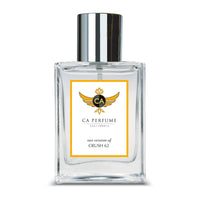
Crush 62 — Cheirosa '62 Alternative Perfume
7.65
MEI™
Primary Romantic
Secondary Grounding
Confidence
6.52
Presence
6.65
Mood Lift
8.63
Identity
6.48
Warmth
9.5
Social Ease
7.99
Energy
4.8
" I am beautiful.
View full mood profile →
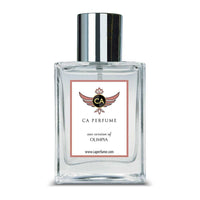
Olimpia — Olympea Alternative Perfume for Women
7.2
MEI™
Primary Romantic
Secondary Confident
Confidence
6.84
Presence
7.28
Mood Lift
7.3
Identity
6.57
Warmth
9.02
Social Ease
6.88
Energy
4.2
" I am beautiful.
View full mood profile →
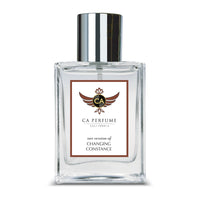
Changing Constance — Penhaligon's Changing Constance Alternative Perfume
6.93
MEI™
Primary Romantic
Secondary Grounding
Confidence
5.78
Presence
6.05
Mood Lift
7.75
Identity
6.04
Warmth
8.89
Social Ease
7.34
Energy
3.9
" I am beautiful.
View full mood profile →
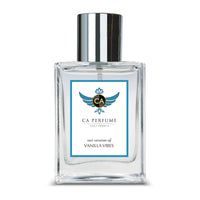
Vanilla Vibes — Juliette Has A Gun Vanilla Vibes Alternative Perfume
6.74
MEI™
Primary Romantic
Secondary Confident
Confidence
6.24
Presence
6.48
Mood Lift
6.96
Identity
6.19
Warmth
8.7
Social Ease
6.52
Energy
3.6
" I am beautiful.
View full mood profile →
HumanSafe™

Top Salt Fragrances by HumanSafe™ Score

These Salt-based fragrances have the highest product-level HumanSafe™ scores in this ingredient collection.

Highest HumanSafe™ Score
Vanilla Vibes — Juliette Has A Gun Vanilla Vibes Alternative Perfume
A-
HumanSafe™ Score Generally Safe
Safest Evaluated Ingredients EDP
AQUA Solvent / Carrier ISS 10.0
1,4-DIOXACYCLOHEPTADECANE-5,17-DIONE Evaluated ingredient ISS 10.0
BENZYL SALICYLATE Evaluated ingredient ISS 9.0
BENZENEPROPANAL, 4-METHOXY-.ALPHA.-METHYL- Evaluated ingredient ISS 9.0
3-CYCLOPENTENE-1-ACETALDEHYDE, 2,2,3-TRIMETHYL-, Evaluated ingredient ISS 9.0
View full safety profile →
Olimpia — Olympea Alternative Perfume for Women
A-
HumanSafe™ Score Generally Safe
Safest Evaluated Ingredients EDP
AQUA Solvent / Carrier ISS 10.0
BENZYL SALICYLATE Evaluated ingredient ISS 9.0
BENZENEPROPANAL, 4-METHOXY-.ALPHA.-METHYL- Evaluated ingredient ISS 9.0
LINALOOL Evaluated ingredient ISS 7.0
CITRONELLOL Evaluated ingredient ISS 7.0
View full safety profile →
Crush 62 — Cheirosa '62 Alternative Perfume
A-
HumanSafe™ Score Generally Safe
Safest Evaluated Ingredients EDP
BENZOIC ACID, 2-HYDROXY-, CYCLOHEXYL ESTER Evaluated ingredient ISS 10.0
AQUA Solvent / Carrier ISS 10.0
1,4-DIOXACYCLOHEPTADECANE-5,17-DIONE Evaluated ingredient ISS 10.0
BENZYL SALICYLATE Evaluated ingredient ISS 9.0
3-CYCLOPENTENE-1-ACETALDEHYDE, 2,2,3-TRIMETHYL-, Evaluated ingredient ISS 9.0
View full safety profile →
Changing Constance — Penhaligon's Changing Constance Alternative Perfume
A-
HumanSafe™ Score Generally Safe
Safest Evaluated Ingredients EDP
AQUA Solvent / Carrier ISS 10.0
AMBROXID Evaluated ingredient ISS 10.0
5-CYCLOHEXADECEN-1-ONE Evaluated ingredient ISS 10.0
1,4-DIOXACYCLOHEPTADECANE-5,17-DIONE Evaluated ingredient ISS 10.0
AMBROXIDE Evaluated ingredient ISS 9.0
View full safety profile →
Expert Voices

What Masters Say About Salt

Salt in perfumery is a fantasy note, constructed from molecules like Calone and Ambroxan to evoke the mineral freshness of sea air and sun-warmed skin.
CA Perfume Editorial
Just as salt enhances the flavor of food, salty notes can enhance the profile of a fragrance, adding a leathery note.
David Seth Moltz, DS & Durga
Common Questions

Frequently Asked Questions

Answers to common questions about salt in perfumery, from scent character to layering and performance.

Salt in perfume smells mineralic, ozonic, and slightly briny, evoking sea air, sun-warmed skin, and wet stones. The effect is achieved through molecules like Calone and Ambroxan, creating a fresh, modern, and skin-like scent profile. Notable examples include Jo Malone Wood Sage & Sea Salt and Ellis Brooklyn Salt.

Salt is typically used as a heart or accent note in fragrance compositions. Its volatility is moderate, allowing it to bridge the transition from fresh top notes to creamy, woody bases. In most formulas, salt notes are present during the heart and early drydown phases.

Salt is popular in niche perfumery for its ability to evoke modern, skin-like, and mineralic effects that feel both intimate and expansive. It offers a unique alternative to traditional marine or aquatic notes, and pairs well with florals, woods, and gourmands for contemporary compositions.

Salt fragrance uses include pairing with citrus (bergamot, grapefruit), white florals (tiare, magnolia), woods (sandalwood, driftwood), and gourmands (vanilla, coconut). These combinations enhance both freshness and warmth, creating complex, layered scents.

Salt perfumes excel in summer and hot weather, as heat increases the volatility of marine and ozonic molecules, amplifying the fresh, breezy effect. Salt notes evoke beach air and sun-warmed skin, making them ideal for warm climates and outdoor wear.

Salt-based fragrances have moderate longevity, with the marine and mineralic heart lasting 4–6 hours before fading to a soft, woody skin scent. Longevity depends on concentration, skin chemistry, and application method.

Yes, salt perfumes can be layered with citrus, floral, woody, or gourmand scents. Layering enhances the marine or creamy facets, depending on the pairing. For example, combining salt with vanilla or coconut creates a sun-warmed, gourmand effect.

Recommended entry points include Jo Malone Wood Sage & Sea Salt, Ellis Brooklyn Salt, and Juliette Has a Gun Vanilla Vibes. These fragrances offer balanced, approachable salt accords suitable for daily wear.

Consider your preferred pairing notes (citrus, floral, woody, gourmand) and desired intensity. CA Perfume’s salt-inspired collection offers vegan, transparent options with detailed scent profiles to guide your selection.

Salt in fragrance is primarily mineralic, ozonic, and skin-like, but can take on sweet or creamy facets when paired with vanilla, coconut, or sandalwood. The overall effect depends on the composition and supporting notes.

Aquatic Collection

Explore Our Top Salt Fragrances

Discover salt-inspired fragrances that capture the essence of sea air, sun-warmed skin, and mineral freshness. Each composition is vegan, transparent, and crafted for modern wear.

Shop all salt fragrances at CA Perfume →

Where Salt Comes From — Origin & Extraction

In perfumery, the 'salt' note is a fantasy accord rather than a direct extraction of sodium chloride. Historically, freshly harvested sea salt was noted to have a faint floral or violet-like aroma, attributed to trace magnesium compounds and organic material present before purification. However, purified sodium chloride (NaCl) is odorless to the human nose. The olfactory impression of salt is constructed using synthetic molecules such as Calone (discovered by Pfizer in 1966), Ambroxan (originally isolated from ambergris), and Helional, as well as natural materials like ambergris or seaweed extracts. Calone is produced via organic synthesis from cyclopentanone derivatives, while Ambroxan is synthesized from sclareol (extracted from clary sage, Salvia sclarea) or via total synthesis. Major manufacturers of these molecules include Firmenich, Givaudan, and Symrise, with production centered in Europe and the US. Calone and Ambroxan are produced at industrial scale, with Calone priced around $100–$300/kg and Ambroxan at $400–$800/kg, compared to the prohibitive cost of natural ambergris ($20,000+/kg). Sustainability is a key consideration; synthetic salt notes reduce reliance on marine animal products and minimize environmental impact. The use of NaturePrint™ and other biomimetic technologies allows for vegan, cruelty-free salt accords in modern perfumery.

Famous Fragrances That Define Salt in Perfumery

Salt has become a defining note in modern aquatic and skin-scented fragrances, often used to evoke the sensation of sea air, sun-warmed skin, or mineral freshness. Jo Malone London Wood Sage & Sea Salt (2014, perfumer Christine Nagel) is a landmark, using Calone and Ambroxan to create a windswept, mineralic coastal effect paired with sage and ambrette. Ellis Brooklyn Salt Eau de Parfum (2020) blends vegan ambergris, Tahitian tiare, and sandalwood for a creamy, beach-inspired saltiness. Mugler Womanity (2010, Ralf Schwieger & Alexis Dadier) shocked the industry with a caviar accord layered over fig and vanilla, demonstrating salt’s potential in gourmand and floral-amber compositions. Juliette Has a Gun Vanilla Vibes (2019, Romano Ricci) uses salt to contrast sweet vanilla and sandalwood, while Issey Miyake Le Sel d’Issey (2022) explores salt’s mineral and aquatic facets with citrus and driftwood. These fragrances illustrate salt’s versatility as a dominant note, bridge, or accent, often paired with woods, florals, or gourmand notes. CA Perfume’s salt-inspired collection draws on this lineage, offering vegan, transparent compositions for contemporary wearers.

Natural vs Synthetic Salt in Perfumery

The salt note in perfumery is almost exclusively synthetic, as sodium chloride itself is odorless. The effect is achieved through molecules such as Calone (CAS 28940-11-6), Ambroxan (CAS 6790-58-5), and Helional (CAS 141-13-9). Calone provides a marine, ozonic freshness; Ambroxan imparts a skin-like, mineralic warmth; Helional adds airy, aquatic brightness. Synthetic salt accords offer superior stability, longevity, and batch consistency compared to natural marine extracts. Natural sources such as ambergris (containing ambrein and related compounds) were historically used for salty, animalic nuances, but are now largely replaced by vegan synthetics due to cost, ethical, and regulatory factors. Synthetic salt notes are used in fragrances like Jo Malone Wood Sage & Sea Salt and Maison Margiela Replica Sailing Day, while natural ambergris is rare and reserved for luxury niche perfumery. The HumanSafe™ platform ensures full ingredient transparency and vegan compliance for salt notes in CA Perfume’s collection.