Ingredient Guide · Aromatic Fougère
Aromatic Fougère Family · Perfumery Note

Sage

Aromatic, peppery, and green—sage defines modern herbal perfumery.

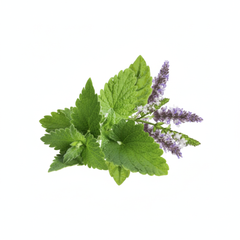
Sage is an aromatic heart note in perfumery, prized for its crisp, herbal, and subtly camphoraceous character. Its defining scent comes from thujone and camphor, with essential oil concentrations typically between 0.2–1% in finished fragrances.

Sage
Ingredient Profile

Sage

Aromatic Fougère Family
Family Aromatic Fougère
Note Position Heart Note
Usage Level 0.2–1% in formula
Key Origins France, Albania, Russia
Iconic In Wood Sage & Sea Salt, Tempo
The Ingredient

What does Sage smell like and why is it a cornerstone of aromatic perfumery?

Sage (Salvia officinalis and Salvia sclarea) is botanically part of the Lamiaceae family, closely related to rosemary and lavender. In perfumery, what does sage smell like? Its scent profile is defined by a crisp, green, and slightly peppery aroma with camphoraceous and earthy undertones. The primary odorants are thujone (CAS 76-22-2), camphor (CAS 76-22-2), and cineole, which together create a multifaceted scent: fresh, herbal, and invigorating, yet with a subtle medicinal sharpness. Clary sage (Salvia sclarea) introduces a sweeter, musky nuance, while common sage leans more medicinal and green. Sage in perfumery is most often used as a heart note, though it can appear in top or base accords depending on the extraction and blending. Typical concentrations range from 0.2% to 1% in aromatic, fougère, and chypre compositions. Its volatility is moderate, allowing it to bridge top citrus notes with deeper woods and musks. Sage interacts with skin chemistry by amplifying green and herbal facets on warmer, slightly acidic skin, while on drier or more alkaline skin, its camphoraceous edge may become more pronounced. This adaptability makes sage a versatile note for both masculine and unisex fragrances. Several landmark fragrances exemplify sage’s role in modern perfumery. Jo Malone London’s Wood Sage & Sea Salt (2014, Christine Nagel) uses sage as a dominant note, paired with ambrette and sea salt for a mineralic, windswept effect. Diptyque’s Tempo (2018, Olivier Pescheux) showcases clary sage’s musky, herbal qualities alongside patchouli and mate, creating a contemporary aromatic chypre. Sage in perfumery thus serves as both a structural and character-defining note, valued for its ability to impart clarity, freshness, and complexity.

0.2–1% in formula
Typical concentration of sage essential oil in finished fragrances, balancing aromatic impact with IFRA safety limits for thujone.
4–8 hours
Average longevity of sage as a heart note in Eau de Parfum, due to moderate volatility and fixative interactions with musks and woods.
$80–350/kg
Price range for natural sage essential oils, depending on species and origin. Synthetic aroma chemicals are significantly less expensive.
Origin & Extraction

Where Sage Comes From — Origin & Extraction

Sage’s aromatic profile is shaped by the terroir of Mediterranean regions, where calcareous soils and dry climates yield oils rich in thujone and camphor. Altitude and rainfall influence the balance of green and camphoraceous notes.

Sage used in perfumery is primarily derived from two species: Salvia officinalis (common or Dalmatian sage) and Salvia sclarea (clary sage). Both are native to the Mediterranean basin, with major cultivation in southern France (notably Provence and Drôme), Albania, Russia, and the Balkans. France remains a leading producer of clary sage essential oil, with annual output exceeding 100 metric tons, while Albania and the Balkans supply significant volumes of common sage for both culinary and fragrance use. Extraction of sage essential oil is typically performed via steam distillation of the fresh or partially dried leaves and flowering tops. The process operates at 100°C, with yields ranging from 1.0–2.5% by weight for Salvia officinalis and 0.1–0.3% for clary sage. The resulting oil contains thujone (up to 35%), camphor (up to 25%), cineole, and borneol. For more delicate or solvent-sensitive applications, solvent extraction (using hexane or ethanol) can produce sage absolute, though this is less common due to lower yields and higher cost. Supercritical CO2 extraction is emerging for high-purity applications, offering improved selectivity for specific odorant fractions. Natural sage oil prices vary: clary sage oil averages $200–350/kg, while common sage oil is $80–150/kg. Synthetic aroma chemicals (e.g., synthetic thujone, linalyl acetate) are available at $30–70/kg, offering consistency and IFRA-compliant thujone levels. Sustainability concerns focus on overharvesting wild sage populations and the energy intensity of steam distillation. Certified organic and upcycled hydrolat sage (a by-product of oil extraction) are increasingly used to address environmental impact.

FR

France

Provence and Drôme are renowned for clary sage (Salvia sclarea) cultivation, producing oils with high sclareol content and a musky-sweet nuance. France supplies over 100 metric tons annually, with strict quality standards for perfumery.

AL

Albania

Southern Albania’s mountainous regions yield common sage (Salvia officinalis) with pronounced camphoraceous and peppery notes. Albania accounts for a significant share of European sage oil exports.

RU

Russia

The Krasnodar and Stavropol regions produce both clary and common sage, with oils characterized by high cineole and borneol content, lending a sharper, more medicinal aroma.

US

United States

California’s Central Valley grows white sage (Salvia apiana) and clary sage, with essential oils used in niche perfumery for their clean, resinous, and slightly animalic undertones. Production is smaller but highly valued for artisanal use.

Chemistry

Natural vs Synthetic Sage in Perfumery

Natural sage oil is composed of a complex mixture of terpenoids, with thujone (CAS 76-22-2), camphor (CAS 76-22-2), and 1,8-cineole (CAS 470-82-6) as principal components. Synthetic alternatives replicate these molecules individually or in combination. Linalyl acetate (CAS 115-95-7) and sclareol (CAS 515-03-7) are used to mimic clary sage’s musky-sweet facet, while synthetic thujone and camphor reproduce the sharper, medicinal aspects of common sage. Performance-wise, synthetic sage notes offer greater batch-to-batch consistency, improved stability, and IFRA-compliant thujone levels (restricted to The HumanSafe™ platform at CA Perfume ensures full transparency and IFRA compliance for both natural and synthetic sage ingredients, with traceability and allergen disclosure. Sustainability is prioritized through supplier audits and the use of upcycled or certified organic sage where feasible.

Natural
Sage Absolute
Cost $3,000–6,000/kg
Method Solvent / CO₂
Character Complex, variable
vs
Synthetic
Safranal & Analogues
Cost $50–200/kg
Method Lab synthesis
Character Consistent, stable
Hall of Fame

Famous Fragrances That Define Sage in Perfumery

2014
dominant note

Wood Sage & Sea Salt

Jo Malone London
by Christine Nagel
AmbretteSea SaltGrapefruit
2018
heart note

Tempo

Diptyque
by Olivier Pescheux
PatchouliMatePink Pepper
2017
bridge note

Y Eau de Parfum

Yves Saint Laurent
by Dominique Ropion
BergamotGingerAmbergris
2022
accent

De Los Santos

Byredo
by Jérôme Epinette
MuskIncenseMirabelle
2024
top/heart note

Mìneir

Miller Harris
EucalyptusMintCashmere Wood

Sage has played a pivotal role in both classic and contemporary perfumery, often defining the aromatic or fougère character of a fragrance. In Jo Malone London’s Wood Sage & Sea Salt (2014, Christine Nagel), sage is the dominant note, paired with ambrette and sea salt to evoke windswept coastal landscapes. Diptyque’s Tempo (2018, Olivier Pescheux) uses clary sage alongside patchouli and mate, creating a modern aromatic chypre with a musky, herbal core. Yves Saint Laurent’s Y Eau de Parfum (2017, Dominique Ropion) features sage as a heart note, bridging citrus top notes with a woody-amber base, contributing to its contemporary masculine signature. Byredo’s De Los Santos (2022, Jérôme Epinette) utilizes sage for its earthy, aromatic clarity, balanced with musk and incense. Jo Malone’s layering philosophy is exemplified in Wood Sage & Sea Salt, where sage is paired with floral and citrus notes for versatility. Penhaligon’s Bold Blend (2023) and Miller Harris Mìneir (2024) also showcase sage as a structural and character-defining note. CA Perfume’s collection draws inspiration from this lineage, offering sage-forward compositions that highlight the note’s versatility in both unisex and gendered contexts.

The Accord

How is a captivating Sage accord crafted?

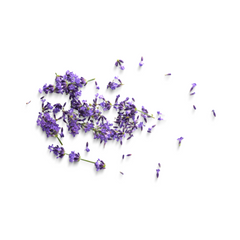
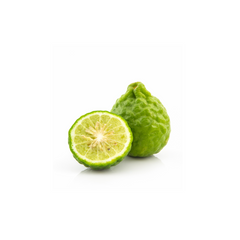
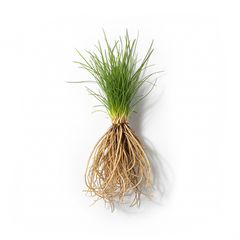
A sage accord typically blends 25–30% sage (Salvia officinalis or clary sage) with 20–25% lavender for aromatic lift, 20–25% vetiver for earthy depth, and 25–30% bergamot for fresh, citrus brightness. Lavender’s linalool and linalyl acetate complement sage’s thujone, while vetiver’s vetiverol provides a grounding, woody base. Bergamot’s limonene and linalool enhance the green, crisp facets, resulting in a balanced, versatile aromatic accord.

30%

Sage

25–30% of blend

Provides the herbal, peppery, and camphoraceous core through thujone and camphor, defining the accord’s aromatic signature.

25%

Lavender

20–25% of blend

Linalool and linalyl acetate in lavender amplify sage’s aromatic freshness and add a floral-green lift.

25%

Vetiver

20–25% of blend

Vetiverol and vetivone provide earthy, woody depth, anchoring sage’s volatility and extending longevity.

30%

Bergamot

25–30% of blend

Limonene and linalool in bergamot enhance the crisp, citrusy top, balancing sage’s herbal intensity.

The Olfactory Layers

How Sage Evolves on Skin

Sage’s olfactory evolution begins with a burst of green, camphoraceous freshness, transitions to a peppery, herbal heart, and settles into a soft, earthy base. Volatility decreases as heavier terpenoids persist, revealing new facets over several hours.

I
Top notes
0–15 min
Green Brilliance

The initial impression is dominated by high-volatility compounds such as 1,8-cineole and limonene, producing a crisp, green, and slightly medicinal freshness. This stage is invigorating and clean, often paired with citrus or mint for added lift.

GreenCamphoraceousFresh
II
Heart notes
20–60 min
Herbal Clarity

As the top notes dissipate, thujone and camphor become more prominent, imparting a peppery, herbal, and slightly earthy character. The scent is rounded by musky or floral undertones if clary sage is present, providing aromatic complexity.

HerbalPepperyAromatic
III
Base notes
Several hours
Earthy Softness

The base is defined by heavier terpenoids and sclareol (in clary sage), yielding a soft, musky, and earthy drydown. The herbal sharpness mellows, leaving a subtle warmth and lingering aromatic clarity.

EarthyMuskySoft
TOP NOTES Green Brilliance 0–15 minutes HEART NOTES Herbal Clarity 20–60 minutes BASE NOTES Earthy Softness Several hours
Through the Ages

The Story of Sage in Perfumery

Sage’s history in perfumery spans from ancient Mediterranean rituals to its modern role in aromatic and fougère fragrances.

Antiquity

Medicinal and Ritual Use

Sage was used in ancient Greece and Rome for purification and medicinal purposes. Hippocrates and Dioscorides documented its aromatic and therapeutic properties, laying the foundation for its later use in scent.

Middle Ages

Monastic Gardens and Herbalism

Monasteries across Europe cultivated sage for both culinary and medicinal uses. Its aromatic leaves were used in herbal preparations and early pomanders.

19th Century

Introduction to Modern Perfumery

Sage essential oil became available for perfumery through steam distillation, allowing its use in fougère and chypre compositions. French perfumers in Grasse began incorporating sage into aromatic blends.

1970s

Rise of Aromatic Fougères

Sage gained prominence in masculine fragrances, particularly in the fougère family, where it was paired with lavender, oakmoss, and coumarin for a fresh, herbal signature.

2014–Present

Contemporary Sage Accords

Fragrances like Jo Malone London’s Wood Sage & Sea Salt (2014) and Diptyque’s Tempo (2018) brought sage to the forefront, emphasizing its versatility in both unisex and gendered compositions.

The Art of Layering

How to Layer Sage

Understanding how to layer sage involves leveraging its molecular compatibility with citrus, floral, and woody notes. How to layer sage: pair with ingredients that share terpenoid or ester compounds for seamless olfactory transitions.

01

Enhance Freshness

Layer sage with bergamot or grapefruit-based fragrances. The shared limonene and linalool molecules create a bright, green-citrus synergy, as seen in Yves Saint Laurent Y Eau de Parfum. This combination amplifies the crisp, invigorating facets while maintaining aromatic clarity.

02

Add Depth

Combine sage with vetiver or patchouli fragrances. Vetiver’s vetiverol and patchouli’s patchoulol molecules provide a grounding, earthy base that anchors sage’s volatility. Diptyque Tempo demonstrates this pairing, yielding a complex, long-lasting aromatic chypre.

03

Soften the Edge

Pair sage with lavender or musky florals. Linalyl acetate in lavender and muscone in musks mask sage’s sharper camphoraceous notes, producing a smoother, more rounded accord. Jo Malone’s layering philosophy often uses this approach for versatility.

Wear It Right

How to Wear Sage Like a Pro

Seasonal Guide

Fall & Winter

Cooler temperatures slow the evaporation of sage’s volatile compounds, allowing its herbal and musky facets to linger. Apply to pulse points under clothing for a subtle, long-lasting aromatic effect. Layer with woody or spicy notes for added warmth.

Spring

Mild temperatures enhance sage’s green, fresh qualities. The scent projects well without becoming overpowering. Pair with citrus or floral notes for a vibrant, uplifting effect that complements the season’s renewal.

Summer

Heat increases volatility, making sage’s top notes more diffusive but shorter-lived. Apply sparingly to avoid overwhelming projection. Combine with aquatic or citrus accords for a refreshing, clean impression.

Year-Round Tip

Sage’s versatility allows it to be worn year-round. Adjust application based on climate: use lighter concentrations in summer and richer, layered blends in colder months. Hydrated skin helps maintain longevity and sillage.

Application Points

Strategic application enhances sage’s aromatic evolution and projection.

1

Neck

Applying sage-based fragrances to the neck utilizes body heat to amplify volatility, releasing the green, herbal top notes quickly for immediate freshness.

2

Behind the Ears

This area is slightly cooler, allowing sage’s heart and base notes to develop more gradually, revealing musky and earthy undertones over time.

3

Inner Wrists

Pulse points on the wrists boost diffusion, making the scent more perceptible during hand movements. The warmth helps transition from top to heart notes efficiently.

4

Hair

Spraying on hair provides a slow, sustained release of sage’s aromatic molecules, extending longevity and creating a subtle sillage trail.

Pro Tip

Layer sage fragrances over unscented moisturizer to lock in volatile compounds and enhance projection, especially in dry or cold climates.

Mood Architecture™

Top Sage Fragrances by Mood Score

These Sage-based fragrances scored highest on the MEI™ Mood Architecture Framework — measuring how a scent may influence your emotional state.

Highest MEI Score
Beautifully Me — Estee Lauder Beautiful Alternative Perfume
8.56
MEI™
Primary Romantic
Secondary Confident
Confidence
7.87
Presence
8.75
Mood Lift
9.5
Identity
8.27
Warmth
9.49
Social Ease
8.35
Energy
4.5
" I am beautiful.
View full mood profile →
La Nuit Homme Electric — La Nuit De L'homme Eau Electrique Alternative Cologne
8.47
MEI™
Primary Romantic
Secondary Energizing
Confidence
7.29
Presence
7.18
Mood Lift
9.5
Identity
7.61
Warmth
9.5
Social Ease
9.5
Energy
6.0
" I am beautiful.
View full mood profile →
Brit — Burberry Brit Alternative Perfume
7.94
MEI™
Primary Romantic
Secondary Energizing
Confidence
6.37
Presence
6.58
Mood Lift
9.5
Identity
6.75
Warmth
9.5
Social Ease
8.72
Energy
4.7
" I am beautiful.
View full mood profile →
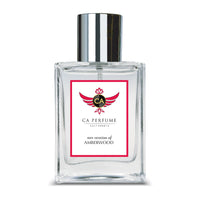
Amberwood — Clive Christian Impression Amberwood Alternative Perfume
7.87
MEI™
Primary Romantic
Secondary Confident
Confidence
7.17
Presence
7.74
Mood Lift
8.23
Identity
7.4
Warmth
9.5
Social Ease
8.08
Energy
4.0
" I am beautiful.
View full mood profile →
HumanSafe™

Top Sage Fragrances by HumanSafe™ Score

These Sage-based fragrances have the highest product-level HumanSafe™ scores in this ingredient collection.

Highest HumanSafe™ Score
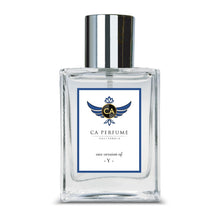
Y — YSL Y Alternative Cologne
#1
Y — YSL Y Alternative Cologne
Starting from $14.99
A-
HumanSafe™ Score Generally Safe
Safest Evaluated Ingredients EDP
AQUA Solvent / Carrier ISS 10.0
1,4-DIOXACYCLOHEPTADECANE-5,17-DIONE Evaluated ingredient ISS 10.0
7-OCTEN-2-OL, 2,6-DIMETHYL- Evaluated ingredient ISS 9.0
2-HEXENE, 6,6-DIMETHOXY-2,5,5-TRIMETHYL- Evaluated ingredient ISS 8.0
LINALYL ACETATE Evaluated ingredient ISS 7.0
LINALOOL Evaluated ingredient ISS 7.0
View full safety profile →
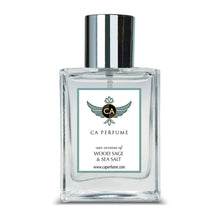
Wood Sage & Sea Salt — Wood Sage & Sea Salt Alternative Perfume
A-
HumanSafe™ Score Generally Safe
Safest Evaluated Ingredients EDP
AQUA Solvent / Carrier ISS 10.0
1,4-DIOXACYCLOHEPTADECANE-5,17-DIONE Evaluated ingredient ISS 10.0
AMBERKETAL Evaluated ingredient ISS 8.0
3-BUTEN-2-ONE, 3-METHYL-4-(2,6,6-TRIMETHYL-2- Evaluated ingredient ISS 8.0
1-PENTEN-3-ONE, 1-(2,6,6-TRIMETHYL-1-CYCLOHEXEN- Evaluated ingredient ISS 8.0
LINALYL ACETATE Evaluated ingredient ISS 7.0
View full safety profile →
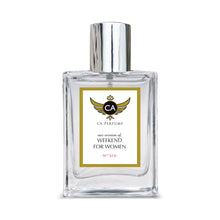
Weekend For Women — Weekend Alternative Perfume
A-
HumanSafe™ Score Generally Safe
Safest Evaluated Ingredients EDP
AQUA Solvent / Carrier ISS 10.0
2(3H)-FURANONE, 5-HEPTYLDIHYDRO- Evaluated ingredient ISS 10.0
BENZYL SALICYLATE EYE IRRITATION - CAT.2B [H320] Evaluated ingredient ISS 9.0
1H-3A,7-METHANOAZULENE, OCTAHYDRO-6-METHOXY- Evaluated ingredient ISS 9.0
(2,5-DIMETHYL-2,3-DIHYDRO-1H-INDEN-2-YL)METHANOL CAT. 3 Evaluated ingredient ISS 9.0
3-BUTEN-2-ONE, 3-METHYL-4-(2,6,6-TRIMETHYL-2- Evaluated ingredient ISS 8.0
View full safety profile →
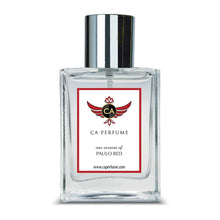
Paulo Red — Polo Red Alternative Cologne
A-
HumanSafe™ Score Generally Safe
Safest Evaluated Ingredients EDP
AQUA Solvent / Carrier ISS 10.0
7-OCTEN-2-OL, 2,6-DIMETHYL- Evaluated ingredient ISS 9.0
4H-INDEN-4-ONE, 1,2,3,5,6,7-HEXAHYDRO-1,1,2,3,3- Evaluated ingredient ISS 9.0
3-CYCLOPENTENE-1-ACETALDEHYDE, 2,2,3-TRIMETHYL-, Evaluated ingredient ISS 9.0
2H-1-BENZOPYRAN-2-ONE Evaluated ingredient ISS 8.0
2-HEXENE, 6,6-DIMETHOXY-2,5,5-TRIMETHYL- Evaluated ingredient ISS 8.0
View full safety profile →
Expert Voices

What Masters Say About Sage

"It's one of those notes that quietly does a lot in perfumery. It’s fresh but not citrusy, aromatic but not heavy, and it gives a clean, elevated effect."
Emmanuelle Moeglin, founder of Experimental Perfume Club
Sage’s scent profile combines crisp, green notes with a subtle earthiness, making it a versatile component in a wide range of perfumes.
CA Perfume Editorial
Common Questions

Frequently Asked Questions

Answers to common questions about sage in perfumery.

Sage in perfume smells crisp, herbal, and slightly camphoraceous, with green, peppery, and earthy undertones. The scent is driven by thujone, camphor, and cineole, producing a fresh, invigorating aroma that bridges citrus top notes and woody or musky bases. In Jo Malone London’s Wood Sage & Sea Salt, sage imparts a windswept, mineralic freshness, while in Diptyque Tempo, it delivers a musky, aromatic heart.

Sage is most commonly used as a heart note in perfumery, though it can appear in top or base accords depending on the extraction and blending. Its volatility is moderate, allowing it to connect fresh top notes with deeper base notes. In aromatic and fougère fragrances, sage often anchors the composition’s herbal core.

Sage is favored in niche perfumery for its versatility and ability to impart clarity, freshness, and complexity. Its multifaceted scent profile—combining herbal, peppery, and musky facets—allows it to bridge diverse notes, from citrus to woods. Sage’s adaptability to both masculine and unisex fragrances makes it a staple in modern aromatic compositions.

Sage fragrance uses include pairing with citrus (bergamot, lemon), florals (lavender, jasmine), woods (cedarwood, vetiver), and musks. These combinations leverage shared terpenoid or ester molecules, creating seamless transitions and enhancing aromatic complexity. Jo Malone’s Wood Sage & Sea Salt and Yves Saint Laurent Y Eau de Parfum exemplify these pairings.

Yes, sage’s crisp, green top notes perform well in summer, providing a refreshing, clean impression. However, increased heat accelerates volatility, so lighter concentrations or layering with aquatic or citrus accords is recommended for optimal projection and longevity in hot weather.

Sage fragrances, especially in Eau de Parfum format, typically last 4–8 hours. Longevity depends on concentration, skin chemistry, and the presence of fixatives like vetiver or musk. Oil-based formats can extend the earthy, musky base for up to 10 hours.

Yes, sage is highly compatible for layering. How to layer sage: pair with citrus for freshness, vetiver or patchouli for depth, or lavender for softness. Molecular compatibility (shared terpenoids, esters) ensures seamless blending and olfactory harmony.

Recommended entry points include Jo Malone London Wood Sage & Sea Salt, Yves Saint Laurent Y Eau de Parfum, and Diptyque Tempo. These fragrances showcase sage’s versatility in both fresh and aromatic contexts, making them accessible for those new to herbal notes.

Explore CA Perfume’s sage-forward collection by considering your preferred scent profile—fresh and green, musky and earthy, or aromatic and spicy. Use the HumanSafe™ platform for ingredient transparency and allergen information, and sample different concentrations to find your ideal match.

Sage in fragrance is primarily herbal and peppery, with subtle camphoraceous and earthy facets. Clary sage can introduce a musky-sweet nuance, while common sage is sharper and greener. The overall impression is more aromatic and spicy than sweet, especially in fougère and aromatic blends.

Aromatic Fougère Collection

Explore Our Top Sage Fragrances

Discover CA Perfume’s most popular sage-based scents, featuring aromatic, herbal, and green profiles suitable for every season and occasion.

Shop all sage fragrances at CA Perfume →

Where Sage Comes From — Origin & Extraction

Sage used in perfumery is primarily derived from two species: Salvia officinalis (common or Dalmatian sage) and Salvia sclarea (clary sage). Both are native to the Mediterranean basin, with major cultivation in southern France (notably Provence and Drôme), Albania, Russia, and the Balkans. France remains a leading producer of clary sage essential oil, with annual output exceeding 100 metric tons, while Albania and the Balkans supply significant volumes of common sage for both culinary and fragrance use. Extraction of sage essential oil is typically performed via steam distillation of the fresh or partially dried leaves and flowering tops. The process operates at 100°C, with yields ranging from 1.0–2.5% by weight for Salvia officinalis and 0.1–0.3% for clary sage. The resulting oil contains thujone (up to 35%), camphor (up to 25%), cineole, and borneol. For more delicate or solvent-sensitive applications, solvent extraction (using hexane or ethanol) can produce sage absolute, though this is less common due to lower yields and higher cost. Supercritical CO2 extraction is emerging for high-purity applications, offering improved selectivity for specific odorant fractions. Natural sage oil prices vary: clary sage oil averages $200–350/kg, while common sage oil is $80–150/kg. Synthetic aroma chemicals (e.g., synthetic thujone, linalyl acetate) are available at $30–70/kg, offering consistency and IFRA-compliant thujone levels. Sustainability concerns focus on overharvesting wild sage populations and the energy intensity of steam distillation. Certified organic and upcycled hydrolat sage (a by-product of oil extraction) are increasingly used to address environmental impact.

Famous Fragrances That Define Sage in Perfumery

Sage has played a pivotal role in both classic and contemporary perfumery, often defining the aromatic or fougère character of a fragrance. In Jo Malone London’s Wood Sage & Sea Salt (2014, Christine Nagel), sage is the dominant note, paired with ambrette and sea salt to evoke windswept coastal landscapes. Diptyque’s Tempo (2018, Olivier Pescheux) uses clary sage alongside patchouli and mate, creating a modern aromatic chypre with a musky, herbal core. Yves Saint Laurent’s Y Eau de Parfum (2017, Dominique Ropion) features sage as a heart note, bridging citrus top notes with a woody-amber base, contributing to its contemporary masculine signature. Byredo’s De Los Santos (2022, Jérôme Epinette) utilizes sage for its earthy, aromatic clarity, balanced with musk and incense. Jo Malone’s layering philosophy is exemplified in Wood Sage & Sea Salt, where sage is paired with floral and citrus notes for versatility. Penhaligon’s Bold Blend (2023) and Miller Harris Mìneir (2024) also showcase sage as a structural and character-defining note. CA Perfume’s collection draws inspiration from this lineage, offering sage-forward compositions that highlight the note’s versatility in both unisex and gendered contexts.

Natural vs Synthetic Sage in Perfumery

Natural sage oil is composed of a complex mixture of terpenoids, with thujone (CAS 76-22-2), camphor (CAS 76-22-2), and 1,8-cineole (CAS 470-82-6) as principal components. Synthetic alternatives replicate these molecules individually or in combination. Linalyl acetate (CAS 115-95-7) and sclareol (CAS 515-03-7) are used to mimic clary sage’s musky-sweet facet, while synthetic thujone and camphor reproduce the sharper, medicinal aspects of common sage. Performance-wise, synthetic sage notes offer greater batch-to-batch consistency, improved stability, and IFRA-compliant thujone levels (restricted to <35% in finished oil). Natural sage oils can vary in composition due to terroir, harvest timing, and extraction method, leading to olfactory variability. Synthetic materials are less costly ($30–70/kg) and more sustainable, as they avoid overharvesting and reduce energy use. Notably, Jo Malone London’s Wood Sage & Sea Salt relies on a blend of natural and synthetic sage notes for clarity and longevity, while Diptyque’s Tempo uses clary sage absolute for a nuanced, musky effect. The HumanSafe™ platform at CA Perfume ensures full transparency and IFRA compliance for both natural and synthetic sage ingredients, with traceability and allergen disclosure. Sustainability is prioritized through supplier audits and the use of upcycled or certified organic sage where feasible.