Where Rum Comes From — Origin & Extraction
Rum is derived from the distillation of fermented sugarcane juice or molasses, with its botanical source being Saccharum officinarum. The primary producing countries for beverage rum are in the Caribbean—Jamaica, Martinique, Cuba, and Puerto Rico—each with distinct distilling traditions. However, in perfumery, the rum note is almost always a synthetic or semi-synthetic accord rather than a direct extract. The key building block is acetaldehyde diethyl acetal (rum ether, CAS 105-57-7), which provides the characteristic boozy-ethereal top. Supporting molecules include ethyl butyrate and hexanoate (fruity esters), isoamyl acetate (banana facet), vanillin/ethyl vanillin (sweetness), cis- and trans-oak lactones (woodiness), furfural and sotolon (caramelized depth), and 5-hydroxymethylfurfural (burnt sugar).
A true natural rum extract (CAS 90604-30-1, FEMA 2991) is produced by concentrating rum distillate, but its use is almost entirely restricted to food flavoring due to regulatory and stability issues in fine fragrance. The only notable exception is CO2-extracted rum from Martinique, which captures a full spectrum of volatile and caramelized notes but is rarely used due to cost (>$2,000/kg) and limited availability. Most fragrance houses instead use proprietary rum bases, blending the above molecules for consistency and performance. Synthetic rum accords are significantly more affordable ($50–$300/kg) and offer batch-to-batch uniformity, crucial for large-scale production.
Sustainability is a key consideration: synthetic rum accords reduce pressure on agricultural resources and avoid the social and environmental impacts associated with sugarcane monoculture. The HumanSafe™ platform at CA Perfume ensures full transparency regarding the sourcing and safety of all rum-related aroma chemicals, providing traceability and compliance with IFRA and environmental standards.
Famous Fragrances That Define Rum in Perfumery
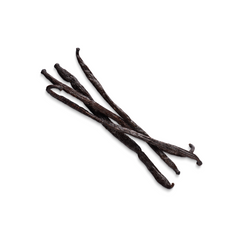
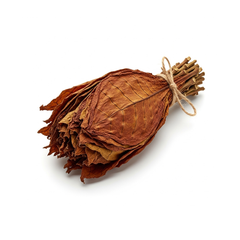
Rum has become a signature note in modern perfumery, especially within the gourmand, woody, and amber families. Maison Martin Margiela’s Jazz Club (2013, perfumer Alienor Massenet) is perhaps the most iconic, using a rum accord to evoke the atmosphere of a Brooklyn jazz lounge, blending it with tobacco leaf, vanilla, and vetiver. By Kilian’s Black Phantom (2017, Sidonie Lancesseur) features a dark rum note at its heart, paired with coffee, chocolate, and caramel for a decadent, long-lasting effect. Initio Parfums Prives Side Effect (2016, Hamid Merati-Kashani) uses rum as a dominant note alongside tobacco, vanilla, and cinnamon, creating a bold, sensual composition. Bvlgari Man In Black (2014, Alberto Morillas) introduces rum as a bridge note, connecting spicy top notes with a leathery-amber base. Nishane Fan Your Flames (2016, Jorge Lee) utilizes rum to amplify coconut, tobacco, and tonka bean, resulting in a smoky, tropical warmth. These fragrances demonstrate rum’s versatility as both a dominant and supporting note, capable of shaping the mood and longevity of a composition. CA Perfume’s collection draws inspiration from this lineage, offering rum-based scents that explore both classic and innovative pairings.
Natural vs Synthetic Rum in Perfumery
Natural rum extracts (CAS 90604-30-1) are rare in fine fragrance, primarily due to their instability, limited olfactory range, and high cost. Most perfumery rum notes are constructed from synthetic molecules, including acetaldehyde diethyl acetal (rum ether, CAS 105-57-7), ethyl butyrate (CAS 105-54-4), isoamyl acetate (CAS 123-92-2), vanillin (CAS 121-33-5), and cis/trans oak lactones (CAS 39838-67-0, 24587-55-3). These synthetics provide superior consistency, longevity, and diffusion compared to natural extracts, which can vary significantly depending on the source rum’s age, barrel, and distillation method.
Performance-wise, synthetic rum accords offer greater stability and projection, with a typical longevity of 6–12 hours in EDP formats. Notable fragrances using synthetic rum bases include Maison Martin Margiela Jazz Club and By Kilian Black Phantom. Natural rum CO2 extracts, such as those from Martinique, deliver a more nuanced, authentic profile but are generally reserved for niche or artisanal projects due to cost and supply constraints.
From a sustainability perspective, synthetics are favored for reducing agricultural impact and ensuring traceable, allergen-controlled supply chains. The HumanSafe™ platform at CA Perfume documents all rum-related aroma chemicals, ensuring consumer safety and environmental responsibility. In summary, while natural rum extracts exist, the vast majority of rum notes in perfumery are synthetic, offering a more reliable and sustainable solution for modern fragrance creation.