Ingredient Guide · Aromatic Herbal
Aromatic Herbal Family · Perfumery Note

Rosemary

Aromatic, camphorous, and invigorating — the Mediterranean herb in scent.

Rosemary is a classic herbal note in perfumery, prized for its crisp, camphorous freshness and pine-like clarity as a top or heart note. Its essential oil, rich in 1,8-cineole and camphor, is typically used at 0.1–1% for aromatic, green, and fougère compositions.

Rosemary
Ingredient Profile

Rosemary

Aromatic Herbal Family
Family Aromatic Herbal
Note Position Heart Note
Usage Level 1–2%
Key Origins Spain, Morocco, France
Iconic In Guerlain Jicky, Caron Pour un Homme
The Ingredient

What does rosemary smell like and why is it significant in perfumery?

Rosemary (Salvia rosmarinus, formerly Rosmarinus officinalis) is an evergreen shrub native to the Mediterranean, renowned for its aromatic, needle-like leaves. In perfumery, rosemary’s scent profile is defined by high concentrations of 1,8-cineole (eucalyptol), camphor, borneol, and α-pinene. These molecules create a fresh, green, and camphorous aroma with pine-like brightness, a touch of minty sharpness, and subtle woody undertones. The result is a scent that is both invigorating and clarifying, with a distinctive herbal edge that stands apart from other green notes. Rosemary in perfumery is primarily used as a top or heart note, contributing immediate freshness and lift to a composition. Its volatility means it projects strongly at first, then settles into a clean, slightly resinous green heart. Typical usage ranges from 0.1% to 1% of the formula, depending on the desired intensity and the balance with other aromatic or citrus notes. The rosemary scent profile interacts with skin chemistry by amplifying herbal and citrus facets on warmer, more acidic skin, while cooler or drier skin may emphasize its woody or resinous base. Notable fragrances that exemplify rosemary’s role include Giorgio Armani Acqua di Giò Profumo (2015, Alberto Morillas), where rosemary is paired with bergamot and incense for a marine-aromatic effect, and Amouage Reflection Man (2007, Lucas Sieuzac), which uses rosemary as a bridge between crisp florals and sandalwood. In Guerlain Jicky (1889, Aimé Guerlain), rosemary’s herbal clarity is a key part of the fougère structure, supporting lavender and citrus.

1–2%
Typical yield of essential oil from steam-distilled rosemary leaves and twigs, reflecting the plant’s high oil content and efficient extraction.
0.1–1%
Common concentration range for rosemary oil in fine fragrance formulas, balancing projection and skin safety without overpowering other notes.
6–8 hours
Average longevity of rosemary’s aromatic presence in Eau de Parfum, with top notes fading after 30 minutes and woody base persisting for hours.
Origin & Extraction

Where Rosemary Comes From — Origin & Extraction

Rosemary’s aromatic profile is shaped by Mediterranean climates, where calcareous soils, high sunlight, and coastal humidity yield oils rich in 1,8-cineole and camphor. Regional differences in rainfall, altitude, and harvest timing influence the balance of herbal, woody, and camphorous notes.

Rosemary essential oil is derived from Salvia rosmarinus (formerly Rosmarinus officinalis), a perennial shrub in the Lamiaceae family. Native to Mediterranean coastal regions, rosemary thrives in well-drained, calcareous soils with abundant sunlight. Major producing countries include Spain (accounting for approximately 40% of global oil production), Morocco (25–30%), Tunisia, and France. Annual global production of rosemary essential oil is estimated at 250–300 metric tons. Extraction is performed via steam distillation of freshly harvested leaves and twigs. The process involves passing steam through the plant material at 100°C, volatilizing the essential oil, which is then condensed and separated from water. The yield ranges from 1–2.5% by weight of fresh biomass, with extraction times typically under 30 minutes to preserve the oil’s volatile components. The resulting oil is rich in 1,8-cineole (up to 50%), camphor (10–20%), and α-pinene (5–10%). Hydrodistillation is also used in some regions, but steam distillation is preferred for higher quality and yield. Natural rosemary oil costs $70–120/kg depending on origin and chemotype, while synthetic aroma chemicals (e.g., synthetic 1,8-cineole, camphor) are available at $10–30/kg. The sustainability of rosemary is favorable due to its hardy growth, minimal pesticide requirements, and ability to thrive on marginal land. Organic and wild-harvested rosemary are increasingly available, with certifications such as ECOCERT and USDA Organic. No major IFRA restrictions exist for rosemary oil in perfumery, but the camphor content is monitored for safety.

ES

Spain

Andalusia and Murcia produce high-camphor rosemary oil, favored for its sharp, medicinal clarity. Spain accounts for roughly 40% of global rosemary oil exports, with annual output exceeding 100 metric tons. Wild harvesting and organic cultivation are common, with strict quality controls.

MA

Morocco

The Atlas Mountains yield rosemary with elevated 1,8-cineole and verbenone content, imparting a softer, more floral nuance. Morocco supplies 25–30% of global production, with wildcrafted and certified organic oils increasingly available.

FR

France

Provence and Corsica are known for rosemary oils with balanced camphor and pinene levels, offering a rounded, herbaceous scent. French rosemary is prized in niche perfumery for its subtlety and clean finish, with PDO designations for certain regions.

TN

Tunisia

Northern Tunisia’s coastal plains produce rosemary with high cineole and moderate camphor, yielding a crisp, green profile. Tunisia’s market share is growing, with sustainable wild harvesting and increasing export volumes.

Chemistry

Natural vs Synthetic Rosemary in Perfumery

Natural rosemary oil is composed of a complex mixture of monoterpenes, with 1,8-cineole (CAS 470-82-6), camphor (CAS 76-22-2), and borneol (CAS 507-70-0) as primary constituents. Synthetic alternatives replicate these molecules individually, offering consistency and cost efficiency. Synthetic 1,8-cineole and camphor are widely used in mass-market perfumery for their stability and batch-to-batch uniformity. Performance-wise, synthetic rosemary notes provide longer-lasting top notes and greater resistance to oxidation, but lack the nuanced green and resinous undertones of natural oil. Natural rosemary oil, with its full spectrum of minor terpenes (e.g., verbenone, myrcene), offers greater olfactory complexity but is more prone to degradation and batch variation. Cost differentials are significant: natural oil at $70–120/kg versus synthetic blends at $10–30/kg. Famous fragrances using natural rosemary include Guerlain Jicky and Diptyque L’Eau de Hesperides, while synthetic rosemary notes are common in modern fougères and aquatic scents such as Armani Acqua di Giò Profumo. Sustainability considerations favor synthetic use for large-scale production, but the HumanSafe™ platform at CA Perfume prioritizes traceable, low-impact sourcing for both natural and synthetic rosemary, with full disclosure of chemotype and allergen content.

Natural
Rosemary Absolute
Cost $3,000–6,000/kg
Method Solvent / CO₂
Character Complex, variable
vs
Synthetic
Safranal & Analogues
Cost $50–200/kg
Method Lab synthesis
Character Consistent, stable
Hall of Fame

Famous Fragrances That Define Rosemary in Perfumery

1889
bridge note

Guerlain Jicky

Guerlain
by Aimé Guerlain
lavendercitrustonka bean
1934
accent

Caron Pour un Homme

Caron
by Ernest Daltroff
lavendervanillamusk
1974
dominant note

Sisley Eau de Campagne

Sisley
by Jean-Claude Ellena
tomato leafbasiloakmoss
2015
bridge note

Giorgio Armani Acqua di Giò Profumo

Giorgio Armani
by Alberto Morillas
bergamotincensepatchouli
2007
supporting note

Amouage Reflection Man

Amouage
by Lucas Sieuzac
nerolisandalwoodjasmine
2008
accent

Diptyque L’Eau de Hesperides

Diptyque
by Olivier Pescheux
mintcitrusmusk

Rosemary’s aromatic clarity has shaped both classic and contemporary perfumery. In Guerlain Jicky (1889, Aimé Guerlain), rosemary forms the herbal backbone of the original fougère structure, paired with lavender and citrus. Sisley Eau de Campagne (1974, Jean-Claude Ellena) uses rosemary as a dominant green note, creating a fresh, outdoorsy impression with tomato leaf and basil. Caron Pour un Homme (1934, Ernest Daltroff) features rosemary alongside lavender, emphasizing aromatic masculinity. In modern perfumery, Giorgio Armani Acqua di Giò Profumo (2015, Alberto Morillas) utilizes rosemary as a bridge between marine and incense notes, while Amouage Reflection Man (2007, Lucas Sieuzac) incorporates rosemary to add herbal lift to a floral-woody heart. Diptyque L’Eau de Hesperides (2008, Olivier Pescheux) employs rosemary to enhance citrus and mint, creating a Mediterranean freshness. These fragrances demonstrate rosemary’s versatility as both a dominant and supporting note, often paired with bergamot, lavender, citrus, and woods. CA Perfume’s collection draws on this lineage, offering rosemary-forward compositions across aromatic, aquatic, and fougère families.

The Accord

How is a captivating Rosemary accord crafted?

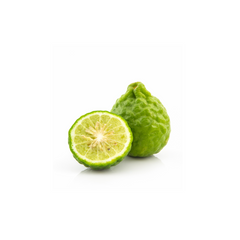
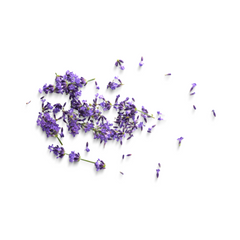
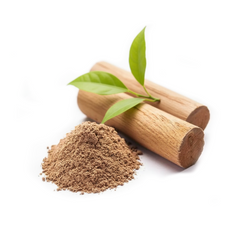
A rosemary accord balances herbal clarity with green, citrus, and woody facets: Rosemary 25–30%, Bergamot 20–25%, Lavender 20–25%, Cedarwood 25–30%. Rosemary provides the camphorous, pine-like lift via 1,8-cineole and camphor. Bergamot’s limonene and linalyl acetate brighten and soften the herbal edge. Lavender introduces linalool and coumarin, bridging rosemary’s sharpness with floral warmth. Cedarwood’s sesquiterpenes ground the accord, adding dry, resinous depth and extending longevity.

30%

Rosemary

25–30% of blend

Provides the core herbal, camphorous, and pine-like freshness through 1,8-cineole and camphor. Defines the accord’s aromatic signature.

25%

Bergamot

20–25% of blend

Limonene and linalyl acetate in bergamot oil add citrus brightness and subtle floral nuances, softening rosemary’s sharpness.

25%

Lavender

20–25% of blend

Linalool and coumarin bridge rosemary’s herbal edge with gentle floral warmth, enhancing aromatic complexity and diffusion.

30%

Cedarwood

25–30% of blend

Cedarwood’s sesquiterpenes provide dry, woody depth, anchoring the volatile top notes and extending the accord’s longevity.

The Olfactory Layers

How Rosemary Evolves on Skin

Rosemary’s olfactory evolution begins with an immediate burst of volatile monoterpenes, dominated by 1,8-cineole and α-pinene, which evaporate rapidly in the first 10–15 minutes. As the top notes dissipate, mid-weight terpenoids and camphor persist, transitioning to a subtle woody drydown anchored by sesquiterpenes.

I
Top notes
0–15 min
Herbal Spark

A sharp, invigorating burst of herbal-green freshness, driven by high-volatility 1,8-cineole and α-pinene. Camphorous and slightly minty, the opening is bright and clarifying, with a fleeting citrus facet if paired with bergamot. These molecules evaporate quickly, creating a crisp, aromatic introduction.

HerbalCamphorousBright
II
Heart notes
20–60 min
Aromatic Clarity

The herbal intensity softens, revealing a balanced green and aromatic heart. Camphor and borneol persist, blending with subtle floral and resinous undertones. The scent remains clean and uplifting, with a touch of woody warmth emerging as the more volatile compounds fade.

AromaticGreenResinous
III
Base notes
Several hours
Woody Drydown

A gentle, woody drydown emerges, anchored by cedarwood-like sesquiterpenes and faint musk. The herbal character lingers subtly, providing a clean, tidy finish. The base is understated but persistent, supporting the composition’s freshness.

WoodyCleanSubtle
TOP NOTES Herbal Spark 0–15 minutes HEART NOTES Aromatic Clarity 20–60 minutes BASE NOTES Woody Drydown Several hours
Through the Ages

The Story of Rosemary in Perfumery

Rosemary’s use in perfumery spans from ancient ritual incense to modern aromatic compositions, evolving with advances in extraction and blending.

Antiquity

Ritual and Medicinal Use in the Mediterranean

Rosemary was burned as incense in ancient Greece and Rome for purification and memory enhancement. Its aromatic leaves were used in ceremonial garlands and early herbal remedies.

15th Century

First Distillation for Hungary Water

Rosemary oil was first distilled in Europe as a key ingredient in Hungary Water, one of the earliest alcohol-based perfumes. This marked rosemary’s entry into modern perfumery.

1889

Guerlain Jicky and the Birth of Fougère

Aimé Guerlain’s Jicky used rosemary to bridge lavender and citrus, establishing the fougère family and demonstrating rosemary’s value as a structural note.

1974

Sisley Eau de Campagne Launch

Jean-Claude Ellena’s Eau de Campagne placed rosemary at the heart of a green, outdoorsy composition, influencing aromatic and herbal fragrances for decades.

2015

Acqua di Giò Profumo Modernizes the Marine-Aromatic Genre

Alberto Morillas incorporated rosemary as a central note in Acqua di Giò Profumo, blending it with incense and marine accords for a contemporary, masculine freshness.

The Art of Layering

How to Layer Rosemary

Understanding how to layer rosemary is key to maximizing its aromatic impact. Molecular compatibility with citrus, floral, and woody notes enables seamless blending and olfactory synergy.

01

Enhance Freshness

Layering rosemary with bergamot or grapefruit exploits shared monoterpenes (limonene, α-pinene), amplifying citrus brightness and herbal clarity. Giorgio Armani Acqua di Giò Profumo demonstrates this synergy, where rosemary and bergamot create a crisp, marine-aromatic opening.

02

Add Aromatic Depth

Pairing rosemary with lavender or sage leverages common terpenoids (linalool, camphor), resulting in a complex, aromatic heart. Caron Pour un Homme and Guerlain Jicky showcase this blend, balancing herbal sharpness with floral and musky undertones.

03

Soften with Woods

Combining rosemary with cedarwood or sandalwood introduces sesquiterpenes that anchor the volatile herbal notes, producing a smoother, longer-lasting drydown. Sisley Eau de Campagne uses this approach for a grounded, outdoorsy effect.

Wear It Right

How to Wear Rosemary Like a Pro

Seasonal Guide

Fall & Winter

In cooler temperatures, rosemary’s projection is reduced, and its woody, resinous facets are more pronounced. Apply to pulse points and layer with warm woods or spices to enhance longevity and depth. Avoid overapplication, as the herbal sharpness can become subdued.

Spring

Spring’s moderate temperatures and rising humidity amplify rosemary’s green, aromatic freshness. Pair with citrus or floral notes for a bright, uplifting effect. Apply lightly to neck and wrists for a clean, invigorating presence.

Summer

High heat accelerates rosemary’s evaporation, intensifying its camphorous and minty top notes. Use sparingly, focusing on cooler areas like the inner elbows or behind the knees. Layer with aquatic or citrus accords to maintain freshness without overwhelming sharpness.

Year-Round Tip

For consistent performance, apply rosemary-based fragrances to well-moisturized skin and avoid direct sunlight exposure, which can degrade volatile compounds. Layer with compatible notes to adjust projection and longevity as needed.

Application Points

Strategic application of rosemary fragrances enhances their aromatic clarity and longevity. Pulse points and hair offer optimal diffusion.

1

Neck

Applying to the neck leverages body heat to release rosemary’s volatile top notes, creating an immediate burst of herbal freshness.

2

Behind the Ears

This area maintains moderate warmth, allowing rosemary’s aromatic heart to persist and blend with natural skin oils for a balanced projection.

3

Inner Wrists

Inner wrists provide a pulse point for rapid diffusion, emphasizing rosemary’s camphorous and green facets in the opening.

4

Hair

Spraying on hair offers sustained release, as the porous fibers trap rosemary’s essential oil molecules, prolonging the herbal aroma.

Pro Tip

Layer rosemary with a moisturizing, unscented lotion to slow evaporation and enhance longevity, especially in dry or cold environments.

Mood Architecture™

Top Rosemary Fragrances by Mood Score

These Rosemary-based fragrances scored highest on the MEI™ Mood Architecture Framework — measuring how a scent may influence your emotional state.

Highest MEI Score
Reflection Man — Amouage Reflection Man Alternative Cologne
8.53
MEI™
Primary Fresh
Secondary Romantic
Confidence
8.12
Presence
8.71
Mood Lift
9.5
Identity
8.37
Warmth
8.3
Social Ease
8.78
Energy
4.1
" I am radiant.
View full mood profile →
Darley — Parfums De Marly Darley Alternative Cologne
8.05
MEI™
Primary Romantic
Secondary Grounding
Confidence
7.05
Presence
7.04
Mood Lift
8.92
Identity
7.05
Warmth
9.5
Social Ease
8.46
Energy
6.3
" I am beautiful.
View full mood profile →
Promise — Frederic Malle Promise Alternative Perfume
8.04
MEI™
Primary Romantic
Secondary Confident
Confidence
7.32
Presence
7.51
Mood Lift
8.87
Identity
7.24
Warmth
9.5
Social Ease
7.93
Energy
5.0
" I am beautiful.
View full mood profile →
Pi — Givenchy Pi Alternative Cologne
#4
Pi — Givenchy Pi Alternative Cologne
Starting from $14.99
7.72
MEI™
Primary Romantic
Secondary Grounding
Confidence
6.42
Presence
6.01
Mood Lift
8.96
Identity
6.71
Warmth
9.5
Social Ease
8.53
Energy
4.2
" I am beautiful.
View full mood profile →
HumanSafe™

Top Rosemary Fragrances by HumanSafe™ Score

These Rosemary-based fragrances have the highest product-level HumanSafe™ scores in this ingredient collection.

Highest HumanSafe™ Score
Zeyna Ez — Zegna Z Alternative Cologne
A-
HumanSafe™ Score Generally Safe
Safest Evaluated Ingredients EDP
AQUA Solvent / Carrier ISS 10.0
1,4-DIOXACYCLOHEPTADECANE-5,17-DIONE Evaluated ingredient ISS 10.0
7-OCTEN-2-OL, 2,6-DIMETHYL- Evaluated ingredient ISS 9.0
1H-3A,7-METHANOAZULENE, OCTAHYDRO-6-METHOXY-3,6,8,8- Evaluated ingredient ISS 9.0
3-BUTEN-2-ONE, 3-METHYL-4-(2,6,6-TRIMETHYL-2- Evaluated ingredient ISS 8.0
LINALYL ACETATE Evaluated ingredient ISS 7.0
View full safety profile →
Reflection Man — Amouage Reflection Man Alternative Cologne
A-
HumanSafe™ Score Generally Safe
Safest Evaluated Ingredients EDP
AQUA Solvent / Carrier ISS 10.0
BENZYL SALICYLATE Evaluated ingredient ISS 9.0
7-OCTEN-2-OL, 2,6-DIMETHYL- Evaluated ingredient ISS 9.0
3-BUTEN-2-ONE, 3-METHYL-4-(2,6,6-TRIMETHYL-2- Evaluated ingredient ISS 8.0
2H-1-BENZOPYRAN-2-ONE Evaluated ingredient ISS 8.0
View full safety profile →
Promise — Frederic Malle Promise Alternative Perfume
A-
HumanSafe™ Score Generally Safe
Safest Evaluated Ingredients EDP
AQUA Solvent / Carrier ISS 10.0
3-BUTEN-2-ONE, 3-METHYL-4-(2,6,6-TRIMETHYL-2- Evaluated ingredient ISS 8.0
LINALOOL Evaluated ingredient ISS 7.0
BULNESIA SARMIENTI, EXT., ACETATE Evaluated ingredient ISS 7.0
AMBREIN Evaluated ingredient ISS 7.0
View full safety profile →
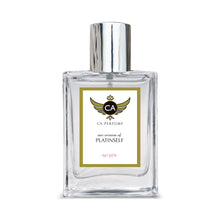
Platinself — Chanel Egoist Platinum Alternative Cologne
A-
HumanSafe™ Score Generally Safe
Safest Evaluated Ingredients EDP
AQUA Solvent / Carrier ISS 10.0
BENZYL SALICYLATE Evaluated ingredient ISS 9.0
7-OCTEN-2-OL, 2,6-DIMETHYL- Evaluated ingredient ISS 9.0
LINALYL ACETATE Evaluated ingredient ISS 7.0
LINALOOL Evaluated ingredient ISS 7.0
View full safety profile →
Expert Voices

What Masters Say About Rosemary

I use rosemary to give a Mediterranean sensation – to create the impression of a cocktail of herbs.
Julie Massé, Perfumer
Rosemary’s scent profile is defined by 1,8-cineole and camphor, producing a fresh, herbal, and camphorous character that is both clarifying and versatile in fragrance composition.
CA Perfume Editorial
Common Questions

Frequently Asked Questions

Frequently asked questions about rosemary in perfumery, covering scent, usage, and performance.

Rosemary in perfume is characterized by a sharp, herbal-green aroma with camphorous and pine-like facets, thanks to high levels of 1,8-cineole and camphor. The scent is invigorating, clean, and slightly minty, with subtle woody undertones. It is most prominent in the opening of a fragrance, providing clarity and freshness, and is often paired with citrus, lavender, and woods for balance.

Rosemary is primarily used as a top or heart note in fragrance compositions. Its volatile monoterpenes evaporate quickly, delivering an immediate burst of herbal freshness in the opening. In some formulas, rosemary’s aromatic heart persists for up to an hour, but it rarely functions as a base note due to its high volatility.

Rosemary’s complex, clarifying aroma adds a naturalistic, green dimension to niche perfumes. Its molecular profile enables it to bridge citrus, floral, and woody notes, creating structure and lift. Niche perfumers value rosemary for its ability to evoke Mediterranean landscapes and for its versatility in both masculine and unisex compositions.

Rosemary fragrance uses often involve pairing with citrus (bergamot, lemon), floral (lavender, neroli), and woody (cedarwood, sandalwood) notes. These combinations exploit shared terpenes and complementary volatilities, resulting in balanced, aromatic accords. Herbal notes like thyme and basil also blend well for added complexity.

Yes, rosemary’s fresh, camphorous profile is particularly well-suited to summer and hot climates. Its volatile top notes provide an immediate cooling effect, and its herbal clarity cuts through humidity. However, high temperatures accelerate evaporation, so lighter application and layering with citrus or aquatic notes are recommended.

Rosemary’s top notes are most prominent in the first 15–30 minutes, but its aromatic heart can persist for 1–2 hours, especially in Eau de Parfum concentrations. The woody base may linger for up to 6–8 hours, depending on the formula and skin chemistry.

Yes, rosemary layers well with citrus, floral, and woody fragrances due to shared molecular components and compatible volatilities. Layering enhances freshness and complexity; for example, pairing with bergamot or lavender amplifies herbal clarity, while woods provide depth and longevity.

Recommended entry points include Giorgio Armani Acqua di Giò Profumo, Sisley Eau de Campagne, and Caron Pour un Homme. These fragrances showcase rosemary’s herbal freshness in balanced, approachable compositions, suitable for a range of preferences.

Consider your preferred fragrance family (aromatic, aquatic, fougère) and desired intensity. CA Perfume offers rosemary-based scents across these families, with detailed ingredient transparency and HumanSafe™ verification for both natural and synthetic sources.

Rosemary’s scent is neither sweet nor overtly spicy; it is best described as herbal, camphorous, and green. While it can be paired with sweet or spicy notes, its core character remains fresh and clarifying, with only subtle resinous or woody warmth in the drydown.

Aromatic Herbal Collection

Explore Our Top Rosemary Fragrances

Discover CA Perfume’s best-selling rosemary scents, from classic aromatic fougères to modern aquatic blends. Each fragrance highlights rosemary’s herbal clarity and Mediterranean freshness.

Shop all rosemary fragrances at CA Perfume →

Where Rosemary Comes From — Origin & Extraction

Rosemary essential oil is derived from Salvia rosmarinus (formerly Rosmarinus officinalis), a perennial shrub in the Lamiaceae family. Native to Mediterranean coastal regions, rosemary thrives in well-drained, calcareous soils with abundant sunlight. Major producing countries include Spain (accounting for approximately 40% of global oil production), Morocco (25–30%), Tunisia, and France. Annual global production of rosemary essential oil is estimated at 250–300 metric tons. Extraction is performed via steam distillation of freshly harvested leaves and twigs. The process involves passing steam through the plant material at 100°C, volatilizing the essential oil, which is then condensed and separated from water. The yield ranges from 1–2.5% by weight of fresh biomass, with extraction times typically under 30 minutes to preserve the oil’s volatile components. The resulting oil is rich in 1,8-cineole (up to 50%), camphor (10–20%), and α-pinene (5–10%). Hydrodistillation is also used in some regions, but steam distillation is preferred for higher quality and yield. Natural rosemary oil costs $70–120/kg depending on origin and chemotype, while synthetic aroma chemicals (e.g., synthetic 1,8-cineole, camphor) are available at $10–30/kg. The sustainability of rosemary is favorable due to its hardy growth, minimal pesticide requirements, and ability to thrive on marginal land. Organic and wild-harvested rosemary are increasingly available, with certifications such as ECOCERT and USDA Organic. No major IFRA restrictions exist for rosemary oil in perfumery, but the camphor content is monitored for safety.

Famous Fragrances That Define Rosemary in Perfumery

Rosemary’s aromatic clarity has shaped both classic and contemporary perfumery. In Guerlain Jicky (1889, Aimé Guerlain), rosemary forms the herbal backbone of the original fougère structure, paired with lavender and citrus. Sisley Eau de Campagne (1974, Jean-Claude Ellena) uses rosemary as a dominant green note, creating a fresh, outdoorsy impression with tomato leaf and basil. Caron Pour un Homme (1934, Ernest Daltroff) features rosemary alongside lavender, emphasizing aromatic masculinity. In modern perfumery, Giorgio Armani Acqua di Giò Profumo (2015, Alberto Morillas) utilizes rosemary as a bridge between marine and incense notes, while Amouage Reflection Man (2007, Lucas Sieuzac) incorporates rosemary to add herbal lift to a floral-woody heart. Diptyque L’Eau de Hesperides (2008, Olivier Pescheux) employs rosemary to enhance citrus and mint, creating a Mediterranean freshness. These fragrances demonstrate rosemary’s versatility as both a dominant and supporting note, often paired with bergamot, lavender, citrus, and woods. CA Perfume’s collection draws on this lineage, offering rosemary-forward compositions across aromatic, aquatic, and fougère families.

Natural vs Synthetic Rosemary in Perfumery

Natural rosemary oil is composed of a complex mixture of monoterpenes, with 1,8-cineole (CAS 470-82-6), camphor (CAS 76-22-2), and borneol (CAS 507-70-0) as primary constituents. Synthetic alternatives replicate these molecules individually, offering consistency and cost efficiency. Synthetic 1,8-cineole and camphor are widely used in mass-market perfumery for their stability and batch-to-batch uniformity. Performance-wise, synthetic rosemary notes provide longer-lasting top notes and greater resistance to oxidation, but lack the nuanced green and resinous undertones of natural oil. Natural rosemary oil, with its full spectrum of minor terpenes (e.g., verbenone, myrcene), offers greater olfactory complexity but is more prone to degradation and batch variation. Cost differentials are significant: natural oil at $70–120/kg versus synthetic blends at $10–30/kg. Famous fragrances using natural rosemary include Guerlain Jicky and Diptyque L’Eau de Hesperides, while synthetic rosemary notes are common in modern fougères and aquatic scents such as Armani Acqua di Giò Profumo. Sustainability considerations favor synthetic use for large-scale production, but the HumanSafe™ platform at CA Perfume prioritizes traceable, low-impact sourcing for both natural and synthetic rosemary, with full disclosure of chemotype and allergen content.