Ingredient Guide · Floral
Floral Family · Perfumery Note

Rose Petals

The quintessential heart note in classic and modern fragrances

Rose Petals serve as a heart note in perfumery, known for their complex floral sweetness with spicy and honeyed nuances. Key molecules include phenyl ethyl alcohol and geraniol, typically used at 1-5% concentration.

Rose Petals
Ingredient Profile

Rose Petals

Floral Family
Family Floral
Note Position Heart Note
Usage Level 0.1–0.5%
Key Origins Bulgaria, Turkey, France
Iconic In Chanel No. 5, Portrait of a Lady
The Ingredient

What does Rose Petals smell like and why are they essential in perfumery?

Rose Petals in perfumery emit a complex floral aroma characterized by rich sweetness, subtle spiciness, and honeyed undertones. The scent arises primarily from aromatic molecules such as phenyl ethyl alcohol, geraniol, citronellol, and beta-damascenone, which contribute to its multi-faceted profile. In perfumery, rose petals are predominantly used as heart notes, bridging the volatile top notes and the long-lasting base notes. Concentrations typically range from 1% to 5% in fragrance compositions, depending on the extraction method and desired intensity. Rose oils and absolutes interact variably with skin chemistry, often adapting to individual pH and temperature, which influences projection and longevity. Notable fragrances exemplifying rose petals include Chanel No. 5 (Centifolia rose, 1921) which uses a soft, honeyed rose accord, and Maison Francis Kurkdjian Baccarat Rouge 540 (2015) where rose is paired with amber and jasmine to create a modern floral-oriental signature. These examples demonstrate the versatility and enduring appeal of rose petals in perfumery.

3.5–4 tons
Amount of rose petals required to produce 1 kilogram of rose otto via steam distillation, illustrating the ingredient's rarity and cost.
0.1–0.5%
Typical concentration range of rose absolute or essential oil in fine fragrance compositions to balance potency and safety.
$20,000–30,000/kg
Approximate market price for natural rose otto essential oil, reflecting extraction difficulty and high demand.
Origin & Extraction

Where Rose Petals Come From — Origin & Extraction

Rose petals used in perfumery derive mainly from regions with optimal climate and soil conditions that influence their scent. Bulgaria, Turkey, France, and Morocco are key producers, each imparting distinct olfactory nuances due to soil composition, altitude, and harvesting methods.

Rose petals used in perfumery primarily come from Rosa Damascena (Damask rose) and Rosa Centifolia (May rose). Rosa Damascena is mainly cultivated in Turkey, Bulgaria, and Morocco, with Turkey's Isparta region and Bulgaria's Rose Valley being key production centers. Rosa Centifolia is chiefly grown in Grasse, France, renowned as the perfume capital. Production volumes are significant, with Bulgaria contributing approximately 70% of the global rose oil supply. Extraction methods include steam distillation to produce rose otto (essential oil) and solvent extraction to yield rose absolute. Steam distillation involves passing steam through fresh petals at temperatures around 100°C, requiring about 3.5 to 4 tons of petals to produce 1 kg of rose otto. Solvent extraction uses hexane or ethanol solvents to extract aromatic compounds, resulting in a richer, heavier absolute with higher yield but less fresh character. CO2 supercritical extraction is a newer method offering a balance of yield and aroma fidelity. Yield is low overall, making natural rose oils costly: rose otto can cost $20,000–$30,000 per kg, while absolutes are slightly less expensive. Synthetic substitutes reduce cost and environmental impact. Sustainable practices include organic farming, residue upcycling, and fair trade agreements to support growers.

BG

Bulgaria

The Rose Valley region produces about 70% of the world's rose oil, with soil rich in limestone and a temperate climate. Harvested early morning, the Damask rose here yields a potent, spicy, and honeyed oil prized for its quality.

TR

Turkey

Isparta region at 1000m altitude offers ideal conditions for Damask roses. Traditional copper stills are sometimes used onsite to distill fresh petals, preserving aromatic integrity. The oil is noted for its rich, fruity, and green facets.

FR

France

Grasse cultivates Rosa Centifolia, known as the May rose, with a softer, honeyed scent. The Mediterranean climate and clay-limestone soils contribute to its delicate floral character. Production is smaller but highly valued.

MA

Morocco

Morocco produces Damask rose oil with a slightly fruitier and fresher profile. The semi-arid climate and sandy soils influence the rose's aromatic compounds, offering a unique olfactory signature.

Chemistry

Natural vs Synthetic Rose Petals in Perfumery

Natural rose ingredients contain hundreds of aromatic molecules, including phenyl ethyl alcohol (CAS 60-12-8), geraniol (CAS 106-24-1), and citronellol (CAS 106-22-9). Natural rose oils offer complex, evolving scents but vary by harvest and are costly to produce. Synthetic rose aroma chemicals such as phenyl ethyl alcohol, beta-damascenone (CAS 23726-93-4), and rose oxide (CAS 431-03-8) allow perfumers to recreate or enhance rose notes with greater consistency and longevity. Synthetic molecules provide improved stability, diffusion, and allergen control, often at a fraction of the cost of natural oils. For example, synthetic phenyl ethyl alcohol costs approximately $20–50/kg versus thousands for natural rose oil. Famous fragrances like Le Labo Rose 31 use synthetic blends to achieve a modern rose character, while Chanel No. 5 relies on natural Centifolia rose absolute. Sustainability concerns favor synthetic molecules due to reduced resource use and environmental impact. The HumanSafe™ platform supports transparency in sourcing and safety testing for both natural and synthetic rose ingredients.

Natural
Rose Petals Absolute
Cost $3,000–6,000/kg
Method Solvent / CO₂
Character Complex, variable
vs
Synthetic
Safranal & Analogues
Cost $50–200/kg
Method Lab synthesis
Character Consistent, stable
Hall of Fame

Famous Fragrances That Define Rose Petals in Perfumery

1921
heart note

Chanel No. 5

Chanel
by Ernest Beaux
aldehydesjasminesandalwood
2010
dominant note

Portrait of a Lady

Frédéric Malle
by Dominique Ropion
patchouliincenseraspberry
2015
heart note

Baccarat Rouge 540

Maison Francis Kurkdjian
by Francis Kurkdjian
amberjasminecedarwood
2006
dominant note

Rose 31

Le Labo
by Sidonie Lancesseur
cumincedarwoodguaiac wood
2001
dominant note

Sa Majesté la Rose

Serge Lutens
by Christopher Sheldrake
honeyspicesamber

Rose petals have been central to many iconic fragrances across history and modern perfumery. Chanel No. 5 (1921), crafted by Ernest Beaux, uses Centifolia rose absolute as a heart note, blending it with aldehydes and jasmine to create a timeless floral bouquet. Frédéric Malle's Portrait of a Lady (2010), by Dominique Ropion, emphasizes Damask rose with patchouli and incense, showcasing rose's depth and complexity. Maison Francis Kurkdjian's Baccarat Rouge 540 (2015) pairs rose with amber and jasmine, creating a luminous, modern floral-oriental signature. Le Labo Rose 31 (2006), by Sidonie Lancesseur, uses synthetic rose molecules with cumin and cedarwood for a spicy, woody rose accord. Serge Lutens Sa Majesté la Rose (2001), by Christopher Sheldrake, highlights rose absolute with honey and spices, evoking a rich, oriental rose. These fragrances illustrate rose petals' versatility from fresh and powdery to deep and spicy. CA Perfume's collection draws inspiration from this lineage, offering nuanced rose interpretations that respect tradition while embracing innovation.

The Accord

How is a captivating Rose Petals accord crafted?

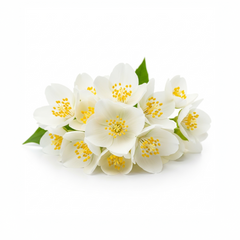
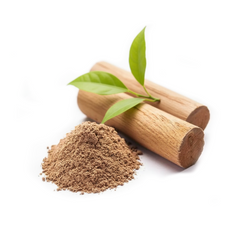
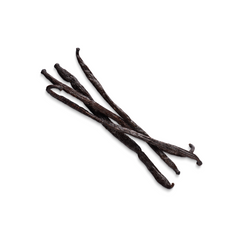
A balanced rose petals accord typically consists of 30-40% rose absolute or essential oil, providing the core floral character. Around 20-25% jasmine or peony adds complementary floral brightness and complexity. Woody notes like sandalwood or cedarwood at 20-25% impart depth and fixative qualities, enhancing longevity. Finally, 15-20% vanilla or musk softens the composition, masking any sharpness and adding warmth. This blend ensures a harmonious accord where each ingredient supports the rose's multifaceted scent profile.

40%

Rose Absolute

30–40% of blend

Provides the rich, floral heart with phenyl ethyl alcohol and geraniol molecules defining the rose scent.

25%

Jasmine

20–25% of blend

Adds brightness and complexity through indole and benzyl acetate, complementing rose's floral facets.

25%

Sandalwood

20–25% of blend

Contributes creamy, woody depth and acts as a fixative to extend the accord's longevity.

20%

Vanilla

15–20% of blend

Softens rose's sharp edges via vanillin, creating a warm, smooth finish.

The Olfactory Layers

How Rose Petals Evolves on Skin

Rose petals evolve through the fragrance pyramid with initial floral freshness from high-volatility molecules like citronellol and geraniol in the top and heart notes. Over 20-60 minutes, phenyl ethyl alcohol and beta-damascenone provide a rich, warm floral heart. Base notes of woody and musky compounds emerge after several hours, anchoring the scent with creamy, powdery nuances.

I
Top notes
0–15 min
Fresh Floral Opening

The initial impression features fresh, green, and slightly citrusy floral notes dominated by citronellol and geraniol. These molecules evaporate quickly, giving a bright and lively opening reminiscent of fresh rose petals.

FreshGreenCitrusy
II
Heart notes
20–60 min
Rich Floral Heart

The heart reveals the core rose character with phenyl ethyl alcohol and beta-damascenone, imparting rich, sweet, and slightly spicy floral nuances. This stage is warm and deeply floral, bridging to the base.

FloralSweetSpicy
III
Base notes
Several hours
Woody and Powdery Drydown

Woody and musky molecules such as sandalwood lactones and musk compounds emerge, providing a creamy, powdery, and long-lasting foundation that supports the rose's floral heart.

WoodyPowderyMusky
TOP NOTES Fresh Floral Opening 0–15 minutes HEART NOTES Rich Floral Heart 20–60 minutes BASE NOTES Woody and Powdery Drydown Several hours
Through the Ages

The Story of Rose Petals in Perfumery

The history of rose petals in perfumery spans millennia, from ancient civilizations to modern innovations, marking key developments in extraction and usage.

Antiquity

Ancient Use of Roses

Egyptians, Greeks, and Romans used rose petals and rosewater in rituals, cosmetics, and perfumery. Cleopatra famously bathed in rose petals, highlighting the flower's cultural and aromatic significance.

10th Century

Refinement of Distillation

Persians developed steam distillation techniques to extract rose oil, enabling the creation of rose otto, a cornerstone of perfumery.

17th Century

Rose in European Perfumery

Under Louis XIV, rose became a staple in eau de toilettes and scented powders, cementing its role in luxury fragrance.

1921

Launch of Chanel No. 5

Ernest Beaux's formulation prominently featured Centifolia rose absolute, revolutionizing modern rose perfumery.

2015

Baccarat Rouge 540 Debut

Francis Kurkdjian's fragrance paired rose with amber and jasmine, showcasing contemporary rose usage in niche perfumery.

The Art of Layering

How to Layer Rose Petals

Understanding how to layer rose petals involves molecular compatibility and olfactory synergy. Layering can enhance or soften rose's facets depending on complementary notes.

01

Enhance Sweetness

Pair rose with vanilla or tonka bean, whose vanillin molecules mask rose's metallic edges, creating a smooth, warm floral gourmand. Seen in fragrances like Baccarat Rouge 540.

02

Add Depth

Combine rose with woody notes like sandalwood or cedarwood, which provide creamy lactones that anchor rose's volatility and add longevity, as in Chanel No. 5.

03

Lighten the Glow

Layer rose with citrus notes such as bergamot, whose limonene brightens rose's floral sweetness and adds freshness, balancing richness for daytime wear.

Wear It Right

How to Wear Rose Petals Like a Pro

Seasonal Guide

Fall & Winter

Cooler temperatures slow molecular evaporation, enhancing rose's warm, spicy facets and longevity. Layer rose with woody or resinous notes for cozy depth. Apply more liberally for stronger projection.

Spring

Mild weather highlights rose's fresh and floral character. Light application suffices, and pairing with green or citrus notes enhances vibrancy.

Summer

Heat increases volatility, potentially causing rapid top note evaporation and quicker scent fade. Use lighter formulations or layer with musks to extend wear. Avoid heavy rose absolutes that may become overpowering.

Year-Round Tip

Adjust application amount and layering based on temperature and humidity to maintain balanced rose presence and avoid cloying or fleeting effects.

Application Points

Strategic application enhances rose petals' scent projection and longevity.

1

Neck

Pulse points like the neck emit body heat, accelerating evaporation and enhancing the rose's floral top notes for immediate scent impact.

2

Behind the Ears

Warm skin here helps diffuse rose's heart notes subtly, creating an intimate aura around the wearer.

3

Inner Wrists

Ideal for layering and reapplication; the rose scent radiates gently with natural movement.

4

Hair

Hair holds fragrance molecules longer, releasing rose notes gradually with movement and warmth.

★

Pro Tip

Moisturize skin before application to enhance scent adherence and longevity, especially for natural rose oils that can evaporate quickly.

HumanSafe™

Rose Petals Safety Profile in Our Fragrances

No ingredient collection was found for rose-petals.

Create or connect a collection with the same handle as this ingredient, then add products that contain this ingredient.

Expert Voices

What Masters Say About Rose Petals

“
Rose’s versatility allows perfumers to craft dynamic compositions that appeal to a wide range of preferences from soft and delicate to bold and intense.
Christina Christie, Senior Perfumer at Givaudan
“
Rose petals provide a complex floral sweetness with spicy and honeyed nuances, making them indispensable as heart notes in fragrance compositions.
CA Perfume Editorial
Common Questions

Frequently Asked Questions

Frequently asked questions about rose petals in perfumery, addressing scent, usage, and layering.

Rose petals in perfume smell richly floral with sweet, honeyed, and slightly spicy undertones. This complexity arises from molecules like phenyl ethyl alcohol and geraniol. Depending on the rose variety and extraction method, the scent can range from fresh and dewy to warm and opulent, as seen in Damask and Centifolia roses.

Rose petals are primarily used as heart or middle notes in fragrance compositions. They bridge the volatile top notes and the long-lasting base notes, providing depth and floral richness that lasts for several hours.

Rose petals are favored in niche perfumery for their complex, multi-dimensional scent profile and emotional resonance. Their ability to harmonize with diverse notes and evoke romance and elegance makes them a versatile and cherished ingredient.

Rose petals fragrance uses include pairing with jasmine for floral brightness, sandalwood or cedarwood for woody depth, vanilla for warmth, and citrus like bergamot for freshness. These combinations enhance rose’s molecular profile and create balanced accords.

Rose petals perfumes can be worn in summer but require lighter formulations or layering with fresh notes to prevent overpowering or rapid evaporation. Citrus or green notes can brighten rose for warm weather, while avoiding heavy absolutes.

Rose petals fragrances typically last 4-8 hours depending on concentration, extraction method, and skin chemistry. Parfum or extrait formats with fixatives extend longevity, while lighter EDTs may fade faster.

Yes, layering rose petals perfume with complementary notes like vanilla, musk, or woody accords enhances complexity and longevity. Proper layering balances molecular interactions to avoid soapy or clashing effects.

Beginner-friendly rose petals perfumes include Chanel No. 5 for classic elegance, Maison Francis Kurkdjian Baccarat Rouge 540 for modern floral-oriental, and Le Labo Rose 31 for a spicy woody rose. These offer approachable yet distinctive rose experiences.

Choosing the right rose petals fragrance involves considering scent profile preferences, concentration, and occasion. CA Perfume offers detailed descriptions and layering advice to help find a rose scent that suits your style and skin chemistry.

Rose petals can smell both sweet and spicy in fragrance. Sweetness arises from phenyl ethyl alcohol and honeyed notes, while spicy facets come from beta-damascenone and subtle woody undertones, allowing versatile scent expressions.

Floral Collection

Explore Our Top Rose Petals Fragrances

Discover a curated selection of rose petals perfumes celebrated for their authentic floral character and lasting appeal.

Shop all rose petals fragrances at CA Perfume →

Where Rose Petals Come From — Origin & Extraction

Rose petals used in perfumery primarily come from Rosa Damascena (Damask rose) and Rosa Centifolia (May rose). Rosa Damascena is mainly cultivated in Turkey, Bulgaria, and Morocco, with Turkey's Isparta region and Bulgaria's Rose Valley being key production centers. Rosa Centifolia is chiefly grown in Grasse, France, renowned as the perfume capital. Production volumes are significant, with Bulgaria contributing approximately 70% of the global rose oil supply. Extraction methods include steam distillation to produce rose otto (essential oil) and solvent extraction to yield rose absolute. Steam distillation involves passing steam through fresh petals at temperatures around 100°C, requiring about 3.5 to 4 tons of petals to produce 1 kg of rose otto. Solvent extraction uses hexane or ethanol solvents to extract aromatic compounds, resulting in a richer, heavier absolute with higher yield but less fresh character. CO2 supercritical extraction is a newer method offering a balance of yield and aroma fidelity. Yield is low overall, making natural rose oils costly: rose otto can cost $20,000–$30,000 per kg, while absolutes are slightly less expensive. Synthetic substitutes reduce cost and environmental impact. Sustainable practices include organic farming, residue upcycling, and fair trade agreements to support growers.

Famous Fragrances That Define Rose Petals in Perfumery

Rose petals have been central to many iconic fragrances across history and modern perfumery. Chanel No. 5 (1921), crafted by Ernest Beaux, uses Centifolia rose absolute as a heart note, blending it with aldehydes and jasmine to create a timeless floral bouquet. Frédéric Malle's Portrait of a Lady (2010), by Dominique Ropion, emphasizes Damask rose with patchouli and incense, showcasing rose's depth and complexity. Maison Francis Kurkdjian's Baccarat Rouge 540 (2015) pairs rose with amber and jasmine, creating a luminous, modern floral-oriental signature. Le Labo Rose 31 (2006), by Sidonie Lancesseur, uses synthetic rose molecules with cumin and cedarwood for a spicy, woody rose accord. Serge Lutens Sa Majesté la Rose (2001), by Christopher Sheldrake, highlights rose absolute with honey and spices, evoking a rich, oriental rose. These fragrances illustrate rose petals' versatility from fresh and powdery to deep and spicy. CA Perfume's collection draws inspiration from this lineage, offering nuanced rose interpretations that respect tradition while embracing innovation.

Natural vs Synthetic Rose Petals in Perfumery

Natural rose ingredients contain hundreds of aromatic molecules, including phenyl ethyl alcohol (CAS 60-12-8), geraniol (CAS 106-24-1), and citronellol (CAS 106-22-9). Natural rose oils offer complex, evolving scents but vary by harvest and are costly to produce. Synthetic rose aroma chemicals such as phenyl ethyl alcohol, beta-damascenone (CAS 23726-93-4), and rose oxide (CAS 431-03-8) allow perfumers to recreate or enhance rose notes with greater consistency and longevity. Synthetic molecules provide improved stability, diffusion, and allergen control, often at a fraction of the cost of natural oils. For example, synthetic phenyl ethyl alcohol costs approximately $20–50/kg versus thousands for natural rose oil. Famous fragrances like Le Labo Rose 31 use synthetic blends to achieve a modern rose character, while Chanel No. 5 relies on natural Centifolia rose absolute. Sustainability concerns favor synthetic molecules due to reduced resource use and environmental impact. The HumanSafe™ platform supports transparency in sourcing and safety testing for both natural and synthetic rose ingredients.