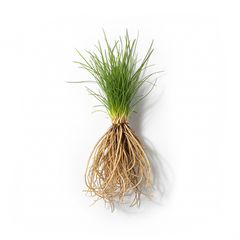
Ingredient Guide · Floral Fruity
Floral Fruity Family · Perfumery Note

Red Tea

Discover the soothing essence of red tea in perfumery.

Red tea, derived from the rooibos plant, offers a warm, woody aroma enriched with sweet vanilla undertones. Its unique scent profile makes it a versatile ingredient in both uplifting and cozy fragrances.

Red Tea
Ingredient Profile

Red Tea

Floral Fruity Family
Family Floral Fruity
Note Position Heart Note
Usage Level 5-15%
Key Origins South Africa
Iconic In Red Tea, Eau Parfumée au Thé Rouge
The Ingredient

What does Red Tea smell like and why is it adored?

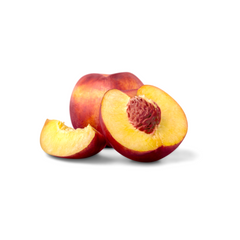
Red tea, sourced from the rooibos plant (Aspalathus linearis), is celebrated for its warm, woody aroma enriched with sweet vanilla and subtle spice. The scent profile is characterized by earthy sweetness combined with fruity and floral notes, making it a versatile ingredient in perfumery. Typically classified as a heart note, red tea is used in concentrations of 5-15% in fragrances. Its interaction with skin chemistry often enhances its comforting and inviting qualities, making it a favorite among consumers. In modern perfumery, red tea has found its place in various compositions, often paired with fruity and floral notes to create a harmonious blend. For instance, Proad's Red Tea Eau de Parfum showcases this note beautifully, combining it with peach, peony, and raspberry for a rich and fruity middle. Other notable fragrances include Bvlgari's Eau Parfumée au Thé Rouge, which highlights the warm and gentle character of rooibos red tea alongside fig and walnut.

5-15%
Typical concentration of red tea in fragrances, allowing its warm and sweet profile to shine.
1-2 kg
Approximate yield of dried rooibos leaves per plant, highlighting the labor-intensive harvesting process.
200-400 $/kg
Cost of natural rooibos extract, reflecting its value in the fragrance industry.
Origin & Extraction

Where Red Tea Comes From — Origin & Extraction

South Africa is the primary producer of rooibos, known for its unique climate that enhances the flavor profile of red tea. The sandy soil and Mediterranean-like environment contribute to the plant's aromatic qualities.

ZA

South Africa

The Cederberg region is renowned for its rooibos cultivation, characterized by sandy soil and a Mediterranean-like climate. This environment yields high-quality rooibos, essential for creating the warm and soothing essence of red tea.

Chemistry

Natural vs Synthetic Red Tea in Perfumery

Natural
Red Tea Absolute
Cost $3,000–6,000/kg
Method Solvent / CO₂
Character Complex, variable
vs
Synthetic
Safranal & Analogues
Cost $50–200/kg
Method Lab synthesis
Character Consistent, stable
Hall of Fame

Famous Fragrances That Define Red Tea in Perfumery

2024
dominant note

Red Tea

Proad
by Quentin Bisch
PeachPeonyRaspberry
2006
supporting note

Eau Parfumée au Thé Rouge

Bvlgari
by Olivier Polge
Pink PepperFigWalnut
2016
accent

Winter Palace

Memo Paris
by Not available
Citrus notesSpices
2015
supporting note

Oltremare

Bois 1920
by Not available
CitrusFloral notes
2020
dominant note

African Rooibos

Chris Collins
by Not available
SpicesWoods
The Accord

How is a captivating Red Tea accord crafted?

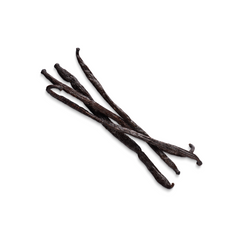
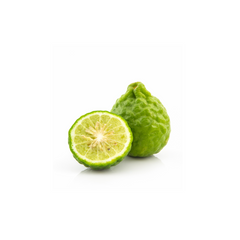
A harmonious red tea accord is crafted by blending complementary notes that enhance its warm and sweet characteristics. The following ingredients are typically used: - **Red Tea** 30-35%: The central note, providing warmth and depth. - **Vanilla** 20-25%: Adds a creamy sweetness that softens the tea's earthy tones. - **Bergamot** 15-20%: Introduces a bright, citrusy lift that enhances the overall freshness. - **Cinnamon** 20-25%: Infuses warmth and spice, creating a cozy and inviting aura.

30-35%

Red Tea

30-35% of blend

The central note, providing warmth and depth.

20-25%

Vanilla

20-25% of blend

Adds a creamy sweetness that softens the tea's earthy tones.

15-20%

Bergamot

15-20% of blend

Introduces a bright, citrusy lift that enhances the overall freshness.

20-25%

Cinnamon

20-25% of blend

Infuses warmth and spice, creating a cozy and inviting aura.

The Olfactory Layers

How Red Tea Evolves on Skin

The olfactory journey of red tea unfolds in three distinct phases, showcasing its complexity and warmth.

I
Top notes
0–15 min
Opening

The initial impression is bright and zesty, featuring citrus notes like bergamot and mandarin, which evaporate quickly, leaving a refreshing lift.

CitrusyBrightInvigorating
II
Heart notes
20–60 min
Heart

The heart reveals the warm, comforting essence of red tea, complemented by fruity notes like peach and raspberry, creating a rich and inviting aroma.

FruityWarmComforting
III
Base notes
Several hours
Drydown

The fragrance settles into a soft, earthy base with nuances of vetiver and musk, providing a lasting, tranquil finish.

EarthySoftTranquil
TOP NOTES Opening 0–15 minutes HEART NOTES Heart 20–60 minutes BASE NOTES Drydown Several hours
Through the Ages

The Story of Red Tea in Perfumery

The journey of red tea in perfumery has evolved from traditional uses to modern interpretations, reflecting its growing popularity.

1992

Introduction of Tea Notes

Jean-Claude Ellena created 'Au Thé Vert' for Bvlgari, marking the beginning of tea fragrances in modern perfumery.

2006

Launch of Eau Parfumée au Thé Rouge

Bvlgari released 'Eau Parfumée au Thé Rouge', featuring rooibos and yunnan red tea, expanding the tea fragrance category.

2010

Growing Interest in Tea Fragrances

Tea notes gained popularity in niche perfumery, with various brands exploring their unique characteristics.

2024

Proad's Red Tea Launch

Proad introduced 'Red Tea', showcasing the versatility of rooibos in a floral fruity composition.

2026

Sustainability Focus

The fragrance industry increasingly emphasizes sustainable sourcing of natural ingredients, including rooibos.

The Art of Layering

How to Layer Red Tea

Layering red tea with complementary notes can enhance its aromatic profile.

01

Add Sweetness

Pairing red tea with vanilla softens its earthy notes, creating a comforting and inviting blend.

02

Enhance Freshness

Citrus notes like bergamot or mandarin can brighten red tea's warm character, making it more vibrant.

03

Introduce Spice

Layering with spices like cinnamon adds warmth and complexity, perfect for cozy fragrances.

Wear It Right

How to Wear Red Tea Like a Pro

Seasonal Guide

Fall & Winter

In cooler months, red tea's warm and cozy qualities shine. Layer with spicy notes like cinnamon for added depth.

Spring

Springtime allows red tea to blend beautifully with floral notes. Pair with light florals like jasmine for a refreshing touch.

Summer

In summer, opt for lighter formulations. Red tea pairs well with citrus notes to maintain freshness in the heat.

Year-Round Tip

Red tea's comforting aroma makes it suitable for year-round wear. Experiment with layering to create a signature scent.

Application Points

Strategic application enhances the fragrance experience.

1

Neck

Applying red tea fragrance to the neck allows for warmth and projection, enhancing its aromatic qualities.

2

Behind the Ears

This pulse point radiates warmth, allowing the fragrance to diffuse gently throughout the day.

3

Inner Wrists

Wrist application allows for easy reapplication and a personal scent cloud as you move.

4

Hair

Spraying on hair provides a sustained release of fragrance, enhancing longevity and creating a soft trail.

★

Pro Tip

Layer red tea with complementary scents for a unique signature fragrance that reflects your personality.

Mood Architecture™

Top Red Tea Fragrances by Mood Score

These Red Tea-based fragrances scored highest on the MEI™ Mood Architecture Framework — measuring how a scent may influence your emotional state.

Highest MEI Score
Winter Place — Winter Palace Alternative Perfume
6.2
MEI™
Primary Fresh
Secondary Energizing
Confidence
5.38
Presence
5.38
Mood Lift
7.95
Identity
4.75
Warmth
6.0
Social Ease
6.27
Energy
4.18
" I am radiant.
View full mood profile →
HumanSafe™

Top Red Tea Fragrances by HumanSafe™ Score

These Red Tea-based fragrances have the highest product-level HumanSafe™ scores in this ingredient collection.

Highest HumanSafe™ Score
Winter Place — Winter Palace Alternative Perfume
A-
HumanSafe™ Score Generally Safe
Safest Evaluated Ingredients EDP
AQUA Solvent / Carrier ISS 10.0
1,4-DIOXACYCLOHEPTADECANE-5,17-DIONE Evaluated ingredient ISS 10.0
CITRAL Evaluated ingredient ISS 8.0
2H-1-BENZOPYRAN-2-ONE Evaluated ingredient ISS 8.0
LINALYL ACETATE Evaluated ingredient ISS 7.0
LINALOOL Evaluated ingredient ISS 7.0
View full safety profile →
Expert Voices

What Masters Say About Red Tea

“
Red tea offers a unique, comforting warmth that unfolds in vibrant notes, captivating the senses with its aromatic depth.
CA Perfume Editorial
“
Scent is transportative; it captures our focus and brings us places across the world or back into our memories.
Jeffrey Champeau, Rishi Tea
Common Questions

Frequently Asked Questions

Frequently asked questions about red tea in perfumery.

Red Tea in perfume typically presents a warm, woody aroma enriched with sweet vanilla and subtle spice. It offers a comforting scent profile that is both inviting and soothing, making it a versatile ingredient in various fragrance compositions.

Red Tea is primarily classified as a heart note in perfumery. It provides warmth and depth to the fragrance, often paired with fruity and floral notes to create a harmonious blend.

Red Tea is favored in niche perfumes for its unique aromatic profile, which offers a comforting and inviting quality. Its versatility allows it to blend well with various notes, making it a popular choice among perfumers seeking to create distinctive fragrances.

Red Tea pairs beautifully with sweet notes like vanilla and honey, enhancing its plush quality. Floral notes such as rose or jasmine complement it well, while spices like cinnamon elevate its warmth, creating a rich and inviting fragrance.

Yes, Red Tea perfumes can be suitable for summer, especially when blended with lighter, fresher notes like citrus. However, the warmth of red tea may also make it a comforting choice for cooler evenings.

The longevity of a Red Tea fragrance can vary based on its concentration and formulation. Generally, fragrances featuring red tea can last anywhere from 4 to 8 hours, depending on the skin type and application method.

Absolutely! Red Tea can be layered with complementary fragrances, such as those featuring vanilla, citrus, or floral notes, to create a unique and personalized scent experience.

For beginners, exploring fragrances like Proad's Red Tea or Bvlgari's Eau Parfumée au Thé Rouge can provide a gentle introduction to the warm and inviting qualities of red tea.

To choose the right Red Tea fragrance, consider your personal scent preferences and the notes that appeal to you. Sampling different options can help you find a fragrance that resonates with your style.

Red Tea typically presents a warm, sweet aroma with subtle spicy undertones. Its comforting scent profile makes it versatile for various fragrance compositions.

Floral Fruity Collection

Explore Our Top Red Tea Fragrances

Discover the best red tea fragrances that embody warmth and comfort.

Shop all red tea fragrances at CA Perfume →

Where Red Tea Comes From — Origin & Extraction

Famous Fragrances That Define Red Tea in Perfumery

Natural vs Synthetic Red Tea in Perfumery