Ingredient Guide · Floral
Floral Family · Perfumery Note

Pink Jasmine

A lush floral note with sweet, fruity nuances

Pink Jasmine is a heart note in perfumery known for its rich, sweet, and slightly fruity scent profile. Extracted primarily via solvent or CO₂ methods, it is used at concentrations below 5%.

Pink Jasmine
Ingredient Profile

Pink Jasmine

Floral Family
Family Floral
Note Position Heart Note
Usage Level <5%
Key Origins India, Thailand, France
Iconic In Pink Jasmine, Pink Jasmine
The Ingredient

What does Pink Jasmine smell like and why is it significant in perfumery?

Pink Jasmine (Jasminum polyanthum) is a flowering plant prized in perfumery for its rich, sweet, and slightly fruity scent profile. The fragrance owes its character to complex natural volatiles including indole and benzyl acetate, which impart a lush floral aroma with subtle fruity undertones. This note is classified as a heart note in fragrance compositions, typically used at concentrations below 5% to provide depth and warmth without overpowering. In perfumery, Pink Jasmine interacts uniquely with skin chemistry, often enhancing the perception of warmth and radiance due to its volatile aromatic compounds that evolve over several hours. Its scent profile is celebrated for evoking feelings of springtime bliss and romantic moments, making it a favored ingredient for both daytime and evening fragrances. Notable examples of Pink Jasmine in perfumery include Fresh's Pink Jasmine (2005), where it blends with blood orange and marshmallow to create a creamy, soft floral scent, and Parfums Guy Alari's Pink Jasmine, which pairs jasmine with bergamot and iris for a sophisticated floral bouquet. These fragrances demonstrate Pink Jasmine's versatility and its ability to add a romantic, elegant heart to compositions.

3–4 Sprays
Recommended application range for noticeable floral presence without overwhelming, suitable for daily wear.
5–7 Hours
Typical longevity of Pink Jasmine fragrances on skin, influenced by formulation and layering.
<5%
Maximum typical concentration of Pink Jasmine absolute in perfume formulations due to IFRA safety limits.
Origin & Extraction

Where Pink Jasmine Comes From — Origin & Extraction

Pink Jasmine thrives in warm climates with specific soil and climatic conditions that influence its aromatic profile. The flower's scent varies subtly by origin, reflecting terroir effects such as soil composition and altitude.

Pink Jasmine, botanically known as Jasminum polyanthum, is native to warm climates and is cultivated primarily in India, Thailand, and France. In India, it holds cultural significance and is used in religious ceremonies, while Thailand is known for its vibrant markets where the flowers are woven into garlands. France incorporates Pink Jasmine into fine perfumery, reflecting the romantic essence of French gardens. Extraction of Pink Jasmine for perfumery is predominantly achieved through solvent extraction or supercritical CO₂ extraction. These methods preserve the delicate aromatic compounds that are destroyed by steam distillation, which is unsuitable due to the flower's fragile petals. The solvent extraction process involves washing the petals with a solvent like hexane, followed by evaporation and purification to yield a fragrant absolute. CO₂ extraction offers ecological benefits and yields a complex, variable character. Natural Pink Jasmine absolute commands a high market price, generally between $3,000 and $6,000 per kilogram, reflecting the labor-intensive harvesting and extraction processes. Sustainability considerations include the careful management of cultivation to avoid overharvesting and the use of eco-friendly extraction technologies. Synthetic alternatives, developed in laboratories, offer cost-effective and stable substitutes but differ in complexity.

IN

India

In India, particularly in regions like Madurai, Pink Jasmine is culturally significant and harvested for its fragrant blooms used in religious ceremonies. The warm climate and traditional hand-picking methods contribute to a rich, sweet floral scent. India remains a key producer with significant market share in jasmine absolute production.

TH

Thailand

Thailand cultivates Pink Jasmine in tropical climates, with flowers commonly woven into garlands for cultural celebrations. The humid environment and soil conditions produce a bright, fresh floral aroma distinctive to this region.

FR

France

France, especially the Grasse region, is renowned for its fine perfumery tradition. Pink Jasmine grown here benefits from Mediterranean soil and climate, yielding a slightly greener, more refined floral scent. Production is smaller but highly valued for quality.

Chemistry

Natural vs Synthetic Pink Jasmine in Perfumery

Natural Pink Jasmine absolute is obtained via solvent or CO₂ extraction, producing a complex and variable aromatic profile rich in indole, benzyl acetate, and other floral volatiles. It is prized for its authentic, lush floral character but is costly, ranging from $3,000 to $6,000 per kilogram. The natural extract's variability depends on harvest conditions and extraction methods. Synthetic substitutes primarily involve molecules such as safranal (CAS 116-26-7) and analogues, which replicate the sweet, slightly fruity facets of Pink Jasmine. These synthetics are produced via laboratory synthesis, offering consistent quality and stability at a significantly lower cost of $50 to $200 per kilogram. Synthetic ingredients provide enhanced longevity and diffusion in fragrances but lack the full complexity of natural absolutes. Famous fragrances often blend natural and synthetic jasmine components to balance authenticity and performance. The HumanSafe™ platform emphasizes transparency in ingredient sourcing and safety, ensuring both natural and synthetic Pink Jasmine components meet stringent safety standards.

Natural
Pink Jasmine Absolute
Cost $3,000–6,000/kg
Method Solvent / CO₂
Character Complex, variable
vs
Synthetic
Safranal & Analogues
Cost $50–200/kg
Method Lab synthesis
Character Consistent, stable
Hall of Fame

Famous Fragrances That Define Pink Jasmine in Perfumery

2005
heart note

Pink Jasmine

Fresh
Blood OrangeLilacMarshmallowPeach
—
heart note

Pink Jasmine

Parfums Guy Alari
by Marina Nikitina
BergamotIrisGrapefruitOrange Blossom
1980
heart note

Pink Jasmine

Severnoe Sianie
Mock OrangeLily of the ValleyLilacSandalwood
—
soliflore note

Wild Veil Soliflore Enfleurage

Wild Veil

Pink Jasmine has been featured prominently in several notable fragrances over the past two decades, showcasing its versatility and appeal. Fresh's Pink Jasmine (2005) is a landmark fragrance that highlights the note's creamy, soft floral character, blending it with blood orange, lilac, and marshmallow for a fresh yet comforting scent. Parfums Guy Alari's Pink Jasmine, crafted by perfumer Marina Nikitina, uses Pink Jasmine as a heart note paired with bergamot, iris, and grapefruit, creating a sophisticated floral bouquet. Other fragrances include Severnoe Sianie’s Pink Jasmine (1980s), which combines Pink Jasmine with mock orange and sandalwood, and niche offerings like Wild Veil’s soliflore enfleurage capturing the authentic Jasmine Polyanthum scent. These examples demonstrate Pink Jasmine's role as a romantic, elegant heart note that bridges fresh top notes and warm, woody bases. CA Perfume's collection honors this lineage by incorporating Pink Jasmine in accords that emphasize its floral brilliance and complement it with modern aromatic companions.

The Accord

How is a captivating Pink Jasmine accord crafted?

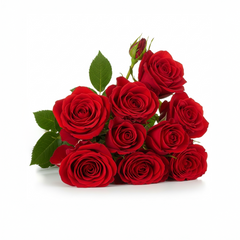
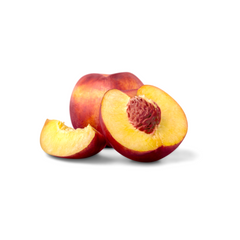
A Pink Jasmine accord is carefully balanced to highlight its lush floral character while enhancing its natural sweetness and freshness. Typically, Pink Jasmine constitutes 25% of the blend, supported by Rose at 20–25% to add romantic depth through shared damascenone compounds. Peach at 10–15% introduces a juicy, fruity facet that complements the floral sweetness. Ylang-Ylang at 20% contributes creamy, slightly exotic nuances that harmonize with jasmine's richness. This blend totals approximately 90–100%, creating a complex, inviting floral accord.

25%

Pink Jasmine

25% of blend

Provides the core lush floral and slightly fruity character, rich in indole and benzyl acetate.

25%

Rose

20–25% of blend

Adds romantic depth and a classic floral elegance, sharing damascenone molecules with jasmine for seamless blending.

15%

Peach

10–15% of blend

Introduces a juicy, fruity sweetness that balances jasmine’s floral brightness.

20%

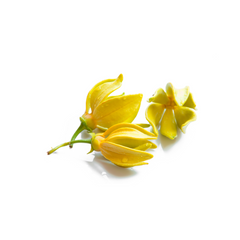
Ylang-Ylang

20% of blend

Contributes creamy, exotic floral nuances that complement jasmine’s richness and add complexity.

The Olfactory Layers

How Pink Jasmine Evolves on Skin

Pink Jasmine's olfactory evolution unfolds over several hours, beginning with bright, volatile top notes that quickly evaporate, revealing the heart dominated by jasmine's rich floral compounds such as indole and benzyl acetate. The base notes emerge later, blending softly with woody and musky fixatives that anchor the scent and extend longevity.

I
Top notes
0–15 min
Bright Floral Opening

Initial impression features light, fresh citrus and green facets that rapidly evaporate due to high volatility. These fleeting notes prepare the skin for the floral heart.

FreshBrightVolatile
II
Heart notes
20–60 min
Lush Floral Core

Dominated by Pink Jasmine’s lush floral aroma, driven by indole and benzyl acetate molecules. This stage reveals the note's characteristic sweet, slightly fruity, and warm floral facets.

FloralSweetWarm
III
Base notes
Several hours
Soft Woody Drydown

Woody and musky base notes provide depth and fixative qualities, blending with residual jasmine facets to prolong the scent's presence on skin.

WoodyMuskyLong-lasting
TOP NOTES Bright Floral Opening 0–15 minutes HEART NOTES Lush Floral Core 20–60 minutes BASE NOTES Soft Woody Drydown Several hours
Through the Ages

The Story of Pink Jasmine in Perfumery

Pink Jasmine's history in perfumery spans from traditional cultural uses in Asia to modern extraction and synthetic innovations that have expanded its application in fragrance compositions.

5th century BCE

Cultivation in India

Pink Jasmine was cultivated in Madurai, India, associated with religious and cultural ceremonies, marking early use of the flower in aromatic traditions.

16th century

Introduction to Europe

Pink Jasmine reached Europe, particularly France, where it became integral to the perfumery industry centered in Grasse.

1950s

Shift in Extraction Methods

Transition from traditional enfleurage to solvent extraction and later CO₂ extraction improved yield and preserved aromatic complexity.

Late 20th century

Synthetic Molecules Developed

Synthetic analogues such as safranal were introduced to replicate jasmine’s scent affordably and consistently.

2005

Launch of Fresh Pink Jasmine

Fresh released Pink Jasmine perfume, popularizing the note in contemporary perfumery with a creamy, soft floral composition.

The Art of Layering

How to Layer Pink Jasmine

Understanding how to layer Pink Jasmine involves molecular compatibility and olfactory synergy. Layering enhances or modulates the note’s facets for personalized expression.

01

Enhance Sweetness

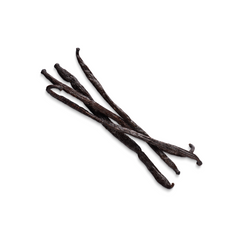
Pair Pink Jasmine with vanilla, whose vanillin molecules mask jasmine’s slight indolic edge, softening the floral and adding creamy warmth. This combination is evident in fragrances like Fresh Pink Jasmine.

02

Add Depth

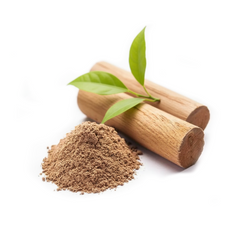
Layer with sandalwood or cedarwood, whose woody lactones and terpenes complement jasmine’s floral volatiles, creating a warm, grounded base that extends longevity and complexity.

03

Lighten the Glow

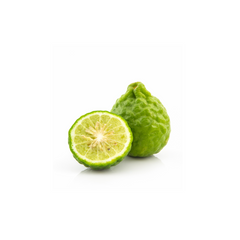
Combine Pink Jasmine with citrus notes like bergamot, whose limonene and linalool provide fresh, bright top notes that contrast and highlight jasmine’s lush heart, producing a radiant, uplifting effect.

Wear It Right

How to Wear Pink Jasmine Like a Pro

Seasonal Guide

Fall & Winter

Cooler temperatures slow evaporation, enhancing Pink Jasmine’s longevity and deepening its warm floral facets. Layer with woody or spicy notes for added richness and cozy appeal.

Spring

Spring’s mild warmth highlights Pink Jasmine’s fresh and fruity qualities. Use alone or with light green or citrus notes to evoke blooming gardens.

Summer

Heat increases volatility, making Pink Jasmine more radiant but shorter-lived. Pair with aquatic or citrus notes for refreshing, airy compositions suitable for hot weather.

Year-Round Tip

Adjust application amount based on temperature: lighter sprays in heat, fuller application in cold to balance diffusion and longevity.

Application Points

Strategic application enhances Pink Jasmine’s scent projection and longevity.

1

Neck

Pulse points like the neck emit heat, intensifying Pink Jasmine’s floral heart and aiding diffusion.

2

Behind the Ears

Warmth behind the ears helps release jasmine’s volatile compounds subtly throughout the day.

3

Inner Wrists

Inner wrists provide warmth and movement, enhancing scent projection and interaction with skin chemistry.

4

Hair

Hair holds fragrance longer due to its porous nature, releasing Pink Jasmine softly with natural motion.

★

Pro Tip

Layer Pink Jasmine with unscented moisturizer to create a hydrated base that prolongs scent longevity.

Mood Architecture™

Top Pink Jasmine Fragrances by Mood Score

These Pink Jasmine-based fragrances scored highest on the MEI™ Mood Architecture Framework — measuring how a scent may influence your emotional state.

Highest MEI Score
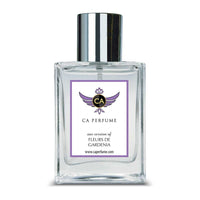
Fleurs De Gardenia — Creed Fleurs De Gardenia Alternative Perfume
6.6
MEI™
Primary Fresh
Secondary Romantic
Confidence
5.65
Presence
6.11
Mood Lift
8.06
Identity
5.99
Warmth
6.4
Social Ease
7.47
Energy
2.55
" I am radiant.
View full mood profile →
HumanSafe™

Top Pink Jasmine Fragrances by HumanSafe™ Score

These Pink Jasmine-based fragrances have the highest product-level HumanSafe™ scores in this ingredient collection.

Highest HumanSafe™ Score
Fleurs De Gardenia — Creed Fleurs De Gardenia Alternative Perfume
A-
HumanSafe™ Score Generally Safe
Safest Evaluated Ingredients EDP
AQUA Solvent / Carrier ISS 10.0
ACETIC ACID, PHENYLMETHYL ESTER Evaluated ingredient ISS 10.0
1,4-DIOXACYCLOHEPTADECANE-5,17-DIONE Evaluated ingredient ISS 10.0
BENZYL SALICYLATE Evaluated ingredient ISS 9.0
3-HEXEN-1-OL, BENZOATE, (Z)- Evaluated ingredient ISS 9.0
3-BUTEN-2-ONE, 3-METHYL-4-(2,6,6-TRIMETHYL-2- Evaluated ingredient ISS 8.0
View full safety profile →
Expert Voices

What Masters Say About Pink Jasmine

“
“Jasmine is not only a floral note but an olfactory journey that evokes deeply personal memories and emotions. Its complexity and richness make it indispensable in perfumery.”
Pascal Gaurin, VP Perfumer at International Flavors & Fragrances
“
Pink Jasmine’s sweet and slightly fruity facets provide a luminous heart that bridges fresh top notes and warm bases, making it a versatile and beloved ingredient in modern fragrance compositions.
CA Perfume Editorial
Common Questions

Frequently Asked Questions

Answers to common questions about Pink Jasmine in perfumery.

Pink Jasmine in perfume smells rich, sweet, and slightly fruity with a lush floral heart. Its scent is characterized by volatile compounds such as indole and benzyl acetate, which create warmth and radiance. It is often used as a heart note in concentrations below 5%, providing depth and a romantic floral presence in fragrances like Fresh Pink Jasmine (2005).

Pink Jasmine is primarily used as a heart note in perfumery. It appears after the initial top notes evaporate, offering a rich floral core that lasts for several hours before transitioning into the base notes.

Pink Jasmine’s complex, lush floral scent with subtle fruity nuances makes it a versatile and evocative ingredient. Its ability to evoke romantic and joyful emotions, combined with its compatibility with various accords, makes it a favorite among niche perfumers seeking unique, expressive floral compositions.

Pink Jasmine fragrance uses often pair it with rose, peach, ylang-ylang, vanilla, sandalwood, and bergamot. These notes complement jasmine’s floral sweetness, enhance its warmth, or provide fresh contrast, creating balanced and multi-dimensional accords.

Yes, Pink Jasmine’s bright and airy qualities make it suitable for summer fragrances. When paired with lighter notes like citrus or green tea, it creates refreshing scents that are not overwhelming, ideal for warm weather wear.

Pink Jasmine fragrances typically last between 5 to 7 hours on skin, depending on formulation and layering. Its floral heart is sustained by fixatives and complementary base notes.

Yes, layering Pink Jasmine with complementary notes such as vanilla, sandalwood, or citrus can enhance its scent profile. Understanding how to layer Pink Jasmine involves molecular compatibility to create harmonious blends that highlight its floral brilliance.

Fresh Pink Jasmine (2005) is an excellent entry point, offering a soft, creamy floral scent that is approachable and versatile. Parfums Guy Alari’s Pink Jasmine is another accessible option with a sophisticated bouquet.

Consider your preference for intensity, complementary notes, and occasion. CA Perfume offers a curated selection of Pink Jasmine fragrances and accords that highlight its floral elegance in various compositions, suitable for diverse tastes and seasons.

Pink Jasmine primarily smells sweet and floral with slightly fruity undertones. It is not inherently spicy but can be layered with spicy notes like cinnamon or cardamom to add depth and intrigue.

Floral Collection

Explore Our Top Pink Jasmine Fragrances

Discover a curated selection of Pink Jasmine perfumes showcasing its rich floral heart and versatile fragrance uses.

Shop all pink jasmine fragrances at CA Perfume →

Where Pink Jasmine Comes From — Origin & Extraction

Pink Jasmine, botanically known as Jasminum polyanthum, is native to warm climates and is cultivated primarily in India, Thailand, and France. In India, it holds cultural significance and is used in religious ceremonies, while Thailand is known for its vibrant markets where the flowers are woven into garlands. France incorporates Pink Jasmine into fine perfumery, reflecting the romantic essence of French gardens. Extraction of Pink Jasmine for perfumery is predominantly achieved through solvent extraction or supercritical CO₂ extraction. These methods preserve the delicate aromatic compounds that are destroyed by steam distillation, which is unsuitable due to the flower's fragile petals. The solvent extraction process involves washing the petals with a solvent like hexane, followed by evaporation and purification to yield a fragrant absolute. CO₂ extraction offers ecological benefits and yields a complex, variable character. Natural Pink Jasmine absolute commands a high market price, generally between $3,000 and $6,000 per kilogram, reflecting the labor-intensive harvesting and extraction processes. Sustainability considerations include the careful management of cultivation to avoid overharvesting and the use of eco-friendly extraction technologies. Synthetic alternatives, developed in laboratories, offer cost-effective and stable substitutes but differ in complexity.

Famous Fragrances That Define Pink Jasmine in Perfumery

Pink Jasmine has been featured prominently in several notable fragrances over the past two decades, showcasing its versatility and appeal. Fresh's Pink Jasmine (2005) is a landmark fragrance that highlights the note's creamy, soft floral character, blending it with blood orange, lilac, and marshmallow for a fresh yet comforting scent. Parfums Guy Alari's Pink Jasmine, crafted by perfumer Marina Nikitina, uses Pink Jasmine as a heart note paired with bergamot, iris, and grapefruit, creating a sophisticated floral bouquet. Other fragrances include Severnoe Sianie’s Pink Jasmine (1980s), which combines Pink Jasmine with mock orange and sandalwood, and niche offerings like Wild Veil’s soliflore enfleurage capturing the authentic Jasmine Polyanthum scent. These examples demonstrate Pink Jasmine's role as a romantic, elegant heart note that bridges fresh top notes and warm, woody bases. CA Perfume's collection honors this lineage by incorporating Pink Jasmine in accords that emphasize its floral brilliance and complement it with modern aromatic companions.

Natural vs Synthetic Pink Jasmine in Perfumery

Natural Pink Jasmine absolute is obtained via solvent or CO₂ extraction, producing a complex and variable aromatic profile rich in indole, benzyl acetate, and other floral volatiles. It is prized for its authentic, lush floral character but is costly, ranging from $3,000 to $6,000 per kilogram. The natural extract's variability depends on harvest conditions and extraction methods. Synthetic substitutes primarily involve molecules such as safranal (CAS 116-26-7) and analogues, which replicate the sweet, slightly fruity facets of Pink Jasmine. These synthetics are produced via laboratory synthesis, offering consistent quality and stability at a significantly lower cost of $50 to $200 per kilogram. Synthetic ingredients provide enhanced longevity and diffusion in fragrances but lack the full complexity of natural absolutes. Famous fragrances often blend natural and synthetic jasmine components to balance authenticity and performance. The HumanSafe™ platform emphasizes transparency in ingredient sourcing and safety, ensuring both natural and synthetic Pink Jasmine components meet stringent safety standards.