Ingredient Guide · Spice
Spice Family · Perfumery Note

Pepper

A multifaceted note, from fiery top to earthy heart.

Pepper is a versatile spice note in perfumery, most often used as a top or heart note for its bracing, spicy character. Its defining quality comes from piperine and other terpenes, with essential oil concentrations typically under 2%.

Pepper
Ingredient Profile

Pepper

Spice Family
Family Spice
Note Position Heart Note
Usage Level 1–2% in formula
Key Origins Vietnam, India, Indonesia
Iconic In Parfum Sacré, Re-charge Black Pepper
The Ingredient

What does Pepper smell like and why is it prized in perfumery?

Pepper in perfumery refers primarily to the dried berries of Piper nigrum, yielding black, white, or green pepper notes depending on harvest and processing. The scent profile is intensely spicy, woody, and dry, with a sharp, bracing quality. This character is driven by the alkaloid piperine (C17H19NO3), alongside volatile terpenes such as sabinene, pinene, and limonene, which contribute citrusy and evergreen nuances. Black pepper essential oil, obtained via steam distillation, is especially rich in β-caryophyllene and limonene, imparting a multifaceted aroma that is both fresh and piquant. White pepper, by contrast, is milder and more animalic, with subtle camphoraceous and earthy undertones due to the removal of the pericarp and higher concentrations of skatole and short-chain fatty acids. In perfumery, pepper is classified as a spice note and is most commonly used as a top or heart note. Its volatility means it provides an immediate, energetic impact, yet its fixative properties allow it to subtly anchor other notes in the composition. Typical concentrations in fine fragrance range from 0.2% to 2% of the total formula, depending on the desired intensity and whether natural essential oil or synthetic aroma chemicals are used. Pepper interacts dynamically with skin chemistry: on acidic skin, its citrus and green facets are more pronounced, while on alkaline skin, the woody and earthy aspects dominate. This variability makes pepper a favorite for perfumers seeking both projection and complexity. Pepper in perfumery is exemplified by fragrances such as Comme des Garçons Blackpepper (2016, Antoine Maisondieu), which showcases a minimalistic pepper accord, and Molton Brown Re-charge Black Pepper (2007, Beverley Bayne), where black pepper is paired with citrus and aromatic notes for a bold, invigorating effect. In both, pepper’s spicy vibrancy is central to the scent profile, demonstrating its versatility and enduring appeal.

1–2% in formula
Typical concentration of pepper essential oil in fine fragrance. Higher levels can cause sensitization; lower levels provide subtle accent.
3–5 hours
Average longevity of pepper’s spicy and woody facets on skin, depending on concentration and skin chemistry.
$80–150/kg
Market price for natural black pepper essential oil. Synthetic analogs are less expensive but offer different olfactory effects.
Origin & Extraction

Where Pepper Comes From — Origin & Extraction

Pepper’s scent character is shaped by terroir: soil composition, rainfall, and altitude influence the balance of piperine and terpenes. Tropical climates yield pepper with heightened citrus and woody nuances.

Pepper used in perfumery is derived primarily from the berries of Piper nigrum (family Piperaceae), a perennial climbing vine native to southwestern India but now cultivated across tropical regions worldwide. The major producing countries are Vietnam (over 35% of global output, ~250,000 metric tons/year), India (15%), Indonesia, Brazil, and Sri Lanka. Each vine can yield 1–1.5 kg of pepper annually, with flowering typically in May–June and harvesting by hand. The form of pepper—black, white, green, or red—depends on the stage of harvest and post-harvest processing. Black pepper is produced by harvesting unripe berries and drying them, causing the pericarp to wrinkle and darken. White pepper is made by soaking ripe berries to remove the outer layer before drying, while green and red peppers are processed to preserve their color and freshness. For perfumery, the essential oil is extracted from dried or fresh berries via steam distillation, typically at 100°C for 3–4 hours. Yields range from 1–2.6% for ground black pepper and up to 4% for fresh unripe berries. Supercritical CO2 extraction is also used, producing a highly pure extract that closely replicates the natural aroma. The cost of natural black pepper oil is approximately $80–150/kg, while CO2 extracts are higher due to processing costs. Synthetic pepper aroma chemicals, such as piperonal or synthetic β-caryophyllene, are available at $30–60/kg, offering batch consistency and allergen control. Sustainability considerations include the impact of monoculture pepper farming on soil health and biodiversity, as well as labor practices in major producing countries. Some suppliers offer Fair Trade or organic-certified pepper oils. Synthetic alternatives reduce pressure on agricultural land and provide greater traceability. Piper nigrum essential oil is subject to IFRA restrictions due to potential skin sensitization, with maximum usage levels set for different product categories.

VN

Vietnam

The world’s largest producer, especially in the Central Highlands (Gia Lai, Dak Lak). Volcanic soils and high humidity yield pepper with pronounced citrus and green facets. Vietnam accounts for over 35% of global production (~250,000 metric tons/year).

IN

India

Kerala’s Malabar region is famed for bold, spicy black pepper with high piperine content. Laterite soils and monsoon climate create a robust, piquant aroma. India holds about 15% of global market share and has a Geographical Indication (GI) for Malabar pepper.

ID

Indonesia

Sumatra and Lampung produce pepper with a balanced spicy-woody profile. The volcanic soil and equatorial climate yield berries rich in β-caryophyllene. Indonesia is a major exporter, with distinctive processing methods.

BR

Brazil

Pará and Espírito Santo regions produce pepper with a lighter, fresher aroma due to sandy soils and moderate rainfall. Brazilian pepper is often used for green and white pepper production, contributing to global diversity.

Chemistry

Natural vs Synthetic Pepper in Perfumery

Natural pepper essential oil is a complex mixture, with piperine, β-caryophyllene (CAS 87-44-5), sabinene (CAS 3387-41-5), and limonene (CAS 138-86-3) as dominant aroma compounds. These provide the characteristic spicy, woody, and citrusy facets. Synthetic pepper notes are often constructed using individual aroma chemicals such as piperonal (CAS 120-57-0), safrole (CAS 94-59-7), and synthetic β-caryophyllene. These synthetics offer greater batch consistency, improved stability, and reduced allergenic potential compared to natural oils, which can vary due to terroir and harvest conditions. Performance-wise, synthetic pepper notes tend to have longer-lasting diffusion and are less prone to oxidation, making them suitable for modern compositions requiring stability. Natural pepper oils, while prized for their depth and complexity, can be more volatile and subject to batch variation. Cost is a significant factor: natural black pepper oil is $80–150/kg, while synthetic analogs are $30–60/kg. Notable fragrances using natural pepper include Caron Parfum Sacré (1990, Jean-Pierre Béthouart), while synthetics are favored in high-volume launches for consistency and regulatory compliance. Sustainability and supply chain transparency are increasingly important. The HumanSafe™ platform provides traceability for both natural and synthetic pepper ingredients, ensuring ethical sourcing and allergen disclosure. CA Perfume uses HumanSafe™ verified sources for all pepper-based compositions, balancing natural depth with synthetic reliability.

Natural
Pepper Absolute
Cost $3,000–6,000/kg
Method Solvent / CO₂
Character Complex, variable
vs
Synthetic
Safranal & Analogues
Cost $50–200/kg
Method Lab synthesis
Character Consistent, stable
Hall of Fame

Famous Fragrances That Define Pepper in Perfumery

1990
bridge note

Parfum Sacré

Caron
by Jean-Pierre Béthouart
roseincensemyrrh
2007
dominant note

Re-charge Black Pepper

Molton Brown
by Beverley Bayne
citrusaromatic woodsamber
2016
dominant note

Blackpepper

Comme des Garçons
by Antoine Maisondieu
cedarwoodpatchoulitonka bean
2019
accent

Bad Boy

Carolina Herrera
by Quentin Bisch and Louise Turner
bergamottonka beancacao
2019
supporting note

Eau de Minthé

Diptyque
by Fabrice Pellegrin
mintpatchoulipink pepper

Pepper has played a pivotal role in shaping modern perfumery, from classic spicy orientals to contemporary woody and aromatic compositions. In Caron Parfum Sacré (1990, Jean-Pierre Béthouart), black pepper is used at a high concentration (up to 5%) as a bridge note, linking rose and incense for a dramatic, spicy heart. Molton Brown Re-charge Black Pepper (2007, Beverley Bayne) brought pepper to mainstream attention, using it as a dominant note paired with citrus and aromatic woods for a bold, invigorating effect. Comme des Garçons Blackpepper (2016, Antoine Maisondieu) is a minimalistic study in pepper, where the note is reconstructed with both natural and synthetic materials to highlight its multifaceted character. In Carolina Herrera Bad Boy (2019, Quentin Bisch and Louise Turner), pepper is used as an accent, adding a spicy lift to a blend of bergamot, tonka, and cacao. Diptyque Eau de Minthé (2019, Fabrice Pellegrin) employs pink pepper as a supporting note, providing a sparkling, effervescent opening to a modern fougère. These examples illustrate pepper’s versatility: as a dominant note, bridge, or accent, it can add vibrancy, contrast, and complexity to a wide range of fragrance families. CA Perfume’s collection draws inspiration from this lineage, offering pepper compositions that span from classic spice to modern aromatic blends.

The Accord

How is a captivating Pepper accord crafted?

A classic pepper accord balances spice, freshness, and warmth. Pepper essential oil (25–30%) provides the core spicy, woody character. Bergamot (20–25%) adds citrus lift via limonene, while cedarwood (20–25%) anchors the accord with dry, resinous facets from cedrol and thujopsene. Patchouli (20–25%) introduces earthy, camphoraceous depth through patchoulol. This synergy creates a vibrant, multifaceted accord suitable for both modern and classic compositions.

30%

Pepper Essential Oil

25–30% of blend

Provides the core spicy, woody, and bracing character, driven by piperine and β-caryophyllene. Essential for the accord’s signature impact.

25%

Bergamot

20–25% of blend

Limonene-rich, it brightens the accord and enhances pepper’s citrusy facets, increasing volatility and freshness.

25%

Cedarwood

20–25% of blend

Anchors the accord with dry, resinous notes from cedrol and thujopsene, providing longevity and structure.

25%

Patchouli

20–25% of blend

Adds earthy, camphoraceous depth via patchoulol, enhancing the spicy complexity and supporting the pepper’s woody undertones.

The Olfactory Layers

How Pepper Evolves on Skin

Pepper’s olfactory evolution is rapid: high-volatility terpenes provide an immediate, bracing impact in the first 15 minutes, followed by a warm, woody heart and a subtle, earthy base as heavier molecules persist.

I
Top notes
0–15 min
Spicy Citrus Burst

A burst of sharp, spicy freshness dominated by sabinene, limonene, and pinene. These highly volatile terpenes evaporate quickly, creating an energetic, bracing opening with citrus and evergreen nuances.

SpicyCitrusyBracing
II
Heart notes
20–60 min
Woody Warmth

Warm, woody, and slightly sweet facets emerge as β-caryophyllene and piperine become prominent. The scent is rounder, with a subtle floral and resinous undertone that anchors the composition.

WoodyWarmResinous
III
Base notes
Several hours
Earthy Drydown

Earthy, musky, and faintly animalic notes linger, driven by heavier sesquiterpenes and trace fatty acids. The drydown is subtle but persistent, providing a grounding effect.

EarthyMuskySubtle
TOP NOTES Spicy Citrus Burst 0–15 minutes HEART NOTES Woody Warmth 20–60 minutes BASE NOTES Earthy Drydown Several hours
Through the Ages

The Story of Pepper in Perfumery

Pepper’s journey in perfumery spans millennia, from ancient rituals to modern minimalism. Its role has evolved with extraction technology and global trade.

Antiquity

Pepper in Ancient Rituals

Pepper was used in ancient Egypt and Greece for religious ceremonies and personal grooming. Archaeological evidence shows peppercorns in the tomb of Ramses II (c. 1213 BCE), highlighting its value as both spice and aromatic.

15th Century

Pepper Drives Global Trade

The search for pepper motivated European exploration, including Vasco da Gama’s 1497 voyage to India. Pepper’s high value led to its use as currency and in perfumed oils across Europe and Asia.

19th Century

Pepper in Early Modern Perfume

Pepper appears in colognes and spicy oriental blends, valued for its bracing, invigorating effect. Early examples include Caron’s spicy compositions and the use of pepper in fougère structures.

1990

Caron Parfum Sacré Launches

Jean-Pierre Béthouart’s Parfum Sacré features black pepper as a bridge note, linking rose and incense. Its high pepper concentration (up to 5%) sets a benchmark for spicy fragrances.

2007–2016

Pepper in Contemporary Perfumery

Molton Brown Re-charge Black Pepper (2007) and Comme des Garçons Blackpepper (2016) bring pepper to the forefront, showcasing both natural and synthetic facets in modern compositions.

The Art of Layering

How to Layer Pepper

Understanding how to layer pepper is key for creating a signature scent. Pepper’s molecular structure allows it to bridge citrus, floral, and woody notes, enhancing complexity and projection.

01

Enhance Freshness

Layer pepper with citrus notes such as bergamot or grapefruit. Shared terpenes like limonene create a seamless transition, amplifying the fresh, energetic facets. This approach is demonstrated in Molton Brown Re-charge Black Pepper, where citrus and pepper form a vibrant, uplifting accord.

02

Add Depth

Pair pepper with woody or resinous notes like cedarwood or patchouli. β-caryophyllene in both pepper and cedarwood creates olfactory synergy, deepening the composition and extending longevity. Comme des Garçons Blackpepper exemplifies this, with pepper and patchouli forming a rich, complex base.

03

Soften the Spice

Combine pepper with vanilla or tonka bean. Vanillin’s sweet, creamy profile masks pepper’s sharpness, producing a smoother, more approachable scent. This technique is used in Carolina Herrera Bad Boy, where pepper is balanced by tonka and cacao.

Wear It Right

How to Wear Pepper Like a Pro

Seasonal Guide

Fall & Winter

Cooler temperatures slow the evaporation of volatile terpenes, allowing pepper’s woody and earthy facets to linger. Apply to pulse points under clothing for sustained warmth and projection. Pepper’s spicy character is especially comforting in cold weather.

Spring

Rising temperatures enhance the citrus and green aspects of pepper, making it feel fresher and more vibrant. Apply lightly to avoid overwhelming lighter spring florals or greens. Layer with citrus or herbal notes for a lively, uplifting effect.

Summer

Heat increases volatility, causing pepper’s top notes to dissipate quickly. Use sparingly and pair with aquatic or citrus accords to maintain freshness. High humidity can amplify projection, so opt for EDT or lighter concentrations.

Year-Round Tip

Adjust application based on climate and personal preference. Pepper’s versatility allows it to transition from energetic summer mornings to cozy winter evenings. Test on skin to find the ideal balance for your environment.

Application Points

Strategic application enhances pepper’s projection and evolution. Pulse points and hair optimize diffusion.

1

Neck

The warmth of the neck accelerates evaporation of pepper’s top notes, creating an immediate, bracing impact. Ideal for maximizing the spicy opening.

2

Behind the Ears

This area retains heat and moisture, allowing pepper’s heart notes to linger and evolve. Subtle projection ensures the scent remains noticeable throughout the day.

3

Inner Wrists

Frequent movement and thin skin enhance diffusion, showcasing pepper’s volatility. Reapply as needed for sustained freshness.

4

Hair

Hair fibers trap volatile molecules, providing a slow, sustained release of pepper’s spicy and woody facets. Spray lightly to avoid dryness.

Pro Tip

Layer pepper fragrances with unscented moisturizer to prolong longevity and reduce potential skin irritation from essential oils.

Mood Architecture™

Top Pepper Fragrances by Mood Score

These Pepper-based fragrances scored highest on the MEI™ Mood Architecture Framework — measuring how a scent may influence your emotional state.

Highest MEI Score
Parfums Gypsy Aqua — Gypsy Water Alternative Perfume
8.69
MEI™
Primary Romantic
Secondary Confident
Confidence
7.99
Presence
8.46
Mood Lift
9.5
Identity
8.39
Warmth
9.5
Social Ease
8.81
Energy
5.8
" I am beautiful.
View full mood profile →
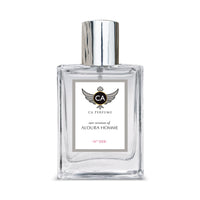
Aloura Homme — Chanel Allure Alternative Cologne
8.46
MEI™
Primary Romantic
Secondary Confident
Confidence
7.54
Presence
7.47
Mood Lift
9.5
Identity
7.67
Warmth
9.5
Social Ease
9.0
Energy
5.3
" I am beautiful.
View full mood profile →
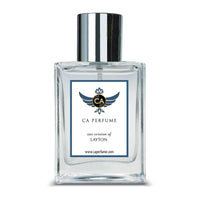
Layton — Parfums De Marly Layton Alternative Perfume
8.14
MEI™
Primary Romantic
Secondary Confident
Confidence
7.52
Presence
7.64
Mood Lift
8.61
Identity
7.72
Warmth
9.5
Social Ease
8.38
Energy
4.8
" I am beautiful.
View full mood profile →
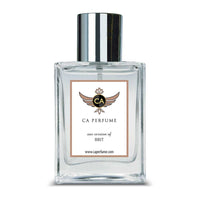
Brit — Burberry Brit Alternative Perfume
7.94
MEI™
Primary Romantic
Secondary Energizing
Confidence
6.37
Presence
6.58
Mood Lift
9.5
Identity
6.75
Warmth
9.5
Social Ease
8.72
Energy
4.7
" I am beautiful.
View full mood profile →
HumanSafe™

Top Pepper Fragrances by HumanSafe™ Score

These Pepper-based fragrances have the highest product-level HumanSafe™ scores in this ingredient collection.

Highest HumanSafe™ Score
Urban Musk — Tom Ford Impression Urban Musk Alternative Perfume
A-
HumanSafe™ Score Generally Safe
Safest Evaluated Ingredients EDP
AQUA Solvent / Carrier ISS 10.0
1,4-DIOXACYCLOHEPTADECANE-5,17-DIONE Evaluated ingredient ISS 10.0
4H-INDEN-4-ONE, 1,2,3,5,6,7-HEXAHYDRO-1,1,2,3,3- Evaluated ingredient ISS 9.0
2H-1-BENZOPYRAN-2-ONE Evaluated ingredient ISS 8.0
LINALYL ACETATE Evaluated ingredient ISS 7.0
LINALOOL Evaluated ingredient ISS 7.0
View full safety profile →
Terre — Hermes Terre Alternative Cologne
A-
HumanSafe™ Score Generally Safe
Safest Evaluated Ingredients EDP
AQUA Solvent / Carrier ISS 10.0
2-HEXENE, 6,6-DIMETHOXY-2,5,5-TRIMETHYL- Evaluated ingredient ISS 8.0
LINALYL ACETATE Evaluated ingredient ISS 7.0
LINALOOL Evaluated ingredient ISS 7.0
CITRONELLOL Evaluated ingredient ISS 7.0
View full safety profile →
Rose Ventus — Rose Des Vents Alternative Perfume
A-
HumanSafe™ Score Generally Safe
Safest Evaluated Ingredients EDP
AQUA Solvent / Carrier ISS 10.0
1,4-DIOXACYCLOHEPTADECANE-5,17-DIONE Evaluated ingredient ISS 10.0
HEXYL SALICYLATE Evaluated ingredient ISS 9.0
AMBROXIDE Evaluated ingredient ISS 9.0
4H-INDEN-4-ONE, 1,2,3,5,6,7-HEXAHYDRO-1,1,2,3,3- Evaluated ingredient ISS 9.0
View full safety profile →
Pure Vetiver — Azzaro Pure Vetiver Alternative Cologne
A-
HumanSafe™ Score Generally Safe
Safest Evaluated Ingredients EDP
AQUA Solvent / Carrier ISS 10.0
1,4-DIOXACYCLOHEPTADECANE-5,17-DIONE Evaluated ingredient ISS 10.0
HEXYL SALICYLATE Evaluated ingredient ISS 9.0
BENZYL SALICYLATE EYE IRRITATION - CAT.2B [H320] Evaluated ingredient ISS 9.0
7-OCTEN-2-OL, 2,6-DIMETHYL- CAT. 3 Evaluated ingredient ISS 9.0
1H-3A,7-METHANOAZULENE, OCTAHYDRO-6-METHOXY- Evaluated ingredient ISS 9.0
View full safety profile →
Expert Voices

What Masters Say About Pepper

Black pepper has such a complex multifaceted aroma! Its smell plays with lots of nuances, from uplifting citrusy to grassy, evergreen and sweet. It is fresh, dry, warm and piquant.
Fragrantica Editorial
Pepper’s scent profile is defined by piperine and β-caryophyllene, which create a bracing, spicy impact and a woody, resinous heart.
CA Perfume Editorial
Common Questions

Frequently Asked Questions

Answers to common questions about pepper in perfumery.

Pepper in perfume smells spicy, woody, and bracing, with a sharp, citrusy opening and a warm, earthy drydown. The primary aroma compounds are piperine, β-caryophyllene, and terpenes such as limonene and sabinene. Black pepper is more pungent and fresh, while white pepper is milder and slightly animalic. The scent profile is complex, evolving from energetic top notes to a subtle, grounding base.

Pepper is most commonly used as a top or heart note in fragrance compositions. Its high volatility means it provides an immediate, energetic impact, but it also has fixative properties that help anchor other notes. In some compositions, pepper’s woody and earthy facets persist into the base, but its primary role is in the opening and heart.

Pepper is favored in niche perfumery for its complexity and versatility. It bridges citrus, floral, and woody notes, adding vibrancy and contrast. Its molecular profile allows perfumers to create multifaceted, evolving scents. Pepper’s ability to interact with skin chemistry and its association with both ancient and modern perfumery make it a popular choice for innovative compositions.

Pepper fragrance uses often involve pairing with citrus (bergamot, grapefruit), woods (cedarwood, sandalwood), florals (rose, jasmine), and gourmand notes (vanilla, tonka bean). These combinations create olfactory bridges, enhance projection, and balance pepper’s spicy character.

Pepper can be worn year-round, but in hot weather, its volatility increases, causing the top notes to dissipate quickly. To maintain freshness, pair pepper with citrus or aquatic notes and use lighter concentrations such as Eau de Toilette. In humid climates, apply sparingly to avoid overwhelming projection.

Pepper’s spicy and woody facets typically last 3–5 hours on skin, depending on concentration, skin chemistry, and supporting notes. The initial burst is short-lived, but the earthy drydown can persist for several hours, especially in Eau de Parfum or oil-based formats.

Yes, pepper is highly versatile for layering. It can enhance freshness when paired with citrus, add depth with woods, or soften with gourmand notes. Molecular compatibility—such as shared terpenes or fixatives—ensures a harmonious blend. Always test combinations on skin, as pepper’s volatility can influence projection and evolution.

For those new to pepper in perfumery, Molton Brown Re-charge Black Pepper and Comme des Garçons Blackpepper are excellent starting points. Both showcase pepper’s spicy vibrancy in accessible, well-balanced compositions. Diptyque Eau de Minthé offers a lighter, more aromatic interpretation with pink pepper.

Consider your preferred fragrance family (spicy, woody, aromatic) and desired intensity. CA Perfume’s collection includes both classic and modern pepper compositions, all HumanSafe™ verified for ingredient transparency. Sampling different concentrations and pairings can help you find the ideal pepper scent for your style.

Pepper is primarily spicy and woody, but it can display subtle sweetness, especially when paired with gourmand notes like vanilla or tonka bean. The sweetness is a secondary facet, emerging as the sharp top notes fade and the warmer, resinous heart develops.

Spice Collection

Explore Our Top Pepper Fragrances

Discover CA Perfume’s best-selling pepper fragrances, from classic spicy blends to modern aromatic interpretations. Each is crafted for complexity and longevity.

Shop all pepper fragrances at CA Perfume →

Where Pepper Comes From — Origin & Extraction

Pepper used in perfumery is derived primarily from the berries of Piper nigrum (family Piperaceae), a perennial climbing vine native to southwestern India but now cultivated across tropical regions worldwide. The major producing countries are Vietnam (over 35% of global output, ~250,000 metric tons/year), India (15%), Indonesia, Brazil, and Sri Lanka. Each vine can yield 1–1.5 kg of pepper annually, with flowering typically in May–June and harvesting by hand. The form of pepper—black, white, green, or red—depends on the stage of harvest and post-harvest processing. Black pepper is produced by harvesting unripe berries and drying them, causing the pericarp to wrinkle and darken. White pepper is made by soaking ripe berries to remove the outer layer before drying, while green and red peppers are processed to preserve their color and freshness. For perfumery, the essential oil is extracted from dried or fresh berries via steam distillation, typically at 100°C for 3–4 hours. Yields range from 1–2.6% for ground black pepper and up to 4% for fresh unripe berries. Supercritical CO2 extraction is also used, producing a highly pure extract that closely replicates the natural aroma. The cost of natural black pepper oil is approximately $80–150/kg, while CO2 extracts are higher due to processing costs. Synthetic pepper aroma chemicals, such as piperonal or synthetic β-caryophyllene, are available at $30–60/kg, offering batch consistency and allergen control. Sustainability considerations include the impact of monoculture pepper farming on soil health and biodiversity, as well as labor practices in major producing countries. Some suppliers offer Fair Trade or organic-certified pepper oils. Synthetic alternatives reduce pressure on agricultural land and provide greater traceability. Piper nigrum essential oil is subject to IFRA restrictions due to potential skin sensitization, with maximum usage levels set for different product categories.

Famous Fragrances That Define Pepper in Perfumery

Pepper has played a pivotal role in shaping modern perfumery, from classic spicy orientals to contemporary woody and aromatic compositions. In Caron Parfum Sacré (1990, Jean-Pierre Béthouart), black pepper is used at a high concentration (up to 5%) as a bridge note, linking rose and incense for a dramatic, spicy heart. Molton Brown Re-charge Black Pepper (2007, Beverley Bayne) brought pepper to mainstream attention, using it as a dominant note paired with citrus and aromatic woods for a bold, invigorating effect. Comme des Garçons Blackpepper (2016, Antoine Maisondieu) is a minimalistic study in pepper, where the note is reconstructed with both natural and synthetic materials to highlight its multifaceted character. In Carolina Herrera Bad Boy (2019, Quentin Bisch and Louise Turner), pepper is used as an accent, adding a spicy lift to a blend of bergamot, tonka, and cacao. Diptyque Eau de Minthé (2019, Fabrice Pellegrin) employs pink pepper as a supporting note, providing a sparkling, effervescent opening to a modern fougère. These examples illustrate pepper’s versatility: as a dominant note, bridge, or accent, it can add vibrancy, contrast, and complexity to a wide range of fragrance families. CA Perfume’s collection draws inspiration from this lineage, offering pepper compositions that span from classic spice to modern aromatic blends.

Natural vs Synthetic Pepper in Perfumery

Natural pepper essential oil is a complex mixture, with piperine, β-caryophyllene (CAS 87-44-5), sabinene (CAS 3387-41-5), and limonene (CAS 138-86-3) as dominant aroma compounds. These provide the characteristic spicy, woody, and citrusy facets. Synthetic pepper notes are often constructed using individual aroma chemicals such as piperonal (CAS 120-57-0), safrole (CAS 94-59-7), and synthetic β-caryophyllene. These synthetics offer greater batch consistency, improved stability, and reduced allergenic potential compared to natural oils, which can vary due to terroir and harvest conditions. Performance-wise, synthetic pepper notes tend to have longer-lasting diffusion and are less prone to oxidation, making them suitable for modern compositions requiring stability. Natural pepper oils, while prized for their depth and complexity, can be more volatile and subject to batch variation. Cost is a significant factor: natural black pepper oil is $80–150/kg, while synthetic analogs are $30–60/kg. Notable fragrances using natural pepper include Caron Parfum Sacré (1990, Jean-Pierre Béthouart), while synthetics are favored in high-volume launches for consistency and regulatory compliance. Sustainability and supply chain transparency are increasingly important. The HumanSafe™ platform provides traceability for both natural and synthetic pepper ingredients, ensuring ethical sourcing and allergen disclosure. CA Perfume uses HumanSafe™ verified sources for all pepper-based compositions, balancing natural depth with synthetic reliability.