Ingredient Guide · Woody
Woody Family · Perfumery Note

Patchouli Leaf

A cornerstone of woody, chypre, and oriental compositions.

Patchouli Leaf is a base note in perfumery, prized for its earthy, woody, and dark aroma. Its essential oil, rich in patchoulol, provides exceptional longevity and acts as a fixative in complex blends.

Patchouli Leaf
Ingredient Profile

Patchouli Leaf

Woody Family
Family Woody
Note Position Base Note
Usage Level 2–3% yield
Key Origins Indonesia, India, China
Iconic In Reminiscence Patchouli, Angel
The Ingredient

What does Patchouli Leaf smell like and why is it so significant in perfumery?

Patchouli Leaf, derived from Pogostemon cablin, is botanically part of the Lamiaceae (mint) family. Its essential oil is extracted from dried leaves and is chemically characterized by high concentrations of patchoulol (CAS 5986-55-0), along with norpatchoulenol, α-bulnesene, and seychellene. The scent profile is complex: earthy, woody, dark, and slightly sweet, with facets of damp soil, camphor, cocoa, and subtle smokiness. This multifaceted aroma is a direct result of the sesquiterpene-rich oil produced during the drying and steam distillation process. The 'patchouli leaf scent profile' is often described as musty, with a bittersweet, mossy undertone and a persistent woody base. In perfumery, patchouli leaf is classified as a base note due to its low volatility and molecular weight. It is typically used at concentrations ranging from 0.5% to 3% of the total composition, depending on the desired intensity and the type of fragrance (higher in orientals, lower in chypres). Patchouli acts as a fixative, stabilizing more volatile notes and extending the longevity of the fragrance on skin. Its interaction with skin chemistry is notable: acidic skin can emphasize patchouli's earthy and woody facets, while alkaline skin may bring out its sweeter, chocolate-like aspects. The ingredient is essential in chypre, fougère, and oriental accords, often replacing oakmoss due to IFRA restrictions. 'Patchouli leaf in perfumery' is exemplified in landmark fragrances. Thierry Mugler's Angel (1992, perfumer Olivier Cresp) uses patchouli as a structural base, pairing it with praline and red berries to create the first modern gourmand. Chanel's Coco Mademoiselle (2001, Jacques Polge) showcases a cleaner, fractionated patchouli heart, providing a luminous, elegant woody base. Other notable examples include Diptyque Tempo (2018, Olivier Pescheux), which highlights patchouli's green and spicy facets, and Serge Lutens Bornéo 1834 (2005, Christopher Sheldrake), which explores its dark, cocoa-rich character.

2–3% yield
Steam distillation of dried patchouli leaves yields 2–3% essential oil by weight, making it one of the more efficient woody base note extractions.
6–12 hours
A patchouli-dominant fragrance can last 6–12 hours on skin, due to the low volatility of patchoulol and related sesquiterpenes.
<1.5%
IFRA guidelines recommend patchouli oil concentrations below 1.5% in finished products to minimize sensitization risk while ensuring olfactory impact.
Origin & Extraction

Where Patchouli Leaf Comes From — Origin & Extraction

Patchouli’s scent character is shaped by terroir—soil, rainfall, and climate influence the balance of patchoulol, camphor, and earthy notes. Indonesian patchouli is prized for its deep, rich aroma, while Indian and Chinese varieties offer distinct nuances.

Patchouli Leaf is obtained from Pogostemon cablin, a perennial herb native to Southeast Asia. Today, Indonesia accounts for approximately 90% of global production, with annual exports exceeding 1,200 metric tons of essential oil. Other significant producers include India (notably Tamil Nadu and Karnataka), China (Guangdong and Yunnan provinces), and Malaysia. The plant thrives in warm, humid climates with well-drained, organically rich soils. The extraction process begins with harvesting mature leaves, typically 6–12 months after planting. Leaves are dried in the shade for 5–7 days, a critical step that allows enzymatic processes to increase patchoulol content and develop the characteristic aroma. Steam distillation is the primary extraction method, conducted at 100°C for 6–8 hours. The yield is about 2–3% by weight of dried leaves. Fractional distillation is sometimes employed to produce 'patchouli heart,' a cleaner fraction with reduced earthy and camphoraceous notes. Solvent extraction and supercritical CO2 extraction are less common but used for specialty grades. Natural patchouli oil commands prices of $120–250/kg for standard grades, while fractionated or aged oils can reach $400–600/kg. Synthetic patchouli aroma chemicals, such as patchoulol (synthetic, CAS 5986-55-0), cost $30–60/kg, offering consistency and cost savings. Sustainability concerns focus on soil depletion, overharvesting, and the need for crop rotation; certified organic and fair-trade patchouli is increasingly available. The essential oil is IFRA-regulated for potential sensitization, with maximum recommended concentrations in finished products typically below 1.5%.

ID

Indonesia

Sulawesi and Sumatra are the primary regions, producing over 90% of global patchouli oil. Volcanic soils and high humidity yield oil with high patchoulol content and pronounced earthy, woody notes. Annual production exceeds 1,000 metric tons.

IN

India

Tamil Nadu and Karnataka regions produce patchouli with a slightly greener, less earthy profile. Indian oil is often used for blending and commands a lower price. Production is estimated at 80–120 metric tons annually.

CN

China

Guangdong and Yunnan provinces yield patchouli with subtle camphoraceous and herbal facets. Chinese oil is valued for its clarity and is increasingly used in fractionated forms. Production is smaller, around 30–50 metric tons per year.

MY

Malaysia

Johor and Sabah regions produce patchouli with a lighter, more herbal aroma. Malaysian oil is used for specialty blends and niche perfumery. Market share is less than 5% globally.

Chemistry

Natural vs Synthetic Patchouli Leaf in Perfumery

Natural patchouli oil is a complex mixture dominated by patchoulol (up to 40%), with supporting sesquiterpenes such as α-bulnesene (CAS 3691-12-1), seychellene (CAS 5208-59-3), and norpatchoulenol. Synthetic patchouli is constructed from isolated molecules, most notably patchoulol, but also includes synthetic analogs like norpatchoulenol and patchouli alcohol. Patchouli Perfumery Base is a designed accord using these molecules to replicate specific facets—cocoa, woody, or clean—while omitting others (e.g., earthy, musty notes). Performance-wise, natural patchouli offers greater olfactory complexity and evolution on skin, but batch-to-batch variation is significant. Synthetics provide stability, clarity, and precise control over the scent profile, with enhanced diffusion and reduced allergen risk. Cost differentials are substantial: natural oil ranges from $120–600/kg, while synthetic patchoulol is $30–60/kg. Many modern fragrances, such as Chanel Coco Mademoiselle, use fractionated or synthetic patchouli for a cleaner, more luminous effect, while niche brands may favor natural, aged oils for depth. Sustainability is a key driver for synthetics, reducing pressure on agricultural land and ensuring supply chain transparency. The HumanSafe™ platform verifies origin and allergen content for both natural and synthetic patchouli in CA Perfume’s sourcing. Notable aroma chemicals: patchoulol (CAS 5986-55-0), α-bulnesene (CAS 3691-12-1), and seychellene (CAS 5208-59-3).

Natural
Patchouli Leaf Absolute
Cost $3,000–6,000/kg
Method Solvent / CO₂
Character Complex, variable
vs
Synthetic
Safranal & Analogues
Cost $50–200/kg
Method Lab synthesis
Character Consistent, stable
Hall of Fame

Famous Fragrances That Define Patchouli Leaf in Perfumery

1970
dominant note

Reminiscence Patchouli

Reminiscence
by Zoé Coste
labdanumvetivercedar
1992
structural base note

Angel

Thierry Mugler
by Olivier Cresp
pralinered berriesvanilla
2001
clean woody base

Coco Mademoiselle

Chanel
by Jacques Polge
rosejasminecitrus
2005
dominant note

Bornéo 1834

Serge Lutens
by Christopher Sheldrake
cocoacamphorlabdanum
2018
multi-fraction base note

Tempo

Diptyque
by Olivier Pescheux
matéclary sagepink pepper

Patchouli Leaf has shaped the identity of numerous iconic fragrances across genres. In 1970, Reminiscence Patchouli (perfumer Zoé Coste) established the note as a bohemian signature, using unrefined patchouli oil for a raw, earthy effect. Thierry Mugler's Angel (1992, Olivier Cresp) revolutionized perfumery by pairing patchouli with praline and red fruits, creating the first modern gourmand and making patchouli accessible to a new generation. Chanel Coco Mademoiselle (2001, Jacques Polge) introduced a fractionated, cleaner patchouli heart, providing a luminous woody base that became a template for contemporary chypres. Serge Lutens Bornéo 1834 (2005, Christopher Sheldrake) explored patchouli’s darkest, cocoa-rich facets, while Diptyque Tempo (2018, Olivier Pescheux) showcased the ingredient’s green, spicy, and mineral nuances using multiple patchouli fractions. Patchouli is also a structural pillar in Guerlain Mitsouko (1919, Jacques Guerlain), where it anchors the chypre accord, and in Frédéric Malle Portrait of a Lady (2010, Dominique Ropion), where it supports rose and incense. CA Perfume’s collection draws inspiration from this lineage, offering both classic and modern interpretations of patchouli’s multifaceted character.

The Accord

How is a captivating Patchouli Leaf accord crafted?

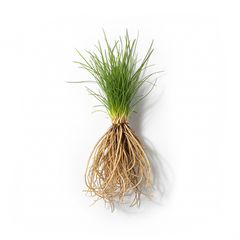
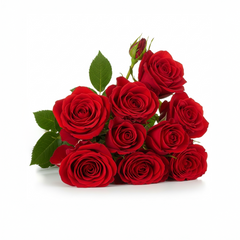
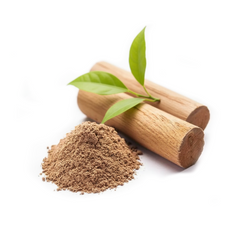
A classic patchouli accord blends Patchouli Leaf (35–40%), Vetiver (20–25%), Rose (15–20%), and Sandalwood (20–25%). Patchouli provides earthy, woody depth via patchoulol and related sesquiterpenes. Vetiver introduces smoky, rooty facets through vetiverol, creating a textured base. Rose adds damascenone, which bridges patchouli’s earthy notes and imparts a floral lift. Sandalwood’s santalol molecules soften patchouli’s sharpness, rounding the accord and enhancing longevity.

40%

Patchouli Leaf

35–40% of blend

Provides the earthy, woody, and slightly camphoraceous core via patchoulol and related sesquiterpenes. Essential for structure and longevity.

25%

Vetiver

20–25% of blend

Vetiverol and related molecules introduce smoky, rooty, and mineral facets, amplifying patchouli’s depth and complexity.

20%

Rose

15–20% of blend

Damascenone in rose bridges patchouli’s earthy notes, adding floral lift and enhancing the accord’s diffusion.

25%

Sandalwood

20–25% of blend

Santalol molecules round off patchouli’s sharpness, providing creamy, woody smoothness and improving fixative properties.

The Olfactory Layers

How Patchouli Leaf Evolves on Skin

Patchouli Leaf’s olfactory evolution is gradual, with low-volatility sesquiterpenes evaporating slowly. The top note is minimal, giving way to a persistent heart and base dominated by patchoulol and related molecules, ensuring a long-lasting, earthy drydown.

I
Top notes
0–15 min
Green Camphor

Initial impression is faintly herbal and green, with light camphoraceous and minty nuances. These are due to trace monoterpenes and the freshest fractions of patchouli oil, which evaporate quickly. Volatility is low, so the top is subtle.

herbalmintycamphoraceous
II
Heart notes
20–60 min
Earthy Core

The heart reveals the core patchoulol-driven character: earthy, woody, and slightly sweet, with cocoa and mossy undertones. Sesquiterpenes like patchoulol and α-bulnesene dominate, providing structure and depth.

earthywoodycocoa
III
Base notes
Several hours
Woody Balsam

The base is persistent and enveloping, with dark, musky, and slightly smoky facets. Patchoulol and norpatchoulenol ensure longevity, while aging and oxidation add mellow, balsamic, and chocolate-like richness.

muskysmokybalsamic
TOP NOTES Green Camphor 0–15 minutes HEART NOTES Earthy Core 20–60 minutes BASE NOTES Woody Balsam Several hours
Through the Ages

The Story of Patchouli Leaf in Perfumery

Patchouli Leaf’s journey in perfumery spans centuries, from ancient medicinal uses to its status as a pillar of modern fragrance.

Antiquity

Medicinal and Ritual Use in Asia

Patchouli leaves are used in traditional Chinese and Indian medicine for skin and digestive ailments. In India, leaves are burned for spiritual purification.

19th Century

Patchouli Arrives in Europe

Patchouli-scented cashmere shawls from India become fashionable in France. The scent is associated with luxury and exoticism, popularized by Empress Eugénie.

1970

Bohemian Icon: Reminiscence Patchouli

Reminiscence launches Patchouli, cementing the note’s association with counterculture and bohemian style. Raw patchouli oil is used for a powerful, earthy effect.

1992

Modern Gourmand: Angel by Mugler

Olivier Cresp creates Angel, pairing patchouli with sweet notes to invent the gourmand genre. Patchouli becomes accessible to a wider audience.

2001–Present

Contemporary Chypres and Clean Patchouli

Fractionated patchouli is used in Chanel Coco Mademoiselle and Diptyque Tempo, offering a cleaner, more luminous interpretation. Patchouli remains a cornerstone of niche and designer perfumery.

The Art of Layering

How to Layer Patchouli Leaf

Understanding how to layer patchouli leaf involves molecular compatibility—shared sesquiterpenes, olfactory masking, and synergistic effects. 'How to layer patchouli leaf' successfully requires pairing with notes that complement or modulate its earthy, woody core.

01

Enhance Sweetness

Layer patchouli with vanilla or tonka bean to exploit olfactory masking: vanillin and coumarin soften patchouli’s earthy edge, creating a gourmand effect. This technique is exemplified in Mugler Angel, where patchouli and praline form a sweet, persistent base.

02

Add Depth

Pair patchouli with vetiver or sandalwood to reinforce woody and smoky facets. Vetiverol and santalol share structural similarities with patchoulol, producing a seamless, textured base. Diptyque Tempo demonstrates this synergy with multiple patchouli fractions and vetiver.

03

Lighten the Glow

Combine patchouli with citrus (bergamot, orange) or floral notes (rose, jasmine) to lift its density. Damascenone in rose bridges patchouli’s earthy notes, while citrus aldehydes provide a fresh, sparkling contrast. Chanel Coco Mademoiselle uses this approach for a modern, luminous effect.

Wear It Right

How to Wear Patchouli Leaf Like a Pro

Seasonal Guide

Fall & Winter

Cooler temperatures suppress volatility, allowing patchouli’s earthy, woody, and balsamic notes to linger. Apply to pulse points under clothing to maximize warmth-driven diffusion. Patchouli’s richness complements the heavier, spicier compositions favored in cold weather.

Spring

Moderate temperatures allow patchouli’s green and herbal facets to emerge. Pair with floral or citrus notes for a lighter, more uplifting effect. Apply sparingly to avoid overwhelming the composition as ambient humidity increases.

Summer

High heat increases patchouli’s volatility, potentially amplifying its earthy and musky facets. Use lighter concentrations or layer with citrus and aquatic notes to maintain freshness. Apply to less exposed areas to moderate projection.

Year-Round Tip

Patchouli’s fixative properties make it versatile across seasons. Adjust application and layering partners according to temperature and humidity. In humid climates, patchouli’s base note character ensures longevity even as lighter notes dissipate.

Application Points

Strategic application of patchouli fragrances enhances longevity and optimizes scent evolution.

1

Neck

Pulse points on the neck generate heat, accelerating the evaporation of lighter patchouli fractions and revealing green, herbal nuances early in the wear.

2

Behind the Ears

This area maintains a stable temperature, allowing patchouli’s heart and base notes to develop gradually, with minimal interference from sweat or sebum.

3

Inner Wrists

Frequent movement and warmth enhance diffusion, but patchouli’s low volatility ensures a persistent, evolving scent trail throughout the day.

4

Hair

Applying to hair provides a slow, sustained release of patchouli’s heavier molecules, extending projection and longevity without overwhelming the senses.

Pro Tip

Layer patchouli fragrances over unscented moisturizer to slow evaporation and maximize the base note’s fixative properties, especially in dry climates.

Mood Architecture™

Top Patchouli Leaf Fragrances by Mood Score

These Patchouli Leaf-based fragrances scored highest on the MEI™ Mood Architecture Framework — measuring how a scent may influence your emotional state.

Highest MEI Score
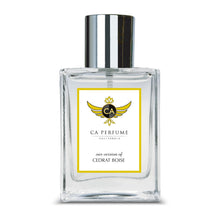
Cedrat Boise — Mancera Cedrat Boise Alternative Perfume
8.31
MEI™
Primary Romantic
Secondary Confident
Confidence
7.85
Presence
8.35
Mood Lift
9.05
Identity
7.96
Warmth
9.14
Social Ease
8.03
Energy
5.3
" I am beautiful.
View full mood profile →
Modern Musement — Modern Muse Alternative Perfume
7.67
MEI™
Primary Fresh
Secondary Romantic
Confidence
6.76
Presence
7.32
Mood Lift
9.5
Identity
6.93
Warmth
7.28
Social Ease
8.24
Energy
2.8
" I am radiant.
View full mood profile →
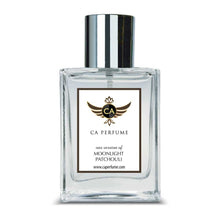
Moonlight Patchouli — Van Cleef & Arpels Moonlight Patchouli Alternative Perfume
7.06
MEI™
Primary Romantic
Secondary Confident
Confidence
7.28
Presence
7.91
Mood Lift
7.22
Identity
8.08
Warmth
6.73
Social Ease
6.74
Energy
2.9
" I am beautiful.
View full mood profile →
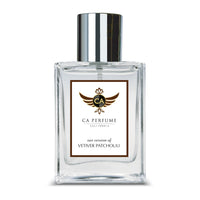
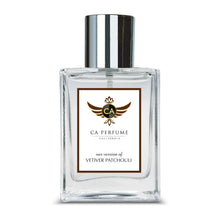
Vetiver Patchouli — Montale Vetiver Patchouli Alternative Perfume
6.51
MEI™
Primary Magnetic
Secondary Confident
Confidence
6.59
Presence
7.11
Mood Lift
6.95
Identity
6.94
Warmth
6.39
Social Ease
6.13
Energy
2.7
" I am bold.
View full mood profile →
HumanSafe™

Top Patchouli Leaf Fragrances by HumanSafe™ Score

These Patchouli Leaf-based fragrances have the highest product-level HumanSafe™ scores in this ingredient collection.

Highest HumanSafe™ Score
Vetiver Patchouli — Montale Vetiver Patchouli Alternative Perfume
A-
HumanSafe™ Score Generally Safe
Safest Evaluated Ingredients EDP
AQUA Solvent / Carrier ISS 10.0
1,4-DIOXACYCLOHEPTADECANE-5,17-DIONE Evaluated ingredient ISS 10.0
LINALYL ACETATE Evaluated ingredient ISS 7.0
LINALOOL Evaluated ingredient ISS 7.0
BETA-PINENE Evaluated ingredient ISS 7.0
ALCOHOL DENAT. Solvent / Carrier ISS 7.0
View full safety profile →
Moonlight Patchouli — Van Cleef & Arpels Moonlight Patchouli Alternative Perfume
A-
HumanSafe™ Score Generally Safe
Safest Evaluated Ingredients EDP
AQUA Solvent / Carrier ISS 10.0
1,4-DIOXACYCLOHEPTADECANE-5,17-DIONE Evaluated ingredient ISS 10.0
3-BUTEN-2-ONE, 3-METHYL-4-(2,6,6-TRIMETHYL-2- Evaluated ingredient ISS 8.0
LINALYL ACETATE Evaluated ingredient ISS 7.0
LINALOOL Evaluated ingredient ISS 7.0
ALCOHOL DENAT. Solvent / Carrier ISS 7.0
View full safety profile →
Modern Musement — Modern Muse Alternative Perfume
A-
HumanSafe™ Score Generally Safe
Safest Evaluated Ingredients EDP
OXACYCLOHEPTADEC-10-EN-2-ONE Evaluated ingredient ISS 10.0
AQUA Solvent / Carrier ISS 10.0
1,4-DIOXACYCLOHEPTADECANE-5,17-DIONE Evaluated ingredient ISS 10.0
HEXYL SALICYLATE Evaluated ingredient ISS 9.0
BENZYL SALICYLATE Evaluated ingredient ISS 9.0
View full safety profile →
Cedrat Boise — Mancera Cedrat Boise Alternative Perfume
A-
HumanSafe™ Score Generally Safe
Safest Evaluated Ingredients EDP
AQUA Solvent / Carrier ISS 10.0
1H-3A,7-METHANOAZULEN-6-OL, OCTAHYDRO-3,6,8,8- Evaluated ingredient ISS 9.0
LINALYL ACETATE Evaluated ingredient ISS 7.0
LINALOOL Evaluated ingredient ISS 7.0
BENZOIC ACID, 2,4-DIHYDROXY-3,6-DIMETHYL-, METHYL Evaluated ingredient ISS 7.0
ALCOHOL DENAT. Solvent / Carrier ISS 7.0
View full safety profile →
Expert Voices

What Masters Say About Patchouli Leaf

"Patchouli is the most powerful of any plant-derived essence. But perfumers wouldn’t be without patchouli, for the richness that it gives to fragrances."
The Perfume Society
Patchouli’s complexity arises from its sesquiterpene-rich oil, providing a persistent, evolving scent profile that anchors both classic and modern compositions.
CA Perfume Editorial
Common Questions

Frequently Asked Questions

Common questions about Patchouli Leaf in perfumery, with technical, data-driven answers.

Patchouli Leaf in perfume smells earthy, woody, and dark, with nuances of damp soil, cocoa, and subtle smokiness. Its scent profile is shaped by patchoulol and related sesquiterpenes, which provide a persistent, evolving base. Depending on the extraction and aging, patchouli can also reveal camphoraceous, balsamic, or slightly sweet facets. Notable fragrances like Mugler Angel and Chanel Coco Mademoiselle exemplify patchouli’s versatility.

Patchouli Leaf is classified as a base note due to its low volatility and high molecular weight. Its primary component, patchoulol, evaporates slowly, providing longevity and acting as a fixative for more volatile top and heart notes. Patchouli is rarely used as a top note and is almost always found in the base of chypre, oriental, and woody compositions.

Patchouli Leaf is favored in niche perfumery for its complexity, versatility, and ability to anchor compositions. Its multifaceted aroma—earthy, woody, musky, and sometimes sweet—allows it to bridge diverse notes and create depth. Patchouli also serves as a natural fixative, extending the longevity of fragrances. Niche brands often use aged or fractionated patchouli for unique olfactory signatures.

Patchouli Leaf fragrance uses include pairing with rose (damascenone bridges earthy and floral), vanilla (vanillin softens patchouli’s edge), vetiver (reinforces woody facets), and sandalwood (provides creamy smoothness). Citrus notes like bergamot add brightness, while amber and leather deepen patchouli’s base. These combinations are seen in fragrances like Chanel Coco Mademoiselle and Serge Lutens Bornéo 1834.

Patchouli Leaf can be worn year-round, but its low volatility and rich, earthy character are best suited for cooler weather. In hot climates, patchouli’s intensity may be amplified, so lighter concentrations or layering with citrus and floral notes is recommended. Applying sparingly to less exposed areas helps moderate projection in summer.

A patchouli-dominant fragrance typically lasts 6–12 hours on skin, thanks to the low volatility of patchoulol and related sesquiterpenes. In higher concentrations (Parfum or oil formats), patchouli’s base note can persist for over 12 hours, with the scent evolving gradually from earthy to musky and balsamic.

Yes, patchouli is highly layerable due to its fixative properties and molecular compatibility with a wide range of notes. For example, layering with vanilla or tonka bean creates a gourmand effect, while pairing with citrus or florals lightens the composition. Notable layering examples include Diptyque Tempo with vetiver and rose, or Mugler Angel with praline.

For beginners, fragrances like Chanel Coco Mademoiselle (clean, modern patchouli), Diptyque Tempo (multi-fraction, green and spicy), and Reminiscence Patchouli (classic, earthy) offer accessible introductions. These fragrances balance patchouli’s depth with supporting notes, making them suitable for a wide audience.

Selecting the right patchouli fragrance depends on your preferred style—earthy and raw (Reminiscence Patchouli), sweet and gourmand (Mugler Angel), or clean and modern (Chanel Coco Mademoiselle). CA Perfume’s collection includes both classic and contemporary interpretations, with detailed scent profiles and layering recommendations to guide your choice.

Patchouli Leaf’s primary character is earthy and woody, but it can exhibit sweet, cocoa-like facets when paired with vanilla or tonka bean, and spicy nuances when combined with clove, cinnamon, or pepper. The final impression depends on the extraction, aging, and blending partners. In fragrances like Bornéo 1834, patchouli is dark and cocoa-rich; in Mugler Angel, it is sweet and gourmand.

Woody Collection

Explore Our Top Patchouli Leaf Fragrances

Discover CA Perfume’s curated selection of patchouli-based fragrances, ranging from classic earthy blends to modern, luminous interpretations.

Shop all patchouli leaf fragrances at CA Perfume →

Where Patchouli Leaf Comes From — Origin & Extraction

Patchouli Leaf is obtained from Pogostemon cablin, a perennial herb native to Southeast Asia. Today, Indonesia accounts for approximately 90% of global production, with annual exports exceeding 1,200 metric tons of essential oil. Other significant producers include India (notably Tamil Nadu and Karnataka), China (Guangdong and Yunnan provinces), and Malaysia. The plant thrives in warm, humid climates with well-drained, organically rich soils. The extraction process begins with harvesting mature leaves, typically 6–12 months after planting. Leaves are dried in the shade for 5–7 days, a critical step that allows enzymatic processes to increase patchoulol content and develop the characteristic aroma. Steam distillation is the primary extraction method, conducted at 100°C for 6–8 hours. The yield is about 2–3% by weight of dried leaves. Fractional distillation is sometimes employed to produce 'patchouli heart,' a cleaner fraction with reduced earthy and camphoraceous notes. Solvent extraction and supercritical CO2 extraction are less common but used for specialty grades. Natural patchouli oil commands prices of $120–250/kg for standard grades, while fractionated or aged oils can reach $400–600/kg. Synthetic patchouli aroma chemicals, such as patchoulol (synthetic, CAS 5986-55-0), cost $30–60/kg, offering consistency and cost savings. Sustainability concerns focus on soil depletion, overharvesting, and the need for crop rotation; certified organic and fair-trade patchouli is increasingly available. The essential oil is IFRA-regulated for potential sensitization, with maximum recommended concentrations in finished products typically below 1.5%.

Famous Fragrances That Define Patchouli Leaf in Perfumery

Patchouli Leaf has shaped the identity of numerous iconic fragrances across genres. In 1970, Reminiscence Patchouli (perfumer Zoé Coste) established the note as a bohemian signature, using unrefined patchouli oil for a raw, earthy effect. Thierry Mugler's Angel (1992, Olivier Cresp) revolutionized perfumery by pairing patchouli with praline and red fruits, creating the first modern gourmand and making patchouli accessible to a new generation. Chanel Coco Mademoiselle (2001, Jacques Polge) introduced a fractionated, cleaner patchouli heart, providing a luminous woody base that became a template for contemporary chypres. Serge Lutens Bornéo 1834 (2005, Christopher Sheldrake) explored patchouli’s darkest, cocoa-rich facets, while Diptyque Tempo (2018, Olivier Pescheux) showcased the ingredient’s green, spicy, and mineral nuances using multiple patchouli fractions. Patchouli is also a structural pillar in Guerlain Mitsouko (1919, Jacques Guerlain), where it anchors the chypre accord, and in Frédéric Malle Portrait of a Lady (2010, Dominique Ropion), where it supports rose and incense. CA Perfume’s collection draws inspiration from this lineage, offering both classic and modern interpretations of patchouli’s multifaceted character.

Natural vs Synthetic Patchouli Leaf in Perfumery

Natural patchouli oil is a complex mixture dominated by patchoulol (up to 40%), with supporting sesquiterpenes such as α-bulnesene (CAS 3691-12-1), seychellene (CAS 5208-59-3), and norpatchoulenol. Synthetic patchouli is constructed from isolated molecules, most notably patchoulol, but also includes synthetic analogs like norpatchoulenol and patchouli alcohol. Patchouli Perfumery Base is a designed accord using these molecules to replicate specific facets—cocoa, woody, or clean—while omitting others (e.g., earthy, musty notes). Performance-wise, natural patchouli offers greater olfactory complexity and evolution on skin, but batch-to-batch variation is significant. Synthetics provide stability, clarity, and precise control over the scent profile, with enhanced diffusion and reduced allergen risk. Cost differentials are substantial: natural oil ranges from $120–600/kg, while synthetic patchoulol is $30–60/kg. Many modern fragrances, such as Chanel Coco Mademoiselle, use fractionated or synthetic patchouli for a cleaner, more luminous effect, while niche brands may favor natural, aged oils for depth. Sustainability is a key driver for synthetics, reducing pressure on agricultural land and ensuring supply chain transparency. The HumanSafe™ platform verifies origin and allergen content for both natural and synthetic patchouli in CA Perfume’s sourcing. Notable aroma chemicals: patchoulol (CAS 5986-55-0), α-bulnesene (CAS 3691-12-1), and seychellene (CAS 5208-59-3).