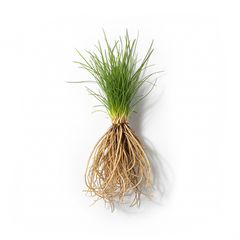
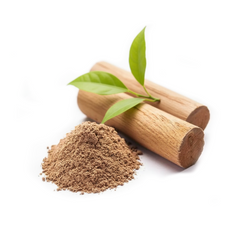
Patchouli Leaf, derived from Pogostemon cablin, is botanically part of the Lamiaceae (mint) family. Its essential oil is extracted from dried leaves and is chemically characterized by high concentrations of patchoulol (CAS 5986-55-0), along with norpatchoulenol, α-bulnesene, and seychellene. The scent profile is complex: earthy, woody, dark, and slightly sweet, with facets of damp soil, camphor, cocoa, and subtle smokiness. This multifaceted aroma is a direct result of the sesquiterpene-rich oil produced during the drying and steam distillation process. The 'patchouli leaf scent profile' is often described as musty, with a bittersweet, mossy undertone and a persistent woody base.
In perfumery, patchouli leaf is classified as a base note due to its low volatility and molecular weight. It is typically used at concentrations ranging from 0.5% to 3% of the total composition, depending on the desired intensity and the type of fragrance (higher in orientals, lower in chypres). Patchouli acts as a fixative, stabilizing more volatile notes and extending the longevity of the fragrance on skin. Its interaction with skin chemistry is notable: acidic skin can emphasize patchouli's earthy and woody facets, while alkaline skin may bring out its sweeter, chocolate-like aspects. The ingredient is essential in chypre, fougère, and oriental accords, often replacing oakmoss due to IFRA restrictions.
'Patchouli leaf in perfumery' is exemplified in landmark fragrances. Thierry Mugler's Angel (1992, perfumer Olivier Cresp) uses patchouli as a structural base, pairing it with praline and red berries to create the first modern gourmand. Chanel's Coco Mademoiselle (2001, Jacques Polge) showcases a cleaner, fractionated patchouli heart, providing a luminous, elegant woody base. Other notable examples include Diptyque Tempo (2018, Olivier Pescheux), which highlights patchouli's green and spicy facets, and Serge Lutens Bornéo 1834 (2005, Christopher Sheldrake), which explores its dark, cocoa-rich character.