Ingredient Guide · Spicy
Spicy Family · Perfumery Note

Paprika

Warm, smoky, and subtly sweet spice note

Paprika is a spicy fragrance note derived from dried Capsicum annuum peppers, used primarily as a heart or base note. Its key aromatic compounds include sesquiterpenes and pyrazines, contributing to its smoky and earthy character.

Paprika
Ingredient Profile

Paprika

Spicy Family
Family Spicy
Note Position Heart Note
Usage Level 0.1–1%
Key Origins Hungary, Spain, United States
Iconic In Paprika Brasil, Paprika Botanical Parfum
The Ingredient

What does Paprika smell like and why is it celebrated in perfumery?

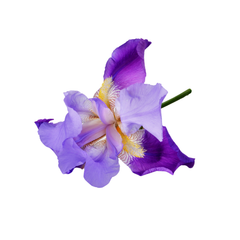
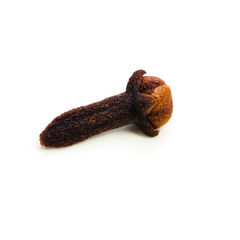
Paprika is derived from the dried and ground fruits of Capsicum annuum L., a species of red pepper. Its scent profile is characterized by warm, smoky, and slightly sweet notes, with molecular contributors including sesquiterpenes and pyrazine compounds responsible for its roasted, earthy aroma. Unlike fresh chili peppers which are sharp and volatile, paprika offers a more rounded, smoky warmth that can range from mild sweetness to intense wood-smoke depth depending on the variety used. In perfumery, paprika is typically used as a heart or base note, with typical concentrations ranging from 0.1% to 1% in fine fragrance formulations. It interacts with skin chemistry by blending its smoky facets with the natural warmth of the skin, often enhancing longevity and depth. Paprika’s complex aroma allows it to bridge spicy, woody, and aromatic accords, making it versatile in composition. Notable examples of paprika’s use include Hermès’ Paprika Brasil (2006) by Jean-Claude Ellena, where it is paired with iris and Brazilian redwood to create a woody-spicy accord, and Fleurage’s Paprika Botanical Parfum, which highlights its spicy middle note alongside sweet and woody notes. These fragrances demonstrate paprika’s capacity to add nuanced warmth and complexity.

0.1–1%
Typical concentration range of paprika extract in fine fragrance formulations, balancing olfactory impact and safety.
5%
Concentration of natural paprika extract in carrier solvents like monopropylene glycol for perfumery raw materials.
15–60 minutes
Duration of paprika’s dominant presence in the heart phase of a fragrance, before transitioning to woody base notes.
Origin & Extraction

Where Paprika Comes From — Origin & Extraction

Paprika’s aromatic character is shaped by its geographic origin, with soil composition, climate, and cultivation methods influencing its scent profile. Regions known for paprika production include Hungary, Spain, and the United States, each contributing distinctive nuances from sweet and mild to intensely smoky.

Paprika is obtained from the dried fruits of Capsicum annuum L., a species native to the Americas and widely cultivated in regions such as Hungary, Spain, and the United States. Hungary is renowned for its sweet and mildly spicy paprika varieties, often considered the gold standard, while Spain produces smoked paprika (pimentón de la Vera) known for its intense smoky character. The United States cultivates various pepper types contributing to a range of paprika profiles from sweet to hot. Extraction methods for paprika in perfumery include steam distillation and solvent extraction. Steam distillation of ground paprika yields an essential oil rich in sesquiterpenes and pyrazine compounds, which impart the roasted and smoky notes. Solvent extraction, often using hexane or ethanol, captures a broader spectrum of aromatic compounds including waxy and fatty constituents that contribute to the ingredient’s richness. The natural extract is typically supplied at concentrations such as 5% in monopropylene glycol for perfumery use. Natural paprika extracts are relatively costly due to agricultural and processing demands, with prices ranging from several hundred to thousands of dollars per kilogram depending on purity and origin. Synthetic aroma chemicals mimicking paprika’s key notes are more affordable, costing approximately $50–200/kg. Sustainability considerations include the environmental impact of pepper cultivation and solvent use, with ongoing efforts to optimize extraction efficiency and reduce waste.

HU

Hungary

Hungarian paprika, especially from the Szeged and Kalocsa regions, is prized for its sweet and mildly spicy aroma. The loamy soil and temperate climate contribute to a balanced flavor profile. Hungary produces approximately 20% of the world’s paprika, with PDO designations ensuring quality and traditional processing methods.

ES

Spain

Spanish paprika, notably pimentón de la Vera from Extremadura, is renowned for its intense smoky character due to traditional oak wood smoking. The region’s dry climate and volcanic soil impart unique aromatic depth. Spain accounts for about 30% of global paprika production, with protected geographical indications for smoked varieties.

US

United States

The U.S. produces diverse paprika types, including sweet and hot varieties cultivated in California and New Mexico. Varied climates and hybrid pepper cultivars yield a range of flavor profiles from sweet to piquant. American paprika is used in bold fragrance compositions and represents approximately 10% of global production.

Chemistry

Natural vs Synthetic Paprika in Perfumery

Natural paprika extracts are derived directly from Capsicum annuum fruits via steam distillation or solvent extraction, containing complex mixtures of sesquiterpenes, pyrazines, and fatty compounds that provide authentic smoky, spicy, and earthy aromas. Synthetic aroma chemicals used to replicate paprika’s scent include pyrazine derivatives and other molecules designed to mimic the roasted and peppery facets. Synthetic substitutes offer advantages in cost, consistency, and stability, with prices around $50–200 per kilogram compared to natural extracts which can cost significantly more. Performance-wise, natural paprika extracts provide richer complexity and subtle nuances but may vary batch to batch, while synthetics offer longer shelf life and predictable olfactory profiles. Famous fragrances such as Hermès Paprika Brasil utilize natural paprika extracts, while some niche houses may employ synthetics or blends for enhanced control. The HumanSafe™ platform ensures transparency in ingredient sourcing and safety, with CA Perfume emphasizing responsible use of both natural and synthetic paprika materials to balance authenticity, sustainability, and consumer safety. Key synthetic molecules include 2-methoxy-3-isobutylpyrazine (CAS 13605-48-6) and related pyrazines.

Natural
Paprika Absolute
Cost $3,000–6,000/kg
Method Solvent / CO₂
Character Complex, variable
vs
Synthetic
Safranal & Analogues
Cost $50–200/kg
Method Lab synthesis
Character Consistent, stable
Hall of Fame

Famous Fragrances That Define Paprika in Perfumery

2006
heart note

Paprika Brasil

Hermès
by Jean-Claude Ellena
IrisBrazilian RedwoodPimentoCloves
middle note

Paprika Botanical Parfum

Fleurage
by Emma Jane Leah
Sweet NotesWoody Notes
accent note

X for Men

Clive Christian
BergamotRhubarbIris
spicy accent

Hot Water

Davidoff
CitrusSpices
spicy heart note

Spicebomb

Viktor&Rolf
TobaccoLeatherCitrus

Paprika has been featured notably in several landmark fragrances, where it functions as a spicy, warm, and sometimes smoky accent or heart note. Hermès’ Paprika Brasil (2006), created by Jean-Claude Ellena, is a seminal example that interprets paprika alongside iris and Brazilian redwood, producing a woody-spicy composition with vegetal and powdery nuances. Fleurage’s Paprika Botanical Parfum highlights paprika as a central spicy middle note balanced by sweet top notes and woody bases, crafted by perfumer Emma Jane Leah. Other fragrances incorporating paprika or similar spicy pepper notes include Viktor&Rolf’s Spicebomb, Clive Christian’s X for Men, and Davidoff’s Hot Water, where paprika contributes to the warm spicy accords that define their character. These examples illustrate paprika’s versatility across masculine and unisex fragrances, often paired with amber, vanilla, woods, and citrus to enhance complexity and longevity. CA Perfume’s curated collection respects this lineage by offering fragrances that explore paprika’s multifaceted aroma, emphasizing its role in sophisticated and layered compositions.

The Accord

How is a captivating Paprika accord crafted?

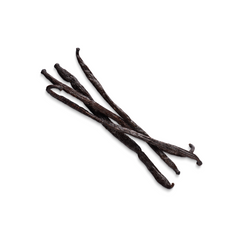
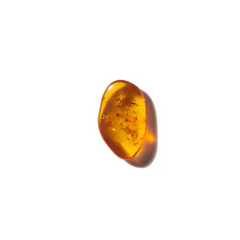
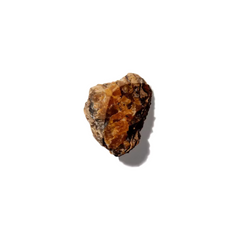
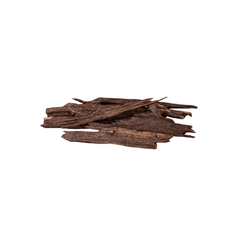
A paprika accord is constructed by balancing its warm, smoky, and slightly sweet spice character with complementary notes that enhance richness and vibrancy. Typically, paprika constitutes 20–25% of the accord, providing the core spicy warmth. Benzoin (15–20%) adds a sweet, resinous depth that harmonizes with paprika’s warmth. Agarwood or oud (25–30%) contributes deep woody facets that envelop the spiciness in luxurious richness. Vanilla (20–25%) offers creamy sweetness that softens paprika’s edge and highlights its warmth. Amber (10–15%) rounds out the accord with seamless warmth and longevity, ensuring a balanced and enduring fragrance experience.

25%

Paprika

20–25% of blend

Provides the smoky, warm, and slightly sweet spicy core through sesquiterpenes and pyrazines.

20%

Benzoin

15–20% of blend

Adds sweet, resinous depth that complements paprika’s warmth and enhances richness.

30%

Agarwood (Oud)

25–30% of blend

Introduces deep woody facets that envelop the paprika spiciness in luxurious richness.

25%

Vanilla

20–25% of blend

Provides creamy sweetness that softens paprika’s edge and highlights its warm character.

15%

Amber

10–15% of blend

Rounds out the accord with seamless warmth and longevity, enhancing depth.

The Olfactory Layers

How Paprika Evolves on Skin

Paprika’s olfactory journey unfolds from a bright, spicy opening through a warm, smoky heart to a rich, woody base. The initial volatile pyrazines and sesquiterpenes evaporate within 15 minutes, revealing deeper resinous and woody molecules that provide lasting warmth and complexity over several hours.

I
Top notes
0–15 min
Bright Spicy Spark

The opening features bright, peppery spiciness dominated by volatile pyrazines and light sesquiterpenes, creating an immediate impression of warmth and subtle smokiness. These molecules evaporate quickly, giving way to the heart.

SpicyPepperyBright
II
Heart notes
20–60 min
Smoky Warmth

The heart reveals the smoky, roasted facets of paprika, with sesquiterpenes and aromatic fatty compounds providing earthy, warm, and slightly sweet nuances. This phase bridges the top’s brightness with the base’s depth.

SmokyEarthyWarm
III
Base notes
Several hours
Rich Woody Depth

The base is characterized by rich woody and resinous notes, often enhanced by complementary ingredients like amber and vanilla. These molecules have low volatility, ensuring long-lasting warmth and depth.

WoodyResinousLong-lasting
TOP NOTES Bright Spicy Spark 0–15 minutes HEART NOTES Smoky Warmth 20–60 minutes BASE NOTES Rich Woody Depth Several hours
Through the Ages

The Story of Paprika in Perfumery

Paprika’s journey in perfumery traces from its culinary origins in the Americas to its modern use as a nuanced spice note in contemporary fragrances, with key milestones marking its evolving role.

16th Century

Introduction of Capsicum to Europe

Following Spanish voyages, Capsicum annuum peppers were introduced to Europe, leading to the development of paprika as a culinary spice in Hungary and Spain.

19th Century

Cultivation and Processing Advances

Hungary and Spain established distinct paprika varieties, with Hungary focusing on sweet paprika and Spain developing smoked pimentón, setting the stage for aromatic diversity.

Late 20th Century

Emergence in Perfumery

Paprika began to be explored as a fragrance note, appreciated for its warm, smoky, and spicy character, distinct from other peppers.

2006

Launch of Hermessence Paprika Brasil

Jean-Claude Ellena created Hermès’ Paprika Brasil, a landmark fragrance showcasing paprika’s woody-spicy potential in fine perfumery.

2020s

Increased Use in Niche Perfumery

Niche houses such as Fleurage and avant-garde brands expanded paprika’s use, leveraging both natural extracts and synthetic molecules for innovative compositions.

The Art of Layering

How to Layer Paprika

Understanding how to layer paprika involves molecular compatibility and olfactory synergy. Paprika’s smoky pyrazines blend well with sweet vanillin compounds, which mask its sharper edges and enhance warmth. Citrus top notes containing limonene provide brightness that balances paprika’s earthiness through olfactory contrast. Woody notes like sandalwood share sesquiterpene structures with paprika, creating seamless depth. This molecular interplay allows perfumers to craft harmonious blends that highlight paprika’s complexity.

01

Enhance Sweetness

Pair paprika with vanilla or tonka bean, whose vanillin molecules soften paprika’s smoky, spicy facets via olfactory masking, creating a creamy, inviting warmth. This combination is evident in fragrances like Hermès Paprika Brasil.

02

Add Depth

Combine paprika with agarwood (oud) or sandalwood, which share sesquiterpene profiles, enriching the smoky and woody character for a luxurious, layered base as seen in niche compositions.

03

Lighten the Glow

Layer paprika with citrus notes such as bergamot or grapefruit, whose limonene content brightens the composition by providing a fresh, zesty contrast that lifts paprika’s earthiness without overpowering.

Wear It Right

How to Wear Paprika Like a Pro

Seasonal Guide

Fall & Winter

Cooler temperatures slow evaporation, allowing paprika’s smoky and woody facets to linger longer. Apply moderately to pulse points for a cozy, enveloping warmth that complements seasonal attire.

Spring

Moderate warmth enhances paprika’s spicy brightness. Layer with fresh florals or citrus to balance its richness and maintain vibrancy during transitional weather.

Summer

Heat increases volatility, which can intensify paprika’s spiciness and potentially overwhelm. Use lighter concentrations or blend with aquatic or green notes to create a refreshing, spicy lift.

Year-Round Tip

Adjust application based on temperature and humidity. Layer paprika with complementary notes like vanilla or amber to modulate warmth and ensure balanced diffusion across seasons.

Application Points

Strategic application of paprika fragrances enhances their olfactory impact by leveraging pulse points and hair for optimal diffusion and longevity.

1

Neck

Applying paprika fragrances to the neck pulse points utilizes body heat to amplify the spicy warmth and smoky nuances, ensuring a captivating scent trail.

2

Behind the Ears

This area provides subtle warmth and proximity to the nose, allowing the paprika’s complex aroma to unfold intimately without overwhelming.

3

Inner Wrists

Wrists offer warmth and motion, which help volatilize paprika’s top and heart notes, creating a dynamic scent experience throughout the day.

4

Hair

Hair fibers hold fragrance molecules longer, releasing paprika’s smoky and spicy notes gradually, enhancing sillage and longevity.

Pro Tip

Layer paprika fragrances with complementary vanilla or amber body lotions to soften edges and extend wear, especially in dry or cold climates.

Mood Architecture™

Top Paprika Fragrances by Mood Score

These Paprika-based fragrances scored highest on the MEI™ Mood Architecture Framework — measuring how a scent may influence your emotional state.

Highest MEI Score
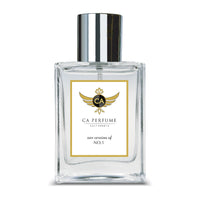
No.1 — Clive Christian Impression No.1 Alternative Cologne
8.66
MEI™
Primary Romantic
Secondary Confident
Confidence
8.02
Presence
8.9
Mood Lift
9.5
Identity
8.69
Warmth
9.5
Social Ease
8.68
Energy
3.4
" I am beautiful.
View full mood profile →
HumanSafe™

Top Paprika Fragrances by HumanSafe™ Score

These Paprika-based fragrances have the highest product-level HumanSafe™ scores in this ingredient collection.

Highest HumanSafe™ Score
No.1 — Clive Christian Impression No.1 Alternative Cologne
A-
HumanSafe™ Score Generally Safe
Safest Evaluated Ingredients EDP
AQUA Solvent / Carrier ISS 10.0
3-BUTEN-2-ONE, 4-(2,6,6-TRIMETHYL-1-CYCLOHEXEN-1-YL)- Evaluated ingredient ISS 10.0
7-OCTEN-2-OL, 2,6-DIMETHYL- Evaluated ingredient ISS 9.0
2H-1-BENZOPYRAN-2-ONE Evaluated ingredient ISS 8.0
LINALOOL Evaluated ingredient ISS 7.0
ALCOHOL DENAT. Solvent / Carrier ISS 7.0
View full safety profile →
Expert Voices

What Masters Say About Paprika

Paprika’s smoky, spicy character offers perfumers a versatile ingredient that bridges culinary warmth with olfactory complexity, enriching compositions with its unique roasted facets.
CA Perfume Editorial
In Paprika Brasil, Jean-Claude Ellena masterfully balances the piquant qualities of paprika with iris and Brazilian redwood, creating a fragrance that is both refined and evocative.
Jean-Claude Ellena, Perfumer
Common Questions

Frequently Asked Questions

Frequently asked questions about paprika in perfumery provide detailed insights into its scent, use, and characteristics.

Paprika in perfume smells warm, smoky, and slightly sweet with a peppery nuance. Its aroma is shaped by sesquiterpenes and pyrazines, giving it a roasted, earthy character distinct from fresh chili peppers. It adds depth and complexity to compositions, often evoking sun-dried peppers and mild bonfire smoke.

Paprika is primarily used as a heart or base note in fragrances. Its volatile compounds provide a spicy opening that quickly transitions into a warm, smoky heart, while its heavier sesquiterpenes and fatty molecules contribute to a long-lasting base presence.

Paprika’s unique smoky and spicy profile offers niche perfumers a distinctive ingredient that adds complexity and warmth. Its versatility allows it to blend with woody, amber, and floral notes, enabling creative and sophisticated compositions that stand out from mainstream fragrances.

Paprika fragrance uses include pairing with warm notes like amber, benzoin, and vanilla to enhance richness, as well as fresh citrus and herbaceous notes to brighten its complexity. These combinations balance paprika’s smoky spiciness with sweetness and freshness for harmonious accords.

Paprika can be suitable for summer when used in lighter concentrations or blended with fresh, citrus, or aquatic notes to balance its warmth. However, its smoky and spicy facets are often more prominent and comfortable in cooler seasons like fall and winter.

Paprika’s longevity varies by formulation but typically lasts several hours, with the heart phase spanning 15 to 60 minutes and base notes lingering for hours. Its sesquiterpene-rich compounds contribute to moderate to long-lasting presence on skin.

Yes, layering paprika perfume is effective when combining it with vanilla, amber, woody, or citrus fragrances. Understanding how to layer paprika involves balancing its smoky warmth with complementary notes to create personalized scent profiles.

For beginners, fragrances like Hermès Paprika Brasil and Fleurage Paprika Botanical Parfum offer approachable introductions to paprika’s scent. These compositions balance paprika’s spice with floral and woody elements, making them versatile and wearable.

Choosing a paprika fragrance at CA Perfume involves considering your preference for spice intensity, complementary notes, and seasonality. Explore options with balanced accords and consult product descriptions to find blends that highlight paprika’s warmth and complexity.

Paprika in fragrance exhibits both sweet and spicy facets. Its sweetness is mild and rounded, often described as slightly fruity or hay-like, while its spiciness is warm and smoky rather than sharp or pungent, providing a nuanced olfactory experience.

Spicy Collection

Explore Our Top Paprika Fragrances

Discover curated selections featuring paprika’s distinctive spicy warmth and smoky complexity.

Shop all paprika fragrances at CA Perfume →

Where Paprika Comes From — Origin & Extraction

Paprika is obtained from the dried fruits of Capsicum annuum L., a species native to the Americas and widely cultivated in regions such as Hungary, Spain, and the United States. Hungary is renowned for its sweet and mildly spicy paprika varieties, often considered the gold standard, while Spain produces smoked paprika (pimentón de la Vera) known for its intense smoky character. The United States cultivates various pepper types contributing to a range of paprika profiles from sweet to hot. Extraction methods for paprika in perfumery include steam distillation and solvent extraction. Steam distillation of ground paprika yields an essential oil rich in sesquiterpenes and pyrazine compounds, which impart the roasted and smoky notes. Solvent extraction, often using hexane or ethanol, captures a broader spectrum of aromatic compounds including waxy and fatty constituents that contribute to the ingredient’s richness. The natural extract is typically supplied at concentrations such as 5% in monopropylene glycol for perfumery use. Natural paprika extracts are relatively costly due to agricultural and processing demands, with prices ranging from several hundred to thousands of dollars per kilogram depending on purity and origin. Synthetic aroma chemicals mimicking paprika’s key notes are more affordable, costing approximately $50–200/kg. Sustainability considerations include the environmental impact of pepper cultivation and solvent use, with ongoing efforts to optimize extraction efficiency and reduce waste.

Famous Fragrances That Define Paprika in Perfumery

Paprika has been featured notably in several landmark fragrances, where it functions as a spicy, warm, and sometimes smoky accent or heart note. Hermès’ Paprika Brasil (2006), created by Jean-Claude Ellena, is a seminal example that interprets paprika alongside iris and Brazilian redwood, producing a woody-spicy composition with vegetal and powdery nuances. Fleurage’s Paprika Botanical Parfum highlights paprika as a central spicy middle note balanced by sweet top notes and woody bases, crafted by perfumer Emma Jane Leah. Other fragrances incorporating paprika or similar spicy pepper notes include Viktor&Rolf’s Spicebomb, Clive Christian’s X for Men, and Davidoff’s Hot Water, where paprika contributes to the warm spicy accords that define their character. These examples illustrate paprika’s versatility across masculine and unisex fragrances, often paired with amber, vanilla, woods, and citrus to enhance complexity and longevity. CA Perfume’s curated collection respects this lineage by offering fragrances that explore paprika’s multifaceted aroma, emphasizing its role in sophisticated and layered compositions.

Natural vs Synthetic Paprika in Perfumery

Natural paprika extracts are derived directly from Capsicum annuum fruits via steam distillation or solvent extraction, containing complex mixtures of sesquiterpenes, pyrazines, and fatty compounds that provide authentic smoky, spicy, and earthy aromas. Synthetic aroma chemicals used to replicate paprika’s scent include pyrazine derivatives and other molecules designed to mimic the roasted and peppery facets. Synthetic substitutes offer advantages in cost, consistency, and stability, with prices around $50–200 per kilogram compared to natural extracts which can cost significantly more. Performance-wise, natural paprika extracts provide richer complexity and subtle nuances but may vary batch to batch, while synthetics offer longer shelf life and predictable olfactory profiles. Famous fragrances such as Hermès Paprika Brasil utilize natural paprika extracts, while some niche houses may employ synthetics or blends for enhanced control. The HumanSafe™ platform ensures transparency in ingredient sourcing and safety, with CA Perfume emphasizing responsible use of both natural and synthetic paprika materials to balance authenticity, sustainability, and consumer safety. Key synthetic molecules include 2-methoxy-3-isobutylpyrazine (CAS 13605-48-6) and related pyrazines.