Ingredient Guide · Woody Oriental
Woody Oriental Family · Perfumery Note

Palo Santo

Discover the sacred essence of Palo Santo in perfumery.

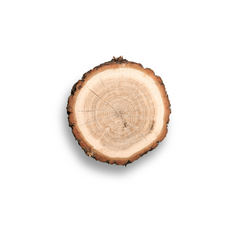
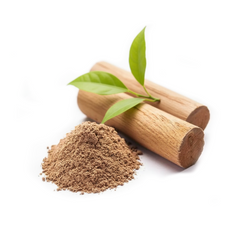
Palo Santo, or 'holy wood,' is a revered base note in perfumery, known for its woody, sweet, and smoky aroma. Extracted from the heartwood of the Bursera graveolens tree, it imparts depth and warmth to fragrances, particularly in woody and oriental compositions.

Palo Santo
Ingredient Profile

Palo Santo

Woody Oriental Family
Family Woody Oriental
Note Position Base Note
Usage Level 1–5%
The Ingredient

What does Palo Santo smell like and why is it significant in perfumery?

Palo Santo, scientifically known as Bursera graveolens, is a sacred wood native to South America, particularly Ecuador and Peru. Its scent profile is complex, combining woody, sweet, and smoky notes with subtle citrus undertones. This distinctive aroma is attributed to compounds such as limonene, which imparts a fresh citrus touch, and guaiacol, contributing to its smoky character. In perfumery, Palo Santo is predominantly used as a base note, typically at concentrations ranging from 1% to 5%, depending on the desired depth and longevity. Its interaction with skin chemistry can enhance its smoky and woody facets, making it a versatile ingredient in various compositions. Notable fragrances featuring Palo Santo include "Palo Santo" by Mizu, which highlights its rich, smoky aroma, and "Palo Santo" by OLO, blending it with frangipani and cypress for a unique olfactory experience.

1–5%
Palo Santo is typically used as a base note in fragrances at concentrations ranging from 1% to 5%, depending on the desired depth and longevity.
24 hours
The steam distillation process for extracting Palo Santo oil involves approximately 24 hours, ensuring the preservation of its complex aroma.
2–3
When layering, combining Palo Santo with 2–3 complementary notes can create a balanced and harmonious fragrance composition.
Origin & Extraction

Where Palo Santo Comes From — Origin & Extraction

Palo Santo is native to the dry forests of Ecuador and Peru, regions characterized by their arid climate and rich biodiversity. The heartwood of the Bursera graveolens tree, which naturally falls and ages for several years, is harvested for its aromatic properties. The aging process allows the wood to develop its complex aroma, which is then extracted through steam distillation. Due to sustainability concerns and limited availability, natural Palo Santo oil is often replaced with synthetic alternatives in perfumery. These synthetics aim to replicate the wood's distinctive scent profile, offering a more consistent and readily available supply. The primary synthetic substitutes include guaiacol (CAS 90-05-1), which imparts a smoky aroma, and limonene (CAS 138-86-3), contributing a citrusy note. The cost of synthetic Palo Santo oil is significantly lower than its natural counterpart, making it a more economical choice for large-scale production. However, the use of synthetic versions raises questions about authenticity and the preservation of traditional practices associated with this sacred wood.

Palo Santo, or Bursera graveolens, is a tree native to the dry forests of Ecuador and Peru. The essential oil is extracted from the heartwood of naturally fallen trees, which are aged for several years to develop their aromatic compounds. The extraction process involves steam distillation, where wood shavings are subjected to steam for approximately 24 hours, yielding a pale yellow to amber oil. This method ensures the preservation of the wood's complex aroma, characterized by woody, sweet, and smoky notes with subtle citrus undertones. Due to sustainability concerns and limited availability, natural Palo Santo oil is often replaced with synthetic alternatives in perfumery. These synthetics aim to replicate the wood's distinctive scent profile, offering a more consistent and readily available supply. The primary synthetic substitutes include guaiacol (CAS 90-05-1), which imparts a smoky aroma, and limonene (CAS 138-86-3), contributing a citrusy note. The cost of synthetic Palo Santo oil is significantly lower than its natural counterpart, making it a more economical choice for large-scale production. However, the use of synthetic versions raises questions about authenticity and the preservation of traditional practices associated with this sacred wood.

Chemistry

Natural vs Synthetic Palo Santo in Perfumery

In perfumery, Palo Santo is valued for its complex aroma, blending woody, sweet, and smoky notes with subtle citrus undertones. The natural oil, extracted from the heartwood of aged Bursera graveolens trees through steam distillation, is prized for its authenticity and depth. However, due to sustainability concerns and limited availability, synthetic alternatives are often used. These synthetics aim to replicate the wood's distinctive scent profile, primarily utilizing compounds such as guaiacol (CAS 90-05-1), which imparts a smoky aroma, and limonene (CAS 138-86-3), contributing a citrusy note. The performance of synthetic Palo Santo in fragrances can vary, with some compositions achieving a scent profile closely resembling the natural oil, while others may lack the depth and complexity. The cost of synthetic Palo Santo oil is significantly lower than its natural counterpart, making it a more economical choice for large-scale production. However, the use of synthetic versions raises questions about authenticity and the preservation of traditional practices associated with this sacred wood. The HumanSafe™ platform at CA Perfume ensures full transparency regarding the origin, allergen content, and IFRA compliance of all Palo Santo materials used, whether natural or synthetic.

Natural
Palo Santo Absolute
Cost $3,000–6,000/kg
Method Solvent / CO₂
Character Complex, variable
vs
Synthetic
Safranal & Analogues
Cost $50–200/kg
Method Lab synthesis
Character Consistent, stable
Hall of Fame

Famous Fragrances That Define Palo Santo in Perfumery

Palo Santo's distinctive aroma has been embraced in several notable fragrances, showcasing its versatility and depth. Here are some examples: - **"Palo Santo" by Mizu** (2020): This fragrance highlights the rich, smoky aroma of Palo Santo, blending it with notes of blue sage, grapefruit, green peppercorns, and cypress. The composition evolves over time, offering a meditative and grounding experience. - **"Palo Santo" by OLO** (2013): A woody aquatic fragrance that centers on Palo Santo, complemented by frangipani and cypress. The scent is sharp, rich, and medicinal, capturing the essence of the wood in its purest form. - **"Palo Santo" by Trapp Fragrances** (2013): This fragrance focuses on the woody and smoky facets of Palo Santo, creating a calming and grounding scent profile. - **"Palo Santo" by Cremo** (2020): A fragrance that combines the woody aroma of Palo Santo with other notes to create a balanced and soothing scent. - **"Palo Santo" by Maison Louis Marie No. 4 Bois de Balincourt** (2013): This fragrance blends Palo Santo with sandalwood and amber, creating a soft, balsamic warmth that lingers on the skin. These fragrances exemplify the diverse applications of Palo Santo in perfumery, each highlighting different facets of its complex aroma.

The Accord

How is a captivating Palo Santo accord crafted?

A Palo Santo accord can be crafted by blending the following ingredients: - **Palo Santo**: 50–60% of blend - Provides the woody, sweet, and smoky base notes characteristic of Palo Santo. - **Guaiac Wood**: 20–25% of blend - Adds depth with its smoky, leathery nuances, complementing the Palo Santo's aroma. - **Citrus Notes (e.g., Bergamot)**: 10–15% of blend - Introduces a fresh, zesty top note that balances the richness of the woods. - **Amber**: 10–15% of blend - Contributes a warm, resinous sweetness that enhances the overall depth of the accord. This blend creates a harmonious and complex accord that captures the essence of Palo Santo, suitable for use in various fragrance compositions.

The Olfactory Layers

How Palo Santo Evolves on Skin

The olfactory evolution of a Palo Santo-based fragrance typically unfolds as follows: - **Top Notes (0–15 minutes)**: The initial impression is fresh and citrusy, primarily due to the presence of limonene, which imparts a zesty aroma. - **Heart Notes (20–60 minutes)**: As the fragrance develops, the woody and smoky facets of guaiacol become more prominent, providing depth and complexity. - **Base Notes (Several hours)**: The scent settles into a warm, resinous sweetness, with amber notes lingering on the skin, offering a comforting and enduring aroma.

I
Top notes
0–15 min
Citrusy Freshness

The fragrance opens with a fresh, citrusy aroma, primarily due to the presence of limonene, which imparts a zesty and uplifting scent. This initial impression is bright and invigorating, setting the stage for the deeper notes to follow.

CitrusyFreshUplifting
II
Heart notes
20–60 min
Woody Smokiness

As the fragrance develops, the woody and smoky facets of guaiacol become more prominent. Guaiacol contributes a smoky, leathery nuance, adding depth and complexity to the composition. This stage offers a rich and grounding experience, with the scent becoming more pronounced and enveloping.

SmokyWoodyComplex
III
Base notes
Several hours
Resinous Warmth

The scent settles into a warm, resinous sweetness, with amber notes lingering on the skin. Amber adds a comforting and enduring aroma, providing a soft, balsamic warmth that persists over time. This final stage offers a soothing and lasting impression, with the fragrance becoming more intimate and personal.

WarmResinousComforting
TOP NOTES Citrusy Freshness 0–15 minutes HEART NOTES Woody Smokiness 20–60 minutes BASE NOTES Resinous Warmth Several hours
Through the Ages

The Story of Palo Santo in Perfumery

Palo Santo has been utilized in perfumery for centuries, with its use evolving over time. Initially, it was primarily used in traditional rituals and ceremonies, valued for its purifying and grounding properties. In modern perfumery, its unique aroma has been embraced in various compositions, adding depth and complexity to fragrances. The trend of incorporating Palo Santo into mainstream perfumes began in the early 21st century, with several notable releases highlighting its versatility and appeal. Today, it continues to be a cherished ingredient, appreciated for its rich, woody, and smoky scent profile.

Pre-21st Century

Traditional Use

Palo Santo was primarily used in South American rituals and ceremonies, valued for its purifying and grounding properties. Its aromatic wood was burned to cleanse spaces and individuals, creating a calming and sacred atmosphere.

Early 2000s

Introduction to Perfumery

Palo Santo began to gain recognition in the perfume industry, with niche brands experimenting with its unique aroma. Its complex scent profile offered a new dimension to fragrance compositions, appealing to those seeking distinctive and grounding notes.

2013

Notable Release

The fragrance "Palo Santo" by OLO was launched, highlighting the wood's rich, smoky aroma. This release marked a significant moment in the mainstream acceptance of Palo Santo in perfumery.

2020

Modern Embrace

Brands like Mizu introduced fragrances centered around Palo Santo, showcasing its versatility and depth. These releases emphasized the wood's ability to add complexity and warmth to modern compositions.

Present Day

Continued Popularity

Palo Santo remains a cherished ingredient in perfumery, appreciated for its unique scent profile. Its use continues to inspire new creations, reflecting its enduring appeal and significance in the fragrance world.

The Art of Layering

How to Layer Palo Santo

Layering Palo Santo with complementary notes can create a harmonious and complex fragrance experience. Understanding the molecular interactions between ingredients is key to successful layering.

01

Enhance Smokiness

Combining Palo Santo with guaiac wood (CAS 90-05-1) can intensify the smoky aroma. Guaiac wood's leathery nuances complement Palo Santo's depth, creating a rich and enveloping scent. This combination is often used in fragrances like "Palo Santo" by Mizu.

02

Add Citrus Freshness

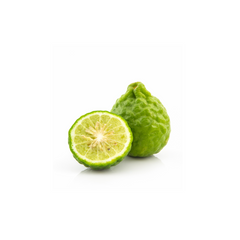
Pairing Palo Santo with citrus notes like bergamot (CAS 84-48-2) introduces a fresh, zesty top note that balances the richness of the wood. This layering is exemplified in "Palo Santo" by Le Labo, where the citrusy freshness enhances the overall composition.

03

Introduce Floral Softness

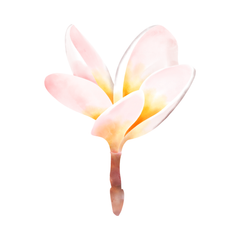
Blending Palo Santo with floral notes such as frangipani (Plumeria acutifolia) adds a soft, exotic touch. The floral sweetness balances the smoky depth of Palo Santo, creating a harmonious and inviting fragrance. This pairing is featured in "Palo Santo" by OLO.

Wear It Right

How to Wear Palo Santo Like a Pro

Seasonal Guide

Fall & Winter

During cooler months, Palo Santo's rich, woody, and smoky aroma provides a comforting and enveloping scent experience. Its depth and warmth make it ideal for evening wear, adding a touch of serenity to the colder nights.

Spring

In spring, the subtle citrus notes of Palo Santo can add a refreshing touch to the fragrance, while its woody base provides a grounding effect. It's suitable for daytime wear, offering a balanced and harmonious scent profile.

Summer

While Palo Santo's rich aroma is more associated with cooler weather, its citrusy top notes can still be appreciated in summer. However, due to its depth, it may be more suitable for evening wear during the warmer months.

Year-Round Tip

Palo Santo's versatility allows it to be worn year-round. Applying it to pulse points can enhance its projection and longevity, regardless of the season.

Application Points

Strategic application of Palo Santo-based fragrances can enhance their projection and longevity, allowing you to enjoy their full aromatic profile.

1

Neck

Applying fragrance to the neck allows the scent to diffuse with body heat, enhancing projection. The warmth of the neck area can amplify the woody and smoky notes of Palo Santo.

2

Behind the Ears

The area behind the ears is a pulse point where blood vessels are close to the skin's surface, providing warmth that can intensify the fragrance. Applying Palo Santo here can create a subtle yet enduring scent trail.

3

Inner Wrists

The inner wrists are pulse points that emit heat, aiding in the diffusion of fragrance. Applying Palo Santo to this area can enhance its projection and longevity, allowing you to enjoy its full aromatic profile.

4

Hair

Spraying fragrance onto hair can create a lingering scent trail. The porous nature of hair can hold the fragrance, allowing the woody and smoky notes of Palo Santo to be experienced over time.

Pro Tip

For a more intense aroma, apply Palo Santo-based fragrance to clothing. The fabric can hold the scent, allowing it to be experienced throughout the day. However, be cautious, as some fragrances may stain certain fabrics.

Mood Architecture™

Top Palo Santo Fragrances by Mood Score

These Palo Santo-based fragrances scored highest on the MEI™ Mood Architecture Framework — measuring how a scent may influence your emotional state.

Highest MEI Score
Paragonique — Paragon Alternative Perfume
7.54
MEI™
Primary Romantic
Secondary Confident
Confidence
7.07
Presence
7.35
Mood Lift
8.02
Identity
7.54
Warmth
8.63
Social Ease
7.3
Energy
5.3
" I am beautiful.
View full mood profile →
Ebene Fume — Tom Ford Ebene Fume Alternative Perfume
7.05
MEI™
Primary Magnetic
Secondary Confident
Confidence
7.54
Presence
8.42
Mood Lift
6.49
Identity
8.25
Warmth
8.1
Social Ease
5.64
Energy
4.3
" I am bold.
View full mood profile →
HumanSafe™

Top Palo Santo Fragrances by HumanSafe™ Score

These Palo Santo-based fragrances have the highest product-level HumanSafe™ scores in this ingredient collection.

Highest HumanSafe™ Score
Paragonique — Paragon Alternative Perfume
A-
HumanSafe™ Score Generally Safe
Safest Evaluated Ingredients EDP
AQUA Solvent / Carrier ISS 10.0
1,4-DIOXACYCLOHEPTADECANE-5,17-DIONE Evaluated ingredient ISS 10.0
2H-1-BENZOPYRAN-2-ONE Evaluated ingredient ISS 8.0
LINALYL ACETATE Evaluated ingredient ISS 7.0
AMBREIN Evaluated ingredient ISS 7.0
View full safety profile →
Ebene Fume — Tom Ford Ebene Fume Alternative Perfume
A-
HumanSafe™ Score Generally Safe
Safest Evaluated Ingredients EDP
AQUA Solvent / Carrier ISS 10.0
1,4-DIOXACYCLOHEPTADECANE-5,17-DIONE Evaluated ingredient ISS 10.0
1H-3A,7-METHANOAZULEN-6-OL, OCTAHYDRO-3,6,8,8- Evaluated ingredient ISS 9.0
3-BUTEN-2-ONE, 3-METHYL-4-(2,6,6-TRIMETHYL-2- Evaluated ingredient ISS 8.0
REACTION MASS OF: (E)-OXACYCLOHEXADEC-12-EN-2-ONE, (E)- Evaluated ingredient ISS 7.0
LINALYL ACETATE Evaluated ingredient ISS 7.0
View full safety profile →
Expert Voices

What Masters Say About Palo Santo

"Palo Santo's rich, smoky aroma adds depth and complexity to fragrances, making it a cherished ingredient in modern perfumery."
CA Perfume Editorial
"The unique scent profile of Palo Santo, blending woody, sweet, and smoky notes with subtle citrus undertones, offers a grounding and calming effect in fragrance compositions."
CA Perfume Editorial
Common Questions

Frequently Asked Questions

Frequently asked questions about Palo Santo in perfumery.

Palo Santo imparts a woody, sweet, and smoky aroma with subtle citrus undertones, adding depth and complexity to fragrances.

Palo Santo is typically used as a base note in fragrances, providing depth and longevity to the composition.

Palo Santo's unique and complex aroma adds a distinctive and grounding element to niche perfumes, appealing to those seeking originality.

Palo Santo pairs well with woody notes like guaiac wood, citrus notes like bergamot, and floral notes like frangipani, creating harmonious blends.

While Palo Santo's rich aroma is more associated with cooler weather, its citrusy top notes can still be appreciated in summer, especially during evenings.

Palo Santo fragrances can last several hours, with the base notes providing enduring depth and warmth.

Yes, layering Palo Santo with complementary notes like guaiac wood, bergamot, or frangipani can create a balanced and harmonious fragrance.

Fragrances like "Palo Santo" by Mizu and "Palo Santo" by OLO are excellent choices for those new to this ingredient, showcasing its versatility.

Explore our curated selection of Palo Santo fragrances, each offering a unique interpretation of this sacred wood's aroma.

Palo Santo has a sweet, woody aroma with subtle smoky and citrus notes, lacking a pronounced spicy character.

Woody Oriental Collection

Explore Our Top Palo Santo Fragrances

Discover our curated selection of Palo Santo-based perfumes, each offering a unique interpretation of this sacred wood's aroma.

Shop all Palo Santo fragrances at CA Perfume →

Where Palo Santo Comes From — Origin & Extraction

Palo Santo, or Bursera graveolens, is a tree native to the dry forests of Ecuador and Peru. The essential oil is extracted from the heartwood of naturally fallen trees, which are aged for several years to develop their aromatic compounds. The extraction process involves steam distillation, where wood shavings are subjected to steam for approximately 24 hours, yielding a pale yellow to amber oil. This method ensures the preservation of the wood's complex aroma, characterized by woody, sweet, and smoky notes with subtle citrus undertones. Due to sustainability concerns and limited availability, natural Palo Santo oil is often replaced with synthetic alternatives in perfumery. These synthetics aim to replicate the wood's distinctive scent profile, offering a more consistent and readily available supply. The primary synthetic substitutes include guaiacol (CAS 90-05-1), which imparts a smoky aroma, and limonene (CAS 138-86-3), contributing a citrusy note. The cost of synthetic Palo Santo oil is significantly lower than its natural counterpart, making it a more economical choice for large-scale production. However, the use of synthetic versions raises questions about authenticity and the preservation of traditional practices associated with this sacred wood.

Famous Fragrances That Define Palo Santo in Perfumery

Palo Santo's distinctive aroma has been embraced in several notable fragrances, showcasing its versatility and depth. Here are some examples: - **"Palo Santo" by Mizu** (2020): This fragrance highlights the rich, smoky aroma of Palo Santo, blending it with notes of blue sage, grapefruit, green peppercorns, and cypress. The composition evolves over time, offering a meditative and grounding experience. - **"Palo Santo" by OLO** (2013): A woody aquatic fragrance that centers on Palo Santo, complemented by frangipani and cypress. The scent is sharp, rich, and medicinal, capturing the essence of the wood in its purest form. - **"Palo Santo" by Trapp Fragrances** (2013): This fragrance focuses on the woody and smoky facets of Palo Santo, creating a calming and grounding scent profile. - **"Palo Santo" by Cremo** (2020): A fragrance that combines the woody aroma of Palo Santo with other notes to create a balanced and soothing scent. - **"Palo Santo" by Maison Louis Marie No. 4 Bois de Balincourt** (2013): This fragrance blends Palo Santo with sandalwood and amber, creating a soft, balsamic warmth that lingers on the skin. These fragrances exemplify the diverse applications of Palo Santo in perfumery, each highlighting different facets of its complex aroma.

Natural vs Synthetic Palo Santo in Perfumery

In perfumery, Palo Santo is valued for its complex aroma, blending woody, sweet, and smoky notes with subtle citrus undertones. The natural oil, extracted from the heartwood of aged Bursera graveolens trees through steam distillation, is prized for its authenticity and depth. However, due to sustainability concerns and limited availability, synthetic alternatives are often used. These synthetics aim to replicate the wood's distinctive scent profile, primarily utilizing compounds such as guaiacol (CAS 90-05-1), which imparts a smoky aroma, and limonene (CAS 138-86-3), contributing a citrusy note. The performance of synthetic Palo Santo in fragrances can vary, with some compositions achieving a scent profile closely resembling the natural oil, while others may lack the depth and complexity. The cost of synthetic Palo Santo oil is significantly lower than its natural counterpart, making it a more economical choice for large-scale production. However, the use of synthetic versions raises questions about authenticity and the preservation of traditional practices associated with this sacred wood. The HumanSafe™ platform at CA Perfume ensures full transparency regarding the origin, allergen content, and IFRA compliance of all Palo Santo materials used, whether natural or synthetic.