Ingredient Guide · Floral Woody
Floral Woody Family · Perfumery Note

Orris

Aged iris roots yield orris’s iconic powdery, creamy, and violet-like aroma.

Orris is a prized base note in perfumery, renowned for its powdery, creamy, and violet-like character. Its signature scent arises from irones, developed during a multi-year aging process of iris rhizomes and used at concentrations below 0.5% for maximum effect.

Orris
Ingredient Profile

Orris

Floral Woody Family
Family Floral Woody
Note Position Base Note
Usage Level <0.5%
Key Origins Italy, Morocco, France
Iconic In Chanel No. 19, Serge Lutens Iris Silver Mist
The Ingredient

What does Orris smell like and why is it so revered in perfumery?

Orris, derived from the rhizomes of Iris pallida, Iris germanica, and Iris florentina, is one of perfumery’s most prized and complex ingredients. What does orris smell like? Its scent profile is defined by a powdery, creamy, and slightly woody-floral aroma, with pronounced violet facets and subtle nuances of suede, carrot, and earth. This unique olfactory signature is primarily due to the presence of irones (notably α-irone and γ-irone, C₁₄H₂₂O), which form during the rhizome’s multi-year aging process. Fresh iris roots are nearly odorless; only after three to five years of drying and oxidation do they develop the characteristic orris scent. The resulting orris butter or absolute is a dense, waxy material with exceptional tenacity and fixative power. In perfumery, orris is classified as a base note due to its low volatility and high molecular weight. It is typically used at concentrations of 0.05–0.5% in fine fragrance compositions, where even trace amounts can impart a lasting powdery-floral character and enhance the longevity of other notes. Orris interacts with skin chemistry in subtle ways: acidic skin can emphasize its earthy, rooty facets, while warmer, more alkaline skin may bring forward its creamy, buttery aspects. Its ability to bridge floral and woody notes makes it a versatile component in both classic and modern fragrance structures. Orris in perfumery is exemplified in landmark fragrances such as Chanel No. 19 (1971, Henri Robert), where it provides a cool, powdery backbone to a green floral structure, and Serge Lutens Iris Silver Mist (1994, Maurice Roucel), which showcases orris in its purest, most ethereal form. More recent examples include Prada Infusion d’Iris (2007, Daniela Andrier), where orris is paired with neroli and cedar, and Frédéric Malle Iris Poudre (2000, Pierre Bourdon), which combines orris with rose and musk for a vintage-inspired powdery effect.

<0.5%
Typical orris concentration in fine fragrance compositions is below 0.5%, as higher levels can overwhelm and unbalance the blend due to the intensity of irones.
3–7 Years
The full orris extraction process—from planting to aging and distillation—takes three to seven years, with at least three years of rhizome maturation and two to three years of drying.
$30,000–$50,000/kg
Natural orris butter commands prices of $30,000–$50,000 per kilogram, making it one of the most expensive perfumery ingredients globally.
Origin & Extraction

Where Orris Comes From — Origin & Extraction

Orris’s scent is shaped by the terroir of its origin. Italian orris, especially from Tuscany, is renowned for its high irone content and refined powdery aroma, thanks to calcareous soils and a temperate Mediterranean climate. Moroccan orris tends to be earthier and more robust, influenced by higher altitudes and drier conditions. French and Chinese orris are emerging sources, each with subtle differences in scent profile due to soil composition and processing methods.

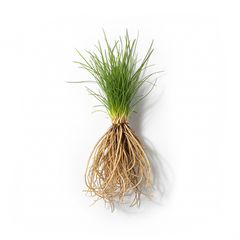
Orris is obtained from the rhizomes (underground stems) of Iris pallida, Iris germanica, and Iris florentina, all members of the Iridaceae family. The most prized orris comes from Iris pallida cultivated in Tuscany, Italy, where small family-run farms have maintained traditional methods for generations. Italy and Morocco are the primary producers, with Tuscany accounting for the majority of high-grade orris used in luxury perfumery. Annual global production is estimated at less than 10 metric tons of orris butter, reflecting the ingredient’s rarity. The extraction process is exceptionally labor-intensive and time-consuming. After the iris flowers bloom, the stalks are cut, but the rhizomes are left in the ground for three years to mature. Once harvested, the roots are peeled, washed, and sun-dried or oven-dried at 40°C for an additional two to three years. During this aging period, iridals in the rhizome oxidize to form irones, the key odorants responsible for orris’s signature scent. Only after this lengthy maturation can the roots be processed: they are ground and subjected to steam distillation to yield orris butter (a semi-solid essential oil), or solvent extraction (using petroleum ether or benzene) to produce orris absolute or resinoid. The yield is extremely low—0.2–0.4% of the dried rhizome weight, with one ton of roots producing only 4–5 kg of orris butter. Natural orris butter is among the most expensive perfumery materials, with prices ranging from $30,000–$50,000 per kilogram, and rare Iris pallida absolute exceeding €100,000/kg. In contrast, synthetic irone aroma chemicals cost $500–$2,000/kg. Sustainability concerns center on the slow regrowth cycle, limited arable land, and the need for careful pest management during the aging process. Some producers have adopted organic farming and crop rotation to preserve soil health and biodiversity. The CAS number for orris root extract is 90045-90-2, and the primary irone molecules are α-irone and γ-irone.

IT

Italy

Tuscany’s Chianti region produces the world’s most prized orris, grown on calcareous soils at 200–400m altitude. The region’s mild winters and warm, dry summers promote high irone development. Annual production is limited (under 5 metric tons), with strict quality standards and a centuries-old tradition of hand-harvesting and sun-drying.

MA

Morocco

The Marrakech and Atlas foothills yield robust, earthy orris with a slightly woody undertone. Moroccan orris is often processed in small family plots, with an annual output of 2–3 metric tons. The arid climate and stony soils contribute to a denser, more rooty scent profile.

FR

France

French orris, cultivated in the Drôme and Grasse regions, is known for its balanced, floral-powdery aroma. Production is small-scale, with a focus on organic methods and sustainable crop rotation. French orris is often used in niche perfumery for its subtlety.

CN

China

China’s Yunnan province is an emerging producer, with experimental plantings of Iris germanica. The subtropical climate yields orris with a lighter, less tenacious scent. Production remains limited, but quality is improving with modern drying and extraction techniques.

Chemistry

Natural vs Synthetic Orris in Perfumery

Natural orris is defined by its complex mixture of irones (α-irone, CAS 79-69-6; γ-irone, CAS 79-70-7), iridals, and fatty acids, which together create its nuanced, powdery-violet scent. However, due to the extremely high cost and low yield of natural orris butter and absolute, most commercial fragrances rely on synthetic substitutes. The key synthetic molecules are methyl ionone (CAS 127-51-5), alpha-irone, and beta-ionone (CAS 14901-07-6), which mimic the violet, woody, and powdery facets of natural orris. These synthetics offer greater consistency, improved stability, and are less susceptible to supply chain disruptions. Performance-wise, synthetic irones and ionones provide excellent longevity and diffusion, but lack the subtle earthy, buttery, and rooty undertones of natural orris. Iconic fragrances such as Chanel No. 19 and Serge Lutens Iris Silver Mist use natural orris in their original formulas, while many modern iris-themed scents (e.g., Prada Infusion d’Iris) employ a blend of natural and synthetic materials for cost and sustainability reasons. Synthetic orris aroma chemicals are priced at $500–$2,000/kg, compared to $30,000–$50,000/kg for natural orris butter. From a sustainability perspective, synthetics reduce pressure on limited agricultural resources and allow for greater transparency and safety monitoring. CA Perfume’s HumanSafe™ platform ensures that all orris-derived ingredients—natural or synthetic—are fully traceable, IFRA-compliant, and subject to rigorous safety assessments. Other notable aroma chemicals used to recreate orris effects include cis-α-irone, methyl-β-naphthyl ketone, and damascones.

Natural
Orris Absolute
Cost $3,000–6,000/kg
Method Solvent / CO₂
Character Complex, variable
vs
Synthetic
Safranal & Analogues
Cost $50–200/kg
Method Lab synthesis
Character Consistent, stable
Hall of Fame

Famous Fragrances That Define Orris in Perfumery

1971
dominant note

Chanel No. 19

Chanel
by Henri Robert
galbanumrosevetiver
1994
dominant note

Serge Lutens Iris Silver Mist

Serge Lutens
by Maurice Roucel
cedarvetiveramber
2000
bridge note

Frédéric Malle Iris Poudre

Frédéric Malle
by Pierre Bourdon
rosemuskaldehydes
2007
dominant note

Prada Infusion d’Iris

Prada
by Daniela Andrier
nerolicedarbenzoin
2020
accent

Amouage Interlude Black Iris

Amouage
by Pierre Negrin
incenseleatheramber

Orris has been a cornerstone of both classical and modern perfumery, prized for its powdery, creamy, and violet-like character. In Chanel No. 19 (1971, Henri Robert), orris forms the cool, powdery heart of a green floral composition, paired with galbanum and rose. Serge Lutens Iris Silver Mist (1994, Maurice Roucel) is often cited as the definitive orris soliflore, using a high concentration of orris butter to create a haunting, rooty, and ethereal effect. Frédéric Malle Iris Poudre (2000, Pierre Bourdon) showcases orris in a vintage-inspired powdery accord with rose, musk, and aldehydes, while Prada Infusion d’Iris (2007, Daniela Andrier) offers a modern, transparent take by blending orris with neroli and cedar. Other notable examples include Amouage Interlude Black Iris (2020, Pierre Negrin), where orris adds a creamy, powdery contrast to incense and leather, and Maison Crivelli Iris Malikhân (2022, Marc Zini), which explores the interplay of orris with amber and spices. In each of these fragrances, orris functions as a dominant note or bridge, lending elegance, longevity, and a distinctive tactile quality. CA Perfume’s collection draws inspiration from this rich lineage, offering orris-centered compositions that balance tradition and innovation.

The Accord

How is a captivating Orris accord crafted?

A classic orris accord balances powdery, creamy, and woody facets. Typical proportions: Orris butter 20–25%, violet leaf absolute 20–25%, sandalwood 25–30%, carrot seed oil 25–30%. Orris butter supplies the powdery-violet core via irones; violet leaf absolute amplifies green, floral nuances through ionones; sandalwood adds creamy, lactonic depth via santalols; carrot seed oil reinforces rooty, earthy facets with carotol and daucol. This synergy creates a multidimensional, tactile orris effect.

25%

Orris Butter

20–25% of blend

Orris butter provides the powdery, creamy, and violet-like core via irones, delivering both olfactory impact and fixative power.

25%

Violet Leaf Absolute

20–25% of blend

Violet leaf absolute contains ionones and hexenols, reinforcing green, floral, and slightly metallic nuances that complement orris’s powdery profile.

30%

Sandalwood

25–30% of blend

Sandalwood’s santalols add creamy, lactonic warmth and enhance the longevity of the accord, smoothing orris’s rooty facets.

30%

Carrot Seed Oil

25–30% of blend

Carrot seed oil (rich in carotol) amplifies the earthy, rooty, and slightly sweet undertones, bridging orris’s floral and woody aspects.

The Olfactory Layers

How Orris Evolves on Skin

Orris’s olfactory evolution unfolds gradually, with top notes revealing faint green and citrus nuances from trace volatiles, followed by a heart dominated by powdery, creamy irones, and a base of persistent woody, suede, and earthy undertones. The low volatility of irones ensures a slow, lingering drydown.

I
Top notes
0–15 min
Green Whisper

The initial impression is subtle: faint green, slightly citrusy facets from minor volatiles and residual aldehydes. These quickly dissipate, giving way to the heart. The fleeting top is shaped by trace ionones and green aldehydes, providing a fresh, airy lift before the powdery core emerges.

greenairysubtle
II
Heart notes
20–60 min
Powdered Velvet

The heart is dominated by the signature powdery, creamy, and violet-like aroma of irones (α- and γ-irone). Here, orris’s tactile, suede-like texture is most pronounced, with supporting nuances of carrot, earth, and faint tobacco. This stage is persistent and enveloping, lasting up to an hour.

powderycreamyfloral
III
Base notes
Several hours
Rooted Suede

The drydown reveals woody, rooty, and slightly leathery undertones, anchored by the fixative properties of orris’s fatty acids and residual irones. Subtle suede and amber nuances linger, providing a soft, persistent trail. The base can last 6–10 hours depending on concentration and skin chemistry.

woodysuedepersistent
TOP NOTES Green Whisper 0–15 minutes HEART NOTES Powdered Velvet 20–60 minutes BASE NOTES Rooted Suede Several hours
Through the Ages

The Story of Orris in Perfumery

Orris has a storied history in perfumery, from ancient Egypt to modern niche fragrances. Its rarity and labor-intensive production have made it a symbol of luxury and refinement.

Ancient Egypt

Early Use in Rituals and Cosmetics

Orris root was used in ancient Egypt for unguents, incense, and embalming, valued for its fixative and aromatic properties. Archaeological evidence shows orris was included in burial preparations and medicinal balms.

16th Century

Renaissance Perfume and Textile Scenting

Catherine de’ Medici introduced orris to the French court in 1543, popularizing its use in scented powders and pomanders. In Florence, orris became a staple for perfuming linens and gloves.

1933

Orris in Guerlain’s Vol de Nuit

Jacques Guerlain’s Vol de Nuit (1933) showcased orris as a powdery, mysterious base note, paired with vanilla and oakmoss. This marked orris’s emergence as a signature note in classic French perfumery.

1971

Chanel No. 19 Launch

Henri Robert’s Chanel No. 19 (1971) established orris as a modern, cool, and elegant heart note, influencing countless green floral compositions and reinforcing its status as a luxury ingredient.

1994–Present

Niche and Contemporary Orris Fragrances

Serge Lutens Iris Silver Mist (1994, Maurice Roucel) and Prada Infusion d’Iris (2007, Daniela Andrier) redefined orris for a new generation, exploring its rooty, creamy, and powdery facets in both minimalist and complex structures.

The Art of Layering

How to Layer Orris

Understanding how to layer orris is key to unlocking its full potential. Orris’s molecular structure (rich in irones and ionones) allows it to bridge floral, woody, and powdery notes. Layering with complementary ingredients can amplify, soften, or transform its character.

01

Enhance Powderiness

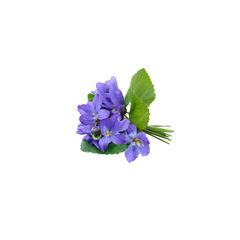
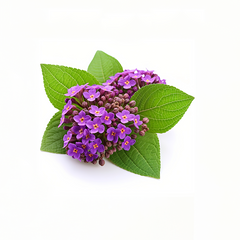
Pair orris with violet or heliotrope to reinforce the powdery, floral facets. Both share ionone derivatives, creating a seamless molecular bridge. Fragrances like Frédéric Malle Iris Poudre and Guerlain Après l’Ondée demonstrate this synergy, yielding a nostalgic, vintage effect.

02

Add Woody Depth

Layer orris with sandalwood or vetiver to emphasize its creamy, rooty, and woody undertones. Santalols in sandalwood interact with irones, producing a soft, lactonic warmth. Prada Infusion d’Iris and Serge Lutens Iris Silver Mist are examples where this pairing creates a balanced, sophisticated accord.

03

Brighten with Citrus

Combine orris with bergamot or neroli to highlight its fresher, green facets. Citrus aldehydes provide olfactory contrast, lifting the powdery heart and adding radiance. Chanel No. 19 and Atelier Cologne Silver Iris use this approach for a modern, airy effect.

Wear It Right

How to Wear Orris Like a Pro

Seasonal Guide

Fall & Winter

Cooler temperatures slow the evaporation of irones, allowing orris’s powdery, creamy facets to linger and develop depth. Apply to pulse points and under clothing for a comforting, enveloping effect. Layer with amber or balsamic notes to enhance warmth.

Spring

Moderate temperatures highlight orris’s floral and green nuances. The note feels lighter and more transparent, making it ideal for daytime wear. Pair with citrus or green notes for a fresh, uplifting effect.

Summer

Heat increases volatility, causing orris’s powdery facets to project more quickly but fade sooner. Apply sparingly to cooler areas (inner elbows, behind knees) and avoid overapplication. Layer with light musks or aquatic notes for a breezy, clean impression.

Year-Round Tip

Adjust application based on climate and skin type. In humid conditions, orris’s creamy, rooty facets are more pronounced; in dry air, its powdery and woody aspects dominate. Experiment with layering to tailor the scent to your environment.

Application Points

Strategic application of orris fragrances enhances longevity and reveals different facets of the note. Pulse points and fabric offer distinct effects.

1

Neck

Applying orris to the neck maximizes projection as body heat accelerates the release of irones, allowing the powdery and creamy facets to diffuse upward.

2

Behind the Ears

This area maintains a steady warmth and is less exposed to air, helping orris’s powdery heart to linger and evolve gradually.

3

Inner Wrists

The thin skin and pulse in this area enhance the tactile, suede-like texture of orris, making the scent more perceptible during movement.

4

Hair

Spraying orris on hair or a hairbrush provides a subtle, long-lasting trail as the scent is released with each movement, emphasizing the creamy, powdery aspects.

Pro Tip

Apply orris fragrance to fabric (scarves, collars) for extended longevity and a more pronounced powdery effect, as textiles slow the evaporation of irones.

Mood Architecture™

Top Orris Fragrances by Mood Score

These Orris-based fragrances scored highest on the MEI™ Mood Architecture Framework — measuring how a scent may influence your emotional state.

Highest MEI Score
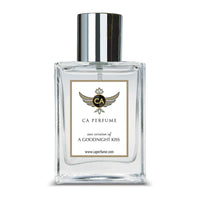
A Goodnight Kiss — A Goodnight Kiss Perfume Alternative Perfume
8.81
MEI™
Primary Romantic
Secondary Confident
Confidence
8.72
Presence
9.27
Mood Lift
9.25
Identity
9.23
Warmth
9.46
Social Ease
8.52
Energy
3.0
" I am beautiful.
View full mood profile →
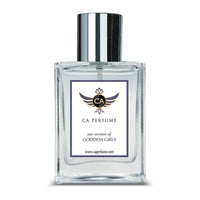
Goddess Girls — Good Girl Alternative Perfume
8.59
MEI™
Primary Romantic
Secondary Confident
Confidence
7.76
Presence
7.74
Mood Lift
9.5
Identity
8.17
Warmth
9.5
Social Ease
9.34
Energy
4.0
" I am beautiful.
View full mood profile →
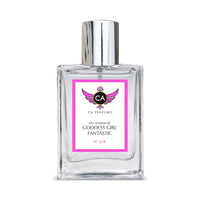
Goddess Girl Fantastic — Good Girl Fantastic Pink Alternative Perfume
8.51
MEI™
Primary Romantic
Secondary Confident
Confidence
7.42
Presence
7.52
Mood Lift
9.5
Identity
8.14
Warmth
9.5
Social Ease
9.41
Energy
4.7
" I am beautiful.
View full mood profile →
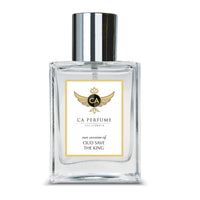
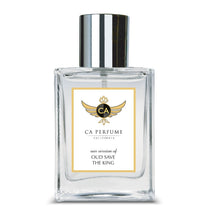
Oud Save The King — Atkinsons Oud Save The King Alternative Perfume
8.05
MEI™
Primary Romantic
Secondary Confident
Confidence
8.89
Presence
9.48
Mood Lift
7.44
Identity
9.5
Warmth
8.8
Social Ease
6.63
Energy
3.2
" I am beautiful.
View full mood profile →
HumanSafe™

Top Orris Fragrances by HumanSafe™ Score

These Orris-based fragrances have the highest product-level HumanSafe™ scores in this ingredient collection.

Highest HumanSafe™ Score
Vanilla Sex — Tom Ford Vanilla Sex Alternative Perfume
A-
HumanSafe™ Score Generally Safe
Safest Evaluated Ingredients EDP
AQUA Solvent / Carrier ISS 10.0
1,4-DIOXACYCLOHEPTADECANE-5,17-DIONE Evaluated ingredient ISS 10.0
2H-1-BENZOPYRAN-2-ONE Evaluated ingredient ISS 8.0
LINALOOL Evaluated ingredient ISS 7.0
ALCOHOL DENAT. Solvent / Carrier ISS 7.0
2H-1-BENZOPYRAN-6-OL, 3,4-DIHYDRO-2,5,7,8- Evaluated ingredient ISS 7.0
View full safety profile →
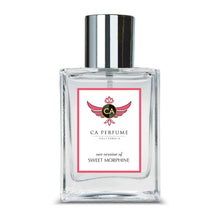
Sweet Morphine — Ex Nihilo Sweet Morphine Alternative Perfume
A-
HumanSafe™ Score Generally Safe
Safest Evaluated Ingredients EDP
AQUA Solvent / Carrier ISS 10.0
3-BUTEN-2-ONE, 4-(2,6,6-TRIMETHYL-1-CYCLOHEXEN-1-YL)- Evaluated ingredient ISS 10.0
1,4-DIOXACYCLOHEPTADECANE-5,17-DIONE Evaluated ingredient ISS 10.0
1H-3A,7-METHANOAZULEN-6-OL, OCTAHYDRO-3,6,8,8- Evaluated ingredient ISS 9.0
BENZENE, 1,2-DIMETHOXY-4-(1-PROPENYL)- Evaluated ingredient ISS 8.0
3-BUTEN-2-ONE, 3-METHYL-4-(2,6,6-TRIMETHYL-2- Evaluated ingredient ISS 8.0
View full safety profile →
Spells on Yourself — Spell On You Alternative Perfume
A-
HumanSafe™ Score Generally Safe
Safest Evaluated Ingredients EDP
AQUA Solvent / Carrier ISS 10.0
1,4-DIOXACYCLOHEPTADECANE-5,17-DIONE Evaluated ingredient ISS 10.0
BENZYL SALICYLATE Evaluated ingredient ISS 9.0
3-BUTEN-2-ONE, 3-METHYL-4-(2,6,6-TRIMETHYL-2- Evaluated ingredient ISS 8.0
LINALOOL Evaluated ingredient ISS 7.0
View full safety profile →
Oud Save The King — Atkinsons Oud Save The King Alternative Perfume
A-
HumanSafe™ Score Generally Safe
Safest Evaluated Ingredients EDP
AQUA Solvent / Carrier ISS 10.0
1,4-DIOXACYCLOHEPTADECANE-5,17-DIONE Evaluated ingredient ISS 10.0
4H-INDEN-4-ONE, 1,2,3,5,6,7-HEXAHYDRO-1,1,2,3,3- Evaluated ingredient ISS 9.0
BETA-PINENE Evaluated ingredient ISS 8.0
2H-1-BENZOPYRAN-2-ONE Evaluated ingredient ISS 8.0
ALPHA-CEDRENE Evaluated ingredient ISS 7.0
View full safety profile →
Expert Voices

What Masters Say About Orris

Orris is woody yet floral, rooty yet powdery, in perfect harmony with vanilla, oakmoss and sandalwood.
Daniela Andrier, Perfumer
Orris’s scent profile is defined by irones, which give it a powdery, creamy, and violet-like character prized in both classic and modern perfumery.
CA Perfume Editorial
Common Questions

Frequently Asked Questions

Answers to the most common questions about orris in perfumery.

Orris in perfume smells powdery, creamy, and violet-like, with subtle woody, rooty, and suede nuances. Its signature scent comes from irones, which develop during the multi-year aging of iris rhizomes. Depending on concentration and pairing, orris can also reveal earthy, carrot-like, or slightly metallic undertones. Classic fragrances such as Chanel No. 19 and Serge Lutens Iris Silver Mist showcase orris’s multifaceted character.

Orris is classified as a base note in perfumery due to its low volatility and high molecular weight. Its main odorants, irones, evaporate slowly, providing a persistent powdery and creamy effect that anchors the composition. Orris is rarely used as a top note, but its subtle green facets may be perceptible in the opening of some fragrances.

Orris is favored in niche perfumery for its complexity, rarity, and ability to impart a tactile, powdery elegance. Its multi-dimensional scent profile—combining floral, woody, and rooty aspects—allows perfumers to create unique, sophisticated accords. The labor-intensive extraction and high cost of natural orris also contribute to its prestige and exclusivity.

Orris fragrance uses include pairing with violet, heliotrope, sandalwood, rose, and amber. Violet and heliotrope amplify the powdery facets through shared ionone chemistry, while sandalwood and amber add creamy, warm depth. Rose and musk can soften orris’s rooty undertones, creating a balanced, elegant accord.

Orris can be worn in summer, but its powdery and creamy facets may feel heavier in high heat. To adapt, apply sparingly to cooler skin areas and layer with citrus or green notes for a fresher effect. In hot weather, orris’s volatility increases, causing the scent to project more quickly but fade sooner.

Orris fragrances are known for their longevity, with the powdery and woody base persisting for 6–10 hours or more, depending on concentration and skin chemistry. The fixative properties of orris butter and absolute help anchor other notes, extending the overall wear time of the composition.

Yes, orris is highly versatile for layering. Its molecular structure allows it to bridge floral, woody, and powdery notes. Layering with violet or heliotrope enhances powderiness, while sandalwood or vetiver adds depth. Experiment with citrus or green notes to brighten the scent. Always test combinations on skin for compatibility.

For those new to orris, recommended entry points include Prada Infusion d’Iris (modern, transparent), Chanel No. 19 (classic, green-powdery), and Frédéric Malle Iris Poudre (vintage-inspired powdery floral). These fragrances showcase orris’s versatility and are widely appreciated for their balance and elegance.

To select the right orris fragrance, consider your preferred style (powdery, woody, floral) and desired intensity. CA Perfume offers orris-centered compositions inspired by both classic and modern perfumery, with detailed scent profiles and layering guides to help you find your ideal match.

While orris is often associated with powdery, vintage scents, modern perfumery has expanded its use into fresh, woody, and even green compositions. The note’s versatility allows it to be worn daily, especially when paired with lighter, more contemporary ingredients. Adjust application and layering to suit your personal taste and environment.

Floral Woody Collection

Explore Our Top Orris Fragrances

Discover CA Perfume’s curated selection of orris-centered fragrances, inspired by both classic and contemporary compositions. Each scent highlights orris’s powdery, creamy, and violet-like character.

Shop all orris fragrances at CA Perfume →

Where Orris Comes From — Origin & Extraction

Orris is obtained from the rhizomes (underground stems) of Iris pallida, Iris germanica, and Iris florentina, all members of the Iridaceae family. The most prized orris comes from Iris pallida cultivated in Tuscany, Italy, where small family-run farms have maintained traditional methods for generations. Italy and Morocco are the primary producers, with Tuscany accounting for the majority of high-grade orris used in luxury perfumery. Annual global production is estimated at less than 10 metric tons of orris butter, reflecting the ingredient’s rarity. The extraction process is exceptionally labor-intensive and time-consuming. After the iris flowers bloom, the stalks are cut, but the rhizomes are left in the ground for three years to mature. Once harvested, the roots are peeled, washed, and sun-dried or oven-dried at 40°C for an additional two to three years. During this aging period, iridals in the rhizome oxidize to form irones, the key odorants responsible for orris’s signature scent. Only after this lengthy maturation can the roots be processed: they are ground and subjected to steam distillation to yield orris butter (a semi-solid essential oil), or solvent extraction (using petroleum ether or benzene) to produce orris absolute or resinoid. The yield is extremely low—0.2–0.4% of the dried rhizome weight, with one ton of roots producing only 4–5 kg of orris butter. Natural orris butter is among the most expensive perfumery materials, with prices ranging from $30,000–$50,000 per kilogram, and rare Iris pallida absolute exceeding €100,000/kg. In contrast, synthetic irone aroma chemicals cost $500–$2,000/kg. Sustainability concerns center on the slow regrowth cycle, limited arable land, and the need for careful pest management during the aging process. Some producers have adopted organic farming and crop rotation to preserve soil health and biodiversity. The CAS number for orris root extract is 90045-90-2, and the primary irone molecules are α-irone and γ-irone.

Famous Fragrances That Define Orris in Perfumery

Orris has been a cornerstone of both classical and modern perfumery, prized for its powdery, creamy, and violet-like character. In Chanel No. 19 (1971, Henri Robert), orris forms the cool, powdery heart of a green floral composition, paired with galbanum and rose. Serge Lutens Iris Silver Mist (1994, Maurice Roucel) is often cited as the definitive orris soliflore, using a high concentration of orris butter to create a haunting, rooty, and ethereal effect. Frédéric Malle Iris Poudre (2000, Pierre Bourdon) showcases orris in a vintage-inspired powdery accord with rose, musk, and aldehydes, while Prada Infusion d’Iris (2007, Daniela Andrier) offers a modern, transparent take by blending orris with neroli and cedar. Other notable examples include Amouage Interlude Black Iris (2020, Pierre Negrin), where orris adds a creamy, powdery contrast to incense and leather, and Maison Crivelli Iris Malikhân (2022, Marc Zini), which explores the interplay of orris with amber and spices. In each of these fragrances, orris functions as a dominant note or bridge, lending elegance, longevity, and a distinctive tactile quality. CA Perfume’s collection draws inspiration from this rich lineage, offering orris-centered compositions that balance tradition and innovation.

Natural vs Synthetic Orris in Perfumery

Natural orris is defined by its complex mixture of irones (α-irone, CAS 79-69-6; γ-irone, CAS 79-70-7), iridals, and fatty acids, which together create its nuanced, powdery-violet scent. However, due to the extremely high cost and low yield of natural orris butter and absolute, most commercial fragrances rely on synthetic substitutes. The key synthetic molecules are methyl ionone (CAS 127-51-5), alpha-irone, and beta-ionone (CAS 14901-07-6), which mimic the violet, woody, and powdery facets of natural orris. These synthetics offer greater consistency, improved stability, and are less susceptible to supply chain disruptions. Performance-wise, synthetic irones and ionones provide excellent longevity and diffusion, but lack the subtle earthy, buttery, and rooty undertones of natural orris. Iconic fragrances such as Chanel No. 19 and Serge Lutens Iris Silver Mist use natural orris in their original formulas, while many modern iris-themed scents (e.g., Prada Infusion d’Iris) employ a blend of natural and synthetic materials for cost and sustainability reasons. Synthetic orris aroma chemicals are priced at $500–$2,000/kg, compared to $30,000–$50,000/kg for natural orris butter. From a sustainability perspective, synthetics reduce pressure on limited agricultural resources and allow for greater transparency and safety monitoring. CA Perfume’s HumanSafe™ platform ensures that all orris-derived ingredients—natural or synthetic—are fully traceable, IFRA-compliant, and subject to rigorous safety assessments. Other notable aroma chemicals used to recreate orris effects include cis-α-irone, methyl-β-naphthyl ketone, and damascones.