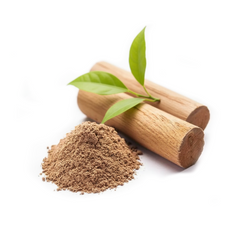
Where Orris Root Comes From — Origin & Extraction
Orris root is sourced from the rhizomes of Iris pallida (pale iris), Iris germanica (German iris), and Iris florentina (Florentine iris). The most prized material for perfumery is obtained from Iris pallida, cultivated primarily in Tuscany (Italy), France, and Croatia’s Dalmatian coast. Iris germanica is grown extensively in Morocco and China, providing a coarser, earthier oil for broader commercial use. Global cultivation is limited, with only about 173 acres worldwide and an annual dried rhizome output of approximately 250 tons. Morocco produces around 120 tons (mainly I. germanica), China about 100 tons, and Italy’s smaller volume commands the highest market value due to superior irone content.
The extraction process is exceptionally labor-intensive and time-consuming. Rhizomes are left underground for three years before harvesting. After harvest, the roots are cleaned, peeled, and dried, then aged for another three to five years to allow enzymatic conversion of odorless precursors into irones. Only after this maturation can the rhizomes be processed into orris butter via solvent extraction (typically with ethanol or hexane) or steam distillation. Yields are extremely low: roughly 500 kg of rhizomes are required to produce 1 kg of orris butter. Top-quality orris butter can reach $40,000–$100,000 per kilogram, making it one of the most expensive perfumery materials. Synthetic alternatives, such as alpha-isomethyl ionone, cost about one-third as much. Sustainability concerns include the slow regeneration of iris fields, the need for manual labor, and the risk of overharvesting in regions with limited agricultural oversight.
Famous Fragrances That Define Orris Root in Perfumery
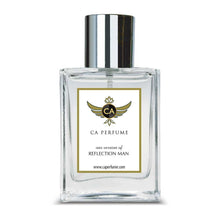
Orris root has shaped the evolution of powdery, floral, and woody fragrances for centuries. In Chanel 28 La Pausa (2007, Jacques Polge), orris root is the central note, paired with vetiver and musk to create a minimalist iris composition. Prada Infusion d’Iris (2007, Daniela Andrier) uses orris root as a creamy, powdery heart, balanced by neroli, cedar, and benzoin. Amouage Interlude Black Iris (2020, Pierre Negrin) demonstrates orris root’s ability to add suede-like depth and powdery texture to a smoky, resinous base. Givenchy Gentleman Eau de Parfum (2018, Olivier Cresp and Nathalie Lorson) features orris root as a bridge between spicy black pepper and warm vanilla, highlighting its fixative and textural qualities. Escentric Molecules Molecule 01 + Iris (2021, Geza Schoen) showcases a modern, minimalist approach, using synthetic irones and a touch of natural orris to create a skin-like, woody-powdery aura. CA Perfume’s collection draws inspiration from this lineage, offering orris-root-centered fragrances that explore both classic and contemporary interpretations.
Natural vs Synthetic Orris Root in Perfumery
Natural orris root is valued for its complex blend of irones—cis-gamma-irone, cis-alpha-irone, and minor isomers—alongside myristic acid and other fatty acids that contribute to its creamy, powdery, and tenacious character. The CAS number for natural irone isomers includes 79-69-6 (gamma-irone). Synthetic alternatives have been developed since the early 20th century, with alpha-isomethyl ionone (CAS 127-51-5), methyl ionone (CAS 127-42-4), and Orris Total (a proprietary blend) being the most common. These molecules can replicate the violet, powdery, and woody aspects of orris root at a fraction of the cost and with greater batch-to-batch consistency.
Performance-wise, synthetic irones and ionones offer excellent longevity, diffusion, and stability, but often lack the nuanced, suede-like, and creamy undertones of natural orris butter. Many contemporary iris fragrances, such as Prada Infusion d’Iris and Escentric Molecules Molecule 01 + Iris, use a blend of synthetic ionones and a trace of natural orris for complexity. Cost differences are significant: synthetic orris substitutes are priced around $10,000–$15,000 per kg, while natural orris butter can exceed $40,000–$100,000 per kg. Sustainability and ethical sourcing are increasingly important, with synthetic options reducing pressure on limited iris crops. The HumanSafe™ platform provides transparency on the sourcing and safety of both natural and synthetic orris materials, ensuring traceability and compliance with IFRA guidelines.